 Click main image to view in full screen.
DEFINE Framework: Organizational Design Toolkit – PowerPoint PPTX Template
PowerPoint (PPTX) 41 Slides


BENEFITS OF THIS DOWNLOADABLE POWERPOINT DOCUMENT
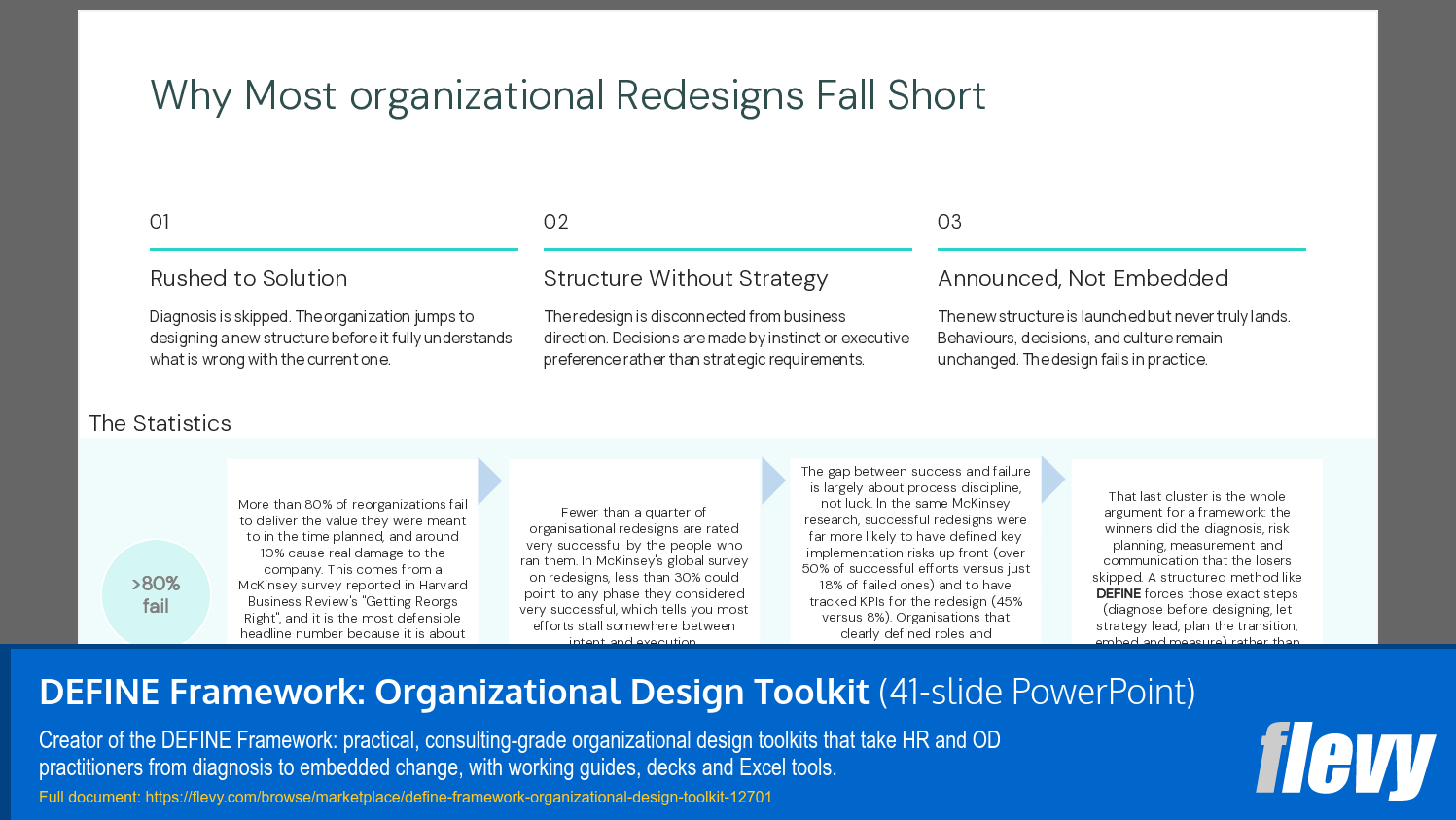
- 80% of reorganizations fail to deliver their intended value. This bundle gives you the six-phase method, guide, deck and Excel tools that keep yours in the other 20%.
- 6 phases, 1 repeatable, practical framework. From Diagnostic Scorecard to 90-day review, each stage produces a client-ready deliverable, guding you through the process.
- Redesign anything, and make it stick. Covers the full lifecycle from diagnosis to embedding culture, not just the org chart, addressing the exact reasons most reorganizations fail to land.
ORGANIZATIONAL DESIGN PPT TEMPLATE DESCRIPTION
Built from 18 years in the field, not from a textbook.
I have led and supported organizational redesigns across different industries, sizes and stages of change, and I kept seeing the same thing: most of them fail. The studies back it up. In one McKinsey survey, more than 80% of reorganizations did not deliver their intended value in the time planned, and fewer than a quarter of redesigns are judged a success. The causes were always the same ones I watched play out in the room: teams rush to a new org chart before diagnosing the real problem, they disconnect the design from strategy, and they announce the change without ever embedding it.
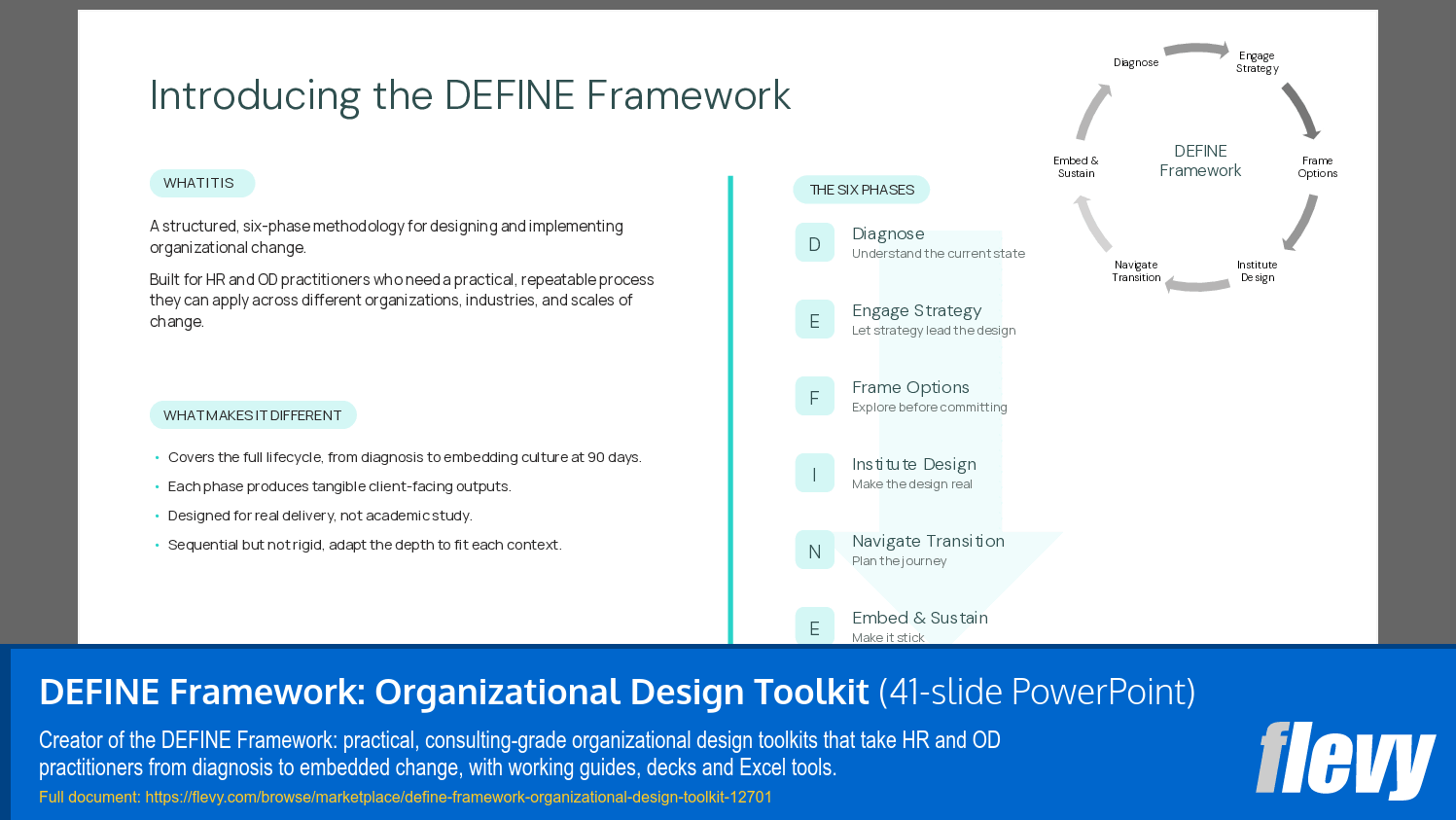
The DEFINE Framework is the method I built to stop that from happening. It is not theory. It is the structured, repeatable, six-phase process I refined engagement after engagement, distilled into something you can pick up and use. It takes you from "why are we redesigning?" all the way through to a 90-day health check, with a tangible, client-facing output at every stage. I wrote it for the HR and OD practitioners and consultants who, like me, need a professional, ready-to-use process they can trust across different organizations, industries and scales of change.
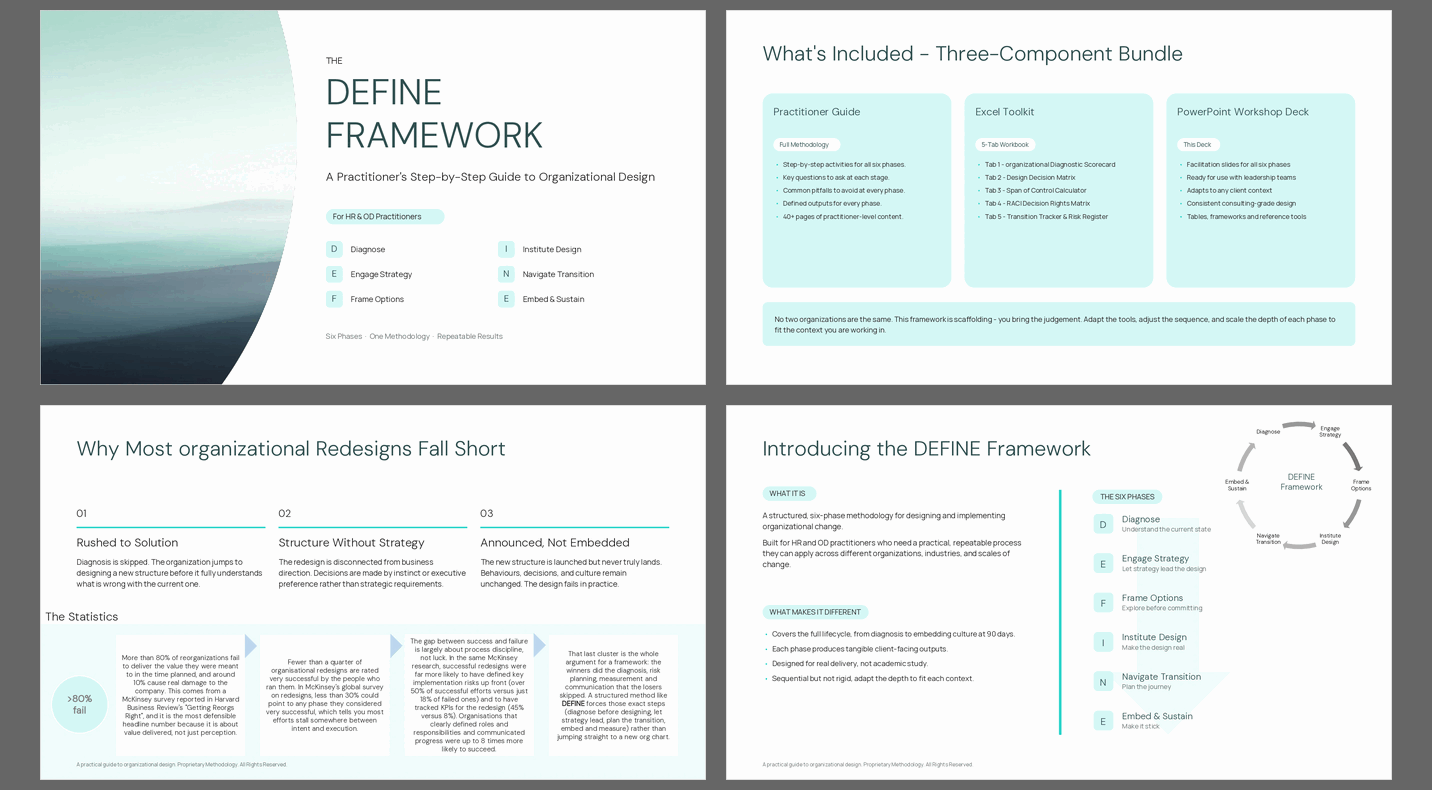
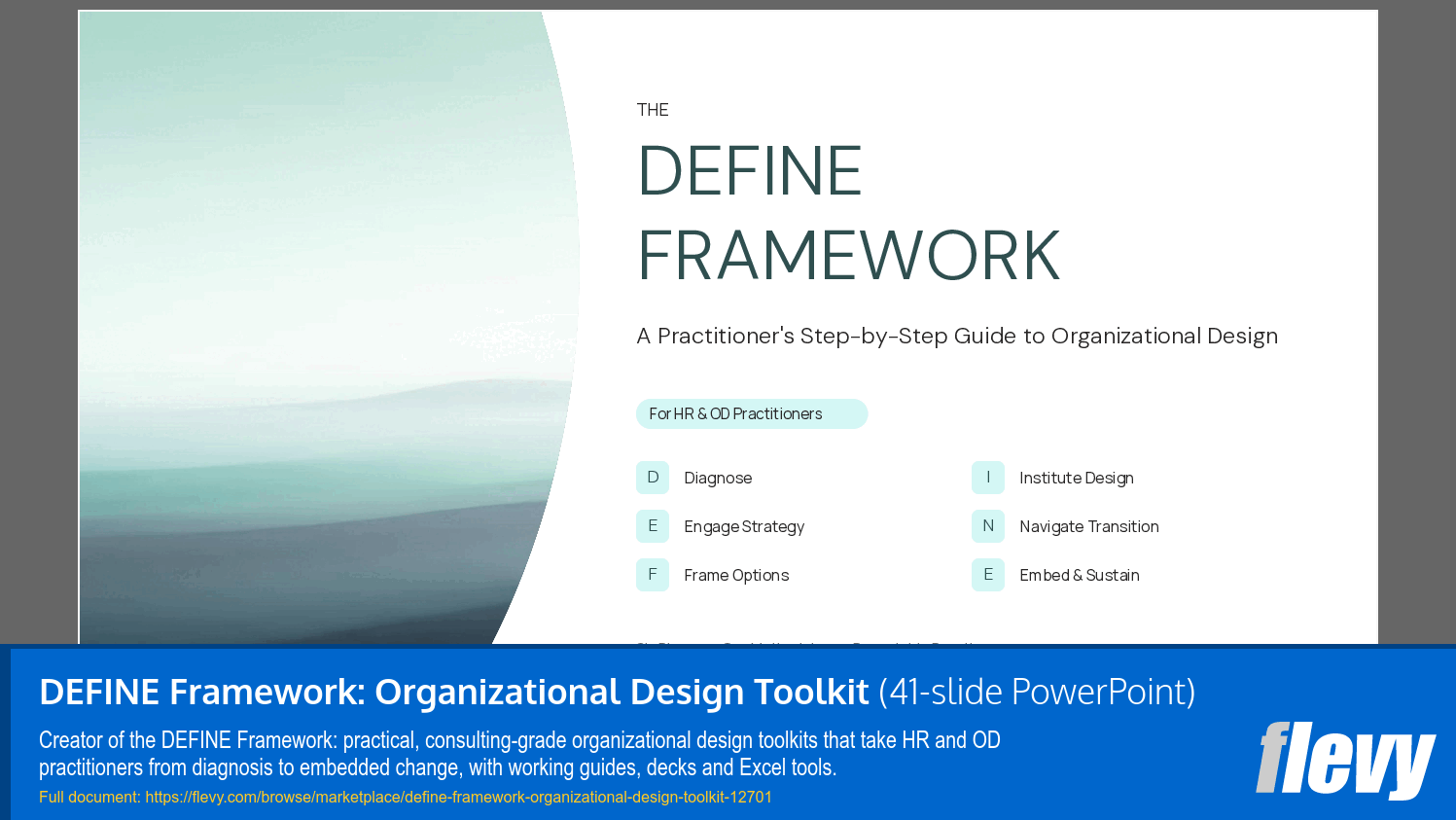
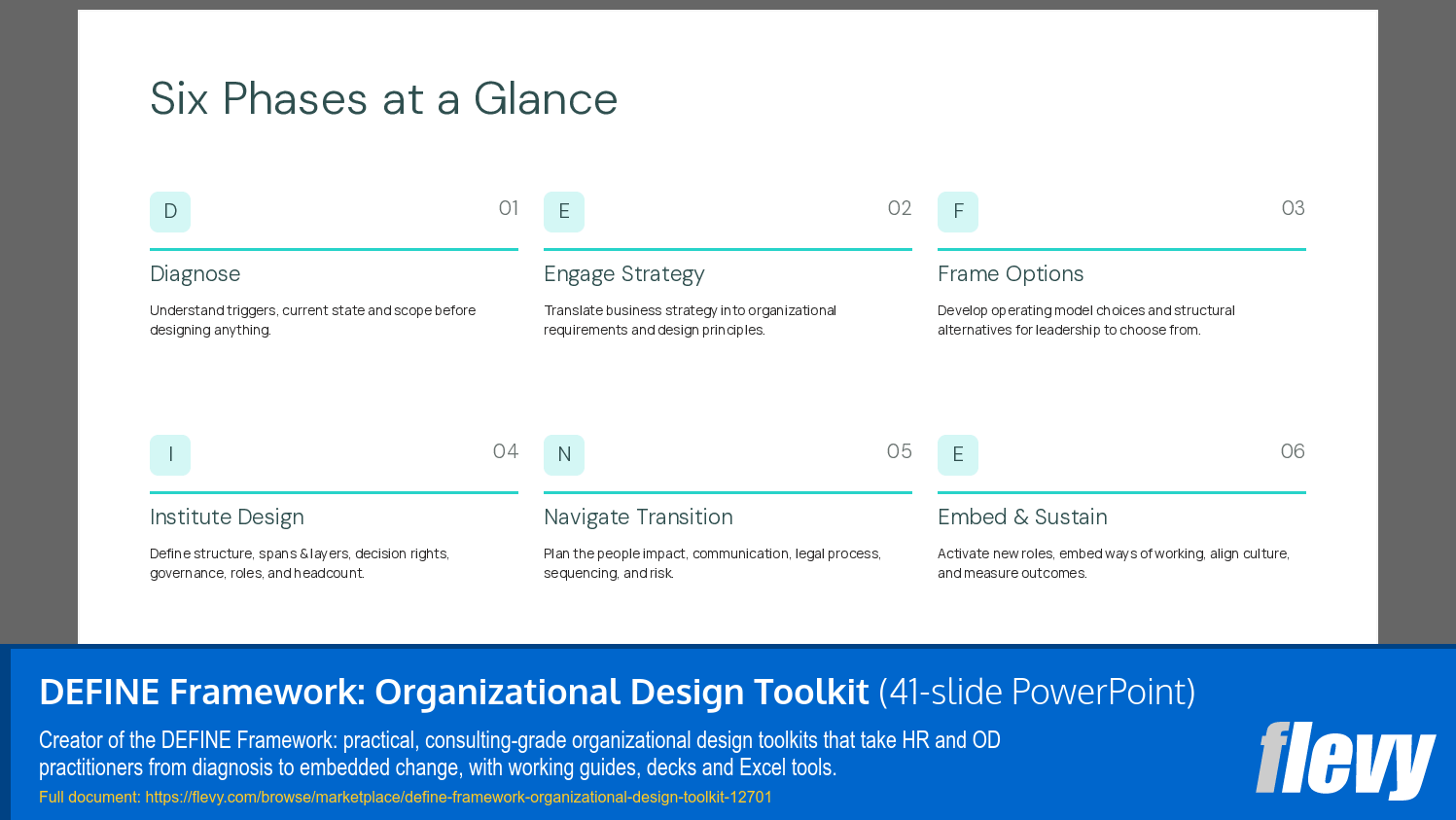
DEFINE is the six phases: Diagnose, Engage Strategy, Frame Options, Institute Design, Navigate Transition, and Embed & Sustain. Each phase gives you the purpose, the key questions to ask, the step-by-step activities, the defined outputs, and the common pitfalls to avoid, the ones I learned the hard way so you don't have to.
A three-part system, built to be used in real engagements
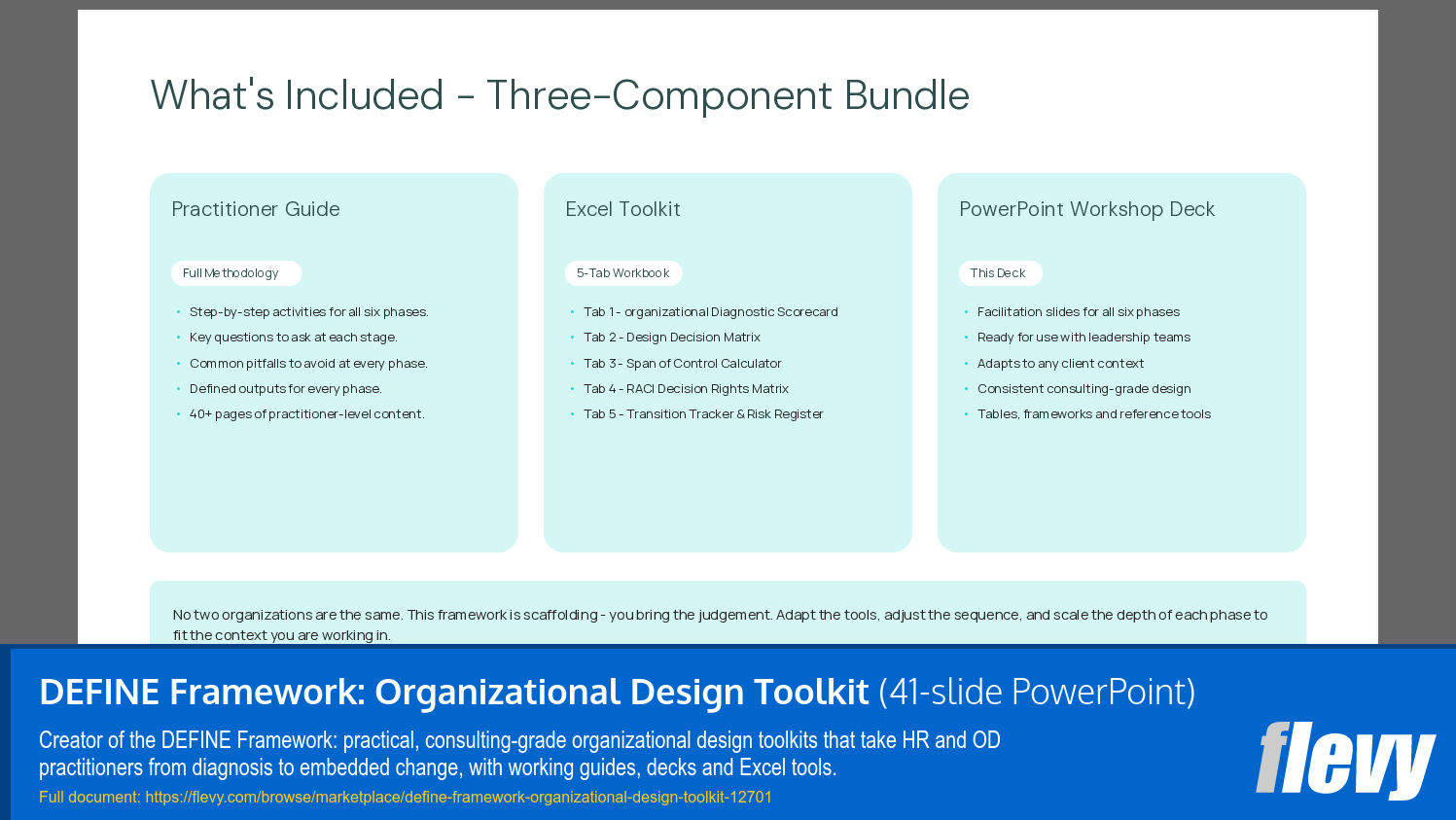
Practitioner Guide (Word/PDF) – the full methodology. Every phase in detail, with purpose, key questions, step-by-step activities, outputs and pitfalls, plus a one-page quick reference.
PowerPoint Workshop Deck – 41 professionally designed, ready-to-facilitate slides. Walk a leadership team through each phase, share the key questions, and capture outputs in real time. Consulting-grade design, ready to brand as your own.
Excel Toolkit (5 working tools) – the calculators and templates that turn the method into deliverables:
Tab 1 – Organisational Diagnostic Scorecard: weighted scoring across six dimensions.
Tab 2 – Design Decision Matrix: score 2-3 structural options against weighted design principles.
Tab 3 – Span of Control Calculator: model spans, layers, headcount and cost, current vs target.
Tab 4 – RACI Decision Rights Matrix: allocate decision rights across 20 key decisions.
Tab 5 – Transition Tracker & Risk Register: track people impact, conversations and risks.
Who it's for
HR and OD practitioners leading or supporting an organizational redesign.
Management and boutique consultants who need a repeatable, client-ready design process.
People and transformation leaders running a restructure, integration or operating-model change.
Anyone who has to turn "we need to reorganize" into a defensible, well-executed design.
Why it works
It is field-tested, not academic: every phase, tool and pitfall comes from real redesigns.
It covers the full lifecycle, from diagnosis to embedding culture, not just the org chart.
It produces a tangible, client-facing output at every phase, so you always have something to show.
The working Excel tools do the maths for you: scoring, spans, cost and risk.
It is ready to facilitate and ready to brand, so you can use it in a live leadership session from day one.
Got a question about the product? Email us at support@flevy.com or ask the author directly by using the "Ask the Author a Question" form. If you cannot view the preview above this document description, go here to view the large preview instead.
Source: Best Practices in Organizational Design PowerPoint Slides: DEFINE Framework: Organizational Design Toolkit PowerPoint (PPTX) Presentation Slide Deck, Fox Consulting
ABOUT THE AUTHOR

We create practical, experience-based, ready-to-use toolkits for organisational design, HR and people development. Our work is built for HR and OD practitioners, internal people teams and consultants who need repeatable, professional processes they can apply with confidence across different organisations, industries and scales of change.
Over 20 years working across the HR and OD field, we
... [read more]
Ask the Author a Question
You must be logged in to contact the author.




























