
 Click main image to view in full screen. Unlock all 21 preview images:
Competing Values Framework (CVF) – PowerPoint PPTX Template
PowerPoint (PPTX) 91 Slides


BENEFITS OF THIS DOWNLOADABLE POWERPOINT DOCUMENT
- Ready to use presentation with graphics
- Step by step approach
- Slide notes for the presenter
ORGANIZATIONAL DESIGN PPT TEMPLATE DESCRIPTION
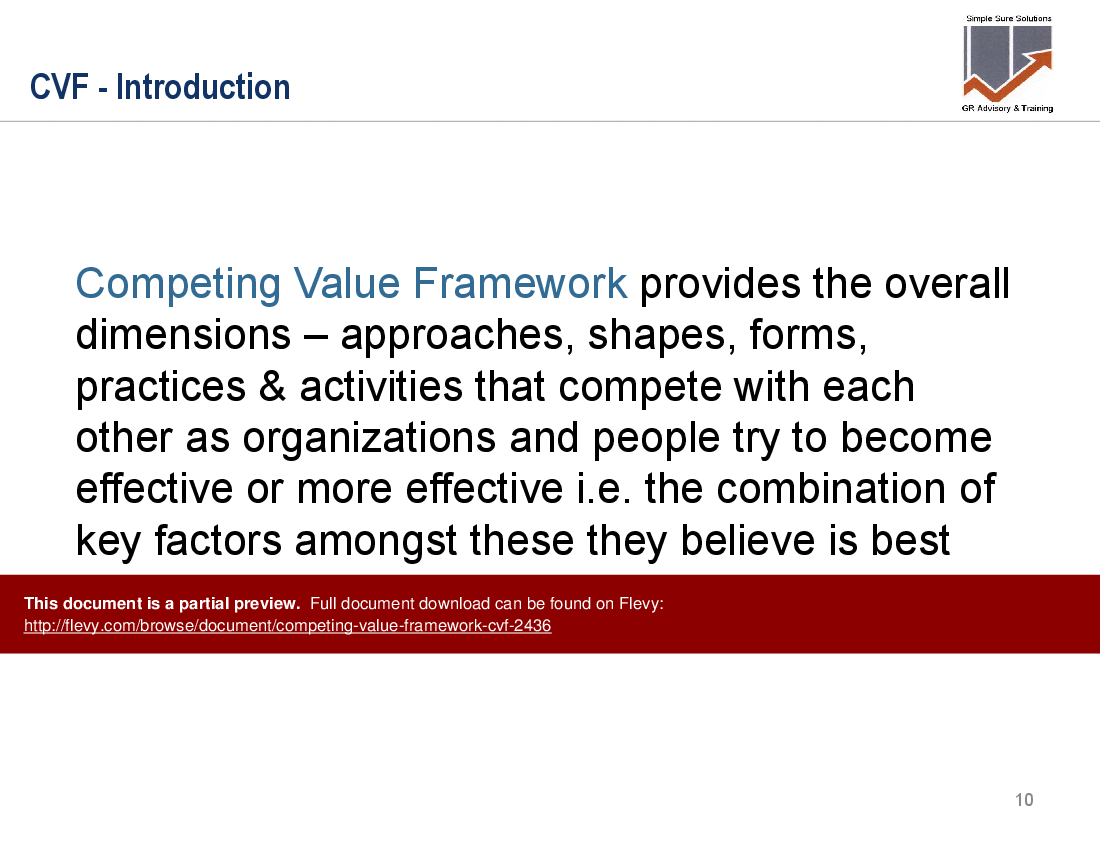
Competing Values Framework (CVF) is a powerful tool to understand how organization/corporate culture develops. It brings about the key factors that influence creation of a particular culture and their interplay. The framework also brings about the relevance of leadership styles a culture would encourage for effectiveness, the managerial competencies each culture will focus on, HR role and competencies to be developed and so on.
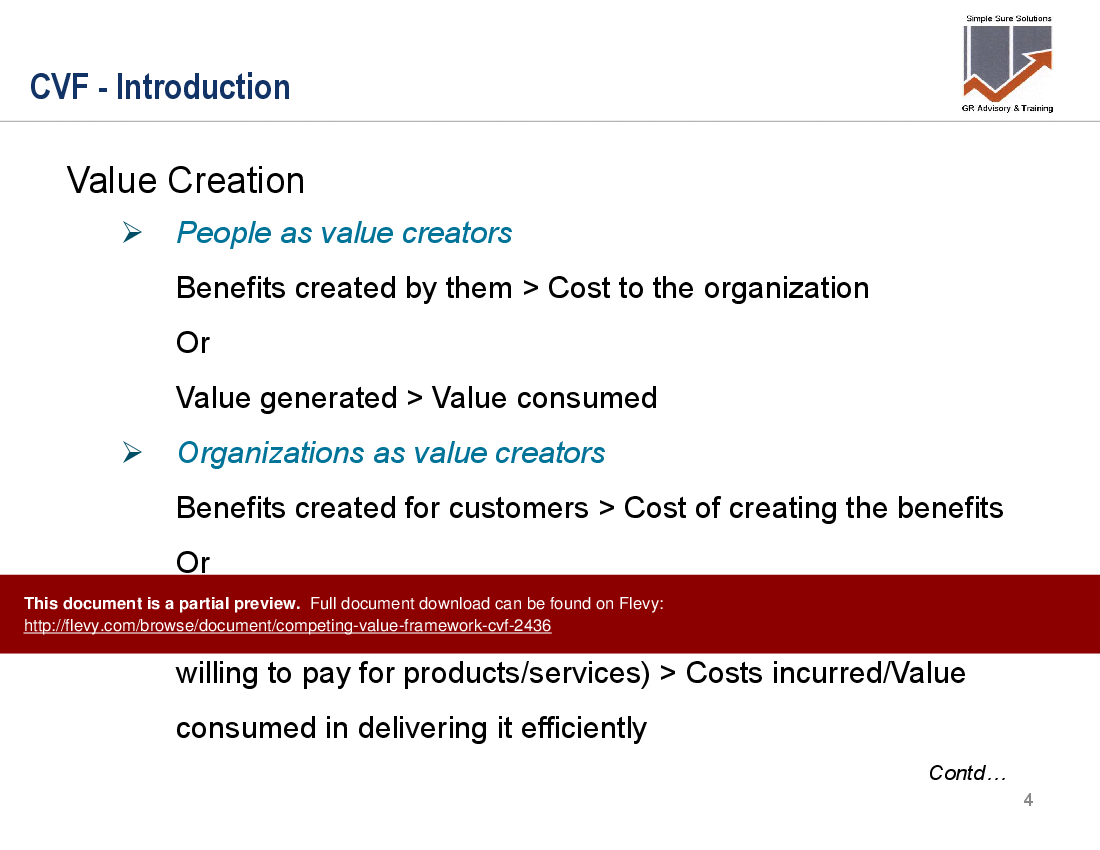
This presentation provides a good insight into CVF. It first explains what the thinking behind the framework is and then goes on to elaborate it. It then explores the different perspectives that the model brings about – value creation, core values & culture, the competing values that organizations face, its implications on various organizational aspects and so on. The broad coverage is as follows:
1. CVF – The Context
2. CVF – Explained
3. CVF – Core Values & Culture
4. CVF – Competing Values
5. CVF – Velocity & Magnitude of Value Creation
6. CVF – Few Implications
6a. Culture & Leadership
6b. Managerial Competencies
6c. Human Resources – Roles & Competencies
6d. Quality Strategies
7. CVF Quadrants – Positives & Negatives
8. CVF Quadrants – Implications of Negatives
9. CVF – Conclusions
This 91 slide deck has been done for direct presentation use – providing step by step progress with graphics and animations.
Where required slide notes have been provided.
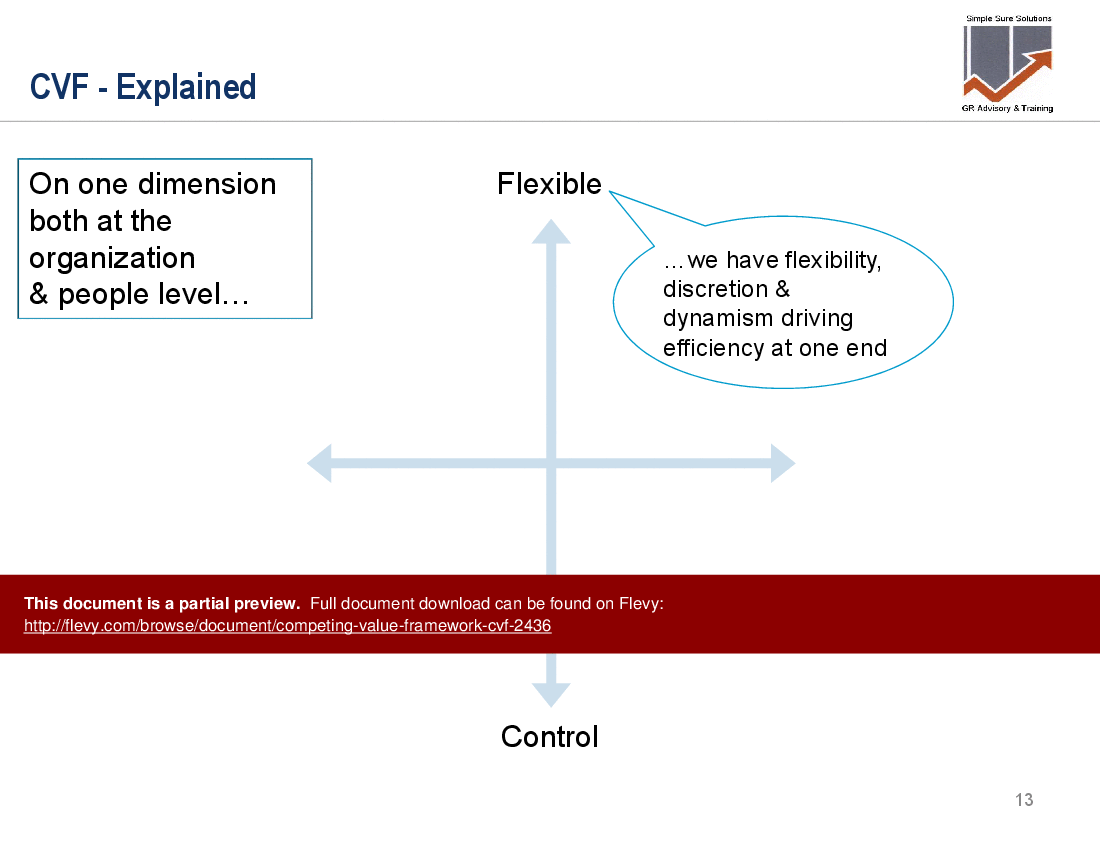
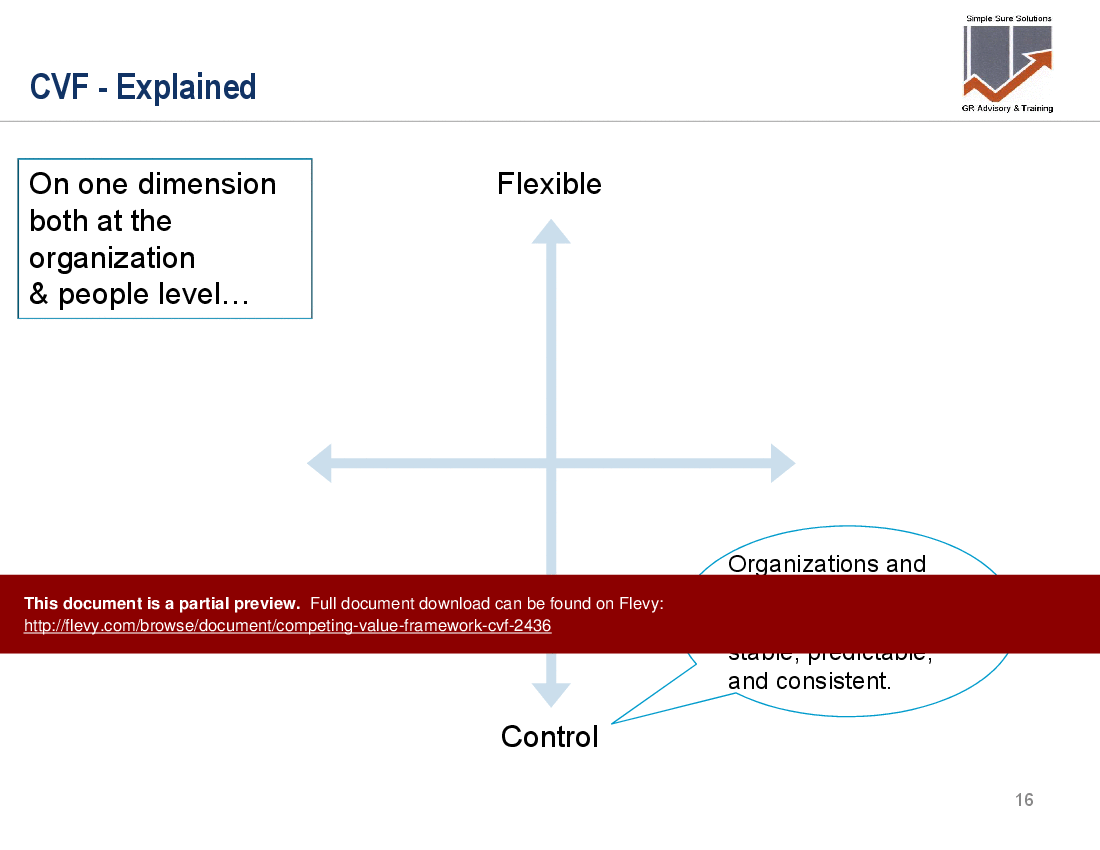
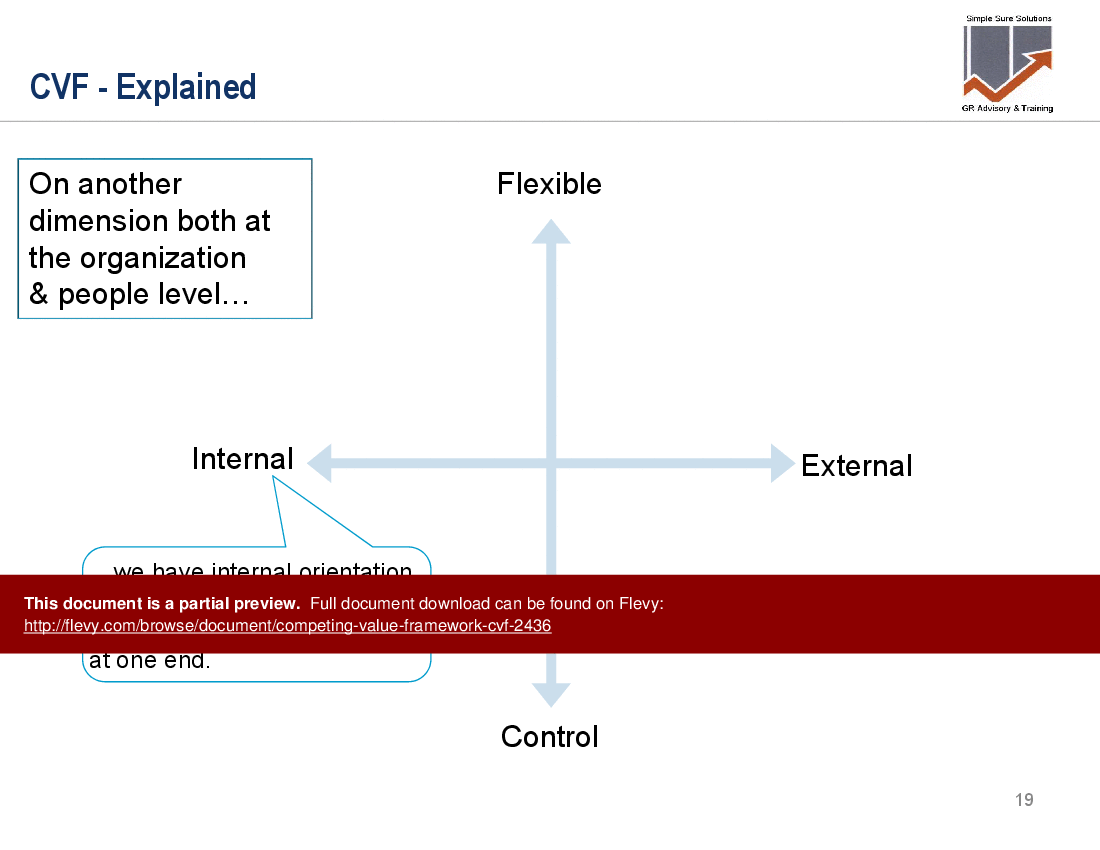
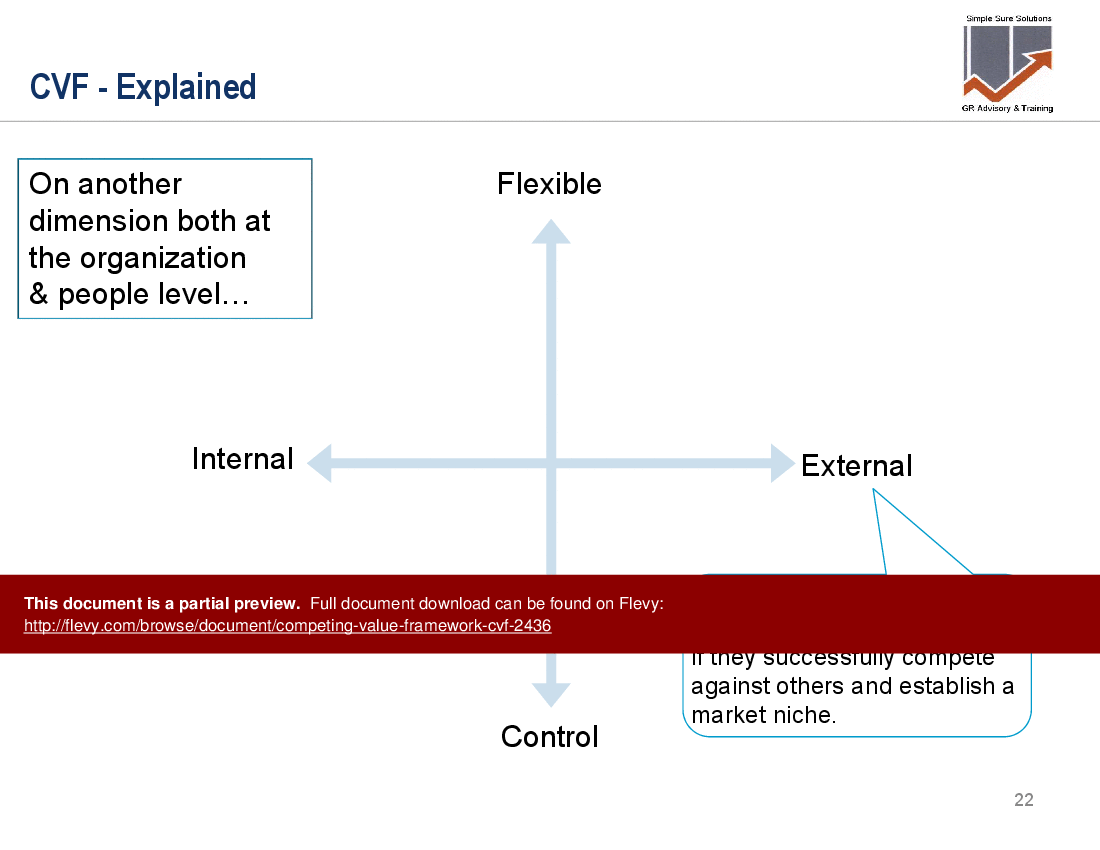
The preview images highlight the detailed exploration of the Competing Values Framework (CVF), emphasizing its practical application in real-world scenarios. The presentation delves into the dimensions of flexibility versus control and internal versus external focus, providing a nuanced understanding of how these axes influence organizational behavior and strategy. The slides illustrate the dynamic interplay between different cultural types—such as clan, adhocracy, market, and hierarchy—offering insights into their respective strengths and potential pitfalls. This comprehensive analysis equips executives with the knowledge to navigate and leverage competing values for enhanced organizational effectiveness and value creation.
Got a question about the product? Email us at support@flevy.com or ask the author directly by using the "Ask the Author a Question" form. If you cannot view the preview above this document description, go here to view the large preview instead.
TOPIC FAQ
What are the primary dimensions the Competing Values Framework uses to describe organizational culture?
The CVF describes culture using 2 intersecting dimensions: flexibility versus control and internal versus external focus. These axes produce a matrix that helps explain organizational behavior patterns, strategic emphasis, and managerial priorities across the framework’s 2 core dimensions.What are the 4 culture types identified in the Competing Values Framework?
The CVF identifies 4 culture types—clan, adhocracy, market, and hierarchy—each associated with different priorities and behaviors. These quadrants represent distinct value clusters that influence leadership style, managerial competencies, and organizational practices across the 4 named culture types.How does the CVF link culture to leadership styles and managerial competencies?
The CVF highlights which leadership styles and managerial competencies are encouraged by each culture type, helping organizations see where competencies should be developed or reinforced. The framework explicitly maps leadership relevance and managerial focus to culture types within its quadrant model.In what situations is applying the CVF most useful for organizational change initiatives?
Apply the CVF when you need to assess cultural fit during restructuring, strategy shifts, or capability development, and when aligning HR roles and leadership styles to that culture. The framework also helps evaluate expected value creation patterns, including velocity and magnitude of value creation.What should I look for when choosing a CVF slide deck or template for presentations?
Prefer decks that explain the framework context, illustrate the flexibility/control and internal/external axes, show quadrant positives and negatives, and include implications for leadership, HR, and quality. Useful features include presentation-ready graphics, animations, and slide notes — for example, a 91-slide deck with notes.How can HR practitioners use the CVF to design role and competency programs?
HR can use the CVF to identify which competencies and HR roles align to the dominant culture quadrant, then design development programs and role profiles that support those competencies. The framework explicitly links HR roles and competencies to culture types in its HR-focused sections.What common pitfalls should leaders avoid when using the CVF to shift culture?
Common pitfalls include overemphasizing one quadrant without addressing its negatives, misaligning leadership style with desired culture, and neglecting implications for managerial competencies and HR roles. The CVF’s materials that cover quadrant positives & negatives and implications can help surface these risks.How does the CVF address organizational value creation?
The CVF links culture types to patterns of value creation, distinguishing differences in speed and scale by discussing the velocity and magnitude of value creation. The framework’s exploration of value creation helps leaders understand expected outcomes tied to each culture orientation.Source: Best Practices in Organizational Design PowerPoint Slides: Competing Values Framework (CVF) PowerPoint (PPTX) Presentation Slide Deck, Ganesh Rajagopalan




























