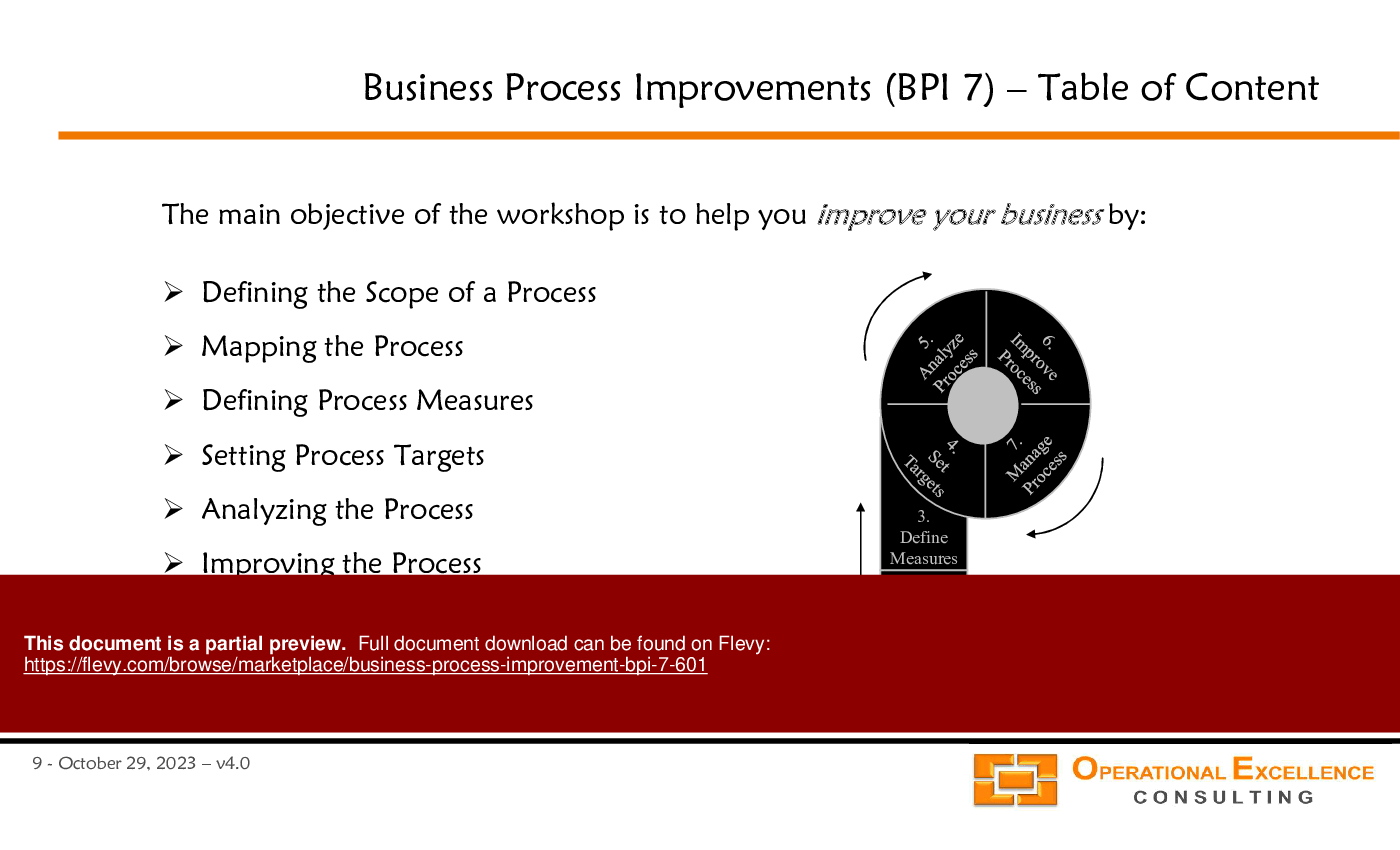

Our business process improvements methodology BPI 7 is a proven and systematic approach to continuously improve an organization's existing business processes.

The Business Process Improvement (BPI 7) Training Module includes:
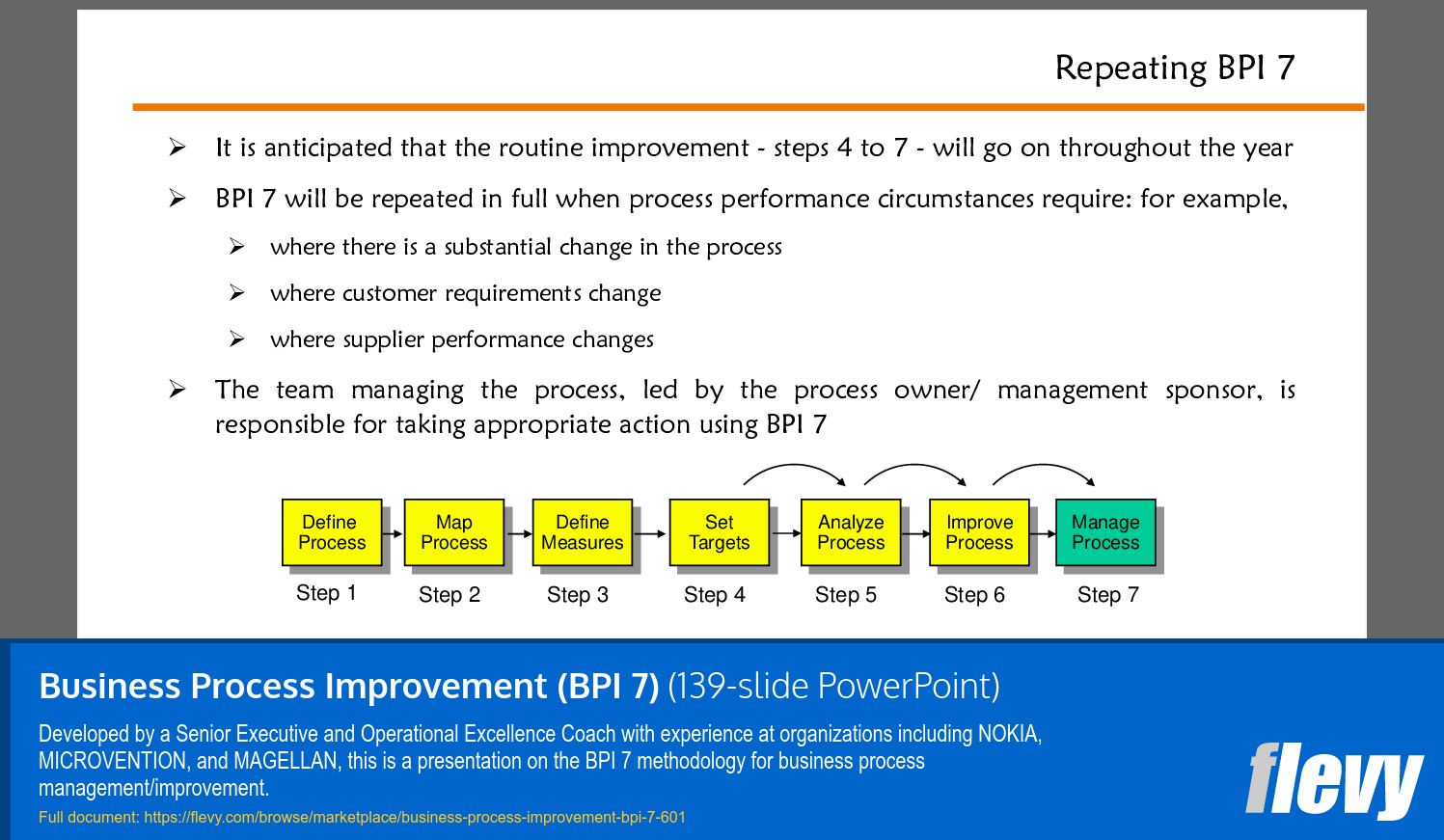
1. MS PowerPoint Presentation including 141 slides covering our seven-steps Business Process Improvement Methodology.
• Defining the Scope of a Process
• Mapping the Process
• Defining Process Measures
• Setting Process Targets
• Analyzing the Process
• Improving the Process
• Managing the Process
2. MS Word Process Measure Definition Worksheet
3. MS Word Activity Assessment Worksheet
4. MS Word Change Management Worksheet
5. MS Word Process Management Worksheet
"After you have downloaded the training material, you can change any part of the training material and remove all logos and references to Operational Excellence Consulting. You can share the material with your colleagues and clients, and re-use it as you need. The only restriction is that you cannot publicly re-distribute, sell, rent or license the material as though it is your own. Thank you."
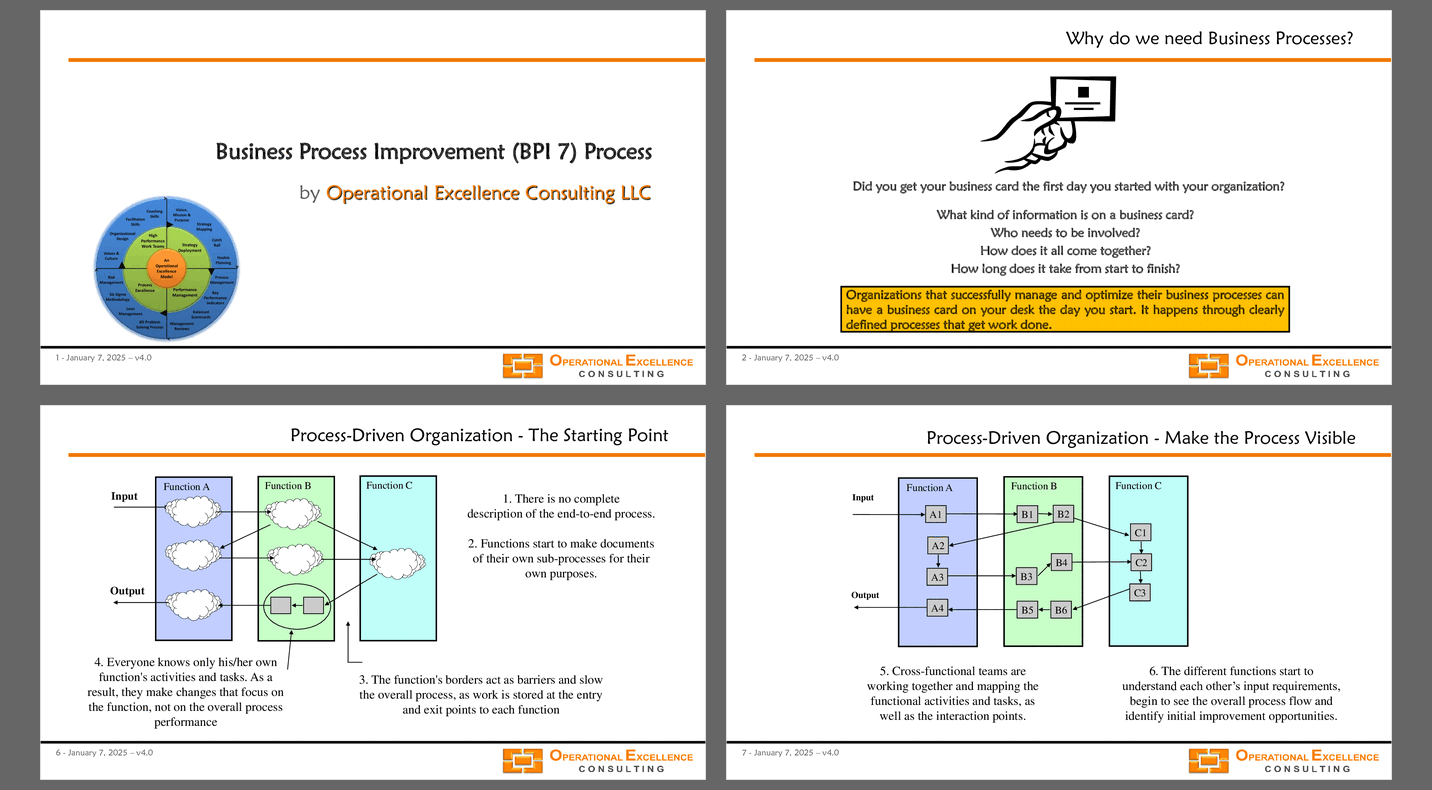
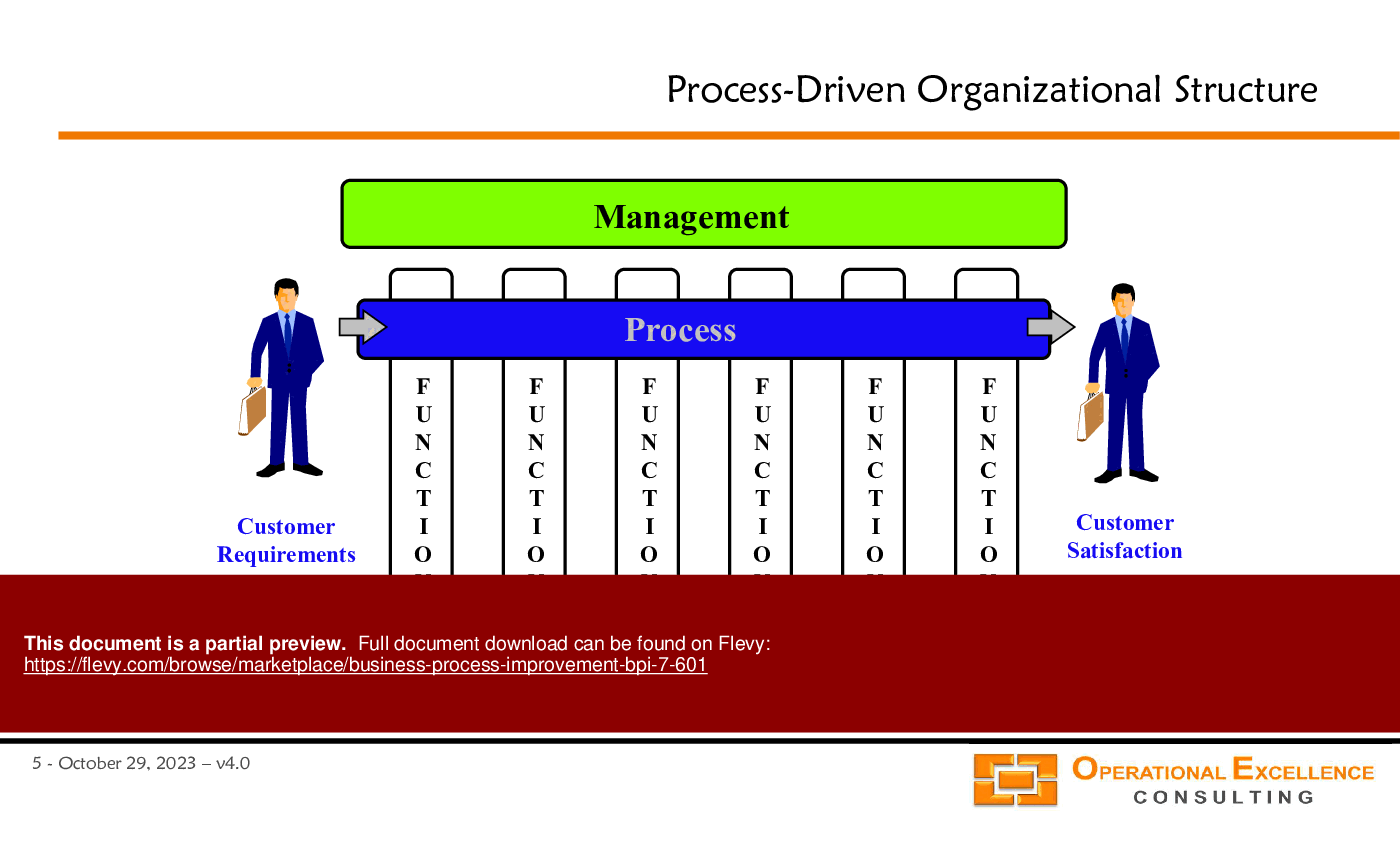
The BPI 7 module provides a detailed framework for a process-driven organizational structure, ensuring alignment between customer requirements and satisfaction. It emphasizes the importance of defining the process scope, mapping, and setting clear targets to drive continuous improvement. The module includes practical worksheets and templates, such as the SIPOC diagram, to facilitate thorough process analysis and management.
The training material also addresses common challenges in performance measure deployment, offering strategies to overcome issues like fear, fudging, and denial. By the end of the module, participants will be equipped with the knowledge and tools to implement effective process improvements, ensuring measurable and sustainable results.
Got a question about the product? Email us at support@flevy.com or ask the author directly by using the "Ask the Author a Question" form. If you cannot view the preview above this document description, go here to view the large preview instead.
Executive Summary
The Business Process Improvement (BPI 7) presentation provides a structured approach to optimizing workflows and enhancing operational efficiency. Developed by a seasoned Operational Excellence Coach, this deck outlines the BPI 7 methodology, which emphasizes defining, mapping, measuring, and improving business processes. By utilizing this presentation, organizations can establish clear process objectives, engage stakeholders effectively, and implement continuous improvement strategies that drive measurable results.
Who This Is For and When to Use
• Operational Excellence Teams focused on process optimization
• Business Analysts tasked with mapping and analyzing workflows
• Project Managers overseeing process improvement initiatives
• Senior Executives seeking to enhance organizational efficiency
• Change Management Professionals facilitating transitions
Best-fit moments to use this deck:
• During process improvement workshops to define and map workflows
• When establishing performance measures and targets for business processes
• In training sessions for teams on continuous improvement methodologies
• For management reviews to assess process performance and improvement opportunities
Learning Objectives
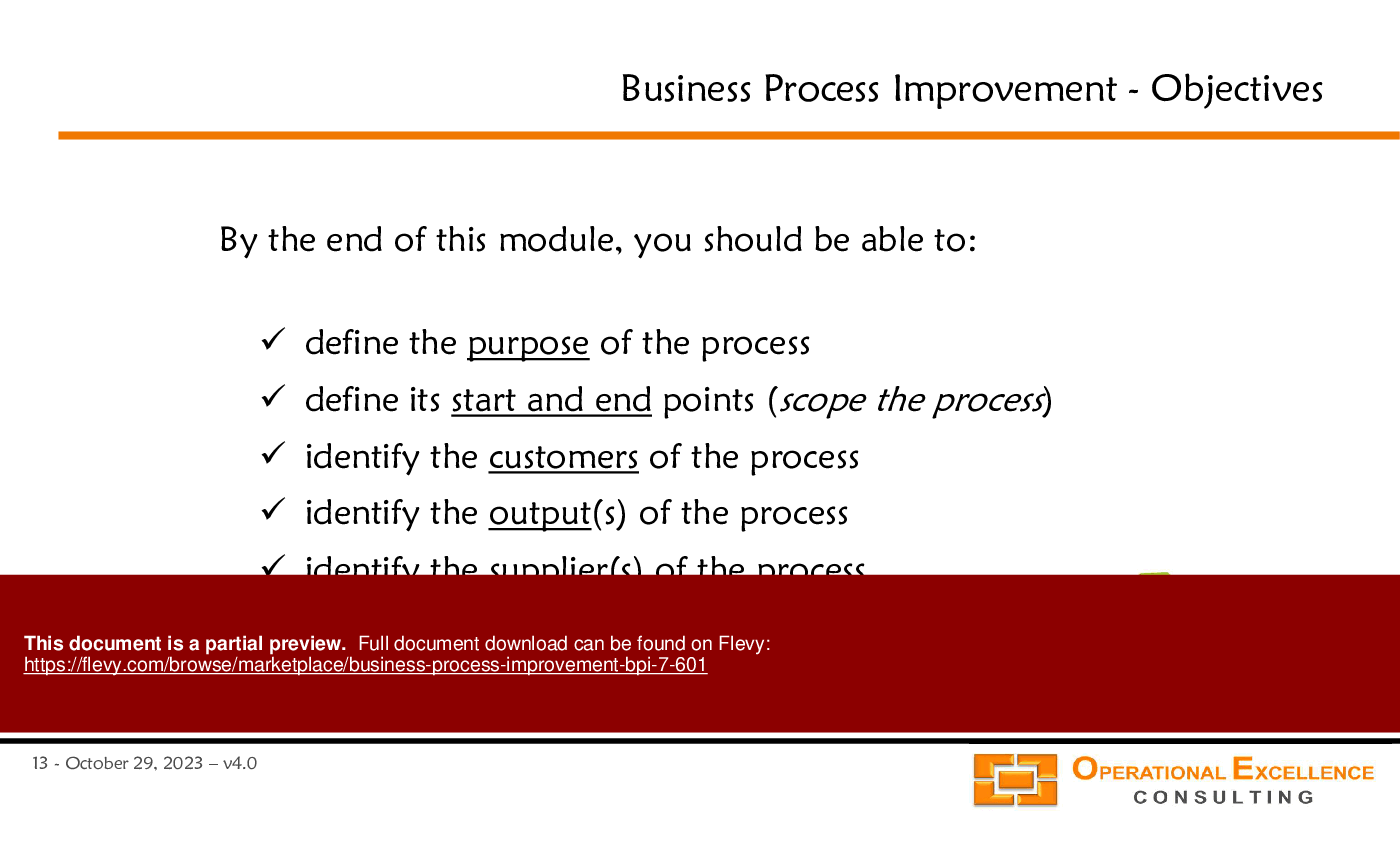
• Define the purpose and scope of a business process
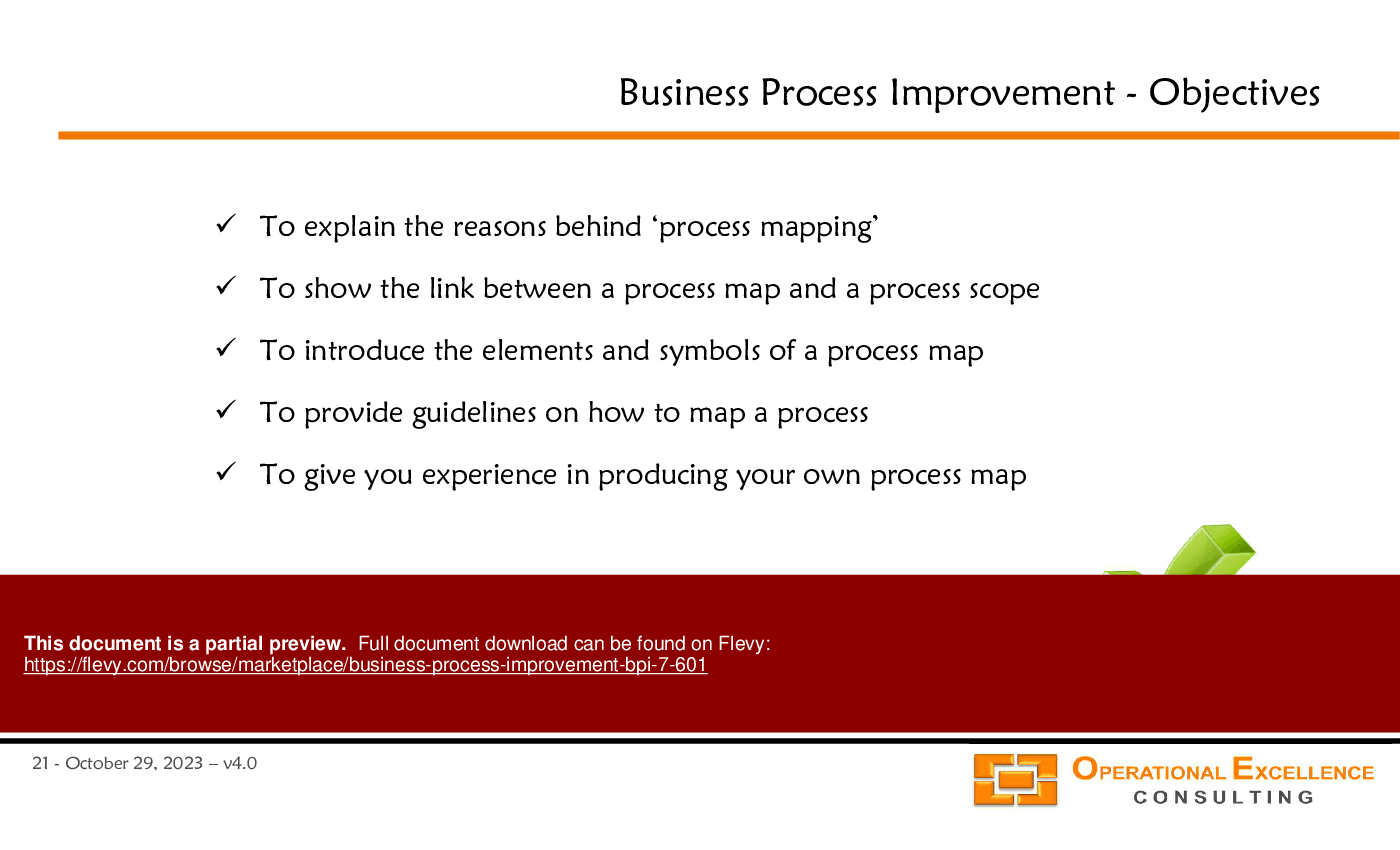
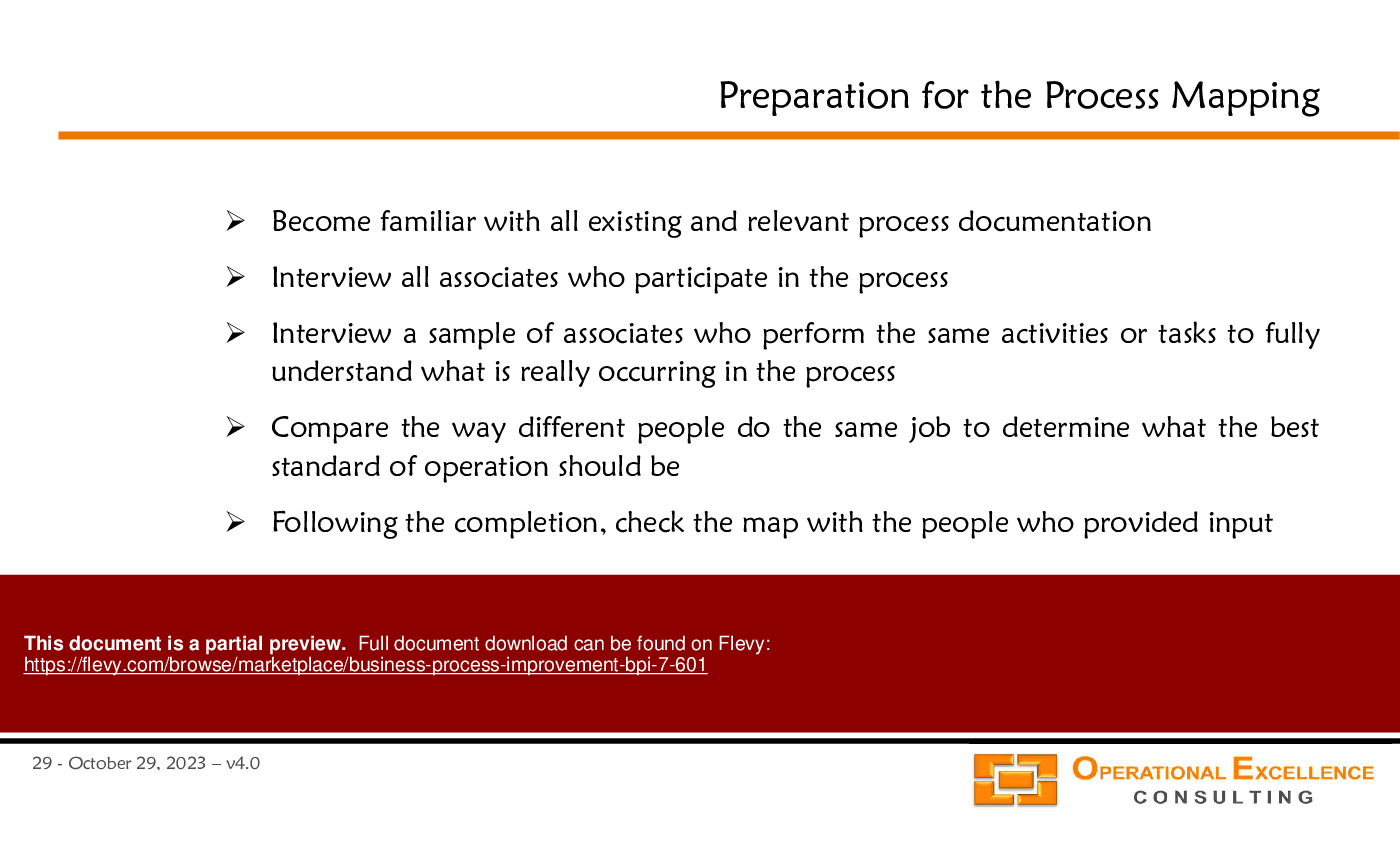
• Map the current state of a process to visualize workflows
• Establish meaningful performance measures for process evaluation
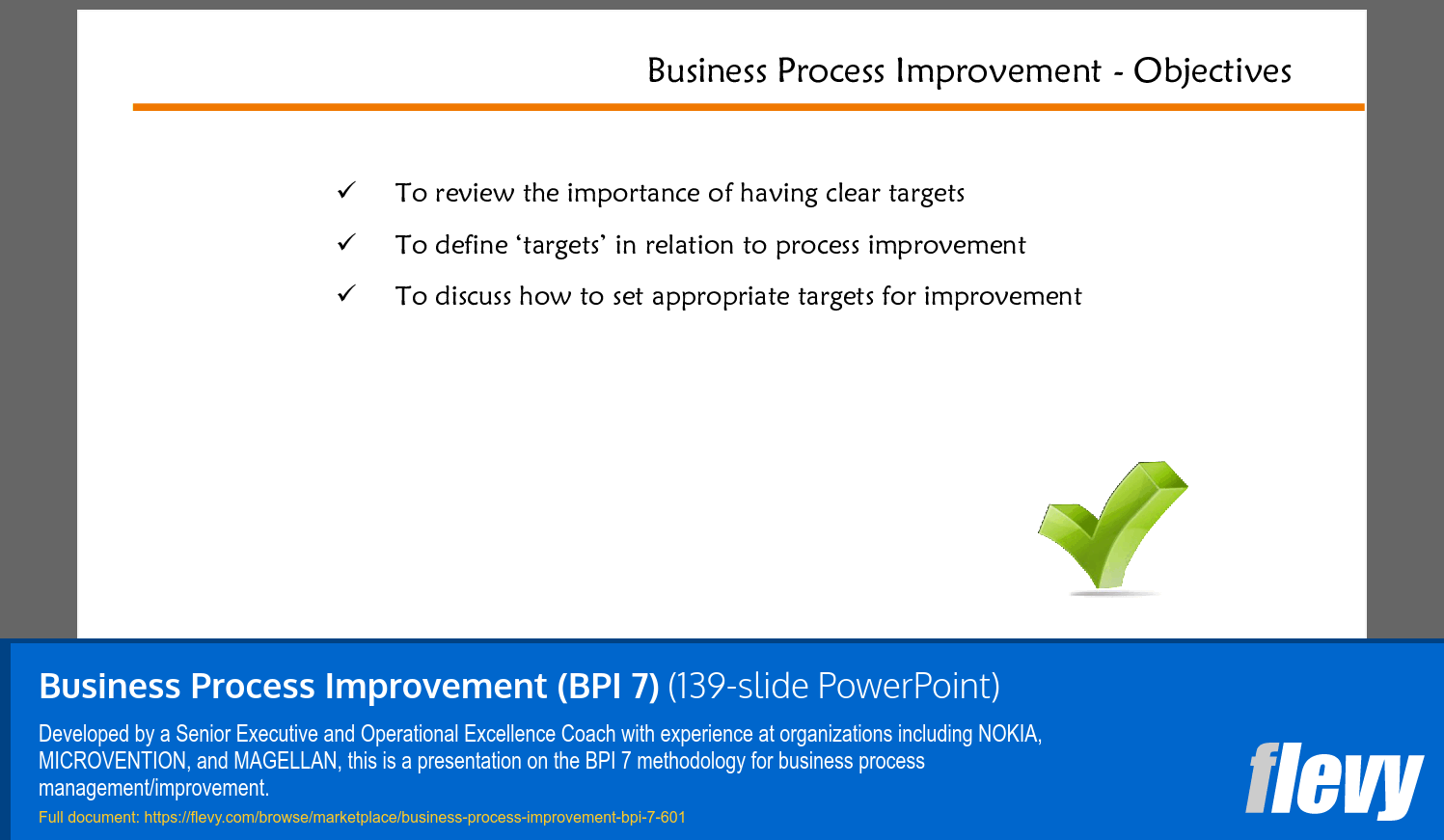
• Set achievable targets to drive process improvements
• Analyze processes to identify bottlenecks and improvement areas
• Implement changes effectively while managing stakeholder expectations
Table of Contents
• Introduction to Business Process Improvement (page 1)
• Defining the Process (page 12)
• Mapping the Process (page 20)
• Defining Measures (page 37)
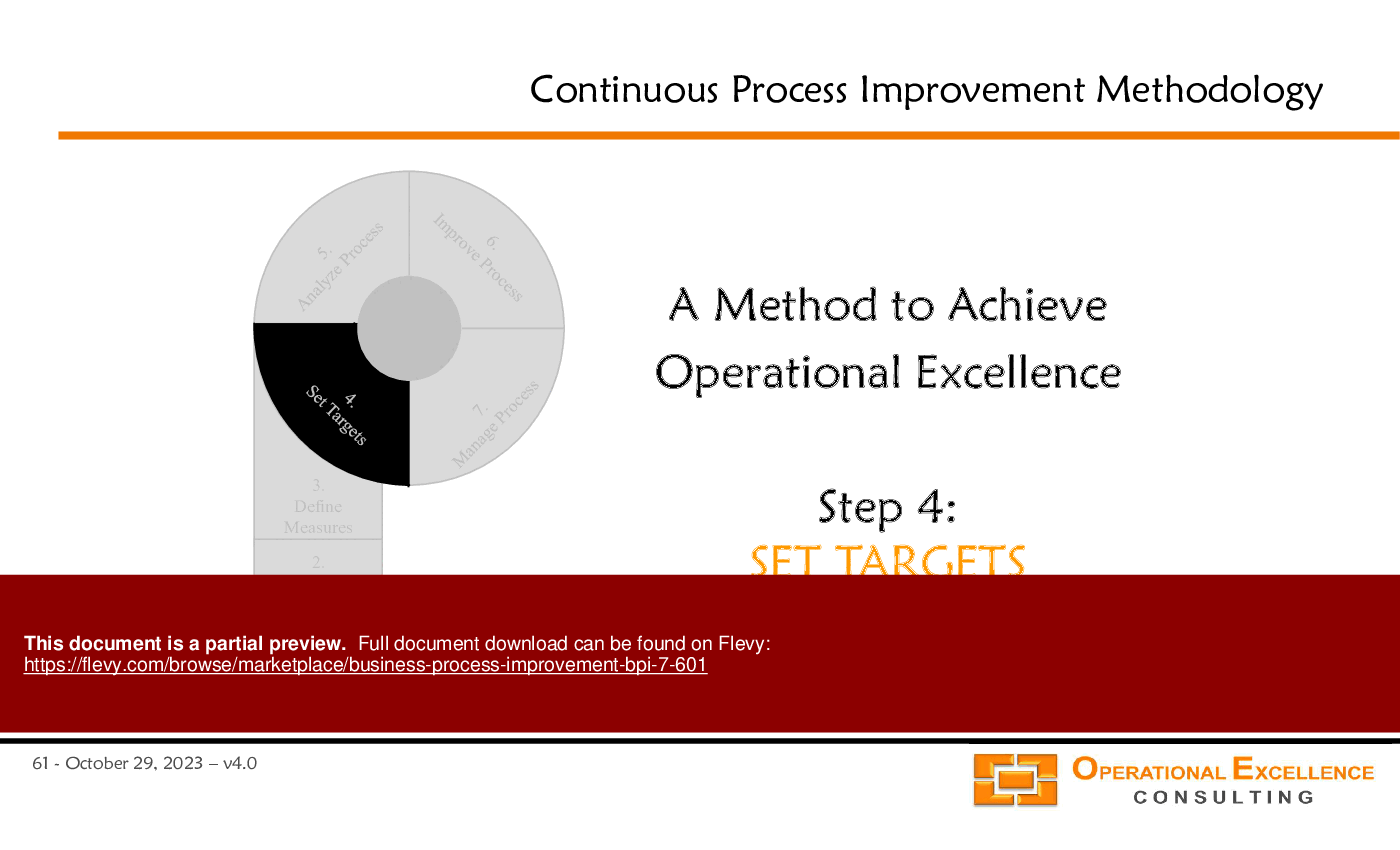
• Setting Targets (page 62)
• Analyzing the Process (page 68)
• Improving the Process (page 101)
• Managing the Process (page 127)
Primary Topics Covered
• Process Definition - Clearly articulate the purpose, inputs, outputs, and scope of the process to ensure alignment among stakeholders.
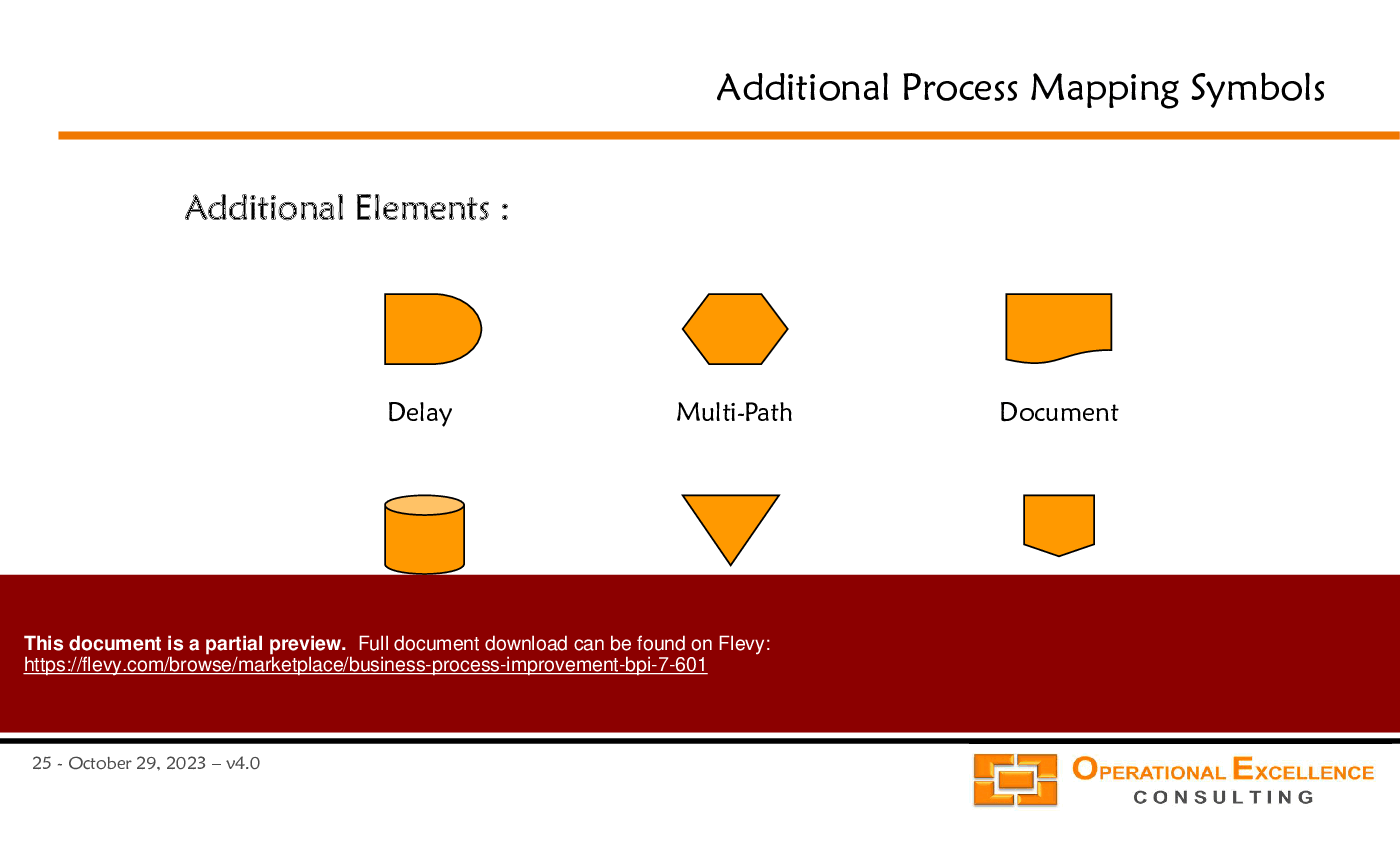
• Process Mapping - Create visual representations of workflows to identify roles, responsibilities, and interaction points among functions.
• Performance Measures - Develop metrics that reflect time, cost, quality, and customer satisfaction to assess process effectiveness.
• Target Setting - Establish specific, measurable targets that drive focus and accountability for process improvement initiatives.
• Process Analysis - Utilize tools to evaluate current processes, identify inefficiencies, and prioritize areas for improvement.
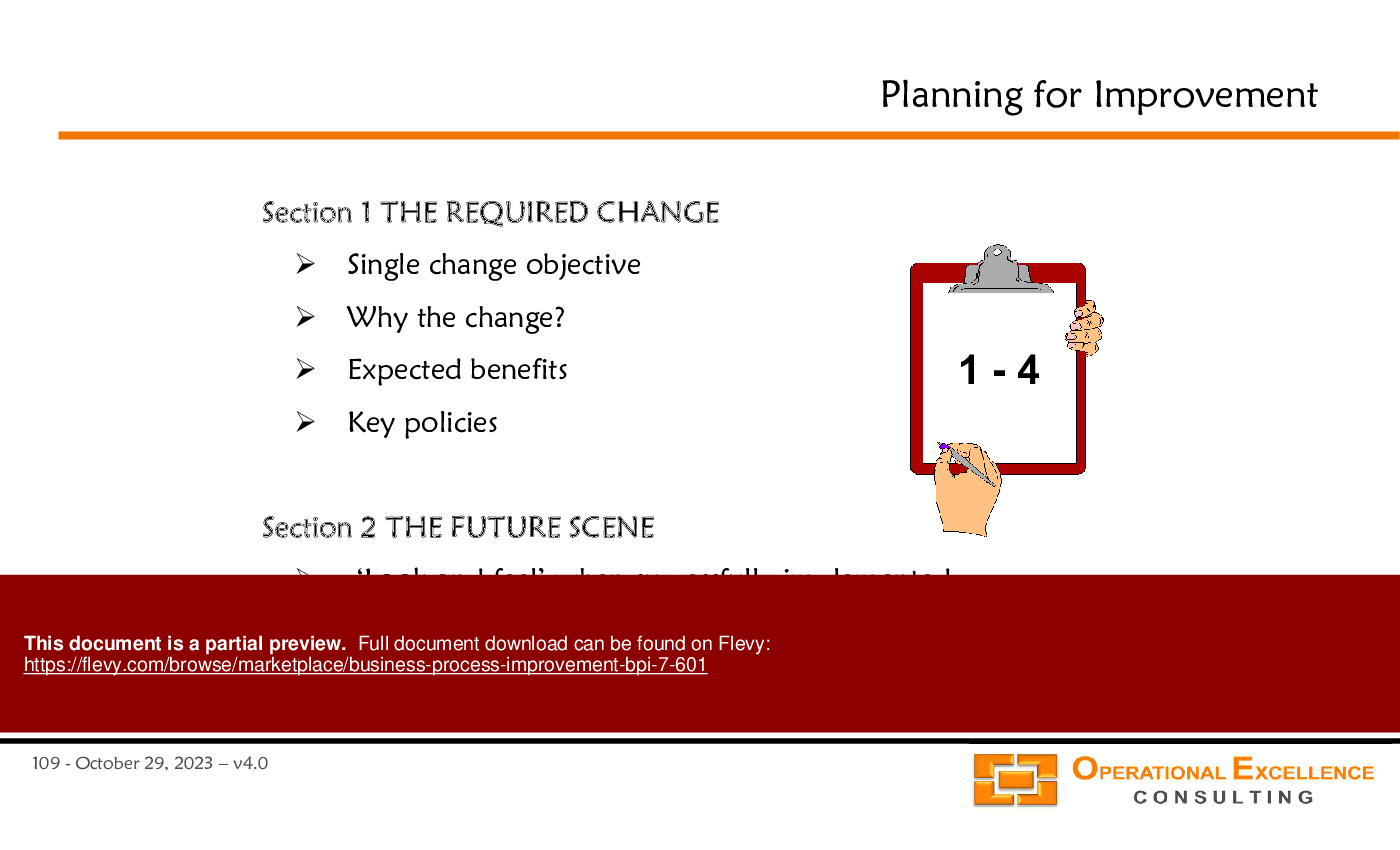
• Change Management - Plan for the human and technological impacts of process changes to ensure successful implementation and adoption.
Deliverables, Templates, and Tools
• Process definition template to outline scope and objectives
• Process mapping tools for visualizing workflows and interactions
• Performance measurement framework to track key metrics
• Target setting guidelines to establish achievable goals
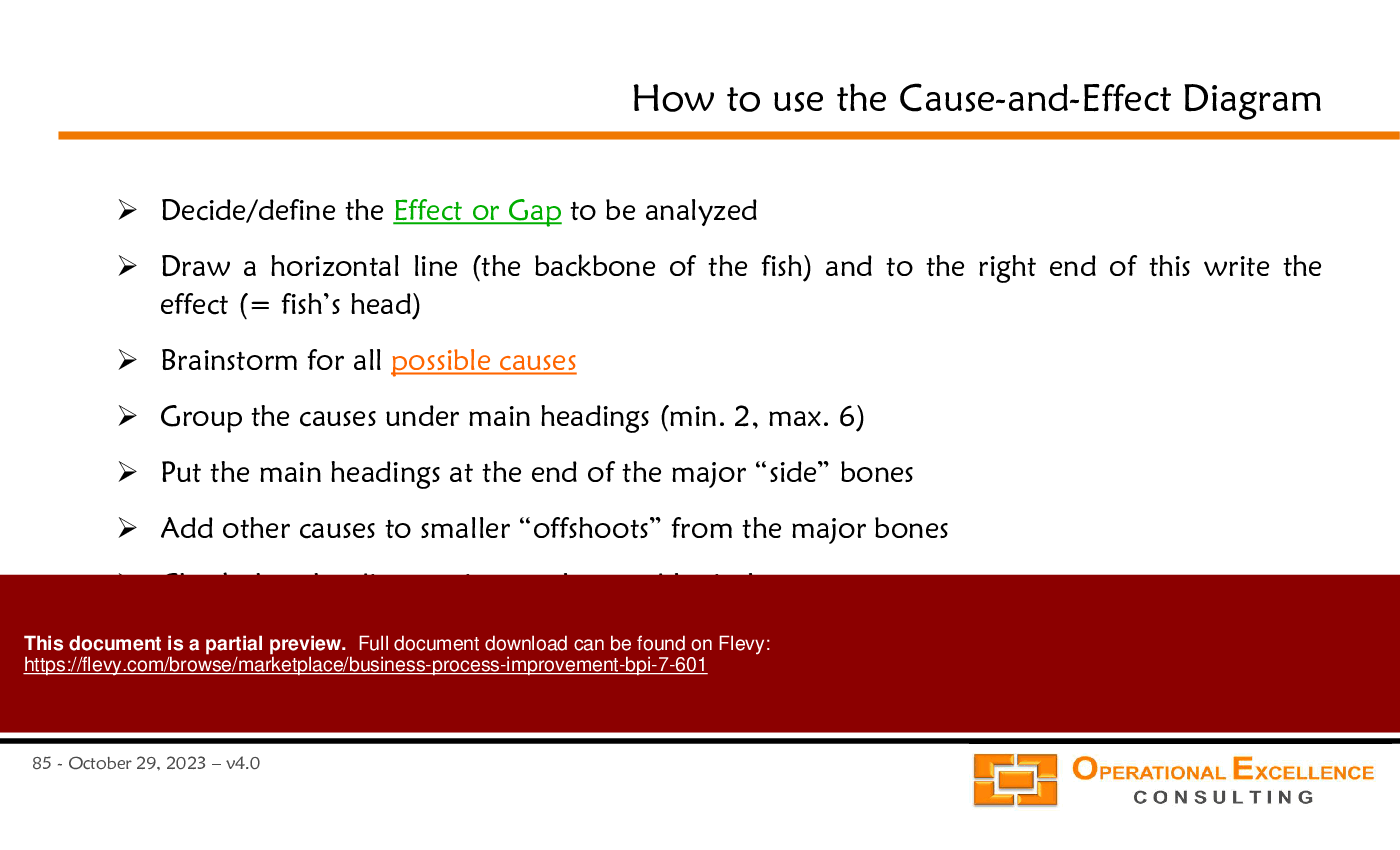
• Analysis tools such as Cause-and-Effect diagrams and Value-Add assessments
• Change management plan template to guide implementation efforts
Slide Highlights
• Overview of BPI 7 methodology and its significance in operational excellence
• Detailed process mapping examples illustrating the flow of activities
• Visual representations of performance measures and their dimensions
• Change management strategies to address resistance and facilitate adoption
• Tools for analyzing processes and identifying improvement opportunities
Potential Workshop Agenda
Introduction to BPI 7 (30 minutes)
• Overview of the methodology and its importance
• Discussion on the objectives of the workshop
Defining and Mapping Processes (90 minutes)
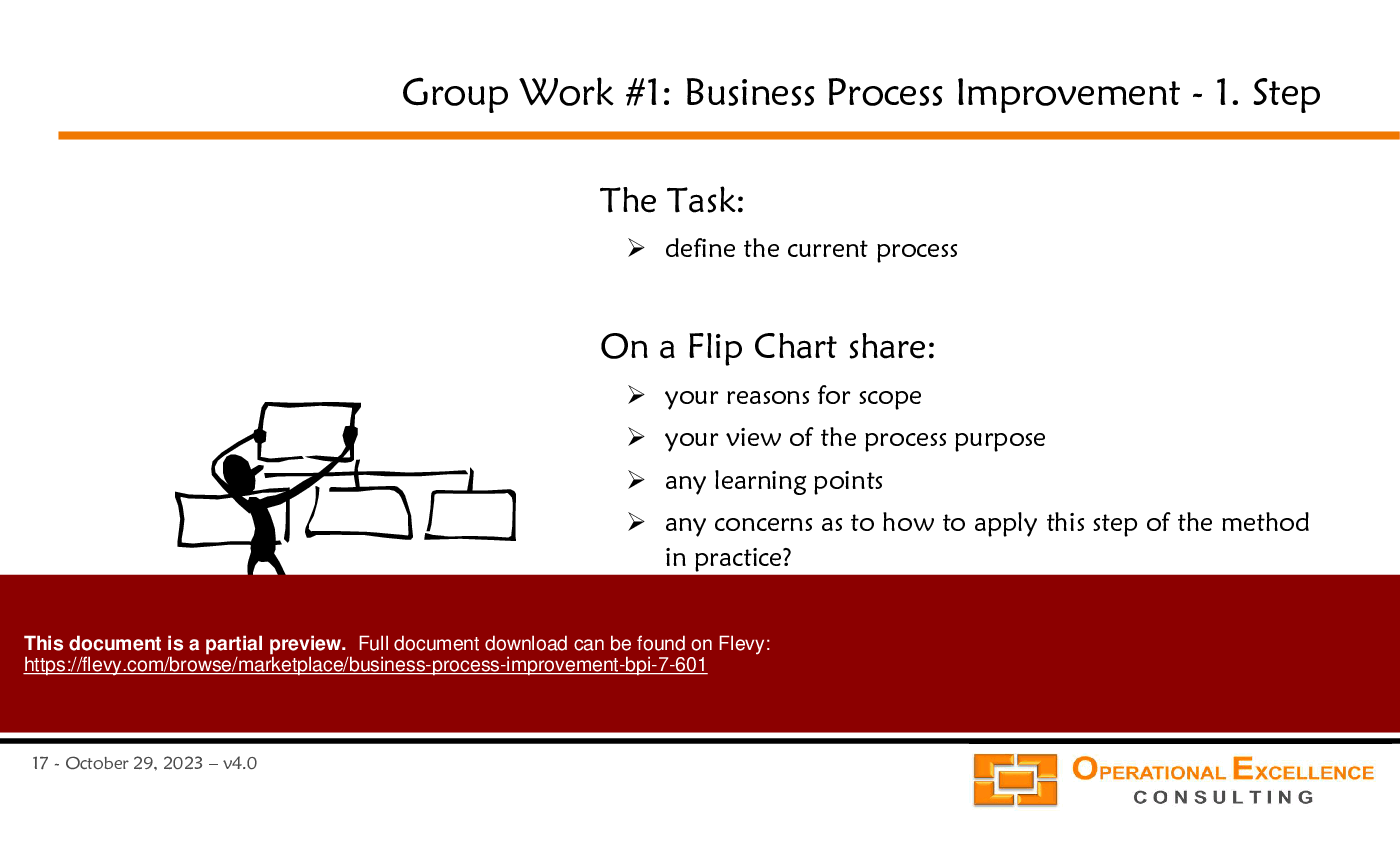
• Group activity to define and scope a process
• Collaborative mapping of the current state workflow
Setting Measures and Targets (60 minutes)
• Workshop on developing performance measures
• Setting realistic targets aligned with business objectives
Analyzing and Improving Processes (90 minutes)
• Group analysis of mapped processes using provided tools
• Identification of key improvement opportunities
Customization Guidance
• Tailor the process definition template to reflect organizational terminology and specific objectives.
• Adapt performance measures to align with industry standards and organizational goals.
• Modify the change management plan to incorporate unique stakeholder dynamics and organizational culture.
Secondary Topics Covered
• Stakeholder engagement strategies for process improvement
• Techniques for effective communication during change initiatives
• Best practices for sustaining continuous improvement efforts
• Tools for monitoring and reporting process performance
FAQ
What is the BPI 7 methodology?
BPI 7 is a structured approach to business process improvement that includes defining, mapping, measuring, analyzing, improving, and managing processes to enhance efficiency and effectiveness.
How can this presentation help my organization?
This presentation provides a comprehensive framework for optimizing business processes, enabling teams to identify inefficiencies, set measurable targets, and implement sustainable improvements.
What tools are included in the BPI 7 methodology?
The methodology includes templates for process definition, mapping tools, performance measurement frameworks, and change management plans to support effective implementation.
How do I measure process performance?
Process performance can be measured using metrics related to time, cost, quality, and customer satisfaction, ensuring a balanced view of effectiveness.
What are the key steps in the BPI 7 process?
The key steps include defining the process, mapping workflows, establishing measures, setting targets, analyzing current performance, implementing improvements, and managing ongoing performance.
How can I ensure stakeholder buy-in during process improvements?
Engaging stakeholders early in the process, clearly communicating objectives, and addressing concerns through change management strategies can foster buy-in and support.
What challenges might arise during process improvement initiatives?
Common challenges include resistance to change, misalignment of objectives, and difficulties in measuring performance. Addressing these proactively can mitigate risks.
How often should the BPI 7 process be repeated?
The BPI 7 process should be repeated regularly to adapt to changing business needs, customer requirements, and performance outcomes, ensuring continuous improvement.
Glossary
• BPI 7 - A structured methodology for business process improvement.
• Process Mapping - The visual representation of workflows to identify roles and interactions.
• Performance Measures - Metrics used to evaluate the effectiveness of a process.
• Change Management - Strategies to facilitate the adoption of process improvements.
• Stakeholder Engagement - Involving individuals affected by process changes in the improvement process.
• Continuous Improvement - Ongoing efforts to enhance processes over time.
• Value-Add Activities - Actions that contribute to customer satisfaction and process output.
• Non-Value-Add Activities - Actions that do not contribute to customer satisfaction and may be eliminated.
• Target Setting - Establishing specific goals to drive process improvements.
• Process Analysis - Evaluating current processes to identify inefficiencies and improvement opportunities.
• SIPOC - A tool used to define Suppliers, Inputs, Process, Outputs, and Customers in a process.
• Cause-and-Effect Diagram - A visual tool used to identify root causes of problems.
• Ishikawa Diagram - Another name for the Cause-and-Effect diagram, used in quality management.
• Why-Why Analysis - A technique for uncovering root causes by repeatedly asking "why."
• Affinity Diagram - A tool for organizing ideas into natural relationships.
• Impact-Effort Matrix - A tool for prioritizing improvement opportunities based on their potential impact and required effort.
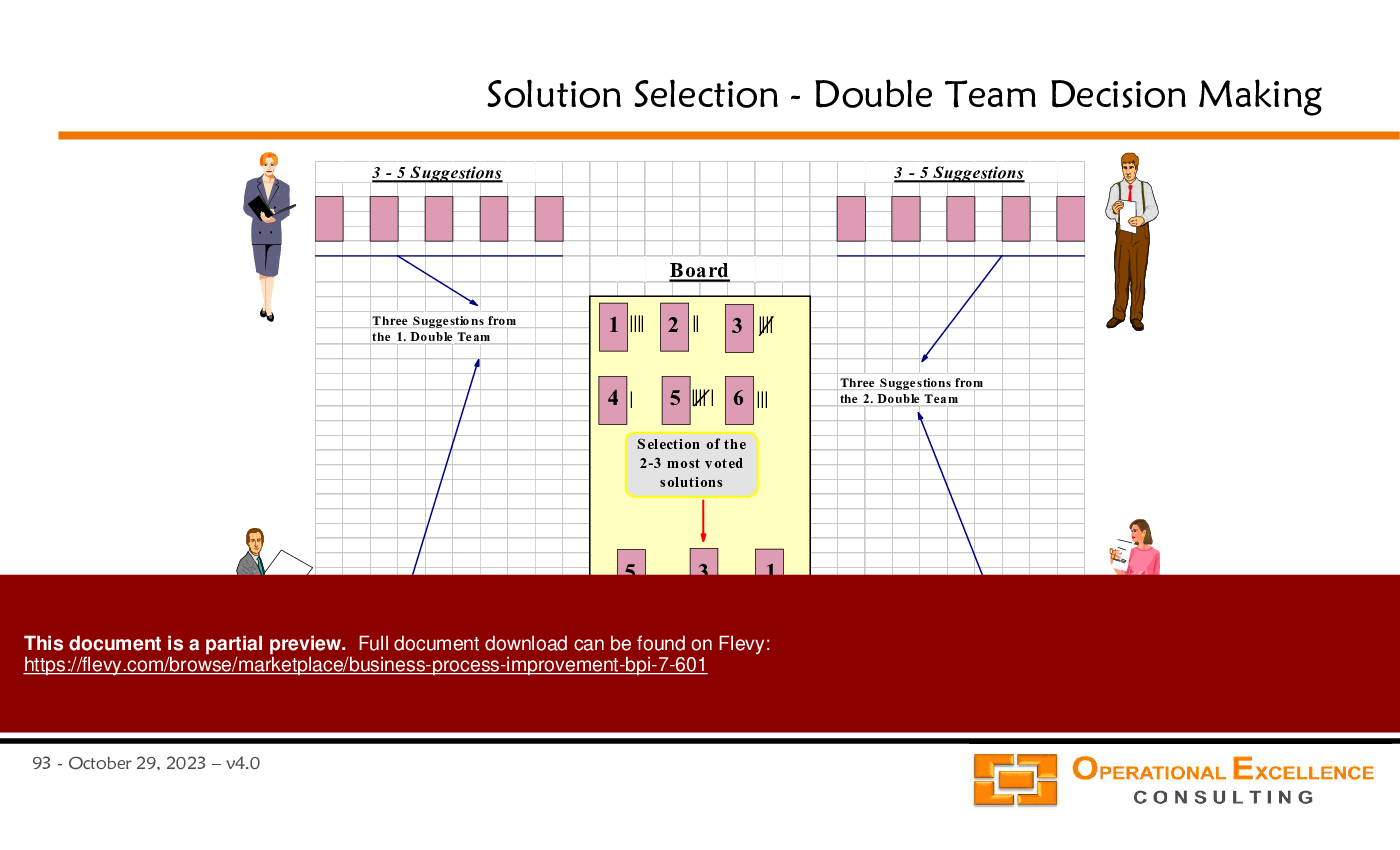
• Double Team Decision Making - A collaborative approach to generating and selecting ideas.
• Poka-Yoke - A mistake-proofing technique to prevent errors in processes.
Source: Best Practices in Process Improvement, Process Design PowerPoint Slides: Business Process Improvement (BPI 7) PowerPoint (PPTX) Presentation Slide Deck, Operational Excellence Consulting LLC
This document is available as part of the following discounted bundle(s):
Save %!
OPERATIONAL EXCELLENCE Training Module Library
This bundle contains 18 total documents. See all the documents to the right.
|
Receive our FREE presentation on Operational Excellence
This 50-slide presentation provides a high-level introduction to the 4 Building Blocks of Operational Excellence. Achieving OpEx requires the implementation of a Business Execution System that integrates these 4 building blocks. |