
Negotiation is a fundamental skill in today's business landscape, particularly in the field of strategic sourcing. It plays a critical role in securing favourable contracts, managing supplier relationships, and ultimately achieving cost savings and value for organizations.
This document explores the basics of the negotiation process, its position in the strategic sourcing process, and the key stages of developing and executing successful negotiation strategies. The focus of the materials is a focus on how to effectively develop, prepare for, and conduct negotiations to achieve optimal outcomes.
The deck has four key objectives;
1. Understand the Basics of the Negotiation Process: The materials provide a comprehensive overview of the negotiation process, including its fundamental principles, types of negotiations, and common challenges.
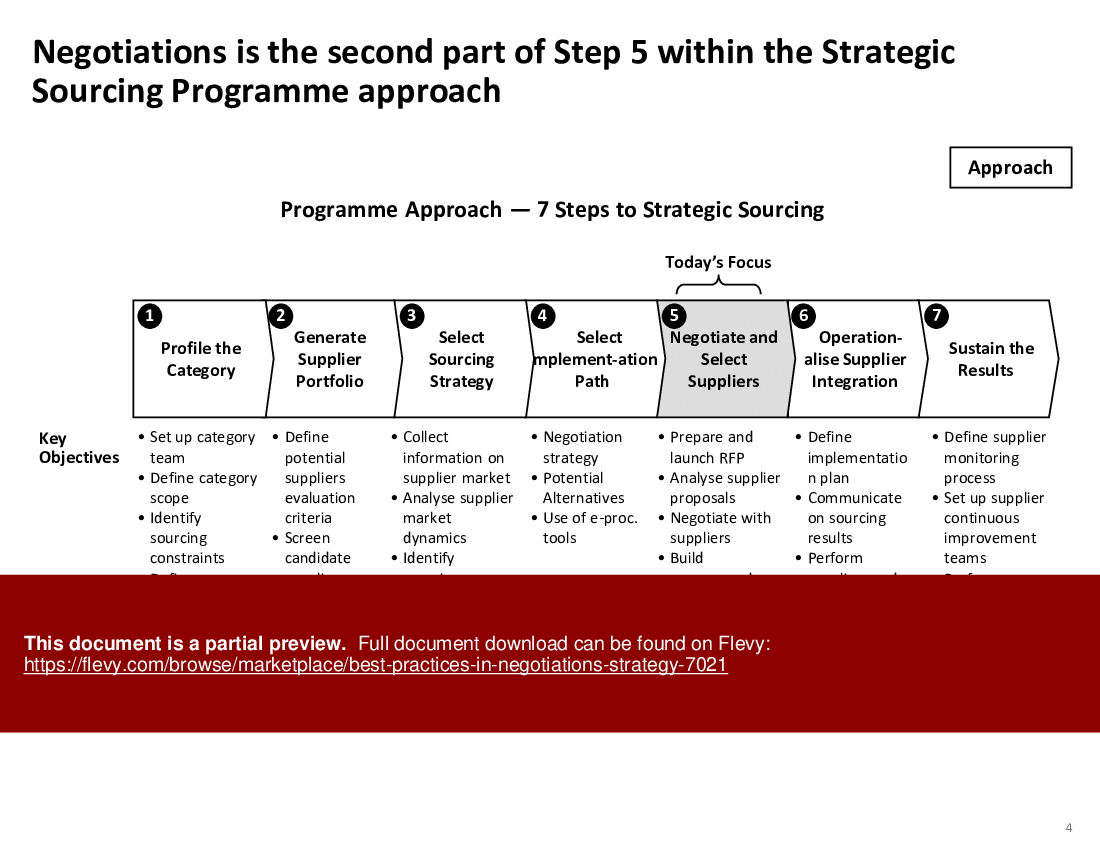
2. Gain an understanding of Its Position in the Strategic Sourcing Process: Negotiation is a critical component of the strategic sourcing process, which involves identifying, evaluating, and selecting suppliers to meet organizational needs. The deck discusses the strategic sourcing process in detail and highlights the key role that negotiation plays in each stage, from conducting market research and supplier selection to contract negotiation and supplier performance management.
3. Gain an understanding of the key stages of Developing and Executing Successful Negotiation Strategies: The deck delves into the key stages of developing and executing successful negotiation strategies, including planning, preparation, execution, and follow-up. You will learn how to set clear objectives, gather information, assess risks, and develop effective negotiation tactics and techniques, how to handle common challenges, such as power dynamics, ethical considerations, and difficult negotiations.
4. The deck is structured to provide training sessions for each particular area. To hone your negotiation skills, we will provide you with practical exercises and case studies to practice effective negotiation techniques. You will learn how to effectively communicate, build relationships, and create value during negotiations. We will also cover how to handle different negotiation scenarios, such as cross-cultural negotiations and multi-party negotiations, and provide tips on managing emotions and resolving conflicts during negotiations.
Through a combination of theory, real-world examples, and practical exercises, this deck provides a comprehensive guide to mastering the art of negotiation in the context of strategic sourcing.
Whether you are a procurement professional, a supply chain manager, or anyone involved in the strategic sourcing process, this set of materials will equip you with the tools and strategies to excel in your negotiations and achieve optimal outcomes.
Got a question about the product? Email us at support@flevy.com or ask the author directly by using the "Ask the Author a Question" form. If you cannot view the preview above this document description, go here to view the large preview instead.
Executive Summary
This one-day training program on negotiation strategies is designed to equip participants with essential skills for effective negotiations within the Strategic Sourcing process. Crafted with a consulting-grade approach akin to McKinsey, Bain, or BCG-quality, this training focuses on understanding negotiation fundamentals, developing strategies, and preparing for successful negotiations. Participants will learn to navigate the complexities of supplier relationships, enhance their negotiation techniques, and apply practical frameworks to achieve optimal outcomes.
Who This Is For and When to Use
• Procurement professionals seeking to enhance their negotiation skills
• Supply chain managers involved in supplier selection and management
• Strategic sourcing teams aiming to streamline negotiation processes
• Consultants guiding organizations in supplier negotiations
Best-fit moments to use this deck:
• During pre-negotiation planning sessions to align team objectives
• When preparing for supplier negotiations to ensure a structured approach
• For ongoing training to reinforce negotiation best practices and techniques
Learning Objectives
• Define the key stages of the negotiation process within Strategic Sourcing
• Build effective negotiation strategies tailored to supplier dynamics
• Establish preparation techniques that enhance negotiation outcomes
• Conduct negotiations with confidence and clarity
• Analyze supplier proposals to inform negotiation tactics
• Provide feedback and follow-up strategies post-negotiation
Table of Contents
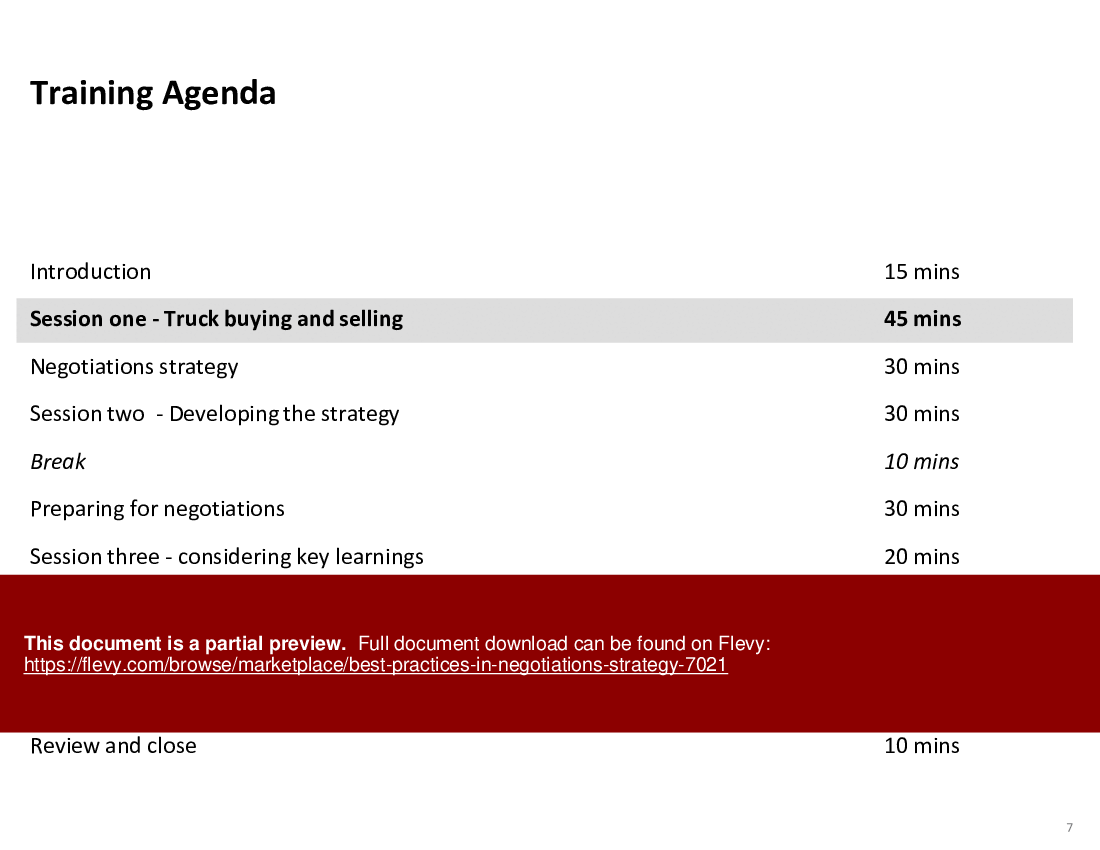
• Introduction (page 2)
• Session One – Truck Buying/Selling (page 3)
• Negotiations Strategy (page 4)
• Session Two – Developing the Strategy (page 5)
• Preparing for Negotiations (page 6)
• Session Three – Considering Key Learnings (page 7)
• Conducting Negotiations (page 8)
• Session Four – Negotiations (page 9)
• Review and Close (page 10)
Primary Topics Covered
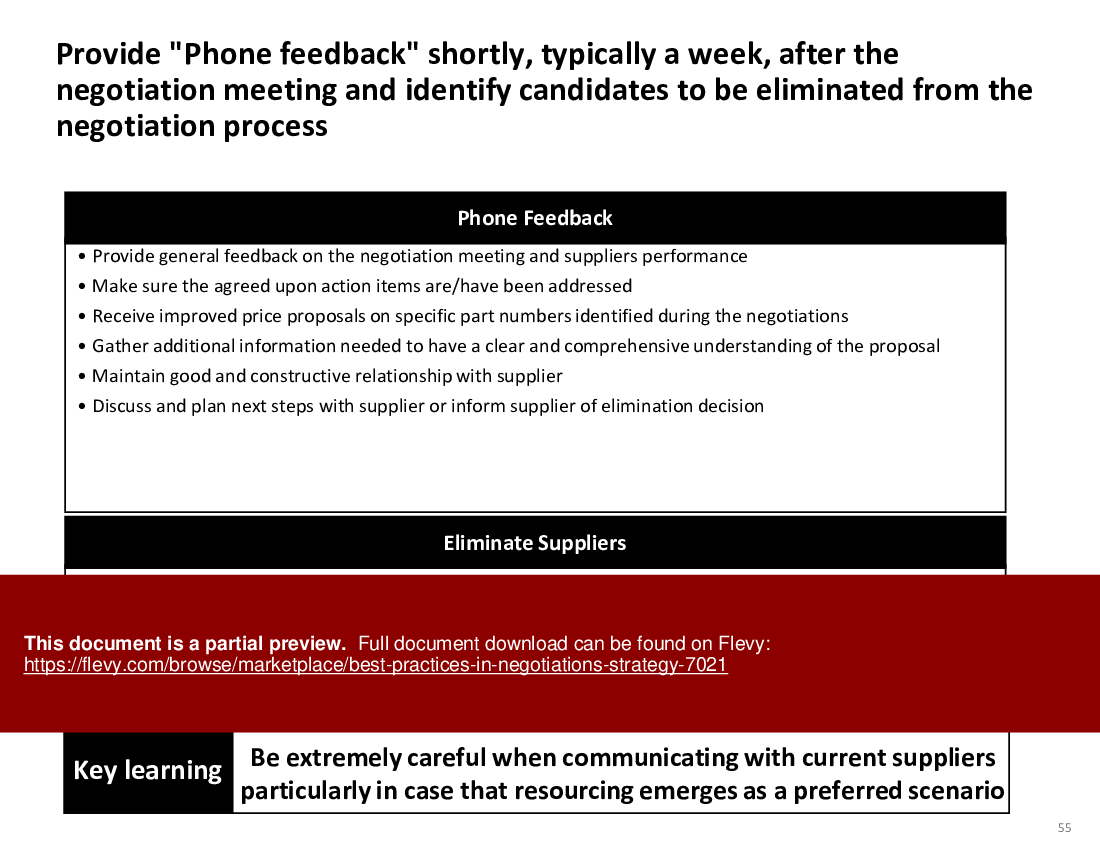
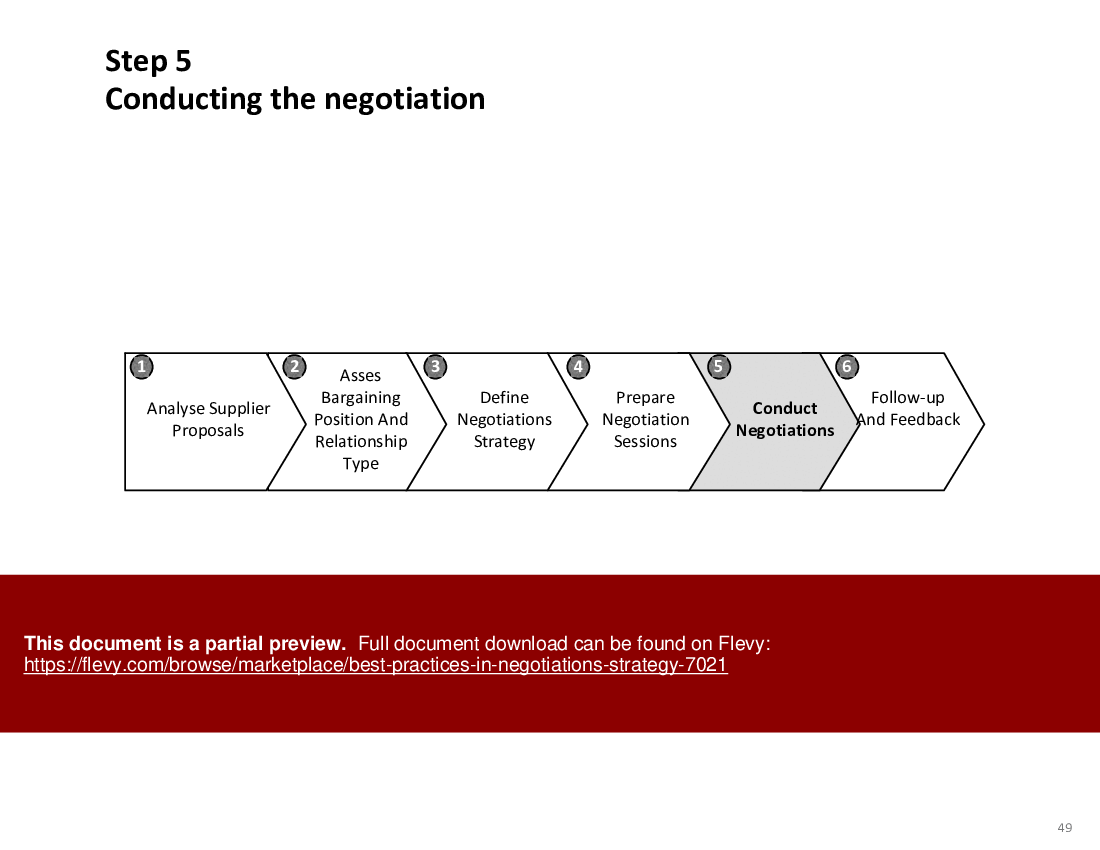
• Negotiation Process - Understanding the stages of negotiation within the Strategic Sourcing framework, including preparation, execution, and follow-up.
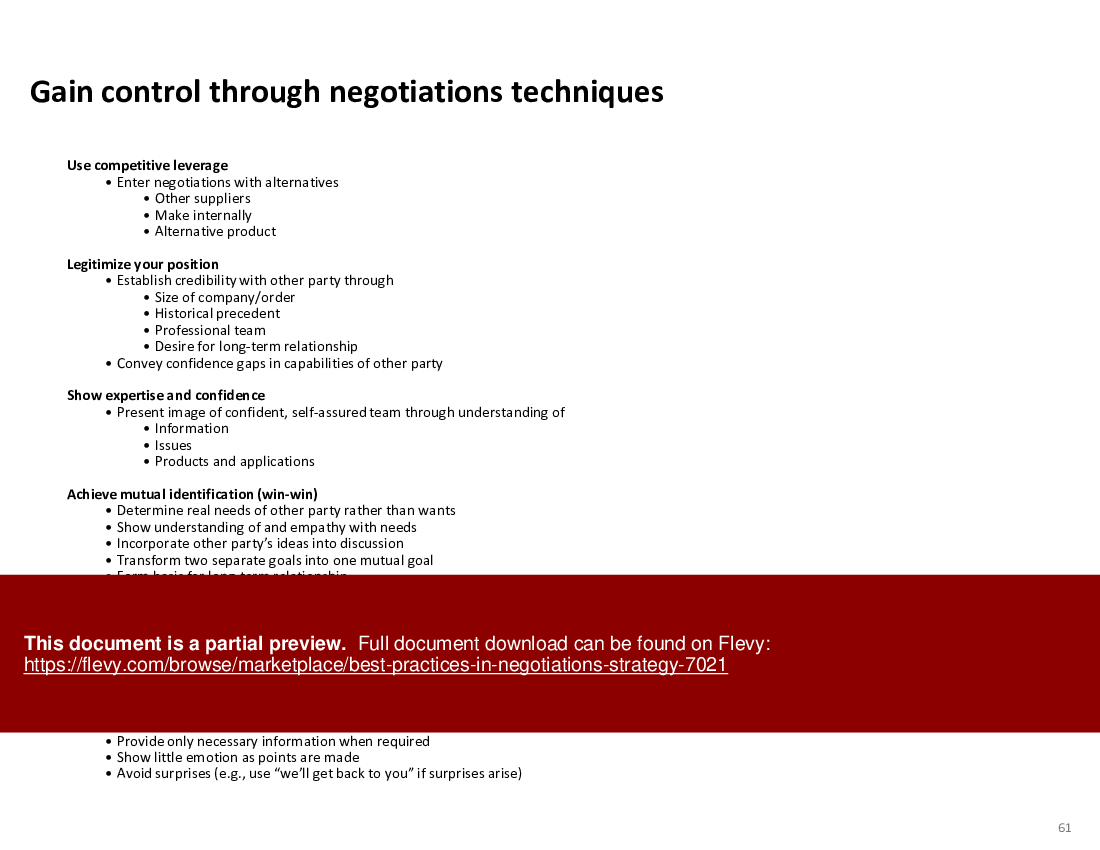
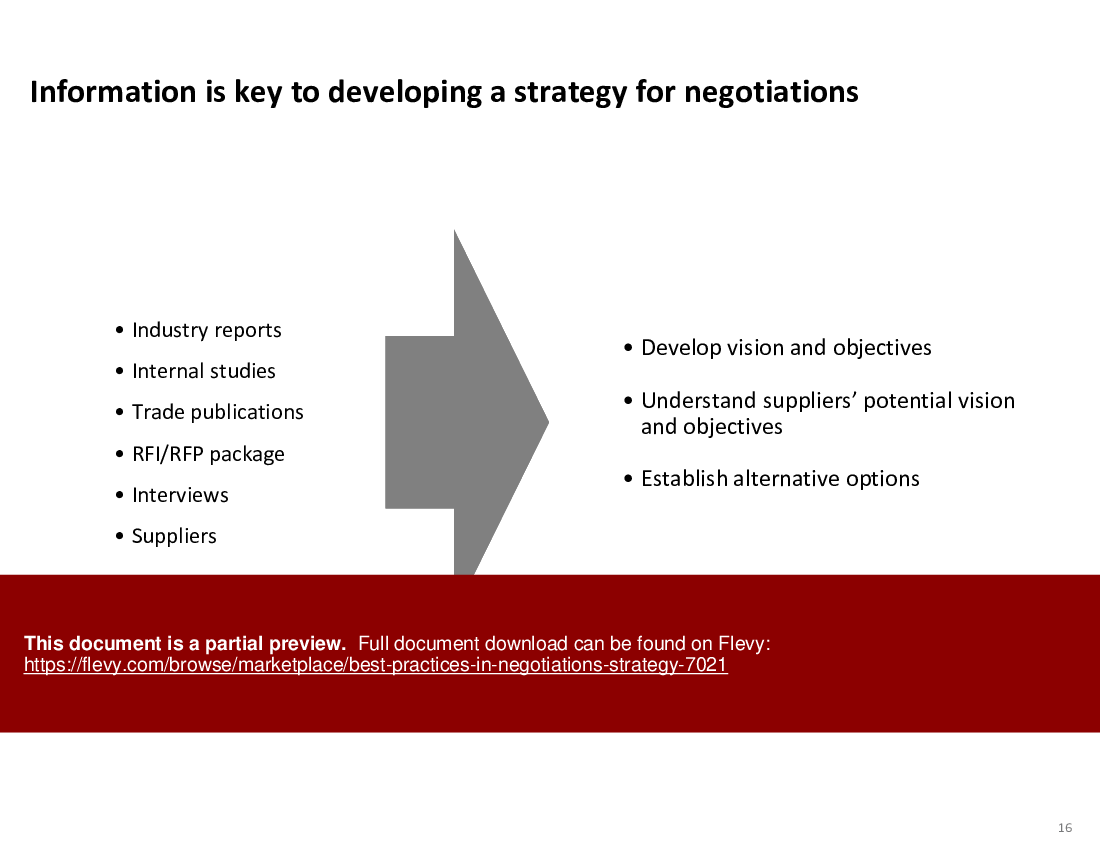
• Negotiation Strategy Development - Techniques for formulating effective negotiation strategies based on supplier analysis and market conditions.
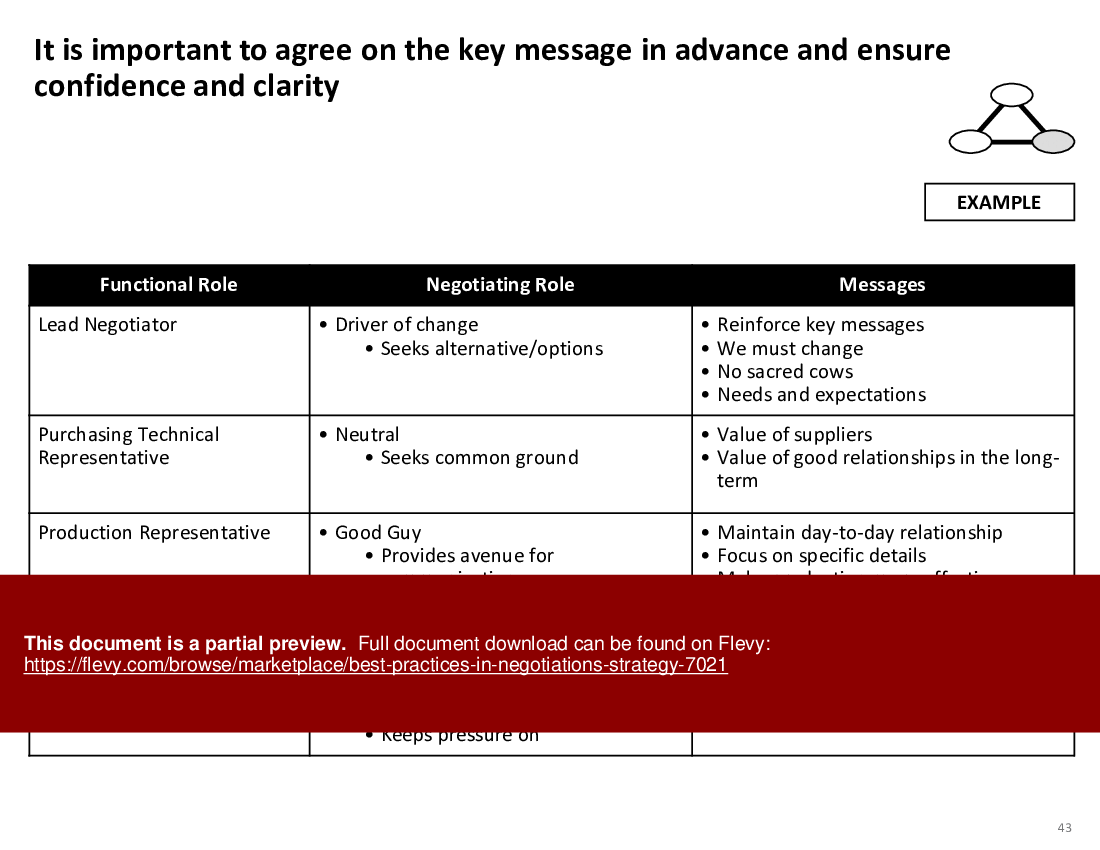
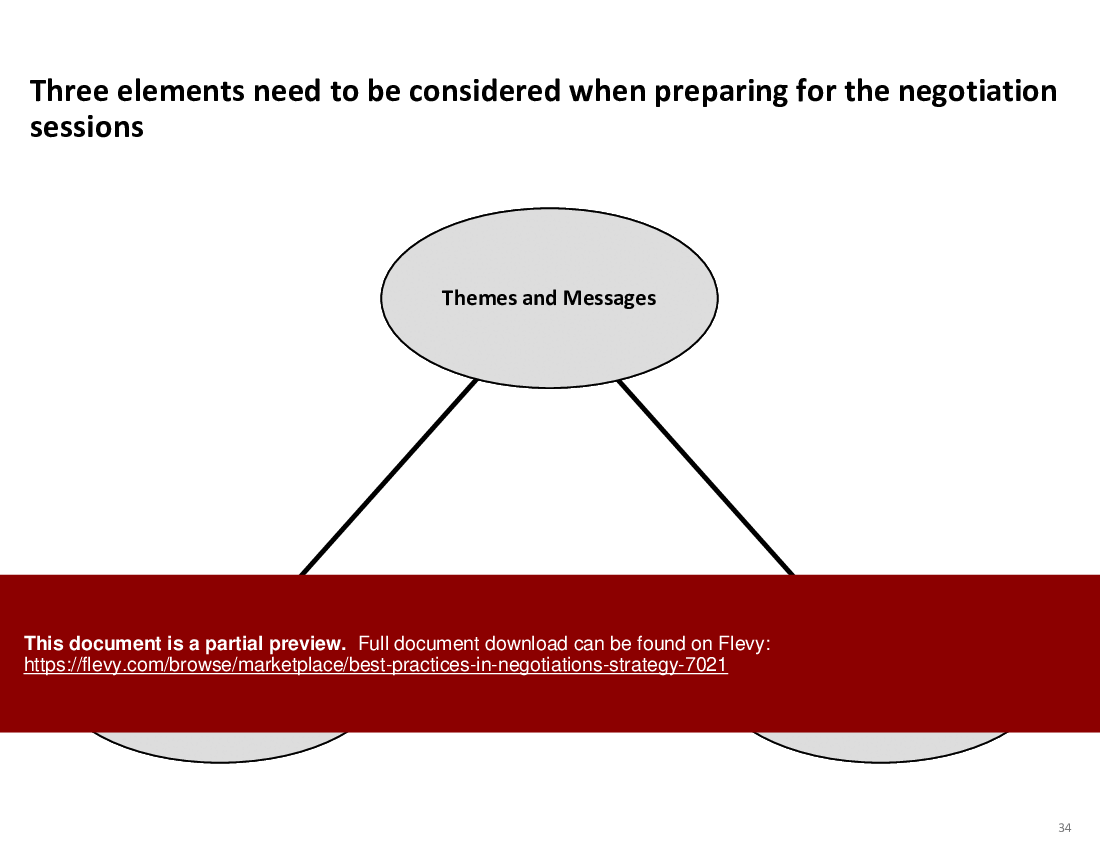
• Preparation Techniques - Best practices for preparing negotiation sessions, including logistics, team roles, and key messages.
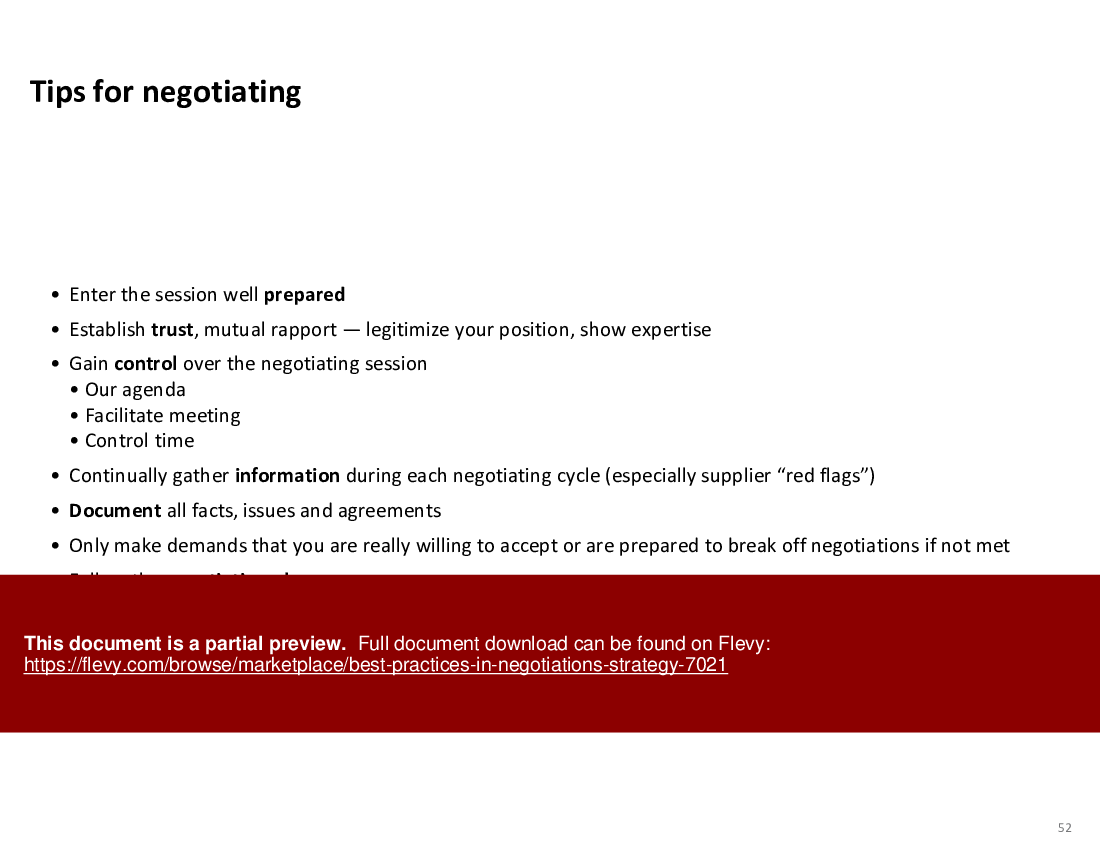
• Conducting Negotiations - Methods for executing negotiations effectively, focusing on communication, problem-solving, and documentation.
• Follow-Up and Feedback - Importance of post-negotiation follow-up to assess performance and maintain supplier relationships.
• Supplier Analysis - Tools for evaluating supplier proposals and leveraging insights to inform negotiation tactics.
Deliverables, Templates, and Tools
• Negotiation strategy worksheet to outline objectives and tactics
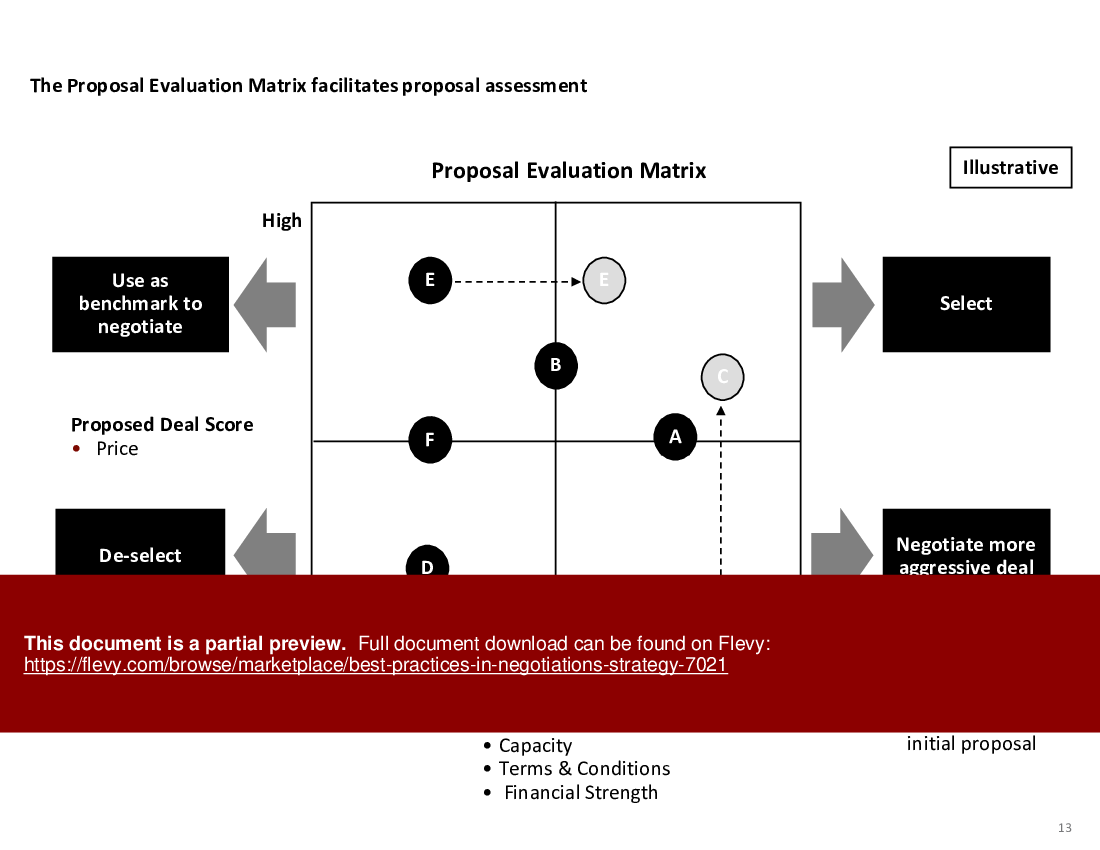
• Proposal evaluation matrix for assessing supplier submissions
• Negotiation tactics worksheet capturing key messages and anticipated responses
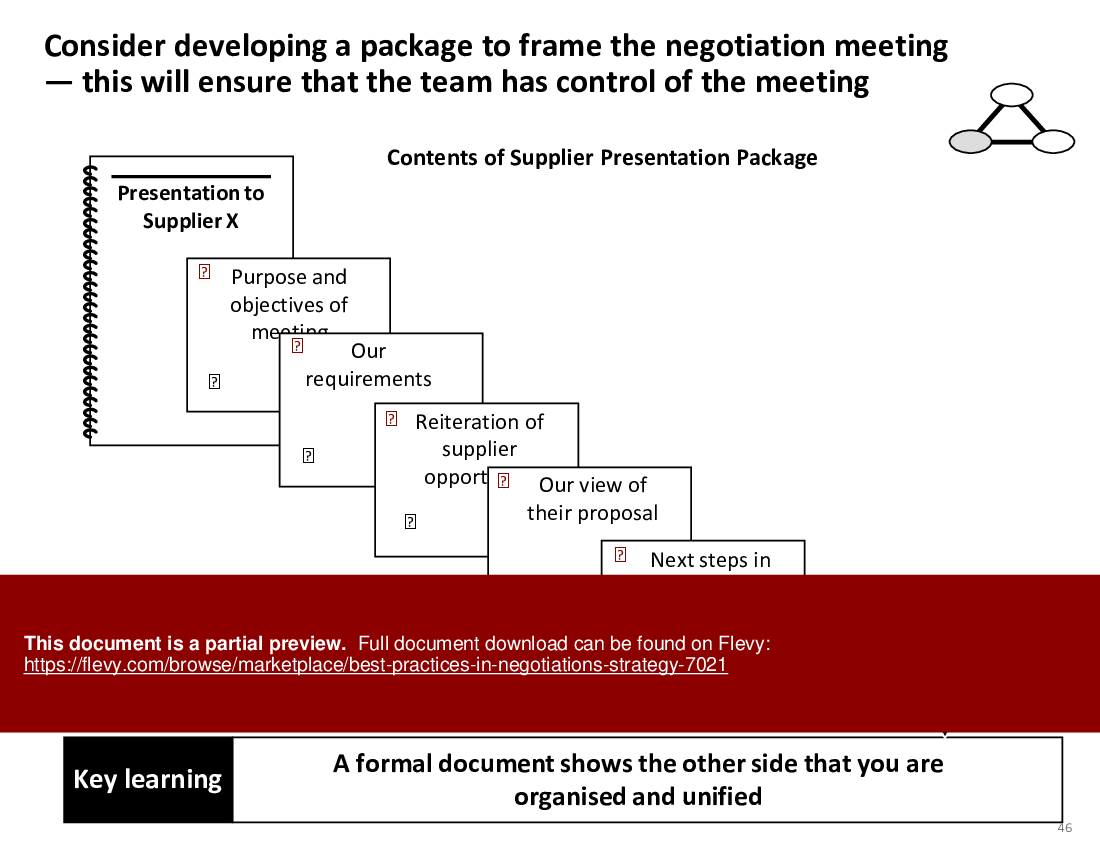
• Supplier presentation package template for structured communication during negotiations
• Checklist for ensuring all elements are in place before negotiations commence
• Follow-up feedback template to maintain supplier engagement post-negotiation
Slide Highlights
• Overview of the negotiation process and its significance in Strategic Sourcing
• Key strategies for developing effective negotiation tactics
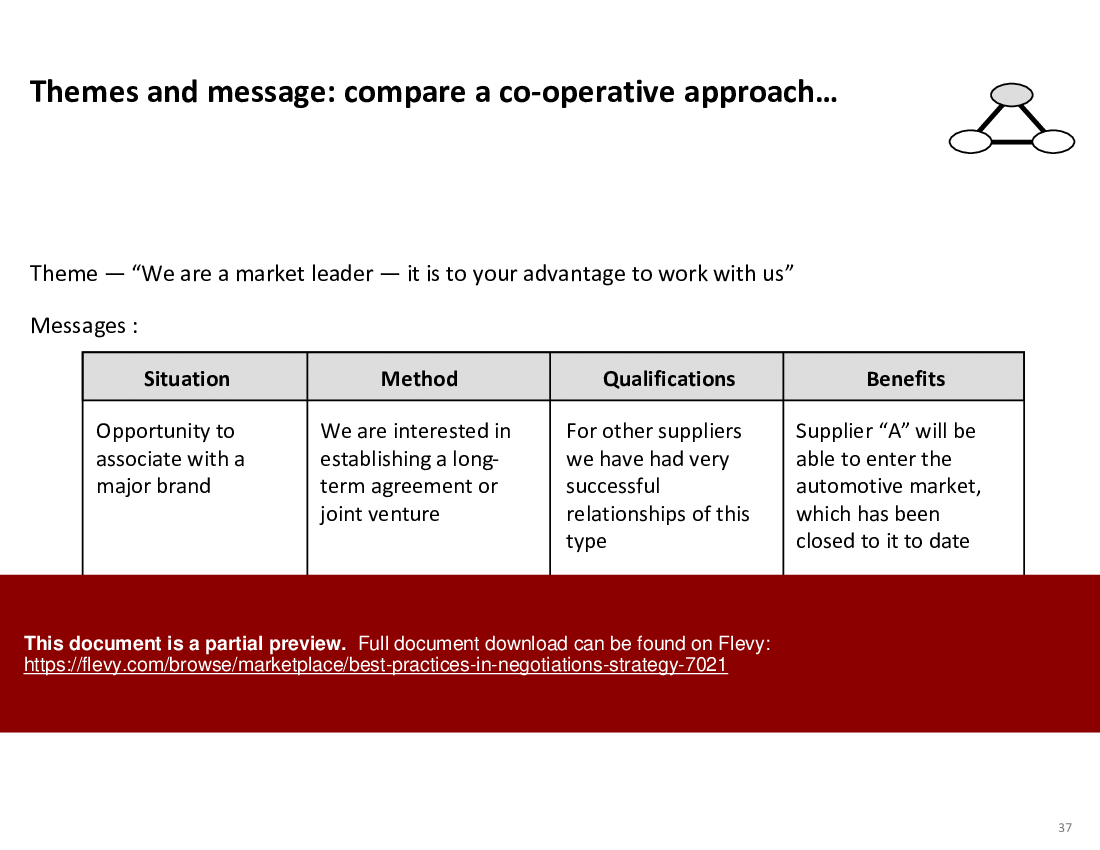
• Real-world examples illustrating successful negotiation scenarios
• Visual aids for understanding supplier analysis and proposal evaluation
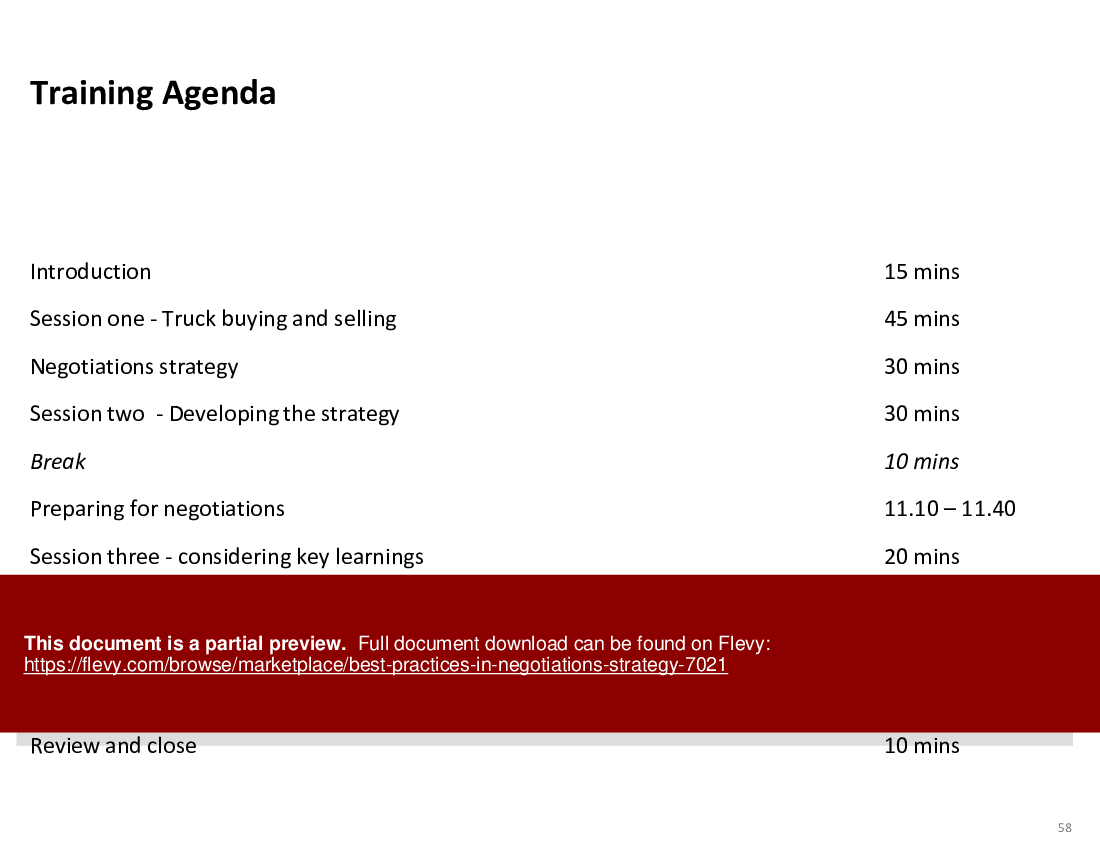
• Structured agenda for conducting negotiation sessions
Potential Workshop Agenda
Introduction (15 mins)
• Overview of training objectives and expectations
Session One – Truck Buying/Selling (45 mins)
• Interactive discussion on practical negotiation scenarios
Negotiations Strategy (30 mins)
• Framework for developing negotiation strategies
Break (10 mins)
Preparing for Negotiations (30 mins)
• Techniques for effective preparation and team alignment
Session Three – Considering Key Learnings (20 mins)
• Reflection on key insights from the training
Conducting Negotiations (20 mins)
• Practical exercises on negotiation tactics
Break (10 mins)
Session Four – Negotiations (50 mins)
• Role-playing negotiation scenarios and feedback
Review and Close (10 mins)
• Summary of key takeaways and next steps
Customization Guidance
• Tailor negotiation strategies to specific supplier dynamics and market conditions
• Adjust team roles and responsibilities based on organizational structure
• Incorporate company-specific objectives and priorities into negotiation preparation
• Modify the agenda to fit specific training needs or time constraints
• Utilize internal data and insights to enhance supplier analysis
Secondary Topics Covered
• The role of emotional intelligence in negotiations
• Techniques for managing supplier relationships post-negotiation
• Understanding cultural differences in negotiation contexts
• The impact of market dynamics on negotiation strategies
• Leveraging technology and tools in the negotiation process
FAQ
What are the key objectives of this training?
The training aims to enhance participants' understanding of the negotiation process, develop effective strategies, and practice conducting negotiations to achieve better outcomes.
Who should attend this training?
This training is ideal for procurement professionals, supply chain managers, and strategic sourcing teams involved in supplier negotiations.
What will participants learn?
Participants will learn to define negotiation stages, build strategies, prepare effectively, conduct negotiations, and follow up with suppliers.
How long is the training?
The training is structured as a one-day program, consisting of multiple sessions and breaks.
What materials will participants receive?
Participants will receive worksheets, templates, and a checklist to support their negotiation efforts.
Is there a follow-up after the training?
Yes, the training includes a follow-up feedback process to assess performance and maintain supplier relationships.
Can this training be customized for specific organizations?
Absolutely, the training can be tailored to meet the unique needs and objectives of your organization.
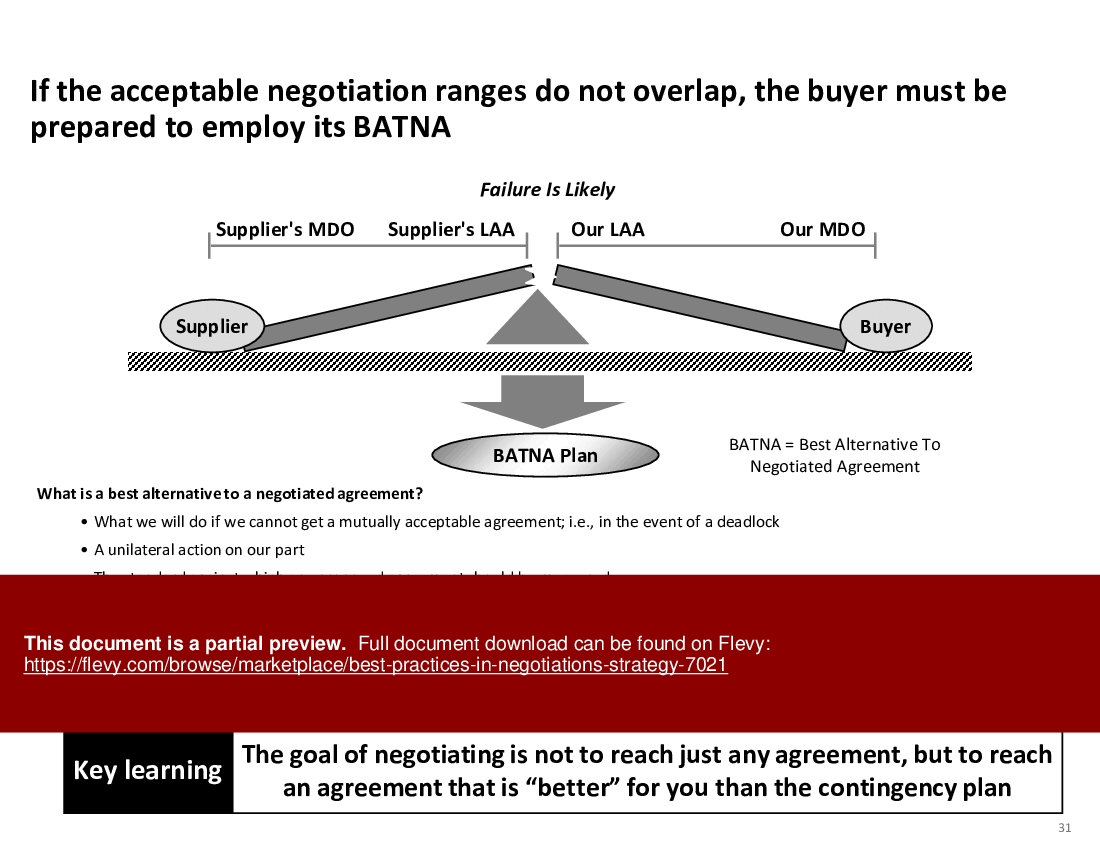
What is the significance of the BATNA in negotiations?
The BATNA (Best Alternative to a Negotiated Agreement) is crucial as it strengthens your position and provides a fallback if negotiations do not yield satisfactory results.
How can participants ensure effective communication during negotiations?
Participants will learn to prepare key messages, anticipate supplier responses, and maintain a consistent communication strategy throughout the negotiation process.
Glossary
• BATNA - Best Alternative to a Negotiated Agreement; the fallback option if negotiations fail.
• LAA - Least Acceptable Agreement; the minimum acceptable terms for a negotiation.
• MDO - Most Desirable Outcome; the ideal terms sought in a negotiation.
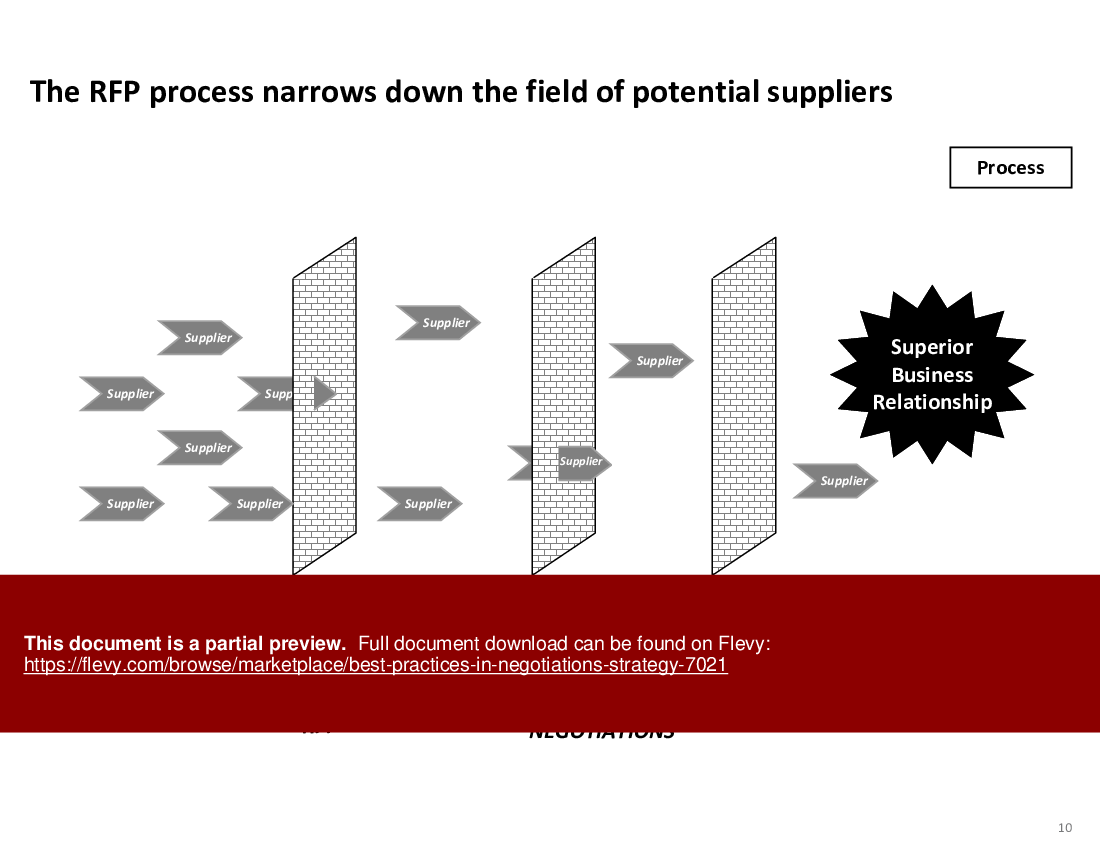
• RFP - Request for Proposal; a document soliciting proposals from suppliers.
• SWOT Analysis - A strategic planning tool assessing strengths, weaknesses, opportunities, and threats.
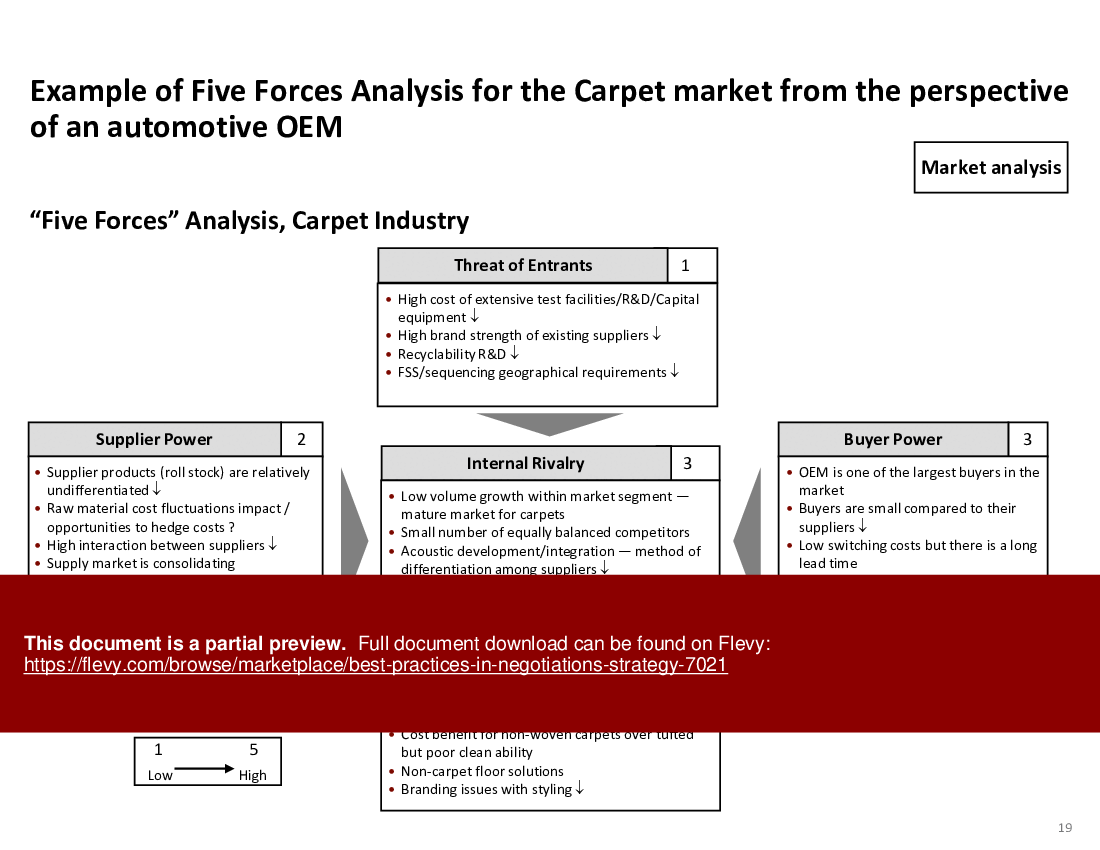
• Five Forces Analysis - A framework for analyzing the competitive forces within an industry.
• Proposal Evaluation Matrix - A tool for assessing supplier proposals based on various criteria.
• Negotiation Tactics - Specific strategies employed during negotiations to achieve desired outcomes.
• Supplier Scorecard - A tool for evaluating supplier performance based on set criteria.
• Follow-Up - The process of engaging with suppliers after negotiations to ensure clarity and maintain relationships.
• Strategic Sourcing - A systematic process of optimizing an organization's supply base to achieve better value.
• Negotiation Strategy - A plan outlining the approach to be taken during negotiations.
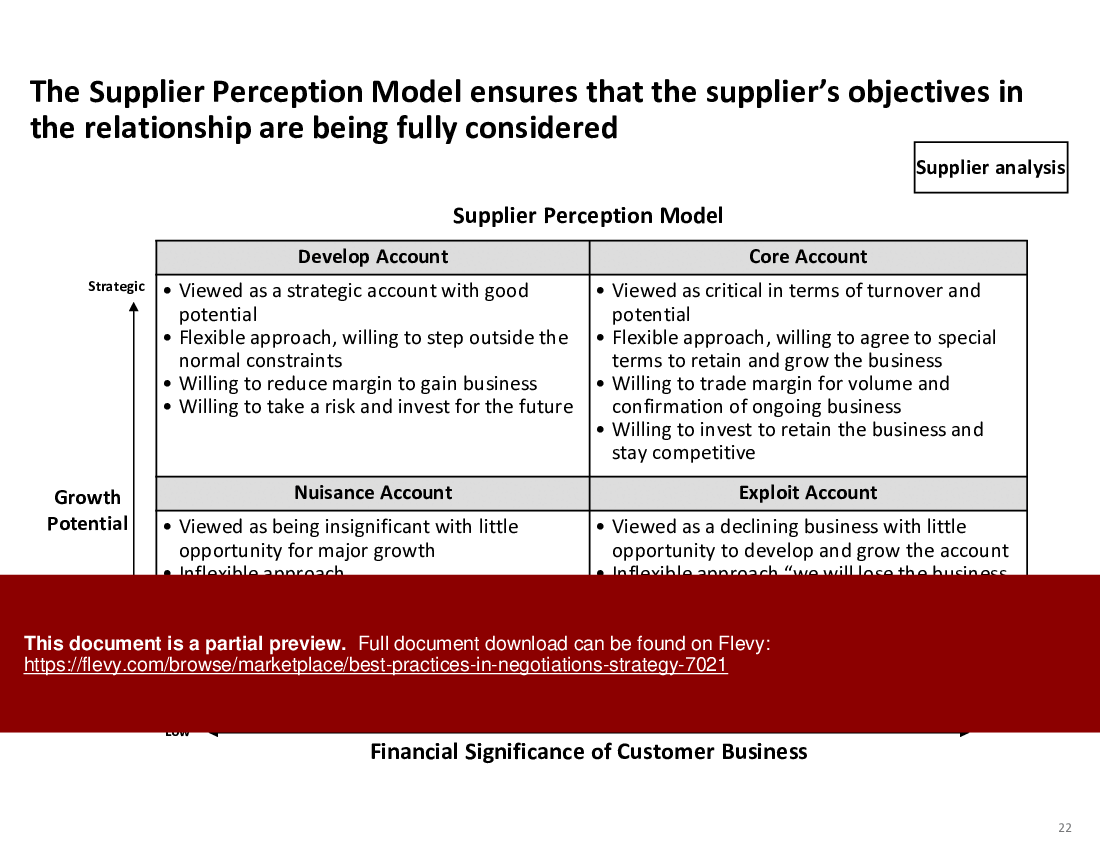
• Supplier Analysis - The assessment of potential suppliers to inform negotiation strategies.
• Team Roles - Defined responsibilities for each member of the negotiation team.
• Logistics - The planning and coordination of the negotiation process.
• Hot Buttons - Key issues or concerns that can influence negotiation dynamics.
• Communication Strategy - The approach taken to convey messages during negotiations.
• Problem Solving Cycle - The iterative process of addressing issues during negotiations.
• Active Listening - The practice of fully engaging with and understanding the speaker during discussions.
• Negotiation Checklist - A list of items to ensure all necessary elements are prepared before negotiations.
Source: Best Practices in Negotiations PowerPoint Slides: Best Practices in Negotiations Strategy PowerPoint (PPTX) Presentation Slide Deck, Affinity Consulting Partners
|
Download our FREE Organization, Change, & Culture, Templates

Download our free compilation of 50+ slides and templates on Organizational Design, Change Management, and Corporate Culture. Methodologies include ADKAR, Burke-Litwin Change Model, McKinsey 7-S, Competing Values Framework, etc. |