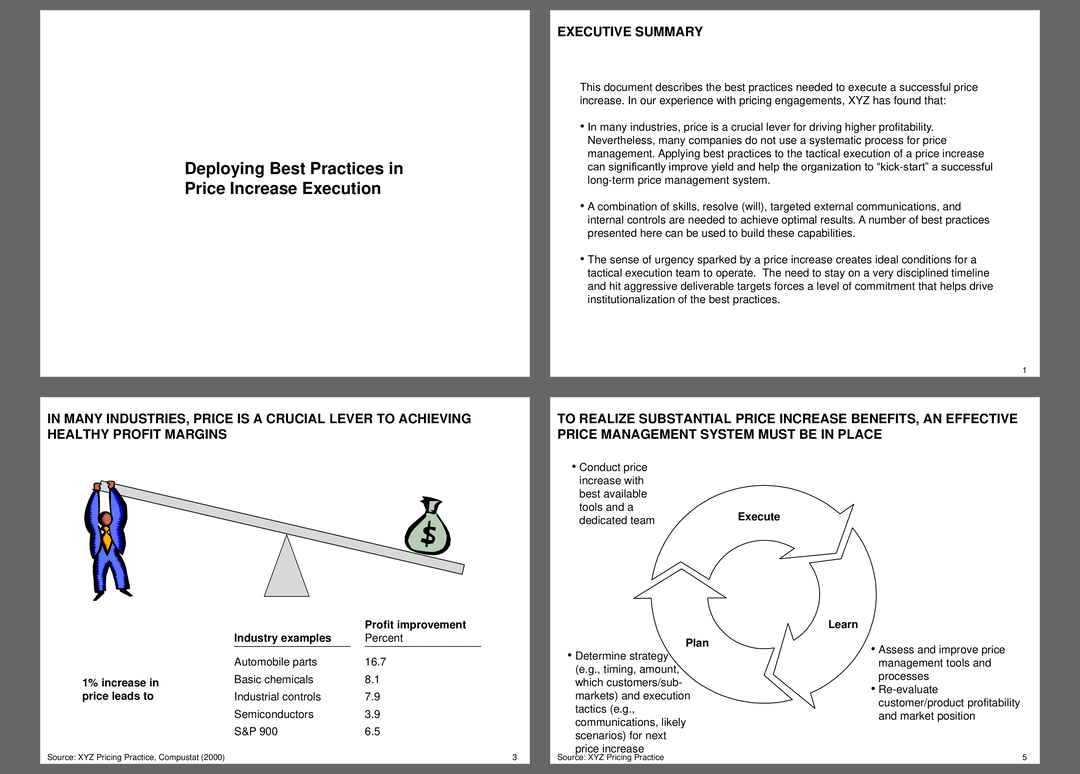
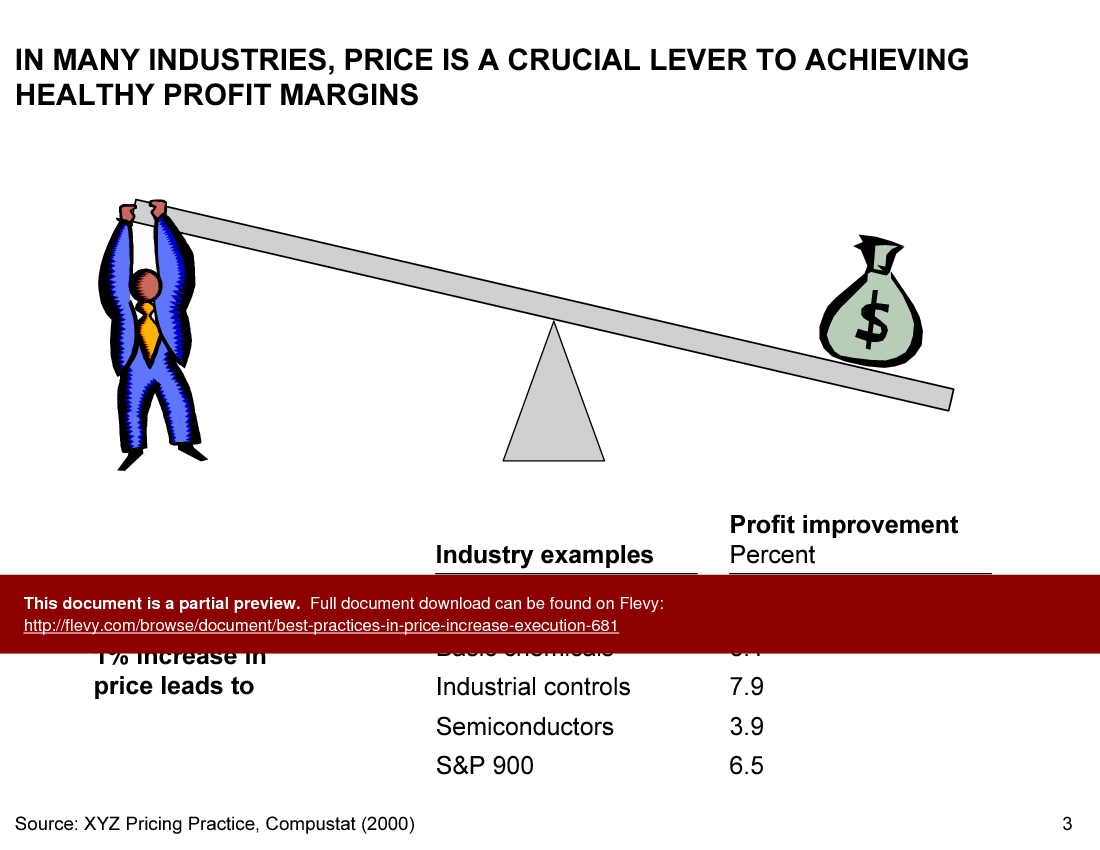
- In many industries, price is a crucial lever for driving higher profitability. Nevertheless, many companies do not use a systematic process for price management. Applying best practices to the tactical execution of a price increase can significantly improve yield and help the organization to "kick-start" a successful long-term price management system.
• A combination of skills, resolve (will), targeted external communications, and internal controls are needed to achieve optimal results. A number of best practices presented here can be used to build these capabilities.
• The sense of urgency sparked by a price increase creates ideal conditions for a tactical execution team to operate. The need to stay on a very disciplined timeline and hit aggressive deliverable targets forces a level of commitment that helps drive institutionalization of the best practices
This deck, developed by a leading strategy firm
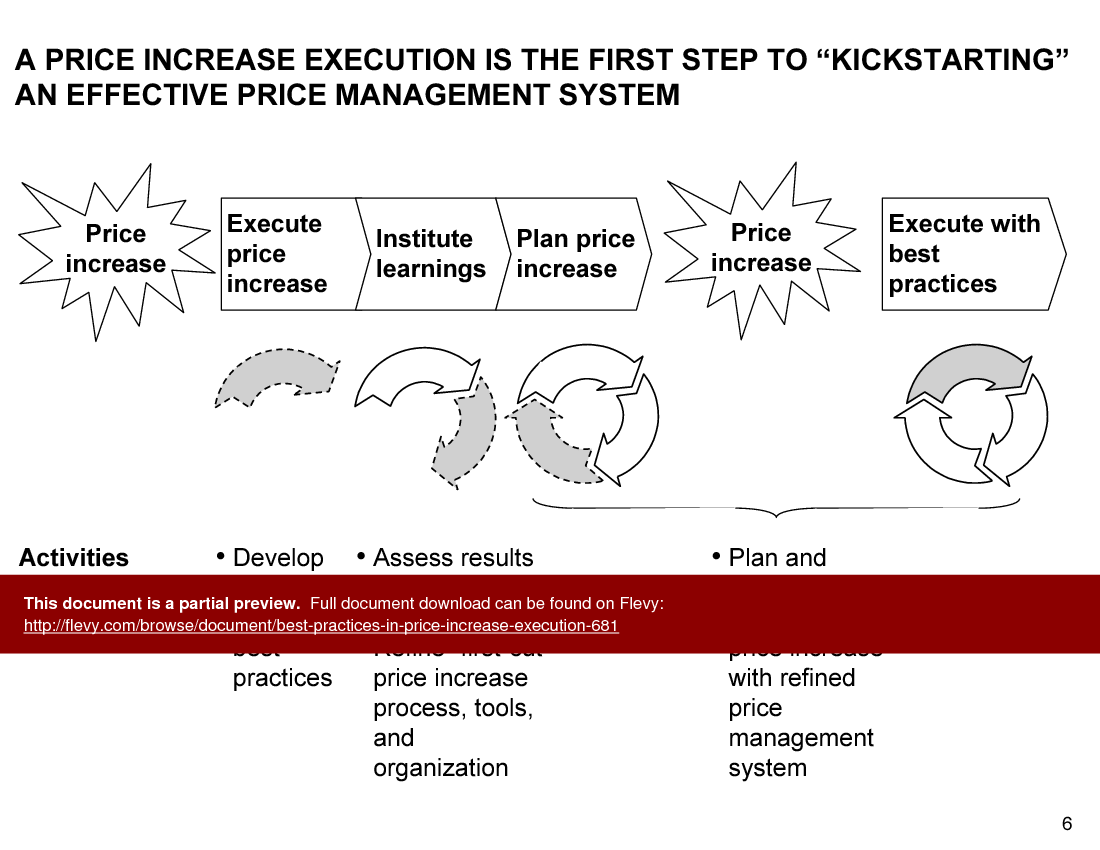
This comprehensive guide delves into the nuances of price increase execution, offering a structured approach that is both actionable and strategic. It emphasizes the importance of aligning internal stakeholders and communicating effectively with external parties to ensure a smooth transition. The document outlines key activities such as developing best practices, assessing results, and refining the price management system, ensuring that each step is meticulously planned and executed.
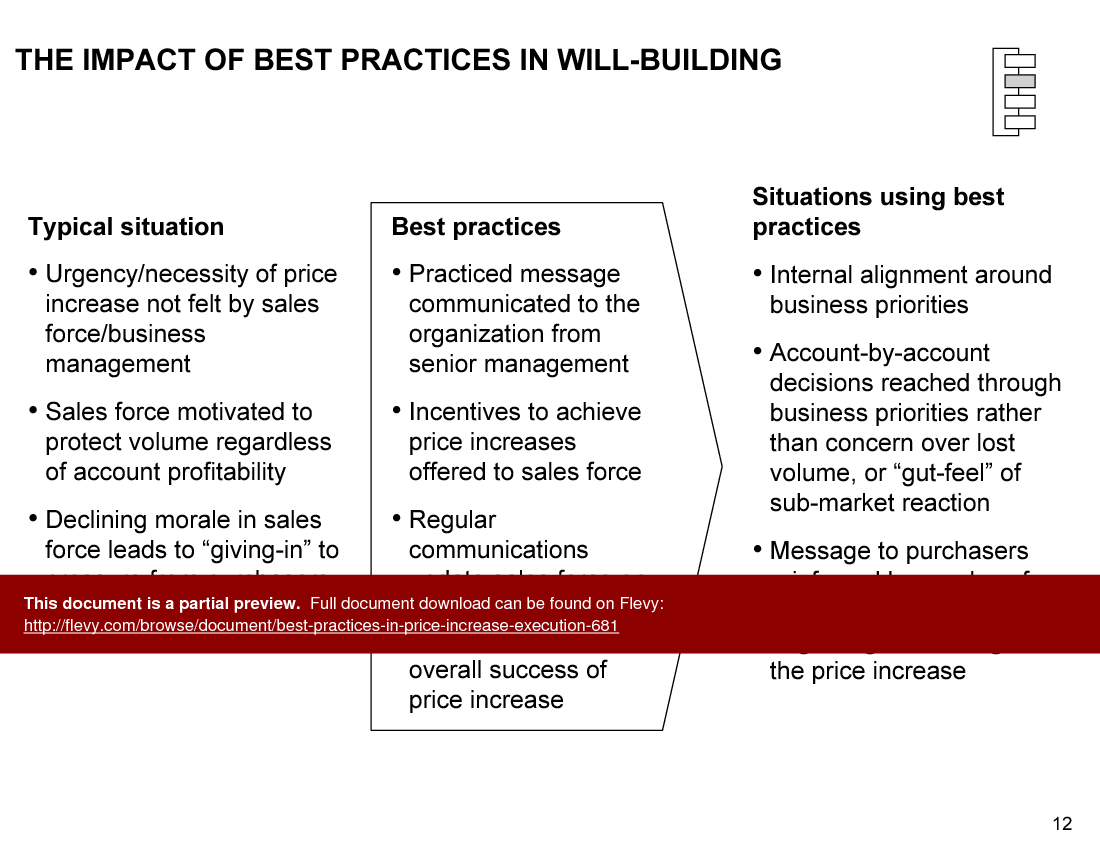
The deck also highlights the impact of best practices on will-building within the sales force, addressing common challenges like declining morale and resistance to price increases. By providing clear examples and practical advice, this resource equips executives with the tools needed to drive profitability through disciplined price management. Whether you're looking to institute new learnings or refine existing processes, this document serves as an essential roadmap for achieving sustainable profit improvement.
Got a question about the product? Email us at support@flevy.com or ask the author directly by using the "Ask the Author a Question" form. If you cannot view the preview above this document description, go here to view the large preview instead.
Executive Summary
This presentation outlines best practices essential for executing successful price increases. Many companies overlook systematic price management, despite its critical role in enhancing profitability. By applying these best practices, organizations can significantly improve yield and establish a robust long-term price management system. A combination of skills, determination, targeted communications, and internal controls is vital for achieving optimal results. The urgency surrounding price increases provides an opportunity for tactical execution teams to thrive, fostering commitment and institutionalizing these best practices.
Who This Is For and When to Use
• Pricing managers and strategists seeking to enhance price management processes
• Sales leaders responsible for implementing price increases and communicating with customers
• Marketing teams tasked with developing external communications regarding price changes
• Finance executives focused on understanding the impact of pricing strategies on profitability
Best-fit moments to use this deck:
• When planning a price increase to ensure systematic execution
• During training sessions for sales teams to enhance their negotiation skills
• In strategy meetings to align internal stakeholders on pricing objectives
Learning Objectives
• Define the critical components of a successful price increase execution
• Build a tactical plan for implementing price increases effectively
• Establish clear communication strategies for internal and external stakeholders
• Develop skills within the sales force to negotiate price increases confidently
• Implement controls to monitor the effectiveness of price increases
• Analyze the impact of price changes on overall profitability
Table of Contents
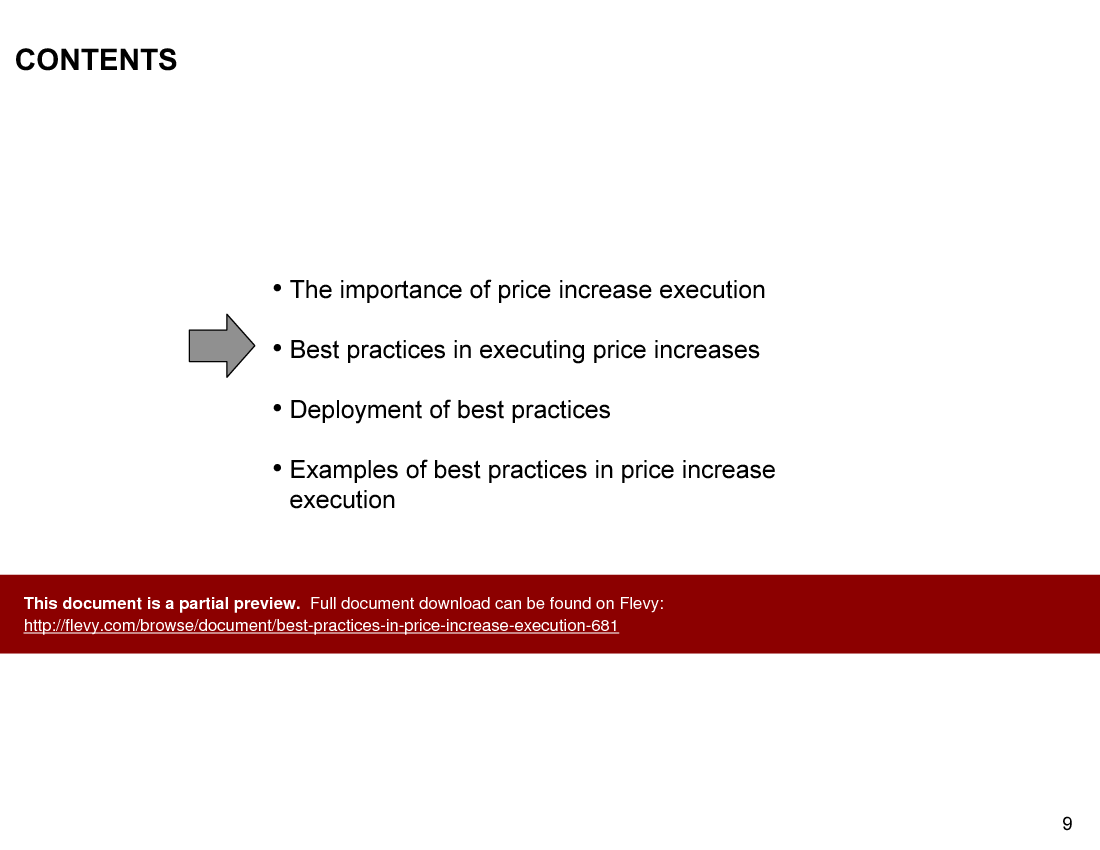
• The Importance of Price Increase Execution (page 2)
• Best Practices in Executing Price Increases (page 10)
• Deployment of Best Practices (page 17)
• Examples of Best Practices in Price Increase Execution (page 19)
Primary Topics Covered
• Importance of Price Increase Execution - Price increases are essential for enhancing profitability across various industries, yet many organizations fail to execute them effectively.
• Best Practices in Execution - A structured approach that includes skill-building, will-building, communication, and control enhances the success of price increases.
• Deployment of Best Practices - Implementing best practices requires a disciplined work plan that includes preparation, communication, and execution phases.
• Examples of Best Practices - Real-world examples illustrate how effective execution of price increases can lead to significant benefits.
Deliverables, Templates, and Tools
• Sales force training materials to enhance negotiation skills
• Communication plans tailored for different stakeholders
• Tracking reports for monitoring customer and competitive actions
• Guidelines for managing exceptions and givebacks during price increases
• Templates for account-specific pricing strategies
Slide Highlights
• Overview of the importance of price increases in driving profitability
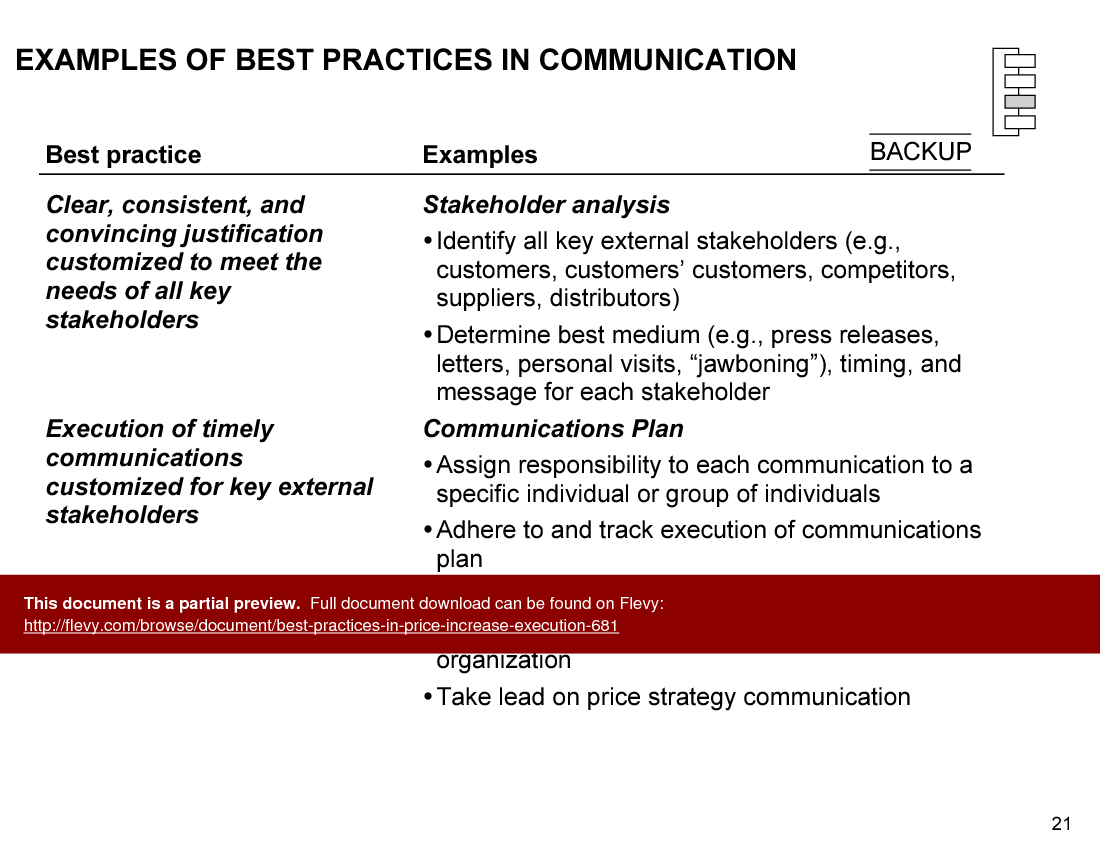
• Best practices for effective communication during price changes
• Framework for skill-building within the sales force
• Disciplined work plan detailing preparation, communication, and execution phases
Potential Workshop Agenda
Price Increase Strategy Session (90 minutes)
• Discuss the importance of systematic price management
• Review best practices for executing price increases
• Develop a communication plan for stakeholders
Sales Force Training Workshop (60 minutes)
• Conduct role-playing exercises to practice price increase messaging
• Review tools and resources available for sales teams
Customization Guidance
• Tailor communication plans to address specific customer segments
• Adjust training materials to reflect company-specific pricing strategies
• Incorporate real-time market data into tracking reports for better decision-making
Secondary Topics Covered
• The role of competitive analysis in price increase execution
• Strategies for managing customer relationships during price changes
• The impact of pricing decisions on overall business strategy
Topic FAQ
Document FAQ
These are questions addressed within this presentation.
What are the key components of a successful price increase execution?
Successful execution involves clear communication, effective training for the sales force, and robust monitoring of market reactions.
How can organizations build resolve to implement price increases?
Building resolve requires alignment on business priorities and incentivizing the sales force to achieve pricing goals.
What role does communication play in price increase execution?
Effective communication prepares stakeholders for price changes and mitigates resistance by providing clear justifications.
How can companies track the effectiveness of price increases?
Implementing tracking reports that monitor customer reactions and competitive actions helps assess the impact of price changes.
What are common pitfalls in price increase execution?
Common pitfalls include poor communication, lack of sales force training, and insufficient monitoring of market responses.
How can organizations manage exceptions during price increases?
Establishing clear guidelines for exceptions and maintaining open communication with stakeholders helps manage unexpected challenges.
What tools can assist in executing price increases?
Sales force training materials, communication plans, and tracking reports are essential tools for effective execution.
How often should companies review their pricing strategies?
Regular reviews, ideally quarterly, ensure that pricing strategies remain aligned with market conditions and business objectives.
Glossary
• Price Increase - A strategic decision to raise the selling price of products or services to enhance profitability.
• Best Practices - Proven methods or techniques that lead to superior results in price increase execution.
• Skill-Building - Training initiatives aimed at enhancing the capabilities of the sales force in negotiating price increases.
• Will-Building - Efforts to foster organizational resolve and commitment to implementing price increases.
• Communication Plan - A structured approach to conveying price changes to stakeholders effectively.
• Control - Mechanisms to monitor and manage the execution of price increases and address exceptions.
• Stakeholder - Any individual or group affected by or involved in the price increase process.
• Tracking Report - A document that monitors customer and competitive actions related to price changes.
• Exception Management - The process of handling deviations from the planned price increase execution.
• Competitive Analysis - The assessment of competitor pricing strategies and market positioning.
• Sales Force Toolbox - Resources and materials provided to the sales team to support price increase negotiations.
• Account-Level Pricing Strategy - Tailored pricing approaches based on the profitability and characteristics of individual customer accounts.
Source: Best Practices in Pricing Strategy PowerPoint Slides: Best Practices in Price Increase Execution PowerPoint (PPT) Presentation Slide Deck, Documents & Files
|
Download our FREE Strategy & Transformation Framework Templates
Download our free compilation of 50+ Strategy & Transformation slides and templates. Frameworks include McKinsey 7-S, Balanced Scorecard, Disruptive Innovation, BCG Curve, and many more. |










