
This product (Growth Opportunity Assessment) is a 76-slide PPT PowerPoint presentation slide deck (PPT), which you can download immediately upon purchase.
This document is a growth opportunity assessment approach. The approach is made up of the following steps:
• Understand business/market profile (industry dynamics, customers, competition, company, economics)
• Identify high-level growth opportunities
• Evaluate opportunity attractiveness at high level
• Identify viable strategic alternatives
• Validate against specific business requirements/hurdles
• Prioritize and select growth opportunities
The document contains 76 PowerPoint slides.
See also "Growth Strategy Report"
/browse/marketplace/growth-strategy-report-733
See also "Services Growth & Effectiveness Strategy"
/browse/marketplace/services-growth-and-effectiveness-strategy-735
See also "Services Growth & Effectiveness Approach"
/browse/marketplace/services-growth-and-effectiveness-approach-736
This comprehensive Growth Opportunity Assessment document leverages a variety of established frameworks to provide a robust analysis. From the Industry Attractiveness Matrix to the Risk-Return Model, each framework is carefully chosen to address different facets of growth potential. These tools are not just theoretical; they have been widely adopted across industries, ensuring their practical applicability and relevance.
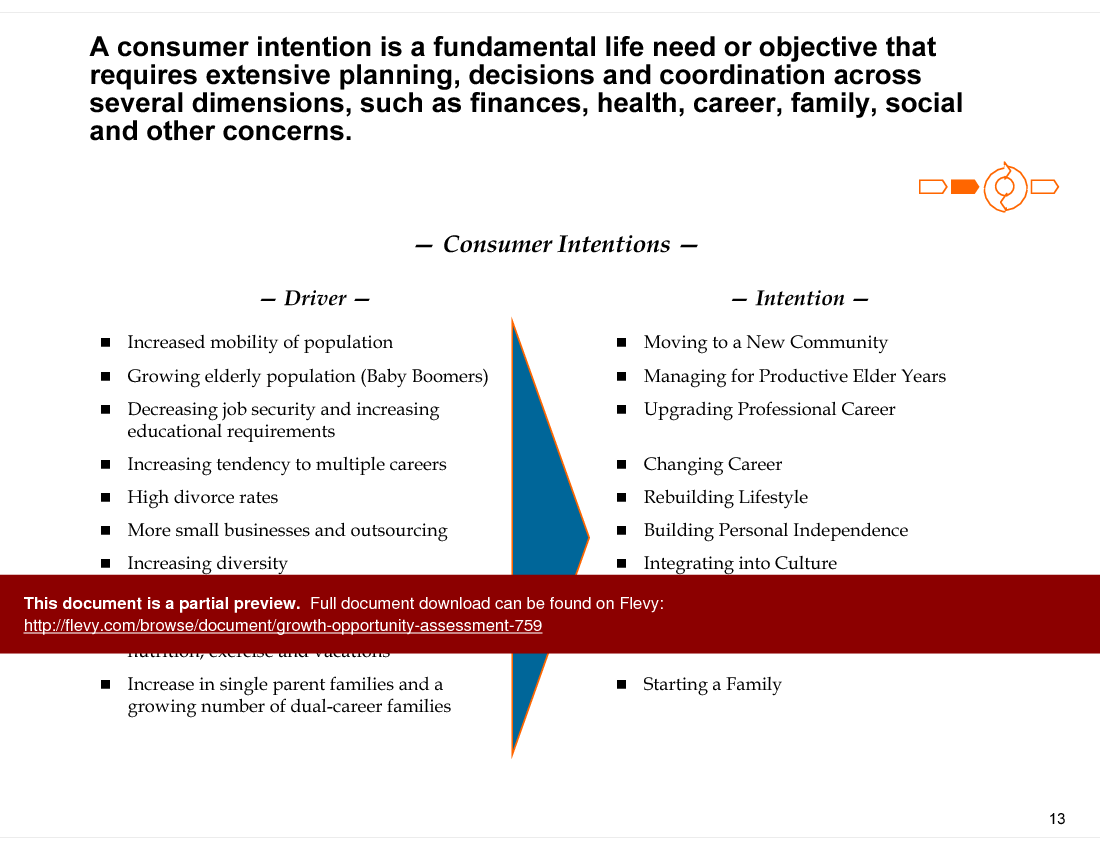
The document also delves into the importance of understanding consumer intentions. By analyzing drivers such as population mobility and increasing diversity, it identifies key consumer needs like upgrading professional careers and starting a family. This focus on consumer behavior helps in crafting strategies that are aligned with market demands, making the growth opportunities more viable and targeted.
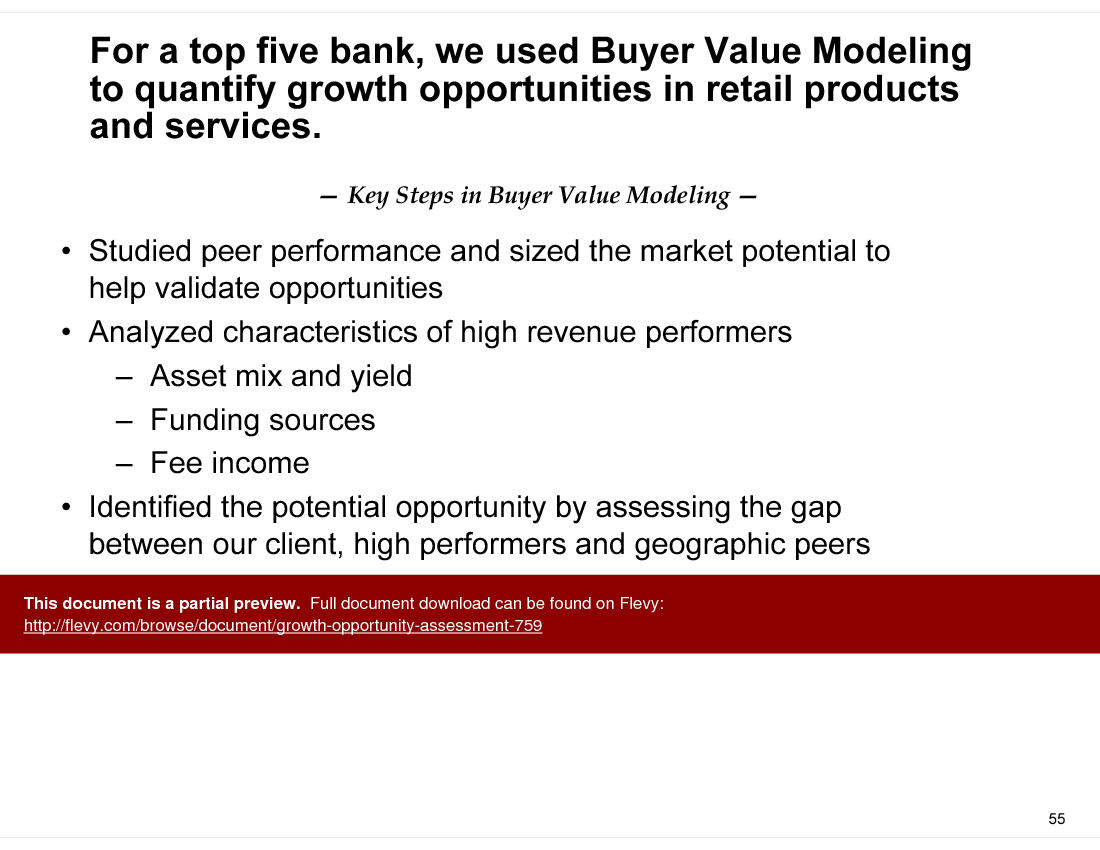
Real-world case examples are included to illustrate the application of these frameworks. Whether it's a top-five bank using Buyer Value Modeling to identify growth in retail products or a consumer products client needing to improve business attractiveness, these cases provide actionable insights. These examples underscore the practical utility of the document, making it a valuable resource for executives looking to drive growth in their organizations.
Got a question about the product? Email us at support@flevy.com or ask the author directly by using the "Ask the Author a Question" form. If you cannot view the preview above this document description, go here to view the large preview instead.
Source: Best Practices in Growth Strategy PowerPoint Slides: Growth Opportunity Assessment PowerPoint (PPT) Presentation Slide Deck, Documents & Files
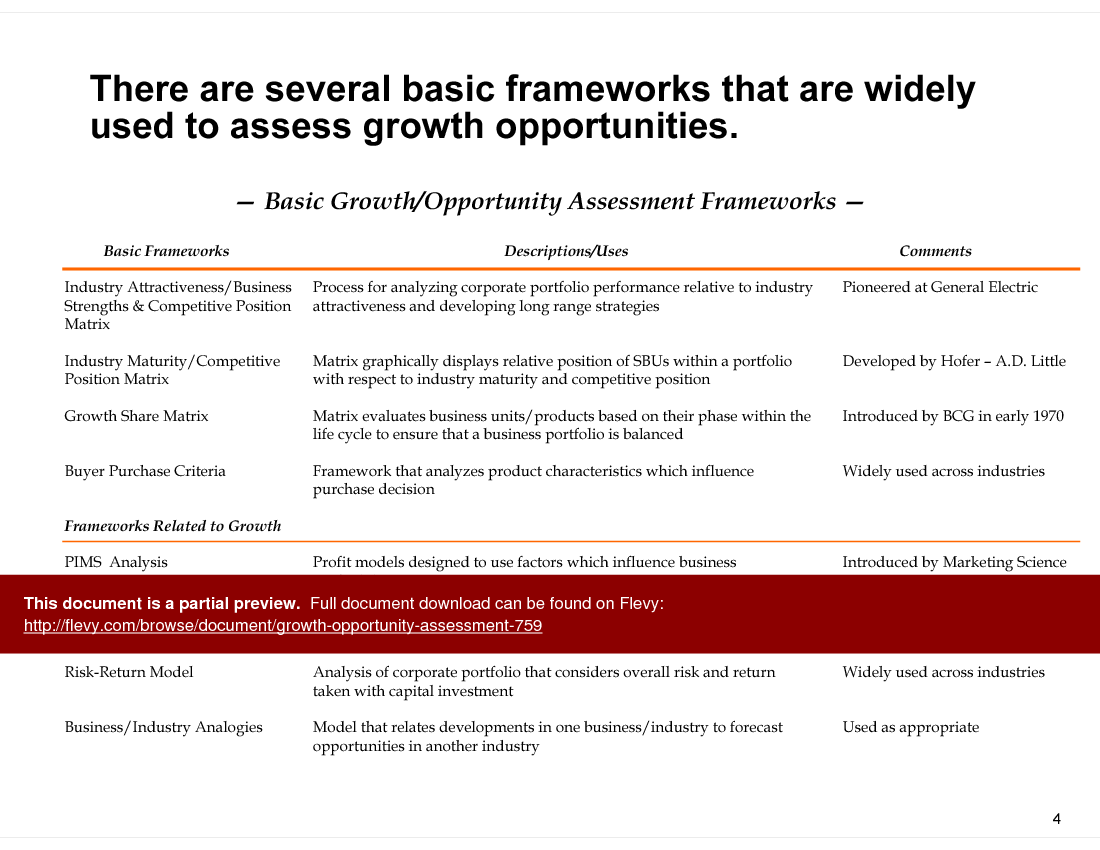
This PPT slide outlines several fundamental frameworks utilized for assessing growth opportunities within organizations. It categorizes these frameworks into 2 main sections: Basic Frameworks and Frameworks Related to Growth.
In the Basic Frameworks section, 4 distinct models are highlighted. The Industry Attractiveness/Business Strengths & Competitive Position Matrix focuses on analyzing a company's portfolio performance in relation to industry attractiveness, aiding in the development of long-term strategies. The Industry Maturity/Competitive Position Matrix visually represents the positioning of Strategic Business Units (SBUs) concerning industry maturity and competitive stance. The Growth Share Matrix evaluates business units or products based on their lifecycle phase, ensuring a balanced portfolio. Lastly, the Buyer Purchase Criteria framework assesses product characteristics that influence purchasing decisions, applicable across various industries.
The second section, Frameworks Related to Growth, introduces additional models. The PIMS Analysis emphasizes profit models that identify factors affecting profitability. Product Profit/Contribution Analysis evaluates the profit generated by a company's offerings. The Risk-Return Model analyzes the corporate portfolio while considering the risks and returns associated with capital investments. Lastly, the Business/Industry Analyses model relates industry developments to forecast future trends.
This slide serves as a concise reference for executives looking to understand the foundational frameworks for growth assessment. Each framework is accompanied by a brief description and comments on its origin or application, providing valuable context for decision-making. Understanding these frameworks can significantly enhance strategic planning and resource allocation efforts.
This PPT slide presents a structured approach to conducting growth and opportunity assessments, showcasing various frameworks that can be applied in this context. It is divided into 5 key sections, each representing a distinct phase in the assessment process.
Starting with the "Business/Market Profile," this section emphasizes the importance of understanding the current market dynamics and business context. It sets the foundation for identifying potential growth opportunities. The next phase, "High-Level Opportunity," introduces a strategic game board that aids in visualizing and categorizing opportunities based on their attractiveness and feasibility.
Following this, the "High-Level Screening" section provides a method for evaluating the initial attractiveness of identified opportunities. This is crucial for filtering out less viable options early in the process. The "Strategic Alternatives" section encourages the exploration of various pathways that could be pursued, highlighting the importance of considering multiple strategies before narrowing down choices.
The "Detailed-Level Screening" phase dives deeper into the evaluation process, assessing the identified alternatives against specific business requirements and hurdles. This ensures that the chosen strategies align with organizational capabilities and market needs. Finally, the "Prioritization" section focuses on selecting the most promising growth opportunities based on the insights gathered throughout the assessment.
Overall, this slide serves as a comprehensive guide for executives looking to systematically explore and evaluate growth opportunities. It illustrates a clear, step-by-step methodology that can lead to informed decision-making and strategic alignment within the organization.
This PPT slide presents a framework for evaluating potential growth strategies based on 2 key dimensions: market attractiveness and competitive strengths. This matrix categorizes various strategic options into 4 quadrants, allowing for a visual assessment of where each option stands relative to the current position of "Beer Co. Today."
On the x-axis, market attractiveness is segmented into 3 levels: low, medium, and high. The y-axis represents competitive strengths, also divided into 3 levels. This structure enables a clear comparison of potential strategies against the company's existing capabilities and market conditions.


The options are labeled as "Option 1," "Option 2," and "Option 3," with "Beer Co. Today" positioned in the medium competitive strength and medium market attractiveness quadrant. This positioning suggests that while the company has a stable foundation, there are opportunities for growth that could enhance its market position.
Options in the high market attractiveness quadrant indicate promising avenues for expansion, while those in the low quadrant may require reevaluation. The slide emphasizes the need for a thorough assessment of these strategies against corporate return requirements, highlighting the importance of aligning growth initiatives with overall business objectives.
This visual representation serves as a strategic tool for decision-makers, facilitating discussions on prioritizing growth initiatives and ensuring that resources are allocated effectively. The clarity of the matrix allows for quick identification of viable options and potential risks associated with each strategy.
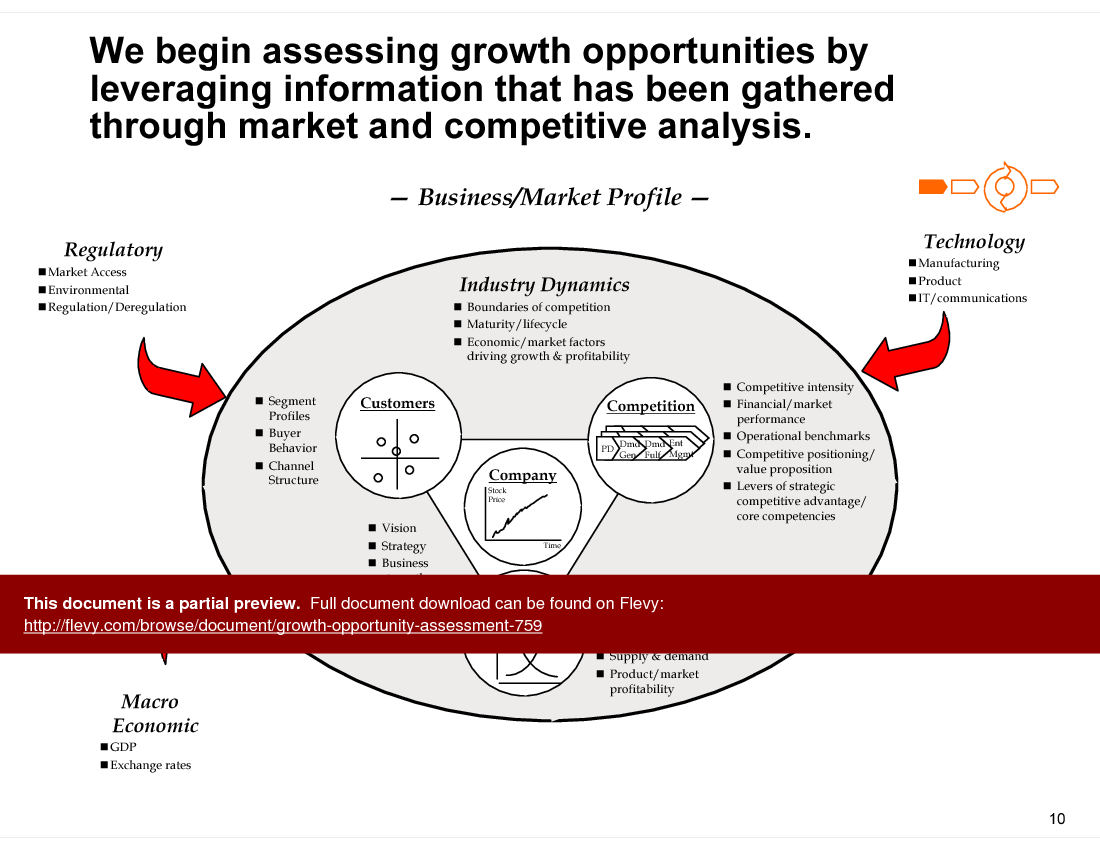
This PPT slide presents a structured approach to assessing growth opportunities through a comprehensive market and competitive analysis. At the center, the diagram highlights 4 key components: Customers, Company, Competition, and Economics, each contributing to a holistic understanding of the business environment.
The "Customers" section focuses on segment profiles, buyer behavior, and channel structure, emphasizing the importance of understanding customer dynamics. This insight is crucial for tailoring strategies that resonate with target audiences.
In the "Company" segment, elements such as vision, strategy, business strength, and resource capability are outlined. This indicates that a firm’s internal competencies and strategic direction are vital for leveraging market opportunities effectively.
The "Competition" area delves into various factors influencing market rivalry. It covers competitive intensity, financial performance, operational benchmarks, and the competitive positioning of the company. Understanding these dynamics helps in identifying where a company stands relative to its peers and what levers can be pulled to enhance its market position.
Lastly, the "Economics" section addresses broader market factors, including the industry value chain, supplier dynamics, and product profitability. This highlights the necessity of grasping economic conditions that impact growth potential.
Overall, the slide serves as a foundational framework for executives looking to identify and prioritize growth initiatives. It underscores the interplay between external market conditions and internal capabilities, guiding strategic decision-making. The structured analysis presented here can aid in making informed choices that align with both market opportunities and organizational strengths.
This PPT slide presents a strategic framework for identifying growth opportunities by expanding beyond existing core offerings. It emphasizes the importance of innovating value propositions centered around consumer intentions. The visual layout features a two-dimensional matrix with axes labeled "Markets" and "Products/Services," highlighting the intersection of current and new markets with current and new products. This positioning suggests a focus on growth areas that leverage existing capabilities while exploring new market segments.
At the core of the diagram is the concept of capturing customer intentions, which serves as the foundation for developing innovative strategies. Surrounding this core are concentric circles that represent various levels of leverage: existing business, assets and activities, and skills and capabilities. This layered approach indicates that organizations should build upon their current strengths while also exploring new avenues for growth.
The outer circle suggests an outward expansion strategy, encouraging businesses to venture into new markets and product lines. The emphasis on consumer intention implies that understanding customer needs and preferences is crucial for success. This slide serves as a call to action for executives to rethink their approach to market opportunities, urging them to consider how they can innovate and adapt to changing consumer behaviors.
The insights provided here are particularly relevant for organizations looking to diversify their offerings and enhance their market presence. By focusing on consumer intentions and leveraging existing strengths, companies can position themselves for sustainable growth in an evolving marketplace.
This PPT slide presents the Channel Assessment Model, a framework designed to identify opportunities within a company's channel structure. Central to this model is the emphasis on understanding customer needs, which is positioned at the core of the diagram. Surrounding this core are 3 key components: Channel Selection, Channel Management, and Channel Performance Management, each contributing to a comprehensive approach to channel strategy.
Channel Selection focuses on evaluating the role of various channels based on customer types and strategic needs. It encourages organizations to assess the cost structures and scalability of these channels, ensuring alignment with broader product and market strategies. This aspect also highlights the importance of synergy with other offerings and the validation of potential partnerships.
Channel Management emphasizes the development of processes and infrastructure necessary for effective channel operations. It involves setting performance objectives and monitoring these to ensure that the channels operate efficiently. Institutionalizing the requisite behaviors within the organization is crucial for sustaining these efforts.
Channel Performance Management is about identifying the key functions of intermediaries and understanding their needs. This component ensures that the channels not only meet customer expectations, but also align with the overall strategic goals of the organization.
Overall, this slide serves as a guide for executives looking to optimize their channel strategies. By applying the Channel Assessment Model, organizations can systematically uncover opportunities for improvement and growth, ensuring that their channel structures are robust and responsive to market demands.
This PPT slide outlines a structured methodology for conducting growth and opportunity assessments. It emphasizes a systematic approach that integrates both foundational and advanced frameworks. The process begins with understanding the business and market profile, which sets the stage for identifying potential avenues for growth. This initial step is crucial as it provides context and insight into the current landscape.
Following this, the next phase involves generating high-level opportunities. This step is about brainstorming and identifying broad areas where the business could expand or enhance its offerings. It serves as a precursor to more detailed analysis.
The slide then illustrates a cyclical process that includes high-level screening, strategic alternatives, and detailed-level screening. High-level screening allows for an initial evaluation of the identified opportunities, filtering them based on feasibility and alignment with business objectives. The strategic alternatives phase involves exploring various pathways to capitalize on the selected opportunities, ensuring that multiple options are considered.
Detailed-level screening is the next step, where the shortlisted alternatives undergo rigorous analysis. This phase is critical for assessing the viability and potential impact of each option. Finally, the process culminates in prioritizing opportunities, which helps in focusing resources and efforts on the most promising initiatives.
This structured approach not only aids in identifying growth opportunities, but also ensures that decisions are data-driven and strategically sound. For executives considering this framework, it offers a clear pathway to systematically evaluate and prioritize growth initiatives, ultimately leading to more informed decision-making.
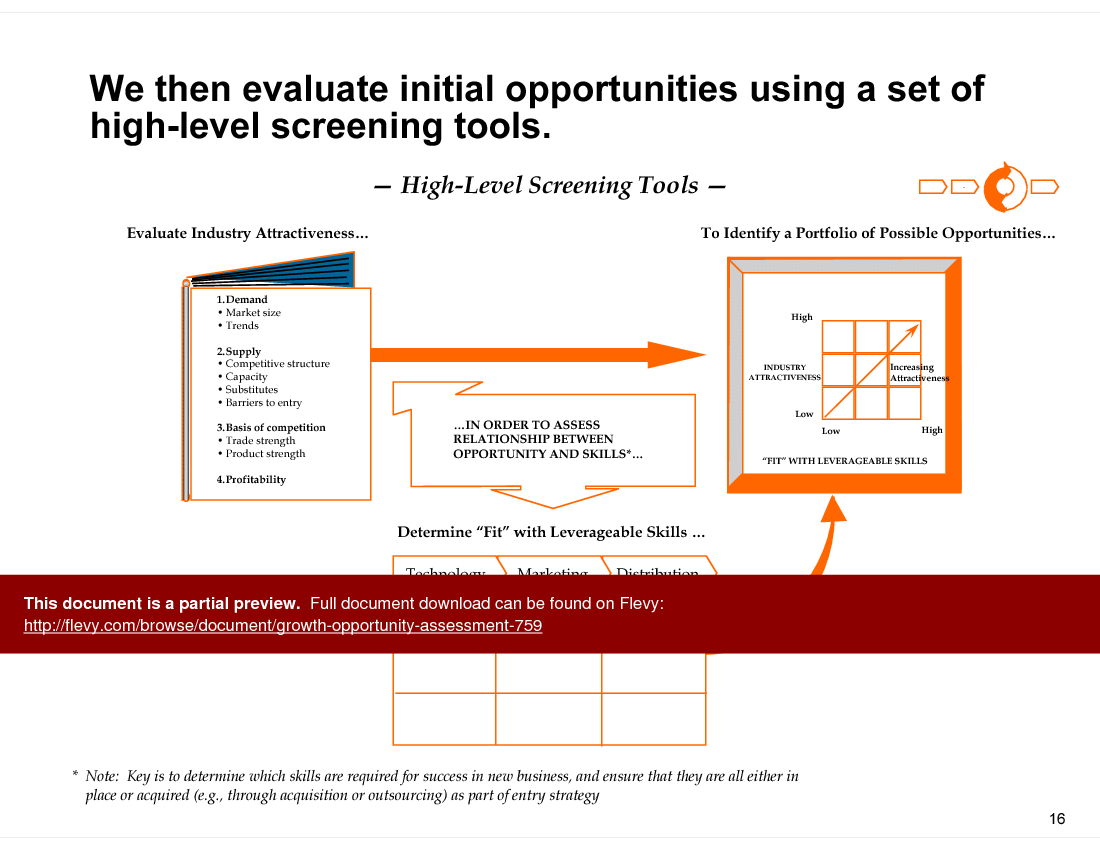
This PPT slide outlines a structured approach to evaluating potential business opportunities through high-level screening tools. It begins with assessing industry attractiveness, which is broken down into 4 key components: demand, supply, basis of competition, and profitability.
Demand is evaluated by looking at market size and trends, which helps in understanding the potential customer base and growth trajectory. The supply side focuses on competitive structure, capacity, substitutes, and barriers to entry, giving insights into market dynamics and operational challenges. The basis of competition analyzes trade strength and product strength, which are crucial for positioning within the market. Finally, profitability assesses the financial viability of the industry, providing a comprehensive view of potential returns.
The slide then transitions to identifying a portfolio of possible opportunities. This is represented in a matrix format that correlates industry attractiveness with the fit of opportunities against leverageable skills. The matrix categorizes opportunities into 4 quadrants based on their attractiveness and the company's capabilities in technology, marketing, and distribution. This visual representation aids in prioritizing which opportunities to pursue based on their alignment with the organization’s strengths.
Overall, the slide emphasizes a systematic evaluation process that combines market analysis with internal capability assessment. This dual approach ensures that decisions are informed by both external market conditions and internal competencies, ultimately guiding strategic investment in growth initiatives.
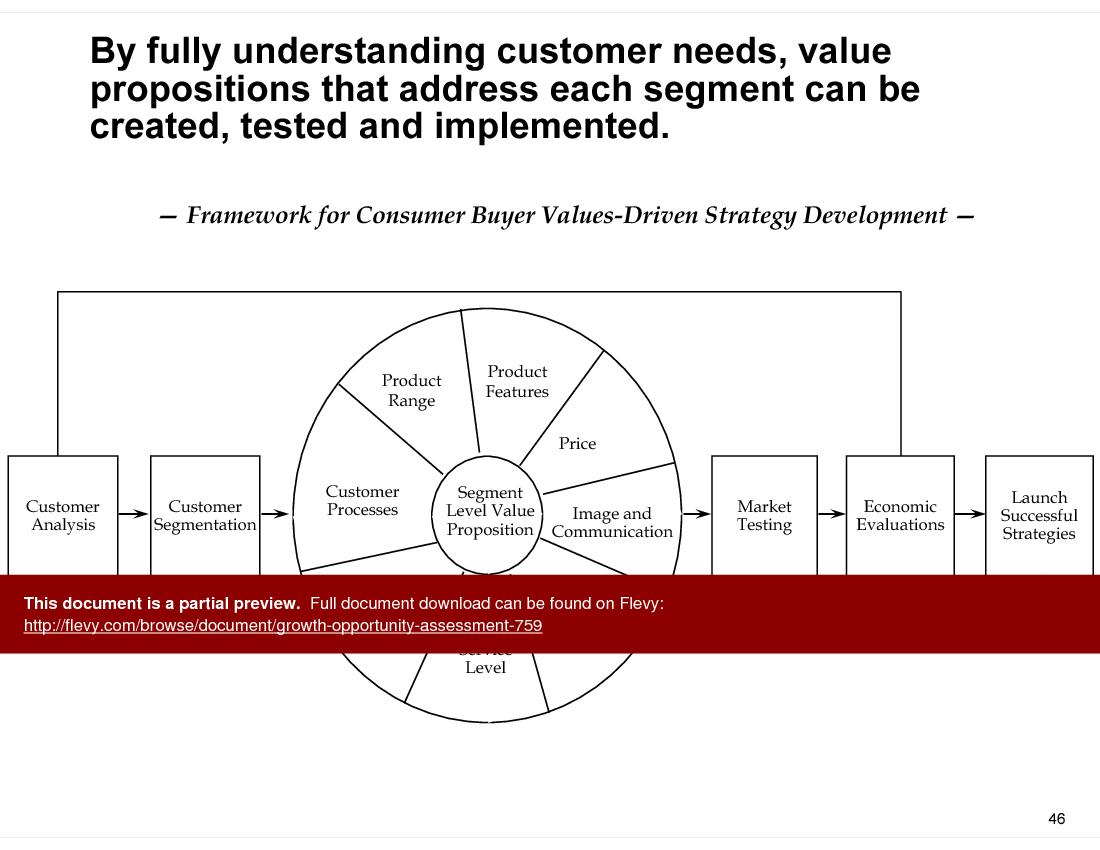
This PPT slide presents a structured framework for developing consumer buyer values-driven strategies. At the core of this framework is the concept of segment-level value propositions, which are informed by a thorough understanding of customer needs. The framework begins with customer analysis and segmentation, emphasizing the importance of identifying distinct customer groups to tailor strategies effectively.
Surrounding the central value proposition are various elements that contribute to its formulation. These include product range, product features, price, image and communication, service level, distribution channels, and customer processes. Each of these components plays a critical role in shaping how value is perceived by different segments. For instance, the product range and features must align with customer expectations, while pricing strategies should reflect the perceived value among targeted segments.
The process does not end with the creation of value propositions. The framework outlines subsequent steps such as market testing and economic evaluations. These stages are essential for validating the proposed strategies and ensuring they are viable in the marketplace. Finally, the framework culminates in the launch of successful strategies, indicating that the approach is not just theoretical, but designed for practical application.
This slide is particularly relevant for organizations looking to refine their customer engagement strategies. By focusing on the nuances of customer needs and preferences, businesses can develop targeted offerings that resonate with their audience. The structured approach outlined here provides a roadmap for systematically addressing customer demands and optimizing market performance.
This PPT slide presents an analysis of consumer buyer values aimed at addressing a significant issue for a leading bank. The central question posed is how to increase the percentage of high-value customers, specifically those categorized as Diamond and Platinum. The table outlines various profit segments, detailing the percentage of the customer base and their corresponding buyer values across 4 key dimensions: Relationship, Channel, Speed, and Price.
The profit segments are categorized from Diamond to Bronze, with Diamond customers representing only 2% of the customer base, while Bronze customers make up 20%. Notably, the buyer values for each segment vary significantly. For instance, Diamond customers exhibit a high preference for Relationship (60) and a lower inclination towards Price (20). In contrast, Bronze customers show a more balanced distribution of values, with a significant emphasis on Channel (50).
The analysis raises critical questions regarding the distribution of buyer values within these segments. It prompts consideration of which other segments might share similar values to the Diamond and Platinum categories. The appended consumer data is intended to provide deeper insights into demographic factors, channel usage, and share of wallet, which could inform strategies to elevate the less profitable segments.
The slide emphasizes the importance of understanding buyer values to refine value propositions. It suggests that certain buyer values may need to be de-emphasized to avoid attracting less profitable customers, while still maintaining appeal to the most profitable segments. This analysis is crucial for the bank to prioritize its efforts and resources effectively, ensuring a focus on segments with the highest potential for growth.
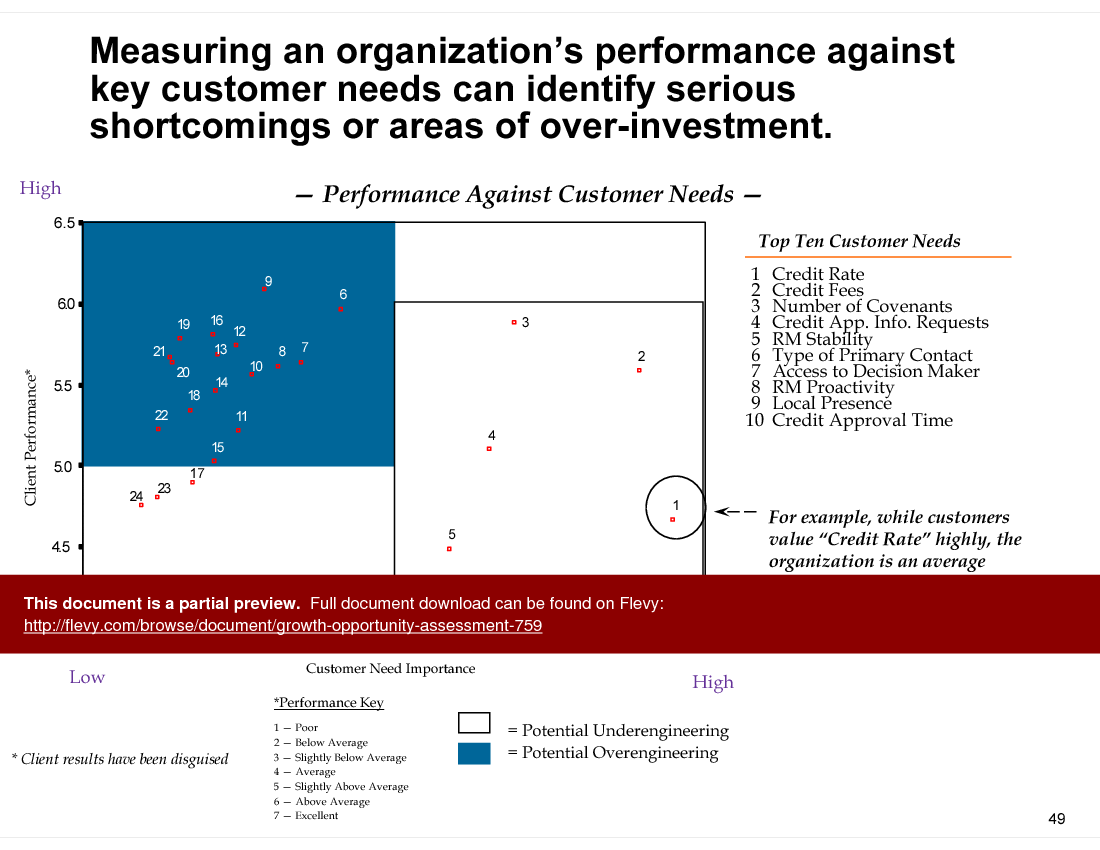
This PPT slide presents a performance analysis framework that evaluates an organization’s effectiveness in meeting customer needs. It utilizes a two-axis grid to plot various attributes based on their importance to customers and the organization’s performance in those areas. The vertical axis represents client performance, ranging from low to high, while the horizontal axis indicates customer need importance, also spanning low to high.
Key attributes are listed within the quadrants, with "Strategy" and "Advice" positioned prominently in the upper left quadrant, suggesting they are both highly valued by customers, but may not be areas of strong performance for the organization. "Advice," despite being critical, is marked as an average performer, indicating a potential area for improvement. Other attributes like "Local Presence," "Pitch Integrity," and "Problem Resolution" are also highlighted, suggesting they are important to clients, but may not be fully leveraged by the organization.
The lower quadrants feature attributes such as "Innovation" and "Price," which may not be as critical to customers, but could still influence overall satisfaction. The positioning of these attributes offers insights into where the organization stands relative to customer expectations.
This analysis serves as a strategic tool for decision-makers, highlighting strengths and weaknesses in service delivery. It encourages a focus on enhancing performance in key areas that matter most to customers, ultimately guiding strategic initiatives to better align with client needs and expectations.
This PPT slide presents the Industry Market Potential Model, a framework designed to assess growth opportunities within a specific market. It emphasizes the importance of quantifying potential sales and identifying gaps that can be exploited for growth. The model defines the Industry Market Potential (BMP) as the maximum possible sales for a product or service, represented as 100% of potential users utilizing the product to its fullest extent.
Central to the model is the concept of growth opportunity, which is calculated by comparing the BMP to current sales figures. This comparison highlights the Competitive Gap (CG), which reflects the difference between current sales and relevant industry sales. The model categorizes market gaps into 3 distinct areas: Product Line Gap (PLG), Distribution Gap (DG), and Usage Gap (UG). Each of these gaps represents a specific area where the company can focus its efforts to enhance market performance.
The slide also outlines strategic options for addressing these gaps. For instance, in the product line area, strategies could include expanding the product line or introducing new or improved products. In distribution, the focus might be on increasing coverage or intensity of exposure. Usage strategies could involve attracting new users or increasing current usage levels.
This structured approach allows executives to systematically evaluate their market position and identify actionable strategies to capitalize on identified opportunities. By leveraging this model, organizations can make informed decisions that align with their growth objectives.
This PPT slide presents a framework for understanding consumer intentions and how they can be effectively met through strategic business alliances. At the top, the statement emphasizes that consumer intentions will be delivered by configuring networks of business alliances, indicating a collaborative approach to addressing consumer needs.
The left side of the slide lists various consumer intentions, including personal development, professional development, housing/shelter, financial security, health/fitness, entertainment/leisure, and routine planning and tasks. This categorization highlights the diverse areas where consumer needs arise, suggesting that businesses must be aware of these intentions to tailor their offerings accordingly.
The central focus is on the concept of "Manage to Productive Elder Years Integrator," which appears to be a pivotal role or service aimed at supporting consumers, particularly in their later stages of life. This integrator serves as a hub connecting various services and products that cater to the identified consumer intentions. The surrounding boxes illustrate potential collaborative networks, showcasing specific services such as travel assistance, pharmaceutical services, and financial planning. This visual representation indicates that fulfilling consumer intentions requires a well-coordinated effort among multiple businesses.
The bottom section notes that fulfilling these intentions necessitates careful planning and the establishment of networks. This reinforces the idea that a singular approach is insufficient; rather, a collaborative strategy is essential for addressing the complexities of consumer needs effectively. Overall, the slide conveys a clear message that understanding consumer intentions and leveraging business alliances is crucial for delivering value in today's market.
This PPT slide presents the "Industry Cycle Capability Model," which outlines how a company's ability to capitalize on opportunities is influenced by its position within the industry life cycle. It categorizes the life cycle into 5 stages: Pioneering, Venturing, Exploiting, and Architecting. Each stage reflects a different focus and set of key success factors that companies must consider when strategizing their market entry.
In the Pioneering stage, the emphasis is on innovation. Companies are encouraged to create viable concepts by offering new value propositions or business systems. This stage requires a strong ability to support and sustain the process of invention and development.
As companies transition to the Venturing stage, the focus shifts toward growth. Here, identifying favorable consumer and industry trends becomes crucial. Companies should look to acquire established competitors and leverage joint capabilities to enhance their market position.
In the Exploiting phase, the focus is on growth and profitability. Companies should identify opportunities to extend or strengthen proven concepts, capitalizing on existing market dynamics. This requires strategic decision-making and insight into emerging trends.
Finally, in the Architecting stage, the focus is on profitability and industry management. Companies must identify and exploit opportunities to alter mature industry structures, leveraging their own capabilities to improve management and acquisitions.
Overall, this model serves as a strategic framework for companies to assess their entry points into the market, aligning their capabilities with the specific demands of each stage in the industry life cycle.
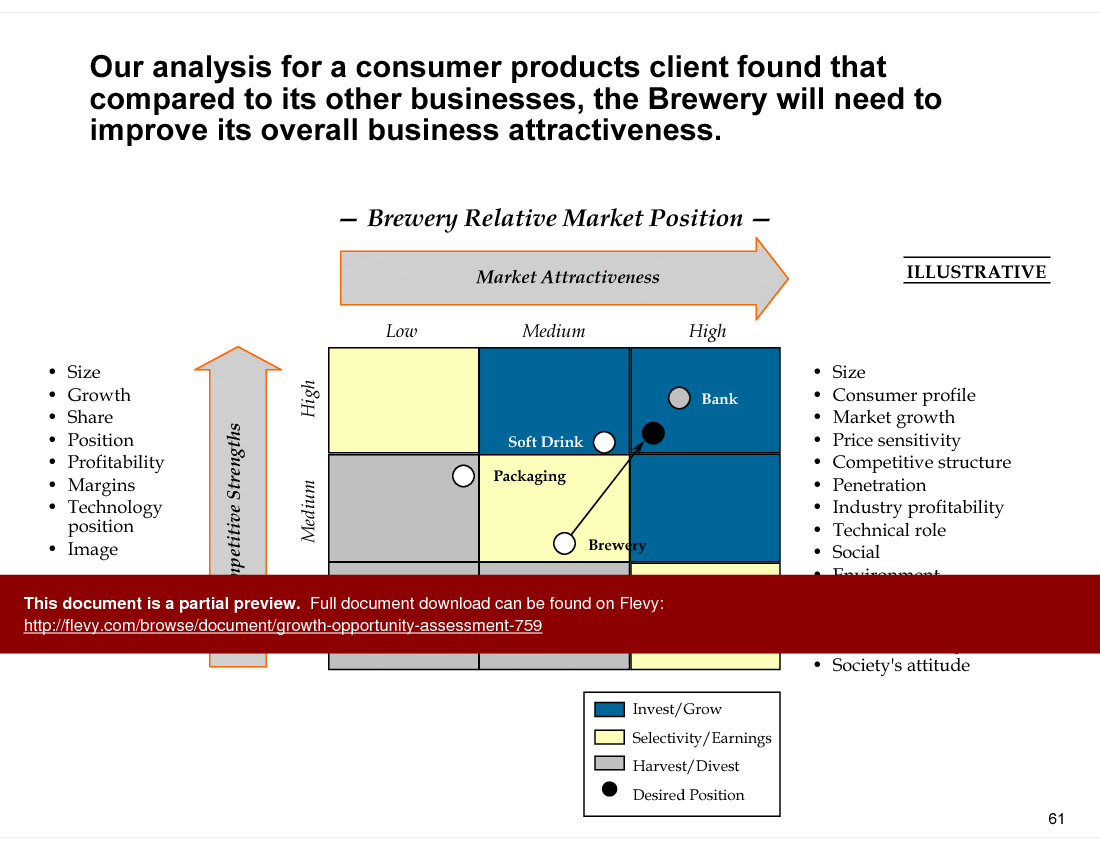
This PPT slide presents a strategic analysis of a brewery's market position relative to its peers in the consumer products sector. It utilizes a two-dimensional matrix to depict market attractiveness against competitive strengths. The horizontal axis represents market attractiveness, categorized as low, medium, and high, while the vertical axis indicates competitive strengths, also rated low to high.
In this matrix, the brewery is positioned in the low attractiveness and medium strength quadrant, suggesting that while it has some competitive capabilities, it operates in a less favorable market environment compared to others like "Soft Drink" and "Bank," which are situated in higher attractiveness areas. The brewery's positioning indicates a need for improvement in its overall business appeal to enhance its market standing.
The slide highlights key factors influencing this analysis, including size, growth, share, profitability, and market dynamics. These elements are crucial for understanding the brewery's current performance and potential areas for development. The presence of other categories such as consumer profile, price sensitivity, and industry profitability further emphasizes the complexity of the market landscape.
The recommendation to "Invest/Grow" suggests that strategic initiatives should focus on enhancing the brewery's market position. This could involve exploring new growth opportunities, improving product offerings, or refining marketing strategies to better align with consumer preferences. Overall, the slide serves as a call to action for stakeholders to reassess and revitalize the brewery's approach to achieve a more favorable market position.
This PPT slide presents a framework for Buyer Value Modeling, emphasizing its role as a tool for identifying growth opportunities through the analysis of buyer preferences and behavior. At the core of this model is the concept of Buyer Value Analysis, which involves conducting conjoint tradeoff surveys to quantify the values that consumers place on different product features and attributes. This foundational analysis leads to value-based segmentation, allowing businesses to categorize consumers based on their perceived value, thus determining segment attractiveness.
The slide outlines several key components that contribute to the segment-level value proposition. These components include product features, pricing strategies, distribution channels, service levels, and marketing messages. Each element plays a critical role in shaping how value is perceived by different segments. The interconnectedness of these components is highlighted, suggesting that a holistic approach is necessary for optimizing product offerings and operations.
Market testing is another crucial phase depicted in the slide. This step confirms the insights gained from buyer value research through practical market tests, allowing for adjustments based on real-world feedback. Following market testing, economic evaluations are conducted to calculate the net present value (NPV) of segments, incorporating factors like cash flow projections and competitive scenario analysis.
The ultimate goal of this process is to launch successful strategies that align with consumer preferences and market dynamics. The structured approach detailed in the slide is designed to help organizations make informed decisions that enhance profitability and drive growth. Understanding this model can provide valuable insights for potential customers looking to refine their strategies and better meet market demands.
This PPT slide presents a detailed analysis of life insurance markets across various countries, focusing on their real compound annual growth rates (CAGR) from 1989 to 1993, measured in percentage terms. The x-axis represents the total life premiums in billions of US dollars, while the y-axis indicates the growth rates.
Key insights emerge from the data. Japan stands out prominently, with life premiums reaching 273 billion USD and a significant growth rate, indicating a robust market. South Korea also shows a noteworthy figure of 236 billion USD in premiums, with a growth rate of 33%. Other countries like the USA and the UK have substantial premium figures,, but their growth rates vary, suggesting a more mature market.
Several European countries, such as Germany and France, display moderate premium levels and growth rates. Notably, countries like Poland and China are positioned at the lower end of both metrics, suggesting they may represent emerging opportunities for growth, albeit from a smaller base.
The visual representation uses circles to highlight the size of the markets, making it easy to identify which countries are leading and which are lagging. This slide serves as a strategic tool for stakeholders in the life insurance sector, providing a clear overview of where potential growth opportunities lie. Understanding these dynamics can guide investment decisions and market entry strategies, especially in the highlighted European and Far Eastern markets.
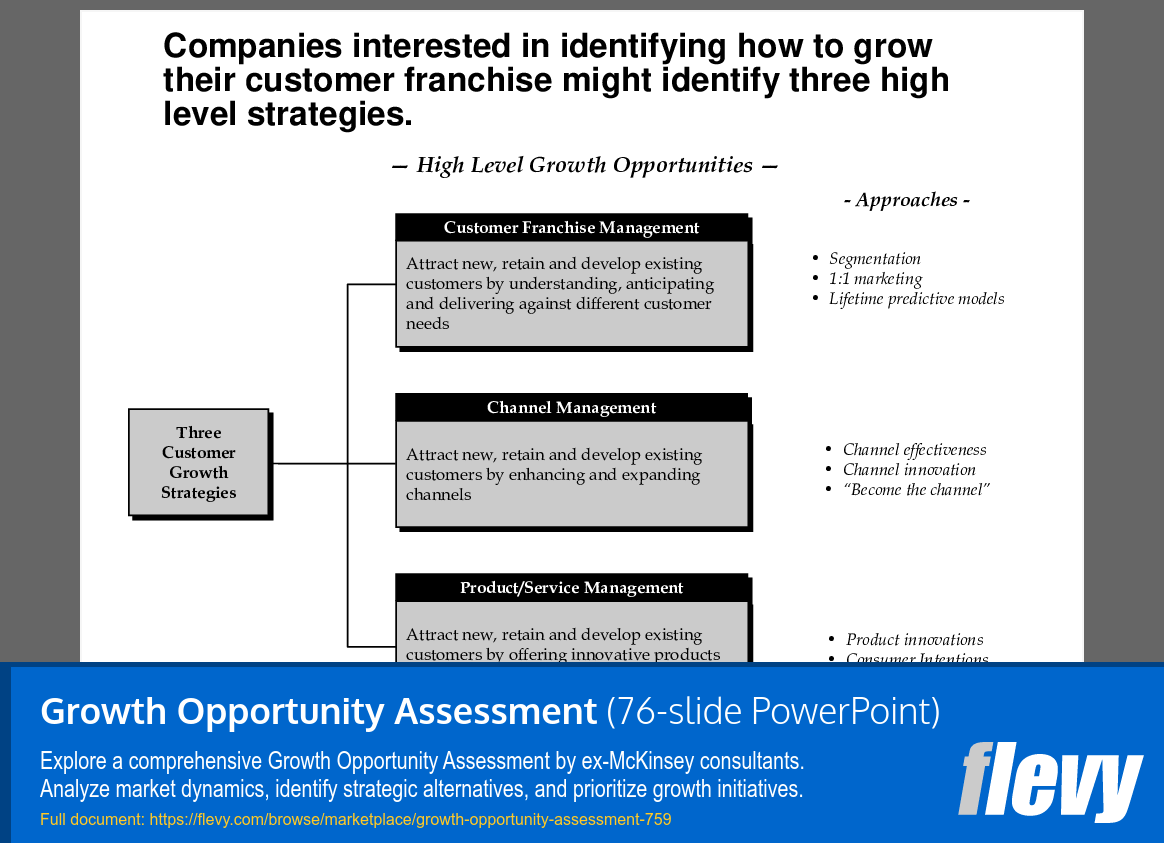
This PPT slide outlines 3 primary strategies for companies looking to enhance their customer base and overall franchise. It emphasizes the importance of understanding customer dynamics and leveraging various approaches to achieve growth.
The first strategy, Customer Franchise Management, focuses on attracting, retaining, and developing existing customers. This involves a deep understanding of customer needs, which can be achieved through segmentation, personalized marketing, and lifetime predictive models. These methods aim to create tailored experiences that resonate with different customer segments, ultimately fostering loyalty and engagement.
Next is Channel Management, which highlights the need to enhance and expand customer interaction channels. This strategy suggests that companies should not only attract new customers, but also retain existing ones by improving channel effectiveness and innovating in how they engage with customers. The phrase "Become the channel" suggests a transformative approach where businesses might integrate themselves into the customer journey more seamlessly.
Lastly, Product/Service Management is about innovation in offerings. This strategy encourages companies to attract and retain customers by providing unique and innovative products or services. It emphasizes the need to understand consumer intentions and preferences to drive product development that aligns with market demands.
Overall, the slide presents a structured framework for companies to consider when seeking growth opportunities. Each strategy is interconnected, suggesting that a holistic approach may yield the best results. The insights provided can guide decision-makers in prioritizing initiatives that align with their growth objectives.
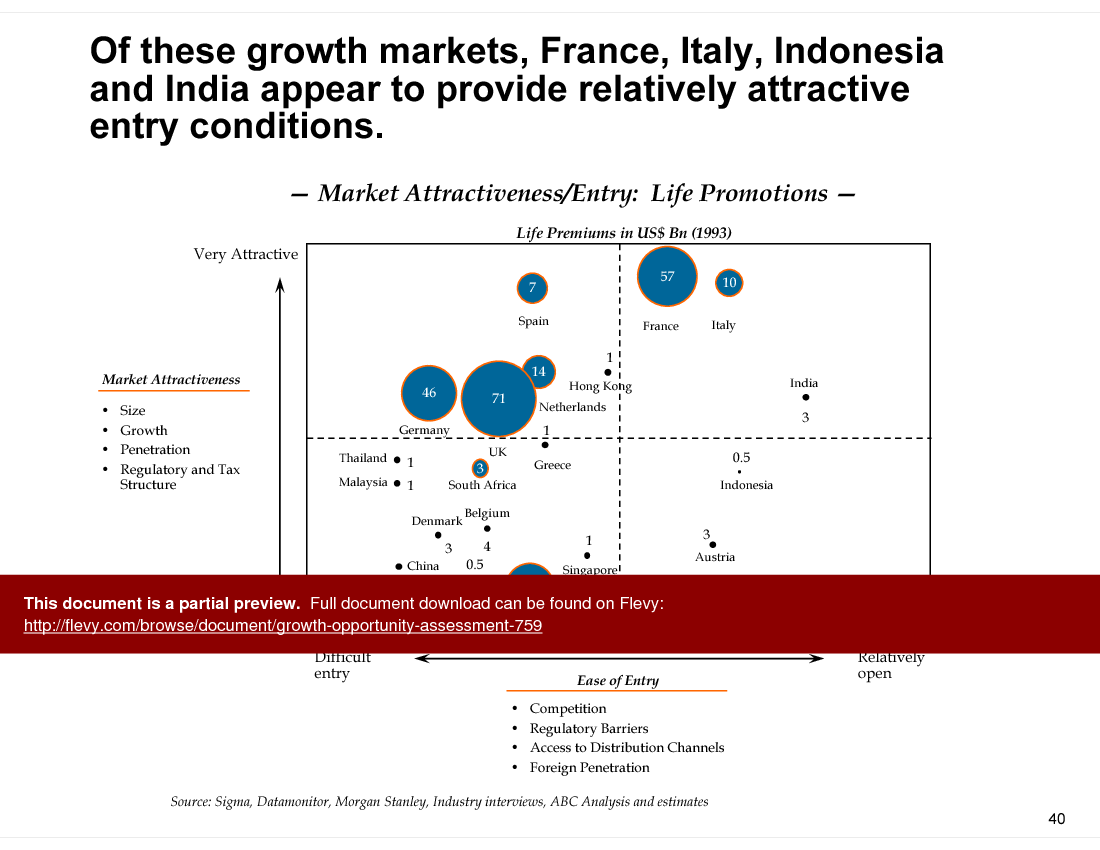
This PPT slide presents a strategic overview of various growth markets, focusing on their attractiveness for entry, particularly in the life promotions sector. It utilizes a two-dimensional matrix to categorize markets based on 2 key criteria: market attractiveness and ease of entry. The vertical axis represents market attractiveness, which is influenced by factors such as size, growth, penetration, and regulatory conditions. The horizontal axis indicates ease of entry, considering competition and barriers to market entry.
The markets are represented as circles, with their size correlating to the life premiums in US dollars for the year 1993. Notably, France and Italy are positioned in the upper right quadrant, indicating they are both attractive and relatively easy to enter. Germany, with a life premium of 71 billion, stands out as a significant market, although it is slightly more challenging to penetrate compared to France and Italy.
India and Indonesia are also highlighted as markets with favorable entry conditions, albeit with lower life premiums of 3 billion and 0.5 billion, respectively. This suggests that while these markets may not be as large as others, they still present opportunities worth considering. The slide implies that companies looking to expand in the life promotions sector should prioritize these markets due to their favorable conditions.
Overall, this analysis provides a clear visual representation of where potential opportunities lie, guiding strategic decision-making for executives considering market entry. Understanding these dynamics is crucial for aligning resources and efforts effectively.
Since 2012, we have provided best practices to over 10,000 businesses and organizations of all sizes, from startups and small businesses to the Fortune 100, in over 130 countries.
Read Customer Testimonials
"FlevyPro has been a brilliant resource for me, as an independent growth consultant, to access a vast knowledge bank of presentations to support my work with clients. In terms of RoI, the value I received from the very first presentation I downloaded paid for my subscription many times over! The
quality of the decks available allows me to punch way above my weight – it's like having the resources of a Big 4 consultancy at your fingertips at a microscopic fraction of the overhead.
"
– Roderick Cameron, Founding Partner at SGFE Ltd
"Flevy is our 'go to' resource for management material, at an affordable cost. The Flevy library is comprehensive and the content deep, and typically provides a great foundation for us to further develop and tailor our own service offer."
– Chris McCann, Founder at Resilient.World
"As a consulting firm, we had been creating subject matter training materials for our people and found the excellent materials on Flevy, which saved us 100's of hours of re-creating what already exists on the Flevy materials we purchased."
– Michael Evans, Managing Director at Newport LLC
"Flevy is now a part of my business routine. I visit Flevy at least 3 times each month.
Flevy has become my preferred learning source, because what it provides is practical, current, and useful in this era where the business world is being rewritten.
many challenges and there is the need to make the right decisions in a short time, with so much scattered information, we are fortunate to have Flevy. Flevy investigates, selects, and puts at our disposal the best of the best to help us be successful in our work.
"
– Omar Hernán Montes Parra, CEO at Quantum SFE
"As a niche strategic consulting firm, Flevy and FlevyPro frameworks and documents are an on-going reference to help us structure our findings and recommendations to our clients as well as improve their clarity, strength, and visual power. For us, it is an invaluable resource to increase our impact and value."
– David Coloma, Consulting Area Manager at Cynertia Consulting
"Flevy.com has proven to be an invaluable resource library to our Independent Management Consultancy, supporting and enabling us to better serve our enterprise clients.
The value derived from our [FlevyPro] subscription in terms of the business it has helped to gain far exceeds the investment made, making a subscription a no-brainer for any growing consultancy – or in-house strategy team."
– Dean Carlton, Chief Transformation Officer, Global Village Transformations Pty Ltd.
"As a young consulting firm, requests for input from clients vary and it's sometimes impossible to provide expert solutions across a broad spectrum of requirements. That was before I discovered Flevy.com.
Through subscription to this invaluable site of a plethora of topics that are key and crucial to consulting, I
have been able to exceed expectations and deliver quality advice and solutions to my clients. The quality and expertise of the authors are exemplary and gives me great confidence to use as part of my service offerings.
I highly recommend this company for any consultant wanting to apply international best practice standards in their service offerings.
"
– Nishi Singh, Strategist and MD at NSP Consultants
"I have found Flevy to be an amazing resource and library of useful presentations for lean sigma, change management and so many other topics. This has reduced the time I need to spend on preparing for my performance consultation. The library is easily accessible and updates are regularly provided. A wealth of great information."
– Cynthia Howard RN, PhD, Executive Coach at Ei Leadership
Save with Bundles
This document is available as part of the following discounted bundle(s):
Download our free compilation of 50+ Strategy & Transformation slides and templates. Frameworks include McKinsey 7-S, Balanced Scorecard, Disruptive Innovation, BCG Curve, and many more.