
Launching a new product or venturing into a new market is a significant endeavor. The Ultimate Go-To-Market (GTM) Strategy Framework, developed by seasoned consultants from BCG and EY, is your robust action plan ensuring a well-coordinated and potent market entry. This framework aids in pinpointing your target audience, aligning cross-team efforts, and positioning your product adeptly for a successful launch.
Core Advantages:
- Customer Clarity: Gain a deep understanding of your target customer segments, ensuring your marketing and sales efforts are finely tuned to meet their unique needs.
- Competitive Insight: Equip yourself with a clear understanding of your market landscape and how you stack up against competitors, enabling a stronger market position.
- Pricing Precision: Develop a pricing strategy that reflects your product's value, supports your market position, and optimizes revenue and profit.
Framework Highlights:
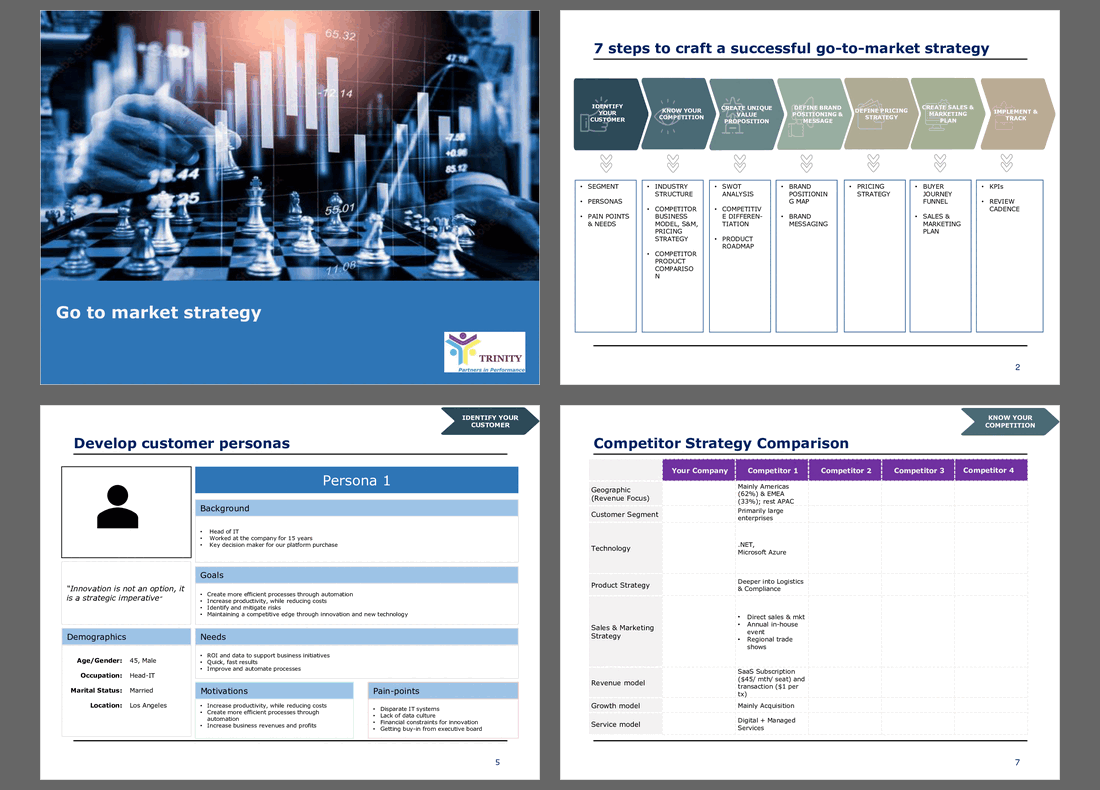
1. Identify Your Customer: Segment your customer base to understand their needs and motivations better. Tailor your marketing, sales pitches, and incentive programs to resonate with each segment.
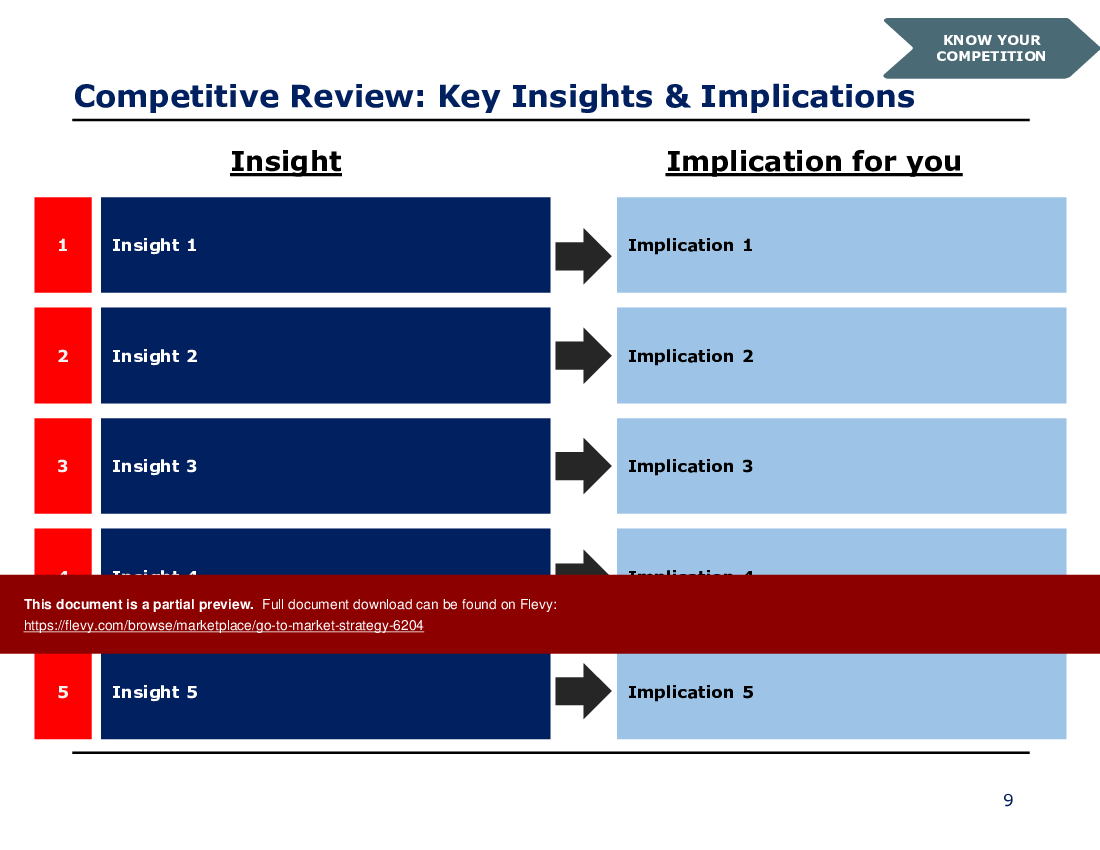
2. Know Your Competition: Utilize Porter's 5-forces model to grasp your industry's structure and evaluate how you compare to competitors in product offerings, positioning, and strategy.
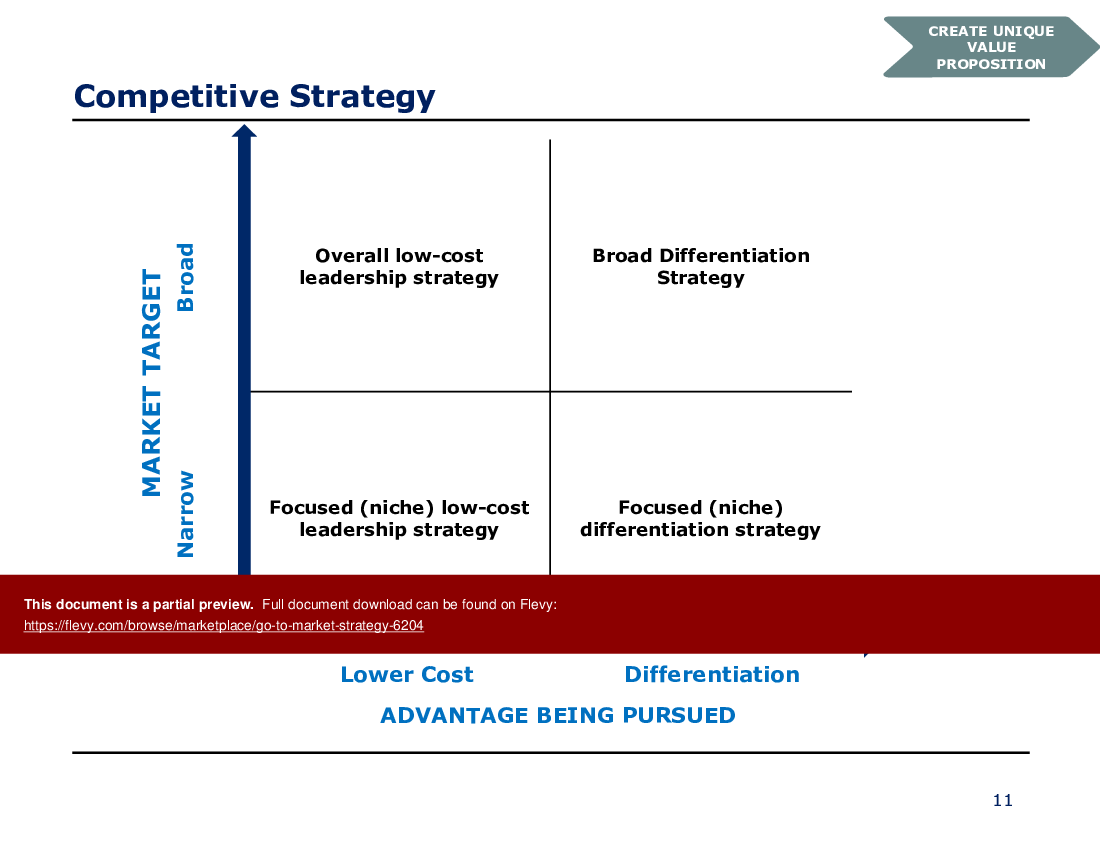
3. Create Your Unique Value Proposition: Employ SWOT Analysis to discern your product/organization's strengths, weaknesses, opportunities, and threats. Craft a competitive strategy and unique value proposition that appeals to your target customers.
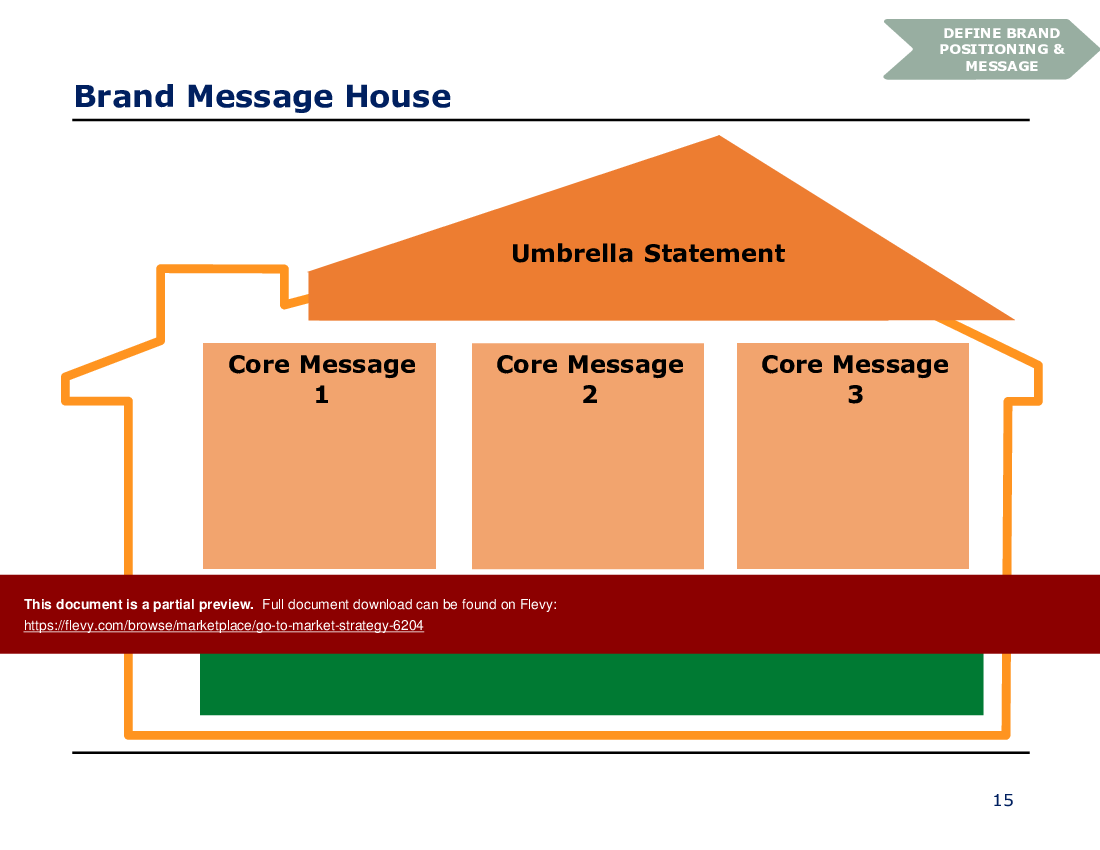
4. Define Your Brand Positioning and Message: Ascertain how customers perceive you and devise strategies to align these perceptions with your desired brand image.
5. Define Your Pricing Strategy: Whether it's cost-plus, competitor-based, or value-based pricing, choose a strategy that suits your business context and maximizes your revenue and profit.
6. Create Your Sales and Marketing Plan: Capture and nurture targeted leads through a well-defined marketing plan, and delineate key initiatives, metrics, and timelines in your sales plan to ensure a coherent market approach.
7. Implement the Plan and Track Your Progress: Set clear goals and Key Performance Indicators (KPIs) for your product launch or market expansion, and establish a feedback loop with executing teams for continuous improvement.
Templates:
• The included PowerPoint templates provide a structured format to document your GTM strategy covering the essential steps outlined above.
• An accompanying Word document serves as a handy reference guide through the entire GTM strategy development and execution process, making it easier to stay on track.
Embark on your market entry journey with a well-thought-out plan. The Ultimate Go-To-Market Strategy Framework is your companion in navigating the complexities of a product launch or market expansion, ensuring a seamless transition from strategy formulation to market execution.
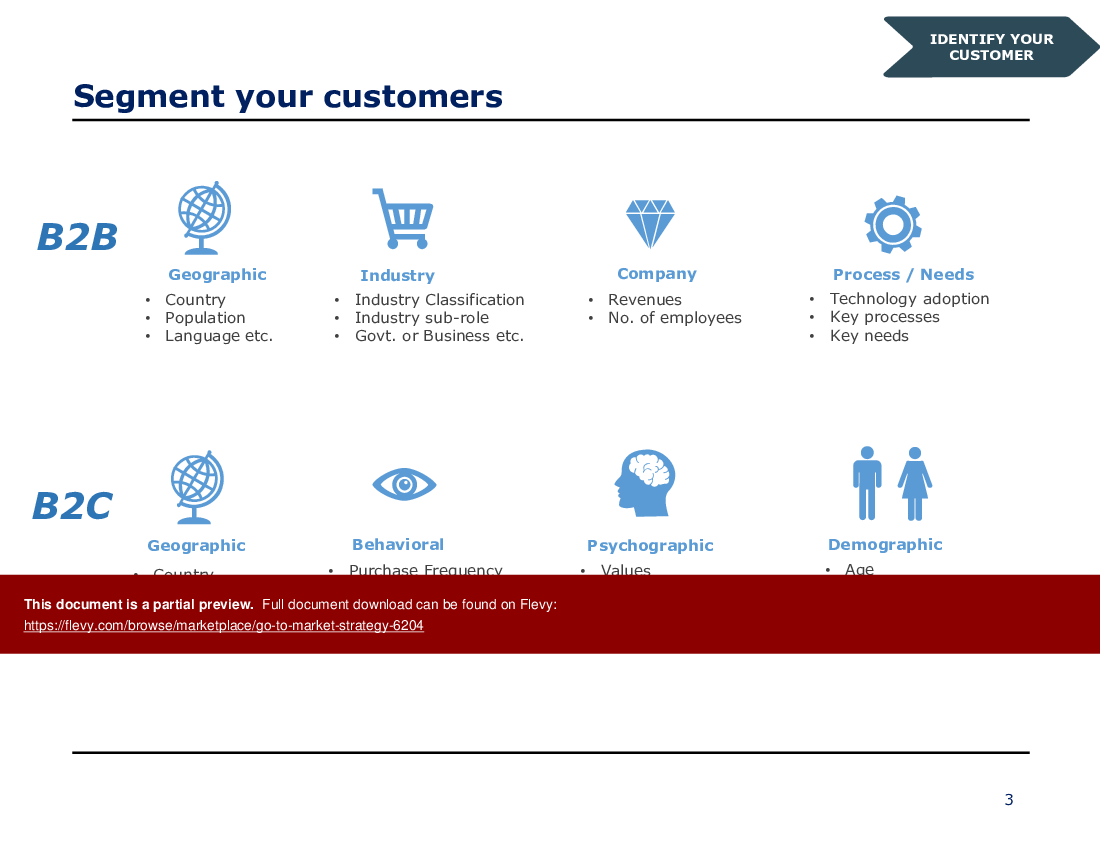
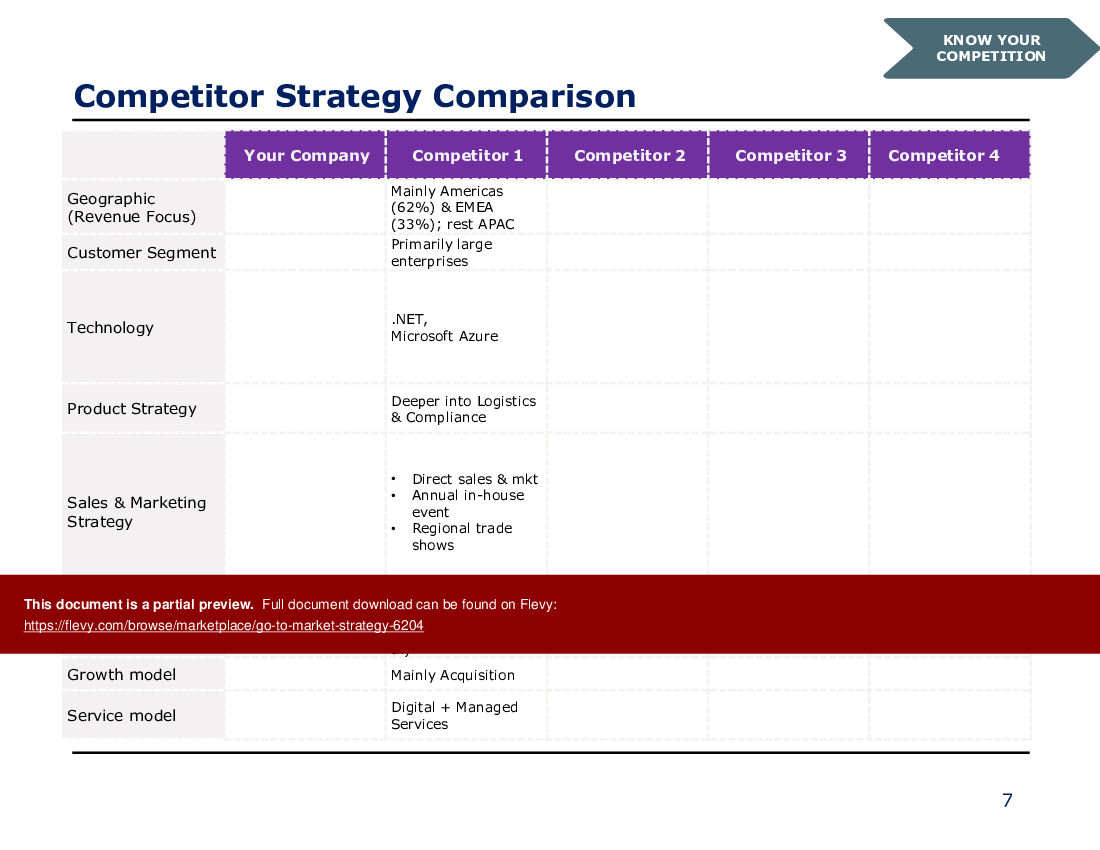
Leverage detailed customer segmentation to tailor your approach for both B2B and B2C markets. Utilize competitor strategy comparisons and insights to refine your market positioning and gain a competitive edge.
Got a question about the product? Email us at support@flevy.com or ask the author directly by using the "Ask the Author a Question" form. If you cannot view the preview above this document description, go here to view the large preview instead.
Executive Summary
The Ultimate Go-to-Market Strategy Guide is a meticulously crafted presentation designed to equip organizations with a robust framework for developing and executing effective go-to-market strategies. This guide, developed by expert strategists from BCG and EY, encompasses essential components such as customer segmentation, competitive analysis, unique value propositions, and sales and marketing plans. Users will gain actionable insights and templates that facilitate the identification of target customers, the establishment of pricing strategies, and the implementation of tracking mechanisms to measure success.
Who This Is For and When to Use
• Marketing executives responsible for go-to-market strategy development
• Sales leaders aiming to refine their sales approach and execution
• Product managers seeking to align product offerings with market needs
• Business consultants guiding clients through market entry strategies
Best-fit moments to use this deck:
• During the initial phases of product launch planning
• When revising existing go-to-market strategies for new market conditions
• For training teams on effective market analysis and positioning
Learning Objectives
• Define customer segments based on demographics, psychographics, and behavior
• Develop unique value propositions that resonate with target audiences
• Analyze competitive landscapes using SWOT and competitor strategy comparisons
• Create comprehensive sales and marketing plans tailored to specific markets
• Establish pricing strategies that align with market expectations and company goals
• Implement tracking mechanisms to measure the effectiveness of go-to-market efforts
Table of Contents
• Introduction to Go-to-Market Strategy (page 1)
• Steps to Craft a Successful Go-to-Market Strategy (page 2)
• Customer Segmentation (page 3)
• Developing Customer Personas (page 4)
• Industry Structure Evaluation (page 6)
• Competitor Strategy Comparison (page 7)
• SWOT Analysis (page 10)
• Unique Value Proposition (page 12)
• Pricing Strategy (page 16)
• Sales and Marketing Plan (page 18)
• Marketing Action Plan (page 21)
• Market Sizing and Budget Estimation (page 22)
• References (page 28)
Primary Topics Covered
• Customer Segmentation - Techniques for segmenting customers based on demographics, behaviors, and industry classifications to tailor marketing efforts effectively.
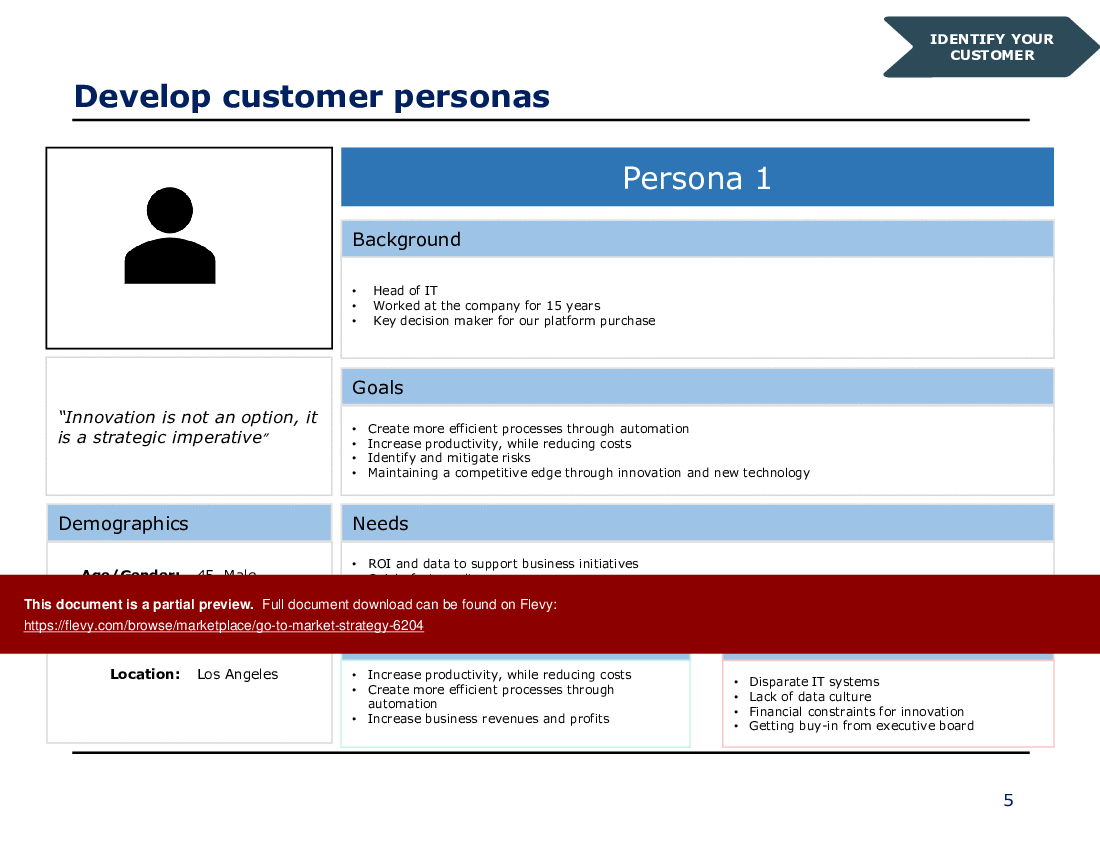
• Customer Personas - Development of detailed personas that represent target customers, including their goals, pain points, and motivations.
• Competitive Analysis - Frameworks for evaluating competitors through strategy comparisons, feature assessments, and SWOT analysis to inform strategic positioning.
• Unique Value Proposition - Crafting clear and compelling value propositions that communicate the distinct benefits of products or services to customers.
• Pricing Strategy - Strategies for determining pricing based on market conditions, competition, and perceived value to maximize revenue.
• Sales and Marketing Plan - Comprehensive plans that outline initiatives, key performance indicators, and timelines for effective market execution.
Deliverables, Templates, and Tools
• Customer segmentation templates for identifying and categorizing target audiences
• Customer persona worksheets to define key characteristics and needs
• Competitive analysis frameworks for evaluating market rivals
• Unique value proposition statements to clarify product benefits
• Pricing strategy models to assess competitive pricing structures
• Marketing action plans to outline specific initiatives and performance metrics
Slide Highlights
• Visual representations of customer segmentation strategies and personas
• Competitive analysis charts comparing features and strategies of key competitors
• SWOT analysis frameworks to identify strengths, weaknesses, opportunities, and threats
• Unique value proposition frameworks that guide messaging and positioning
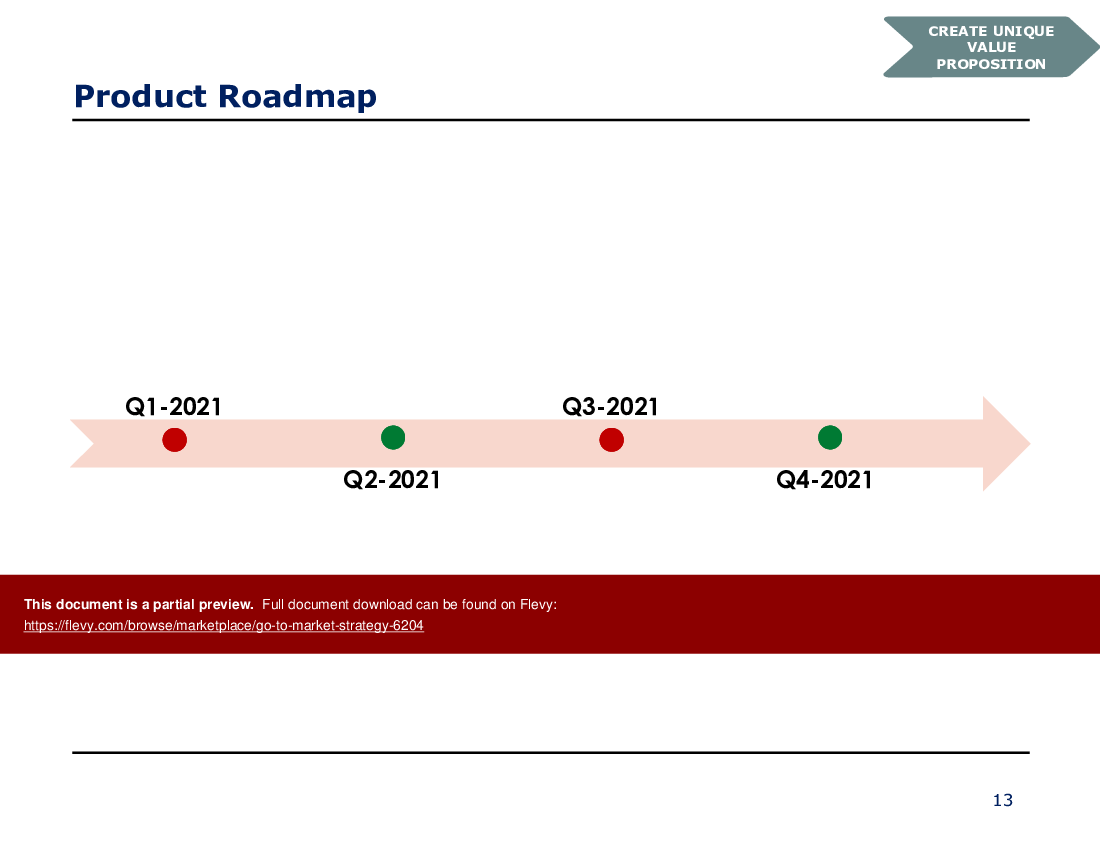
• Marketing calendars detailing campaign timelines and initiatives
Potential Workshop Agenda
Go-to-Market Strategy Overview (60 minutes)
• Introduce the go-to-market strategy framework and its importance
• Discuss key components of a successful strategy
• Review customer segmentation techniques
Customer Persona Development (90 minutes)
• Workshop on creating detailed customer personas
• Group activities to identify customer pain points and motivations
• Present personas to the group for feedback
Competitive Analysis Deep Dive (60 minutes)
• Analyze competitors using provided frameworks
• Discuss insights and implications for strategic positioning
• Develop action items based on competitive findings
Customization Guidance
• Tailor customer personas to reflect specific market segments relevant to your organization
• Adjust competitive analysis frameworks to include local or niche competitors
• Modify pricing strategies based on regional market conditions and customer expectations
Secondary Topics Covered
• Behavioral and psychographic customer segmentation
• Techniques for evaluating industry structures and market dynamics
• Insights on establishing effective sales funnels and marketing campaigns
• Best practices for implementing and tracking go-to-market strategies
Topic FAQ
Document FAQ
These are questions addressed within this presentation.
What is a go-to-market strategy?
A go-to-market strategy outlines how a company will engage with customers to deliver its products or services effectively, including market analysis, customer segmentation, and sales tactics.
How can I segment my customers effectively?
Customer segmentation can be achieved through demographic, psychographic, behavioral, and geographic criteria to ensure targeted marketing efforts.
What is a unique value proposition?
A unique value proposition is a clear statement that explains how your product or service solves customers' problems or improves their situation, highlighting the distinct benefits offered.
What tools can I use for competitive analysis?
Utilize SWOT analysis, competitor strategy comparison charts, and product feature comparisons to assess market rivals and inform your positioning.
How do I determine my pricing strategy?
Pricing strategies can be based on competitive analysis, customer perceptions of value, and cost-plus models to ensure profitability while remaining attractive to customers.
What should be included in a sales and marketing plan?
A sales and marketing plan should include initiatives, timelines, key performance indicators, and budget estimates to guide execution and measure success.
How can I track the effectiveness of my go-to-market strategy?
Implement key performance indicators (KPIs) and regular review cadences to monitor progress and adjust strategies based on performance data.
What are customer personas, and why are they important?
Customer personas are fictional representations of your ideal customers, created to guide marketing strategies and ensure that messaging resonates with target audiences.
How can I create a marketing calendar?
A marketing calendar outlines key initiatives, timelines, and phases of campaigns, helping to coordinate efforts and ensure timely execution.
Glossary
• Go-to-Market Strategy - A plan for how a company will sell its products or services to customers.
• Customer Segmentation - The process of dividing a customer base into distinct groups based on characteristics.
• Customer Persona - A semi-fictional representation of an ideal customer based on market research.
• Competitive Analysis - The assessment of competitors to identify strengths, weaknesses, and market positioning.
• Unique Value Proposition - A statement that clearly articulates the unique benefits of a product or service.
• Pricing Strategy - The method used to set prices based on market conditions, competition, and perceived value.
• Sales and Marketing Plan - A comprehensive document outlining strategies, initiatives, and metrics for market engagement.
• SWOT Analysis - A framework for identifying strengths, weaknesses, opportunities, and threats related to a business.
• Key Performance Indicators (KPIs) - Metrics used to evaluate the success of an organization in achieving objectives.
• Marketing Calendar - A schedule that outlines marketing initiatives and timelines for execution.
• Behavioral Segmentation - Dividing customers based on their behaviors and interactions with the brand.
• Psychographic Segmentation - Classifying customers based on their lifestyles, values, and interests.
Source: Best Practices in Product Launch Strategy, Positioning, Go-to-Market PowerPoint Slides: Ultimate Go-to-Market Strategy Guide PowerPoint (PPTX) Presentation Slide Deck, Trinity Consulting
|
Download our FREE Strategy & Transformation Framework Templates
Download our free compilation of 50+ Strategy & Transformation slides and templates. Frameworks include McKinsey 7-S, Balanced Scorecard, Disruptive Innovation, BCG Curve, and many more. |










