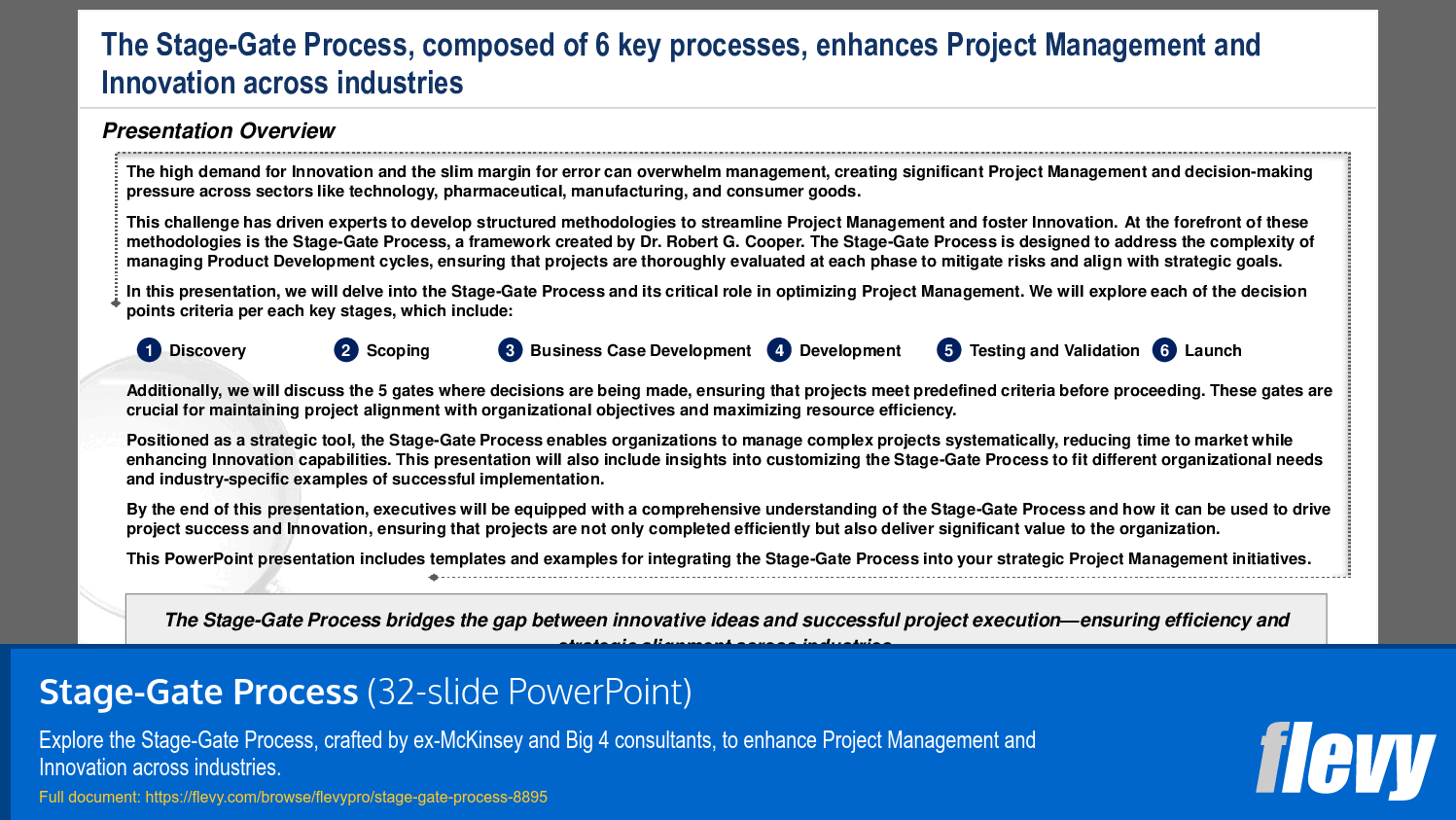

The high demand for Innovation and the slim margin for error can overwhelm management, creating significant Project Management and decision-making pressure across sectors like technology, pharmaceutical, manufacturing, and consumer goods.
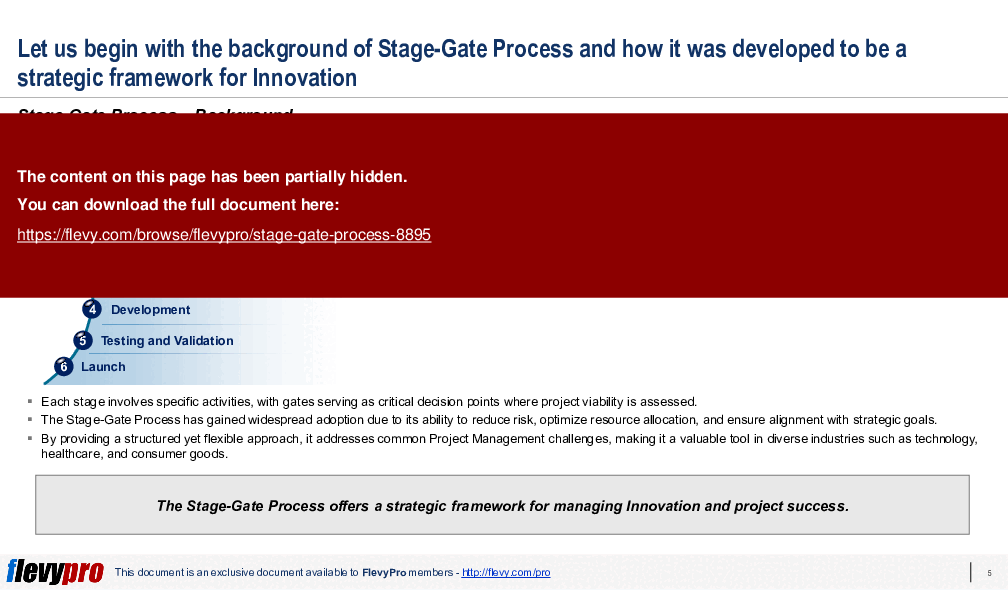
This challenge has driven experts to develop structured methodologies to streamline Project Management and foster Innovation. At the forefront of these methodologies is the Stage-Gate Process, a framework created by Dr. Robert G. Cooper. The Stage-Gate Process is designed to address the complexity of managing Product Development cycles, ensuring that projects are thoroughly evaluated at each phase to mitigate risks and align with strategic goals.
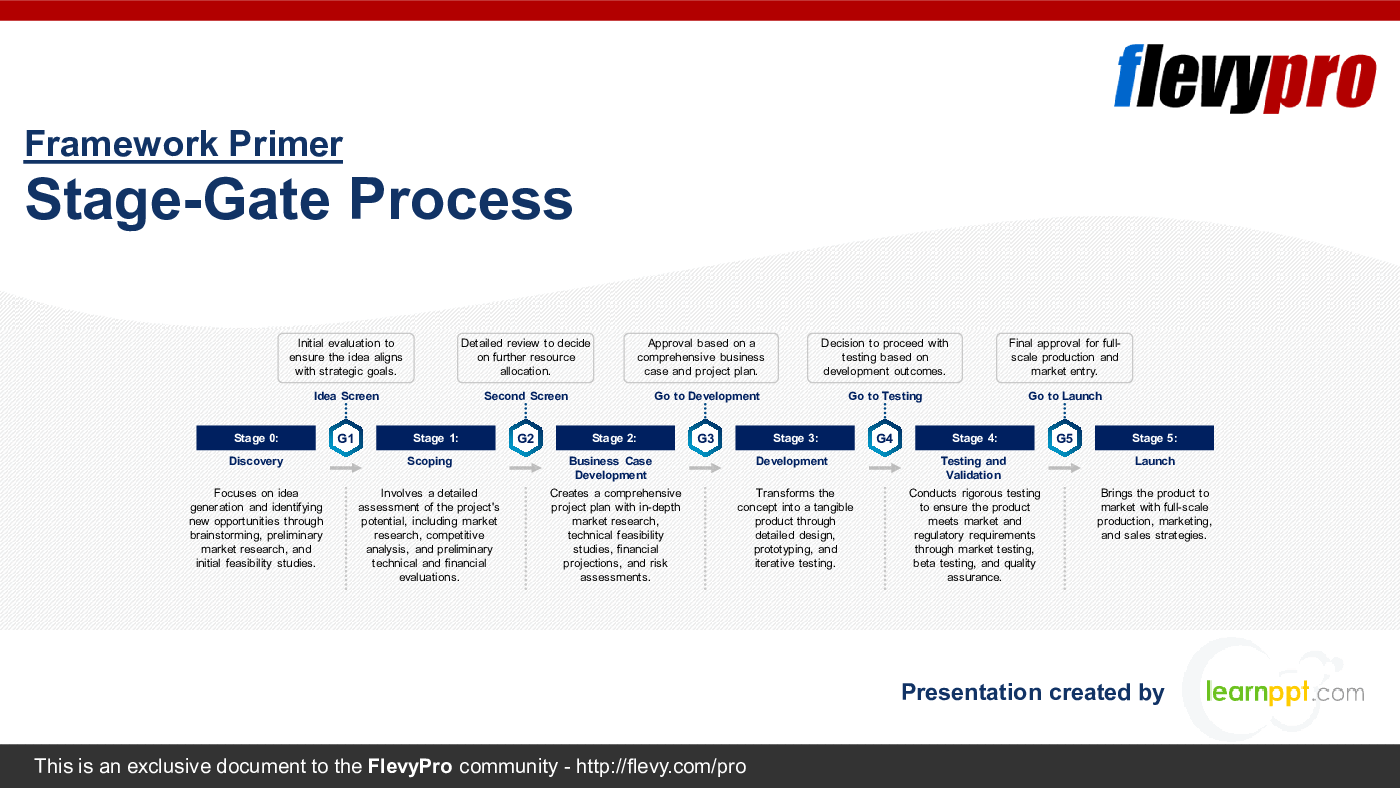
In this PowerPoint presentation, we will delve into the Stage-Gate Process and its critical role in optimizing Project Management. We will explore each of the decision points criteria per each key stages, which include:
1. Discovery
2. Scoping
3. Business Case Development
4. Development
5. Testing and Validation
6. Launch
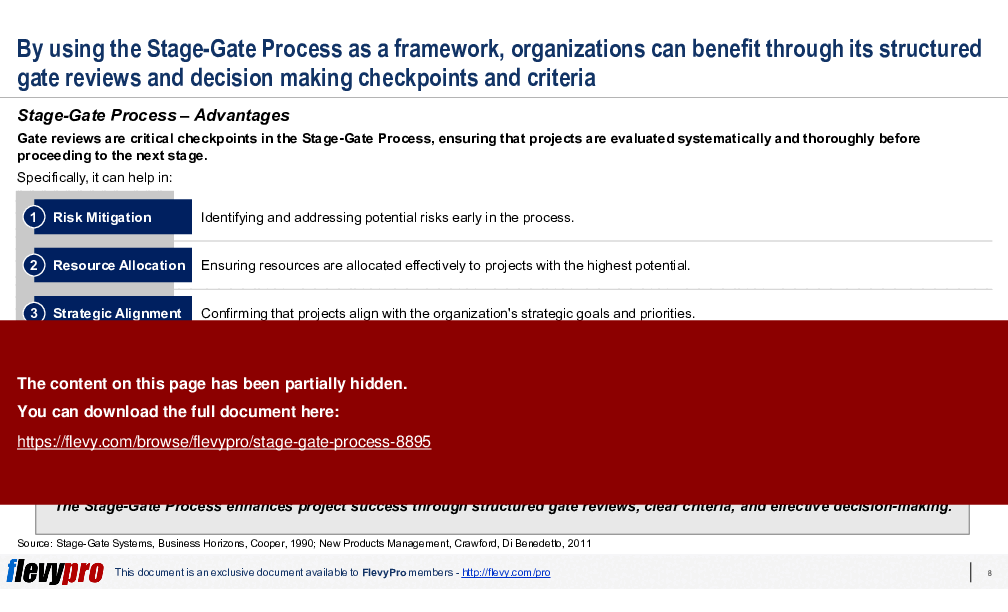
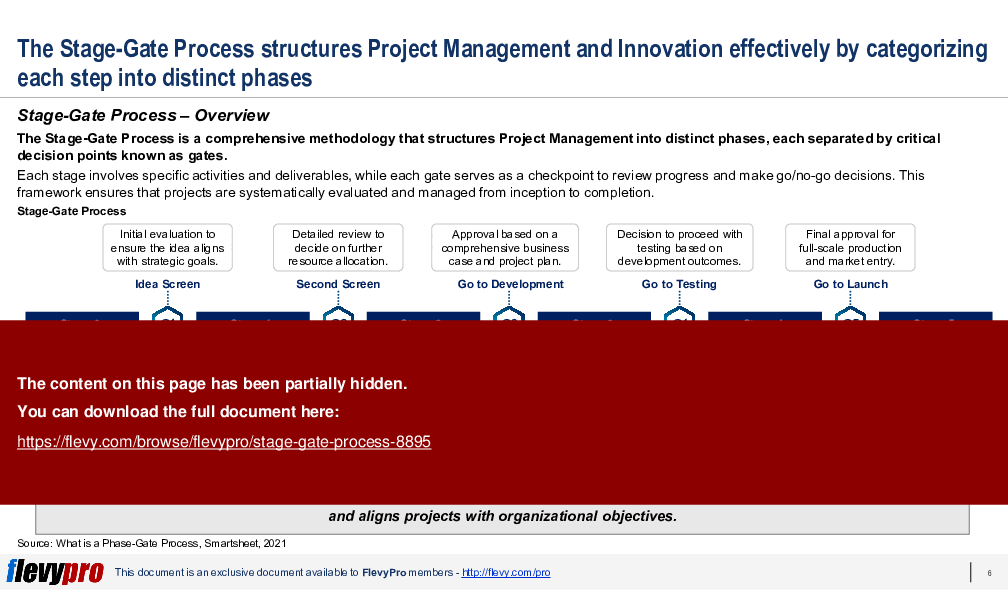
Additionally, we will discuss the 5 gates where decisions are being made, ensuring that projects meet predefined criteria before proceeding. These gates are crucial for maintaining project alignment with organizational objectives and maximizing resource efficiency.
Positioned as a strategic tool, the Stage-Gate Process enables organizations to manage complex projects systematically, reducing time to market while enhancing Innovation capabilities. This presentation will also include insights into customizing the Stage-Gate Process to fit different organizational needs and industry-specific examples of successful implementation.
By the end of this PPT presentation, executives will be equipped with a comprehensive understanding of the Stage-Gate Process and how it can be used to drive project success and Innovation, ensuring that projects are not only completed efficiently but also deliver significant value to the organization.
This PowerPoint presentation includes templates and examples for integrating the Stage-Gate Process into your strategic Project Management initiatives.
The Stage-Gate Process not only clarifies the path from concept to market, but also empowers teams to make informed decisions at each critical juncture. By leveraging this structured framework, organizations can enhance their project execution and ensure alignment with their strategic objectives, ultimately driving successful outcomes.
Got a question about this document? Email us at flevypro@flevy.com.
Executive Summary
The Stage-Gate Process presentation provides a structured framework for managing innovation and project success, developed by Dr. Robert G. Cooper. This methodology is designed to enhance project management across various industries by breaking down the product development cycle into 6 distinct stages: Discovery, Scoping, Business Case Development, Development, Testing and Validation, and Launch. Each stage is separated by critical decision points known as gates, where project viability is assessed based on predefined criteria. By utilizing this framework, organizations can effectively mitigate risks, optimize resource allocation, and ensure alignment with strategic goals, ultimately driving successful project outcomes.
Who This Is For and When to Use
• Project Managers overseeing product development initiatives
• Innovation Leaders responsible for fostering new ideas and solutions
• Executives aiming to enhance strategic alignment in project execution
• Cross-functional teams involved in product lifecycle management
• Consultants advising organizations on project management best practices
Best-fit moments to use this deck:
• During the initiation of new product development projects
• When assessing the feasibility of innovative ideas
• For training sessions on structured project management methodologies
• In strategic planning meetings to align projects with organizational goals
Learning Objectives
• Define the Stage-Gate Process and its significance in project management
• Identify the key stages and gates within the Stage-Gate framework
• Develop comprehensive project plans that align with strategic objectives
• Assess project viability through structured decision-making criteria
• Implement best practices for effective resource allocation and risk management
• Customize the Stage-Gate Process to fit specific organizational needs
Table of Contents
• Overview (page 3)
• Stage-Gate Process (page 5)
• Stages of the Stage-Gate Process (page 10)
• Stage-Gate Implementation (page 17)
• Slide Design Structure & Templates (page 22)
Primary Topics Covered
• Stage-Gate Framework - A structured methodology that divides the product development cycle into distinct phases, enhancing project management and innovation.
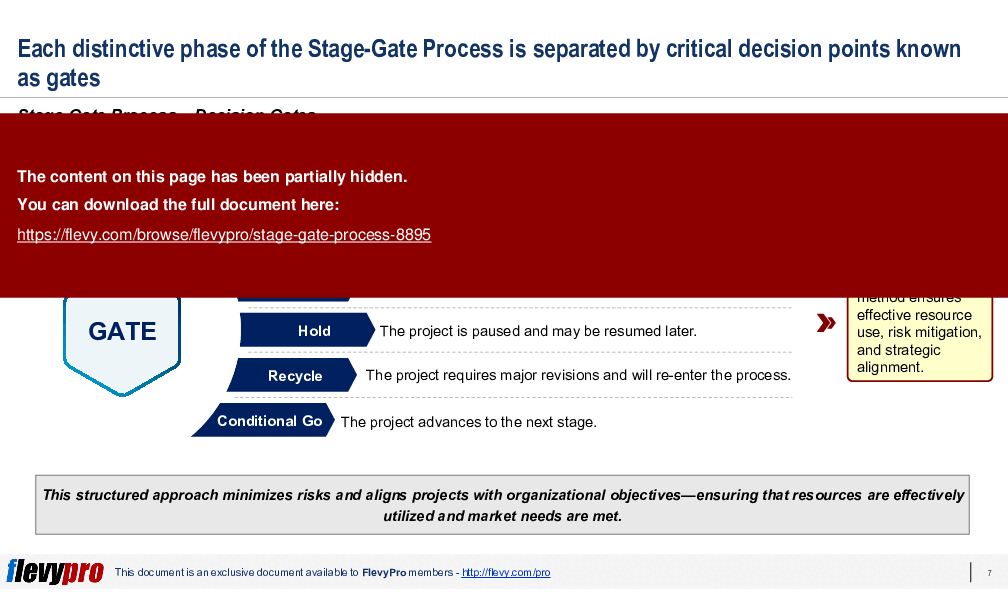
• Decision Gates - Critical checkpoints where project viability is assessed based on predefined criteria, allowing for informed go/no-go decisions.
• Risk Mitigation - Strategies for identifying and addressing potential risks early in the project lifecycle to ensure successful outcomes.
• Resource Allocation - Guidelines for effectively allocating resources to projects with the highest potential for success.
• Strategic Alignment - Ensuring that projects align with organizational goals and priorities through systematic evaluation.
• Customization Strategies - Approaches for tailoring the Stage-Gate Process to fit various industry needs and organizational contexts.
Deliverables, Templates, and Tools
• Stage-Gate Process templates for each phase of product development
• Decision criteria checklists for each gate assessment
• Risk management frameworks for identifying and addressing potential project risks
• Resource allocation models to optimize project funding and personnel
• Customizable project planning templates aligned with the Stage-Gate methodology
• Best practice guides for implementing the Stage-Gate Process in different industries
Slide Highlights
• Overview of the Stage-Gate Process, outlining its significance and application in project management
• Detailed breakdown of each stage and gate, including tasks and decision criteria
• Case studies showcasing successful implementations of the Stage-Gate Process in various industries
• Visual representations of the Stage-Gate framework for easy understanding and application
• Guidelines for customizing the Stage-Gate Process to meet specific organizational needs
Potential Workshop Agenda
Introduction to the Stage-Gate Process (30 minutes)
• Overview of the framework and its importance in project management
• Discussion on the stages and gates involved in the process
Stage-Gate Implementation Strategies (60 minutes)
• Review of best practices for implementing the Stage-Gate Process
• Interactive session on customizing the framework for specific projects
Case Study Analysis (45 minutes)
• Examination of successful applications of the Stage-Gate Process in various industries
• Group discussion on lessons learned and potential applications
Customization Guidance
• Adjust the decision criteria for each gate based on organizational priorities and project types
• Incorporate industry-specific examples and case studies to enhance relevance
• Tailor resource allocation models to reflect the unique needs of different projects
• Modify templates to align with existing project management tools and methodologies
Secondary Topics Covered
• Best practices for managing innovation in product development
• Techniques for effective stakeholder engagement throughout the project lifecycle
• Strategies for continuous improvement within the Stage-Gate Process
• Insights into agile methodologies and their integration with the Stage-Gate framework
Topic FAQ
Document FAQ
These are questions addressed within this presentation.
What is the Stage-Gate Process?
The Stage-Gate Process is a structured framework that divides the product development cycle into distinct stages, each separated by decision points known as gates, to assess project viability and ensure alignment with strategic goals.
How does the Stage-Gate Process mitigate risks?
By providing structured decision-making criteria at each gate, the Stage-Gate Process allows organizations to identify and address potential risks early in the project lifecycle, enhancing the likelihood of successful outcomes.
What types of projects can benefit from the Stage-Gate Process?
The Stage-Gate Process is applicable to a wide range of projects across various industries, including technology, healthcare, consumer goods, and manufacturing, focusing on innovation and product development.
How can organizations customize the Stage-Gate Process?
Organizations can tailor the Stage-Gate Process by adjusting decision criteria, incorporating industry-specific examples, and modifying templates to align with existing project management practices.
What are the key stages in the Stage-Gate Process?
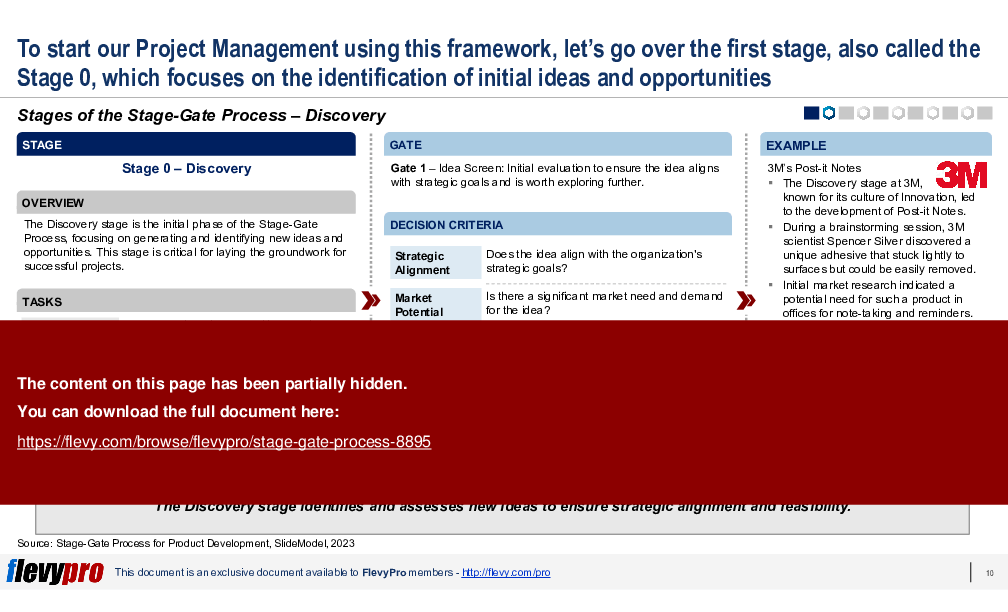
The key stages include Discovery, Scoping, Business Case Development, Development, Testing and Validation, and Launch, each with specific tasks and decision criteria.
How can I implement the Stage-Gate Process in my organization?
Start by training team members on the framework, customizing templates to fit your needs, and integrating the process into existing project management methodologies for effective execution.
What resources are available for implementing the Stage-Gate Process?
The presentation includes templates, decision criteria checklists, and best practice guides to assist organizations in effectively implementing the Stage-Gate Process.
How does the Stage-Gate Process enhance strategic alignment?
By ensuring that projects are systematically evaluated against organizational goals at each gate, the Stage-Gate Process helps maintain strategic alignment throughout the product development lifecycle.
Glossary
• Stage-Gate Process - A structured methodology for managing product development through distinct stages and decision gates.
• Decision Gate - A critical checkpoint where project viability is assessed based on predefined criteria.
• Risk Mitigation - Strategies for identifying and addressing potential risks early in the project lifecycle.
• Resource Allocation - The process of distributing resources effectively to projects with the highest potential.
• Strategic Alignment - Ensuring that projects align with organizational goals and priorities.
• Customization - Tailoring the Stage-Gate Process to fit specific organizational needs and industry contexts.
• Innovation - The process of developing new ideas and solutions to meet market demands.
• Project Lifecycle - The series of stages a project goes through from initiation to completion.
• Market Testing - Conducting trials to gather user feedback and validate market acceptance.
• Quality Assurance - Ensuring that products meet quality standards and regulatory requirements.
• Post-Launch Review - Evaluating product performance in the market and gathering insights for future improvements.
• Agile Methodology - An iterative approach to project management that emphasizes flexibility and rapid response to change.
Source: Best Practices in Project Management, Product Management PowerPoint Slides: Stage-Gate Process PowerPoint (PPTX) Presentation Slide Deck, LearnPPT Consulting
Did you need more documents?
Consider a FlevyPro subscription from $39/month. View plans here.
For $10.00 more, you can download this document plus 2 more FlevyPro documents. That's just $13 each.
|
Download our FREE Strategy & Transformation Framework Templates
Download our free compilation of 50+ Strategy & Transformation slides and templates. Frameworks include McKinsey 7-S, Balanced Scorecard, Disruptive Innovation, BCG Curve, and many more. |