
 Click main image to view in full screen. Unlock all 7 preview images:
Porter's Diamond Model – PowerPoint PPTX Template
PowerPoint (PPTX) 30 Slides FlevyPro Document


MARKET RESEARCH PPT TEMPLATE DESCRIPTION
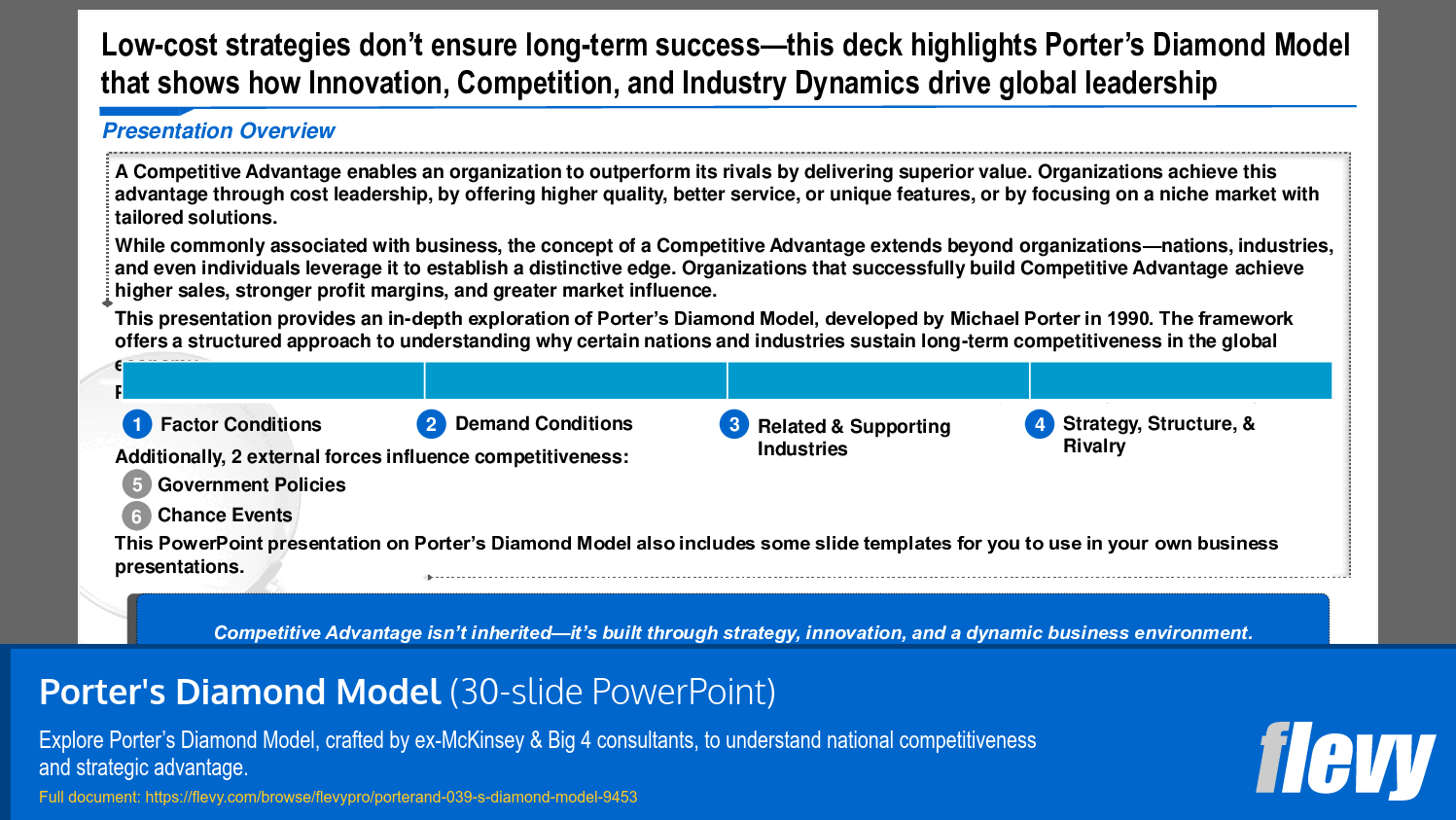
A Competitive Advantage enables an organization to outperform its rivals by delivering superior value. Organizations achieve this advantage through cost leadership, by offering higher quality, better service, or unique features, or by focusing on a niche market with tailored solutions.
While commonly associated with business, the concept of a Competitive Advantage extends beyond organizations—nations, industries, and even individuals leverage it to establish a distinctive edge. Organizations that successfully build Competitive Advantage achieve higher sales, stronger profit margins, and greater market influence.
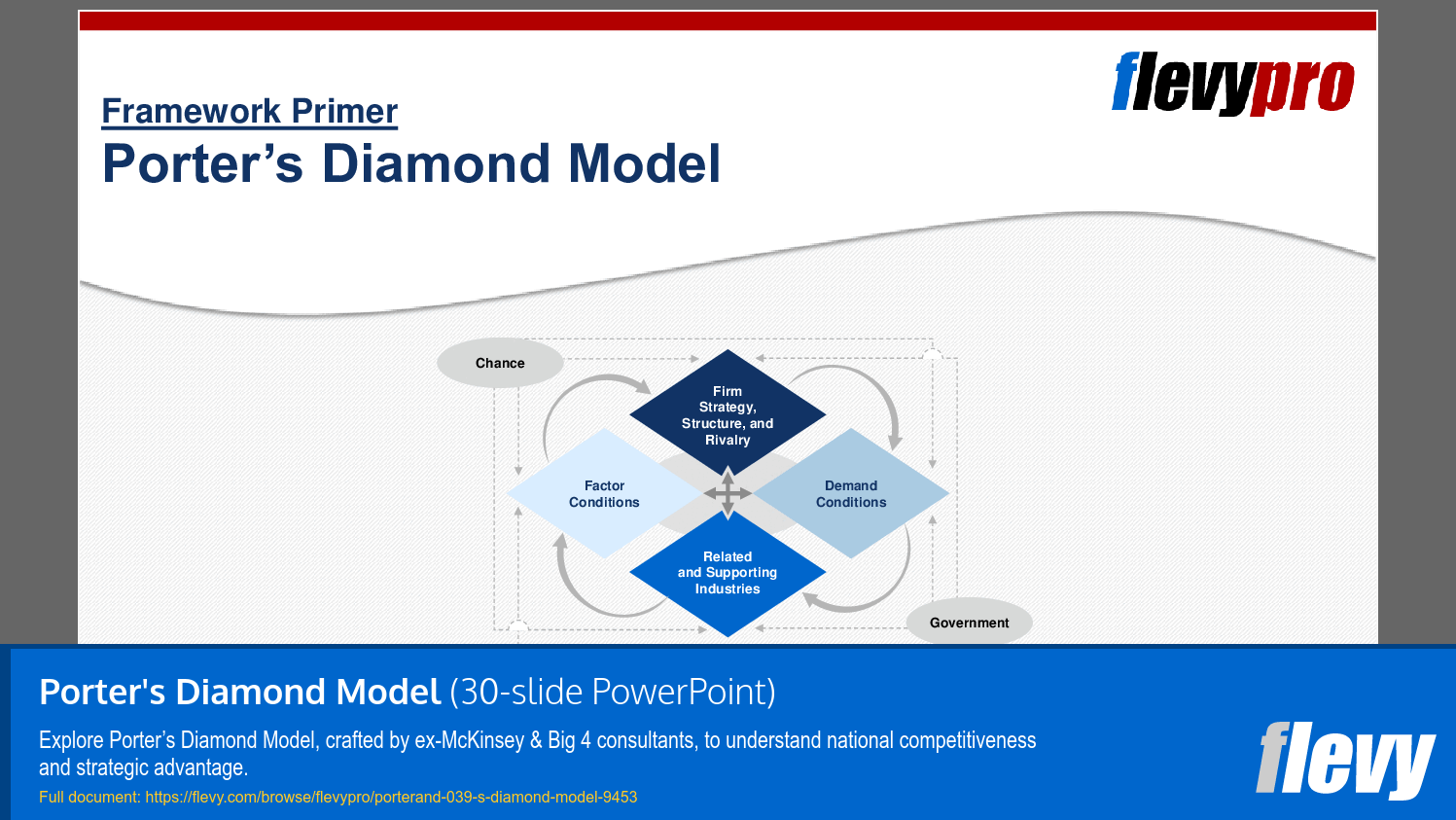
This presentation provides an in-depth exploration of Porter's Diamond Model, developed by Michael Porter in 1990. The framework offers a structured approach to understanding why certain nations and industries sustain long-term competitiveness in the global economy.
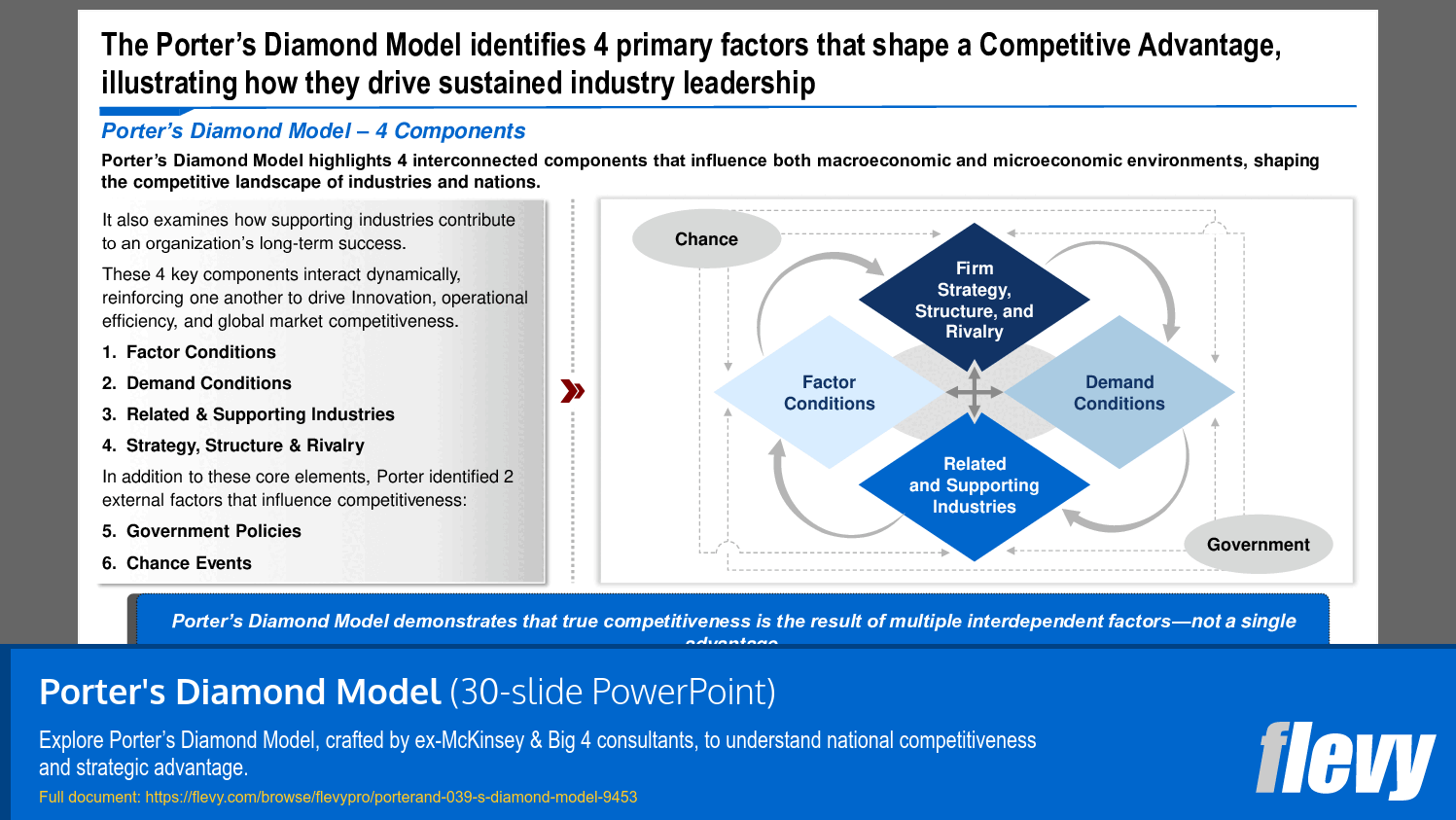
Porter's Diamond Model framework identifies 4 primary factors that determine national and industry-level Competitive Advantage:
1. Factors Conditions – Factor Conditions refer to a nation's resources and capabilities that influence industry competitiveness. Unlike traditional economic theories that focus on basic factor endowments (such as land, labor, and capital), the Diamond Model highlights the importance of advanced factors—which are actively developed and refined over time.
2. Demand Conditions – Demand conditions refer to the sophistication and expectations of domestic consumers, which compel local firms to innovate, enhance product quality, and improve service standards.
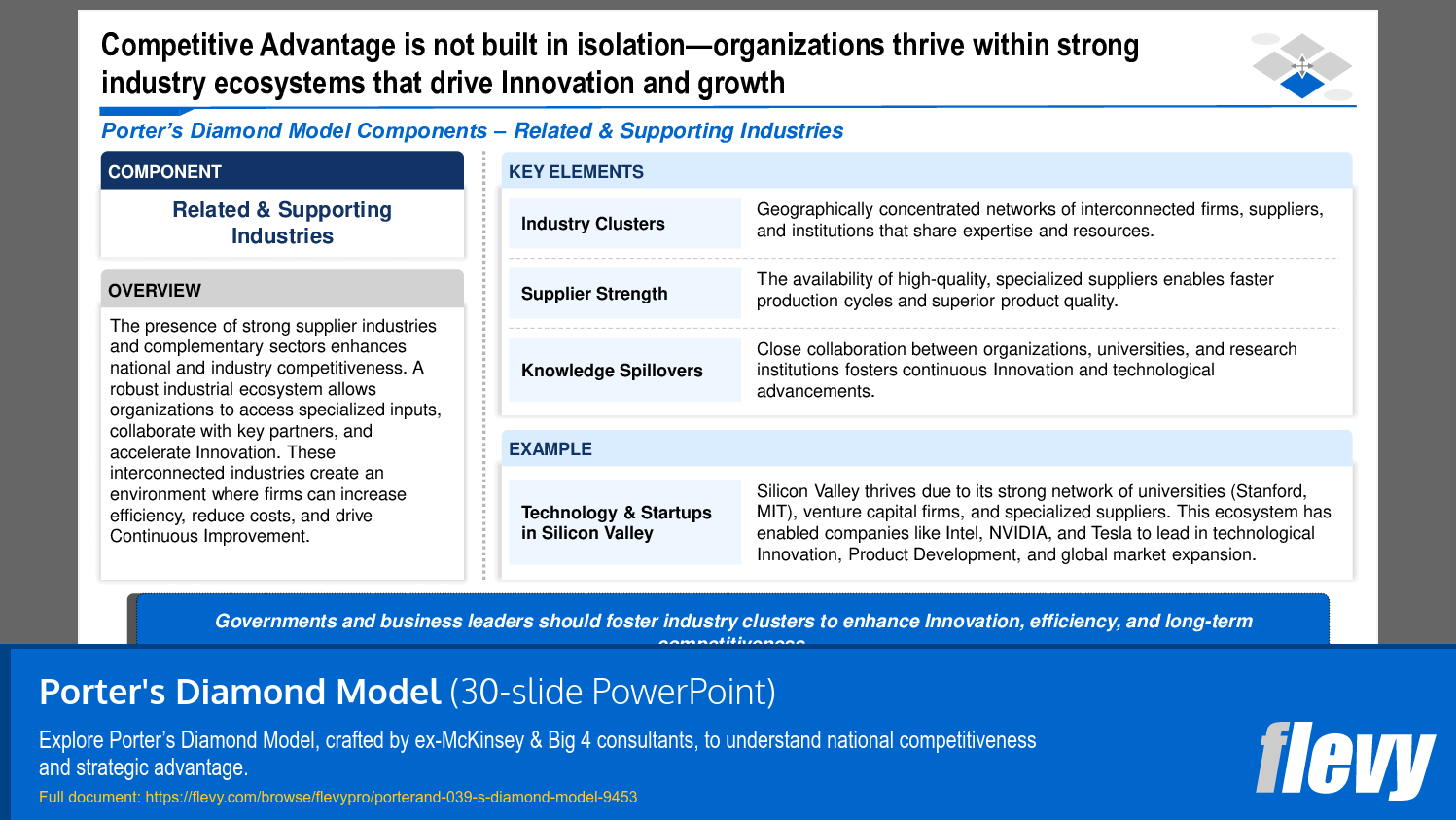
3. Related & Supporting Industries – The presence of strong supplier industries and complementary sectors enhances national and industry competitiveness.
4. Strategy, Structure, & Rivalry – The structure, management, and competitive landscape of organizations within a nation play a critical role in shaping global success.
Additionally, 2 external forces influence competitiveness:
5. Government Policies – Governments play a crucial role in shaping the business environment and influencing the competitiveness of industries and organizations at both national and global levels.
6. Chance Events – Unpredictable external factors, or chance events, can disrupt or accelerate competitive landscapes, reshaping industry dynamics and altering national advantages (e.g. new technologies, geopolitical shifts, natural disasters, etc.).
This PowerPoint presentation on Porter's Diamond Model also includes some slide templates for you to use in your own business presentations.
Got a question about this document? Email us at flevypro@flevy.com.
PRESENTATION DEEP DIVE ANALYSIS
This deep-dive analysis was generated from the full 30-slide PowerPoint presentation.
MARKET RESEARCH PPT TEMPLATES
Source: Best Practices in Market Research, Industry Analysis, Globalization, Market Entry PowerPoint Slides: Porter's Diamond Model PowerPoint (PPTX) Presentation Slide Deck, LearnPPT Consulting
Did you need more documents?
Consider a FlevyPro subscription from $39/month. View plans here.
For $10.00 more, you can download this document plus 2 more FlevyPro documents. That's just $13 each.




























