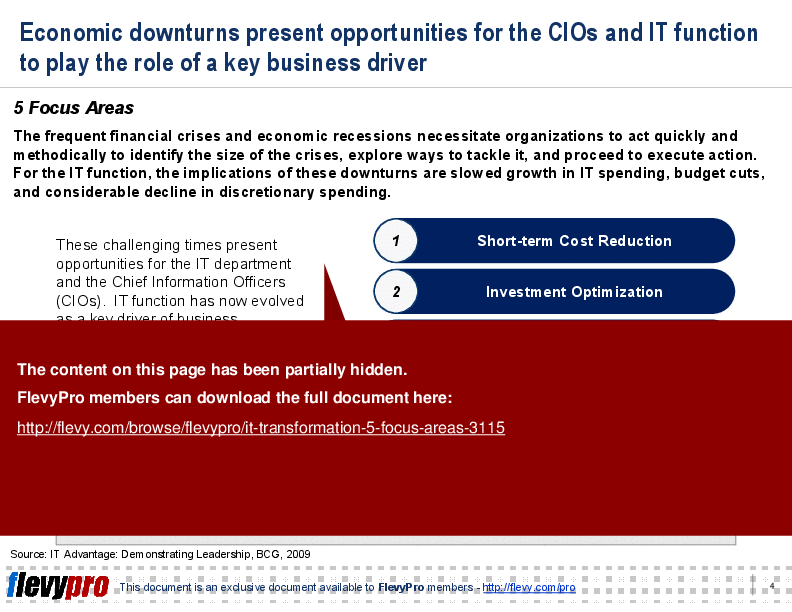

Economic recessions force the organizations to act quickly and methodically to identify the size of the crises, explore ways to react, and proceed to execute action. For the IT function, the implications of these recessions are declining growth in IT expenditure, budget slashes, and considerable drop in discretionary spending.
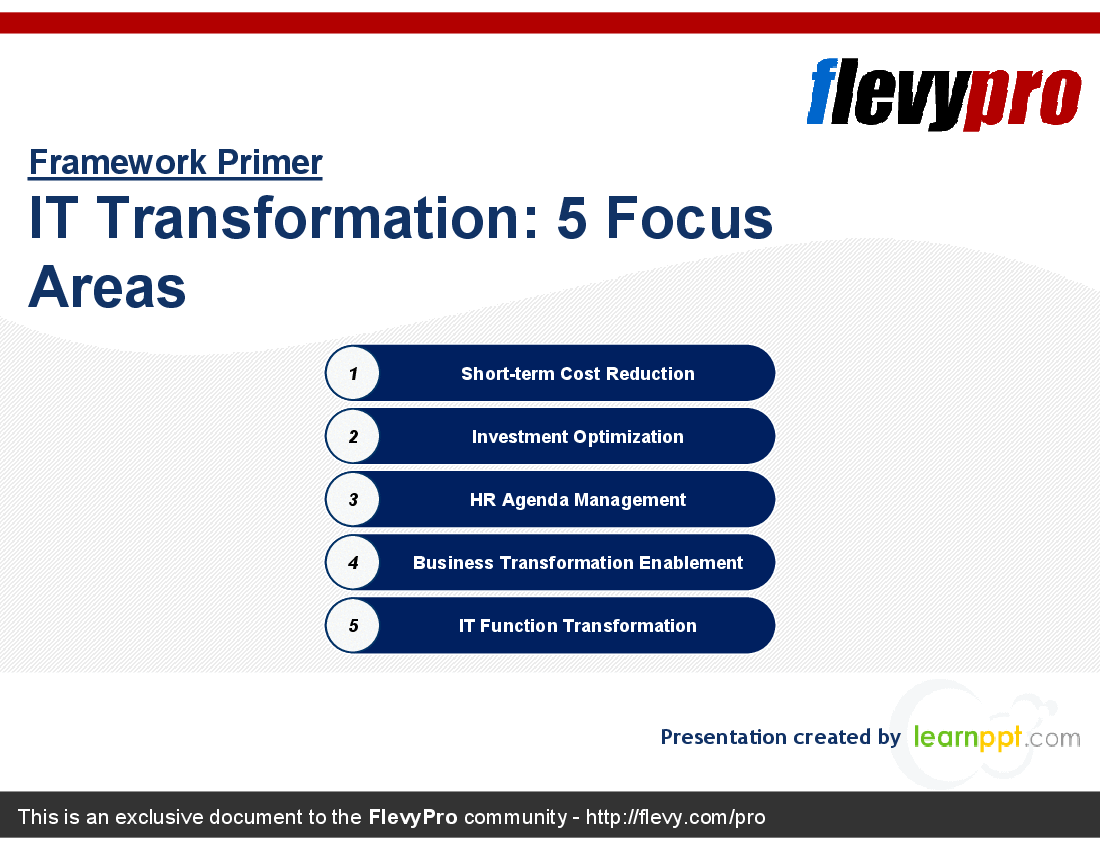
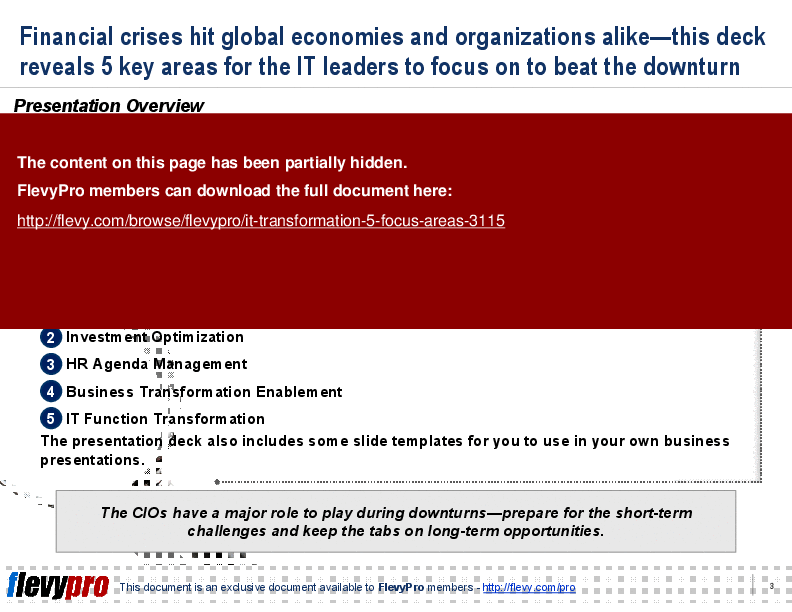
In spite of this, these challenging times present opportunities for the Chief Information Officers (CIOs). IT has now evolved as a key driver of business transformation, and can even help firms survive recessions and thrive when the boom resumes. To enable this, the CIOs should consider 5 Focus Areas to work on and make them part of a carefully-planned action plan:
1. Short-term Cost Reduction
2. Investment Optimization
3. HR Agenda Management
4. Business Transformation Enablement
5. IT Function Transformation
The CIOs have a major role to play during downturns. Prepare for the short-term challenges and keep the tabs on long-term opportunities.
The presentation deck also includes some slide templates for you to use in your own business presentations.
This comprehensive presentation outlines actionable strategies for CIOs to navigate economic downturns effectively. It emphasizes the importance of a pragmatic approach to cost reduction, highlighting key actions such as rationalizing IT spend and renegotiating vendor contracts. The PPT also delves into investment optimization, stressing the need for robust cash management systems and improved risk information architecture to safeguard financial stability.
The presentation further explores HR agenda management, focusing on maintaining employee morale and retaining top talent during turbulent times. Business transformation enablement and IT function transformation are also covered, providing insights into leveraging IT as a catalyst for change and innovation. This deck is an essential tool for IT leaders seeking to drive value and efficiency in challenging economic climates.
Got a question about this document? Email us at flevypro@flevy.com.
Executive Summary
The "IT Transformation: 5 Focus Areas" presentation provides a strategic framework for Chief Information Officers (CIOs) to navigate economic downturns effectively. Created by experienced consultants from top firms, this deck emphasizes actionable strategies in 5 critical areas: short-term cost reduction, investment optimization, HR agenda management, business transformation enablement, and IT function transformation. By leveraging these focus areas, CIOs can not only mitigate immediate financial pressures, but also position their organizations for long-term success and resilience.
Who This Is For and When to Use
• Chief Information Officers (CIOs) seeking to lead IT transformation during economic challenges
• IT leaders responsible for cost management and operational efficiency
• Business executives focused on aligning IT strategies with organizational goals
• HR leaders managing workforce dynamics in uncertain times
Best-fit moments to use this deck:
• During economic downturns to guide strategic decision-making
• In planning sessions for IT budget allocations and resource management
• For workshops aimed at enhancing organizational resilience and agility
Learning Objectives
• Define actionable strategies for short-term cost reduction in IT
• Build frameworks for optimizing investments during financial constraints
• Establish effective HR management practices to retain top talent
• Create initiatives for business transformation that leverage IT capabilities
• Identify and implement necessary changes in IT functions to drive efficiency
• Develop a comprehensive approach to managing IT resources and projects
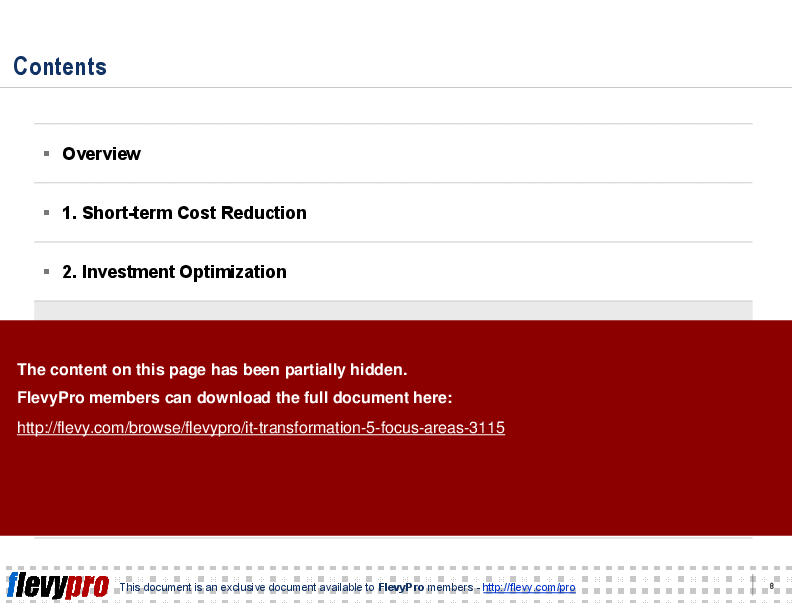
Table of Contents
• Overview (page 3)
• Short-term Cost Reduction (page 6)
• Investment Optimization (page 9)
• HR Agenda Management (page 13)
• Business Transformation Enablement (page 16)
• IT Function Transformation (page 19)
• Templates (page 22)
Primary Topics Covered
• Short-term Cost Reduction - Focus on immediate strategies to reduce IT costs while maintaining operational effectiveness.
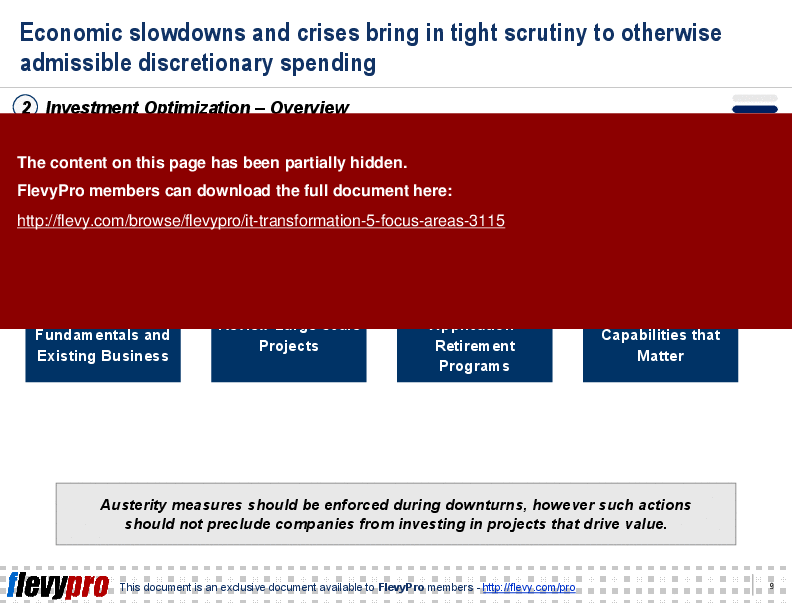
• Investment Optimization - Emphasize the importance of protecting financial fundamentals and identifying valuable projects during downturns.
• HR Agenda Management - Address workforce challenges, including morale and productivity, to retain key talent.
• Business Transformation Enablement - Leverage economic crises as opportunities for strategic business transformation initiatives.
• IT Function Transformation - Drive necessary changes in IT structures and processes to enhance efficiency and responsiveness.
Deliverables, Templates, and Tools
• Cost reduction strategy templates for immediate implementation
• Investment review frameworks to assess project viability
• HR management tools for talent retention and engagement
• Business transformation initiative planning templates
• IT function assessment frameworks to identify areas for improvement
Slide Highlights
• Overview of the 5 focus areas with actionable insights for CIOs
• Key actions for short-term cost reduction, emphasizing pragmatic approaches
• Strategies for investment optimization during economic downturns
• HR management techniques to maintain team morale and productivity
• Business transformation initiatives that can be launched during crises
Potential Workshop Agenda
CIO Strategy Session (90 minutes)
• Discuss the current economic landscape and its impact on IT
• Identify immediate cost reduction opportunities
• Develop a short-term action plan for IT leadership
Investment Review Workshop (60 minutes)
• Analyze ongoing projects and their potential value
• Establish criteria for investment prioritization during downturns
HR Management Roundtable (45 minutes)
• Share best practices for retaining top talent in uncertain times
• Develop a communication plan to keep teams engaged
Customization Guidance
• Tailor cost reduction strategies to fit specific organizational needs and contexts
• Adjust investment optimization frameworks based on current project portfolios
• Modify HR management practices to align with company culture and values
• Adapt business transformation initiatives to reflect unique market conditions
• Revise IT function transformation plans based on existing organizational structures
Secondary Topics Covered
• Risk management strategies during economic downturns
• Importance of maintaining operational continuity in IT
• Techniques for fostering innovation within the IT function
• Methods for enhancing collaboration across business units
Topic FAQ
Document FAQ
These are questions addressed within this presentation.
What are the 5 focus areas outlined in this presentation?
The 5 focus areas are short-term cost reduction, investment optimization, HR agenda management, business transformation enablement, and IT function transformation.
How can CIOs effectively manage costs during economic downturns?
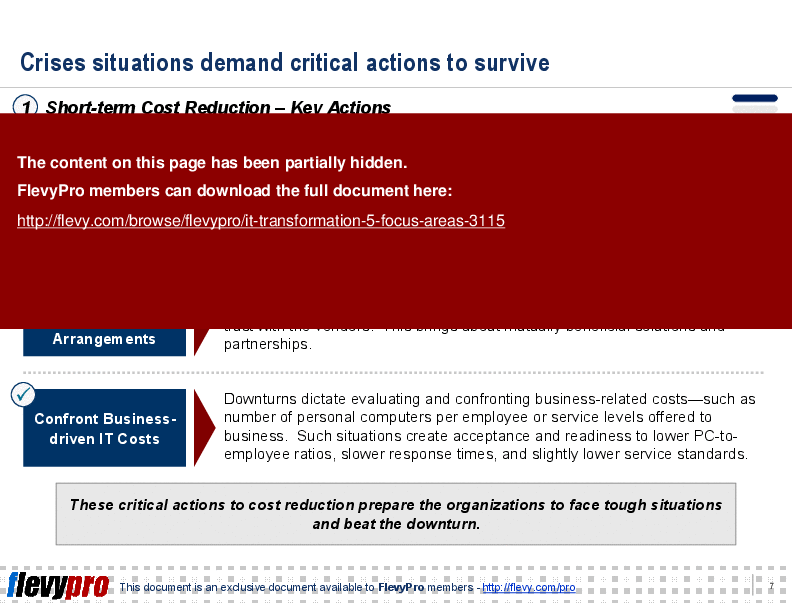
CIOs can manage costs by reviewing IT contracts, confronting business-driven IT costs, and delayering the IT organization to improve efficiency.
What strategies can be employed for investment optimization?
Strategies include protecting financial fundamentals, reviewing large-scale projects, investing in application-retirement programs, and identifying capabilities that matter.
How should HR leaders respond to workforce challenges during downturns?
HR leaders should focus on retaining top talent, communicating regularly with teams, and ensuring the right fit between people and roles.
What opportunities do economic downturns present for business transformation?
Downturns provide a chance to analyze and rethink business strategies, consolidate operations, and enhance efficiency.
What role does the IT function play in business transformation?
The IT function is crucial for identifying cost-saving opportunities, supporting transformation initiatives, and aligning technology with business goals.
How can organizations ensure effective communication during crises?
Establishing a well-defined communication plan that includes regular updates and direct engagement with teams is essential.
What is the significance of introducing product or solution managers in IT?
Introducing product or solution managers enhances end-to-end ownership of IT solutions, improving alignment between business and IT functions.
Glossary
• CIO - Chief Information Officer, responsible for the IT strategy and implementation.
• IT Function - The organizational unit responsible for managing and implementing technology solutions.
• Cost Reduction - Strategies aimed at decreasing expenses while maintaining service levels.
• Investment Optimization - The process of evaluating and prioritizing investments to maximize returns.
• HR Agenda Management - Strategies for managing human resources effectively during challenging times.
• Business Transformation - The process of fundamentally changing how a business operates to improve performance.
• Application-Retirement Programs - Initiatives aimed at phasing out outdated applications to reduce complexity and costs.
• Product Manager - An individual responsible for the overall success of a product or solution within the IT landscape.
• Solution Management - The practice of overseeing the lifecycle and performance of IT solutions.
• Economic Downturn - A period of reduced economic activity characterized by declining growth and increased uncertainty.
• Talent Retention - Strategies aimed at keeping key employees engaged and committed to the organization.
• Risk Management - The identification and mitigation of potential risks that could impact business operations.
• Operational Continuity - The ability to maintain essential functions during and after a crisis.
• Innovation - The process of developing new ideas and implementing them to improve services or products.
• Stakeholder Engagement - The practice of involving all parties with an interest in the organization’s activities and outcomes.
• Governance - The framework of rules and practices by which an organization is directed and controlled.
• Change Management - The approach to transitioning individuals, teams, and organizations to a desired future state.
• Agility - The ability of an organization to rapidly adapt to market changes and environmental shifts.
• Value Chain - The full range of activities that businesses engage in to bring a product or service to market.
• Synergies - The potential financial benefit achieved through the combined efforts of 2 or more organizations.
• IT Shared Services - A model where IT services are centralized to improve efficiency and reduce costs.
Source: Best Practices in Business Transformation, IT Strategy, Cost Reduction, IT Transformation PowerPoint Slides: IT Transformation: 5 Focus Areas PowerPoint (PPT) Presentation Slide Deck, LearnPPT Consulting
Did you need more documents?
Consider a FlevyPro subscription from $39/month. View plans here.
For $10.00 more, you can download this document plus 2 more FlevyPro documents. That's just $13 each.
|
Download our FREE Digital Transformation Templates
Download our free compilation of 50+ Digital Transformation slides and templates. DX concepts covered include Digital Leadership, Digital Maturity, Digital Value Chain, Customer Experience, Customer Journey, RPA, etc. |