
The key drivers of Information Technology (IT) or Management Information Systems (MIS) value are an organization's IT mindset and its ability to execute. Today’s best practices show that IT value can be maximized when enterprise IT investments are aligned with business goals and IT execution is well managed.

It is critical to develop a cohesive, well planned IT Strategy to maximize value we can drive through our IT systems and IT capabilities.
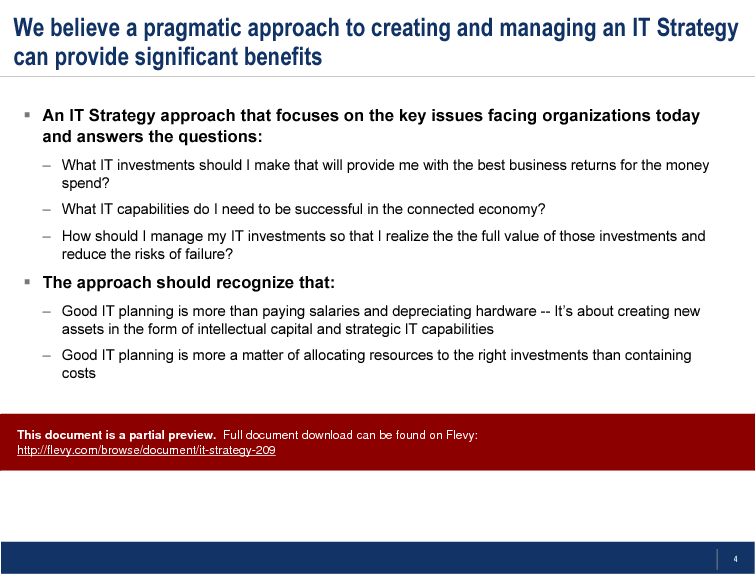
An effective IT Strategy approach should focus on the key issues facing organizations today and answer 3 key questions:
• What IT investments should I make that will provide me with the best business returns for the money spend?
• What IT capabilities do I need to be successful in the connected economy?
• How should I manage my IT investments so that I realize the full value of those investments and reduce the risks of failure?
The approach to IT Strategy should recognize that:
• Good IT planning is more than paying salaries and depreciating hardware. It's about creating new assets in the form of intellectual capital and strategic IT capabilities.
• Good IT planning is more a matter of allocating resources to the right investments than containing costs.
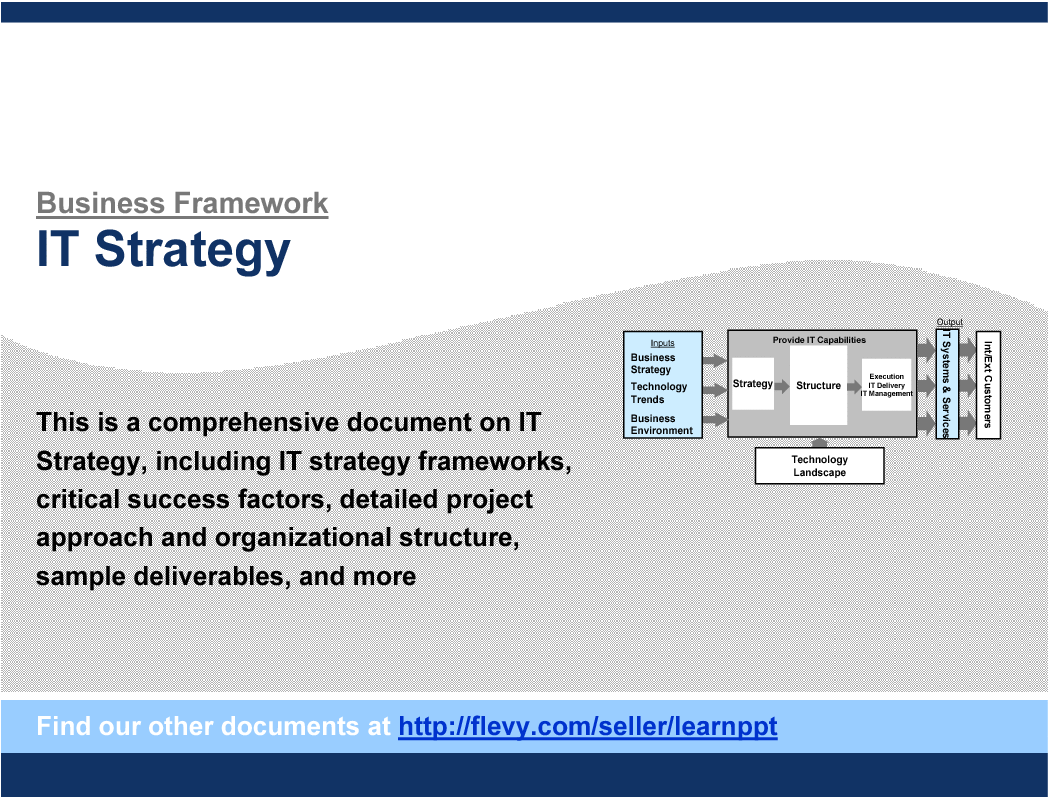
This 30-slide PowerPoint presentation provides a detailed discussion on how to develop an IT Strategy. Specific concepts this IT Strategy PPT discusses includes IT strategy frameworks, critical success factors, detailed project approach and organizational structure, sample deliverables, and more.
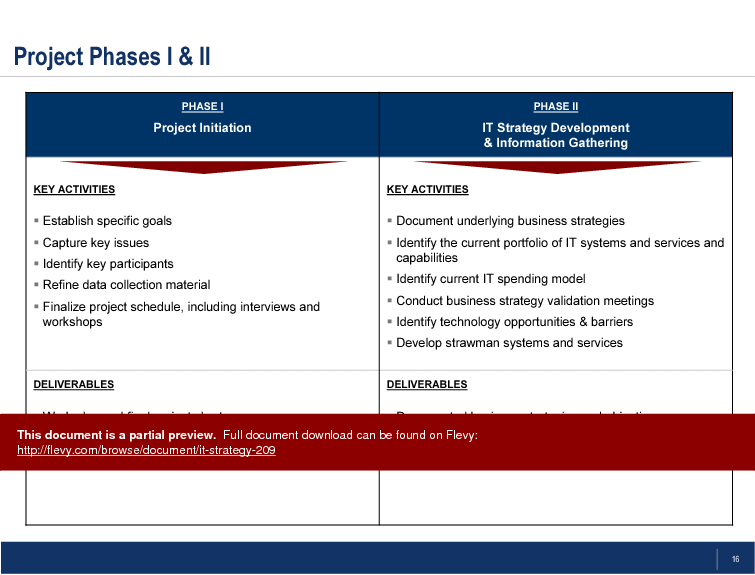
It also breaks down a 4-phase approach to creating an Information Technology strategic plan:
Phase 1. Project Initiation
Phase 2. IT Strategy Development & Information Gathering
Phase 3. IT Strategy Refinement Workshop
Phase 4. Documentation and Next Steps
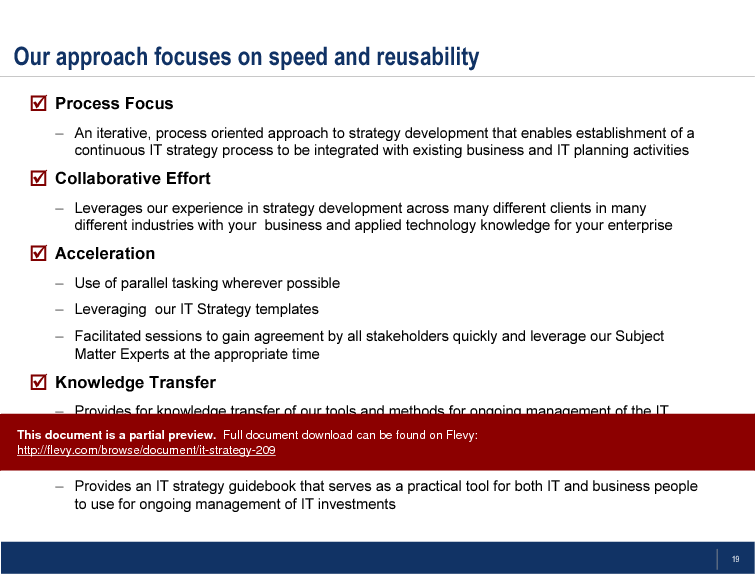
The IT Strategy Development process is accelerated, phased, and iterative.
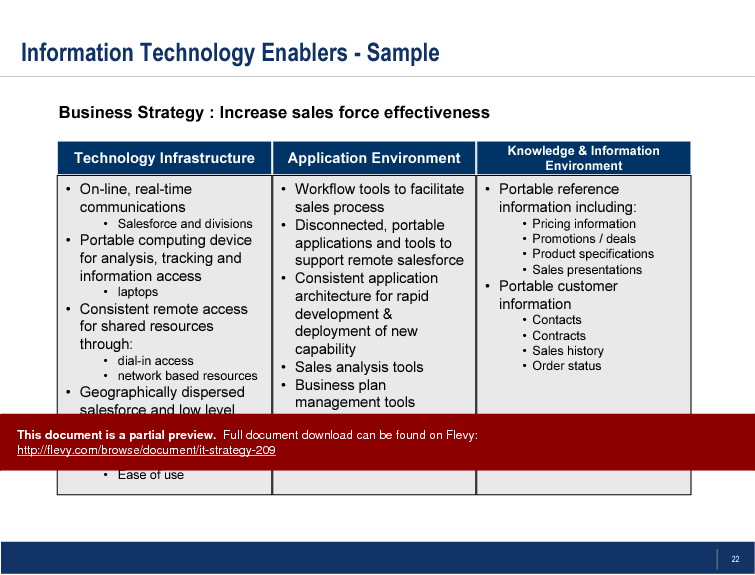
This is a fully editable, customizable PowerPoint presentation, so you can utilize this document as an IT Strategy template PPT. Also, there are 10 sample IT Strategy deliverable slides included, which you can re-purpose for your own business presentation needs.
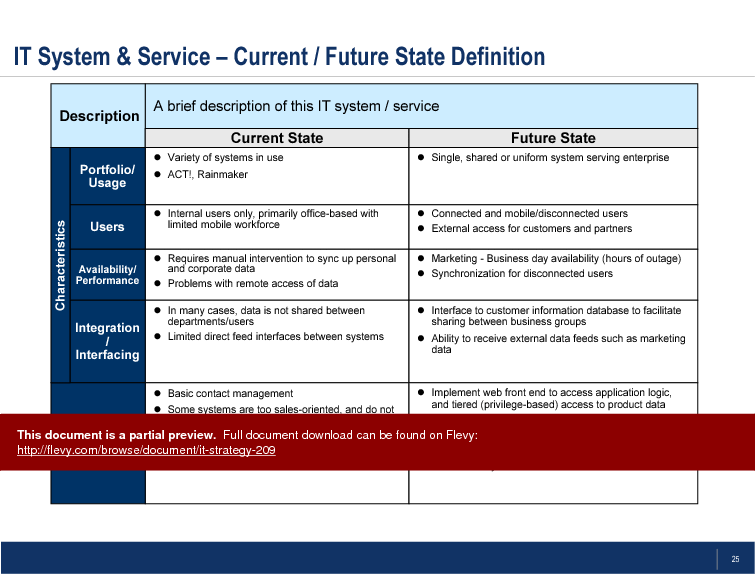
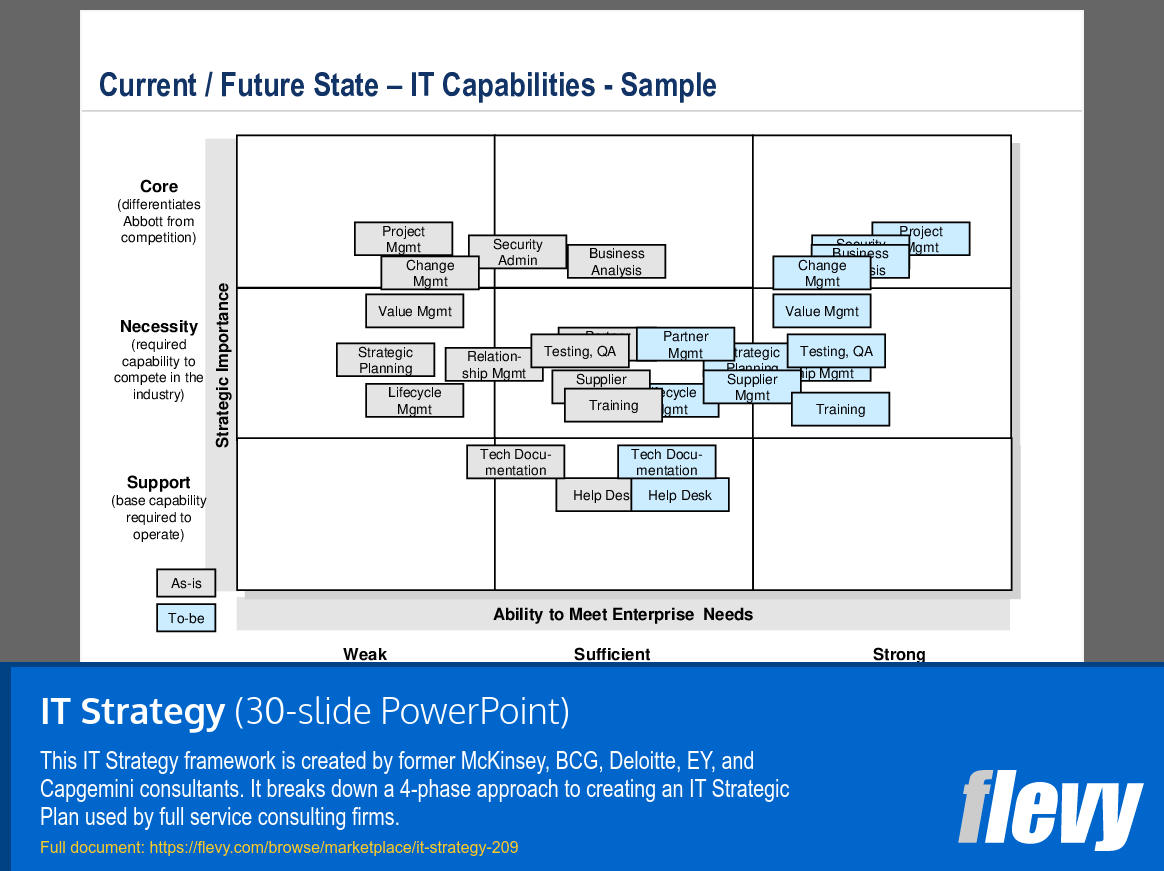
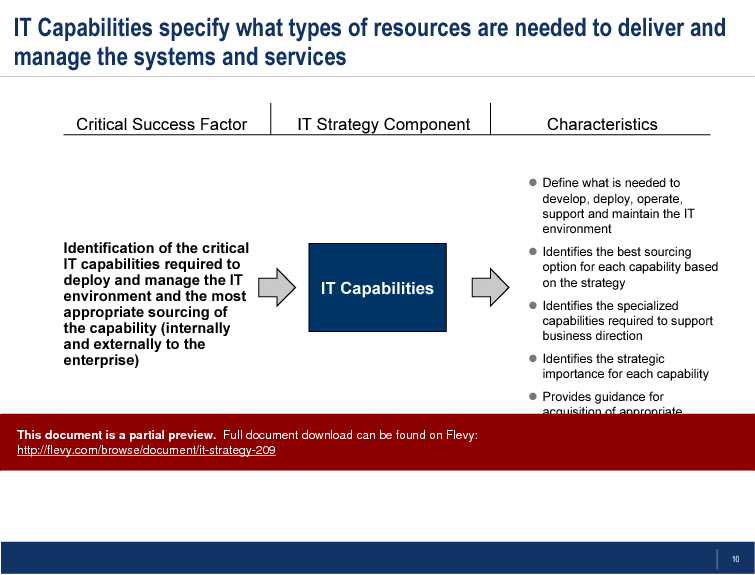
This presentation emphasizes the identification of critical IT capabilities and the best sourcing options to support business direction. It also details the strategic importance of each IT system and service, ensuring alignment with competitive differentiators.
Got a question about the product? Email us at support@flevy.com or ask the author directly by using the "Ask the Author a Question" form. If you cannot view the preview above this document description, go here to view the large preview instead.
Executive Summary
This IT Strategy framework is a comprehensive guide designed to assist organizations in developing and managing their IT strategies effectively. Crafted by former consultants from top firms like McKinsey, BCG, and Deloitte, this document provides a structured approach to aligning IT investments with business goals. It enables leaders to identify critical IT capabilities, establish governance models, and optimize resource allocation. With this framework, executives can ensure that IT initiatives deliver maximum value and support strategic business objectives.
Who This Is For and When to Use
• CIOs and IT Directors responsible for aligning IT with business strategy
• Business leaders seeking to integrate technology into operational planning
• IT project managers overseeing the execution of IT initiatives
• Strategy consultants advising organizations on IT investments
Best-fit moments to use this deck:
• During the development of a new IT strategy or refresh of an existing one
• When aligning IT capabilities with evolving business objectives
• For workshops aimed at refining IT governance and sourcing strategies
Learning Objectives
• Define the relationship between IT strategy and business goals
• Identify key IT capabilities necessary for competitive advantage
• Develop a structured IT operating model that supports governance
• Create a portfolio of IT systems and services aligned with business needs
• Establish a framework for resource allocation and investment prioritization
• Implement a continuous IT strategy development process
Table of Contents
• Introduction to IT Strategy (page 2)
• Key Drivers of IT Value (page 3)
• Provide IT Capabilities Framework (page 4)
• Elements of an IT Strategy (page 6)
• IT Operating Model Overview (page 11)
• Critical Success Factors for IT Strategy (page 8)
• IT Systems and Services Portfolio (page 9)
• IT Capabilities and Sourcing Strategies (page 10)
• IT Strategy Development Process (page 14)
• Sample Deliverables (page 20)
• IT Governance Structure (page 26)
• Current and Future State IT Capabilities (page 30)
Primary Topics Covered
• IT Strategy Framework - A structured approach to developing IT strategies that align with business objectives and drive value.
• Key Drivers of IT Value - Factors influencing the effectiveness of IT investments, including organizational mindset and execution capabilities.
• Provide IT Capabilities - The overarching process for managing IT systems and services to meet business needs.
• IT Operating Model - A governance framework that defines roles, responsibilities, and decision-making processes for IT management.
• Critical Success Factors - Essential elements that contribute to the successful development and execution of IT strategies.
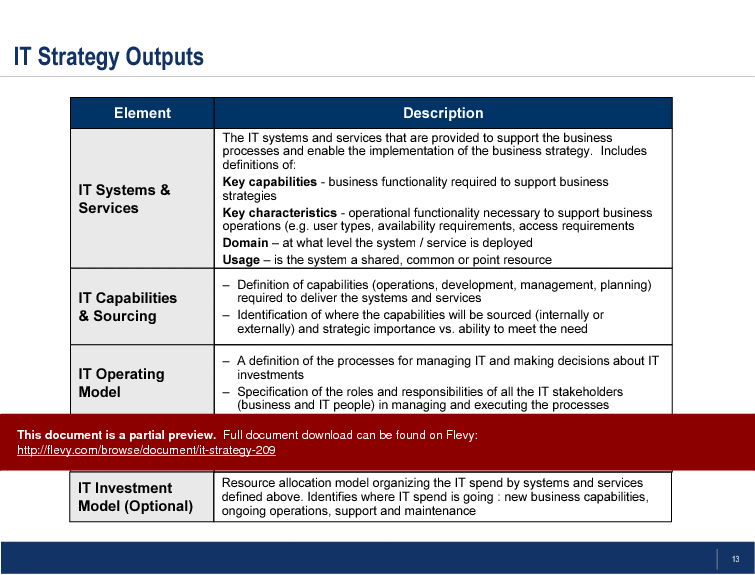
• IT Systems and Services Portfolio - A comprehensive overview of IT systems that support business processes and strategies.
• IT Capabilities and Sourcing - Identification of necessary IT capabilities and sourcing strategies to optimize resource allocation.
Deliverables, Templates, and Tools
• IT strategy framework template for aligning IT with business goals
• Portfolio of IT systems and services for tracking capabilities and investments
• Governance model outlining roles and responsibilities for IT management
• Resource allocation model to guide IT spending decisions
• Sample deliverables for documenting enterprise business strategies
• IT capabilities matrix for assessing current and future state requirements
Slide Highlights
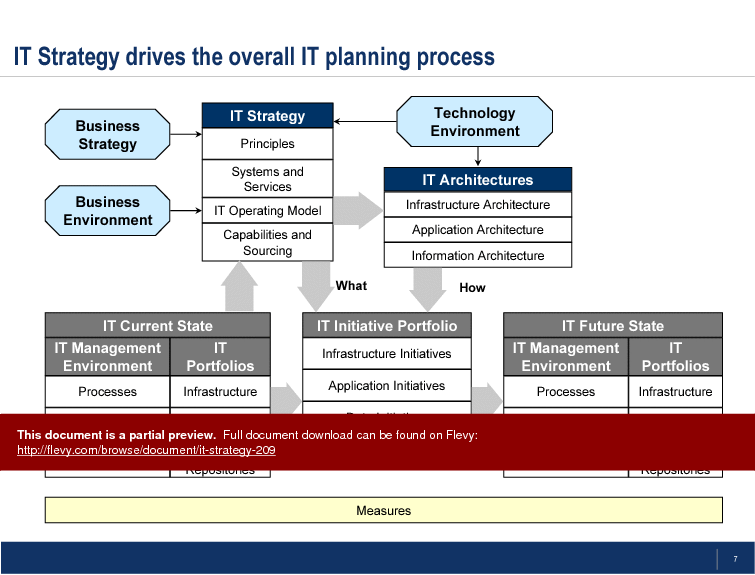
• Overview of the IT Strategy framework illustrating the alignment with business objectives
• Key drivers of IT value slide emphasizing the importance of organizational mindset
• Provide IT Capabilities framework detailing the process for managing IT assets
• Elements of an IT Strategy slide outlining critical components for decision-making
• IT Operating Model slide showcasing governance structures and roles
Potential Workshop Agenda
IT Strategy Kickoff (90 minutes)
• Introduce the IT strategy framework and objectives
• Discuss key drivers of IT value and organizational mindset
• Identify participants and establish roles
IT Capabilities Workshop (120 minutes)
• Review current IT capabilities and identify gaps
• Define sourcing strategies for critical IT capabilities
• Develop an action plan for capability enhancement
Governance Model Session (90 minutes)
• Outline roles and responsibilities for IT management
• Discuss decision-making processes and governance structures
• Finalize the governance model for implementation
Customization Guidance
• Tailor the IT strategy framework to align with specific business objectives and industry requirements
• Adjust the governance model to reflect organizational structure and decision-making processes
• Modify the IT capabilities matrix to include unique internal and external sourcing strategies
Secondary Topics Covered
• The interplay between business strategy and IT investments
• Techniques for continuous IT strategy development and refinement
• Best practices for aligning IT initiatives with business objectives
• Methods for assessing and managing IT risks and opportunities
FAQ
What is the purpose of the IT Strategy framework?
The IT Strategy framework provides a structured approach to aligning IT investments with business objectives, ensuring that IT initiatives deliver maximum value.
Who should use this document?
This document is intended for CIOs, IT Directors, business leaders, and consultants involved in IT strategy development and execution.
How can this framework improve IT value?
By aligning IT investments with business goals and establishing effective governance, organizations can maximize the return on IT investments and minimize risks.
What are the key components of an IT operating model?
The IT operating model includes governance structures, roles and responsibilities, and decision-making processes that guide IT management.
How does the framework address sourcing strategies?
The framework identifies critical IT capabilities and outlines sourcing strategies to optimize resource allocation, ensuring that the right capabilities are developed internally or sourced externally.
What deliverables can be expected from using this framework?
Users can expect templates for IT strategy development, governance models, resource allocation models, and sample deliverables for documenting business strategies.
How often should the IT strategy be updated?
The IT strategy should be viewed as a continuous process, requiring regular updates to align with changing business objectives and technology trends.
What role does organizational mindset play in IT value?
An organization's IT mindset influences its ability to execute IT strategies effectively, impacting the overall value derived from IT investments.
Glossary
• IT Strategy - A structured plan that aligns IT investments with business objectives.
• IT Operating Model - A governance framework defining roles and responsibilities for IT management.
• IT Capabilities - Skills and resources required to deliver and manage IT systems and services.
• Sourcing Strategies - Approaches for acquiring IT capabilities, either internally or externally.
• Governance Model - A framework outlining decision-making processes and accountability in IT management.
• Portfolio of IT Systems - A comprehensive overview of IT systems supporting business processes.
• Business Strategy - The overarching plan that guides an organization's direction and objectives.
• Technology Trends - Emerging technologies that impact business operations and strategy.
• Critical Success Factors - Essential elements that contribute to the successful execution of IT strategies.
• Resource Allocation Model - A framework for guiding IT spending decisions based on business priorities.
• Continuous Strategy Development - An iterative process for refining IT strategies in response to changing business needs.
• IT Mindset - The organizational attitude towards IT investments and their alignment with business goals.
Source: Best Practices in MIS PowerPoint Slides: IT Strategy PowerPoint (PPT) Presentation Slide Deck, LearnPPT Consulting
|
Download our FREE Digital Transformation Templates
Download our free compilation of 50+ Digital Transformation slides and templates. DX concepts covered include Digital Leadership, Digital Maturity, Digital Value Chain, Customer Experience, Customer Journey, RPA, etc. |