
This framework is developed by a team of former McKinsey and Big 4 consultants. The presentation follows the headline-body-bumper slide format used by global consulting firms.
This product (Goal-Question-Metric [GQM]) is a 33-slide PPT PowerPoint presentation slide deck (PPTX), which you can download immediately upon purchase.
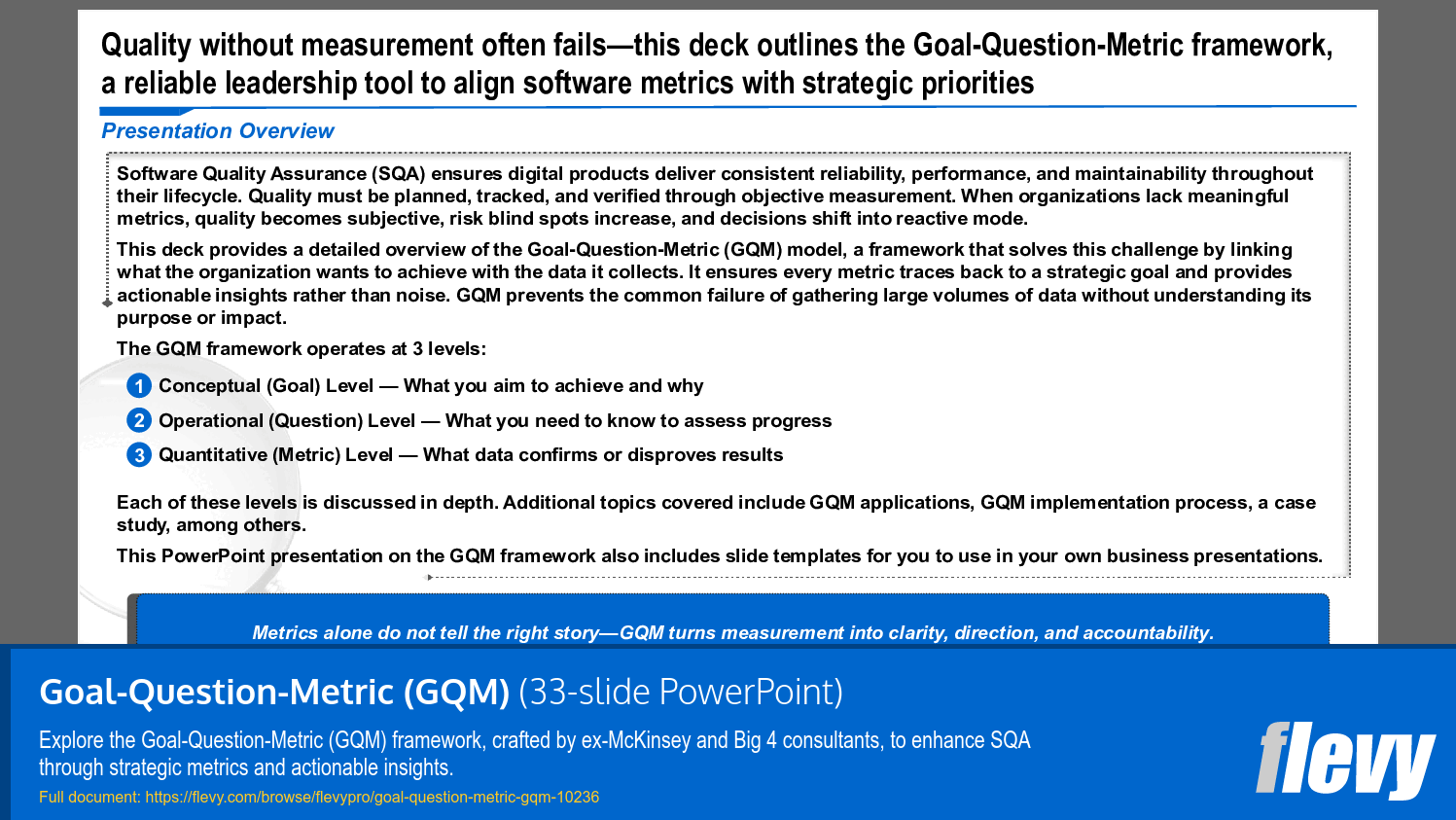
Software Quality Assurance (SQA) ensures digital products deliver consistent reliability, performance, and maintainability throughout their lifecycle. Quality must be planned, tracked, and verified through objective measurement. When organizations lack meaningful metrics, quality becomes subjective, risk blind spots increase, and decisions shift into reactive mode.
This deck provides a detailed overview of the Goal-Question-Metric (GQM) model, a framework that solves this challenge by linking what the organization wants to achieve with the data it collects. It ensures every metric traces back to a strategic goal and provides actionable insights rather than noise. GQM prevents the common failure of gathering large volumes of data without understanding its purpose or impact.
Metrics alone do not tell the right story. GQM turns measurement into clarity, direction, and accountability.
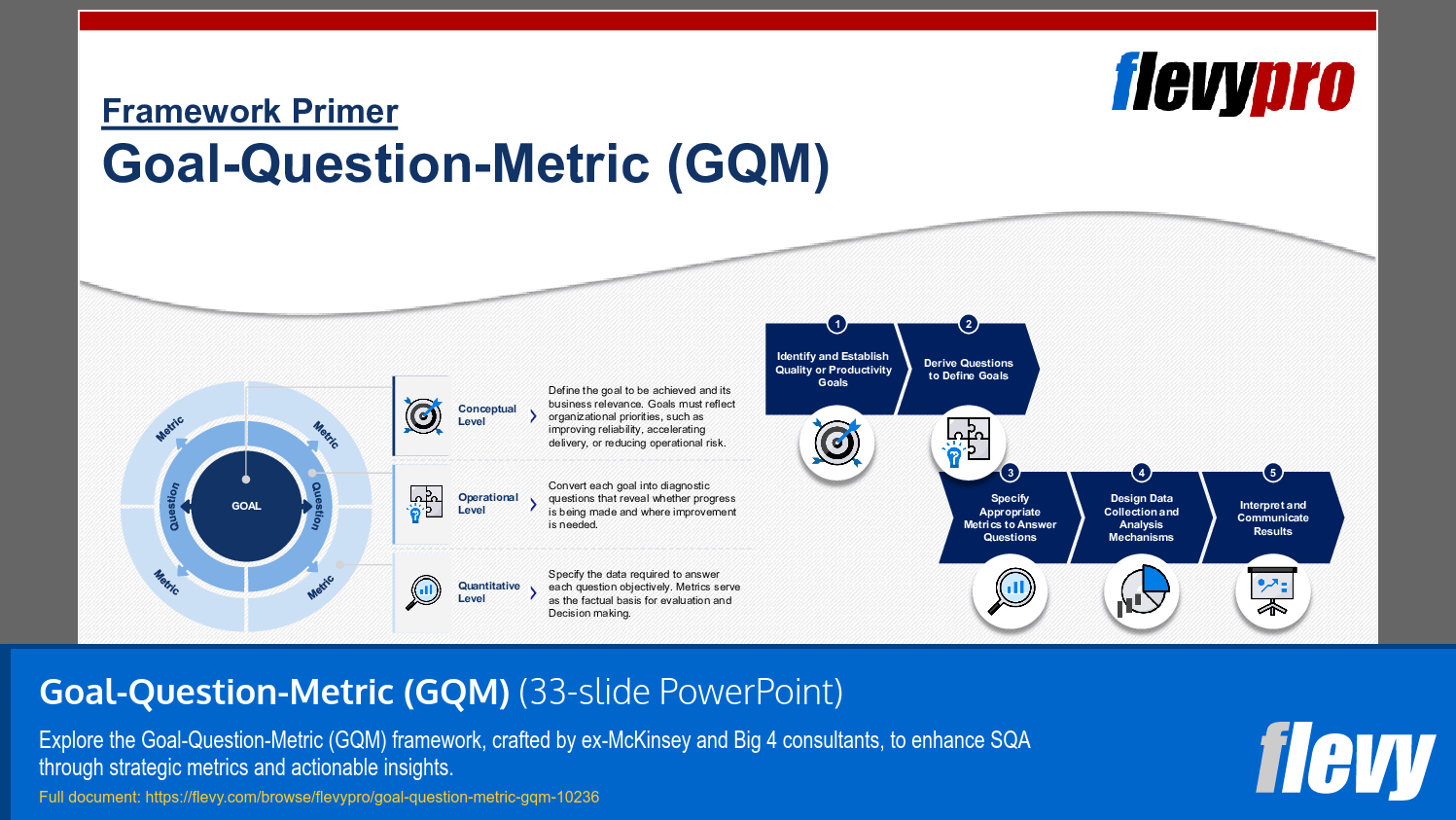
The GQM framework operates at 3 levels:
1. Conceptual (Goal) Level – What you aim to achieve and why
2. Operational (Question) Level – What you need to know to assess progress
3. Quantitative (Metric) Level – What data confirms or disproves results
Each of these levels is discussed in depth. Additional topics covered include GQM applications, GQM implementation process, a case study, among others.
This PowerPoint presentation on the GQM framework also includes slide templates for you to use in your own business presentations.
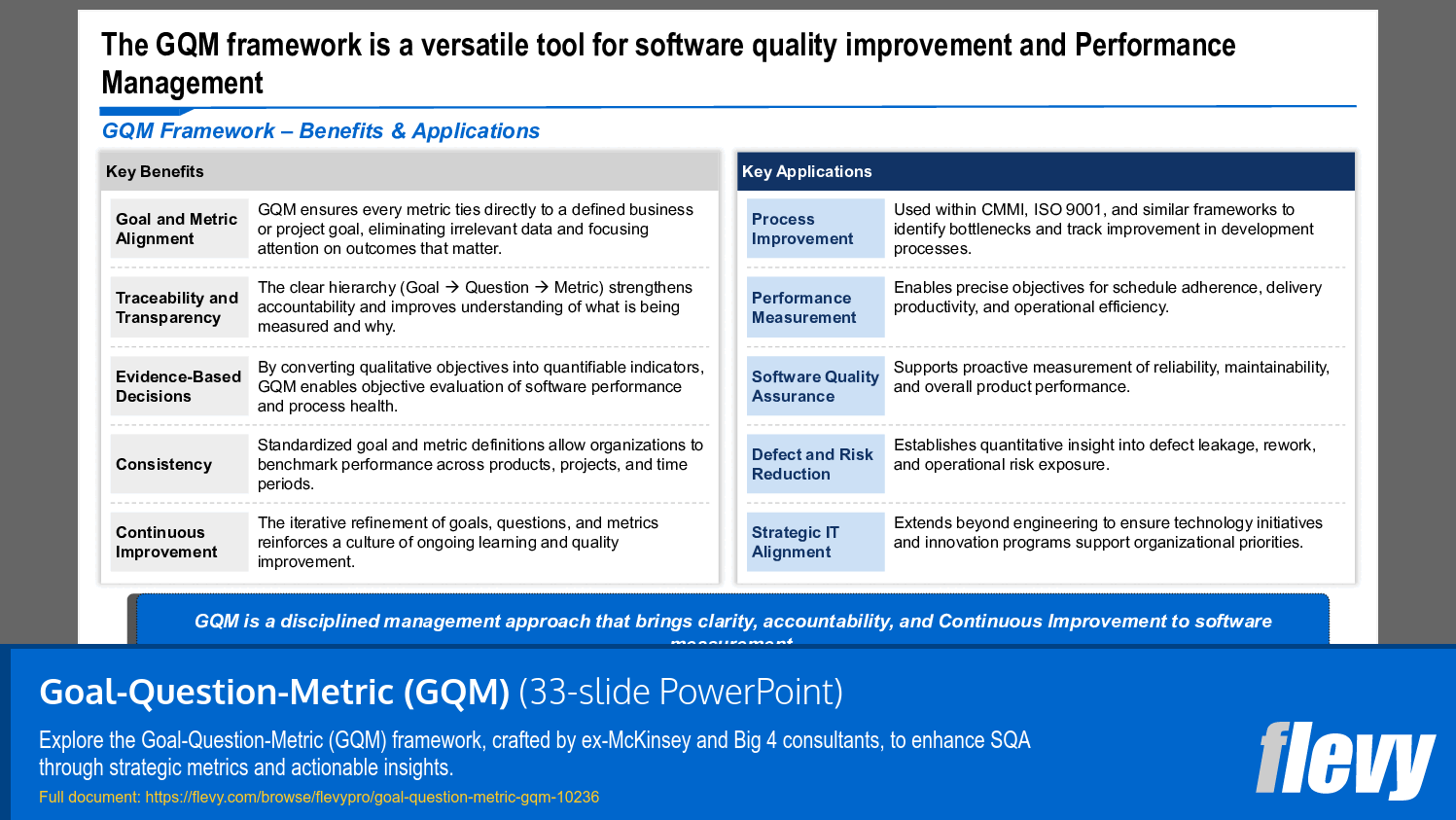
This PPT slide presents the GQM framework as a flexible tool for improving software quality and managing performance. It emphasizes that GQM links every metric directly to specific business or project goals, which helps eliminate irrelevant data and keeps focus on what truly matters. The framework's structure, based on Goal, Question, and Metric, reinforces accountability and understanding by establishing a clear hierarchy. This clarity allows organizations to better evaluate software performance and health through quantifiable indicators derived from qualitative objectives.
The slide also highlights the key benefits of GQM, such as ensuring metrics align with goals, improving traceability and transparency, and supporting continuous improvement. These benefits make it easier for teams to benchmark performance across projects and products, and to identify areas needing attention. The mention of standardized goal and metric definitions points to a consistent approach that facilitates cross-team comparisons and ongoing learning. The iterative nature of GQM encourages organizations to refine their goals and metrics regularly, maintaining a culture of ongoing quality enhancement.
On the right side, the slide details practical applications of GQM in various areas. It shows how GQM supports process improvement, operational performance measurement, quality assurance, risk reduction, and strategic IT alignment. Each application area is linked to specific outcomes, such as tracking bottlenecks, ensuring schedule adherence, and supporting innovation. The overall message is that GQM is a versatile, disciplined approach that provides actionable insights, helping organizations make data-driven decisions aligned with strategic priorities. This slide positions GQM as a comprehensive framework for managing software quality systematically and effectively.
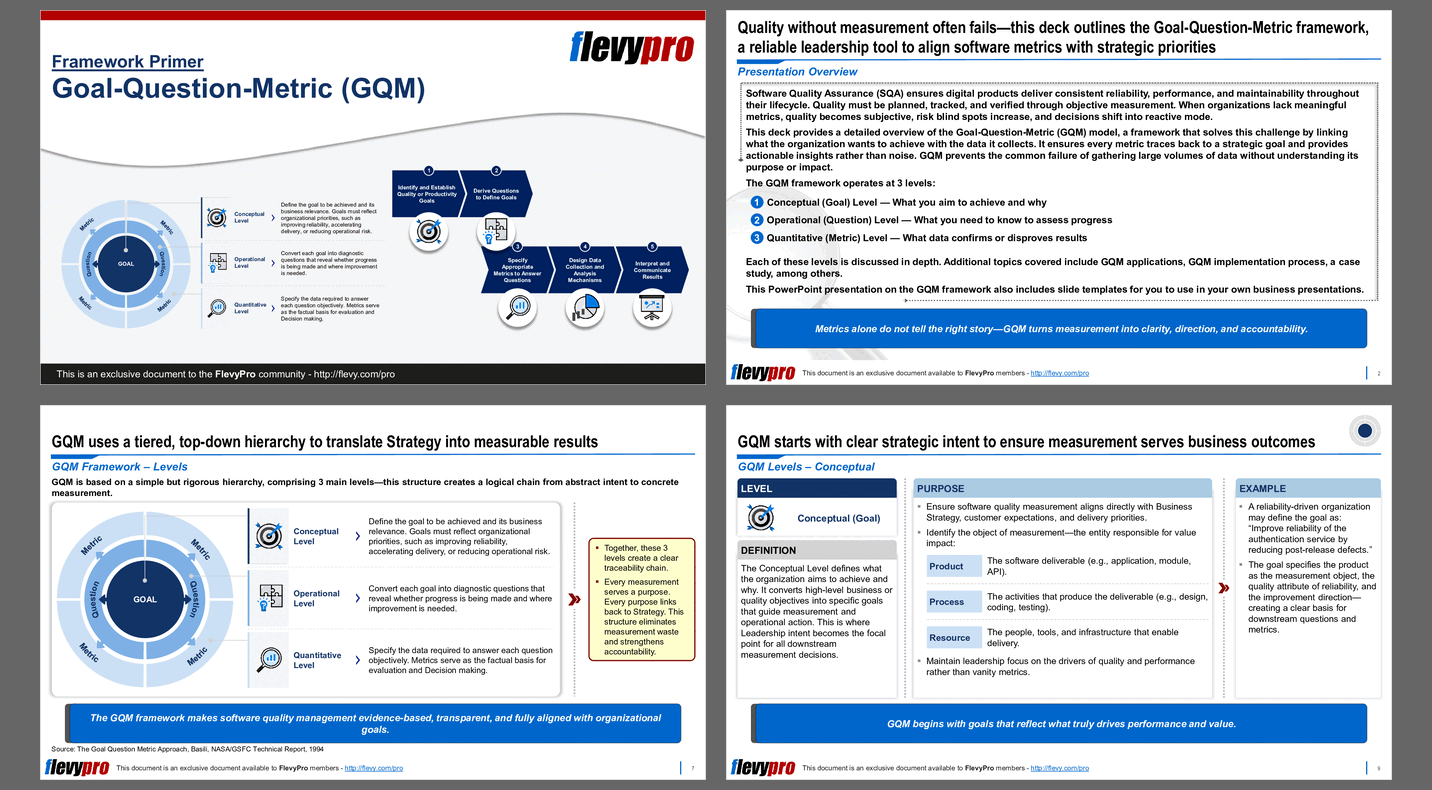
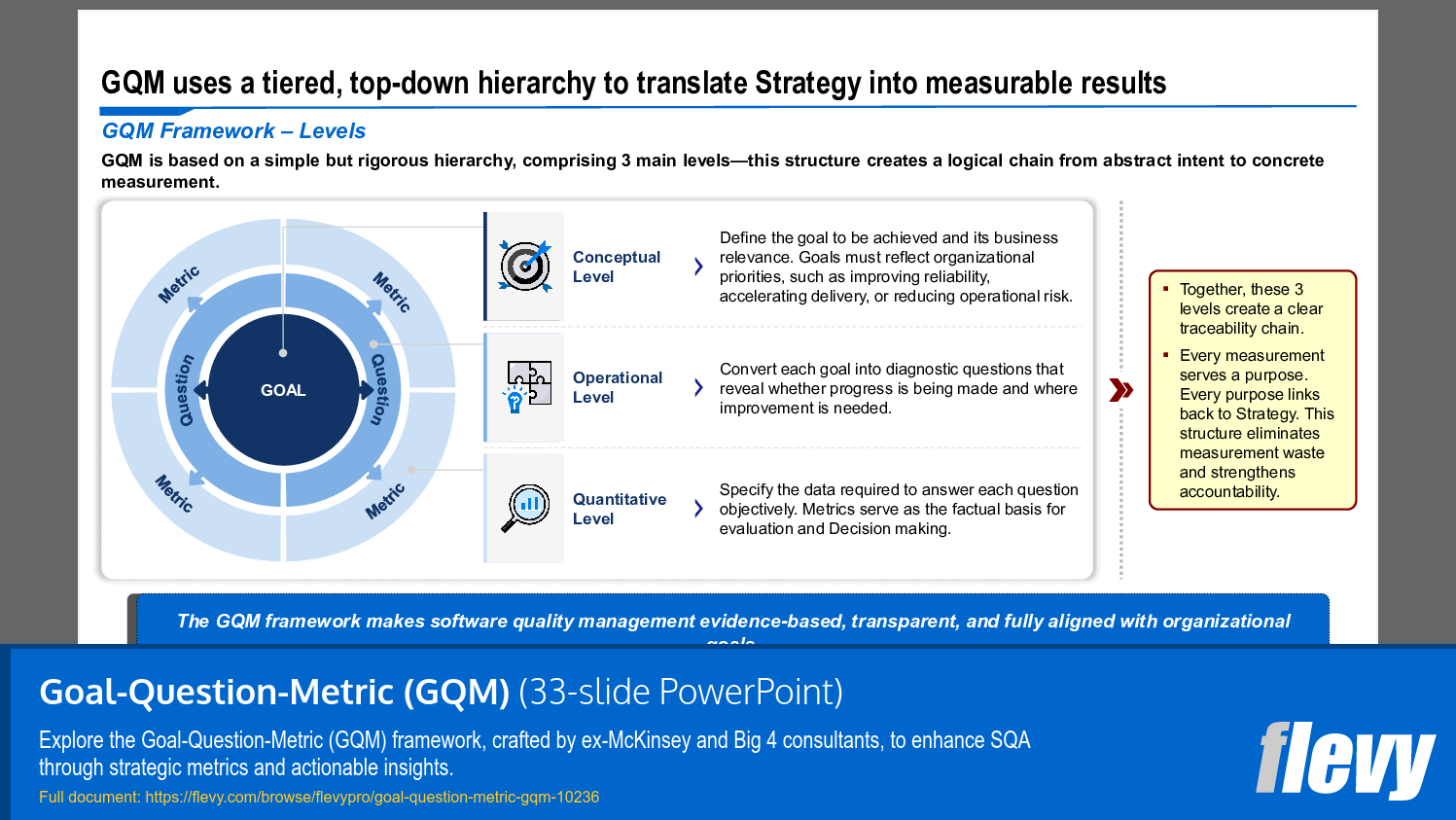
This PPT slide explains how the Goal-Question-Metric (GQM) framework structures strategic measurement through a three-tiered hierarchy. It emphasizes that GQM translates high-level strategy into measurable actions by linking goals, diagnostic questions, and specific metrics. The structure is depicted as a logical chain, starting with defining the goal, then translating it into questions that reveal progress, and finally specifying the data needed to answer those questions. This approach ensures clarity and traceability from strategic intent to operational execution.
The slide details each of the 3 levels. The Conceptual Level involves setting clear, organizational goals aligned with priorities like reliability or operational risk. The Operational Level translates these goals into diagnostic questions that monitor progress and identify areas for improvement. The Quantitative Level specifies the exact data points and metrics needed to answer those questions objectively, serving as the foundation for decision-making. The visual diagram reinforces the hierarchical flow from abstract goals to concrete measurements.
A key point is that these 3 levels form a cohesive chain, with each linking back to the overarching strategy. The side note highlights that this structure eliminates measurement waste by ensuring every metric serves a purpose and directly relates to strategic objectives. It also underlines the importance of accountability and clarity in performance tracking. The framework's simplicity and rigor make it a powerful tool for translating strategic goals into actionable insights, especially in complex organizations seeking measurable results. This slide offers a practical blueprint for aligning measurement efforts with strategic priorities, ensuring that every step from goal setting to data collection is purposeful and traceable.
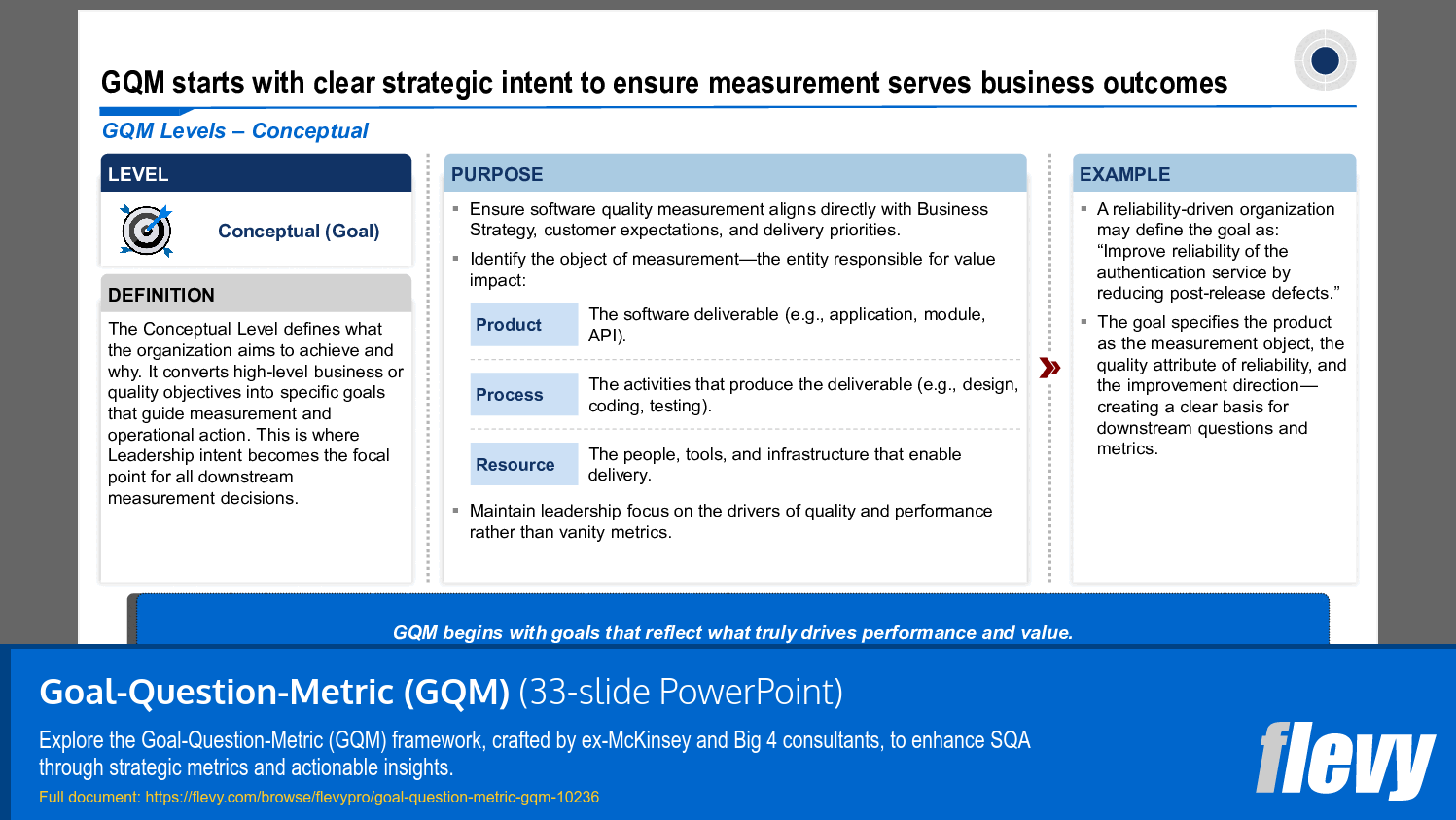
This PPT slide explains the foundational concept of Goal-Question-Metric (GQM), emphasizing that it begins with a clear strategic intent to link measurement efforts directly to business outcomes. It introduces the GQM levels, starting with the conceptual or goal level, which defines what the organization aims to achieve and why. The slide highlights that this level converts high-level business or quality objectives into specific goals that guide measurement and operational actions, serving as a focal point for leadership decisions.
The middle section details the purpose of establishing these goals, which is to ensure that software quality measurement aligns with broader business strategies, customer expectations, and delivery priorities. It clarifies that the measurement object can be a product, process, or resource, and stresses the importance of maintaining leadership focus on drivers of quality and performance rather than vanity metrics. The example provided illustrates how a reliability-driven organization might define its goal to improve service by reducing post-release defects, with the measurement object being the product’s reliability attribute.
The slide concludes with a statement that GQM starts with goals reflecting what truly drives performance and value. It underscores that effective measurement begins with clear, strategic goals that translate into actionable metrics, enabling organizations to make informed decisions. Overall, the slide offers a concise overview of how to establish measurement frameworks rooted in strategic intent, which is critical for aligning technical efforts with business outcomes. This approach ensures measurement activities support meaningful improvements rather than just tracking superficial data.
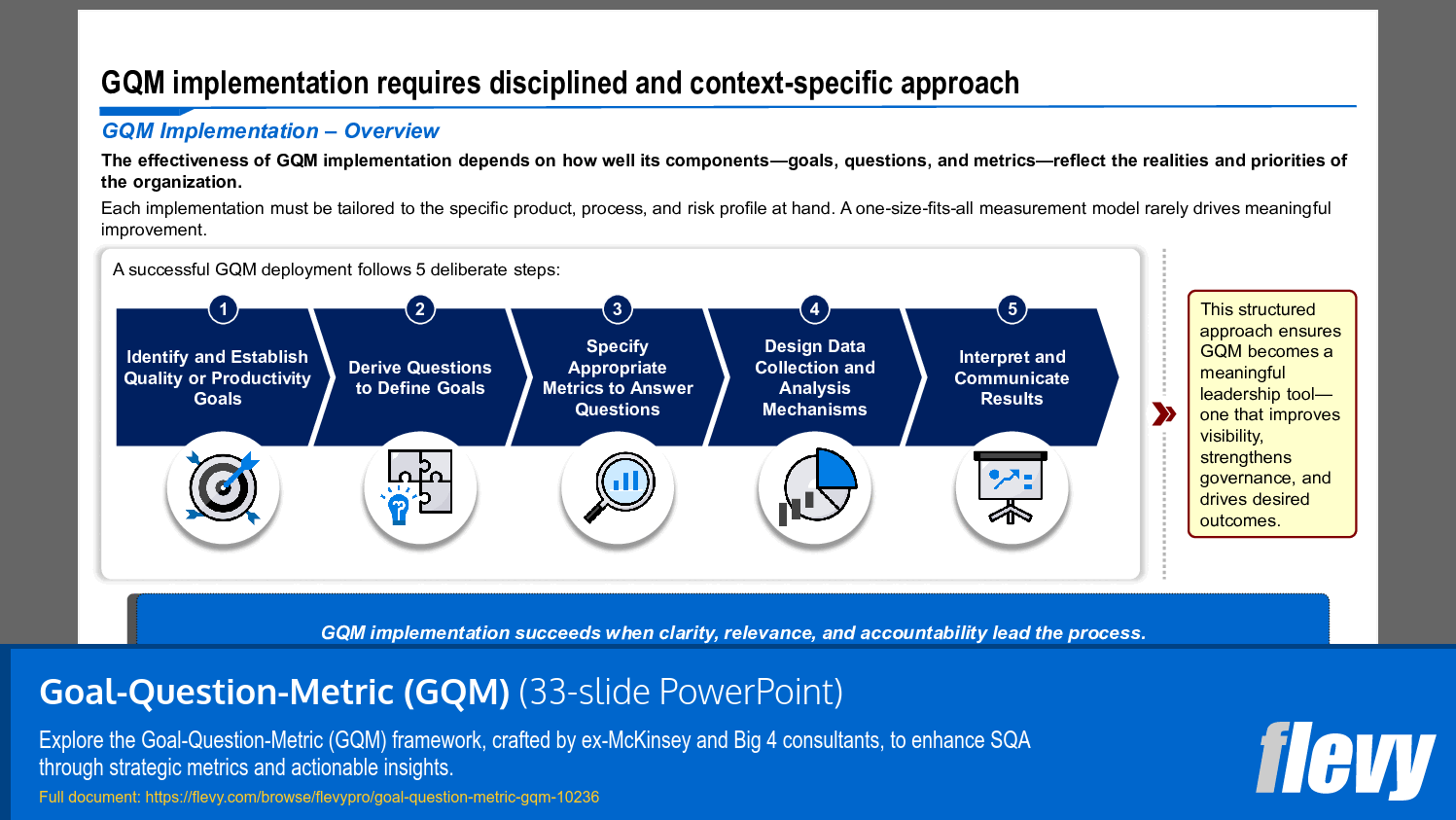
This PPT slide emphasizes that implementing Goal-Question-Metric (GQM) requires a disciplined, context-specific approach rather than a one-size-fits-all solution. The overview highlights that the success of GQM depends on how well its components—goals, questions, and metrics—align with organizational realities and priorities. It stresses that each deployment must be tailored to the specific product, process, and risk profile, as generic measures rarely lead to meaningful improvements.
A central part of the slide details a five-step process for effective GQM deployment. These steps include identifying and establishing quality or productivity goals, deriving questions to define those goals, specifying appropriate metrics to answer the questions, designing data collection and analysis mechanisms, and interpreting results to communicate findings. The process is presented as deliberate and structured, implying that skipping steps or rushing through them reduces the likelihood of success.
On the right side, a boxed note underscores that this structured approach ensures GQM becomes a valuable leadership tool. It claims that GQM, when applied properly, improves visibility, strengthens governance, and drives better outcomes. The bottom banner reinforces that clarity, relevance, and accountability are critical for GQM to succeed. Overall, the slide advocates for a methodical, customized approach to GQM implementation, positioning it as a strategic enabler rather than a generic measurement exercise.
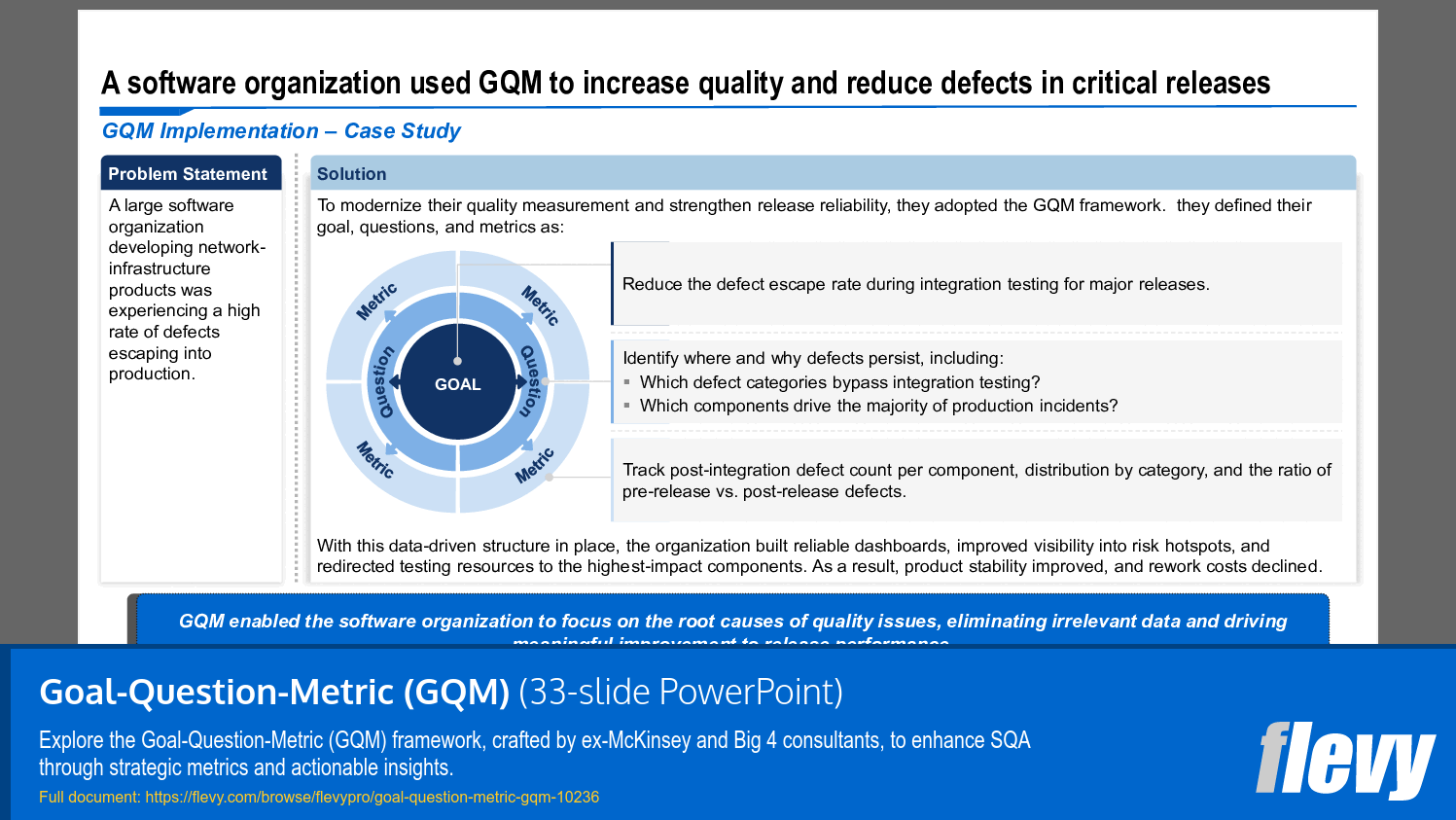
This PPT slide presents a case study on how a software organization applied the Goal-Question-Metric (GQM) framework to improve quality and reduce defects in critical releases. The title emphasizes the focus on the practical application of GQM within a software development context. The slide is structured into 2 main sections: Problem Statement and Solution. The problem statement highlights that the organization faced a high defect rate during production releases, which prompted the need for a structured quality measurement approach.
The solution section details the adoption of the GQM framework to address these issues. It explains that the organization defined specific goals, questions, and metrics to monitor and improve release quality. The visual diagram in the center illustrates the cyclical nature of GQM, with the goal at the core and questions and metrics surrounding it. The accompanying text describes how the organization used this data-driven approach to identify defect patterns, track post-integration defect counts, and pinpoint root causes. These insights enabled the organization to build reliable dashboards, improve visibility into risk hotspots, and allocate testing resources more effectively.
The slide underscores that this structured approach led to tangible improvements: better product stability, fewer rework costs, and more efficient defect management. It implies that GQM's strategic use of metrics and questions directly contributed to a more disciplined quality process. For executives evaluating similar initiatives, this case demonstrates the value of a systematic, goal-oriented measurement framework in complex software environments. The overall message is that GQM provides a clear, actionable way to drive quality improvements and reduce costly defects in critical releases.
This framework is developed by a team of former McKinsey and Big 4 consultants. The presentation follows the headline-body-bumper slide format used by global consulting firms.
For $10.00 more, you can download this document plus 2 more FlevyPro documents. That's just $13 each.
ABOUT FLEVYPRO
This document is part of the FlevyPro Library, a curated knowledge base of documents for our FlevyPro subscribers.

FlevyPro is a subscription service for on-demand business frameworks and analysis tools. FlevyPro subscribers receive access to an exclusive library of curated business documents—business framework primers, presentation templates, Lean Six Sigma tools, and more—among other exclusive benefits.
The average daily rate of a McKinsey consultant is $6,625 (not including expenses). The average price of a Flevy document is $65.
Trusted by over 10,000+ Client Organizations
Since 2012, we have provided best practices to over 10,000 businesses and organizations of all sizes, from startups and small businesses to the Fortune 100, in over 130 countries.
Read Customer Testimonials
"I have used Flevy services for a number of years and have never, ever been disappointed. As a matter of fact, David and his team continue, time after time, to impress me with their willingness to assist and in the real sense of the word. I have concluded in fact
that it is not at all just a repository of documents/resources but, in the way that David and his team manage the firm, it is like dealing with consultants always ready to assist, advise and direct you to what you really need, and they always get it right.
I am an international hospitality accomplished senior executive who has worked and lived during the past 35 years in 23 countries in 5 continents and I can humbly say that I know what customer service is, trust me.
Aside from the great and professional service that Flevy's team provide, their wide variety of material is of utmost great quality, professionally put together and most current.
Well done Flevy, keep up the great work and I look forward to continue working with you in the future and to recommend you to a variety of colleagues around the world.
"
– Roberto Pelliccia, Senior Executive in International Hospitality
"I am extremely grateful for the proactiveness and eagerness to help and I would gladly recommend the Flevy team if you are looking for data and toolkits to help you work through business solutions."
– Trevor Booth, Partner, Fast Forward Consulting
"I have used FlevyPro for several business applications. It is a great complement to working with expensive consultants. The quality and effectiveness of the tools are of the highest standards."
– Moritz Bernhoerster, Global Sourcing Director at Fortune 500
"Flevy is our 'go to' resource for management material, at an affordable cost. The Flevy library is comprehensive and the content deep, and typically provides a great foundation for us to further develop and tailor our own service offer."
– Chris McCann, Founder at Resilient.World
"As a consultant requiring up to date and professional material that will be of value and use to my clients, I find Flevy a very reliable resource.
The variety and quality of material available through Flevy offers a very useful and commanding source for information. Using Flevy saves me time, enhances my expertise and ends up being a good decision."
– Dennis Gershowitz, Principal at DG Associates
"My FlevyPro subscription provides me with the most popular frameworks and decks in demand in today’s market. They not only augment my existing consulting and coaching offerings and delivery, but also keep me abreast of the latest trends, inspire new products and service offerings for my practice, and educate me
in a fraction of the time and money of other solutions. I strongly recommend FlevyPro to any consultant serious about success.
"
– Bill Branson, Founder at Strategic Business Architects
"As a small business owner, the resource material available from FlevyPro has proven to be invaluable. The ability to search for material on demand based our project events and client requirements was great for me and proved very beneficial to my clients. Importantly, being able to easily edit and tailor
the material for specific purposes helped us to make presentations, knowledge sharing, and toolkit development, which formed part of the overall program collateral. While FlevyPro contains resource material that any consultancy, project or delivery firm must have, it is an essential part of a small firm or independent consultant's toolbox.
"
– Michael Duff, Managing Director at Change Strategy (UK)
"One of the great discoveries that I have made for my business is the Flevy library of training materials.
As a Lean Transformation Expert, I am always making presentations to clients on a variety of topics: Training, Transformation, Total Productive Maintenance, Culture, Coaching, Tools, Leadership Behavior, etc. Flevy
It is well worth the money to purchase these presentations. Sure, I have the knowledge and information to make my point. It is another thing to create a presentation that captures what I want to say. Flevy has saved me countless hours of preparation time that is much better spent with implementation that will actually save money for my clients.
"
– Ed Kemmerling, Senior Lean Transformation Expert at PMG
Download our free compilation of 50+ Strategy & Transformation slides and templates. Frameworks include McKinsey 7-S, Balanced Scorecard, Disruptive Innovation, BCG Curve, and many more.