
 Click main image to view in full screen. Unlock all 10 preview images:
GAP-ACT Model – PowerPoint PPTX Template
PowerPoint (PPTX) 29 Slides FlevyPro Document


PERFORMANCE MANAGEMENT PPT TEMPLATE DESCRIPTION
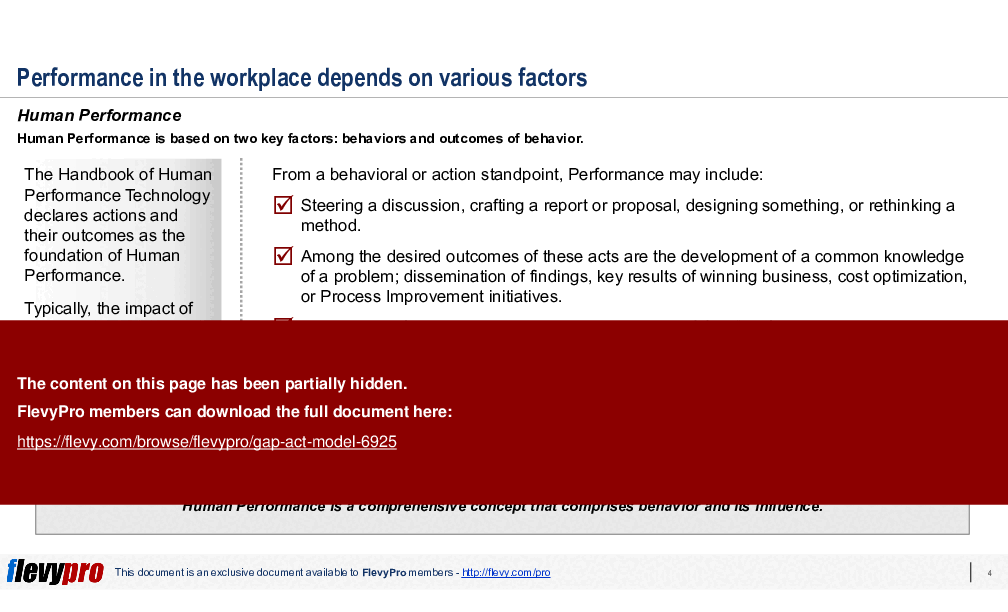
Human Performance is based on 2 key factors:
1. Behaviors
2. Outcomes of Behavior
According to the Handbook of Human Performance Technology, actions and their outcomes are the foundation of Human Performance.
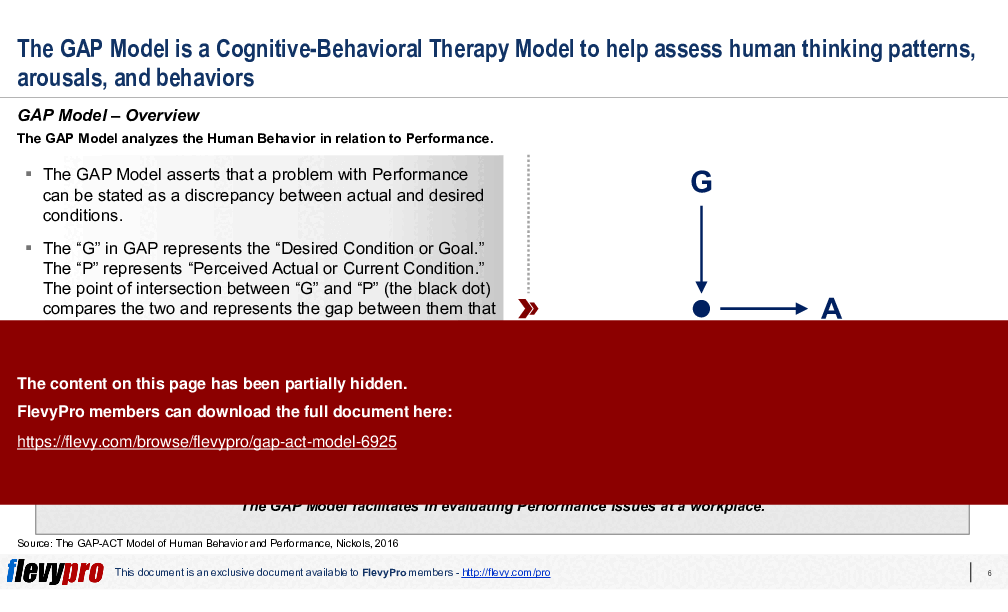
This presentation discusses the GAP-ACT Model in detail. Developed by Keith Stanovich, GAP-ACT Model is a Cognitive-Behavioral Therapy Model to help assess human thinking patterns, arousals, and behaviors in relation to Performance.
The GAP-ACT Model originated from the Perceptual Control Theory, articulated by William T. Powers. The model emphasizes that humans control their perceptions of selected aspects of the world around them by their actions.
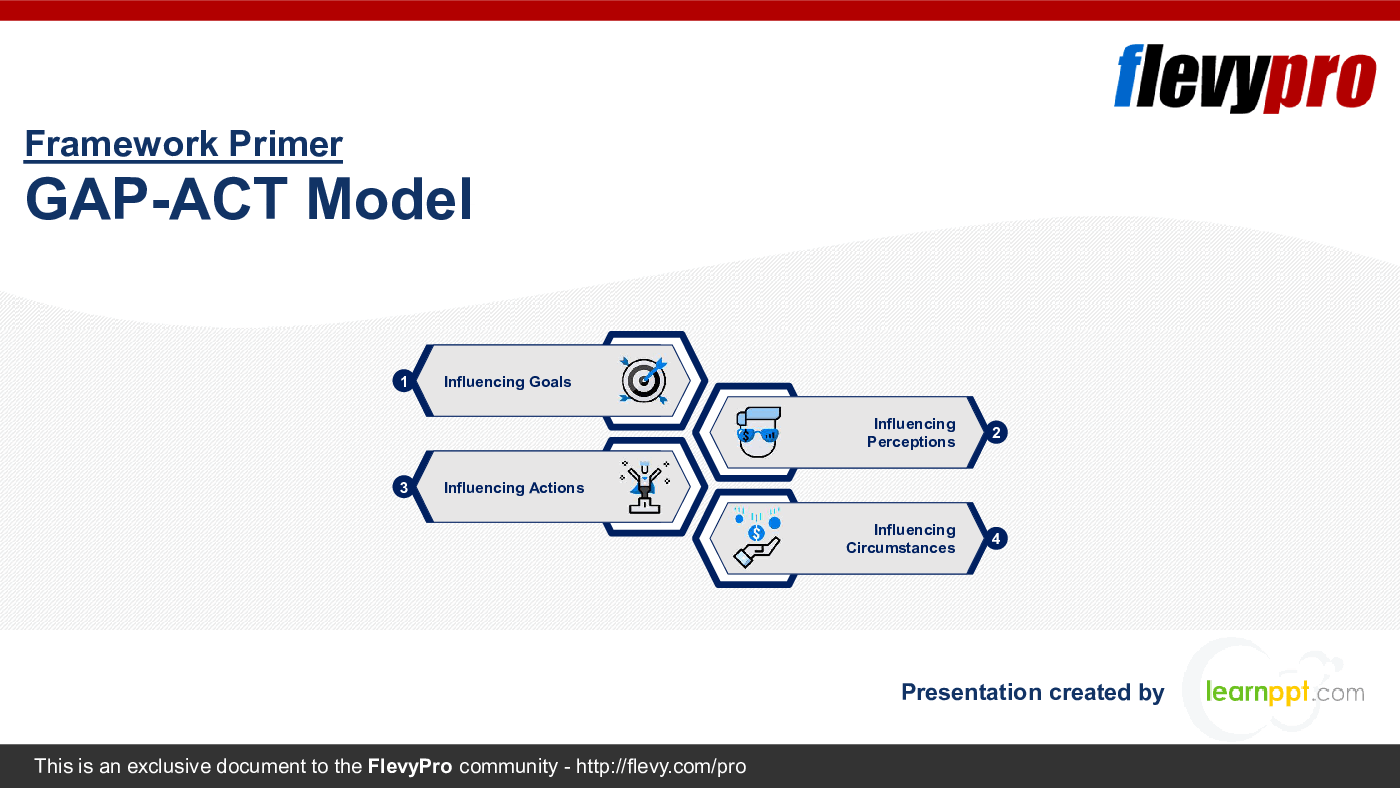
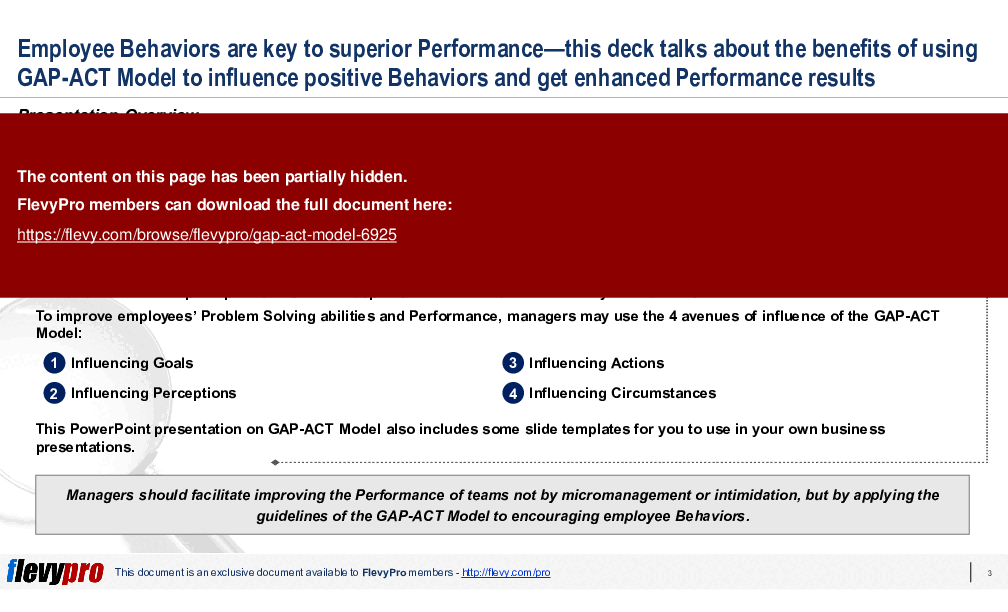
To improve employees' Problem Solving abilities and Performance, managers may use the 4 avenues of influence of the GAP-ACT Model:
1. Influencing Goals – Clear definition of expectations from the team members and supporting them in establishing appropriate Performance targets are ways through which managers can influence the objectives set by their teams.
2. Influencing Perceptions – Managers need to make sure that their teams have an accurate understanding of the Target Variable (T) and it should be regularly monitored, evaluated, and shared with the employees.
3. Influencing Actions – To inspire employees' actions, management can target the individuals' behaviors or focus on the outcomes of their actions.
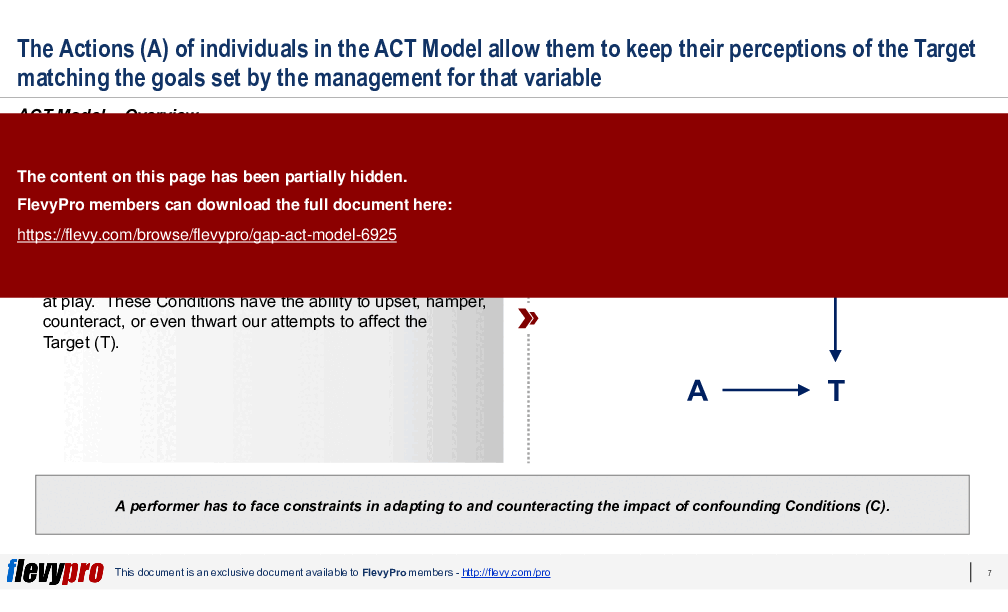
4. Influencing Circumstances – According to the GAP-ACT model, it is not only the individuals' actions but also other Circumstances or Conditions (C) that influence the Targeted Variable (T).
The avenues of influence of the GAP-ACT Model are designed to help individuals think through problems and make rational decisions.
Managers should facilitate improving the Performance of teams not by micromanagement or intimidation, but by applying the guidelines of the GAP-ACT Model to encouraging employee Behaviors.
This PowerPoint presentation on GAP-ACT Model also includes some slide templates for you to use in your own business presentations.
The GAP-ACT Model presentation includes a comprehensive slide design guide and templates to streamline your business presentations. Leverage these resources to enhance your team's understanding and implementation of the model.
Got a question about this document? Email us at flevypro@flevy.com.
PRESENTATION DEEP DIVE ANALYSIS
This deep-dive analysis was generated from the full 29-slide PowerPoint presentation.
PERFORMANCE MANAGEMENT PPT TEMPLATES
Source: Best Practices in Performance Management, Behavioral Economics, Influence PowerPoint Slides: GAP-ACT Model PowerPoint (PPTX) Presentation Slide Deck, LearnPPT Consulting
Did you need more documents?
Consider a FlevyPro subscription from $39/month. View plans here.
For $10.00 more, you can download this document plus 2 more FlevyPro documents. That's just $13 each.




























