
This framework is developed by a team of former McKinsey and Big 4 consultants. The presentation follows the headline-body-bumper slide format used by global consulting firms.
Employee engagement PPT: Learn effective strategies, activities, and action plans to boost workplace culture. Download this detailed Employee Engagement Culture PPT now. Employee Engagement Culture is a 17-slide PPT PowerPoint presentation slide deck (PPTX) available for immediate download upon purchase.
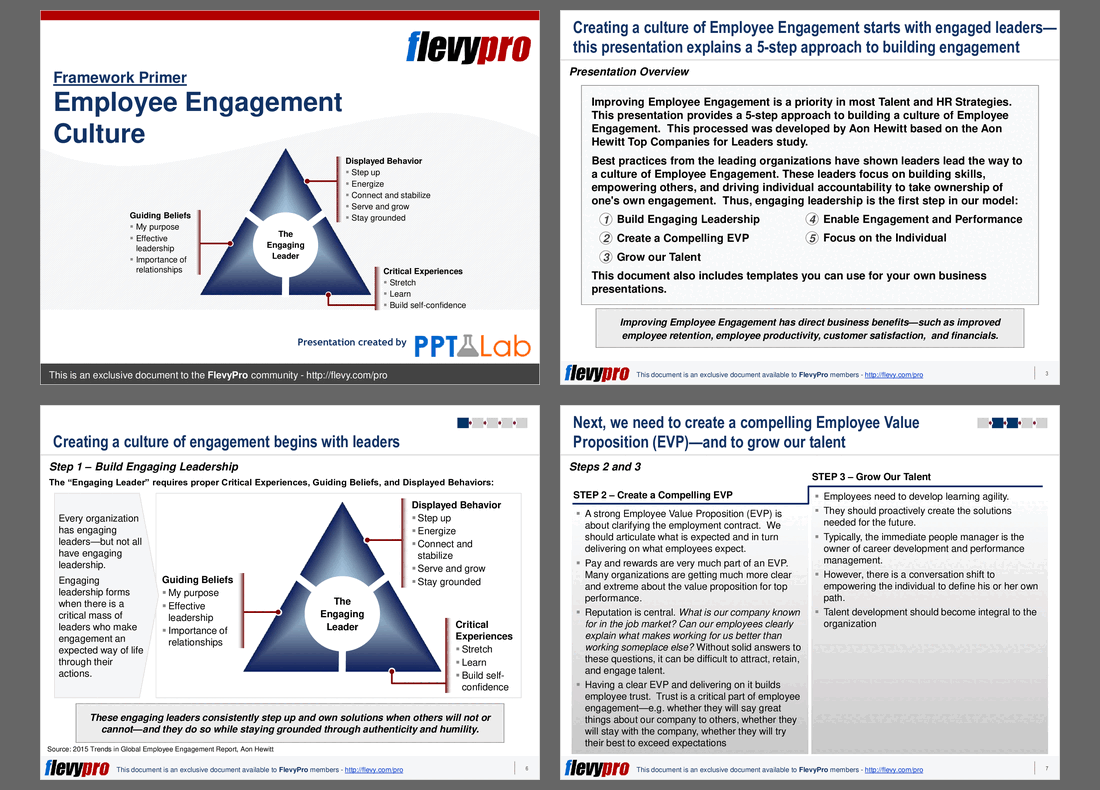
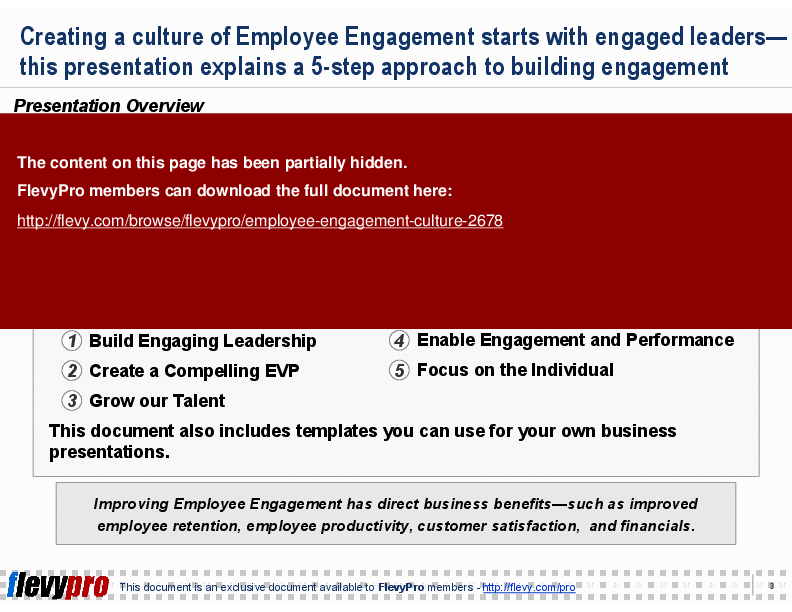
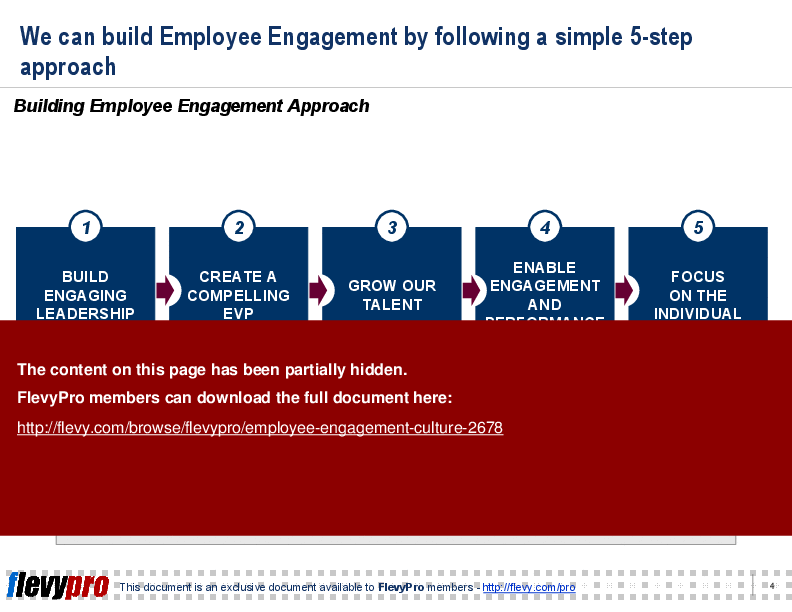
Improving Employee Engagement is a priority in most Talent and HR Strategies. This presentation provides a 5-step approach to building a culture of Employee Engagement. This processed was developed by Aon Hewitt based on the Aon Hewitt Top Companies for Leaders study.
Best practices from the leading organizations have shown leaders lead the way to a culture of Employee Engagement. These leaders focus on building skills, empowering others, and driving individual accountability to take ownership of one's own engagement. Thus, engaging leadership is the first step in our model:
1. Build Engaging Leadership
2. Create a Compelling Employee Value Proposition (EVP)
3. Grow our Talent
4. Enable Engagement and Performance
5. Focus on the Individual
This document also includes templates you can use for your own business presentations.
This presentation delves into the critical role of leadership in fostering an engaging culture. It outlines the essential experiences, beliefs, and behaviors that leaders must embody to drive engagement. The emphasis is on actionable steps leaders can take to energize and stabilize their teams, ensuring a robust engagement framework.
The PPT also highlights the importance of creating a compelling Employee Value Proposition (EVP) and growing talent. It addresses the need for organizations to clearly articulate their unique value to current and prospective employees. This clarity is crucial for attracting, retaining, and engaging top talent in a competitive market.
Additionally, the presentation stresses the necessity of enabling engagement and performance through adequate resources, processes, and programs. It provides insights into the current state of employee enablement and offers strategies to improve it. The focus on individual engagement underscores the importance of personalized approaches in driving overall organizational success.
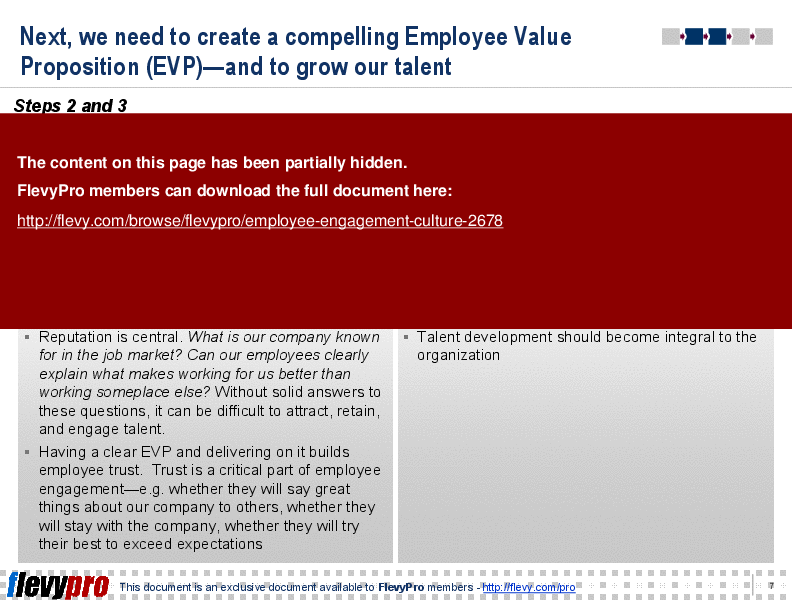
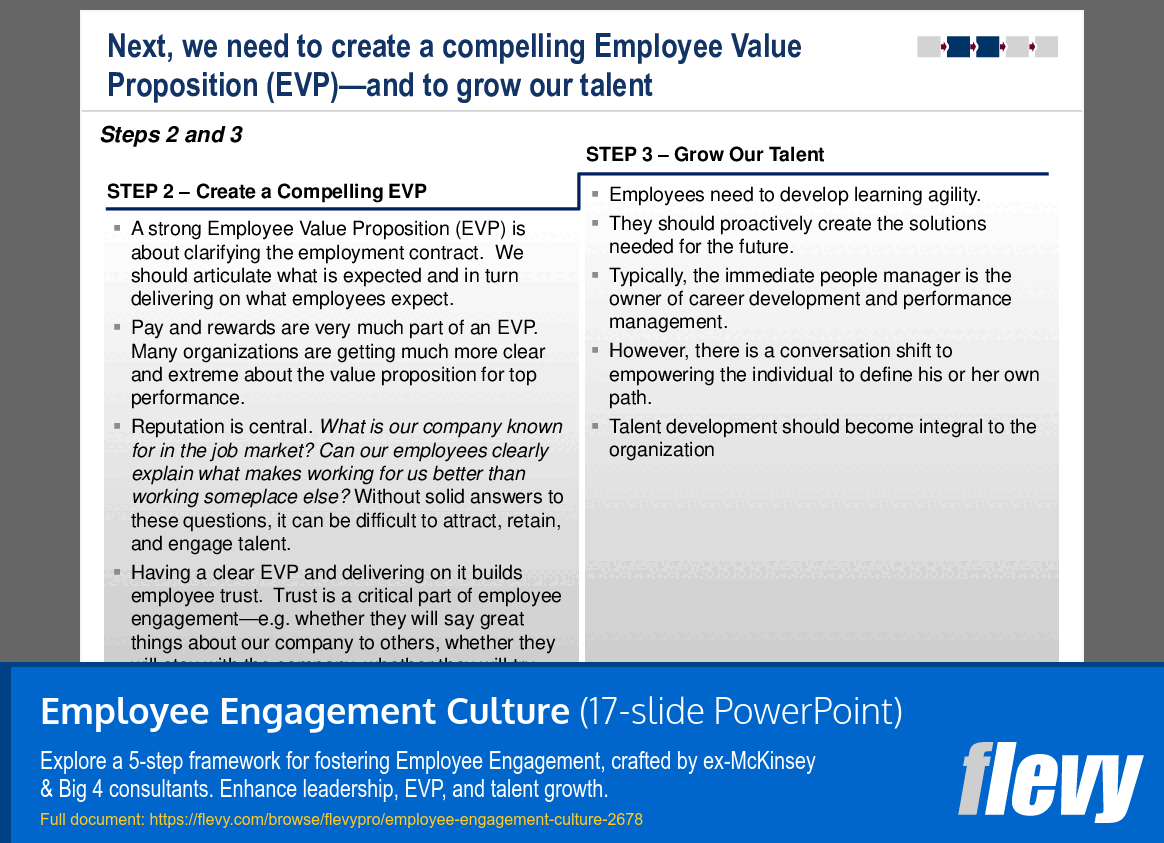
This PPT slide outlines critical steps in developing a compelling Employee Value Proposition (EVP) and enhancing talent growth. A strong EVP clarifies the employment contract, detailing expectations from both employers and employees, with pay and rewards as essential components. Reputation is pivotal; organizations must assess their standing in the job market and whether employees can effectively communicate the benefits of working there compared to competitors. Building a clear EVP fosters employee trust, foundational for engagement and advocacy. The slide emphasizes talent development, advocating for employees to cultivate learning agility and take initiative in shaping their career paths, aligning personal growth with organizational goals. A compelling EVP and robust talent development strategy are vital for attracting, retaining, and engaging top talent.
This PPT slide outlines 3 strategies to enhance employee engagement through individual contributions. First, conducting engagement surveys at the individual level allows organizations to gather specific insights into employee sentiments, identifying unique challenges and opportunities for improvement. Second, providing immediate feedback after surveys fosters a sense of value and recognition among employees, demonstrating commitment to their concerns. Third, hiring individuals with the right personality traits prioritizes cultural fit and alignment with organizational values, cultivating a more engaged workforce from the outset. This reflects a trend towards individual-centric strategies in creating a culture of engagement, recognizing that employee engagement requires a nuanced understanding of individual needs and motivations.
This PPT slide analyzes employee engagement, highlighting that only about 50% of employees feel enabled, which correlates with their engagement levels. The chart shows that 36% of those who feel unenabled are actively disengaged, indicating a risk of "frustrated engagement" where motivated employees may experience burnout due to lack of support. Approximately 33% of unenabled employees still consider themselves engaged, creating a paradox. When provided with the right resources and programs, 78% of employees report feeling engaged, underscoring the necessity for organizations to invest in enabling frameworks. Prioritizing engagement strategies that offer essential tools and support is crucial for improving workforce motivation, performance, and retention.
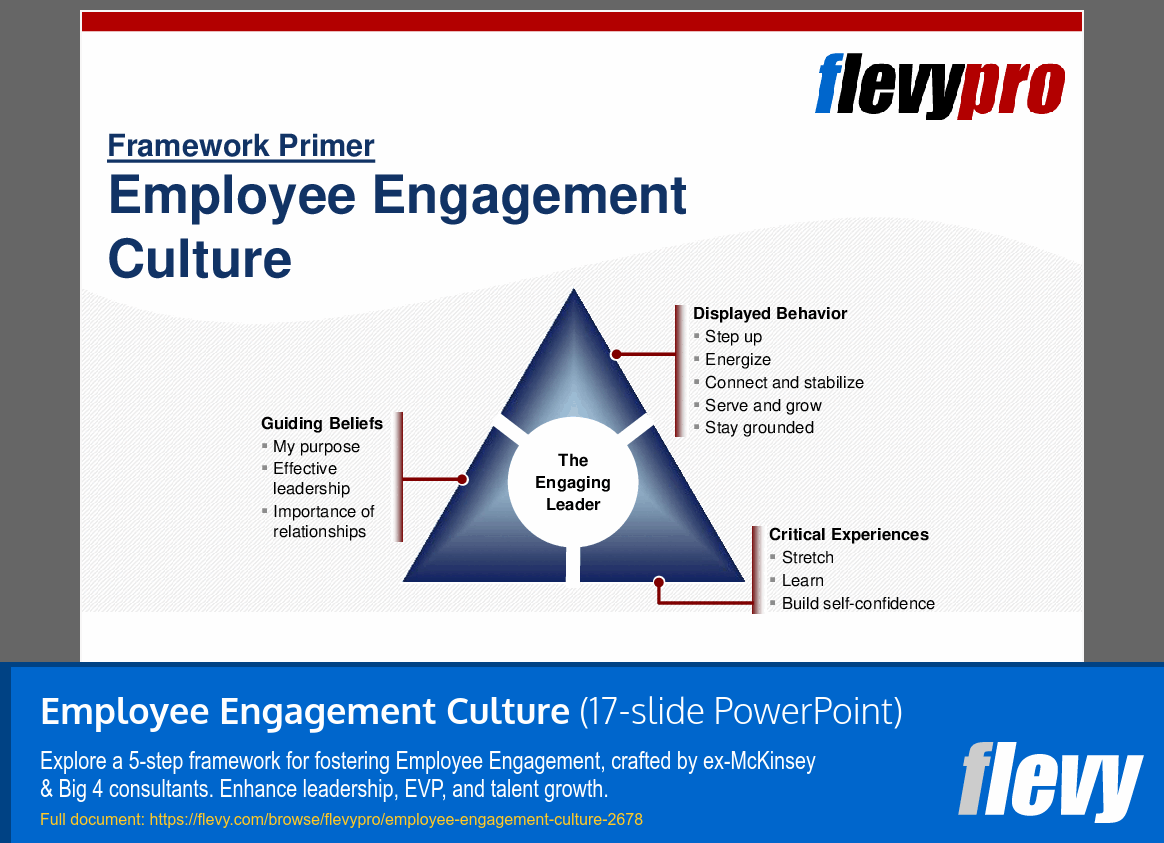
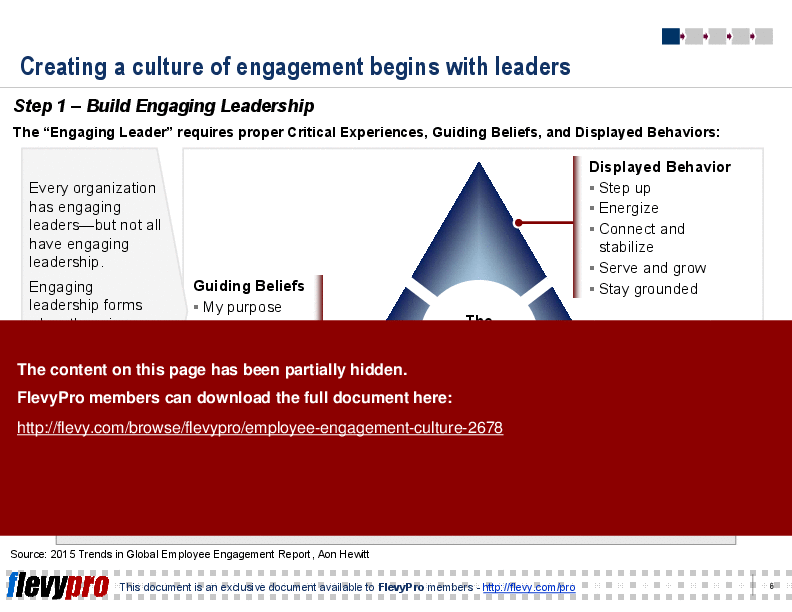
This PPT slide introduces "Engaging Leadership," emphasizing the need for leaders who prioritize engagement. Central to this concept is the "Engaging Leader," represented within a triangle of 3 components: Guiding Beliefs, Displayed Behavior, and Critical Experiences.
Guiding Beliefs encompass a leader's sense of purpose, effective leadership essence, and relationship nurturing, forming the foundation for engagement strategies. Displayed Behavior includes actions such as stepping up to challenges, energizing teams, connecting with individuals, and maintaining a grounded presence, essential for modeling desired engagement. Critical Experiences involve developmental opportunities like capability stretching, continuous learning, and confidence building. Engaging leaders actively seek solutions, demonstrating authenticity and humility, crucial for fostering a culture of engagement within organizations.
Source: Best Practices in Corporate Culture, HR Strategy, Aon Hewitt, Talent Strategy, Employee Engagement PowerPoint Slides: Employee Engagement Culture PowerPoint (PPTX) Presentation Slide Deck, PPT Lab
This framework is developed by a team of former McKinsey and Big 4 consultants. The presentation follows the headline-body-bumper slide format used by global consulting firms.
For $10.00 more, you can download this document plus 2 more FlevyPro documents. That's just $13 each.
ABOUT FLEVYPRO
This document is part of the FlevyPro Library, a curated knowledge base of documents for our FlevyPro subscribers.

FlevyPro is a subscription service for on-demand business frameworks and analysis tools. FlevyPro subscribers receive access to an exclusive library of curated business documents—business framework primers, presentation templates, Lean Six Sigma tools, and more—among other exclusive benefits.
The average daily rate of a McKinsey consultant is $6,625 (not including expenses). The average price of a Flevy document is $65.
Trusted by over 10,000+ Client Organizations
Since 2012, we have provided business templates to over 10,000 businesses and organizations of all sizes, from startups and small businesses to the Fortune 100, in over 130 countries.
Read Customer Testimonials
"FlevyPro provides business frameworks from many of the global giants in management consulting that allow you to provide best in class solutions for your clients."
– David Harris, Managing Director at Futures Strategy
"If you are looking for great resources to save time with your business presentations, Flevy is truly a value-added resource. Flevy has done all the work for you and we will continue to utilize Flevy as a source to extract up-to-date information and data for our virtual and onsite presentations!"
– Debbi Saffo, President at The NiKhar Group
"[Flevy] produces some great work that has been/continues to be of immense help not only to myself, but as I seek to provide professional services to my clients, it gives me a large "tool box" of resources that are critical to provide them with the quality of service and outcomes they are expecting."
– Royston Knowles, Executive with 50+ Years of Board Level Experience
"I like your product. I'm frequently designing PowerPoint presentations for my company and your product has given me so many great ideas on the use of charts, layouts, tools, and frameworks. I really think the templates are a valuable asset to the job."
– Roberto Fuentes Martinez, Senior Executive Director at Technology Transformation Advisory
"As a niche strategic consulting firm, Flevy and FlevyPro frameworks and documents are an on-going reference to help us structure our findings and recommendations to our clients as well as improve their clarity, strength, and visual power. For us, it is an invaluable resource to increase our impact and value."
– David Coloma, Consulting Area Manager at Cynertia Consulting
"One of the great discoveries that I have made for my business is the Flevy library of training materials.
As a Lean Transformation Expert, I am always making presentations to clients on a variety of topics: Training, Transformation, Total Productive Maintenance, Culture, Coaching, Tools, Leadership Behavior, etc. Flevy
It is well worth the money to purchase these presentations. Sure, I have the knowledge and information to make my point. It is another thing to create a presentation that captures what I want to say. Flevy has saved me countless hours of preparation time that is much better spent with implementation that will actually save money for my clients.
"
– Ed Kemmerling, Senior Lean Transformation Expert at PMG
"As a consultant requiring up to date and professional material that will be of value and use to my clients, I find Flevy a very reliable resource.
The variety and quality of material available through Flevy offers a very useful and commanding source for information. Using Flevy saves me time, enhances my expertise and ends up being a good decision."
– Dennis Gershowitz, Principal at DG Associates
"My FlevyPro subscription provides me with the most popular frameworks and decks in demand in today’s market. They not only augment my existing consulting and coaching offerings and delivery, but also keep me abreast of the latest trends, inspire new products and service offerings for my practice, and educate me
Download our free compilation of 50+ slides and templates on Organizational Design, Change Management, and Corporate Culture. Methodologies include ADKAR, Burke-Litwin Change Model, McKinsey 7-S, Competing Values Framework, etc.