
This framework is developed by a team of former McKinsey and Big 4 consultants. The presentation follows the headline-body-bumper slide format used by global consulting firms.
Explore the Design Structure Matrix (DSM) framework, crafted by ex-McKinsey and Big 4 consultants, to optimize interdependencies in complex systems. Design Structure Matrix (DSM) is a 31-slide PPT PowerPoint presentation slide deck (PPTX) available for immediate download upon purchase.
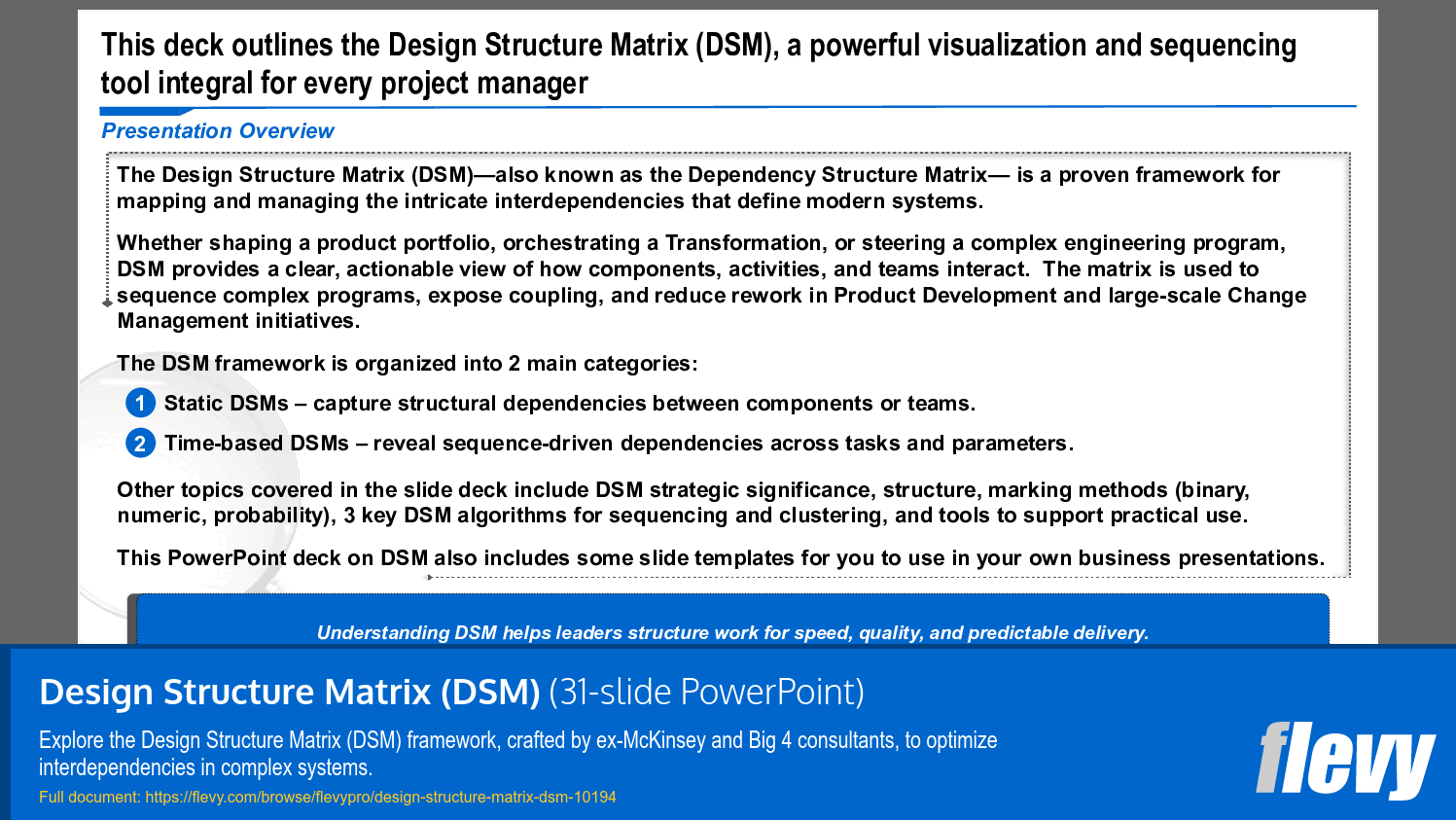
The Design Structure Matrix (DSM)—also known as the Dependency Structure Matrix— is a proven framework for mapping and managing the intricate interdependencies that define modern systems.
Whether shaping a product portfolio, orchestrating a Transformation, or steering a complex engineering program, DSM provides a clear, actionable view of how components, activities, and teams interact. The matrix is used to sequence complex programs, expose coupling, and reduce rework in Product Development and large-scale Change Management initiatives.
DSM supports System Analysis, Planning, and Organization Design by showing where interfaces and handoffs must be managed. Applied to processes with a time dimension, it enables the design of more efficient, lower-risk execution paths and better resource allocation.
The DSM framework is organized into 2 main categories:
1. Static DSMs – capture structural dependencies between components or teams.
2. Time-based DSMs – reveal sequence-driven dependencies across tasks and parameters.
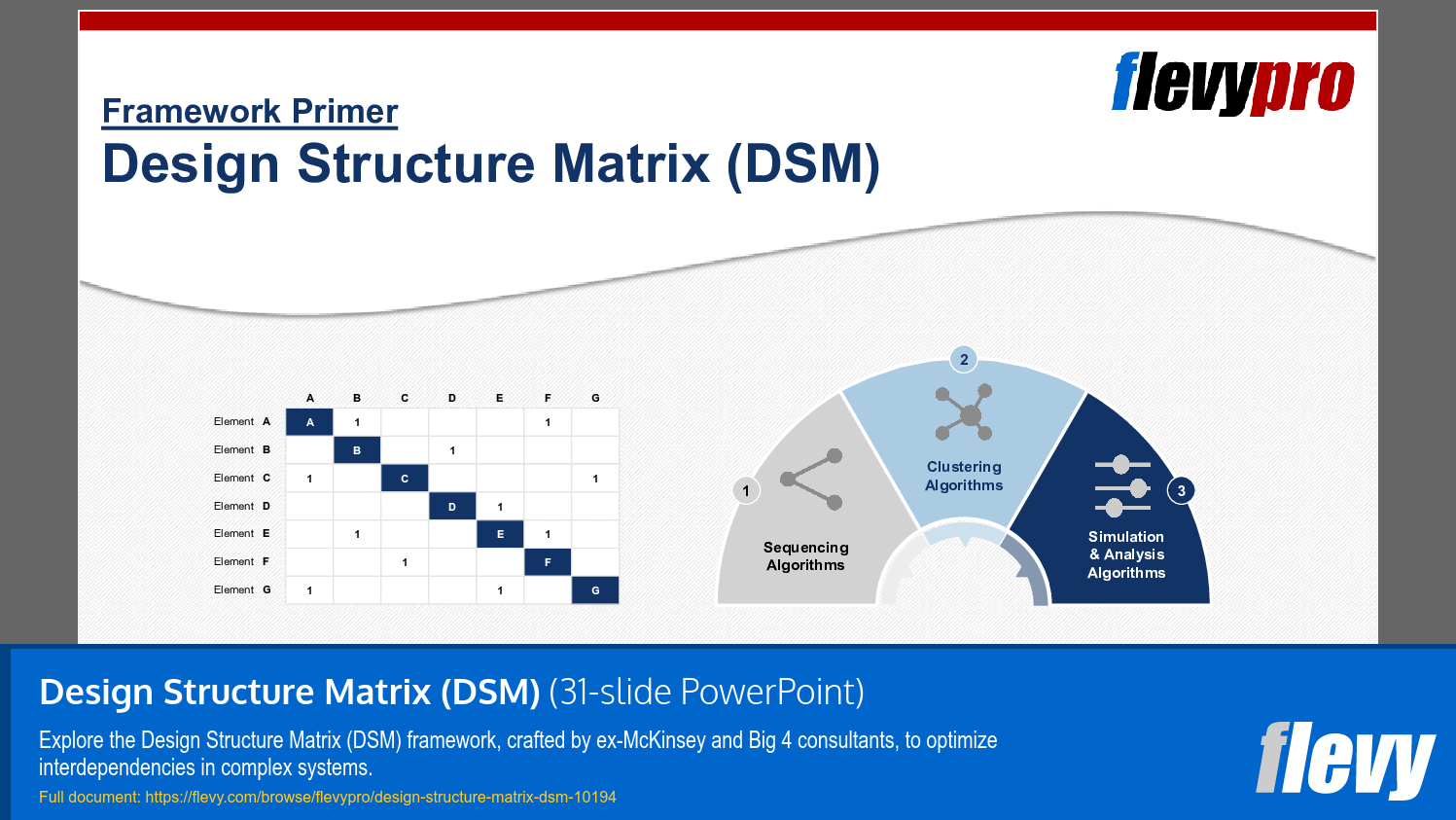
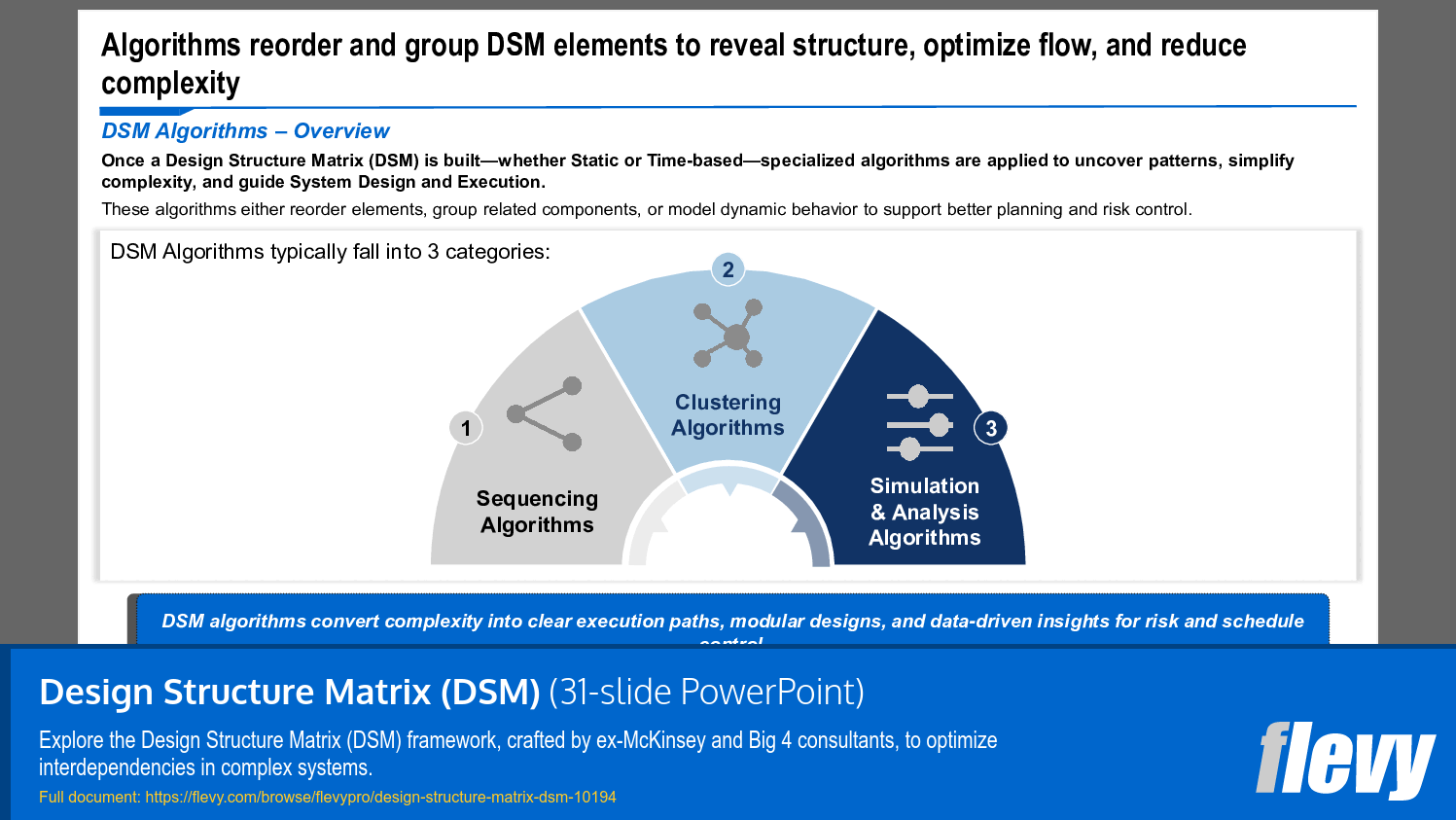
This provides an introduction to DSM and breaks down the 3 categories of DSM algorithms:
DSM algorithms convert complexity into clear execution paths, modular designs, and data-driven insights for risk and schedule control.
Other topics covered in the presentation include DSM strategic significance, structure, marking methods (binary, numeric, probability), and tools to support practical use.
This PowerPoint deck on DSM also includes some slide templates for you to use in your own business presentations.
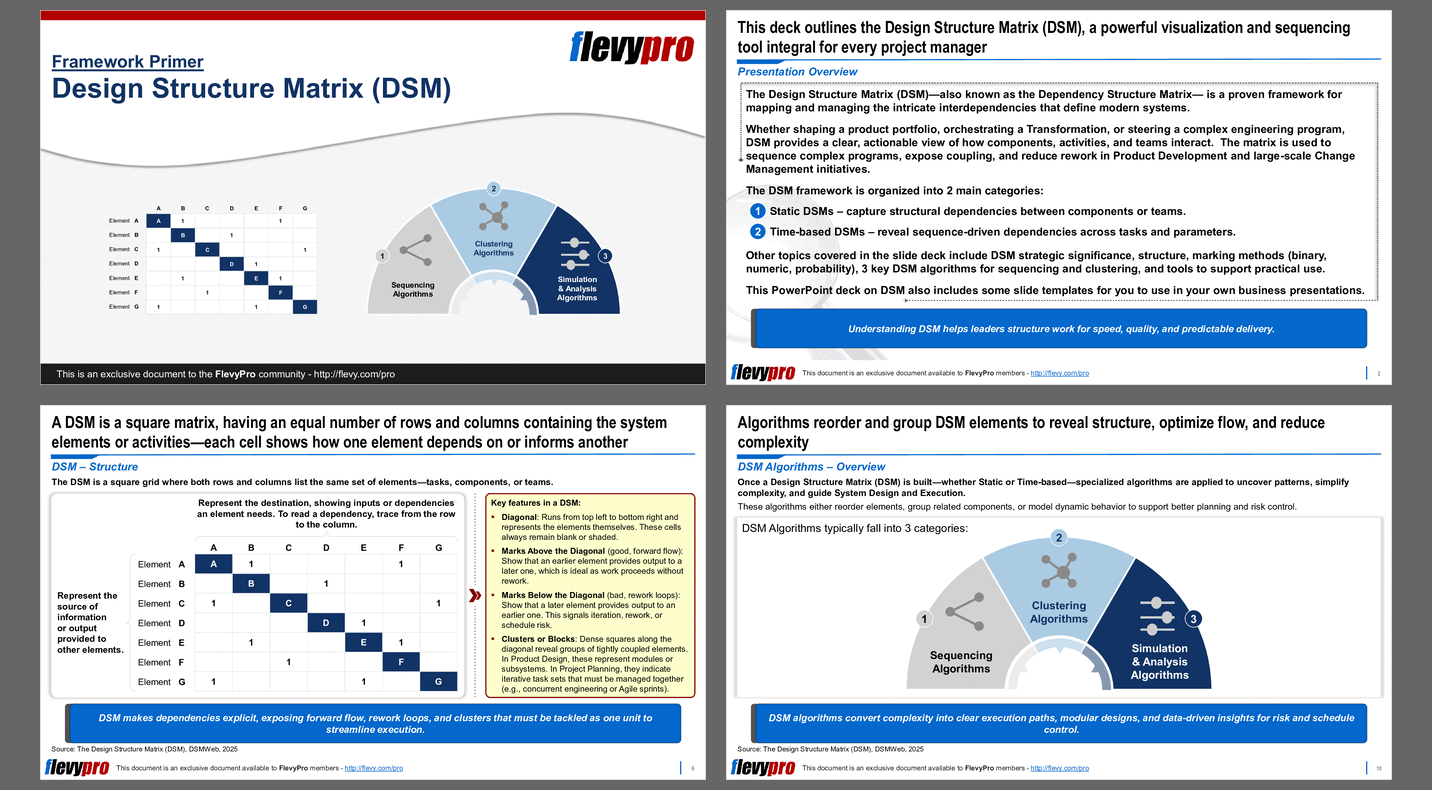
This PPT slide provides an overview of algorithms within a Design Structure Matrix (DSM) framework, highlighting their role in revealing system structure, optimizing flow, and reducing complexity. DSM algorithms are categorized into 3 groups: sequencing algorithms, which organize elements to optimize process flow; clustering algorithms, which group related components to identify modules; and simulation and analysis algorithms, which model dynamic behaviors for scenario testing and risk assessment. These algorithms convert complex systems into clearer structures, enabling decision-makers to identify patterns, streamline workflows, and anticipate issues. Choosing the right algorithm is essential for effectively addressing challenges in system design and management.
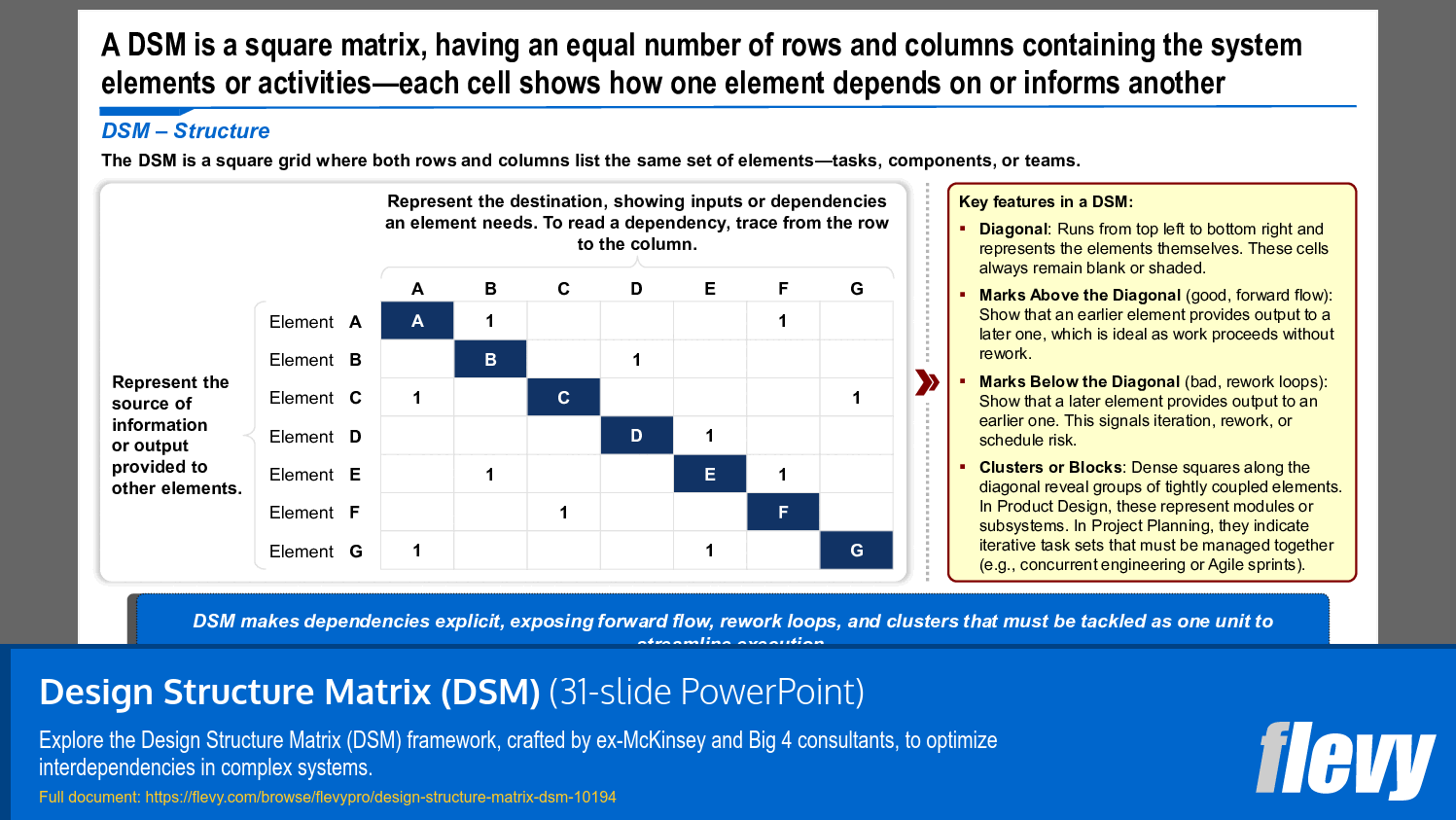
This PPT slide explains the Design Structure Matrix (DSM), a square grid where rows and columns are equal, representing dependencies between system elements. The diagonal indicates each element, while markings above and below show forward flow of dependencies and rework loops for feedback. Clusters or blocks group tightly coupled elements, aiding in project planning and product design by identifying modules or subsystems. DSMs make dependencies explicit, revealing sequences of activities, rework loops, and clusters, which enhances management of complex projects. The matrix helps executives and project managers identify bottlenecks, optimize workflows, and understand interdependencies in engineering, product development, and project execution contexts.
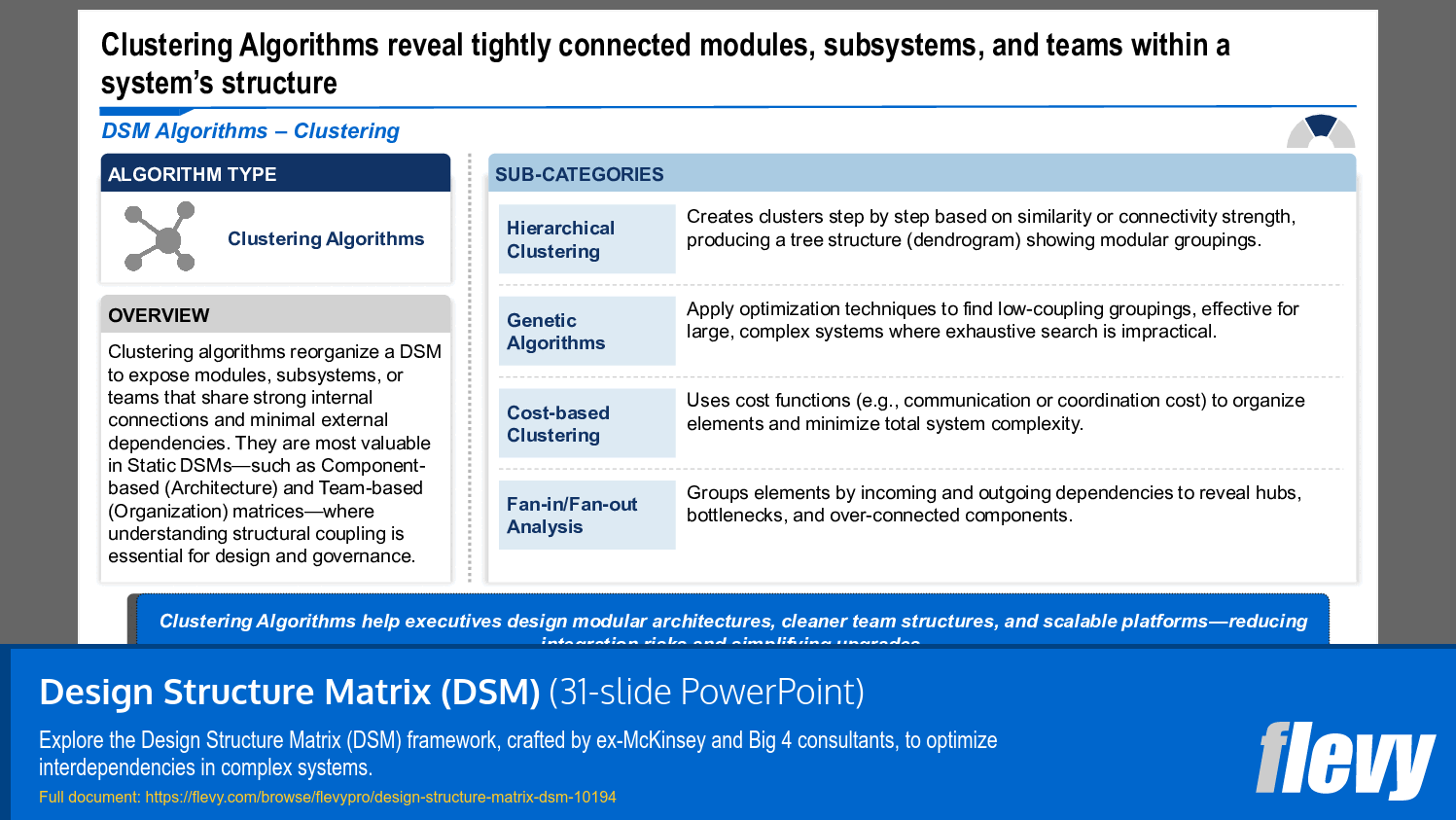
This PPT slide explains clustering algorithms that identify tightly connected modules, subsystems, and teams within system structures. Key algorithms include hierarchical clustering, which builds a tree structure based on similarity; genetic algorithms that optimize low-coupling groupings; cost-based clustering that organizes elements by communication or coordination costs; and fan-in/fan-out analysis that groups elements based on dependencies. These techniques reveal internal connections and dependencies, supporting better design decisions in static architectures like component-based or team-based matrices. This approach is part of a broader framework for designing scalable, modular architectures, referencing the Design Structure Matrix (DSM) as a key tool.
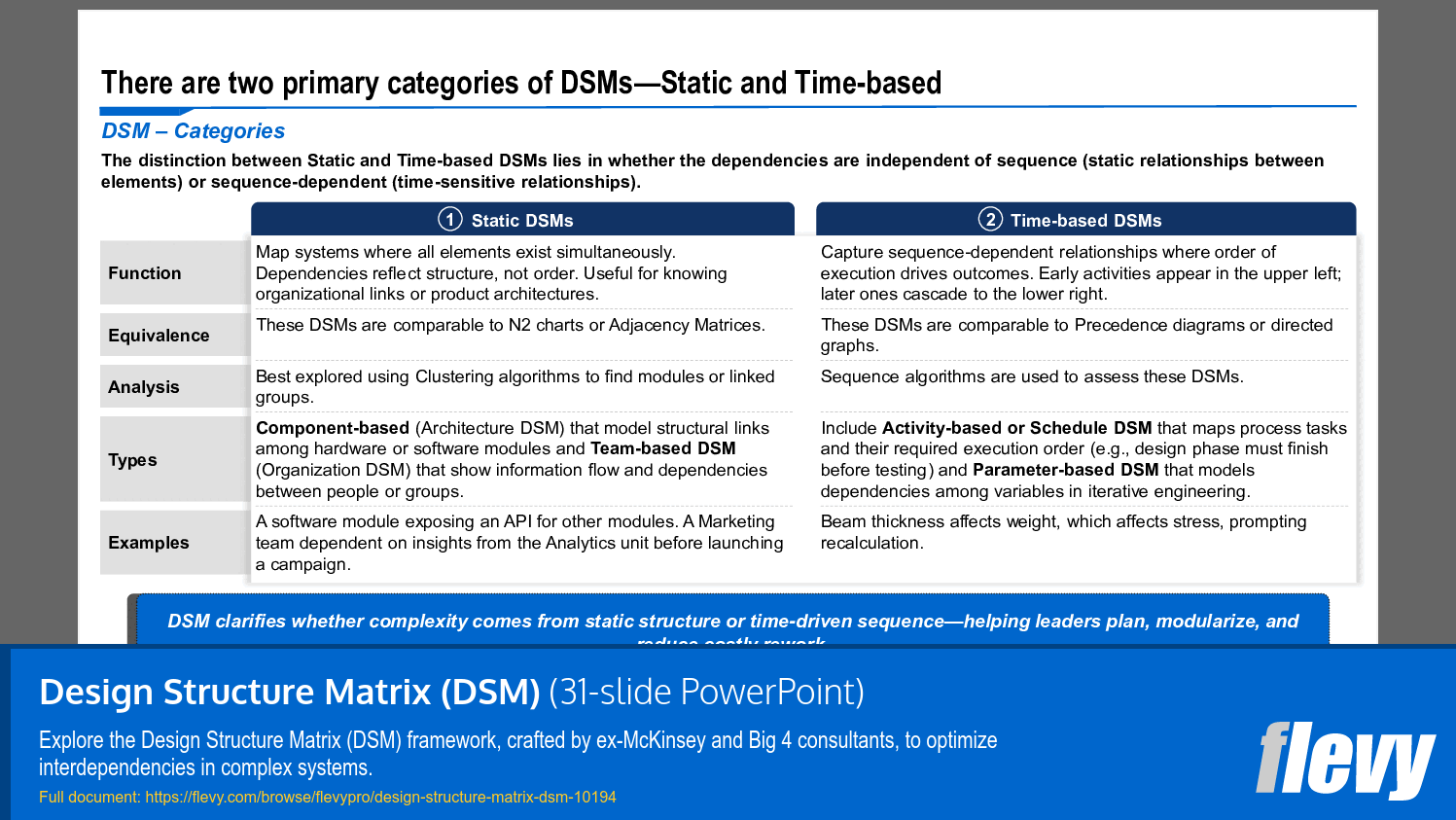
This PPT slide explains the 2 main categories of Design Structure Matrices (DSMs): static and time-based. Static DSMs map systems with simultaneous elements, reflecting structural relationships like dependencies, similar to adjacency matrices or N2 charts. They help understand system architecture without process flow. Time-based DSMs focus on sequence-dependent relationships, capturing how activities cascade over time, with early actions influencing later ones. They are comparable to precedence diagrams or directed graphs and include activity-based models that map task execution order and parameter-based models showing dependencies among variables in iterative processes. The choice between static and time-based DSMs hinges on whether the focus is on structural relationships or process flow, clarifying how to analyze system dependencies effectively for decision-making and system design.
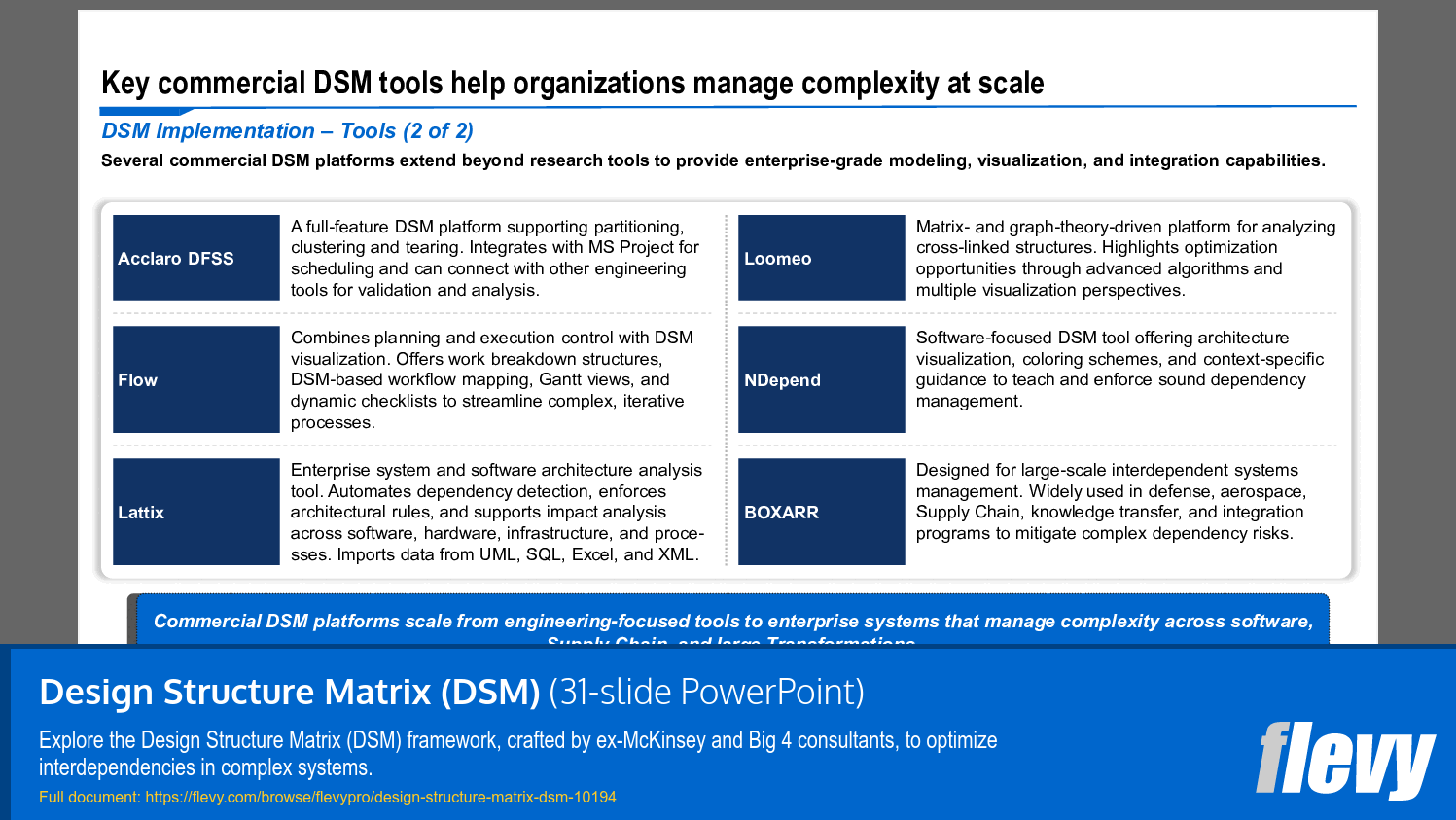
This PPT slide showcases key commercial Design Structure Matrix (DSM) tools for managing complexity at scale, categorized by platform with core features and use cases. Acclaro DFSS supports partitioning, clustering, and tearing, integrating with MS Project and engineering tools. Flow provides planning and execution control with DSM-based workflows, Gantt views, and dynamic checklists. Lattix automates dependency detection and impact analysis for system and software architecture. Loomeo emphasizes optimization through matrix- and graph-theory-driven analysis, while NDepend visualizes architecture and guides dependency management. BOXARR is tailored for large-scale interdependent systems, supporting knowledge transfer and risk mitigation in sectors like defense and aerospace. These DSM tools are integral for scaling complexity management and enhancing decision-making in interconnected environments.
Source: Best Practices in Organizational Design, Process Improvement, Systems Thinking, Organizational Complexity PowerPoint Slides: Design Structure Matrix (DSM) PowerPoint (PPTX) Presentation Slide Deck, LearnPPT Consulting
This framework is developed by a team of former McKinsey and Big 4 consultants. The presentation follows the headline-body-bumper slide format used by global consulting firms.
For $10.00 more, you can download this document plus 2 more FlevyPro documents. That's just $13 each.
ABOUT FLEVYPRO
This document is part of the FlevyPro Library, a curated knowledge base of documents for our FlevyPro subscribers.
FlevyPro is a subscription service for on-demand business frameworks and analysis tools. FlevyPro subscribers receive access to an exclusive library of curated business documents—business framework primers, presentation templates, Lean Six Sigma tools, and more—among other exclusive benefits.
The average daily rate of a McKinsey consultant is $6,625 (not including expenses). The average price of a Flevy document is $65.
Trusted by over 10,000+ Client Organizations
Since 2012, we have provided business templates to over 10,000 businesses and organizations of all sizes, from startups and small businesses to the Fortune 100, in over 130 countries.
"As an Independent Management Consultant, I find Flevy to add great value as a source of best practices, templates and information on new trends. Flevy has matured and the quality and quantity of the library is excellent. Lastly the price charged is reasonable, creating a win-win value for
the customer, Flevy and the various authors. This is truly a service that benefits the consulting industry and associated clients. Thanks for providing this service.
"
– Jim Schoen, Principal at FRC Group
"I have used Flevy services for a number of years and have never, ever been disappointed. As a matter of fact, David and his team continue, time after time, to impress me with their willingness to assist and in the real sense of the word. I have concluded in fact
that it is not at all just a repository of documents/resources but, in the way that David and his team manage the firm, it is like dealing with consultants always ready to assist, advise and direct you to what you really need, and they always get it right.
I am an international hospitality accomplished senior executive who has worked and lived during the past 35 years in 23 countries in 5 continents and I can humbly say that I know what customer service is, trust me.
Aside from the great and professional service that Flevy's team provide, their wide variety of material is of utmost great quality, professionally put together and most current.
Well done Flevy, keep up the great work and I look forward to continue working with you in the future and to recommend you to a variety of colleagues around the world.
"
– Roberto Pelliccia, Senior Executive in International Hospitality
"I am extremely grateful for the proactiveness and eagerness to help and I would gladly recommend the Flevy team if you are looking for data and toolkits to help you work through business solutions."
– Trevor Booth, Partner, Fast Forward Consulting
"If you are looking for great resources to save time with your business presentations, Flevy is truly a value-added resource. Flevy has done all the work for you and we will continue to utilize Flevy as a source to extract up-to-date information and data for our virtual and onsite presentations!"
– Debbi Saffo, President at The NiKhar Group
"As a niche strategic consulting firm, Flevy and FlevyPro frameworks and documents are an on-going reference to help us structure our findings and recommendations to our clients as well as improve their clarity, strength, and visual power. For us, it is an invaluable resource to increase our impact and value."
– David Coloma, Consulting Area Manager at Cynertia Consulting
"Flevy is now a part of my business routine. I visit Flevy at least 3 times each month.
Flevy has become my preferred learning source, because what it provides is practical, current, and useful in this era where the business world is being rewritten.

many challenges and there is the need to make the right decisions in a short time, with so much scattered information, we are fortunate to have Flevy. Flevy investigates, selects, and puts at our disposal the best of the best to help us be successful in our work.
"
– Omar HernĂ¡n Montes Parra, CEO at Quantum SFE
"As a consulting firm, we had been creating subject matter training materials for our people and found the excellent materials on Flevy, which saved us 100's of hours of re-creating what already exists on the Flevy materials we purchased."
– Michael Evans, Managing Director at Newport LLC
"[Flevy] produces some great work that has been/continues to be of immense help not only to myself, but as I seek to provide professional services to my clients, it gives me a large "tool box" of resources that are critical to provide them with the quality of service and outcomes they are expecting."
– Royston Knowles, Executive with 50+ Years of Board Level Experience
Download our free compilation of 50+ slides and templates on Organizational Design, Change Management, and Corporate Culture. Methodologies include ADKAR, Burke-Litwin Change Model, McKinsey 7-S, Competing Values Framework, etc.