
This framework is developed by a team of former McKinsey and Big 4 consultants. The presentation follows the headline-body-bumper slide format used by global consulting firms.
Explore the 4 Zones of Organizational Energy, crafted by ex-McKinsey and Big 4 consultants. Enhance performance by aligning emotions with strategy. 4 Zones of Organizational Energy is a 35-slide PPT PowerPoint presentation slide deck (PPTX) available for immediate download upon purchase.
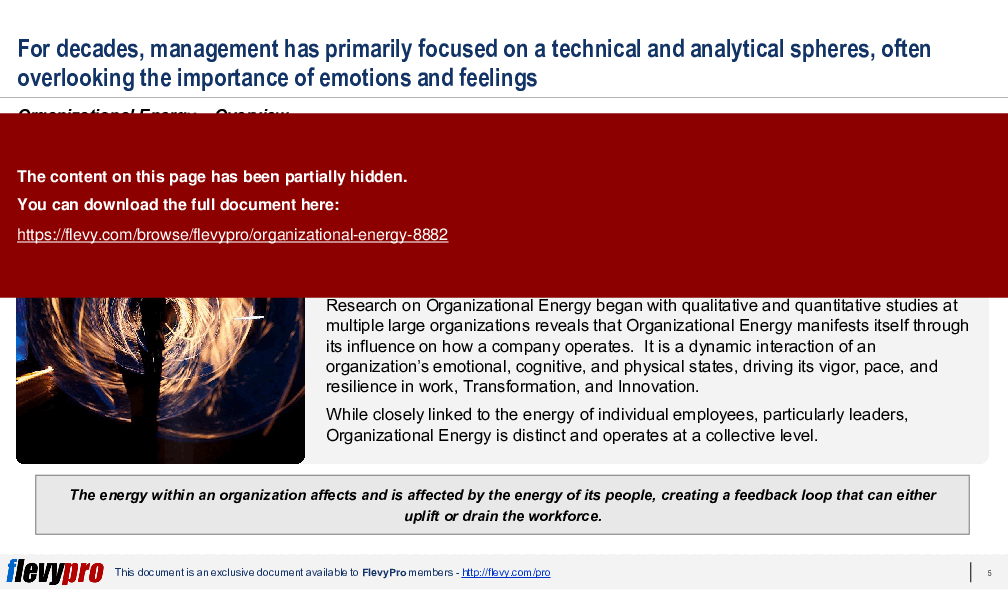
Technical and analytical competence has long been a focus of management. However, this oversight is now shifting, with scholars and executives increasingly acknowledging the significant impact of feelings and emotions on corporate behavior. Connecting emotions to performance goals and objectives still remains a challenge.
Leaders must go beyond simply creating a happy workforce, assuming that happiness will naturally lead to desired actions. Instead, they must ensure that the organization's Mission and Business Strategy resonate emotionally, engage employees intellectually, and instill a sense of urgency for action. This approach unleashes "Organizational Energy" and directs it towards achieving strategic goals.
Research on Organizational Energy began with qualitative and quantitative studies at multiple large organizations reveals that Organizational Energy manifests itself through its influence on how a company operates. It is a dynamic interaction of an organization's emotional, cognitive, and physical states, driving its vigor, pace, and resilience in work, Transformation, and Innovation.
While closely linked to the energy of individual employees, particularly leaders, Organizational Energy is distinct and operates at a collective level. Organizational Energy galvanizes the workforce and drives the organization towards sustained growth.
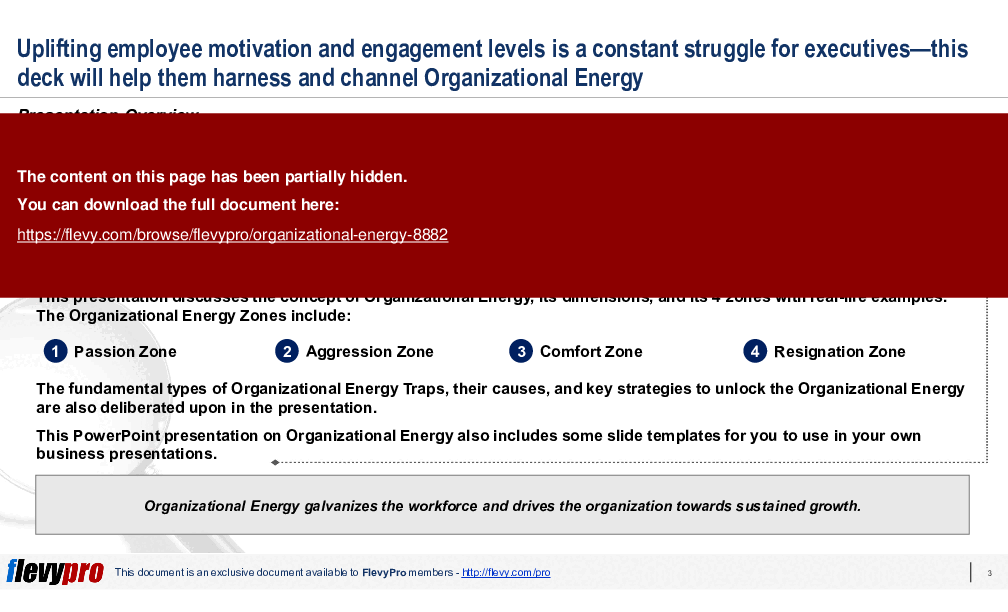
This PowerPoint presentation discusses the concept of Organizational Energy, its dimensions, and its 4 zones with real-life examples. The Organizational Energy Zones include:
1. Passion Zone – Characterized by high negative energy and intense activity, driven by fear or frustration, potentially leading to burnout.
2. Aggression Zone – Marked by high positive energy, enthusiasm and high activity, driving innovation and progress.
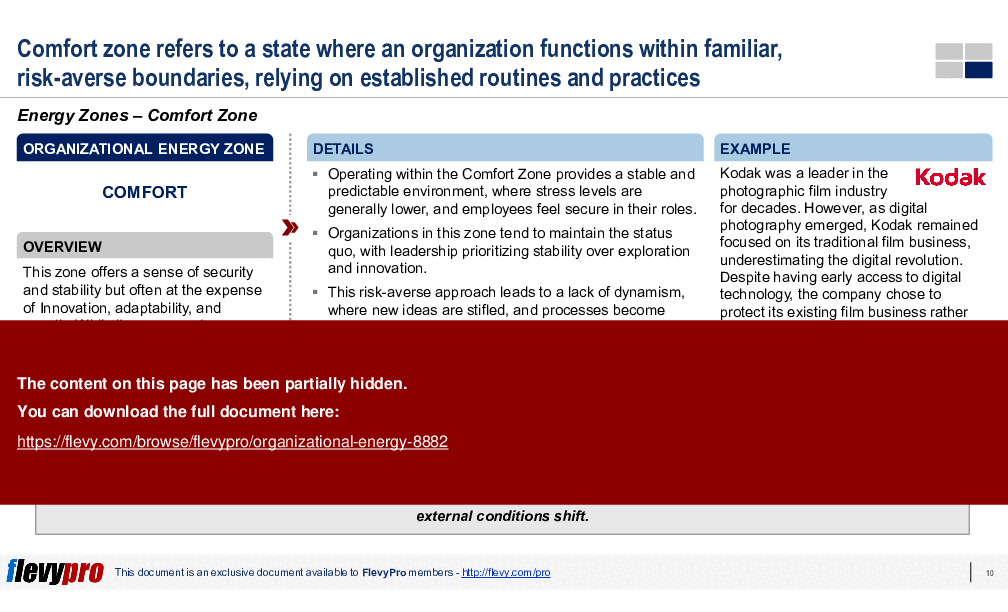
3. Comfort Zone – Marked by low positive energy, reflecting a calm and steady state, with satisfaction but lower intensity.
4. Resignation Zone – Characterized by low negative energy, indicating apathy and low activity, leading to stagnation.
The 3 fundamental types of Organizational Energy Traps, their causes, and key strategies to unlock the Organizational Energy are also deliberated upon in the presentation.
This PPT on Organizational Energy also includes some slide templates for you to use in your own business presentations.
This PPT slide presents 2 strategies for mobilizing organizational energy: "Slaying the Dragon" and "Winning the Princess." "Slaying the Dragon" focuses on rallying employees around immediate threats, fostering urgency and decisive action. In contrast, "Winning the Princess" aims to inspire employees by creating a compelling future vision, leveraging positive emotions like hope and ambition to drive engagement. A common pitfall is the struggle to integrate both strategies, as failing to balance urgency with inspiration can lead to stagnation and disengagement. Leaders must thoughtfully implement these strategies to sustain organizational energy and performance.
The "Passion Zone" describes a state where employees exhibit high engagement and commitment, driven by a sense of purpose and enthusiasm. This intrinsic motivation aligns personal values with organizational goals, leading to creativity, productivity, and job satisfaction. A culture fostering trust, recognition, and empowerment enhances employee engagement, with clear communication and professional growth opportunities being essential. When employees can innovate and take ownership, their passion significantly increases. Organizations nurturing this environment experience lower turnover rates and greater loyalty, enhancing their reputation as attractive workplaces. Google exemplifies this with its employee-centric policies, allowing time for passion projects, resulting in a highly engaged workforce and successful product developments. Nurturing a passionate workforce is vital for organizational success.
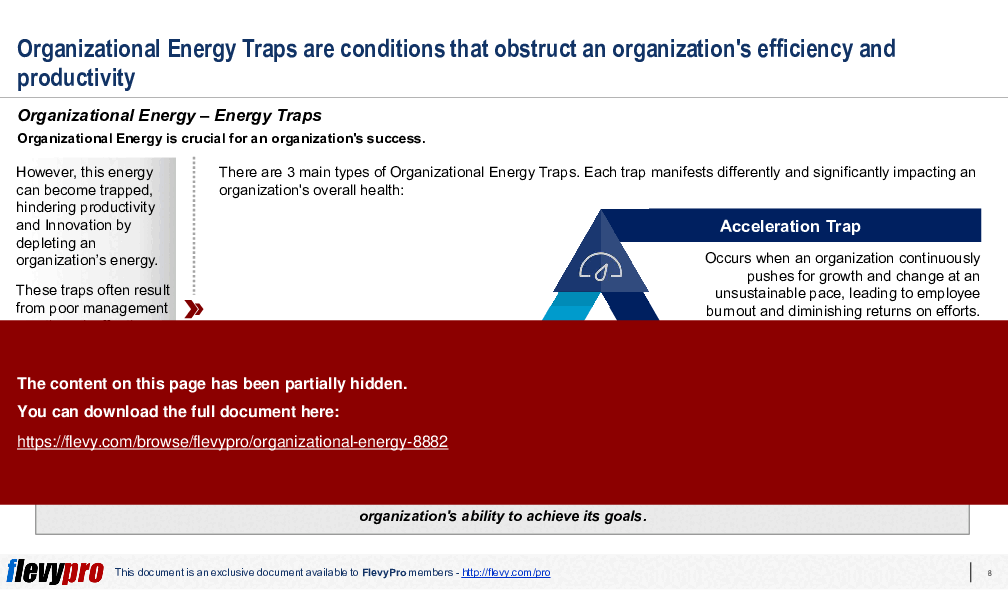
The "Acceleration Trap" occurs when organizations aggressively pursue rapid growth without allowing for necessary rest and recovery, leading to chronic stress, burnout, low morale, and diminished creativity. Key causes include unrealistic performance expectations from leadership and aggressive growth targets that glorify overwork, creating a toxic work environment. A lack of effective workload management further exacerbates employee stress and hampers well-being. For example, Tesla's rapid expansion resulted in long hours and high stress, affecting employee well-being and leading to quality control issues and production delays. Balancing growth ambitions with sustainable work practices is essential to mitigate the risks of the Acceleration Trap, ensuring employees can perform optimally without sacrificing health and productivity.
Organizational Energy Traps hinder efficiency and productivity, with 3 primary types identified: Inertia Trap, Acceleration Trap, and Corrosion Trap. The Inertia Trap occurs when complacency leads to outdated routines and stifled innovation. The Acceleration Trap results from an unsustainable pace of growth, causing employee burnout and diminishing returns. The Corrosion Trap arises from a breakdown in trust and collaboration, creating a toxic work environment that hampers performance. These energy traps manifest as chronic issues that sap workforce vitality and impede progress. Addressing these traps is essential for enhancing organizational performance and fostering a healthier work environment that promotes innovation and productivity.
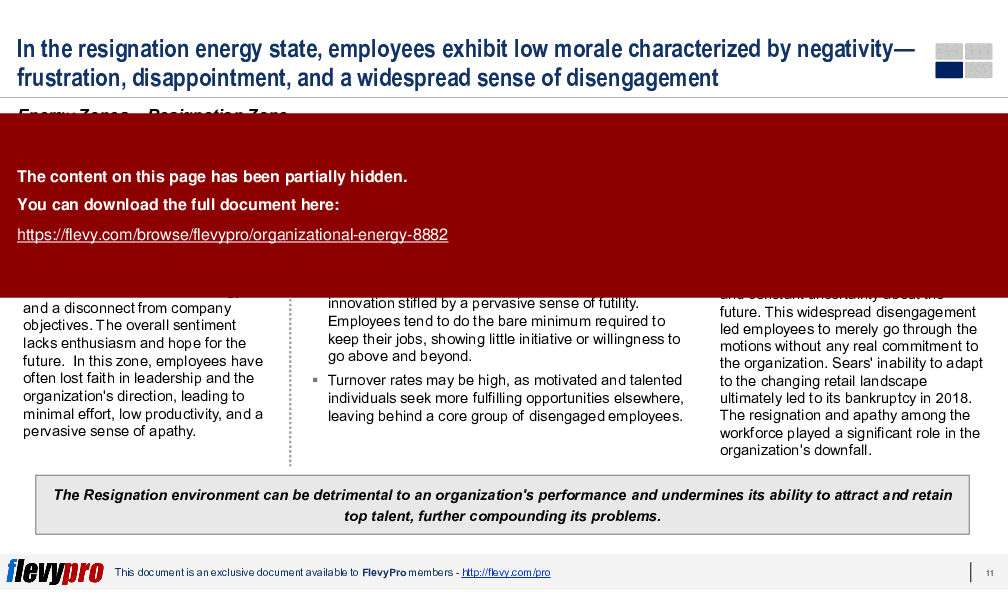
The "Resignation Zone" is characterized by low employee morale, emotional detachment, and feelings of frustration, leading to disengagement from organizational goals. Key factors contributing to this state include ineffective leadership, unfulfilled promises, poor communication, and lack of recognition or growth opportunities. Employees often exhibit lethargy and minimal initiative, doing only what is necessary to retain their positions. High turnover rates are critical, as talented employees seek more fulfilling roles, leaving behind disengaged workers. The example of Sears illustrates how mismanagement can lead to declining employee morale and bankruptcy. Addressing the resignation energy state is essential for retaining talent and fostering a more engaged workforce. Understanding these dynamics is vital for implementing effective improvement strategies.
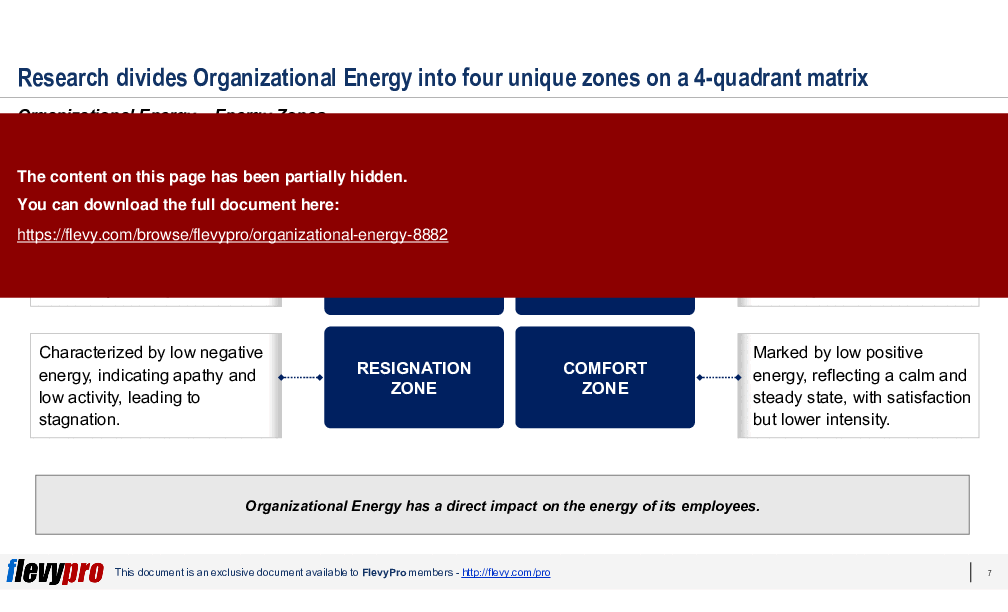
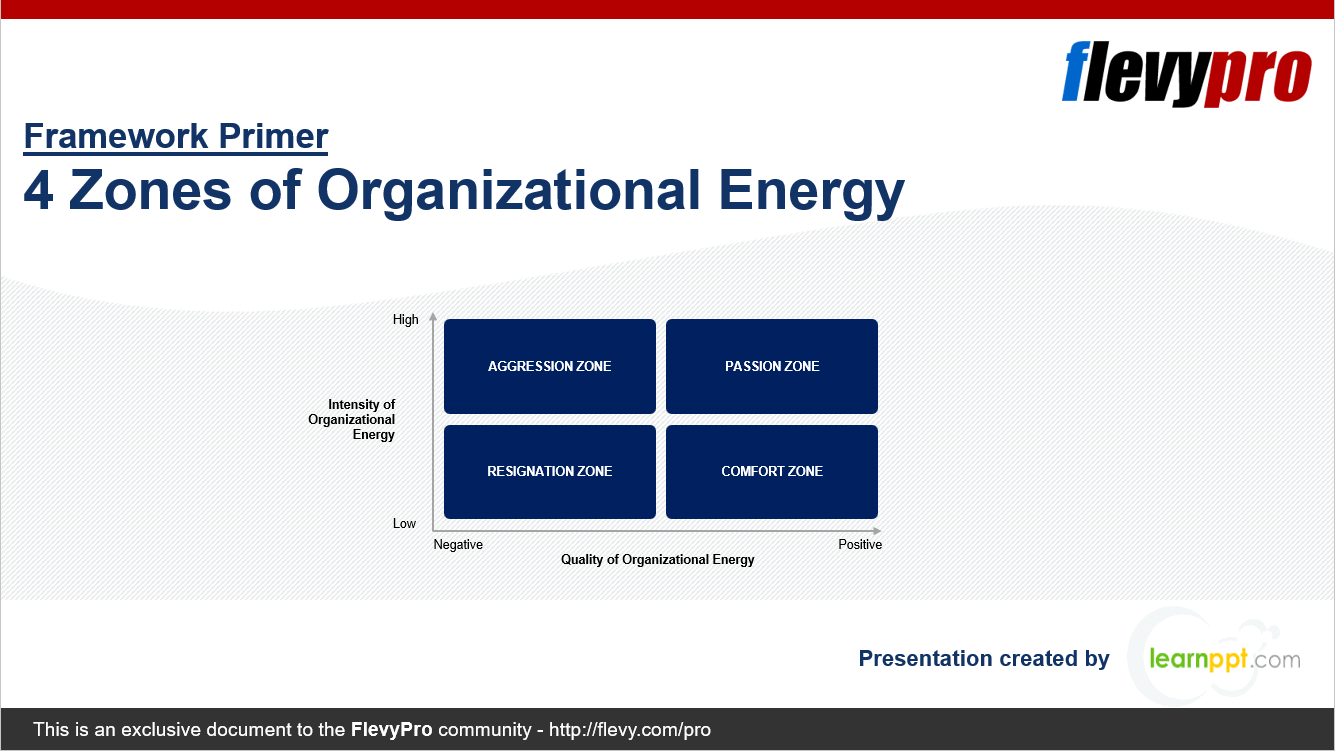
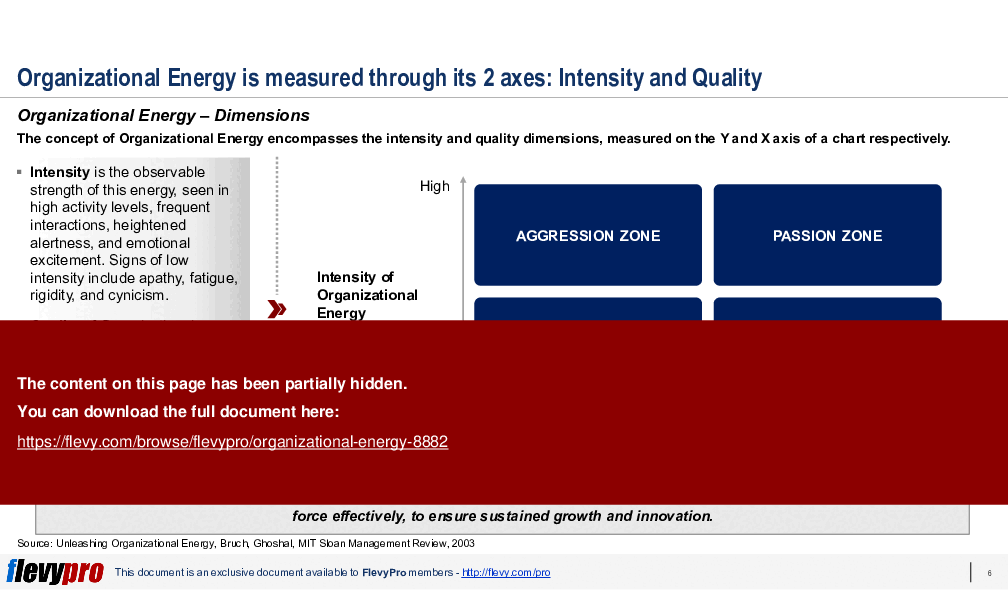
The framework categorizes Organizational Energy into 4 zones based on intensity and quality: the "Aggression Zone," "Passion Zone," "Resignation Zone," and "Comfort Zone."
The "Aggression Zone" features high negative energy and intense activity, often leading to burnout and high turnover. The "Passion Zone" is characterized by high positive energy and enthusiasm, fostering innovation and employee engagement.
The "Resignation Zone" indicates low negative energy and minimal activity, reflecting employee apathy and stagnation, signaling a need for leadership intervention.
The "Comfort Zone" shows low positive energy, suggesting complacency despite employee satisfaction.
This framework helps leaders diagnose organizational energy and implement strategies to enhance performance and align employee energy with goals.
This PPT slide outlines the "Winning the Princess" approach within Organizational Energy strategies. It emphasizes creating a compelling vision that motivates employees to achieve ambitious goals. This method involves defining a noble vision that energizes the workforce and transforms organizational culture by fostering collaboration and aligning innovative initiatives. The concept of the "Passion Zone" is introduced as essential for sustained success and growth. The case study of Satya Nadella's leadership at Microsoft illustrates this approach; his clear vision revitalized Microsoft's culture, promoted a growth mindset, and aligned strategic initiatives like cloud computing and AI development with the new vision. A compelling vision serves as a practical tool for driving organizational change and achieving strategic goals.
This PPT slide presents a framework for understanding Organizational Energy through 2 dimensions: Intensity and Quality. Intensity measures the observable strength of energy, ranging from low (apathy, fatigue) to high (activity, engagement), plotted on the vertical axis. Quality assesses the emotional tone, from negative (fear, frustration) to positive (enthusiasm, satisfaction), on the horizontal axis. The intersection creates 4 zones: Aggression Zone (high intensity, negative quality), Passion Zone (high intensity, positive quality), Resignation Zone (low intensity, negative quality), and Comfort Zone (low intensity, positive quality). Each zone influences organizational behavior and performance, guiding leaders in mobilizing energy and enhancing engagement and innovation.
Source: Best Practices in Organizational Energy PowerPoint Slides: 4 Zones of Organizational Energy PowerPoint (PPTX) Presentation Slide Deck, LearnPPT Consulting
This framework is developed by a team of former McKinsey and Big 4 consultants. The presentation follows the headline-body-bumper slide format used by global consulting firms.
For $10.00 more, you can download this document plus 2 more FlevyPro documents. That's just $13 each.
ABOUT FLEVYPRO
This document is part of the FlevyPro Library, a curated knowledge base of documents for our FlevyPro subscribers.

FlevyPro is a subscription service for on-demand business frameworks and analysis tools. FlevyPro subscribers receive access to an exclusive library of curated business documents—business framework primers, presentation templates, Lean Six Sigma tools, and more—among other exclusive benefits.
The average daily rate of a McKinsey consultant is $6,625 (not including expenses). The average price of a Flevy document is $65.
Trusted by over 10,000+ Client Organizations
Since 2012, we have provided business templates to over 10,000 businesses and organizations of all sizes, from startups and small businesses to the Fortune 100, in over 130 countries.
"The wide selection of frameworks is very useful to me as an independent consultant. In fact, it rivals what I had at my disposal at Big 4 Consulting firms in terms of efficacy and organization."
– Julia T., Consulting Firm Owner (Former Manager at Deloitte and Capgemini)
"Flevy.com has proven to be an invaluable resource library to our Independent Management Consultancy, supporting and enabling us to better serve our enterprise clients.
The value derived from our [FlevyPro] subscription in terms of the business it has helped to gain far exceeds the investment made, making a subscription a no-brainer for any growing consultancy – or in-house strategy team."
– Dean Carlton, Chief Transformation Officer, Global Village Transformations Pty Ltd.
"I am extremely grateful for the proactiveness and eagerness to help and I would gladly recommend the Flevy team if you are looking for data and toolkits to help you work through business solutions."
– Trevor Booth, Partner, Fast Forward Consulting
"[Flevy] produces some great work that has been/continues to be of immense help not only to myself, but as I seek to provide professional services to my clients, it gives me a large "tool box" of resources that are critical to provide them with the quality of service and outcomes they are expecting."
– Royston Knowles, Executive with 50+ Years of Board Level Experience
"My FlevyPro subscription provides me with the most popular frameworks and decks in demand in today’s market. They not only augment my existing consulting and coaching offerings and delivery, but also keep me abreast of the latest trends, inspire new products and service offerings for my practice, and educate me
in a fraction of the time and money of other solutions. I strongly recommend FlevyPro to any consultant serious about success.
"
– Bill Branson, Founder at Strategic Business Architects
"If you are looking for great resources to save time with your business presentations, Flevy is truly a value-added resource. Flevy has done all the work for you and we will continue to utilize Flevy as a source to extract up-to-date information and data for our virtual and onsite presentations!"
– Debbi Saffo, President at The NiKhar Group
"As a small business owner, the resource material available from FlevyPro has proven to be invaluable. The ability to search for material on demand based our project events and client requirements was great for me and proved very beneficial to my clients. Importantly, being able to easily edit and tailor
the material for specific purposes helped us to make presentations, knowledge sharing, and toolkit development, which formed part of the overall program collateral. While FlevyPro contains resource material that any consultancy, project or delivery firm must have, it is an essential part of a small firm or independent consultant's toolbox.
"
– Michael Duff, Managing Director at Change Strategy (UK)
"Flevy is our 'go to' resource for management material, at an affordable cost. The Flevy library is comprehensive and the content deep, and typically provides a great foundation for us to further develop and tailor our own service offer."
Download our free compilation of 50+ slides and templates on Organizational Design, Change Management, and Corporate Culture. Methodologies include ADKAR, Burke-Litwin Change Model, McKinsey 7-S, Competing Values Framework, etc.