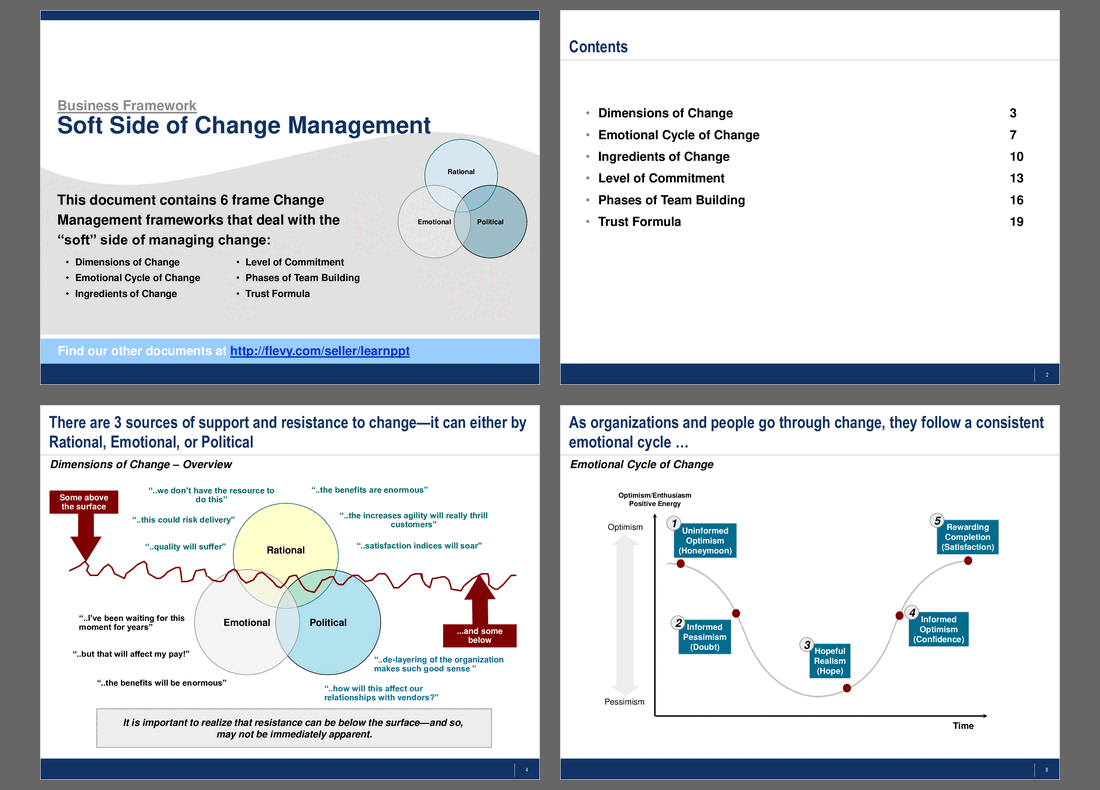
This document contains 6 frame Change Management frameworks that deal with the "soft" side of managing effective organizational change:
1. Dimensions of Change

2. Emotional Cycle of Change
3. Ingredients of Change
4. Level of Commitment
5. Phases of Team Building
6. Trust Formula
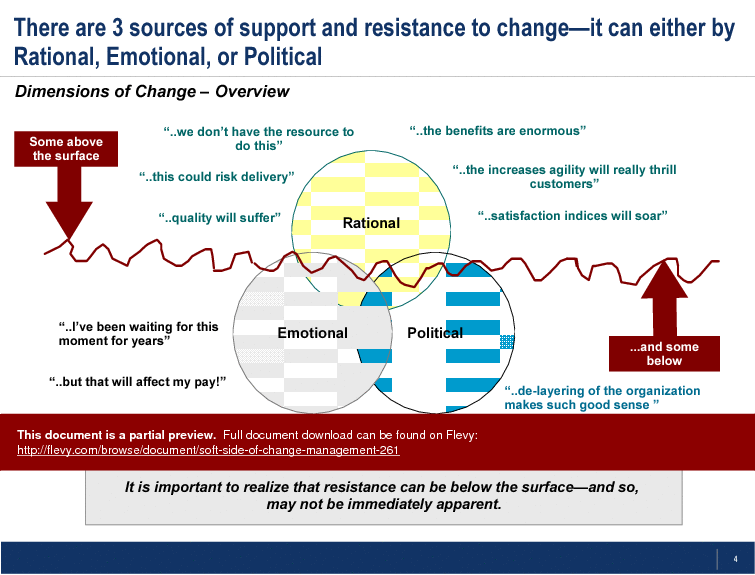
Understanding the sources of support and resistance to change is crucial for any organization. This document delves into the Rational, Emotional, and Political dimensions of change, providing insights into how each dimension can impact the success of change initiatives. The framework helps leaders identify and address potential obstacles, ensuring a smoother transition and greater buy-in from all stakeholders.
The Emotional Cycle of Change is another key focus, illustrating the various stages employees go through during a change process. Recognizing these emotional phases allows leaders to provide the necessary support and interventions at the right times, minimizing resistance and fostering a more resilient organizational culture. This section is particularly valuable for maintaining morale and productivity during periods of significant transformation.
The document also covers the Ingredients of Change, which are essential elements that must be in place for change to be effective. These ingredients include clear communication, strong leadership, and a well-defined vision. By understanding and implementing these components, leaders can create a robust foundation for change, ensuring that all team members are aligned and committed to the new direction.
Got a question about the product? Email us at support@flevy.com or ask the author directly by using the "Ask the Author a Question" form. If you cannot view the preview above this document description, go here to view the large preview instead.
Executive Summary
The "Soft Side of Change Management" presentation is a consulting-grade resource designed to equip leaders and consultants with frameworks for effectively managing the human aspects of organizational change. Crafted by former consultants from top-tier firms like McKinsey, BCG, and Deloitte, this deck emphasizes the importance of addressing the emotional, rational, and political dimensions of change. Users will gain insights into navigating the complexities of change management, ensuring that both the technical and human elements are aligned for successful implementation.
Who This Is For and When to Use
• Change management leaders overseeing organizational transformations
• HR professionals tasked with managing employee engagement during change
• Project managers responsible for implementing change initiatives
• Consultants advising organizations on change strategies
Best-fit moments to use this deck:
• During the planning phase of a significant organizational change
• When addressing employee resistance to change
• For training sessions on change management best practices
• In workshops focused on team dynamics and commitment levels
Learning Objectives
• Define the emotional cycle of change and its impact on team morale
• Build actionable strategies to address resistance from rational, emotional, and political perspectives
• Establish a framework for communicating vision and securing commitment
• Identify the key ingredients necessary for successful change implementation
• Recognize the phases of team building and their influence on productivity
• Apply the trust formula to enhance collaboration during change initiatives
Table of Contents
• Dimensions of Change (page 3)
• Emotional Cycle of Change (page 7)
• Ingredients of Change (page 10)
• Level of Commitment (page 13)
• Phases of Team Building (page 16)
• Trust Formula (page 19)
Primary Topics Covered
• Dimensions of Change - This section outlines the rational, emotional, and political dimensions that influence change, emphasizing the need for tailored tactics to address each aspect.
• Emotional Cycle of Change - A detailed exploration of the emotional phases individuals experience during change, from uninformed optimism to rewarding completion.
• Ingredients of Change - Six essential components—vision, skills, incentives, resources, structure, and implementation plan—necessary for successful change initiatives.
• Level of Commitment - Describes the 7 levels of commitment individuals progress through during change, highlighting the importance of engagement and education.
• Phases of Team Building - An overview of the stages teams undergo, including forming, storming, norming, and performing, and their impact on team dynamics.
• Trust Formula - A formula that illustrates how trust is built through intimacy and credibility while being inversely related to risk.
Deliverables, Templates, and Tools
• Framework for assessing the dimensions of change
• Emotional cycle mapping tool to track team sentiment
• Checklist of the 6 ingredients necessary for effective change
• Commitment assessment matrix to gauge engagement levels
• Team building phase tracker to monitor progress
• Trust-building strategies and assessment guide
Slide Highlights
• Visual representation of the emotional cycle of change, illustrating phases from optimism to satisfaction
• Framework diagram outlining the dimensions of change and associated tactics
• Infographic detailing the 6 ingredients of change and their interdependencies
• Chart depicting the levels of commitment and their progression over time
• Team building phases graph showing morale and productivity trends
Potential Workshop Agenda
Understanding Change Dimensions (90 minutes)
• Discuss the rational, emotional, and political dimensions of change
• Identify specific tactics for each dimension
• Engage in breakout sessions to apply frameworks to real scenarios
Emotional Cycle of Change Exploration (60 minutes)
• Review the emotional phases individuals experience during change
• Share personal experiences and strategies for managing emotions
• Develop action plans to support team members through transitions
Building Commitment and Trust (90 minutes)
• Analyze the levels of commitment and their implications for change
• Explore the trust formula and its application in teams
• Create a roadmap for enhancing trust during change initiatives
Customization Guidance
• Tailor the dimensions of change to reflect organizational culture and specific challenges
• Adapt the emotional cycle framework to align with team dynamics and historical context
• Modify the ingredients of change to fit unique project requirements and stakeholder needs
• Incorporate organizational terminology and metrics into the commitment assessment matrix
Secondary Topics Covered
• Strategies for managing resistance to change
• Techniques for fostering open communication during transitions
• Best practices for engaging stakeholders at all levels
• Methods for measuring the success of change initiatives
• Approaches to building resilience within teams
FAQ
What are the dimensions of change?
The dimensions of change include rational, emotional, and political aspects that influence how change is perceived and accepted within an organization.
How does the emotional cycle of change affect teams?
Teams experience a consistent emotional cycle during change, impacting morale and productivity. Understanding this cycle helps leaders provide appropriate support.
What are the 6 ingredients necessary for successful change?
The 6 ingredients are: Communicate Vision, Skills, Incentives, Resources, Structure, and Implementation Plan. Missing any one of these can hinder the change process.
How can we measure levels of commitment during change?
Levels of commitment can be assessed through engagement surveys and feedback mechanisms that track progress from awareness to internalization.
What are the phases of team building?
The phases of team building include Forming, Storming, Norming, and Performing, each characterized by different team dynamics and morale levels.
How does trust impact change initiatives?
Trust is crucial for successful change. It is built through intimacy and credibility while being inversely related to risk, affecting collaboration and engagement.
What tactics can be employed to address resistance?
Tactics include conducting thorough analyses, creating a robust business case, aligning leadership, and fostering open communication to address concerns.
How can we support team members emotionally during change?
Support can be provided by recognizing emotional phases, encouraging open dialogue, and offering resources to help navigate challenges.
Glossary
• Dimensions of Change - The rational, emotional, and political aspects influencing change management.
• Emotional Cycle of Change - The phases individuals experience during organizational change, affecting morale and productivity.
• Ingredients of Change - Essential components required for successful change implementation: vision, skills, incentives, resources, structure, and implementation plan.
• Level of Commitment - The progression of engagement from initial contact to internalization during change initiatives.
• Phases of Team Building - Stages teams undergo, including forming, storming, norming, and performing, impacting team dynamics.
• Trust Formula - A formula illustrating the relationship between trust, intimacy, credibility, and risk.
• Resistance to Change - The pushback individuals may exhibit in response to organizational changes, influenced by emotional, rational, and political factors.
• Stakeholder Engagement - The process of involving individuals affected by change to ensure their needs and concerns are addressed.
• Change Management - The discipline of guiding individuals and organizations through transitions to achieve desired outcomes.
• Organizational Culture - The shared values, beliefs, and practices that shape how work is conducted within an organization.
• Commitment Assessment - A tool for measuring the level of engagement and support for change initiatives among stakeholders.
• Team Dynamics - The behavioral and emotional interactions among team members that influence performance and collaboration.
Source: Best Practices in Change Management, Soft Skills PowerPoint Slides: Soft Side of Change Management PowerPoint (PPT) Presentation Slide Deck, LearnPPT Consulting
|
Download our FREE Organization, Change, & Culture, Templates
Download our free compilation of 50+ slides and templates on Organizational Design, Change Management, and Corporate Culture. Methodologies include ADKAR, Burke-Litwin Change Model, McKinsey 7-S, Competing Values Framework, etc. |