
 Click main image to view in full screen. Unlock all 25 preview images:
Robotic Process Automation (RPA) - Implementation Toolkit – Excel XLSX
Excel (XLSX) + Zip archive file (ZIP)


RPA EXCEL DESCRIPTION
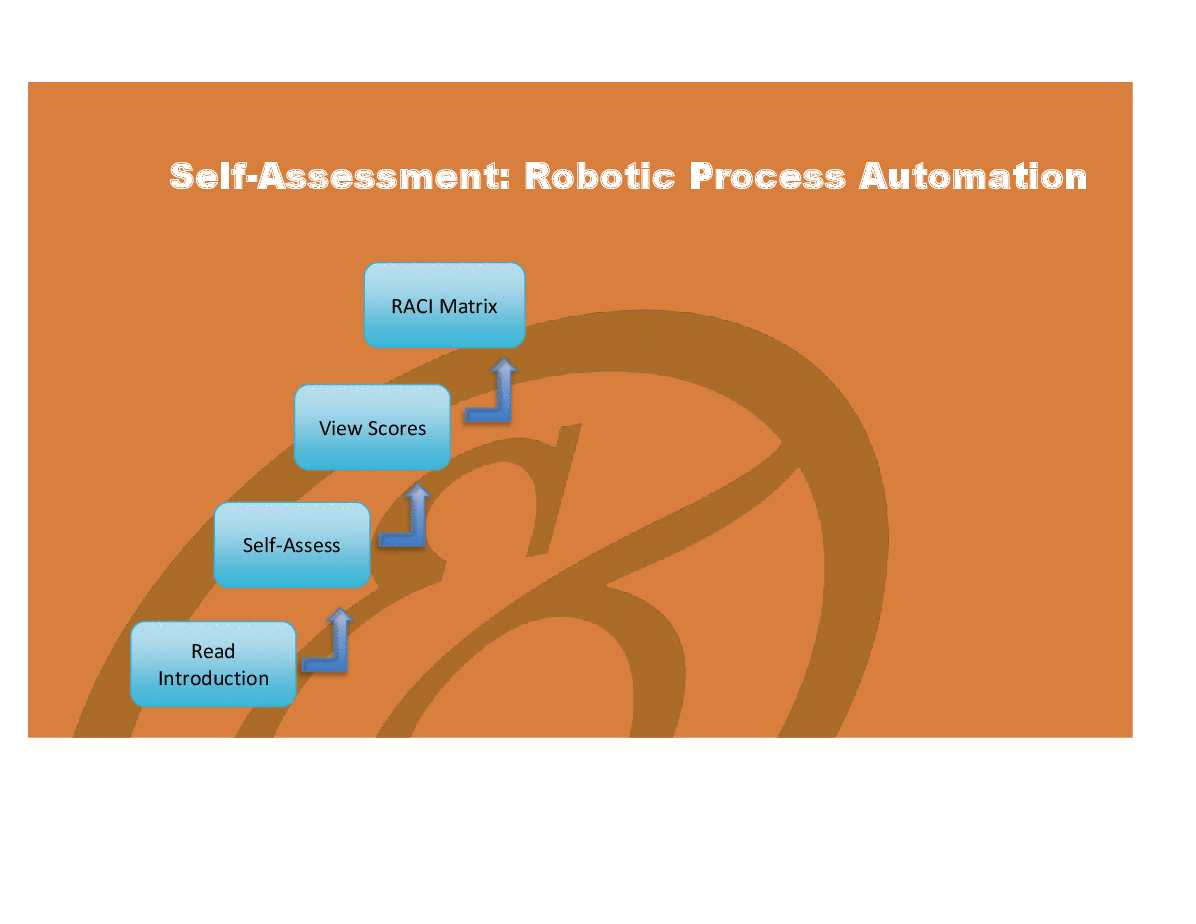
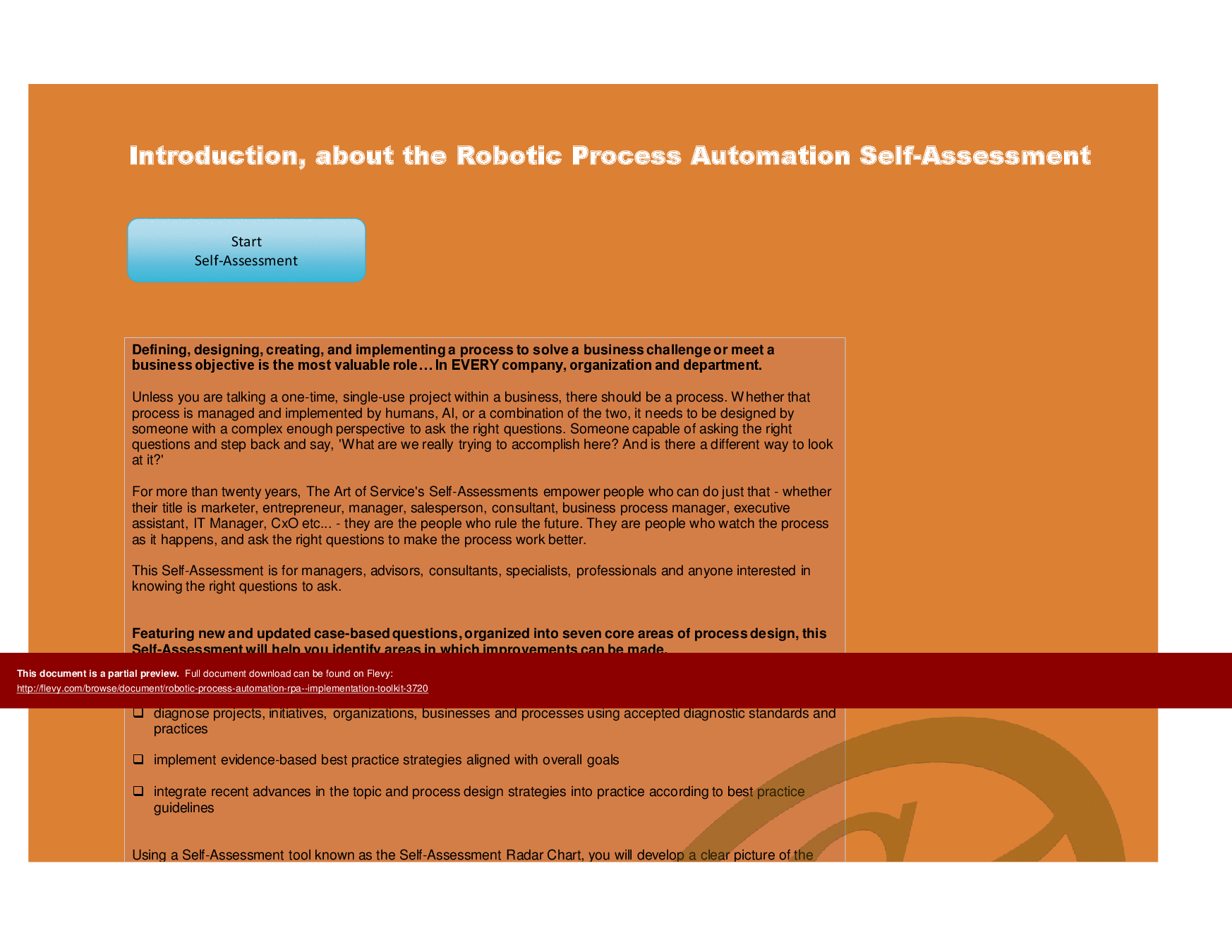
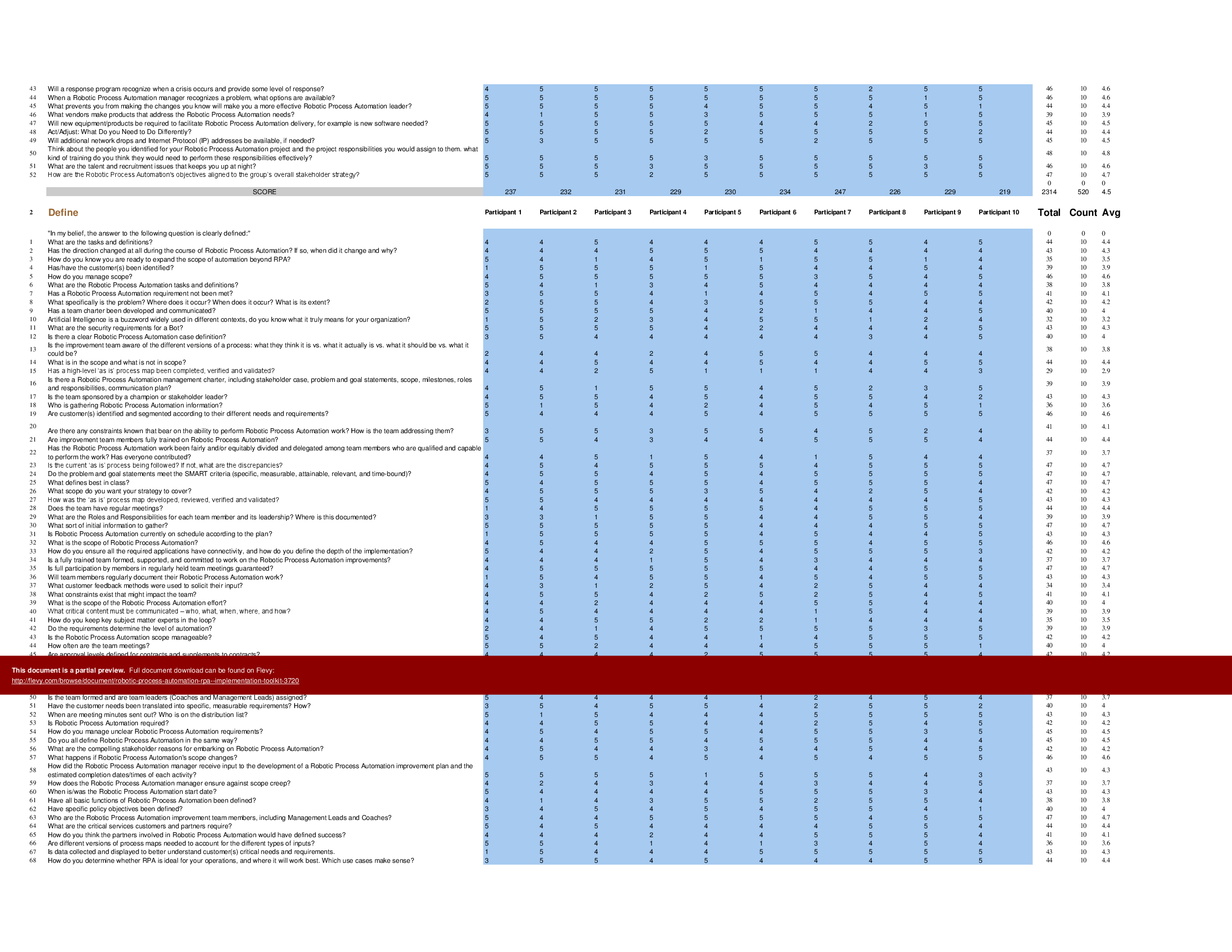
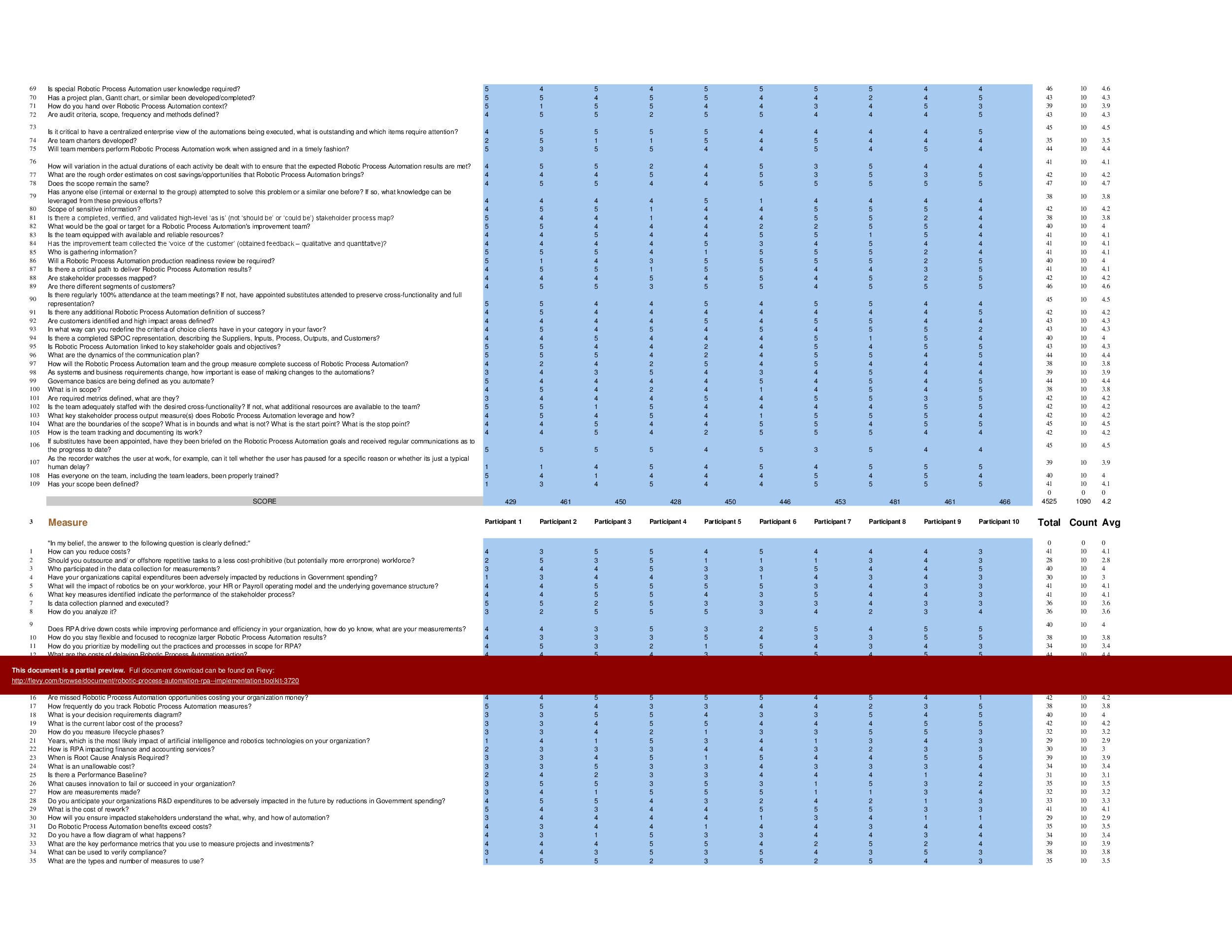
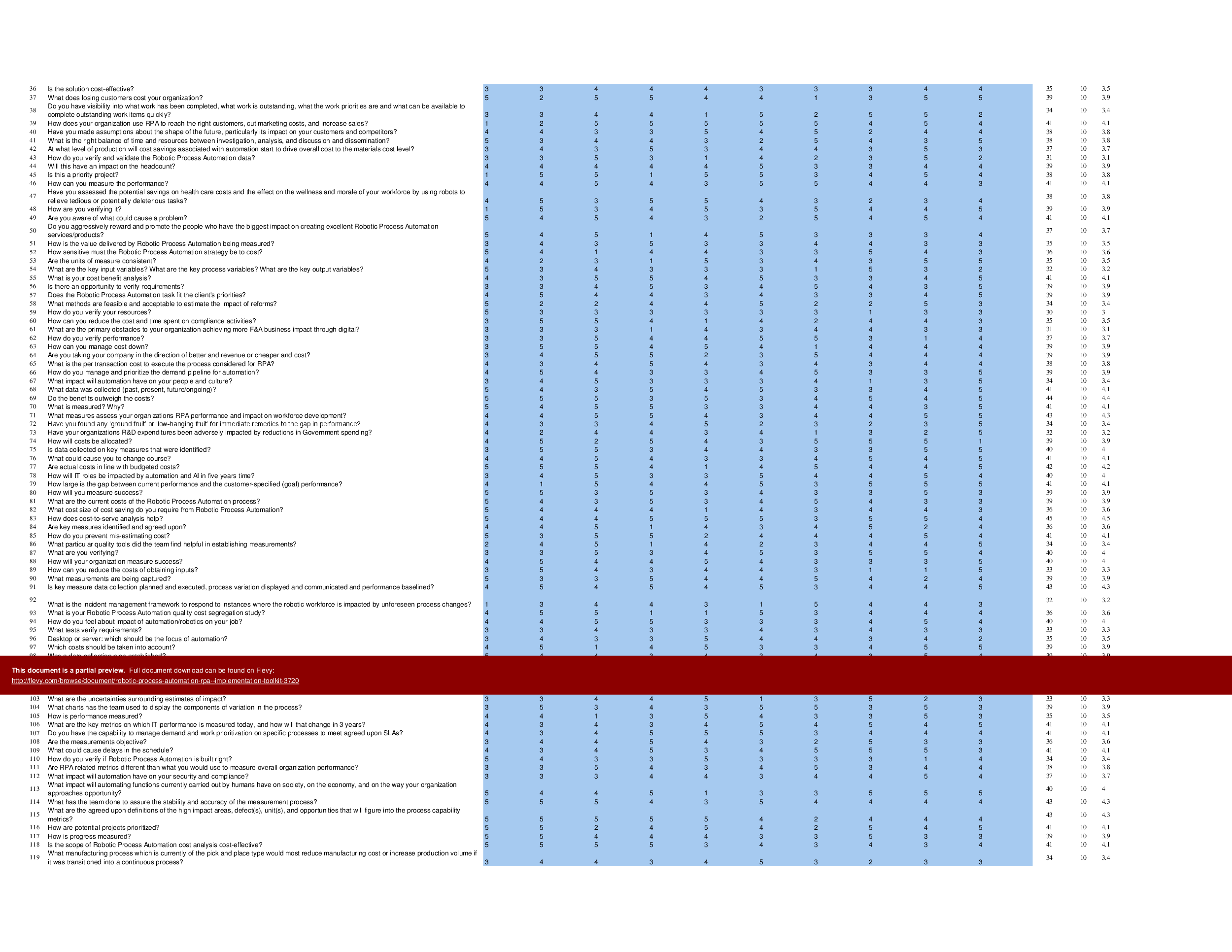
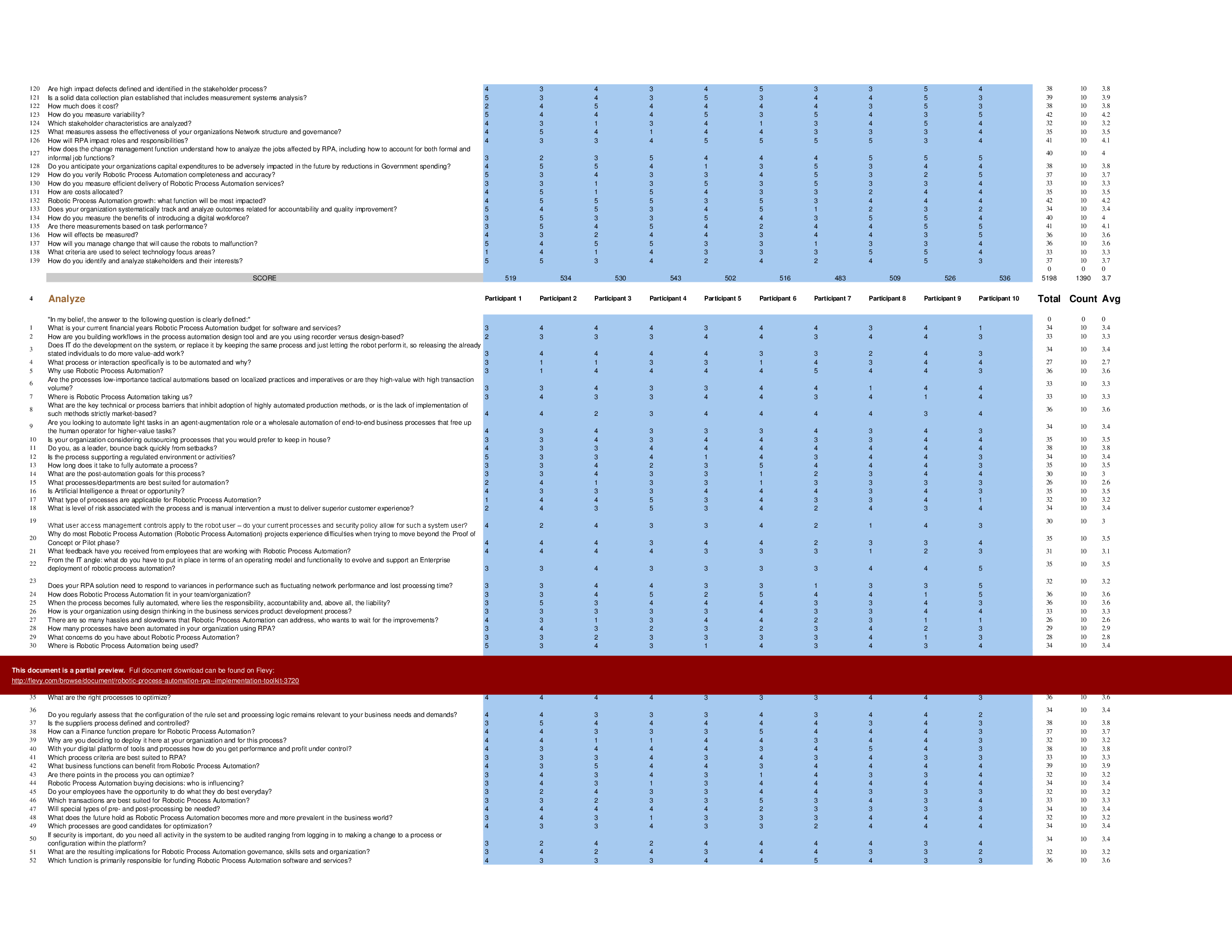
The Robotic Process Automation (RPA) Implementation Toolkit includes a set of best-practice templates, step-by-step workplans, and maturity diagnostics for for any RPA related project. Please note the above partial preview is ONLY of the Self Assessment Excel Dashboard, referenced in steps 1 and 2 (see below for more details).
Through a 3-step process, this toolkit will guide you from idea to implementation. Please find a below a summary of the 3 steps.
Step 1 – Get your bearings
Start with the latest quick edition of the standard requirements Self Assessment book in PDF containing 49 requirements to perform a quickscan, get an overview, and share with stakeholders.
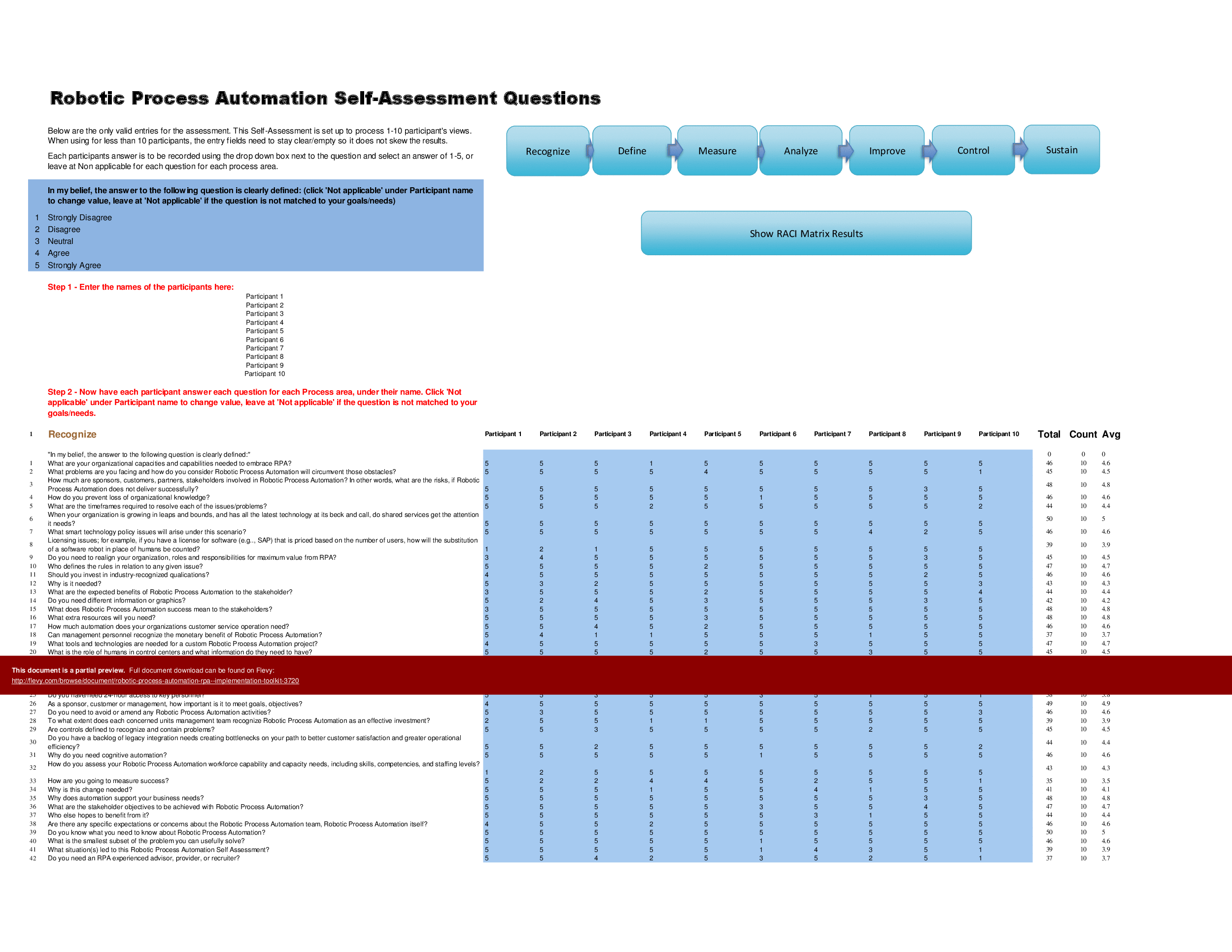
Organized in a data-driven improvement cycle RDMAICS (Recognize, Define, Measure, Analyze, Improve, Control and Sustain), check the example pre-filled Self Assessment Excel Dashboard to get familiar with results generation.
Step 2 – Set concrete goals, tasks, dates, and numbers you can track
Featuring 923 new and updated case-based questions, organized into 7 core areas of process design, this Excel Self Assessment Dashboard will help you identify areas in which standard requirements improvements can be made. Features of this dashboard include:
• Shows your organization instant insight in areas for improvement: Auto generates reports, radar chart for maturity assessment, insights per process and participant and bespoke, ready to use, RACI Matrix
• Gives you a professional Dashboard to guide and perform a thorough standard requirements Self Assessment
• Is secure: Ensures offline data protection of your Self-Assessment results
• Dynamically prioritized projects-ready RACI Matrix shows your organization exactly what to do next
Step 3 – Implement, track, follow up, and revise strategy
The outcomes of step 2, the Self Assessment, are the inputs for step 3. Start and manage standard requirements projects with the 62 implementation resources. These are 62 step-by-step Project Management Form Templates covering over 1,500 project requirements and success criteria.
Leverage the RACI Matrix to streamline role assignments and ensure accountability across your RPA initiatives. Utilize the comprehensive questionnaire to gather critical insights and drive data-informed decisions.
Got a question about the product? Email us at support@flevy.com or ask the author directly by using the "Ask the Author a Question" form. If you cannot view the preview above this document description, go here to view the large preview instead.
TOPIC FAQ
What are common phases to follow when implementing RPA in an organization?
A structured RPA implementation can be organized into 3 stages: initial assessment, goal-setting and planning, and execution with tracking. The referenced toolkit frames these as "Get your bearings," "Set concrete goals, tasks, dates, and numbers," and "Implement, track, follow up, and revise," supported by the RDMAICS cycle.How can I measure RPA maturity across processes and teams?
Maturity is measured using a data-driven dashboard that auto-generates a radar chart and insights per process and participant. The toolkit’s Self Assessment Excel Dashboard produces maturity visuals and prioritized actions to identify improvement areas via the radar chart for maturity assessment.What role does a RACI matrix play in RPA projects?
A RACI matrix clarifies responsible, accountable, consulted, and informed roles for each task to ensure accountability during automation. The toolkit provides a bespoke, auto-generated RACI Matrix that is dynamically prioritized to show which roles should do what next and streamline assignments.How detailed should an RPA assessment questionnaire be for useful results?
Depth depends on your objectives; the toolkit provides a comprehensive option of 923 case-based questions organized into 7 core areas of process design to produce detailed diagnostics and prioritized improvement opportunities across processes and participants.What should buyers look for in an RPA implementation template set when budget and time are constrained?
Prioritize templates that include step-by-step workplans, offline data protection, automated reporting, and implementation artifacts you can reuse. This toolkit offers an offline-protected Self-Assessment Dashboard, auto-generated reports, and 62 Project Management Form Templates to support execution.How can small teams quickly validate whether an automation idea is worth pursuing?
Start with a short diagnostic to get stakeholder alignment and a quickscan of requirements. The toolkit’s quick edition PDF contains 49 requirements for a rapid assessment, and the Excel Dashboard can be used next for deeper triage and prioritization.What implementation artifacts do RPA projects commonly require to track success?
Common artifacts include project management forms, success criteria, role assignment matrices, and tracking dashboards. The toolkit supplies 62 step-by-step Project Management Form Templates that cover over 1,500 project requirements and success criteria.What security considerations should I expect from offline RPA assessment tools?
Assessment tools should protect sensitive assessment data by enabling offline storage and secured dashboards. The toolkit’s Self-Assessment Excel Dashboard explicitly ensures offline data protection of your assessment results for secure handling.Source: Best Practices in RPA Excel: Robotic Process Automation (RPA) - Implementation Toolkit Excel (XLSX) Spreadsheet, Gerard Blokdijk




























