
 Click main image to view in full screen. Unlock all 12 preview images:
ITSM Process Assessment - Continual Service Improvement – Excel XLSX
Excel (XLSX)


BENEFITS OF THIS DOWNLOADABLE EXCEL DOCUMENT
- ITSM Self Assessment
- Benchmarking
- Supports Digital Transformation
ITSM EXCEL DESCRIPTION
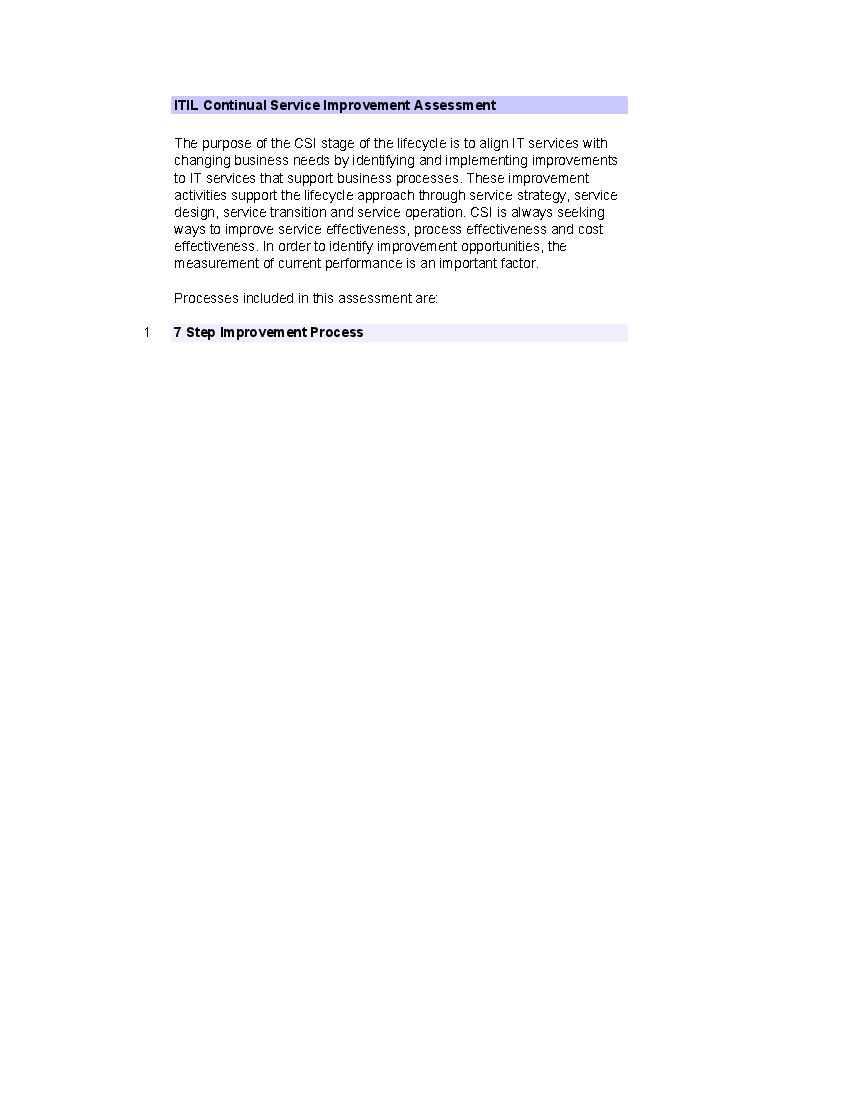
This Excel spreadsheet system with approx. 60 Questions allows you to conduct a Assessment of ITSM Continual Service Improvement process:
7-step improvement process
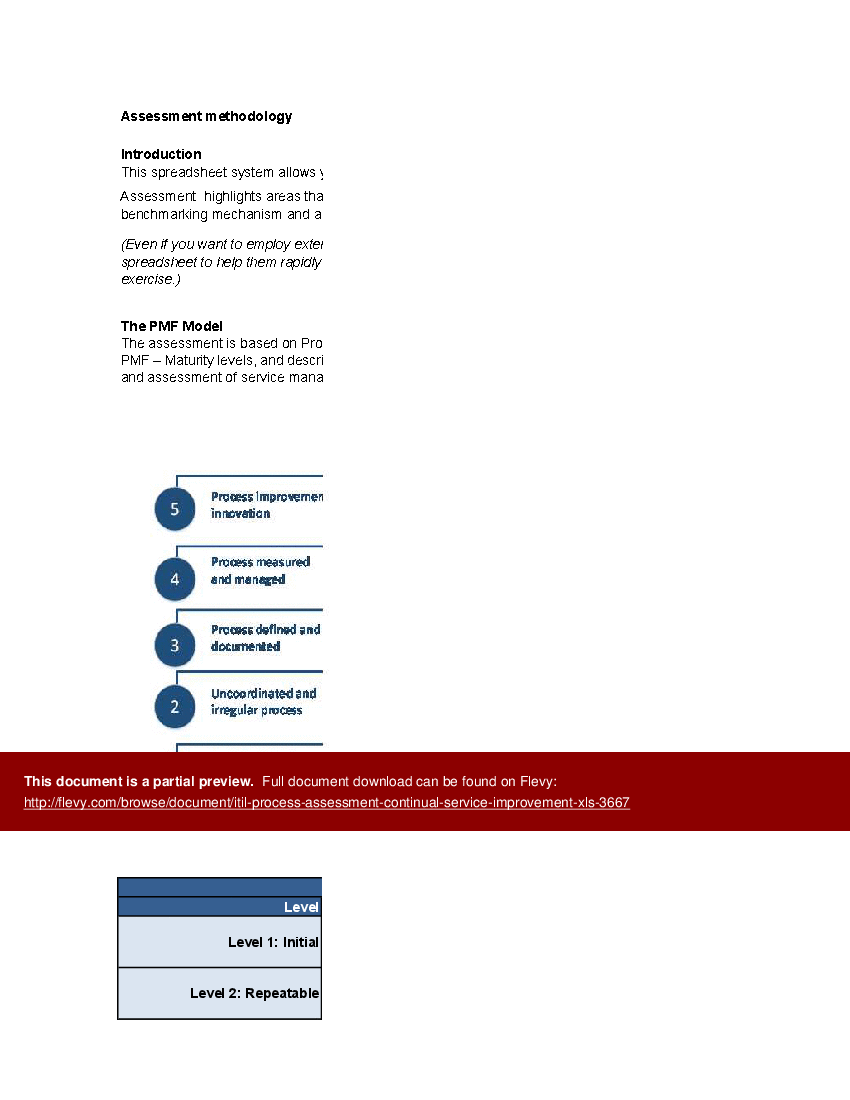
Assessment highlights areas that require particular attention and gives you idea on process maturity. It can also be used as a benchmarking mechanism and a boost in creating continual improvement culture for your ITSM processes.
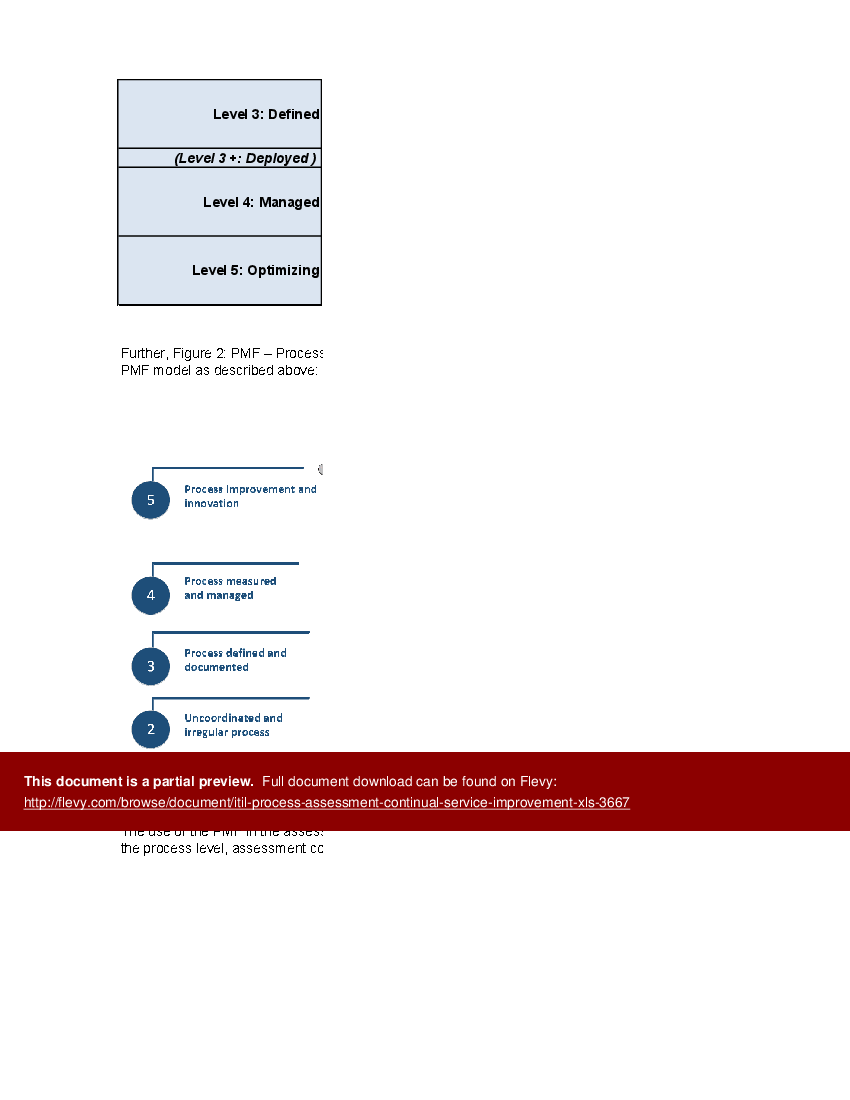
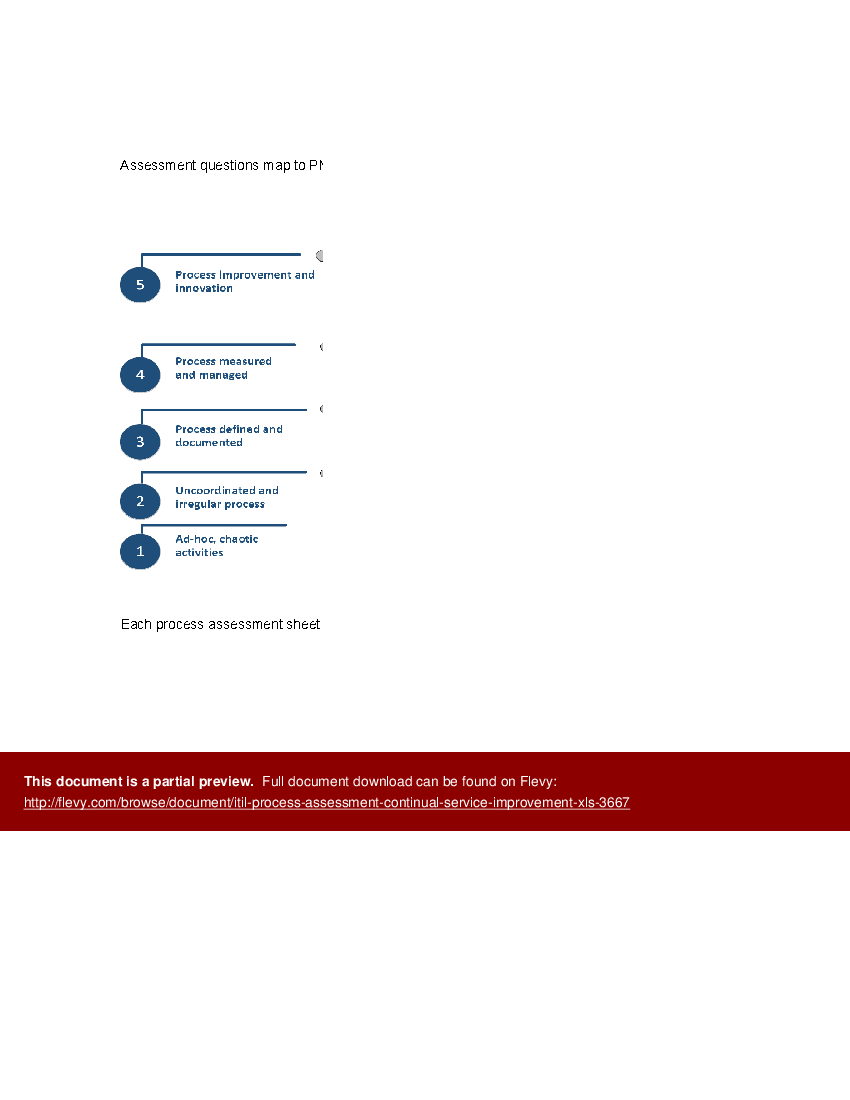
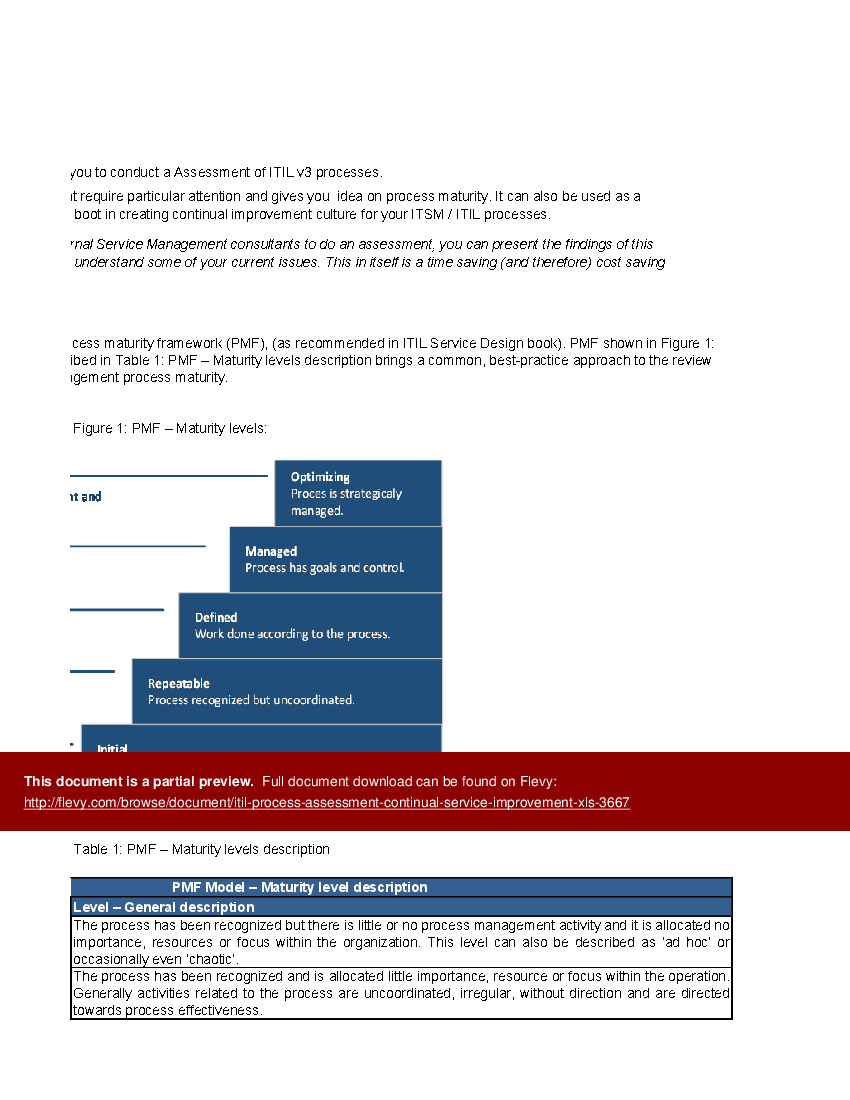
The assessment is based on Process maturity framework (PMF), (as recommended in ITIL Service Design book). Maturity rating levels are:
Level 1: Initial
Level 2: Repeatable
Level 3: Defined
(Level 3 +: Deployed )
Level 4: Managed
Level 5: Optimizing
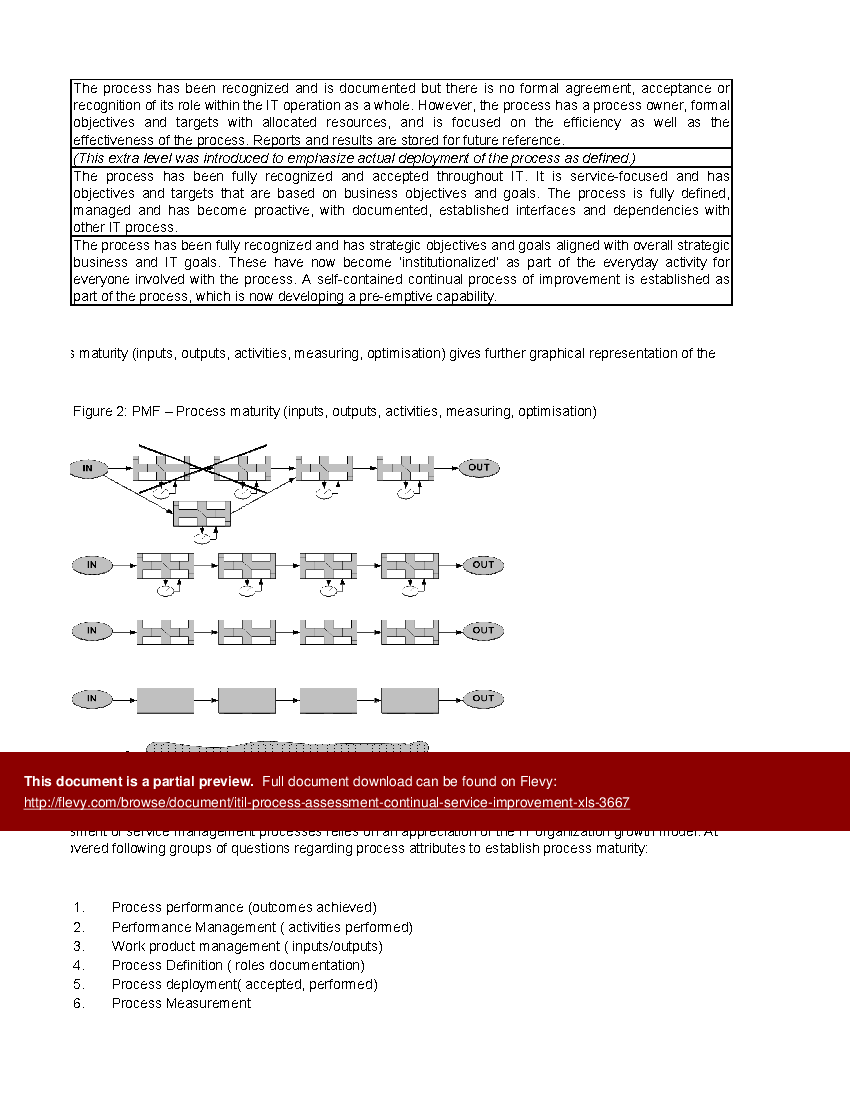
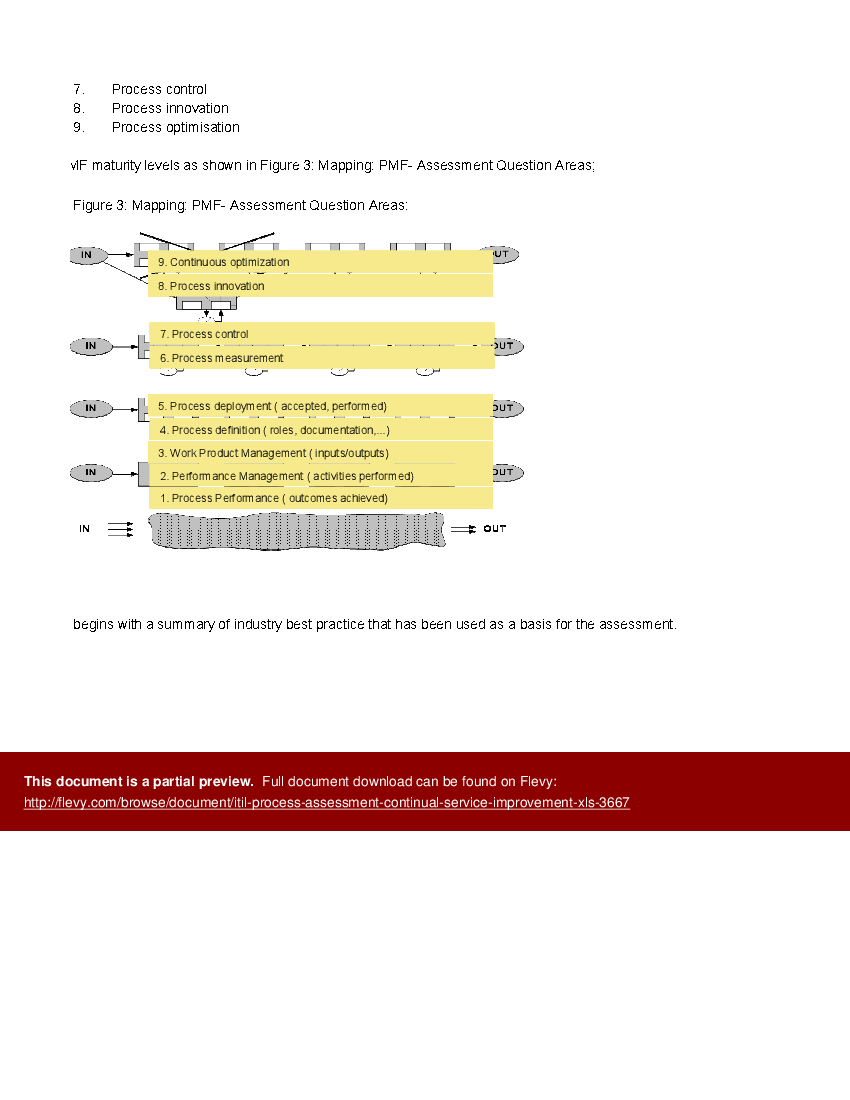
The use of the PMF in the assessment of service management processes relies on an appreciation of the IT organization growth model. At the process level, assessment covered following groups of questions regarding process attributes to establish process maturity:
1. Process performance (outcomes achieved)
2. Performance Management ( activities performed)
3. Work product management ( inputs/outputs)
4. Process Definition ( roles documentation)
5. Process deployment( accepted, performed)
6. Process Measurement
7. Process control
8. Process innovation
9. Process optimisation
Assessment highlights areas that require particular attention and gives you idea on process maturity. It can also be used as a benchmarking mechanism and a boost in creating continual improvement culture for your ITSM processes.
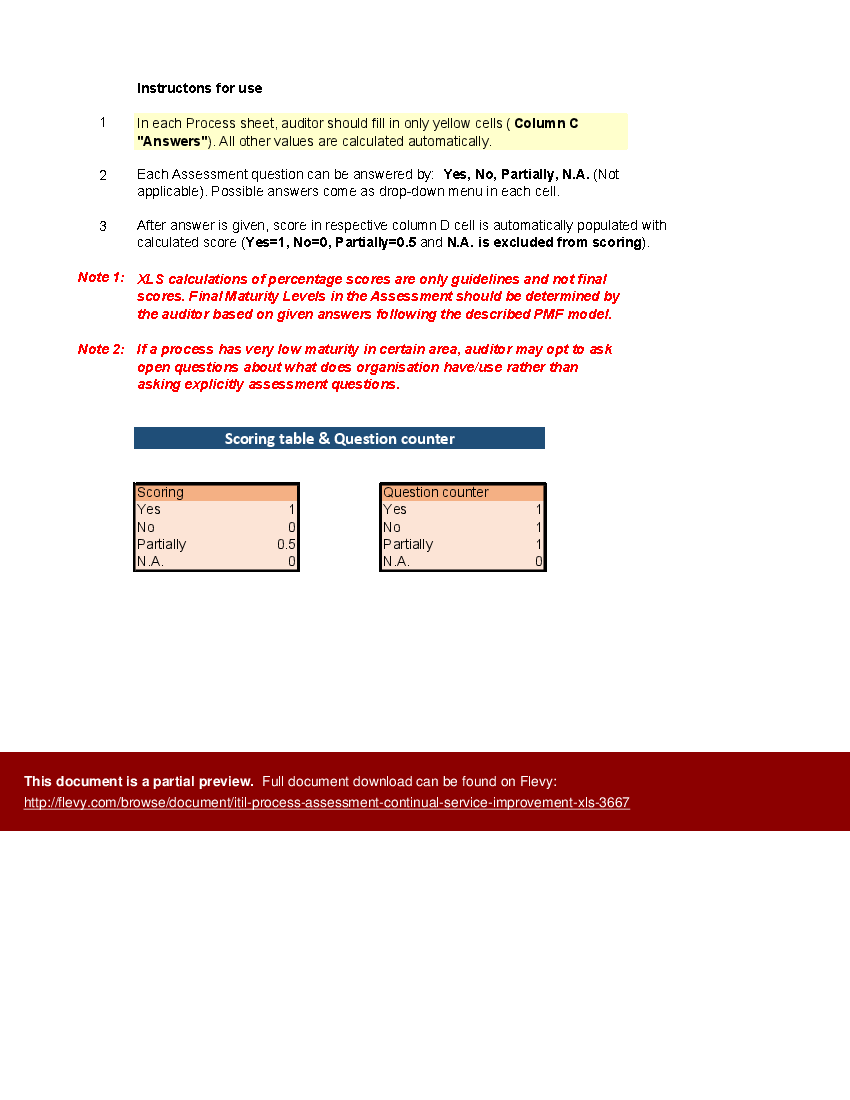
This comprehensive template provides a structured approach to evaluating the maturity of your ITSM processes. It includes detailed scoring tables and question counters to ensure a thorough and accurate assessment. The Excel-based system allows auditors to fill in only the necessary fields, with all other values calculated automatically, streamlining the evaluation process.
The Excel template also offers clear guidelines on interpreting maturity levels and includes notes to help auditors address low-maturity areas effectively. This tool is designed to help organizations pinpoint weaknesses and drive targeted improvements, making it an essential resource for any IT department committed to continual service enhancement.
Got a question about the product? Email us at support@flevy.com or ask the author directly by using the "Ask the Author a Question" form. If you cannot view the preview above this document description, go here to view the large preview instead.
TOPIC FAQ
What is the Process Maturity Framework used for ITSM assessments?
The Process Maturity Framework (PMF) referenced in ITIL Service Design structures evaluation of process capability using defined maturity levels and attributes. It categorizes process maturity from Level 1 (Initial) to Level 5 (Optimizing), providing a common scale for assessing ITSM processes across 5 maturity levels.Which process attributes are typically assessed in an ITSM maturity review?
Assessments focus on attributes such as process performance (outcomes), performance management activities, work product management (inputs/outputs), process definition (roles documentation), deployment, measurement, control, innovation, and optimisation — nine attribute groups in total.How are maturity ratings interpreted in an ITSM continual service improvement context?
Maturity ratings indicate the relative capability and deployment of a process within an IT organization’s growth model; the PMF maps capabilities from initial or repeatable practices up to managed and optimizing states, spanning 5 defined maturity levels.What outputs should I expect from an Excel-based ITSM CSI assessment template?
An Excel assessment typically produces filled scoring tables, question counters, automatically calculated aggregate scores, and interpretive notes to guide action on low-maturity areas; for an example, see Flevy’s ITSM Process Assessment - Continual Service Improvement which includes detailed scoring tables.What features matter when choosing an ITSM maturity assessment template?
Look for templates that use an established framework (PMF/ITIL), include structured questions, automated scoring and calculations, guidance on interpreting maturity levels, and benchmarking capability; these features ensure reproducible results and practical guidance, such as scoring tables and ITIL-based PMF alignment.What effort is required from auditors to complete a spreadsheet assessment?
Excel-based systems streamline effort by allowing auditors to fill only necessary fields while the workbook performs calculations and aggregates scores automatically, reducing manual scoring work and focusing auditor input on answers to the ~60 assessment questions.How can I use a maturity assessment to benchmark my CSI process after a major incident?
Use the assessment to rate current process attributes against PMF maturity levels, highlight specific low-maturity areas using the scoring tables, and compare results over time or across units; instruments like Flevy’s ITSM Process Assessment - Continual Service Improvement support benchmarking via ~60 questions and scoring tables.Can a maturity assessment help prioritize improvement initiatives for ITSM CSI?
Yes; by highlighting areas requiring attention and providing notes on addressing low-maturity areas, an assessment helps prioritize initiatives where maturity is lowest and where gains are most needed, supported by the template’s guidance notes and scoring outputs.Source: Best Practices in ITSM Excel: ITSM Process Assessment - Continual Service Improvement Excel (XLSX) Spreadsheet, ITSM Consulting




























