
This robust 400+ slide presentation is created by former McKinsey, BCG, Deloitte, EY, and Capgemini consultants. It includes over 50+ frameworks commonly used by tier 1 global consulting firms on projects with Fortune 500 clients.
This product (Complete Business Frameworks Reference Guide) is a 407-slide PPT PowerPoint presentation slide deck (PPTX), which you can download immediately upon purchase.
This is a very comprehensive document with over 400+ slides—covering 58 common management consulting frameworks and methodologies (listed below in alphabetical order). A detailed summary is provided for each business framework. The frameworks in this deck span across Corporate Strategy, Sales, Marketing, Operations, Organization, Change Management, and Finance.
INCLUDED FRAMEWORKS & METHODOLOGIES:
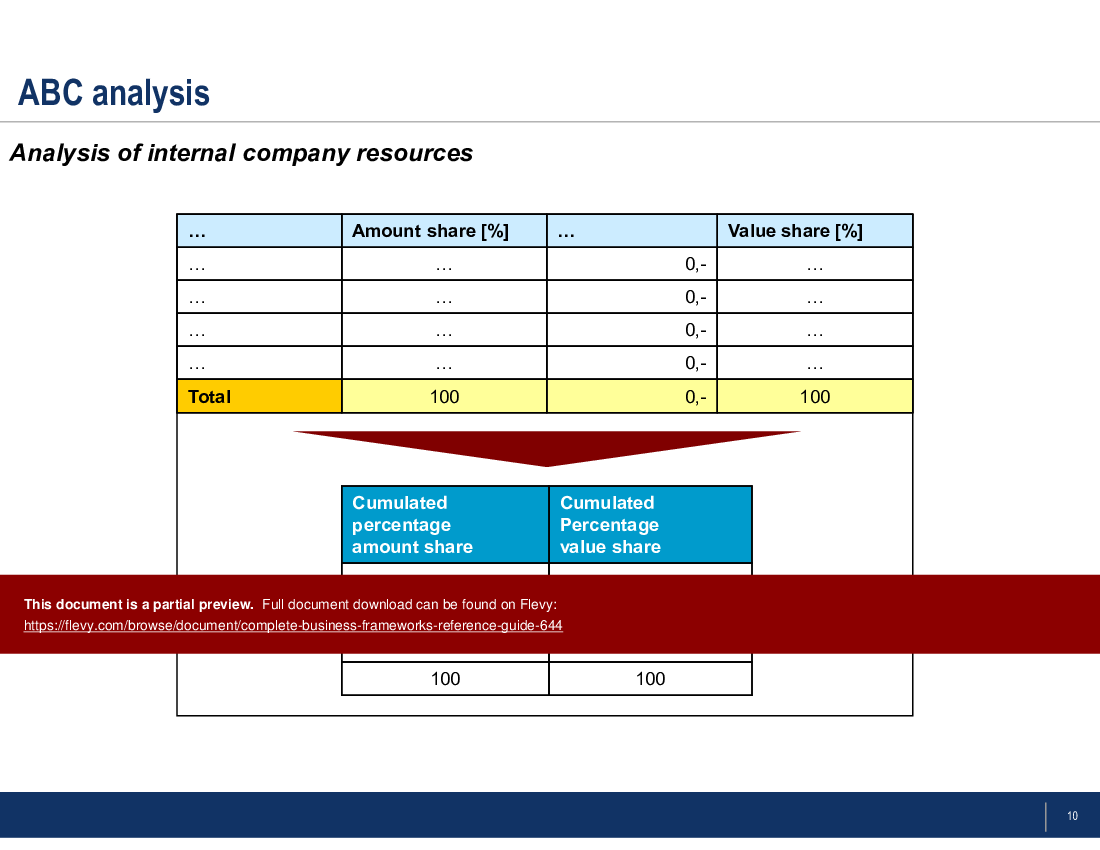
• ABC Analysis
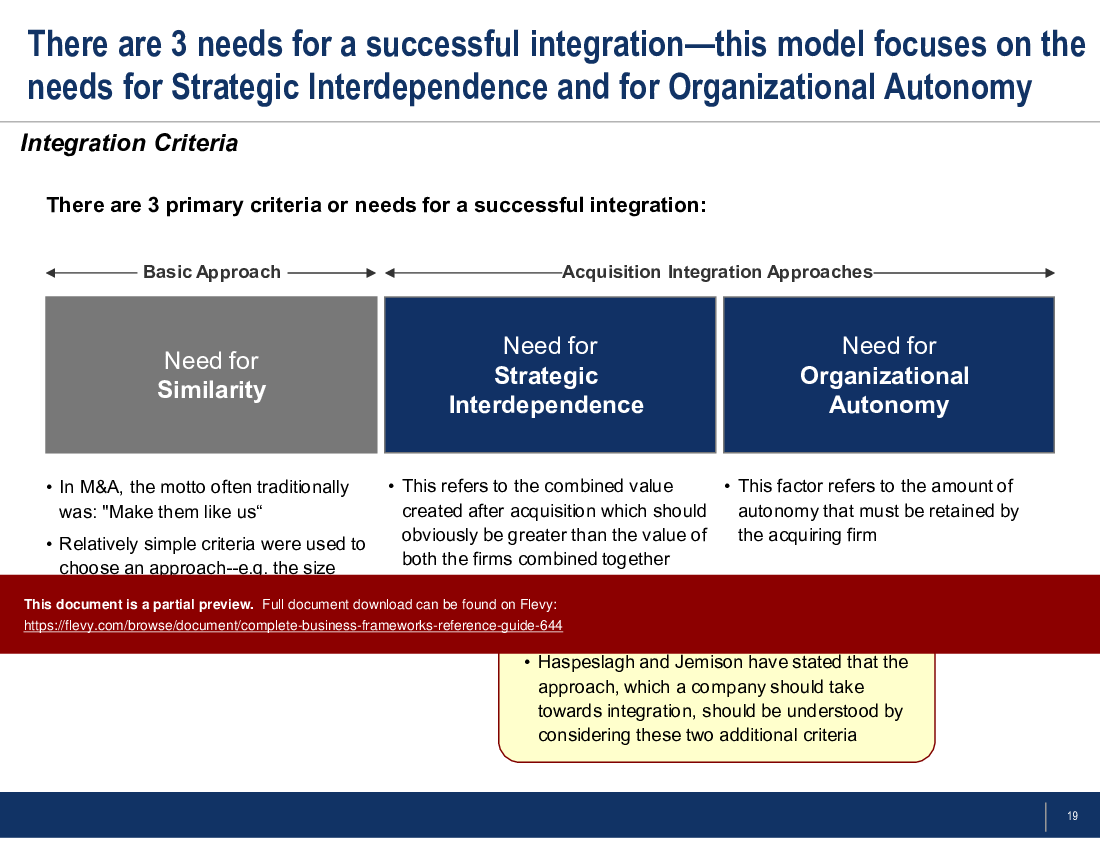
• Acquisition Integration Approaches
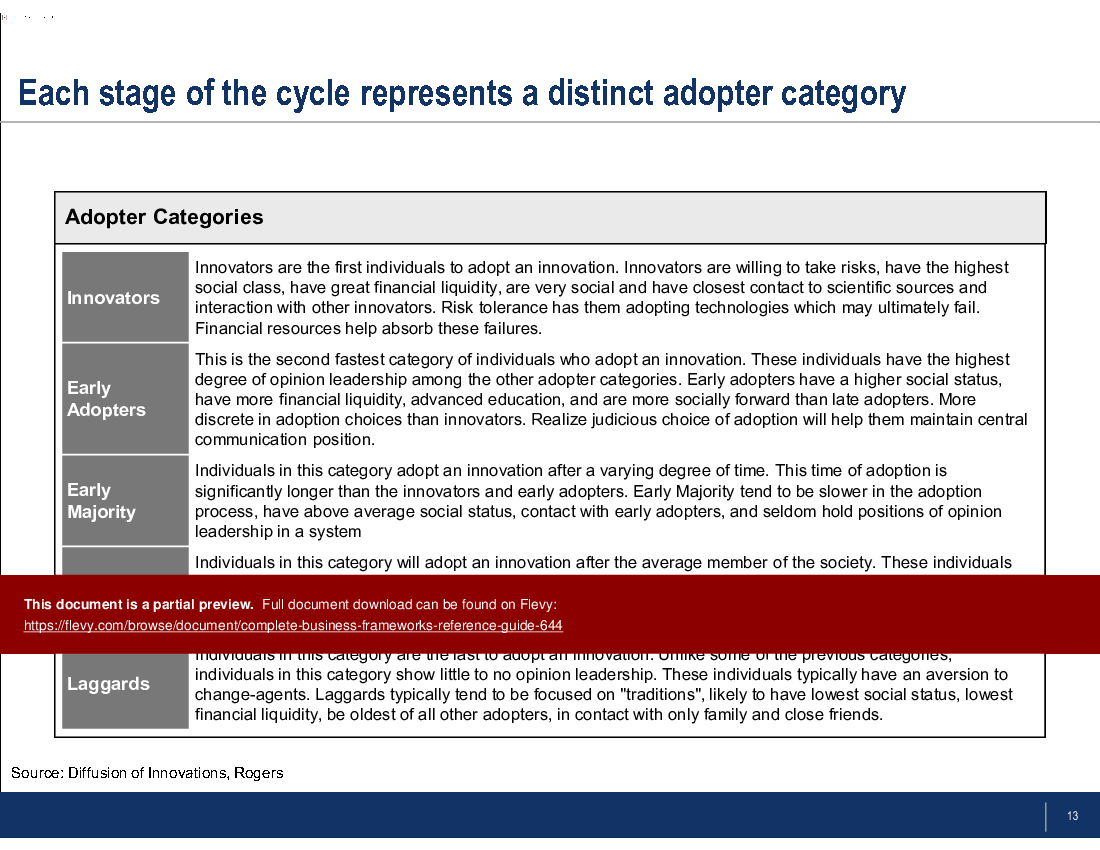
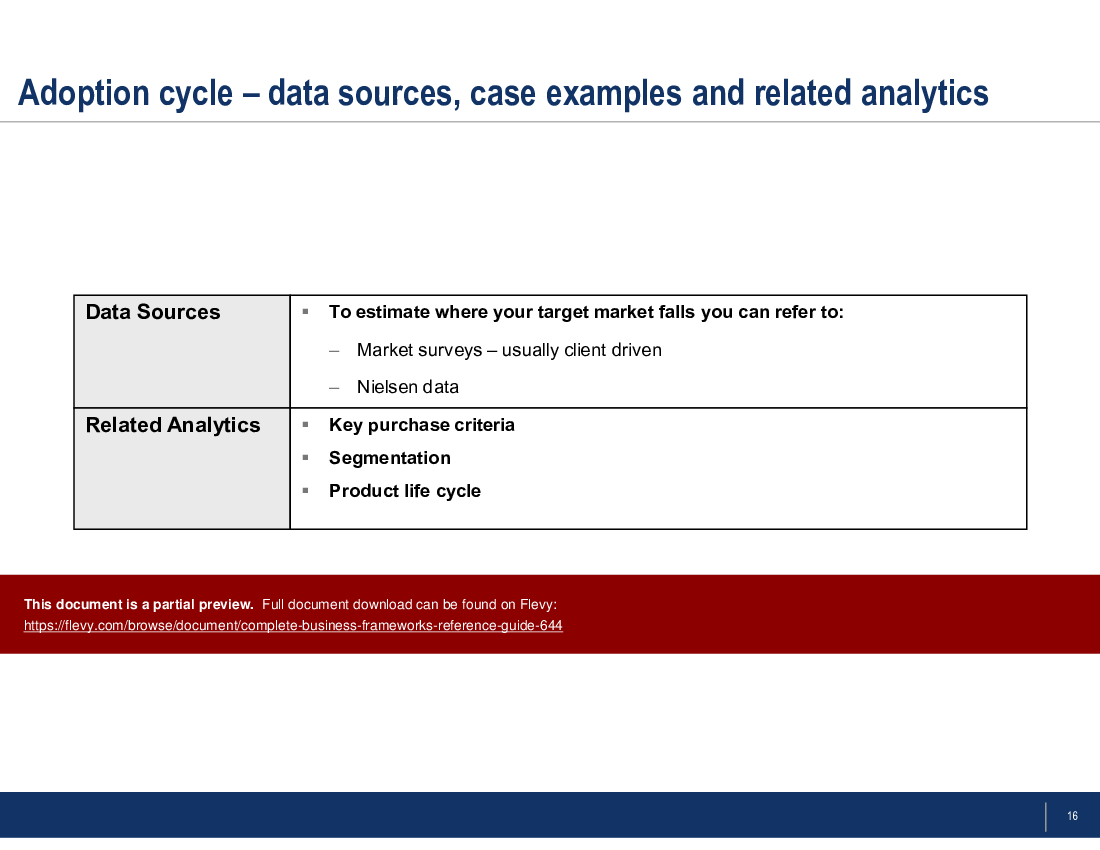
• Adoption Cycle (Consumer Adoption Curve)
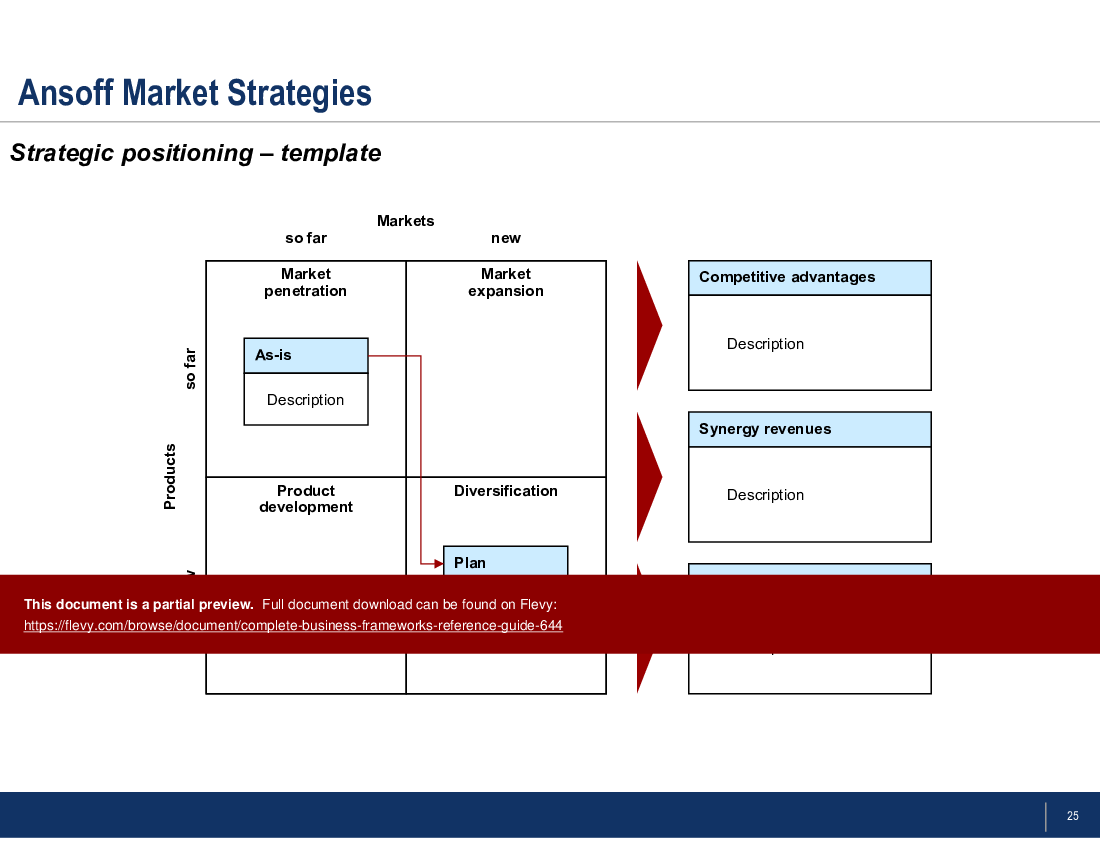
• Ansoff Market Strategies
• Balanced Scorecard
• BCG Growth-Share Matrix
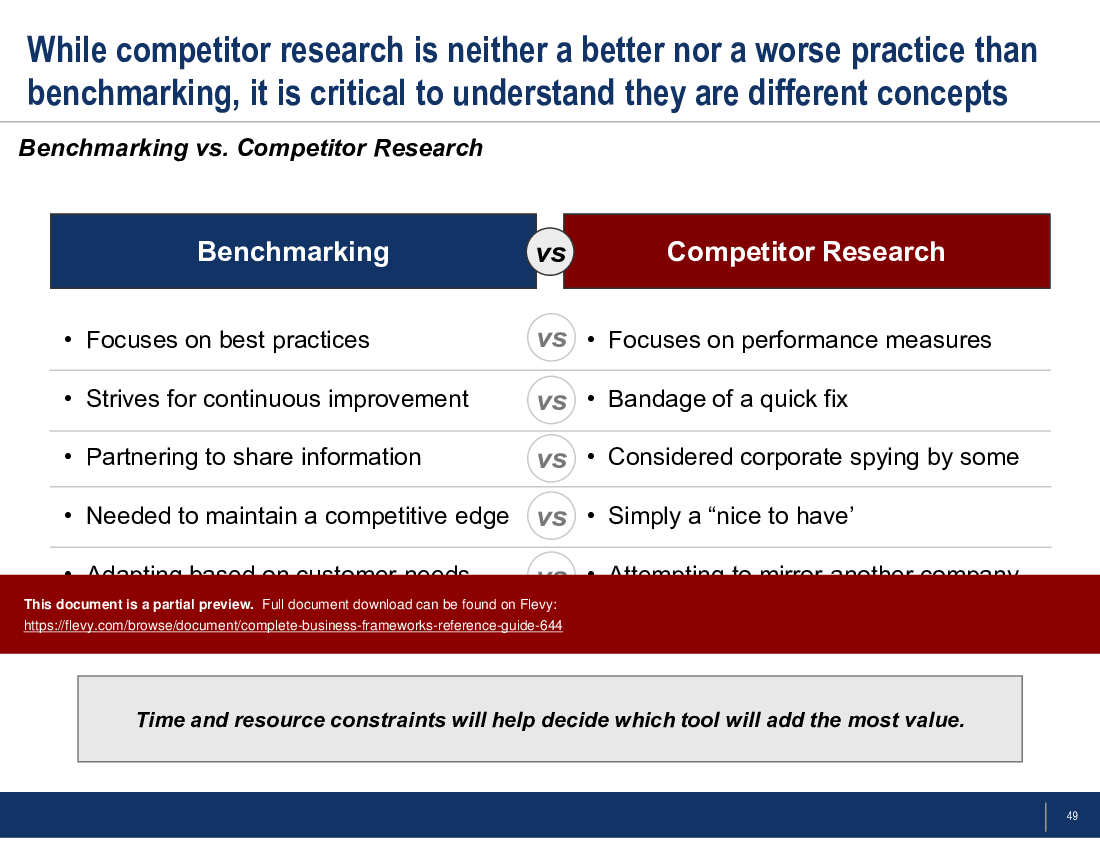
• Benchmarking
• Blue Ocean Strategy
• Break-even Analysis
• Business Unit Profitability
• Competing Values Framework
• Economies of Scale
• Environmental Analysis
• Experience Curve
• Cluster Analysis
• Company & Competitor Analysis
• Consumer Decision Journey
• Core Competence Analysis
• Cost Structure Analysis
• Customer Experience
• Customer Satisfaction Analysis
• Customer Value Proposition
• Fiaccabrino Selection Process
• Financial Ratios Analysis
• Gap Analysis
• GE-McKinsey Matrix
• Industry Attractiveness & Business Strength Assessment
• Key Purchase Criteria
• Key Success Factors (KSF)
• Market Sizing & Share
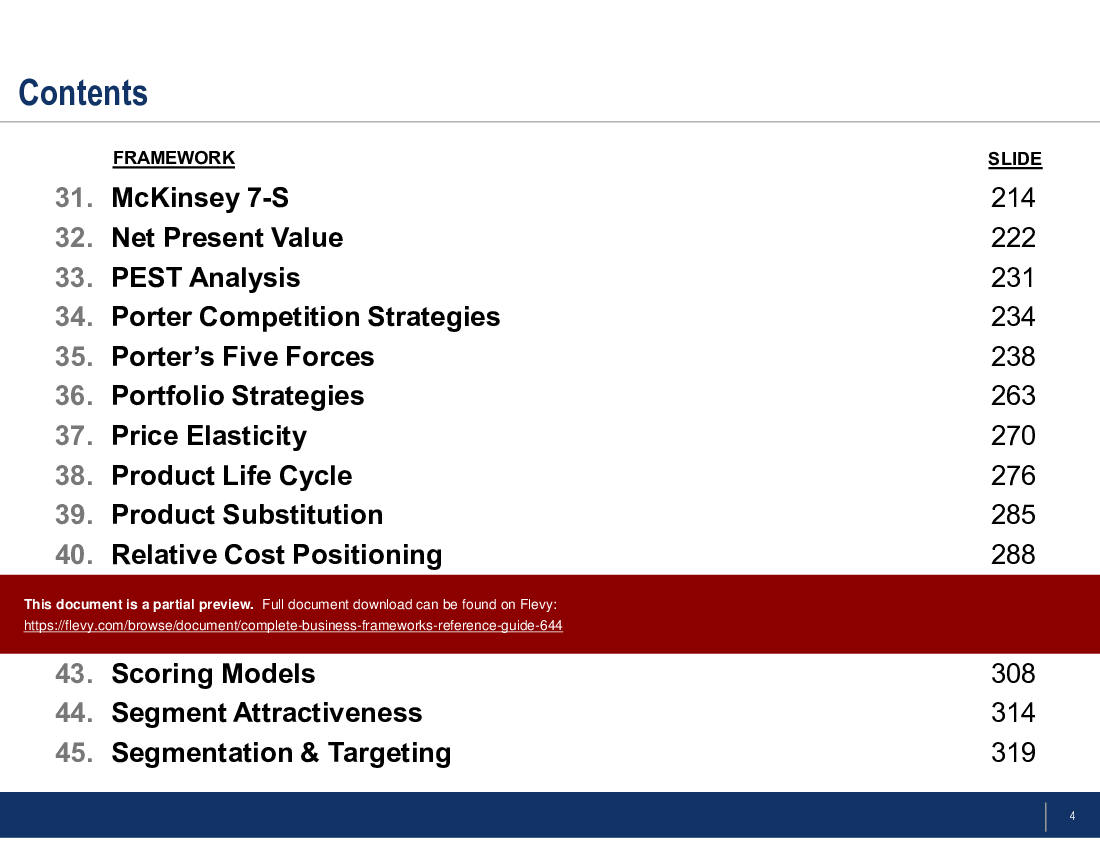
• McKinsey 7-S
• Net Present Value
• PEST Analysis
• Porter Competition Strategies
• Porter's Five Forces
• Portfolio Strategies
• Price Elasticity
• Product Life Cycle
• Product Substitution
• Relative Cost Positioning
• Rogers' Five Factors
• Scenario Techniques
• Scoring Models
• Segment Attractiveness
• Segmentation & Targeting
• Six Thinking Hats
• Stakeholder Analysis
• Strategic Intent
• Strengths & Weaknesses Analysis
• Structure-Conduct-Performance (SCP)
• SWOT Analysis
• SWOT Strategies
• Theory of Constraints
• Treacy / Wiersema Market Positioning
• Value-based Pricing
• Value Chain Analysis
• Value Disciplines Model
• Venkat Matrix
These frameworks and templates are the same used by top tier consulting firms. With this comprehensive document in your back pocket, you can find a way to address just about any problem that can arise in your organization.
The level of detail varies by framework, depending on the nature of the management model. Examples, templates, and case studies are provided.
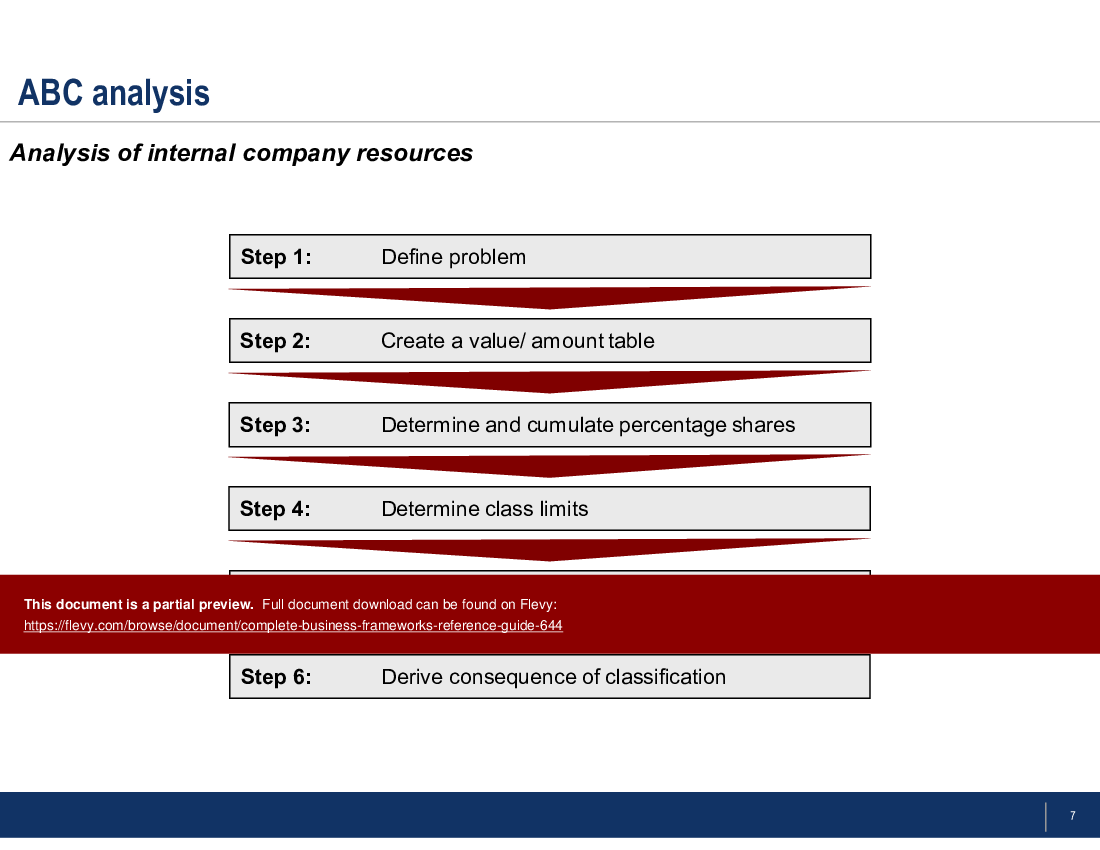
This guide includes step-by-step instructions for conducting ABC analysis and detailed breakdowns of the adoption cycle. It also offers templates for strategic positioning and balanced scorecards, ensuring practical application in real-world scenarios.
Got a question about the product? Email us at support@flevy.com or ask the author directly by using the "Ask the Author a Question" form. If you cannot view the preview above this document description, go here to view the large preview instead.
MARCUS OVERVIEW
This synopsis was written by Marcus [?] based on the analysis of the full 407-slide presentation.
Executive Summary
The Complete Business Frameworks Toolkit is an extensive 400+ slide presentation designed for corporate executives, integration leaders, and consultants. This toolkit offers over 58 consulting frameworks and methodologies, meticulously crafted by former consultants from top-tier firms like McKinsey, BCG, Deloitte, EY, and Capgemini. It serves as a comprehensive reference guide, enabling users to enhance their strategic, operational, and financial insights. By leveraging these frameworks, users can effectively address complex business challenges, streamline decision-making processes, and drive organizational success.
Who This Is For and When to Use
• Corporate executives seeking to refine strategic initiatives and operational efficiencies.
• Integration leaders managing mergers, acquisitions, or organizational transformations.
• Consultants aiming to deliver high-quality insights and frameworks to clients.
• Business analysts focused on performance improvement and strategic planning.
• Project managers overseeing complex projects requiring structured methodologies.
Best-fit moments to use this deck:
• During strategic planning sessions to align on frameworks and methodologies.
• In workshops aimed at enhancing team collaboration and problem-solving.
• When conducting market analysis or competitive assessments.
• For training sessions on best practices in consulting and project management.
Learning Objectives
• Define and apply various consulting frameworks to real-world business scenarios.
• Build comprehensive strategies using the insights derived from the toolkit.
• Establish a structured approach to problem-solving and decision-making.
• Identify key performance indicators and metrics for measuring success.
• Analyze market dynamics and competitive landscapes using established methodologies.
• Develop actionable plans based on the frameworks provided in the toolkit.
Primary Topics Covered
• ABC Analysis - A method for categorizing inventory based on importance, helping organizations focus on critical items.
• Adoption Cycle - A framework illustrating the stages consumers go through when adopting new products.
• Balanced Scorecard - A strategic planning tool that translates an organization’s mission and vision into actionable objectives.
• BCG Growth-Share Matrix - A portfolio management framework that helps organizations allocate resources based on market growth and share.
• Customer Experience - An analysis of customer interactions with a business, focusing on enhancing satisfaction and loyalty.
• SWOT Analysis - A strategic planning tool that identifies strengths, weaknesses, opportunities, and threats related to competition.
Deliverables, Templates, and Tools
• Framework templates for conducting ABC analysis and gap analysis.
• Balanced Scorecard templates for tracking performance across multiple perspectives.
• Customer satisfaction survey templates to gather feedback from clients.
• Market sizing and share analysis tools to evaluate competitive positioning.
• Scoring models for assessing product or service options against key criteria.
Slide Highlights
• Visual representations of the BCG Growth-Share Matrix and GE-McKinsey Matrix.
• Detailed frameworks for the Adoption Cycle and Customer Decision Journey.
• Illustrative examples of SWOT analysis outputs and key success factors.
Potential Workshop Agenda
Framework Overview Session (60 minutes)
• Introduce key frameworks and their applications.
• Discuss how to leverage these frameworks in strategic planning.
Hands-On Application Workshop (90 minutes)
• Break into groups to apply selected frameworks to case studies.
• Present findings and discuss insights gained from the frameworks.
Framework Integration Session (60 minutes)
• Discuss how to integrate multiple frameworks for comprehensive analysis.
• Explore real-world applications and best practices.
Customization Guidance
• Tailor the frameworks to align with specific organizational goals and industry contexts.
• Adjust templates to reflect unique metrics and KPIs relevant to the organization.
• Incorporate company-specific terminology and branding into presentations.
Secondary Topics Covered
• Environmental Analysis - A framework for assessing external factors impacting business strategy.
• Cost Structure Analysis - A method for understanding the components of a company’s cost structure.
• Value Chain Analysis - A tool for identifying key activities that create value within an organization.
FAQ What is the purpose of the Complete Business Frameworks Toolkit?
The toolkit serves as a comprehensive reference for executives and consultants to enhance their strategic, operational, and financial insights through established consulting frameworks.
How can I customize the frameworks for my organization?
You can tailor the frameworks by aligning them with your specific organizational goals, adjusting templates to reflect unique metrics, and incorporating company-specific terminology.
What types of frameworks are included in the toolkit?
The toolkit includes a variety of frameworks, such as SWOT analysis, BCG Growth-Share Matrix, Balanced Scorecard, and more, covering areas from strategy to operations to finance.
How do I implement the frameworks in my organization?
Begin by selecting relevant frameworks based on your organizational needs, then conduct workshops to train teams on their application, ensuring alignment with strategic objectives.
Can the frameworks be used for training purposes?
Yes, the frameworks are designed to facilitate training sessions, enabling teams to learn best practices in consulting and strategic planning.
What are the benefits of using the Balanced Scorecard?
The Balanced Scorecard helps organizations translate their vision and strategy into actionable objectives, providing a comprehensive view of performance across multiple perspectives.
How do I assess market attractiveness using the frameworks?
Utilize the Market Sizing and Share framework to evaluate market dynamics, competitive positioning, and growth potential, incorporating both quantitative and qualitative analyses.
What is the significance of the Adoption Cycle?
The Adoption Cycle illustrates the stages consumers go through when adopting new products, helping organizations tailor marketing strategies to different consumer segments.
Glossary
• ABC Analysis - A method for categorizing inventory based on importance.
• Balanced Scorecard - A strategic planning tool that links performance measures to organizational objectives.
• BCG Growth-Share Matrix - A portfolio management framework for resource allocation.
• SWOT Analysis - A strategic planning tool identifying strengths, weaknesses, opportunities, and threats.
• Value Chain - A model illustrating the key activities that create value in an organization.
• Market Share - The percentage of an industry or market's total sales that is earned by a particular company.
• Customer Experience - The sum of all interactions a customer has with a business.
• PEST Analysis - A framework for analyzing external factors affecting an organization.
• Porter's Five Forces - A model for analyzing the competitive forces within an industry.
• Economies of Scale - The cost advantage that arises with increased output of a product.
• Customer Satisfaction - A measure of how products and services meet or exceed customer expectations.
• Key Success Factors - Elements that are vital for a strategy to be successful.
• Value-Based Pricing - A pricing strategy based on the perceived value of a product to the customer.
• Gap Analysis - A method for assessing the difference between current performance and desired performance.

• Experience Curve - A concept that suggests that the more experience a company has in producing a product, the lower its costs will be.
• Theory of Constraints - A methodology for identifying and managing constraints that hinder an organization's performance.
• Rogers’ Five Factors - A framework for understanding the diffusion of innovations.
• Venkat Matrix - A tool for identifying differentiating versus parity capabilities in a business.
• Treacy/Wiersema Model - A framework suggesting that companies should excel in one of 3 value disciplines: operational excellence, product leadership, or customer intimacy.
This slide outlines a structured approach to market dynamics analysis, starting with foundational insights: size and growth, market players, market share, and key issues. These elements are essential for understanding market landscapes. The section "Customized detail" allows for tailored analysis based on specific inquiries, focusing on market attractiveness, company profiles, case studies, and trends. This structure emphasizes the need for both broad overviews and detailed insights to inform strategic decision-making. The arrows connecting basic elements to customized details indicate a logical progression from general understanding to targeted analysis, essential for executives navigating complex market environments.
This slide presents a financial ratio analysis using the Dupont Tree, also known as the RONA model. The model emphasizes 3 primary levers: Margin, Costs, and Asset Base, which are crucial for overall financial performance. The Margin lever focuses on gross sales and total turnover, illustrating the impact of sales figures on profitability. The Costs section details various components, such as raw materials and operating costs, highlighting operational efficiency. The Asset Base lever includes tangible assets and working capital, affecting the return on net assets (RONA). The flowchart format clarifies the relationships between these components and their connection to shareholder value, making the Dupont Tree a strategic tool for enhancing financial health and performance insights.
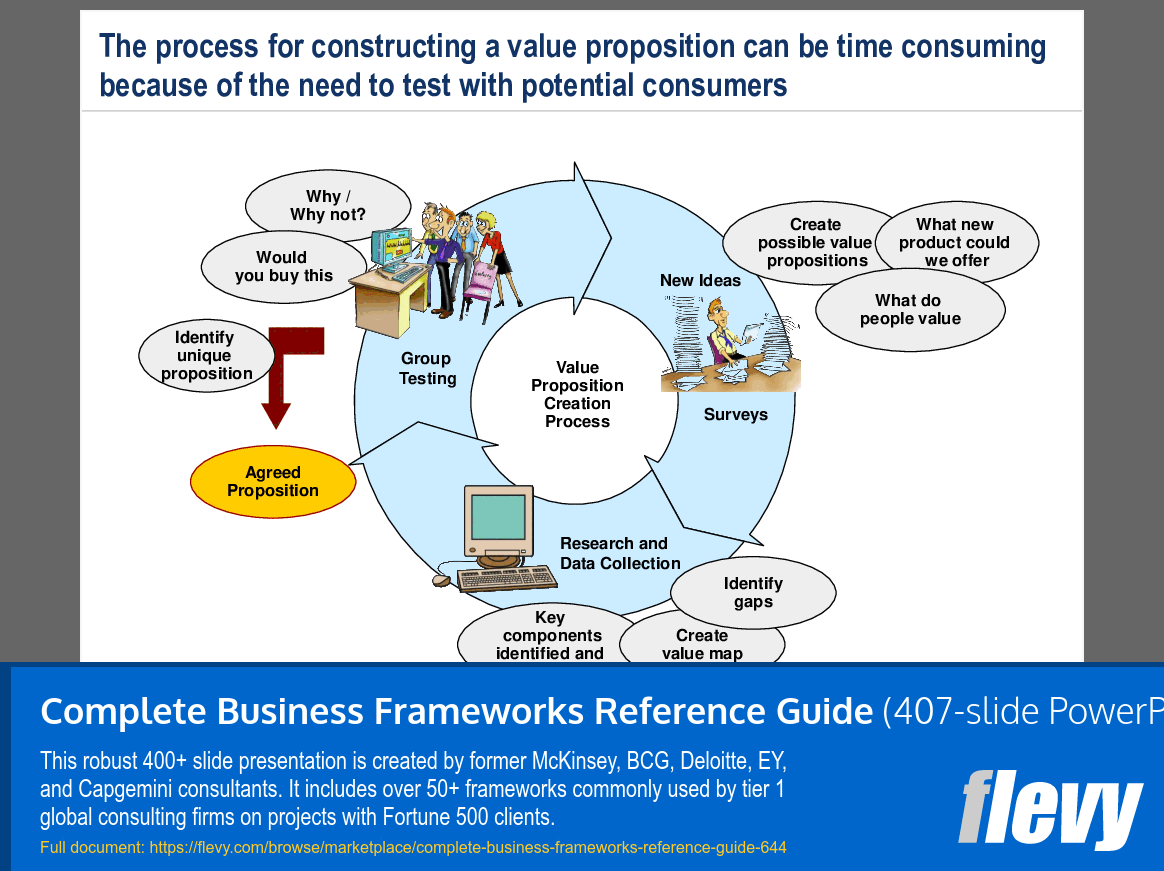
This slide outlines a systematic approach to developing a value proposition, emphasizing consumer testing. The process begins with identifying a unique proposition, serving as the foundation for subsequent steps. Group testing engages potential consumers to assess interest and gather insights on preferences, using questions like "Would you buy this?" and "Why/Why not?" to refine the proposition. The generation of new ideas and possible value propositions encourages creativity, with surveys collecting quantitative data to validate concepts and gauge market interest. Research focuses on identifying market gaps to ensure alignment with consumer expectations. The slide concludes with a value map, visually representing how the agreed proposition meets identified consumer needs. This methodical approach enhances market success and ensures resonance with target audiences.
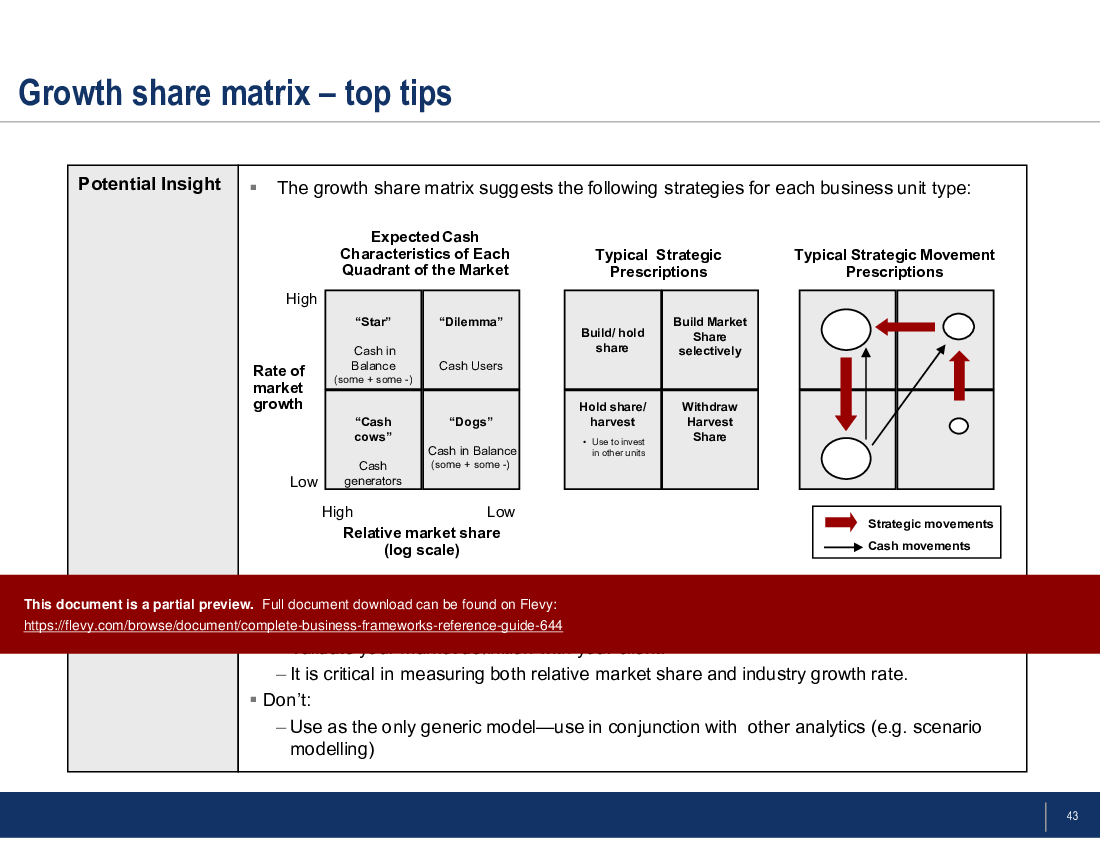
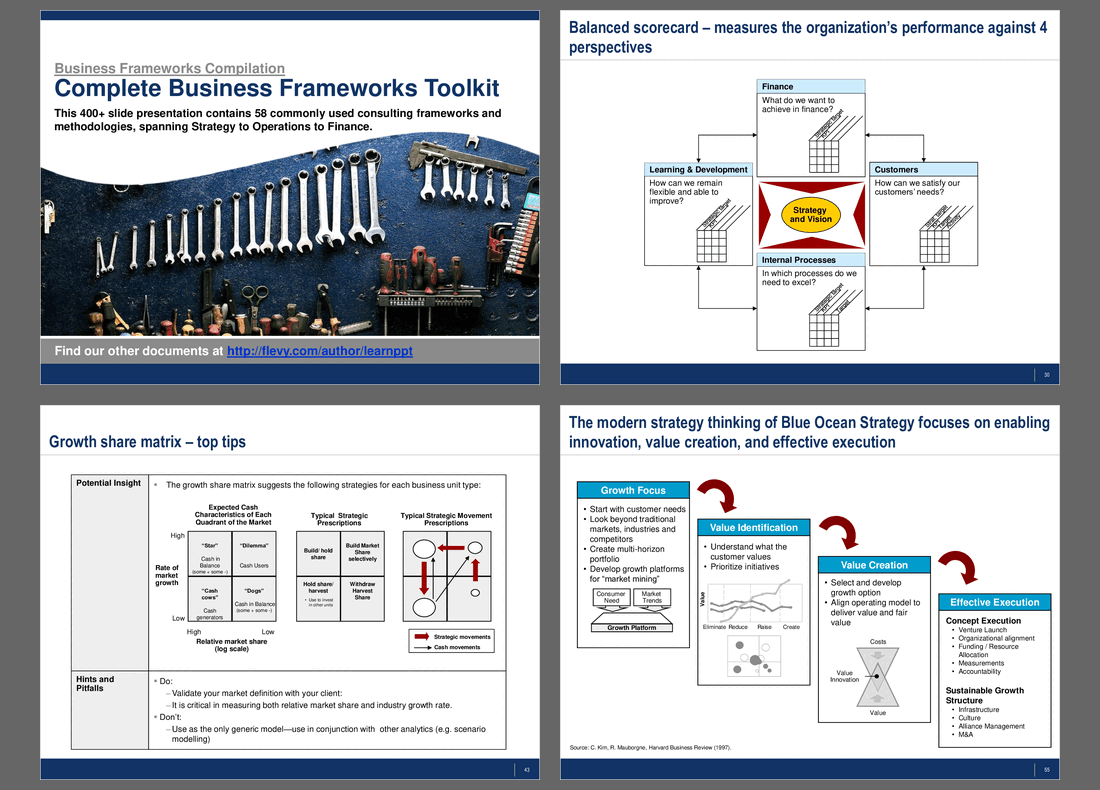
This slide outlines the growth share matrix, categorizing business units into 4 quadrants: Stars, Dilemmas, Cash Cows, and Dogs. Stars are in high-growth markets with strong cash generation, while Dogs are in low-growth markets with minimal cash flow. Strategic recommendations include building or holding market share for Stars, selective market share building for Dilemmas, and holding or harvesting market share for Cash Cows. Dogs should withdraw or harvest their share to minimize investment. The slide emphasizes validating market definitions with clients for accurate measurement of relative market share and industry growth rates, and cautions against using the growth share matrix as a standalone model, advocating for its use alongside other analytical tools for comprehensive insights.
The matrix integrates industry maturity with competitive positioning using life cycle theory. The vertical axis ranges from "Weak" to "Mature," while the horizontal axis categorizes positions from "Weak" to "Dominant." This visual representation shows how a company's competitive stance correlates with industry maturity. The 4 quadrants represent unique combinations of these factors, with the "Introduction" stage highlighting challenges in market entry. Strategic decisions regarding resource allocation and market entry tactics can be guided by this positioning. Actionable insights include marketing initiatives for new products in emerging markets, international expansion via export or licensing, production rationalization for cost reduction, and efficient management practices like computerized planning. The "Harvest" focus emphasizes cash extraction for companies in mature or declining industries.
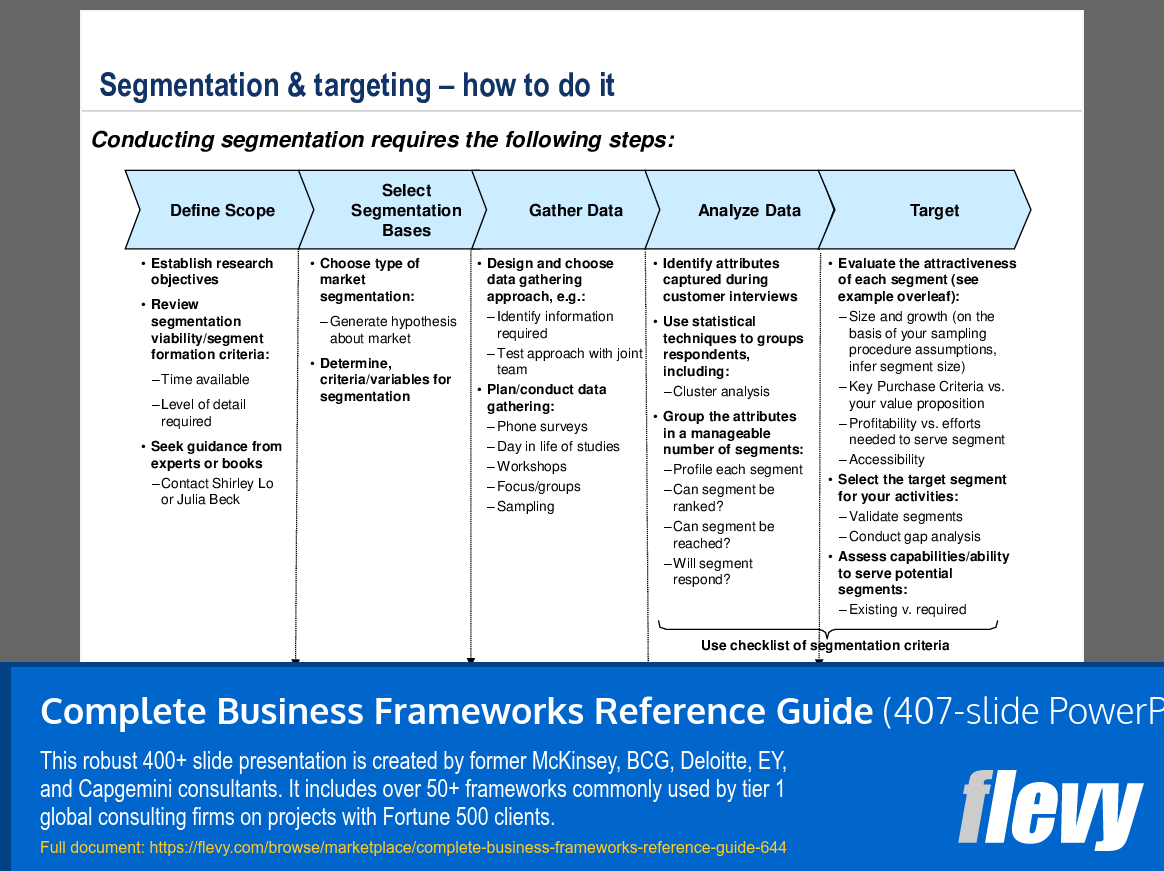
This slide outlines a structured approach to market segmentation and targeting, comprising 5 key steps: Define Scope, Select Segmentation Bases, Gather Data, Analyze Data, and Target. In the "Define Scope" phase, establishing research objectives and reviewing segmentation viability are critical. The "Select Segmentation Bases" step involves generating hypotheses and determining specific criteria for segmentation. The data gathering phase highlights various methods, including phone surveys and focus groups, to ensure comprehensive market understanding. In the "Analyze Data" section, employing statistical techniques like cluster analysis to identify customer attributes is essential for segmenting the market. Finally, the "Target" step evaluates segment attractiveness based on size, growth potential, and alignment with the company's value proposition, ensuring selected segments match organizational capabilities.
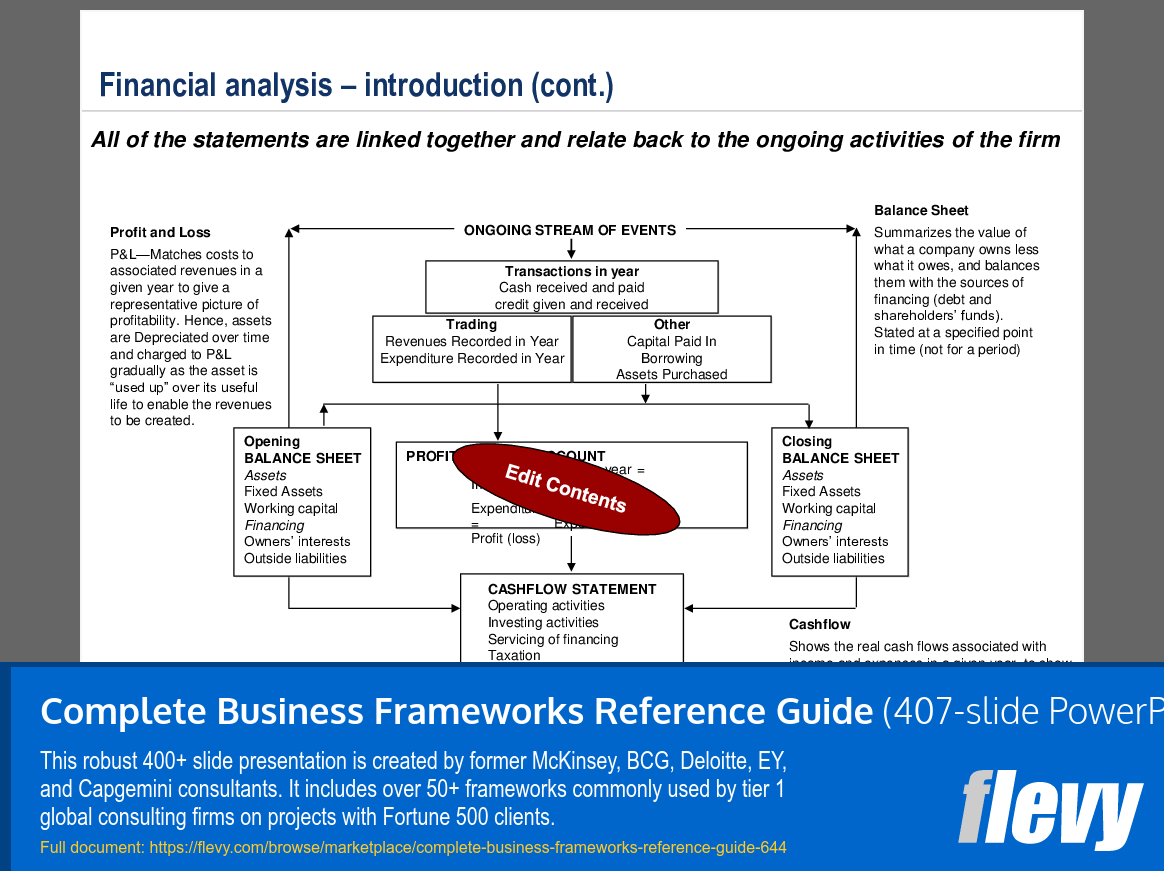
This slide provides an overview of financial analysis, focusing on the interconnectedness of financial statements. The Profit and Loss (P&L) statement aligns costs with revenues for a specific year, clarifying profitability. Assets are depreciated over time, affecting the P&L as they are utilized, which is essential for revenue generation. The flowchart begins with the Opening Balance Sheet, detailing assets, fixed assets, working capital, and financing sources. Ongoing events are categorized into Trading transactions, which include revenues and expenditures, and Other transactions, encompassing capital inflows and asset purchases, crucial for cash flow tracking. The Cashflow Statement breaks down operating, investing, and financing activities, revealing actual cash movements and liquidity. Finally, the Closing Balance Sheet summarizes the company's financial position, balancing assets against liabilities, providing a holistic view of financial dynamics.
The Competing Values Framework categorizes eight leadership roles into 4 quadrants based on flexibility versus control and internal versus external focus. In the "Human Relations Model," the Mentor and Facilitator roles emphasize interpersonal relationships and team dynamics, focusing on talent development and effective communication. The "Open System Model" features the Innovator and Broker roles, which prioritize external engagement, driving change, and building networks. The "Internal Process Model" includes the Monitor and Coordinator roles, centered on internal efficiency and aligning resources. Lastly, the "Rational Goal Model" comprises the Producer and Director roles, which focus on achieving targets and strategic direction. This framework illustrates how these roles contribute to organizational success and effectiveness.
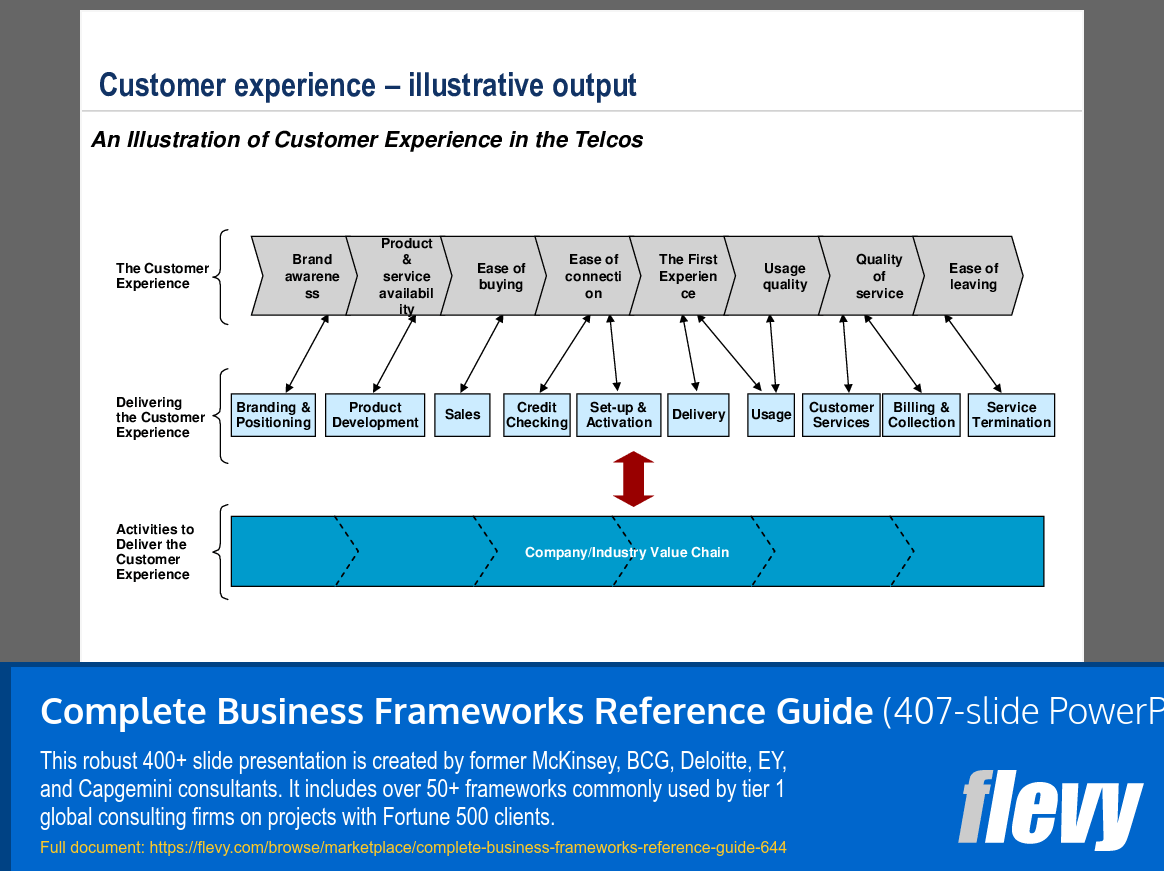
This slide provides a structured overview of customer experience in the telecommunications sector, categorizing the customer journey into 3 components: "The Customer Experience," "Delivering the Customer Experience," and "Activities to Deliver the Customer Experience." Key factors influencing customer perceptions include brand awareness, product availability, ease of buying, and service quality. The flow from these factors to subsequent interactions indicates a direct relationship between initial perceptions and later experiences. Operational functions such as branding, product development, sales, customer services, and billing contribute to the customer journey, emphasizing operational efficiency and customer-centric practices. The "Company/Industry Value Chain" highlights the interconnectedness of these activities, underscoring the importance of optimizing each segment to enhance customer satisfaction and loyalty.
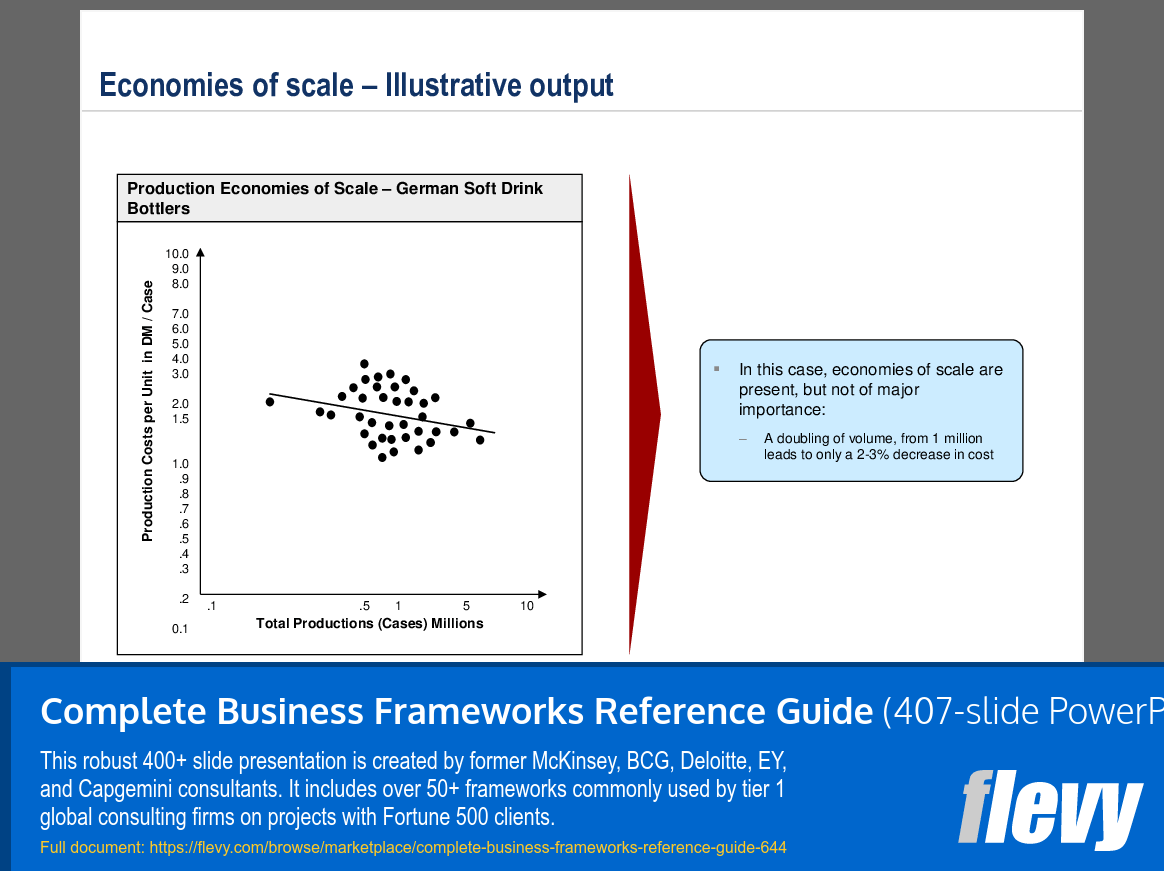
This slide analyzes economies of scale in German soft drink bottlers, illustrated by a scatter plot showing the relationship between total production (in millions of cases) and production costs per unit (in DM per case). The downward trend indicates that as production increases, costs per unit decrease,, but the impact is minimal. Doubling production volume from one million cases results in only a 2-3% cost reduction. This insight suggests that increasing production may not yield substantial cost savings, raising questions about the efficiency of current production processes and the potential for alternative strategies. This analysis informs operational strategy and financial forecasting, guiding decision-makers on scaling operations.
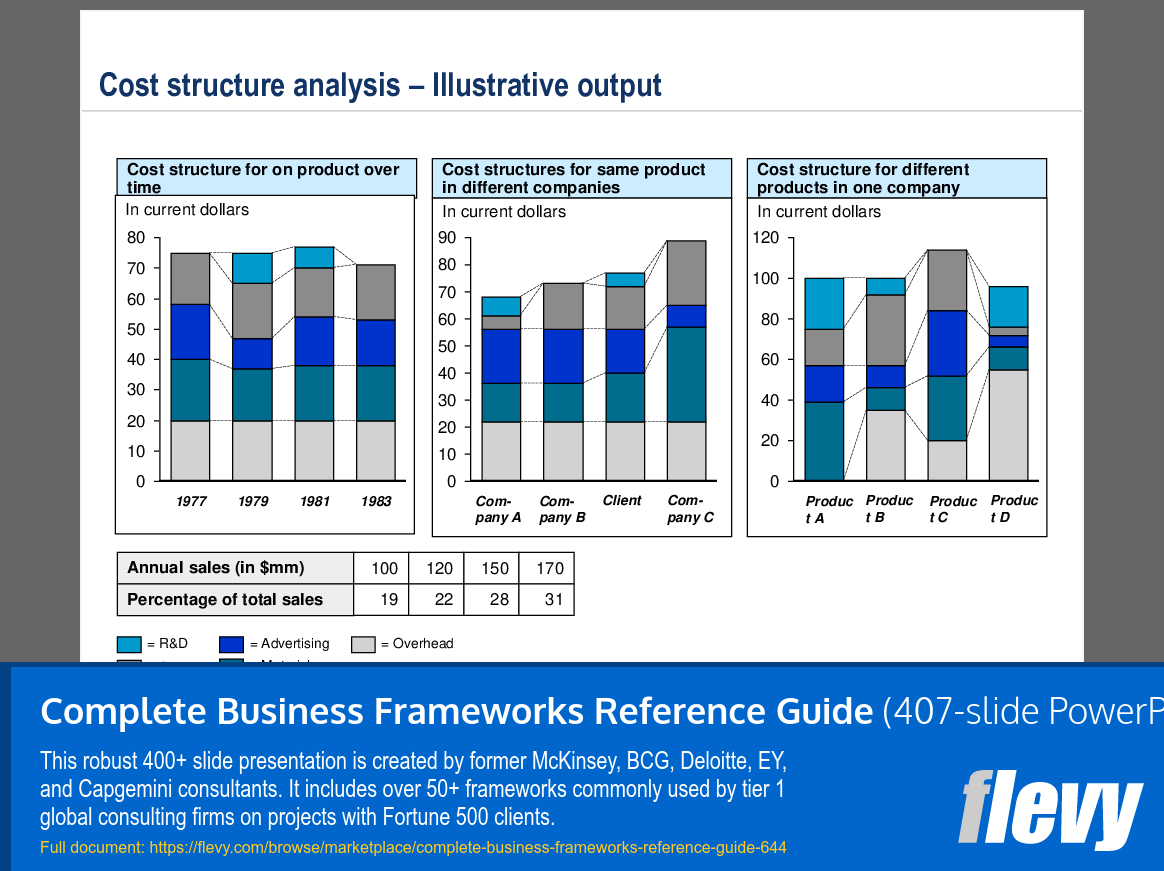
This slide analyzes cost structures across 3 dimensions. The first section details the cost structure of a specific product from 1977 to 1983, showcasing costs in current dollars segmented into R&D, advertising, and overhead. This historical analysis reveals trends in cost evolution. The second section compares cost structures of the same product across Company A, Company B, Client, and Company C, highlighting resource allocation and cost management strategies. The third section examines cost allocation among different products within a single company, providing insights into product profitability and resource allocation strategies. This comprehensive analysis aids executives in assessing cost management practices and benchmarking against industry peers.
The GE-McKinsey Matrix is a strategic tool for evaluating business units based on 2 dimensions: Industry Attractiveness and Business Unit Strength. The Y-axis represents Industry Attractiveness, categorized into high, medium, or low scores, assessing market entry potential. The X-axis plots Business Unit Strength, gauging competitive capacity through factors like market share, brand positioning, and customer loyalty. The matrix's intersection visualizes business unit positions relative to market opportunities. Three investment strategies derived from the matrix are Grow/Invest, Hold/Protect, and Harvest/Divest. Units in the "Harvest" section should only receive investment if returns exceed initial investment. This framework aids executives in prioritizing investments and resource allocation, enhancing strategic planning and operational efficiency.
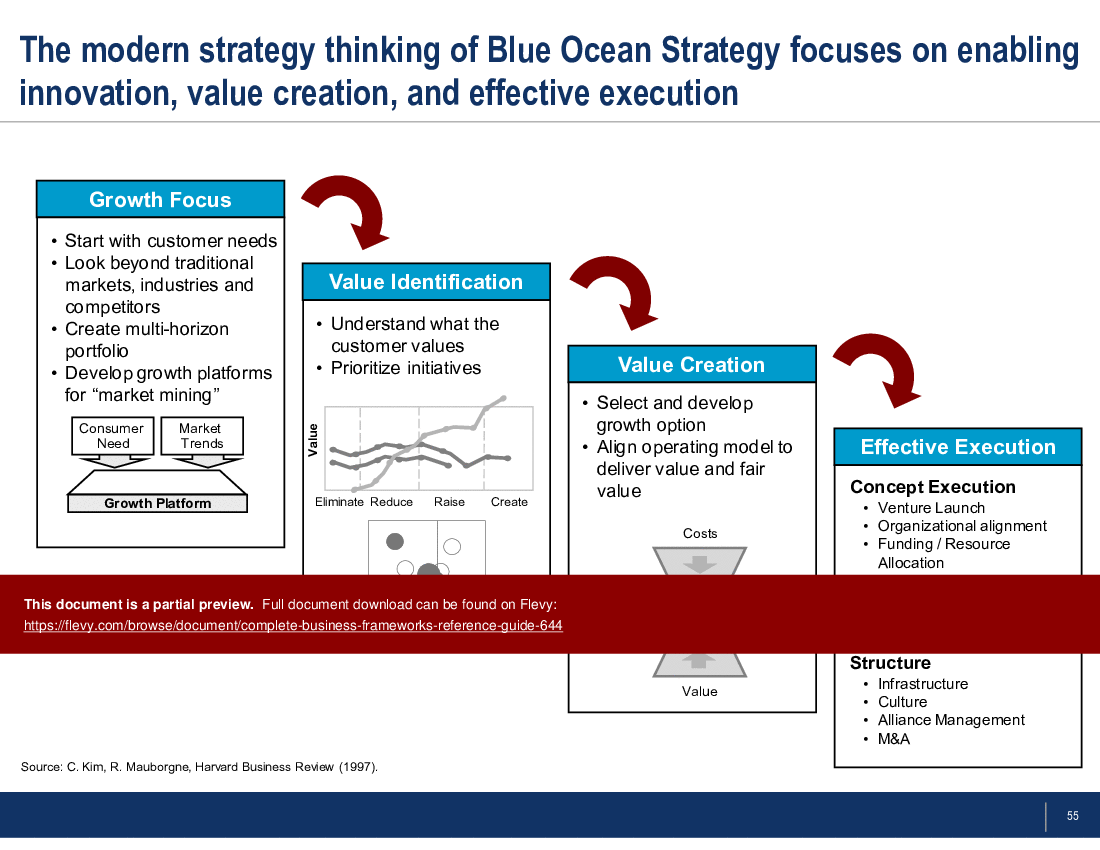
This slide outlines a structured approach to modern strategy thinking through Blue Ocean Strategy, highlighting 4 components: Growth Focus, Value Identification, Value Creation, and Effective Execution. Growth Focus emphasizes aligning strategies with customer needs and exploring beyond traditional markets, involving a multi-horizon portfolio and growth platforms for "market mining." Value Identification stresses understanding customer value, prioritizing initiatives based on value dimensions—elimination, reduction, raising, and creation. Value Creation focuses on developing growth options and aligning the operating model for value innovation and fair pricing. Effective Execution encompasses practical implementation aspects, including venture launches, organizational alignment, resource allocation, and sustainable growth structures. This framework equips organizations to innovate, create value, and execute strategies effectively.
This slide outlines a structured approach to break-even analysis through a three-step process. The first step involves collecting relevant data, including total costs categorized into fixed and variable components, and understanding associated volumes and revenues. The second step instructs users to plot costs and revenue lines on a graph, starting with the fixed costs line as a baseline, with variable costs represented above it for clear differentiation. The third step identifies the break-even point, defined as the intersection of cost and revenue lines, indicating the number of units that must be sold for operating profit to equal zero. Key components include operating profit (OP), unit selling price (USP), number of units sold (NUS), fixed operating costs (FOC), and unit variable costs (UVC). The accompanying chart visually illustrates these concepts, marking the break-even point and areas of profit and loss for informed decision-making.
This slide outlines a structured approach to core competency analysis, focusing on internal resources. The four-step process includes qualitative and quantitative analysis of customer benefits, past successes, business processes, and competitor relationships to identify strengths and improvement areas. The second step assesses the ease of enhancing identified core competencies, aiding strategic planning and prioritization for significant returns on investment. The third step, countercheck via negation, validates strengths by identifying areas of weakness, ensuring competencies are accurately represented. The final step emphasizes managing core competencies through strategic implementation to drive growth and success.
This slide outlines market sizing methodologies, focusing on 2 primary approaches: using publicly available third-party data and creating in-house approximations when data is unavailable. Publicly available data offers a straightforward method for quick market size insights, while in-house approximations involve component data and proxies, requiring specific assumptions. The flowchart distinguishes between "Top down" and "Bottom up" methodologies. The "Top down" approach aggregates larger market indicators (x + y + z) to estimate size, whereas the "Bottom up" approach builds from individual components (a + b + c) to derive total market size. Direct market size estimates from third-party sources are rare, highlighting the importance of these methodologies.
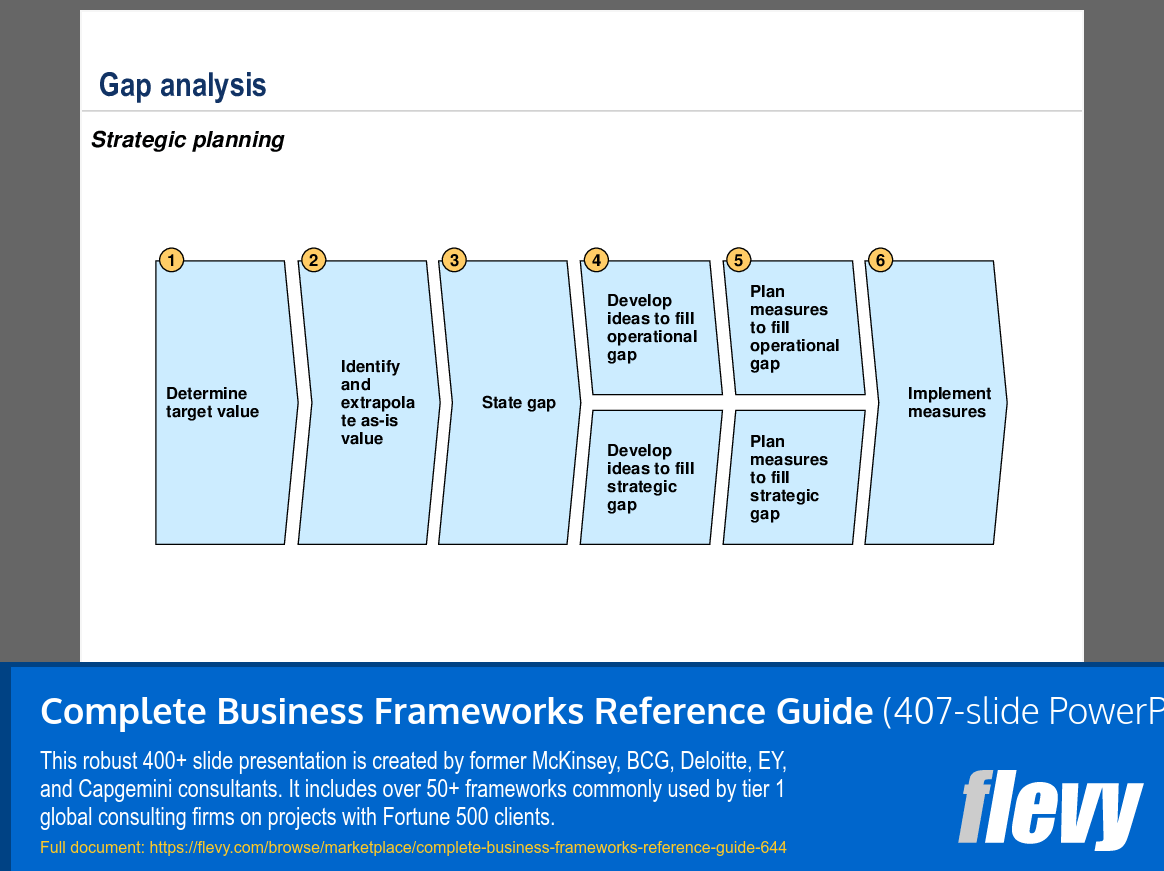
This slide outlines a structured gap analysis approach within strategic planning, consisting of 6 key steps. The first step is determining the target value, establishing a benchmark for success. The second step involves identifying the as-is value to assess current operations. The gap is then stated, highlighting the difference between the as-is and target values, which is essential for prioritizing improvement areas. Subsequent steps focus on developing ideas and planning measures to address both operational and strategic gaps, ensuring immediate issues are resolved while aligning with long-term objectives. The final step emphasizes implementing measures to translate strategy into tangible results, enabling organizations to systematically close performance gaps and enhance effectiveness.
This slide presents a framework for portfolio strategies using a matrix that evaluates market attractiveness against competitive strengths. The matrix is divided into 4 quadrants:
1. Top Left: Low industry attractiveness and high competitive strength suggest profit potential with careful opportunity selection.
2. Top Right: High industry attractiveness and high competitive strength necessitate growth and investment strategies.
3. Middle Left: Neutral conditions indicate a cautious approach due to lack of specific opportunities or strengths.
4. Bottom Left: Saturated markets with poor prospects recommend disinvestment or absorption strategies.
The right side outlines norm strategies for each quadrant, emphasizing selective growth, investment, and disinvestment based on assessed conditions, aiding executives in resource allocation and strategic focus.
This slide presents a balanced scorecard framework for evaluating organizational performance across 4 perspectives: Finance, Learning & Development, Customers, and Internal Processes. The Finance perspective focuses on desired financial achievements, emphasizing critical financial metrics for assessing fiscal health. The Learning & Development section highlights flexibility and continuous improvement as vital for adaptability and skill enhancement. The Customers perspective centers on understanding and satisfying customer needs, essential for market relevance and loyalty. The Internal Processes section identifies areas of excellence, indicating a commitment to operational efficiency. The central element, "Strategy and Vision," ensures alignment with long-term goals, integrating financial outcomes with customer satisfaction and internal capabilities. This balanced scorecard approach provides a structured methodology for comprehensive performance assessment, aligning critical areas with strategic objectives.
Source: Best Practices in Strategy Frameworks, Consulting Training, Gap Analysis, Bain PowerPoint PowerPoint Slides: Complete Business Frameworks Reference Guide PowerPoint (PPTX) Presentation Slide Deck, LearnPPT Consulting
This robust 400+ slide presentation is created by former McKinsey, BCG, Deloitte, EY, and Capgemini consultants. It includes over 50+ frameworks commonly used by tier 1 global consulting firms on projects with Fortune 500 clients.
We are a team of management consultants trained by top tier global consulting firms (including McKinsey, BCG, Deloitte, EY, Capgemini) with a collective experience of several decades. We specialize in business frameworks based on real-life consulting engagements.
We have served 100s of clients that range from Fortune 500 companies to tech startups to
... [read more] $1B+ private companies.
Utilize our consulting frameworks to apply structured thinking & analysis to address your business challenges, uncover strategic insights, and implement workable solutions. Our PowerPoint presentations follow traditional consulting slide design formats, starting with a clear slide headline. Easily customize and repurpose our slides for your own business presentations.
Beyond business frameworks & methodologies, we also offer PowerPoint templates and other business templates. Our templates are professionally designed and have been used in thousands of deliverables & work products across hundreds of clients.
The average daily rate of a McKinsey consultant is $6,625 (not including expenses). The average price of a Flevy document is $65.
Trusted by over 10,000+ Client Organizations
Since 2012, we have provided best practices to over 10,000 businesses and organizations of all sizes, from startups and small businesses to the Fortune 100, in over 130 countries.
"FlevyPro provides business frameworks from many of the global giants in management consulting that allow you to provide best in class solutions for your clients."
– David Harris, Managing Director at Futures Strategy
"As a niche strategic consulting firm, Flevy and FlevyPro frameworks and documents are an on-going reference to help us structure our findings and recommendations to our clients as well as improve their clarity, strength, and visual power. For us, it is an invaluable resource to increase our impact and value."
– David Coloma, Consulting Area Manager at Cynertia Consulting
"I have found Flevy to be an amazing resource and library of useful presentations for lean sigma, change management and so many other topics. This has reduced the time I need to spend on preparing for my performance consultation. The library is easily accessible and updates are regularly provided. A wealth of great information."
– Cynthia Howard RN, PhD, Executive Coach at Ei Leadership
"If you are looking for great resources to save time with your business presentations, Flevy is truly a value-added resource. Flevy has done all the work for you and we will continue to utilize Flevy as a source to extract up-to-date information and data for our virtual and onsite presentations!"
– Debbi Saffo, President at The NiKhar Group
"Flevy.com has proven to be an invaluable resource library to our Independent Management Consultancy, supporting and enabling us to better serve our enterprise clients.
The value derived from our [FlevyPro] subscription in terms of the business it has helped to gain far exceeds the investment made, making a subscription a no-brainer for any growing consultancy – or in-house strategy team."
– Dean Carlton, Chief Transformation Officer, Global Village Transformations Pty Ltd.
"I have used Flevy services for a number of years and have never, ever been disappointed. As a matter of fact, David and his team continue, time after time, to impress me with their willingness to assist and in the real sense of the word. I have concluded in fact
that it is not at all just a repository of documents/resources but, in the way that David and his team manage the firm, it is like dealing with consultants always ready to assist, advise and direct you to what you really need, and they always get it right.
I am an international hospitality accomplished senior executive who has worked and lived during the past 35 years in 23 countries in 5 continents and I can humbly say that I know what customer service is, trust me.
Aside from the great and professional service that Flevy's team provide, their wide variety of material is of utmost great quality, professionally put together and most current.
Well done Flevy, keep up the great work and I look forward to continue working with you in the future and to recommend you to a variety of colleagues around the world.
"
– Roberto Pelliccia, Senior Executive in International Hospitality
"As a consulting firm, we had been creating subject matter training materials for our people and found the excellent materials on Flevy, which saved us 100's of hours of re-creating what already exists on the Flevy materials we purchased."
– Michael Evans, Managing Director at Newport LLC
"My FlevyPro subscription provides me with the most popular frameworks and decks in demand in today’s market. They not only augment my existing consulting and coaching offerings and delivery, but also keep me abreast of the latest trends, inspire new products and service offerings for my practice, and educate me
Download our free compilation of 50+ Strategy & Transformation slides and templates. Frameworks include McKinsey 7-S, Balanced Scorecard, Disruptive Innovation, BCG Curve, and many more.