
This document provides a visual guide to to enabling a value innovation strategy that aims to make the existing competition irrelevant. An established value innovation strategy approach is the Blue Ocean Strategy, first introduced by Chan Kim and Renee Mauborgne in 2005.
This document can serve as a useful resource for anyone looking to understand and implement a value innovation strategy, making it easier for consultants and professionals to apply the key concepts listed below in their work.
Contents:
1. Red vs Blue Ocean Strategy
2. Value Innovation
3. Strategy Canvas
4. Buyer Utility Map
5. Three Tiers of Noncustomers
6. Six Paths Framework
7. Four Actions Framework
8. Eliminate-Reduce-Raise-Create (ERRC) Grid
9. Pioneer Migrator Settler Map
10. Price Corridor of the Target Mass
11. Sequence of Creating a Blue Ocean
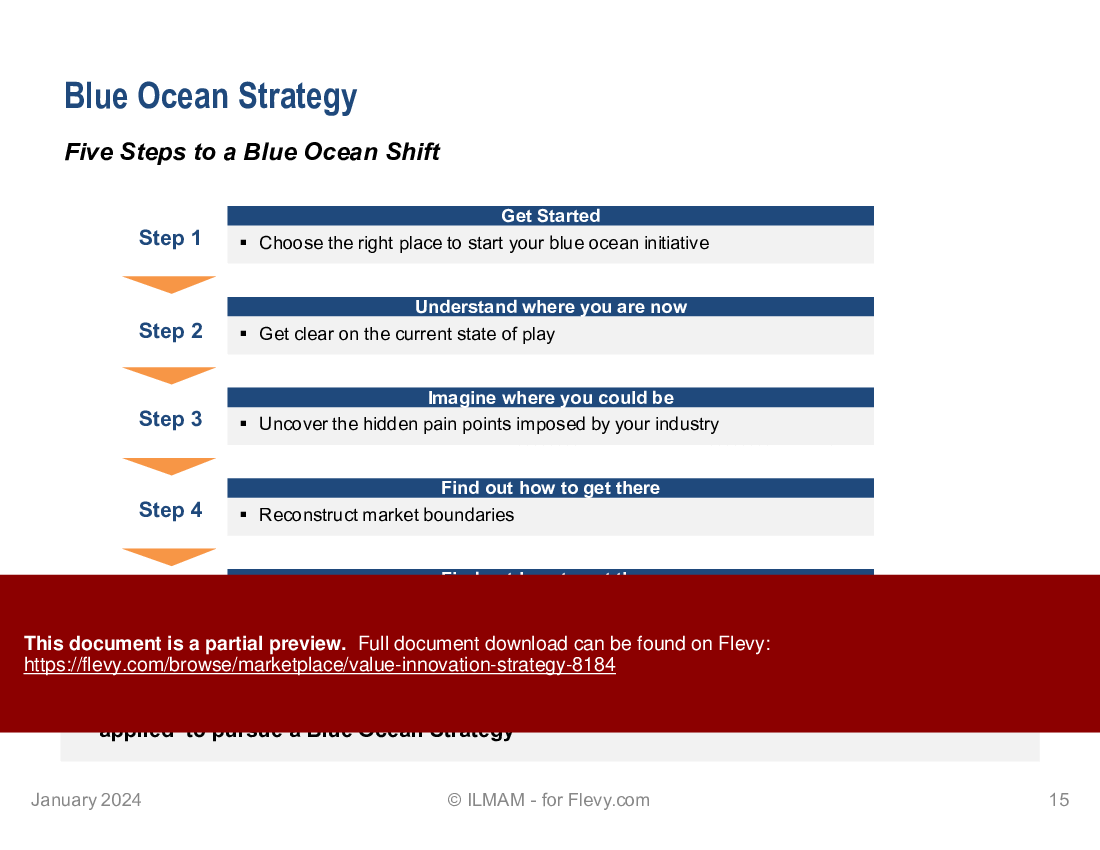
12. Five Steps to a Blue Ocean Shift
13. Three Components of Blue Ocean Shift
14. Three Components of Humanness
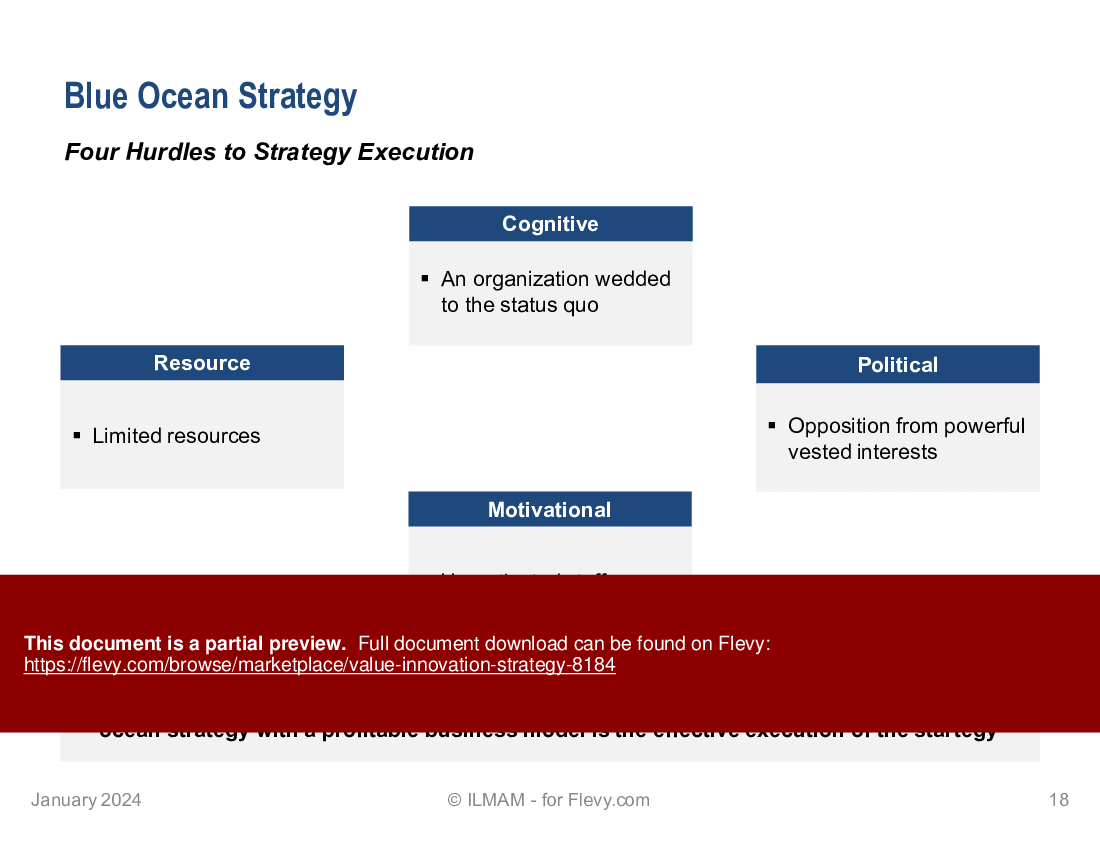
15. Four Hurdles to Strategy Execution
16. Fair Process
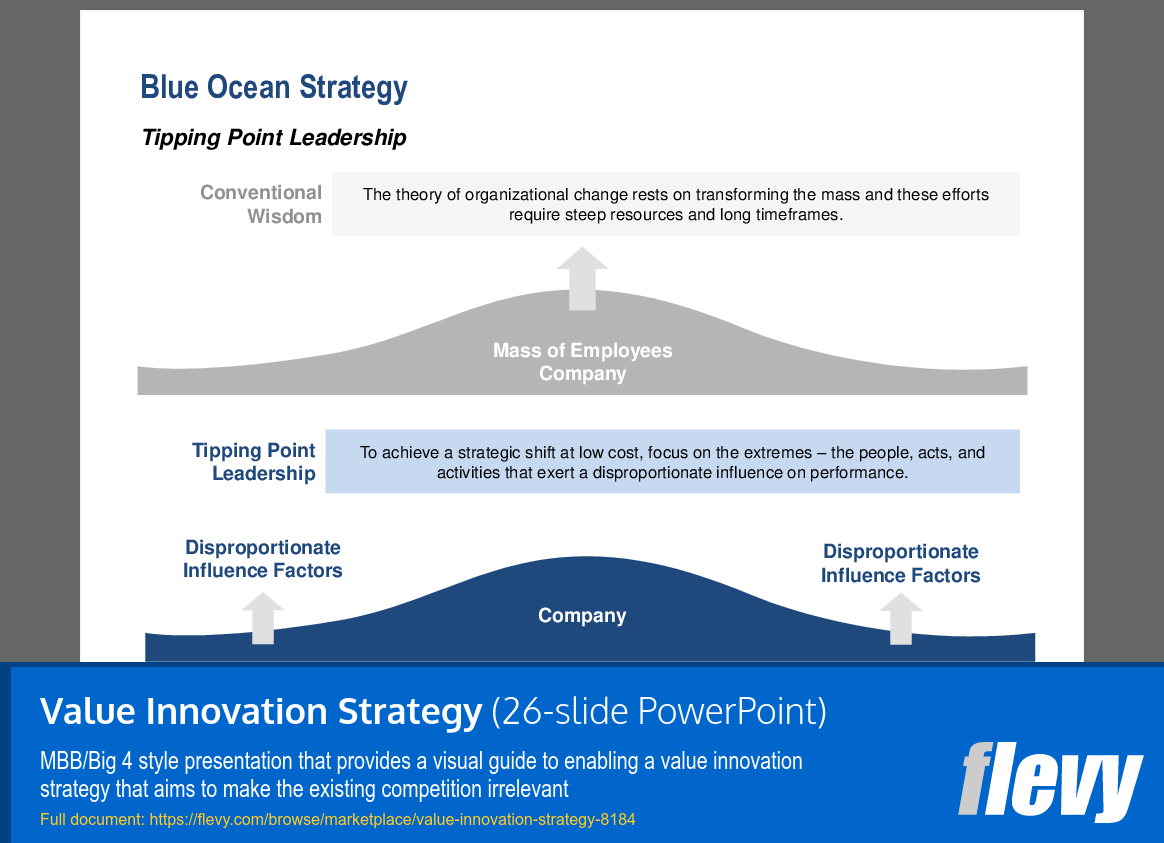
17. Tipping Point Leadership
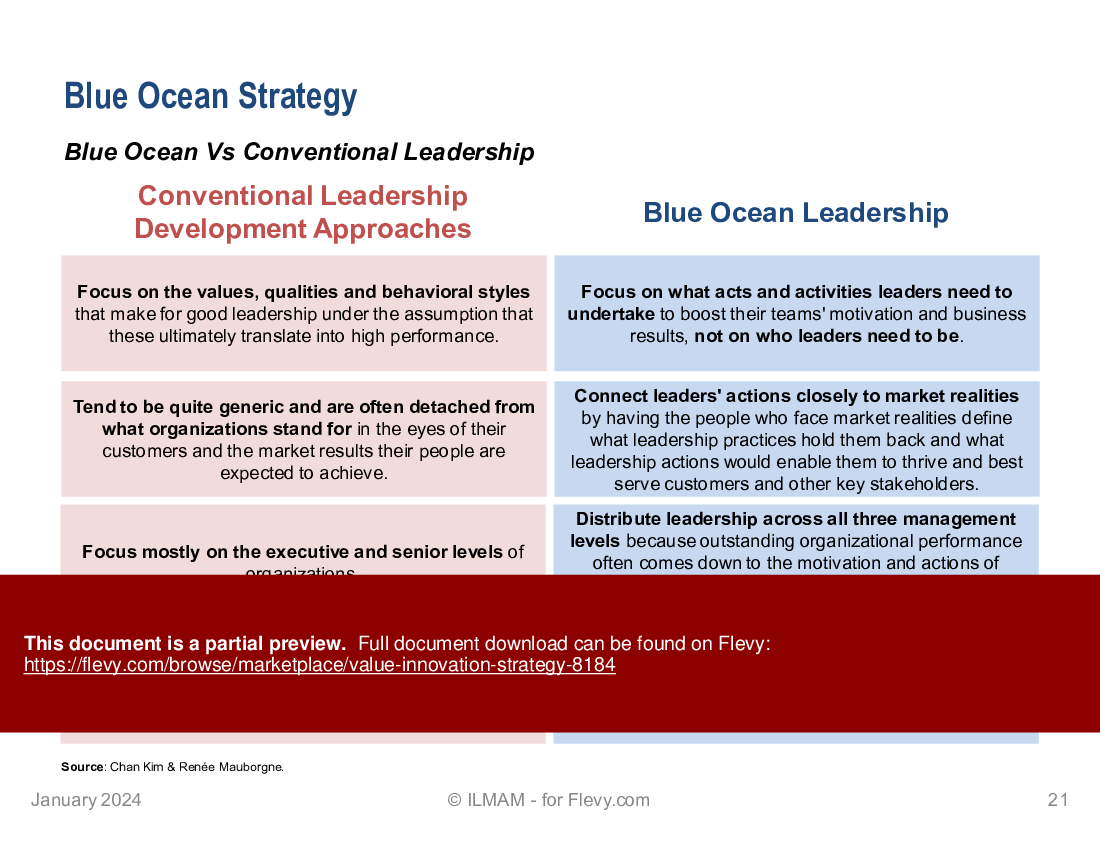
18. Blue Ocean Vs Conventional Leadership
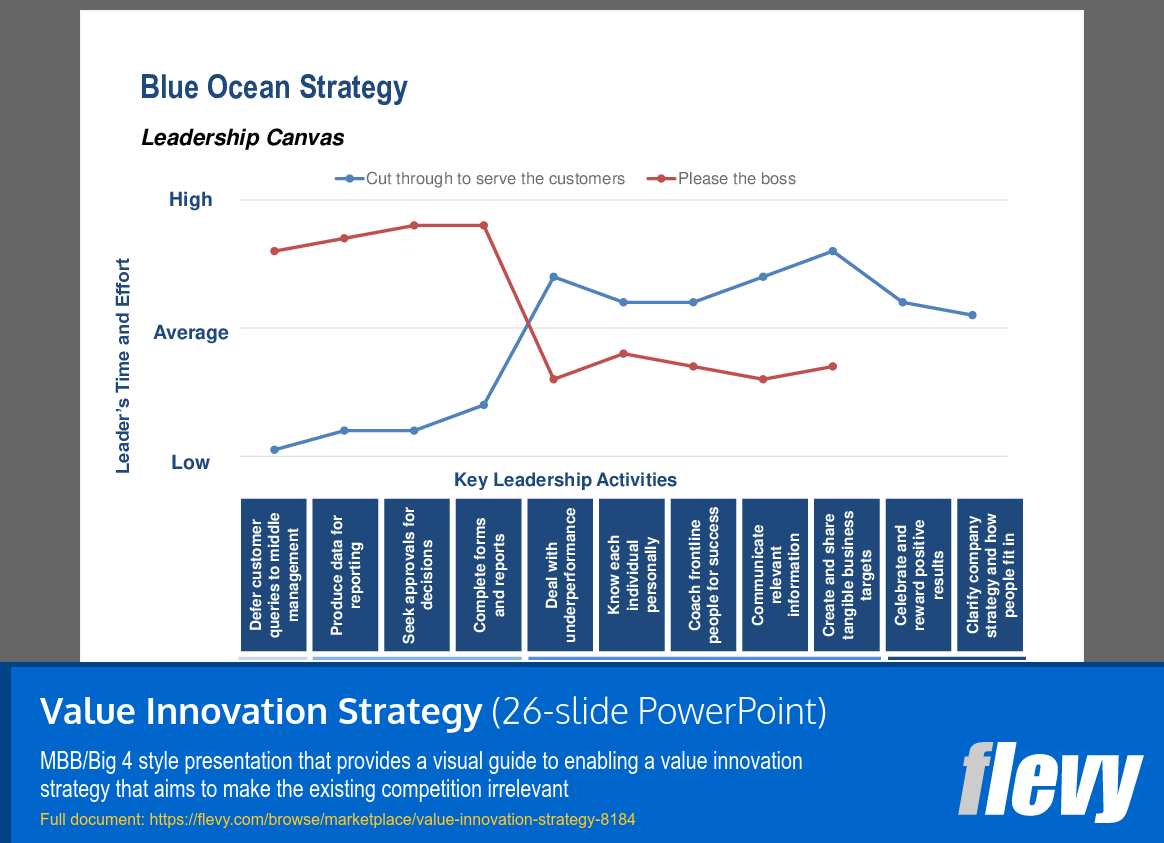
19. Leadership Canvas
20. Blue Ocean Leadership Grid
21. Four-Step Blue Ocean Leadership Process
22. Cost of Disengaged Employees
Got a question about the product? Email us at support@flevy.com or ask the author directly by using the "Ask the Author a Question" form. If you cannot view the preview above this document description, go here to view the large preview instead.
Executive Summary
This presentation on Value Innovation Strategy is crafted in a McKinsey, Bain, or BCG-quality style (consulting-grade; not affiliated). It serves as a visual guide for executives and consultants aiming to implement a value innovation strategy that renders existing competition irrelevant. The deck provides actionable frameworks, including Blue Ocean Strategy, to help organizations create uncontested market spaces. Users will be equipped to identify new demand, align activities for differentiation and low cost, and effectively execute their strategies.
Who This Is For and When to Use
• Corporate executives seeking to drive innovation and strategic shifts
• Business consultants advising clients on market positioning and competitive strategies
• Strategy teams responsible for developing and implementing value innovation initiatives
• Product managers aiming to create unique offerings that meet untapped customer needs
Best-fit moments to use this deck:
• During strategic planning sessions focused on market expansion
• When conducting workshops on innovation and competitive differentiation
• In team meetings aimed at aligning organizational activities with strategic goals
• For presentations to stakeholders about new market opportunities
Learning Objectives
• Define the core principles of Blue Ocean Strategy and its application in value innovation
• Build a comprehensive strategy canvas to visualize competitive positioning
• Establish a buyer utility map to identify customer needs and enhance value delivery
• Analyze noncustomers to uncover latent demand and expand market reach
• Apply the Four Actions Framework to restructure customer value elements
• Develop a clear execution plan addressing the hurdles to strategy implementation
Table of Contents
• Red vs Blue Ocean Strategy (page 2)
• Value Innovation (page 3)
• Strategy Canvas (page 4)
• Buyer Utility Map (page 6)
• Three Tiers of Noncustomers (page 7)
• Six Paths Framework (page 8)
• Four Actions Framework (page 10)
• Eliminate-Reduce-Raise-Create Grid (page 11)
• Pioneer Migrator Settler Map (page 12)
• Price Corridor of the Target Mass (page 13)
• Sequence of Creating a Blue Ocean (page 14)
• Five Steps to a Blue Ocean Shift (page 15)
• Three Components of Blue Ocean Shift (page 16)
• Three Components of Humanness (page 17)
• Four Hurdles to Strategy Execution (page 18)
• Fair Process (page 19)
• Tipping Point Leadership (page 20)
• Blue Ocean Vs Conventional Leadership (page 21)
• Leadership Canvas (page 22)
• Blue Ocean Leadership Grid (page 23)
• Four-Step Blue Ocean Leadership Process (page 24)
• Cost of Disengaged Employees (page 25)
Primary Topics Covered
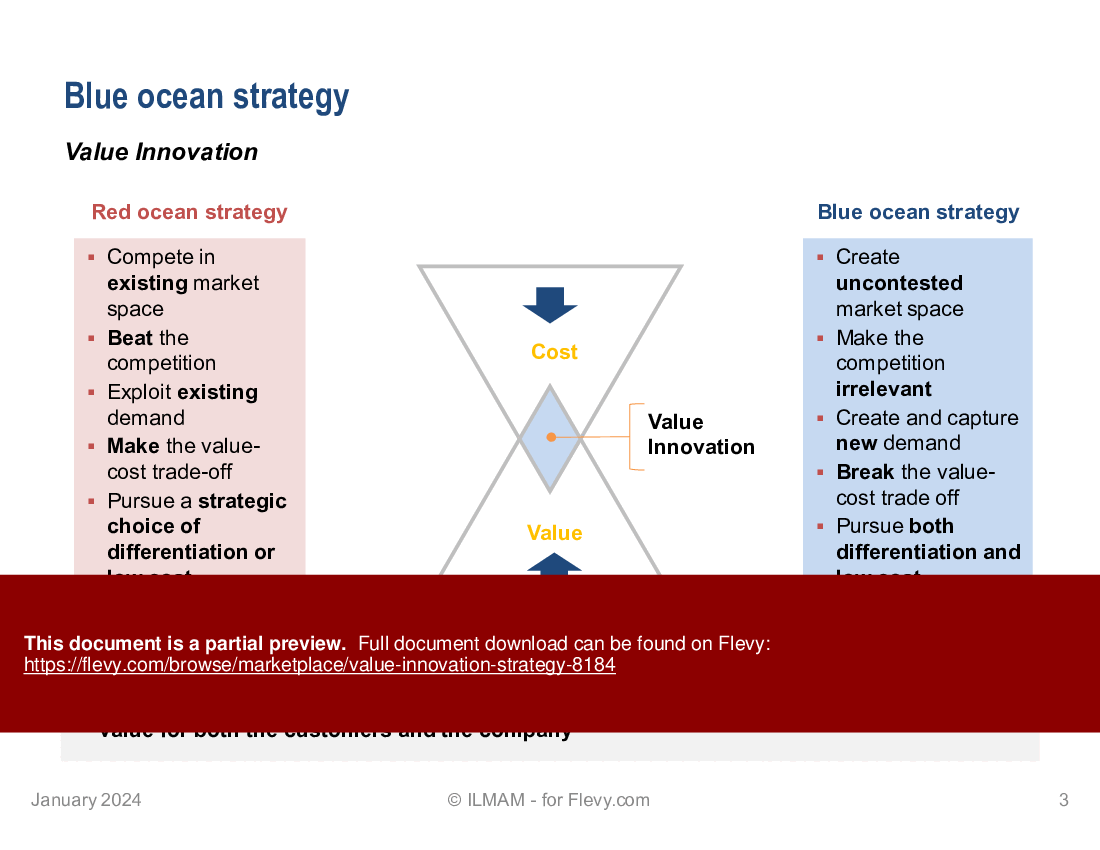
• Red vs Blue Ocean Strategy - Differentiates between competing in existing markets and creating uncontested market spaces, emphasizing the need to make competition irrelevant.
• Value Innovation - Describes the simultaneous pursuit of differentiation and low cost to create added value for both customers and the company.
• Strategy Canvas - A visual tool that illustrates how a company configures its offerings compared to competitors, highlighting strategic positioning.
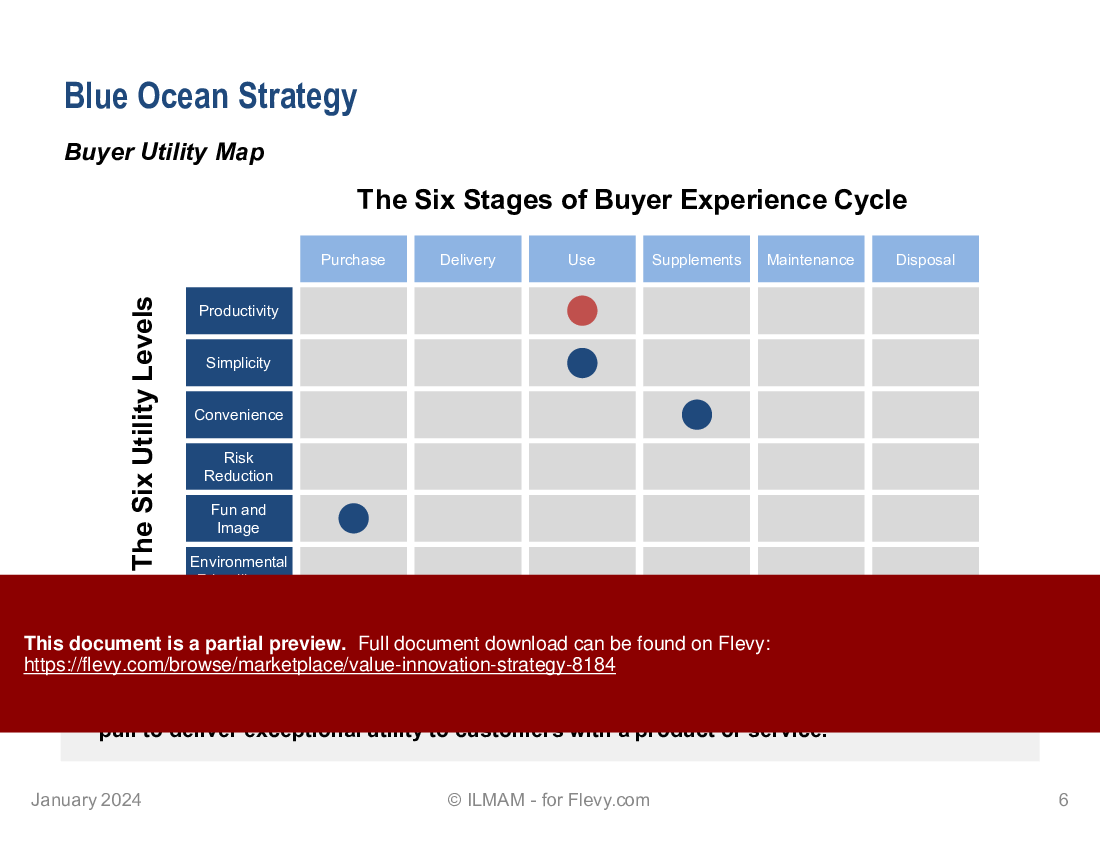
• Buyer Utility Map - Outlines the levers that can be pulled to deliver exceptional utility to customers across different stages of the buyer experience cycle.
• Three Tiers of Noncustomers - Analyzes potential customers who are currently outside the market, providing insights into latent demand.
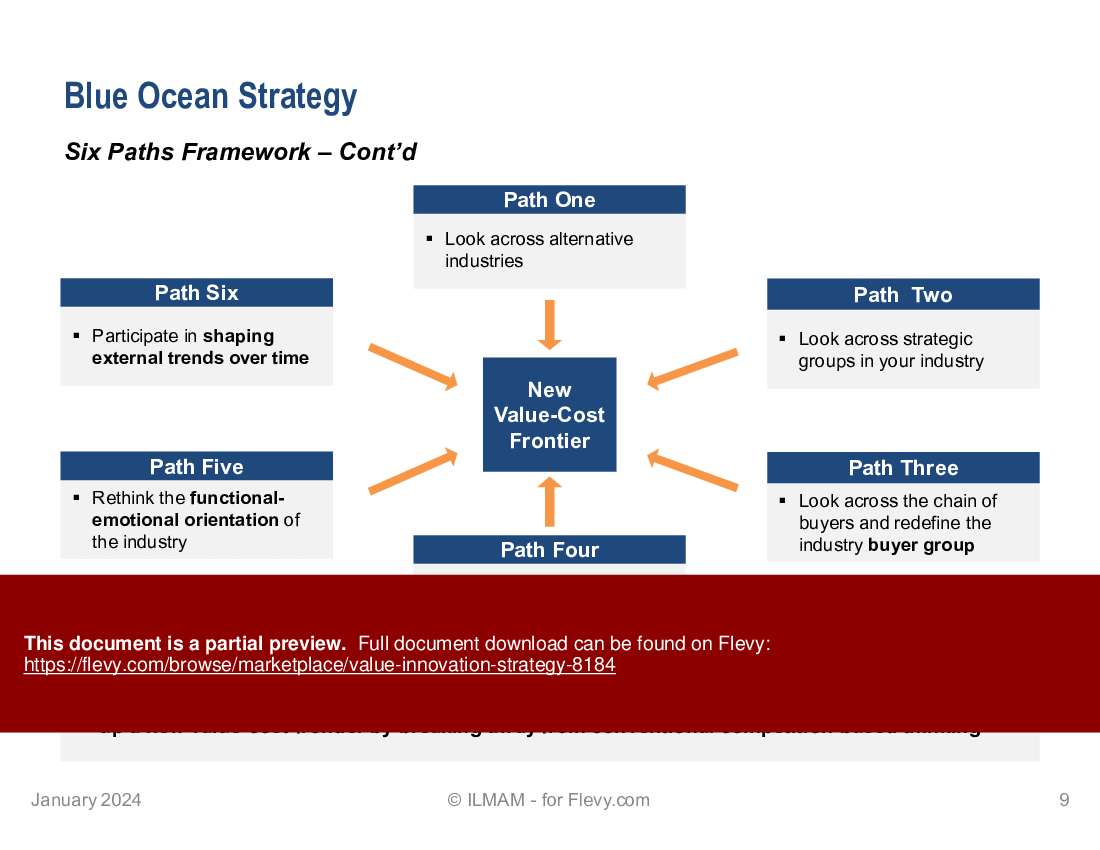
• Six Paths Framework - Offers a systematic approach to reconstruct market boundaries and identify new value-cost frontiers.
Deliverables, Templates, and Tools
• Strategy canvas template for visualizing competitive positioning
• Buyer utility map framework for assessing customer value delivery
• ERRC grid model for restructuring customer value elements
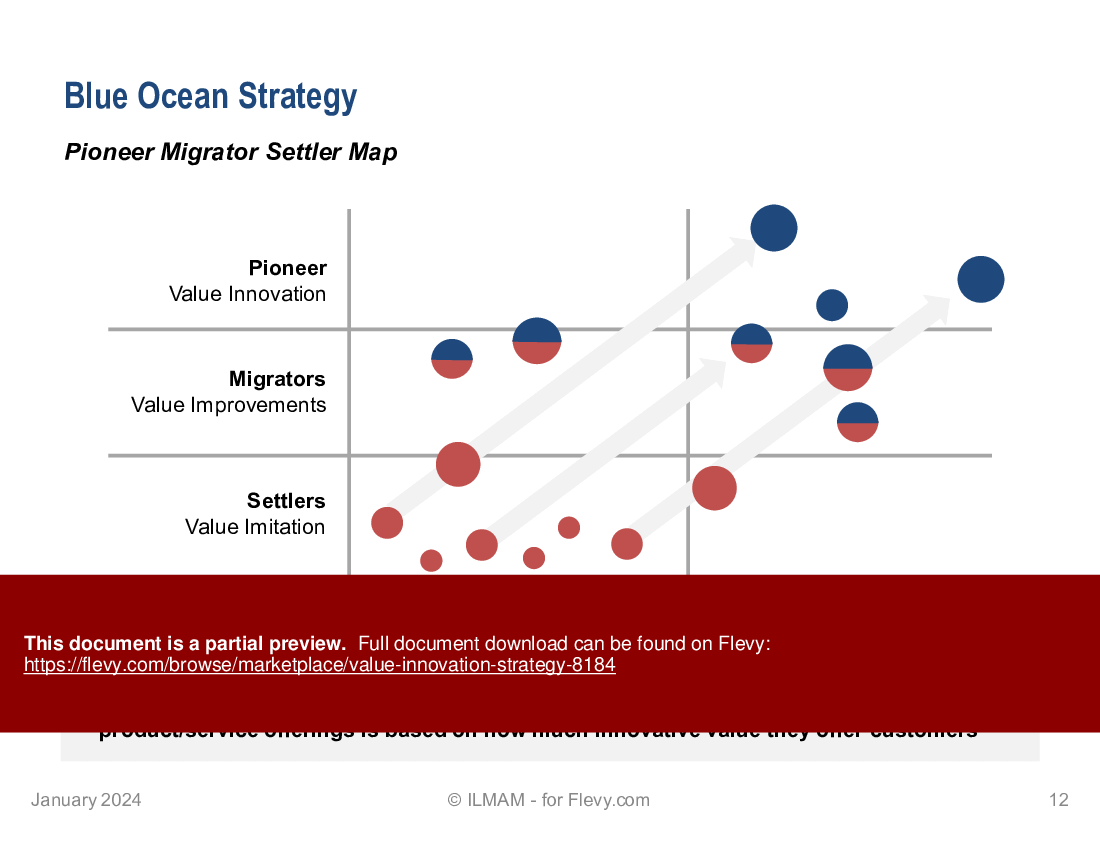
• Pioneer Migrator Settler map for evaluating product/service innovation
• Pricing corridor analysis tool for determining optimal pricing strategies
• Five-step blue ocean shift process guide for implementing strategic initiatives
Slide Highlights
• Visual comparison of Red vs Blue Ocean strategies, clearly outlining strategic differences
• Strategy canvas example featuring Cirque du Soleil, showcasing its unique competitive profile
• Buyer Utility Map illustrating the 6 stages of the buyer experience cycle
• ERRC grid that drives focus on eliminating, reducing, raising, and creating value factors
• Tipping Point Leadership slide emphasizing the importance of focusing on high-impact factors for strategic shifts
Potential Workshop Agenda
Introduction to Value Innovation (30 minutes)
• Overview of Blue Ocean Strategy principles
• Discussion on the importance of value innovation
Strategy Canvas Workshop (60 minutes)
• Participants create a strategy canvas for their organization
• Group feedback on competitive positioning
Buyer Utility Mapping Session (45 minutes)
• Identify key utility levers for customer engagement
• Develop a draft buyer utility map
Hurdles to Strategy Execution Discussion (30 minutes)
• Explore common challenges in executing blue ocean strategies
• Brainstorm solutions to overcome identified hurdles
Customization Guidance
• Tailor the strategy canvas to reflect specific market dynamics and competitive landscapes
• Adjust the buyer utility map to focus on unique customer segments relevant to your organization
• Modify the ERRC grid to align with your company’s strategic goals and operational capabilities
• Incorporate specific case studies or examples relevant to your industry for enhanced engagement
• Update the pricing corridor analysis based on current market conditions and consumer behavior
Secondary Topics Covered
• Fair Process and its role in strategy execution
• Tipping Point Leadership and its impact on organizational change
• Blue Ocean Leadership Grid for assessing leadership effectiveness
• Four-Step Blue Ocean Leadership Process for institutionalizing new practices
• Cost implications of disengaged employees and the benefits of effective leadership
FAQ
What is the difference between Red Ocean and Blue Ocean strategies?
Red Ocean strategies focus on competing in existing market spaces, while Blue Ocean strategies aim to create uncontested market spaces, making competition irrelevant.
How can I apply the Value Innovation framework in my organization?
Utilize the frameworks provided in the presentation, such as the Strategy Canvas and Buyer Utility Map, to identify new market opportunities and enhance customer value.
What are the key components of a successful Blue Ocean Shift?
A successful shift requires a blue ocean perspective, market-creating tools, and a humanistic process that inspires engagement and ownership among team members.
How do I identify noncustomers in my market?
Analyze the 3 tiers of noncustomers to uncover potential demand: those on the edge of your market, those who refuse your offerings, and those in distant markets.
What is the purpose of the ERRC grid?
The ERRC grid helps organizations systematically eliminate, reduce, raise, and create factors that unlock new value in the market.
How can I ensure effective execution of my Blue Ocean strategy?
Focus on engaging stakeholders through Fair Process, addressing potential hurdles, and leveraging Tipping Point Leadership to drive change.
What is the significance of the Strategy Canvas?
The Strategy Canvas visually depicts how your offerings compare to competitors, helping to identify areas for differentiation and improvement.
What challenges might I face during strategy execution?
Common challenges include opposition from vested interests, cognitive biases towards the status quo, lack of motivation among staff, and limited resources.
How can I measure the cost of disengaged employees?
Calculate the number of employees, their average salary, and apply a percentage to estimate the potential financial impact of disengagement on your organization.
Glossary
• Blue Ocean Strategy - A strategic approach focused on creating uncontested market spaces.
• Value Innovation - The simultaneous pursuit of differentiation and low cost.
• Strategy Canvas - A visual tool for comparing a company's offerings against competitors.
• Buyer Utility Map - A framework outlining how to enhance customer value across different stages.
• ERRC Grid - A matrix for identifying factors to eliminate, reduce, raise, and create.
• Pioneer Migrator Settler Map - A tool for assessing the innovation level of products/services.
• Price Corridor of the Target Mass - A pricing strategy framework for targeting mass buyers.
• Fair Process - A concept ensuring transparency and engagement in strategic decision-making.
• Tipping Point Leadership - A leadership approach focusing on high-impact areas for change.
• Humanness - The emphasis on engaging individuals in the transformation process.
• Cognitive Hurdles - Mental barriers to change within an organization.
• Motivational Hurdles - Challenges related to employee engagement and motivation.
• Political Hurdles - Resistance from vested interests within the organization.
• Resource Hurdles - Limitations in available resources for executing strategies.
• Leadership Canvas - A framework for assessing and improving leadership effectiveness.
• Blue Ocean Leadership Grid - A tool for formulating effective leadership practices.
• Four-Step Blue Ocean Leadership Process - A structured approach to enhancing leadership capabilities.
• Cost of Disengaged Employees - The financial impact of low employee engagement on organizational performance.
• Three Tiers of Noncustomers - An analysis framework for identifying potential market demand.
• Six Paths Framework - A systematic approach to reconstructing market boundaries for innovation.
Source: Best Practices in Business Model Innovation, Value Innovation PowerPoint Slides: Value Innovation Strategy PowerPoint (PPTX) Presentation Slide Deck, ILMAM - Strategy & Management Consulting
|
Download our FREE Strategy & Transformation Framework Templates
Download our free compilation of 50+ Strategy & Transformation slides and templates. Frameworks include McKinsey 7-S, Balanced Scorecard, Disruptive Innovation, BCG Curve, and many more. |