
This presentation provides you what all one needs to know about Kanban systems and Implementing Kanban.

The topics covered are:
History of Kanban
Purpose of Kanban
Kanban & Visual Systems
Kanban and Planning & Scheduling
What is a Kanban?
Benefits of Kanban Systems and examples
Where is Kanban used?
Types of Kanban (Withdrawal, Production, Signal)
Kanban real-life examples
CONWIP system, FIFO Lanes
Step by Step Guide to Implementing Kanban (7 steps)
Case Study – Kanban Calculations
There are in all 62 slides.
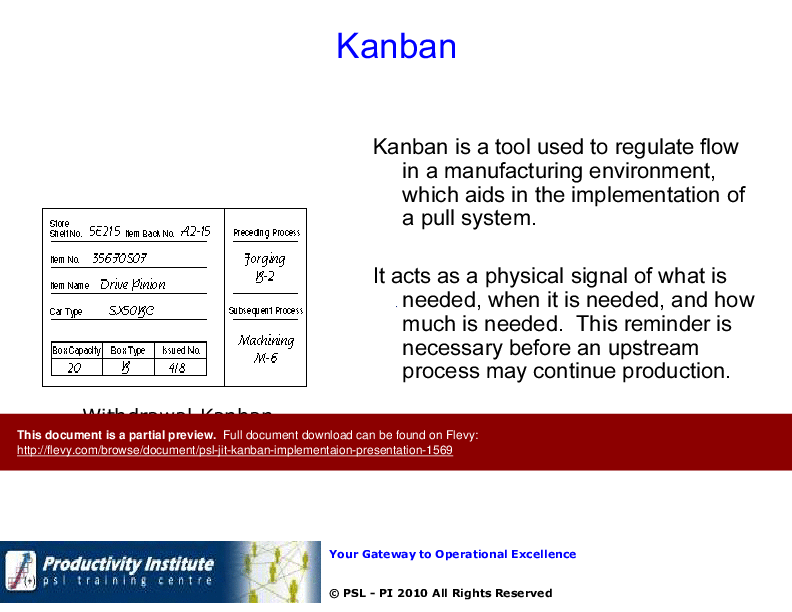
Kanban is a powerful tool for regulating flow in manufacturing environments, facilitating the implementation of a pull system. It acts as a physical signal indicating what is needed, when it is needed, and how much is needed. This visual cue ensures that upstream processes do not continue production until the necessary items are available, maintaining a smooth and efficient workflow.
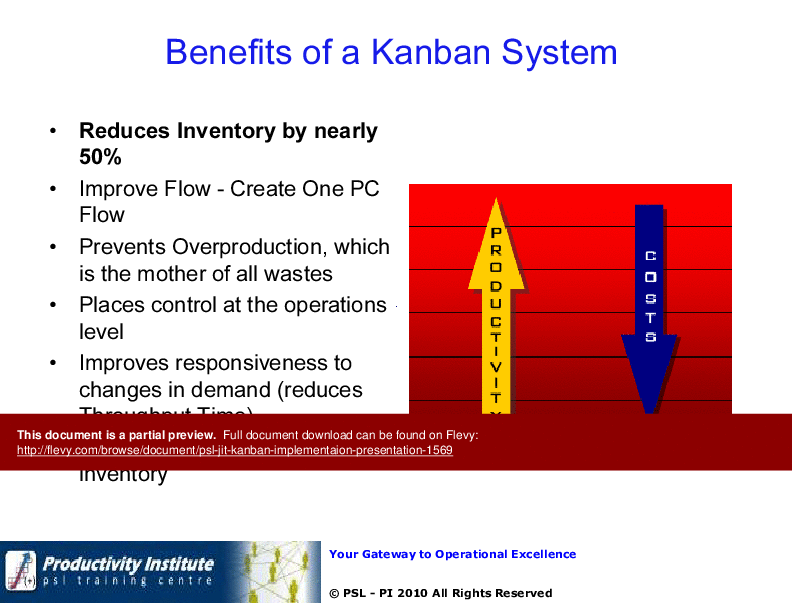
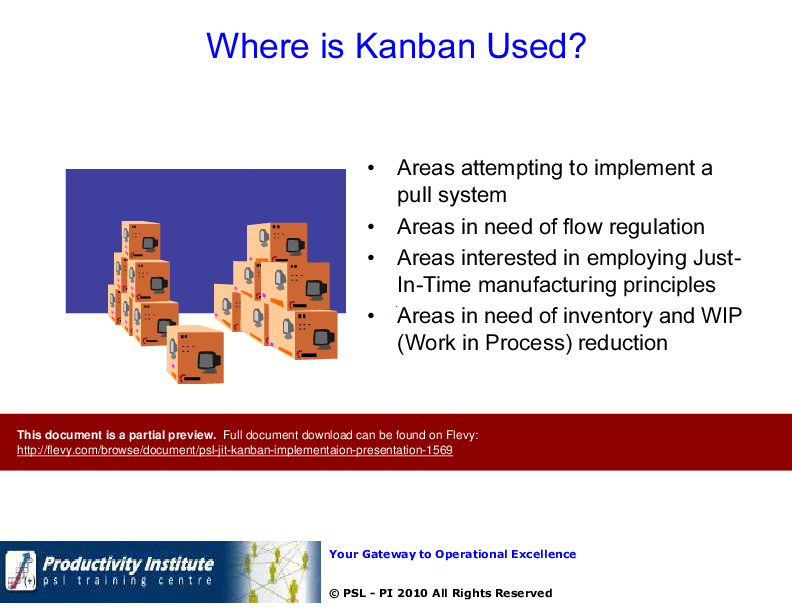
The benefits of a Kanban system are substantial. It can reduce inventory by nearly 50%, improve flow by creating a one-piece flow, and prevent overproduction, which is a major source of waste in production processes. By placing control at the operations level, Kanban enhances responsiveness to changes in demand, thereby reducing throughput time and inventory levels. This system is particularly effective in areas attempting to implement a pull system, regulate flow, employ Just-In-Time manufacturing principles, or reduce inventory and work-in-process.
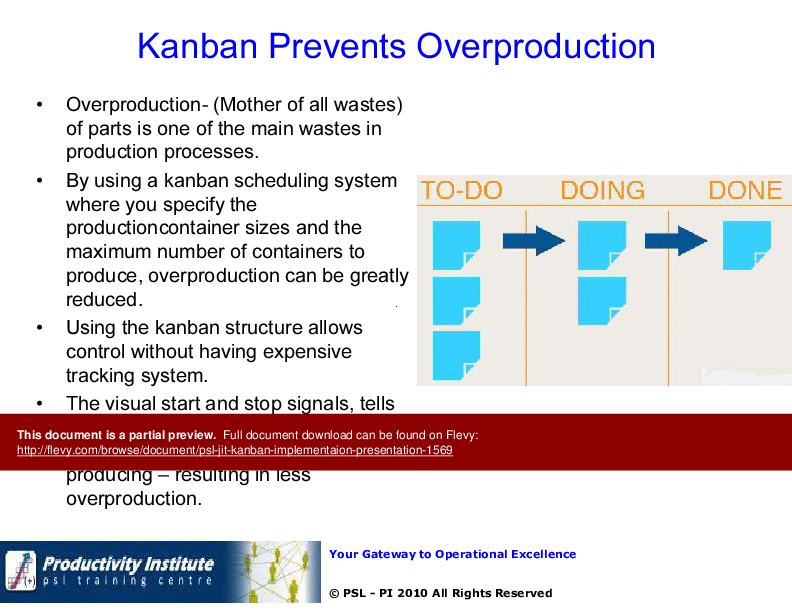
Kanban also prevents overproduction by using a scheduling system that specifies production container sizes and the maximum number of containers to produce. This structure allows control without the need for expensive tracking systems. Visual start and stop signals guide operators on when to start and stop producing, resulting in less overproduction. This presentation provides a comprehensive guide to implementing Kanban, including a step-by-step process, real-life examples, and case studies to illustrate its effectiveness.
Got a question about the product? Email us at support@flevy.com or ask the author directly by using the "Ask the Author a Question" form. If you cannot view the preview above this document description, go here to view the large preview instead.
Executive Summary
The JIT – Kanban Implementation Presentation is a comprehensive guide designed to equip organizations with the knowledge and tools necessary to implement Kanban systems effectively. Developed by a Lean pioneer and certified LSS Master Black Belt, this presentation offers a step-by-step approach to Just-In-Time (JIT) manufacturing principles, emphasizing the importance of visual systems, flow regulation, and waste reduction. By leveraging real-life examples and case studies, this presentation enables executives and operational leaders to enhance productivity, reduce inventory, and streamline processes.
Who This Is For and When to Use
• Operations Managers overseeing production processes
• Supply Chain Leaders focused on inventory management
• Lean Practitioners implementing continuous improvement initiatives
• Project Managers coordinating cross-functional teams
• Training and Development Teams facilitating employee education
Best-fit moments to use this deck:
• During Lean transformation initiatives to introduce Kanban principles
• In workshops aimed at enhancing operational efficiency and reducing waste
• When training staff on visual management and JIT methodologies
• For strategic planning sessions focused on inventory reduction and flow improvement
Learning Objectives
• Define Kanban and its role in Just-In-Time manufacturing
• Identify the benefits of implementing Kanban systems in various environments
• Develop a step-by-step plan for implementing Kanban effectively
• Analyze real-life examples to understand Kanban applications
• Calculate Kanban sizes and container requirements based on production data
• Establish visual management systems to enhance operational clarity
Table of Contents
• History of Kanban (page 3)
• Purpose of Kanban (page 5)
• Kanban & Visual Systems (page 7)
• Kanban and Planning & Scheduling (page 9)
• What is a Kanban? (page 11)
• Benefits of Kanban Systems (page 13)
• Where is Kanban Used? (page 15)
• Types of Kanban (page 17)
• Step by Step Guide to Implementing Kanban (page 21)
• Case Study – Kanban Calculations (page 25)
Primary Topics Covered
• History of Kanban - Explores the origins of Kanban in Toyota's production system and its evolution into a key component of JIT manufacturing.
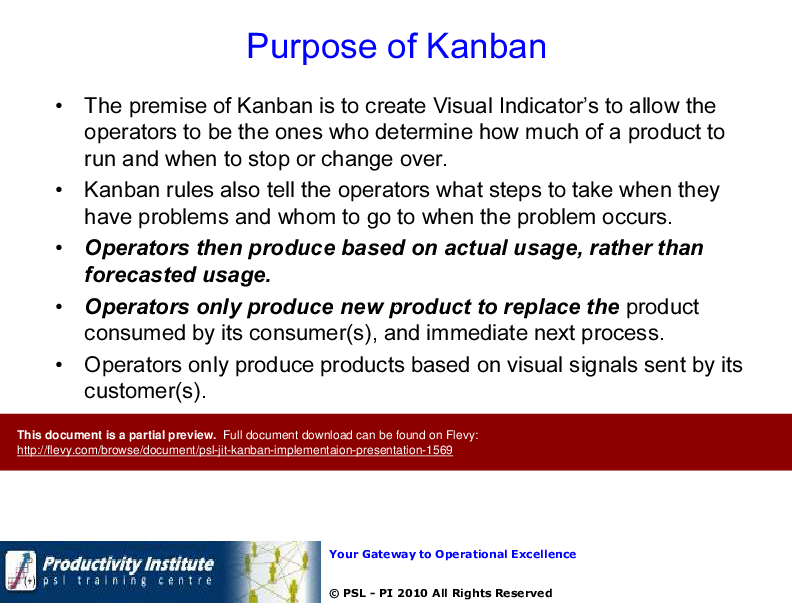
• Purpose of Kanban - Discusses how Kanban empowers operators to control production based on actual usage rather than forecasts.
• Kanban and Visual Systems - Highlights the role of visual indicators in improving operational transparency and decision-making.
• Benefits of Kanban Systems - Details the advantages of Kanban, including inventory reduction, improved flow, and enhanced responsiveness to demand changes.
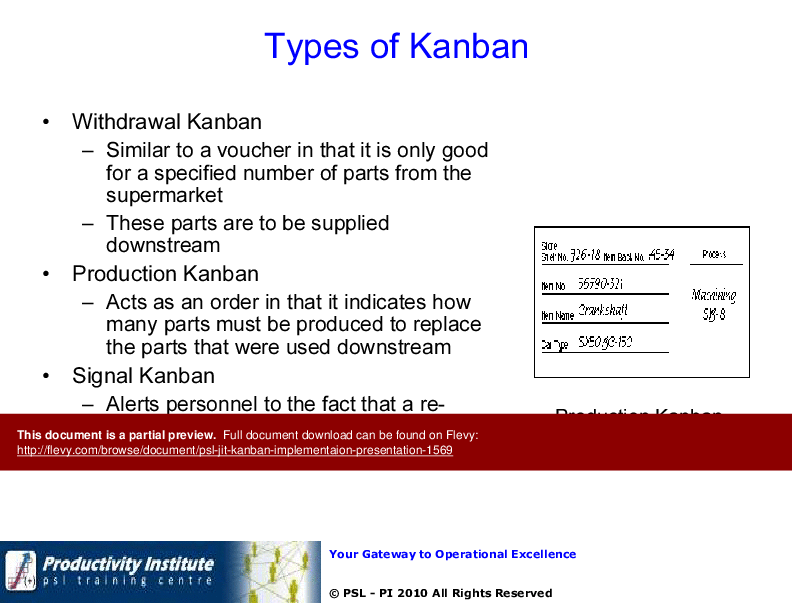
• Types of Kanban - Describes various Kanban types, including Withdrawal, Production, and Signal Kanban, and their specific applications.
• Step by Step Guide to Implementing Kanban - Provides a structured approach to implementing Kanban, including data collection, design, training, and auditing.
Deliverables, Templates, and Tools
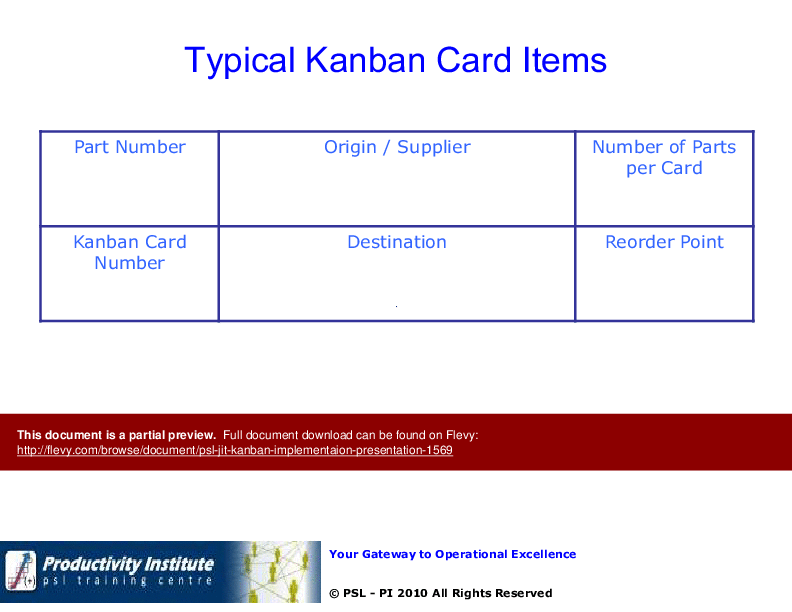
• Kanban card templates for production and withdrawal processes
• Visual management plan examples for effective communication
• Data collection worksheets for current state analysis
• Calculation models for determining Kanban sizes and container requirements
• Audit checklists to ensure Kanban system integrity
• Continuous improvement frameworks for ongoing Kanban optimization
Slide Highlights
• Overview of Kanban history and its significance in modern manufacturing
• Visual representation of Kanban systems and their components
• Case study illustrating Kanban calculations and practical applications
• Examples of different types of Kanban and their operational roles
• Step-by-step guide to implementing Kanban with actionable insights
Potential Workshop Agenda
Introduction to Kanban (60 minutes)
• Overview of Kanban principles and history
• Discussion on the purpose and benefits of Kanban
Hands-On Kanban Implementation (90 minutes)
• Data collection exercises for current state analysis
• Group activity to design Kanban systems tailored to specific processes
Kanban Calculations and Case Study (60 minutes)
• Review of Kanban calculations using real-life examples
• Group analysis of case study findings and lessons learned
Customization Guidance
• Tailor Kanban card designs to reflect specific product lines and operational needs
• Adjust visual management elements to align with organizational branding
• Modify training materials to address unique team dynamics and roles
• Incorporate specific metrics and KPIs relevant to the organization’s goals
Secondary Topics Covered
• Visual management strategies for Kanban systems
• Integration of Kanban with other Lean tools and methodologies
• Techniques for measuring Kanban effectiveness and performance
• Common challenges in Kanban implementation and solutions
FAQ
What is Kanban?
Kanban is a visual management tool used to regulate workflow in manufacturing, facilitating a pull system where production is based on actual demand.
How does Kanban reduce inventory?
Kanban helps to minimize inventory levels by ensuring that only the necessary amount of product is produced to meet current demand, thus eliminating excess stock.
What are the types of Kanban?
The main types of Kanban include Withdrawal Kanban, Production Kanban, and Signal Kanban, each serving distinct roles in the production process.
How do I calculate Kanban sizes?
Kanban sizes are calculated based on production requirements, lead times, and safety stock levels, ensuring sufficient inventory to meet customer demand without overproduction.
What are the key steps in implementing Kanban?
The key steps include collecting data, calculating Kanban sizes, designing the system, training staff, starting the Kanban process, auditing its effectiveness, and continuously improving the system.
Where can Kanban be applied?
Kanban can be applied in various settings, including manufacturing, service industries, and any area requiring flow regulation and inventory management.
What are the benefits of using Kanban?
Benefits include reduced inventory levels, improved workflow efficiency, enhanced responsiveness to customer demand, and minimized waste in production processes.
How can I ensure the success of my Kanban implementation?
Success can be ensured by regularly auditing the Kanban system, training staff effectively, and continuously seeking opportunities for process improvement.
Glossary
• Kanban - A visual signal used to trigger production or movement of materials in a pull system.
• Just-In-Time (JIT) - A manufacturing philosophy that aims to reduce waste by receiving goods only as they are needed.
• Withdrawal Kanban - A card that authorizes the withdrawal of materials from inventory.
• Production Kanban - A card that signals the need to produce a specific quantity of items.
• Signal Kanban - A visual alert indicating that a reorder point has been reached.
• Cycle Time - The total time from the beginning to the end of a process, including processing and waiting times.
• Takt Time - The maximum allowable time to produce a product to meet customer demand.
• Visual Management - The use of visual signals to communicate information about processes and performance.
• Continuous Improvement - Ongoing efforts to improve products, services, or processes.
• Safety Stock - Extra inventory held to prevent stockouts due to variability in demand or supply.
• Lead Time - The total time it takes from the initiation of a process to its completion.
• Work in Process (WIP) - The total amount of partially finished goods in the production process.
• Flow Regulation - Managing the movement of materials and products through a production system.
• Overproduction - Producing more than what is needed, leading to waste and excess inventory.
• Production Scheduling - Planning the timing and sequence of production activities.
• Heijunka - A technique for leveling production by distributing work evenly over time.
• CONWIP - Constant Work In Progress, a system that controls the amount of work in process without using Kanban cards.
• FIFO - First In, First Out, a method for managing inventory where the oldest stock is used first.
• Visual Indicators - Signs or signals used to convey information about the status of a process.
• Operational Excellence - The execution of the business strategy more consistently and reliably than the competition.
• Lean Manufacturing - A production practice that considers the expenditure of resources in any aspect other than the direct creation of value for the end customer to be wasteful and thus a target for elimination.
Source: Best Practices in JIT, Kanban PowerPoint Slides: PSL JIT - Kanban Implementation Presentation PowerPoint (PPT) Presentation Slide Deck, OpEx Academy NZ
This document is available as part of the following discounted bundle(s):
Save %!
PSL - Lean Supply Chain Bundle
This bundle contains 6 total documents. See all the documents to the right.
|
Receive our FREE presentation on Operational Excellence
This 50-slide presentation provides a high-level introduction to the 4 Building Blocks of Operational Excellence. Achieving OpEx requires the implementation of a Business Execution System that integrates these 4 building blocks. |