This document is a 63-slide PowerPoint presentation based on the PRINCE2 methodology, that provides an overview of the entire Project Lifecycle, running through each of the key phases, the checkpoints in between, and the roles and responsibilities along the way.
Plenty of graphics are included in order to provide illustration of key points.
The document is easily customisable, content can be removed (or simply skipped over during presentation), and additional slides can be added to provide more subject depth.
Got a question about the product? Email us at support@flevy.com or ask the author directly by using the "Ask the Author a Question" form. If you cannot view the preview above this document description, go here to view the large preview instead.
Executive Summary
This presentation titled "Project Lifecycle" provides a comprehensive overview of project management principles, specifically focusing on the PRINCE2 methodology. It outlines the structured approach to managing projects through defined phases: Consultation, Initiation, Delivery, and Closure. Buyers will gain insights into how to effectively plan, execute, and close projects while ensuring alignment with business objectives, risk management, and stakeholder engagement. This deck serves as a valuable resource for executives and project managers seeking to enhance their project management capabilities.
Who This Is For and When to Use
• Project Managers overseeing project execution and governance
• Executives involved in strategic project decision-making
• Project Board members responsible for project oversight
• Teams engaged in project delivery and operational execution
Best-fit moments to use this deck:
• During project kickoff meetings to align stakeholders on project objectives
• For training sessions on PRINCE2 methodologies and project lifecycle management
• When preparing project documentation for board reviews and approvals
• For post-project evaluations to capture lessons learned and improve future projects
Learning Objectives
• Define project management and its significance in achieving business goals
• Identify the key phases of the project lifecycle and their respective objectives
• Develop a comprehensive Project Brief and Project Initiation Documentation (PID)
• Establish effective risk and quality management strategies
• Implement robust communication management plans for stakeholder engagement
• Evaluate project performance against established baselines and metrics
Table of Contents
• What is Project Management? (page 3)
• What is a Project? (page 4)
• What is PRINCE2? (page 5)
• Benefits of PRINCE2 (page 6)
• Project Lifecycle - Introduction (page 7)
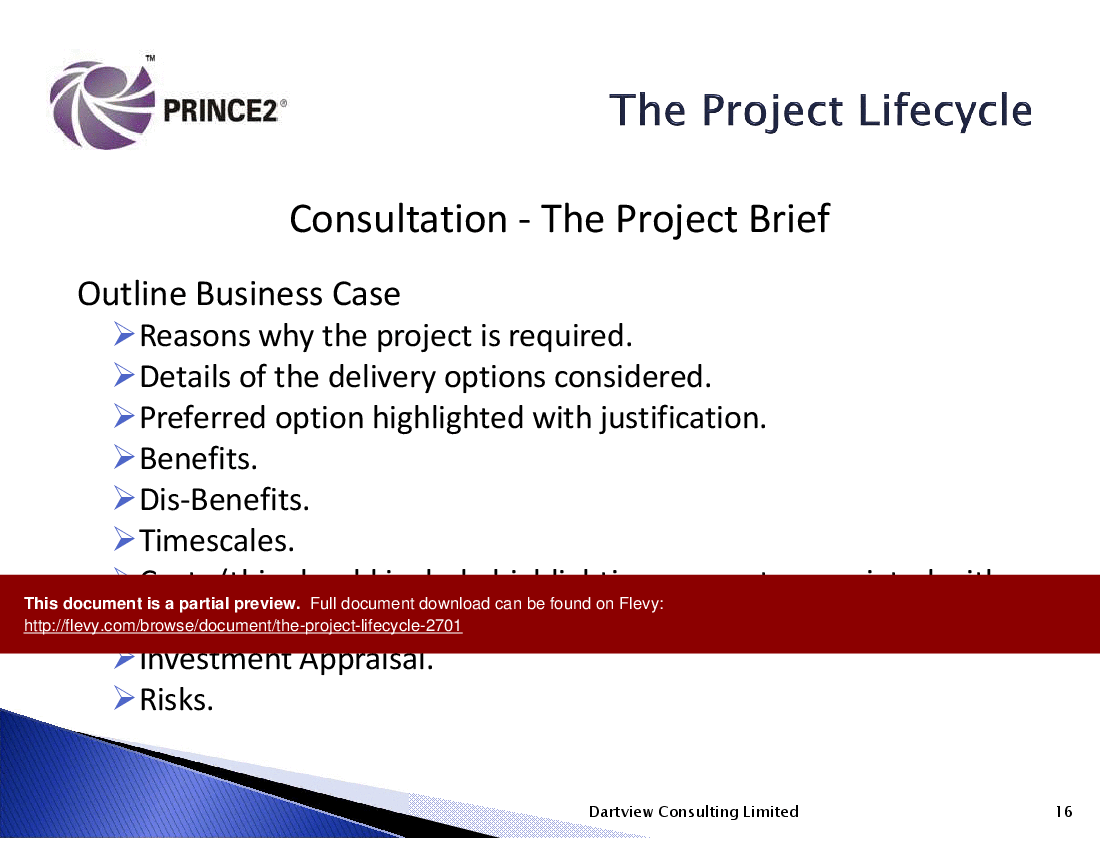
• Project Lifecycle - Consultation (page 9)
• Project Lifecycle - Initiation (page 19)
• Project Lifecycle - Delivery (page 40)
• Project Lifecycle - Closure (page 54)
Primary Topics Covered
• Project Management Definition - Project management involves planning, delegating, monitoring, and controlling all aspects of a project to achieve objectives within specified performance targets.
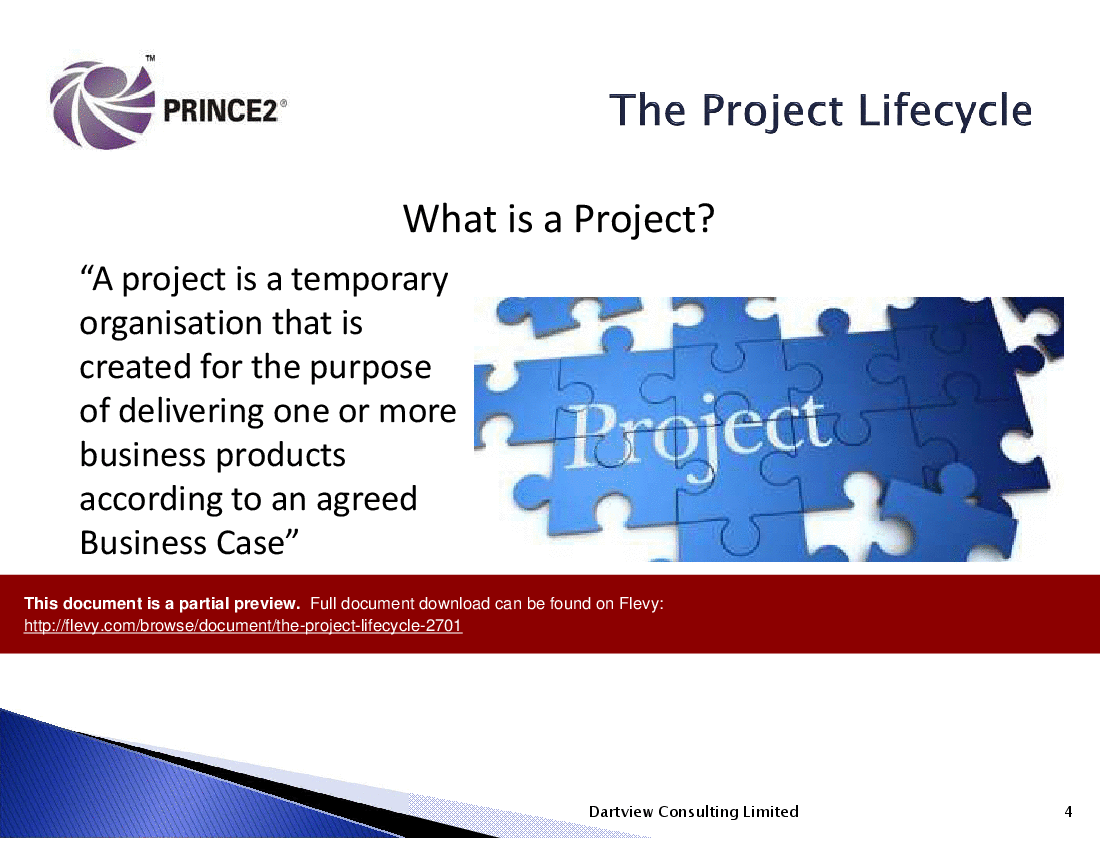
• Project Definition - A project is a temporary organization created to deliver one or more business products according to an agreed Business Case.
• PRINCE2 Methodology - PRINCE2 is a recognized best practice framework for project management, applicable to any type of project, emphasizing governance and clear responsibilities.
• Project Lifecycle Phases - The project lifecycle consists of 4 key phases: Consultation, Initiation, Delivery, and Closure, each with defined objectives and governance gates.
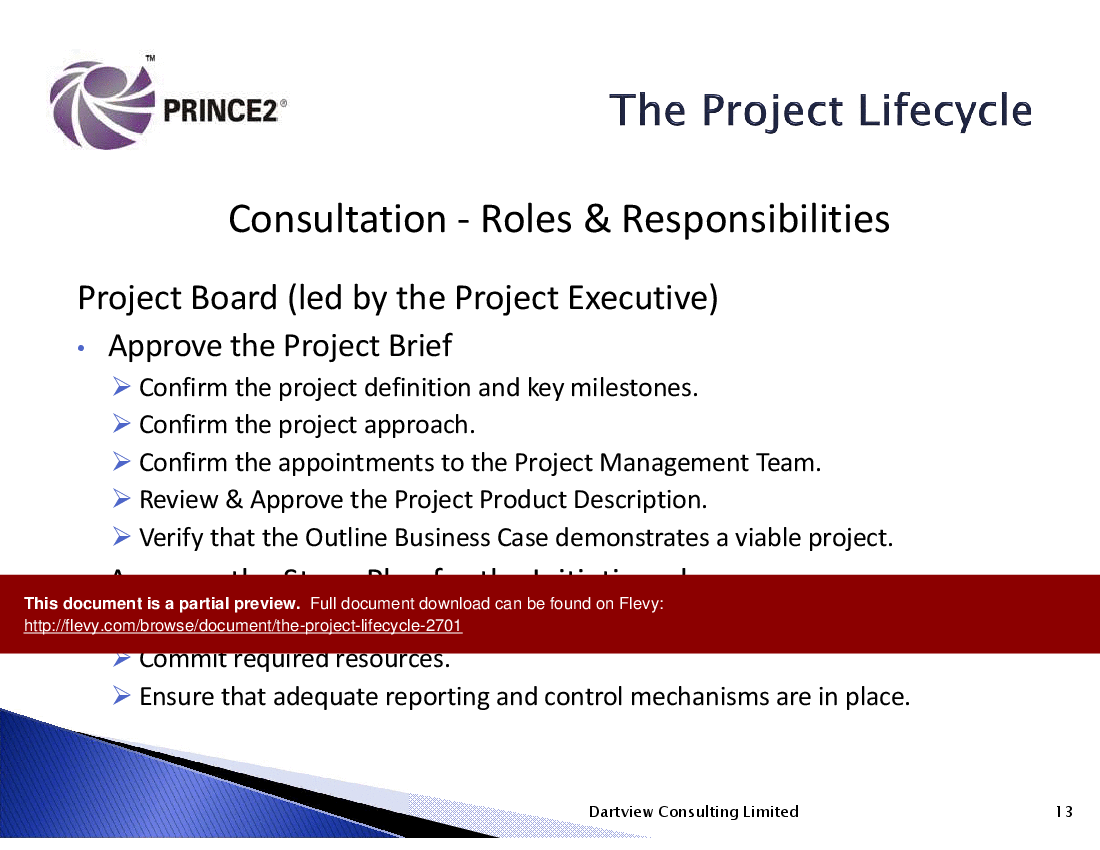
• Consultation Phase - This phase ensures that there is a business justification for the project and that all necessary authorities and resources are in place.
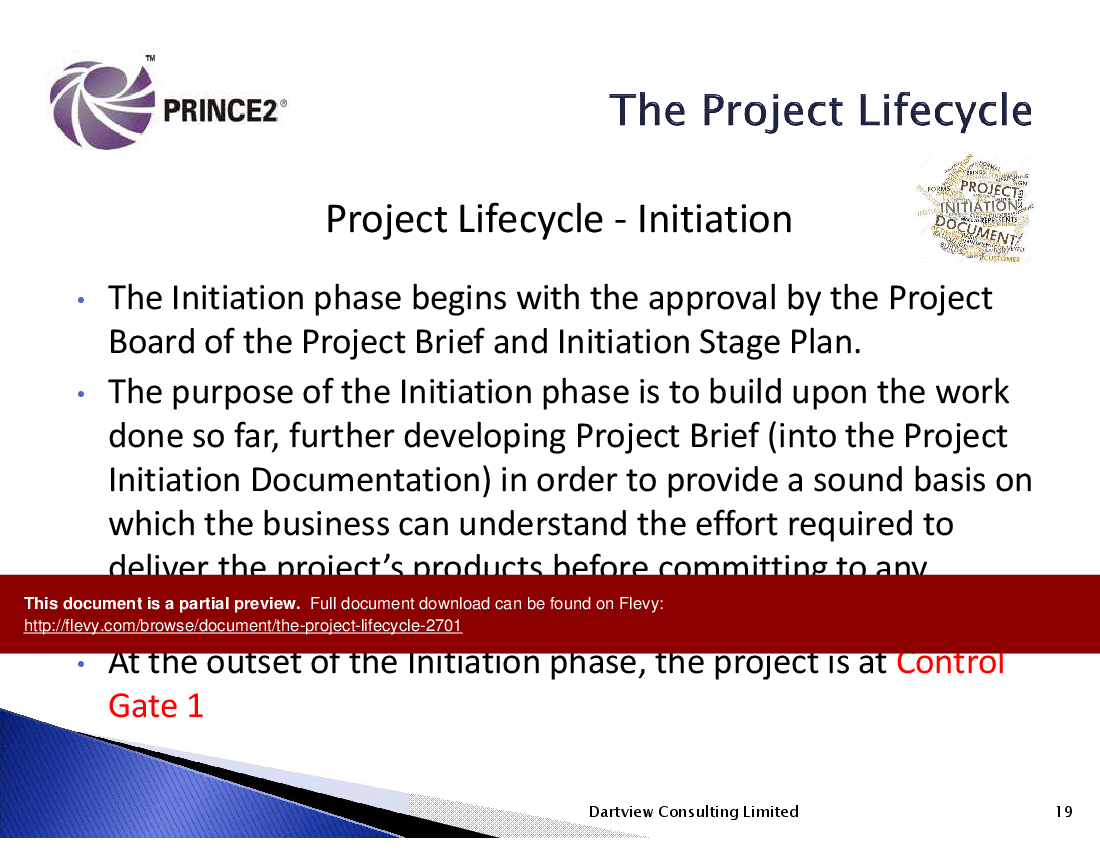
• Initiation Phase - The initiation phase builds on the Consultation phase to develop the Project Initiation Documentation, providing a sound basis for project delivery.
• Delivery Phase - Focuses on executing the project’s products through controlled stages, ensuring quality and managing risks effectively.
• Closure Phase - Provides a formal acknowledgment of project completion, ensuring products are transitioned into the operational environment and capturing lessons learned.
Deliverables, Templates, and Tools
• Project Brief template outlining project definition, objectives, and scope
• Project Initiation Documentation (PID) template for detailed project planning
• Risk Management Strategy template for identifying and managing project risks
• Quality Management Strategy template for ensuring project deliverables meet standards
• Communication Management Strategy template for stakeholder engagement
• End Project Report template summarizing project performance and lessons learned
Slide Highlights
• Overview of project management principles and PRINCE2 methodology
• Detailed breakdown of the 4 phases of the project lifecycle
• Key objectives and activities for each project phase
• Roles and responsibilities of project stakeholders
• Templates for essential project documentation
Potential Workshop Agenda
Project Management Fundamentals (90 minutes)
• Introduction to project management principles and PRINCE2
• Discussion on the importance of project lifecycle phases
• Overview of roles and responsibilities in project management
PRINCE2 Methodology Deep Dive (120 minutes)
• Detailed exploration of the Consultation and Initiation phases
• Interactive session on developing Project Briefs and PIDs
• Group activities on risk and quality management strategies
Project Closure and Evaluation (60 minutes)
• Review of the Closure phase and End Project Report
• Discussion on capturing lessons learned and future recommendations
• Q&A session on project management best practices
Customization Guidance
• Tailor the Project Brief to reflect specific project objectives and stakeholder needs
• Adjust the PID to include organization-specific risk and quality management standards
• Modify communication strategies to align with your organization’s stakeholder engagement practices
• Update templates with relevant project timelines, milestones, and resource plans
Secondary Topics Covered
• Governance and control mechanisms in project management
• Importance of stakeholder engagement and communication
• Techniques for effective risk and issue management
• Strategies for ensuring project quality and compliance
Topic FAQ
Document FAQ
These are questions addressed within this presentation.
What is the purpose of the Consultation phase?
The Consultation phase ensures that there is a business justification for the project, necessary authorities are in place, and all delivery options have been explored.
How does PRINCE2 differ from other project management methodologies?
PRINCE2 is a structured methodology that emphasizes governance, defined roles, and a clear focus on project deliverables, making it applicable to various project types.
What key documents are produced during the Initiation phase?
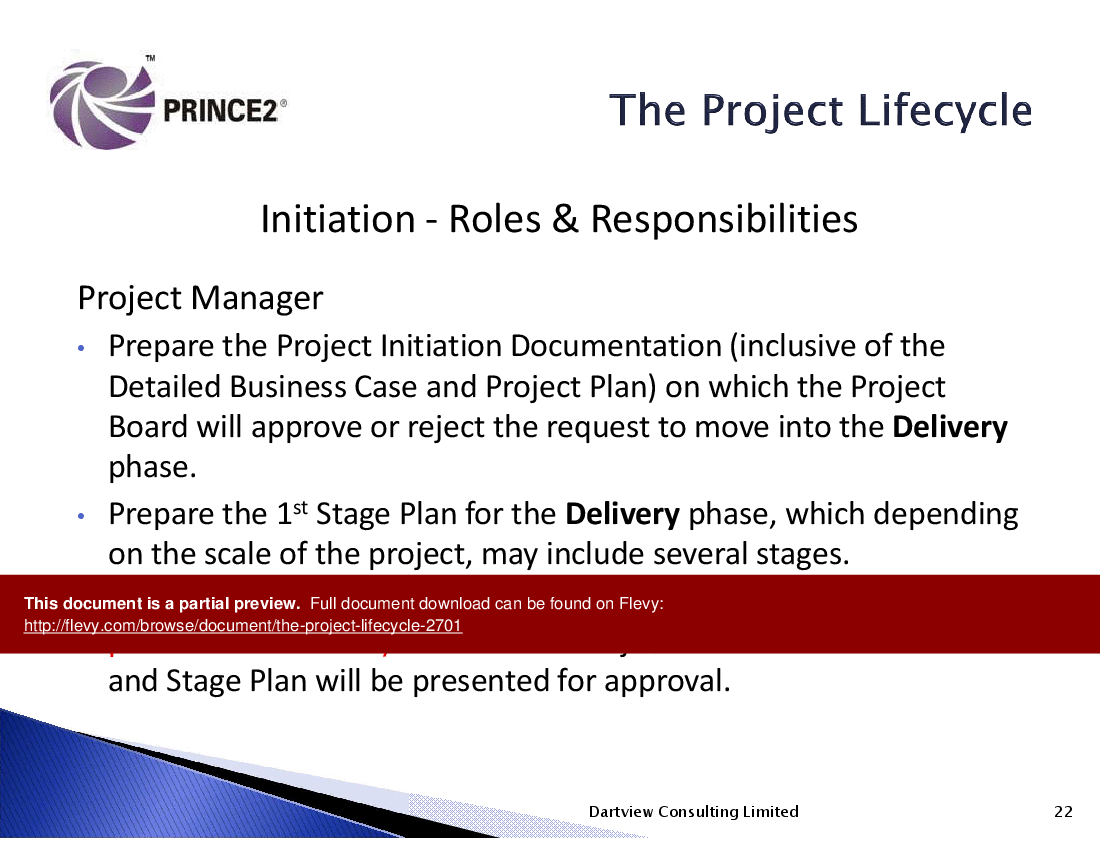
The key documents include the Project Initiation Documentation (PID), which encompasses the Detailed Business Case, Project Plan, and risk management strategies.
What is the role of the Project Board?
The Project Board, led by the Project Executive, is responsible for approving project documentation, authorizing phases, and ensuring that the project remains viable throughout its lifecycle.
How are risks managed in a PRINCE2 project?
Risks are identified, assessed, and monitored throughout the project lifecycle, with a dedicated Risk Management Strategy outlining procedures and responsibilities.
What is included in the End Project Report?
The End Project Report summarizes project performance, reviews objectives against baselines, and captures lessons learned for future projects.
How can lessons learned be effectively captured?
Lessons learned should be documented throughout the project lifecycle, particularly during the Closure phase, and shared with relevant stakeholders for future reference.
What is the significance of the Delivery phase?
The Delivery phase focuses on executing the project’s products in stages, ensuring quality, managing risks, and communicating progress to stakeholders.
Glossary
• Project Management - The process of planning, executing, and closing projects to achieve specific objectives.
• PRINCE2 - A structured project management methodology emphasizing governance and clear roles.
• Project Brief - A document outlining the project’s objectives, scope, and key milestones.
• Project Initiation Documentation (PID) - A comprehensive document detailing the project plan, risks, and quality management strategies.
• Risk Management Strategy - A plan for identifying, assessing, and managing project risks.
• Quality Management Strategy - A framework for ensuring project deliverables meet established quality standards.
• Communication Management Strategy - A plan for engaging stakeholders and managing project communications.
• End Project Report - A summary of project performance and lessons learned upon project closure.
• Stakeholder - An individual or group with an interest in the project’s outcome.
• Governance - The framework of authority and accountability for project decision-making.
• Milestone - A significant point in the project timeline marking the completion of key deliverables.
• Lessons Learned - Insights gained from the project experience, used to improve future projects.
Source: Project Lifecycle PowerPoint (PPTX) Presentation Slide Deck, Dartview Consulting
|
Download our FREE Strategy & Transformation Framework Templates
Download our free compilation of 50+ Strategy & Transformation slides and templates. Frameworks include McKinsey 7-S, Balanced Scorecard, Disruptive Innovation, BCG Curve, and many more. |