
 Click main image to view in full screen. Unlock all 17 preview images:
Performance Management & Appraisal (Framework & Template) – PowerPoint PPTX Template
PowerPoint (PPTX) 51 Slides


BENEFITS OF THIS DOWNLOADABLE POWERPOINT DOCUMENT
- Provide a framework and template of Performance Management & Appraisal
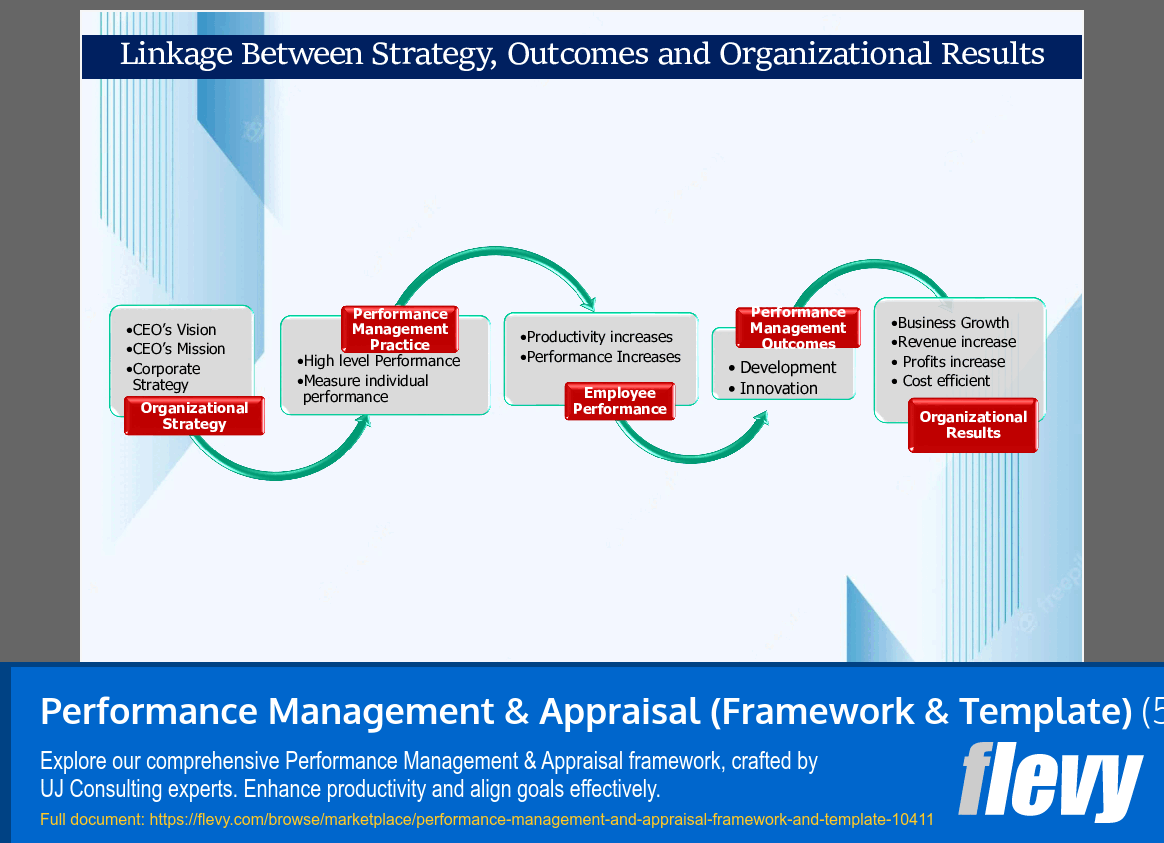
- Provide a strategy of linkage between strategy, outcomes and organizational result (business growth)
- Provide : the MBO process for performance appraisal
PERFORMANCE MANAGEMENT PPT TEMPLATE DESCRIPTION
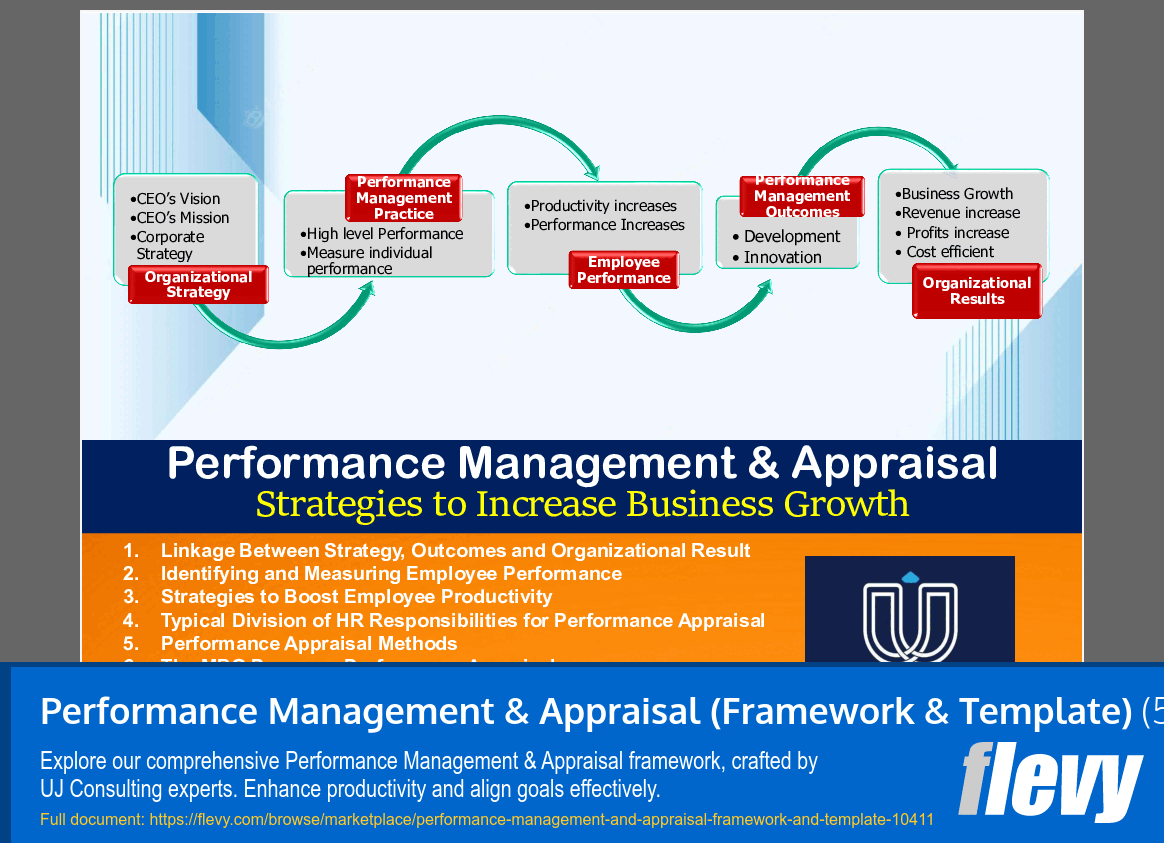
Performance Management & Appraisal (Strategies to Increase Business Growth)
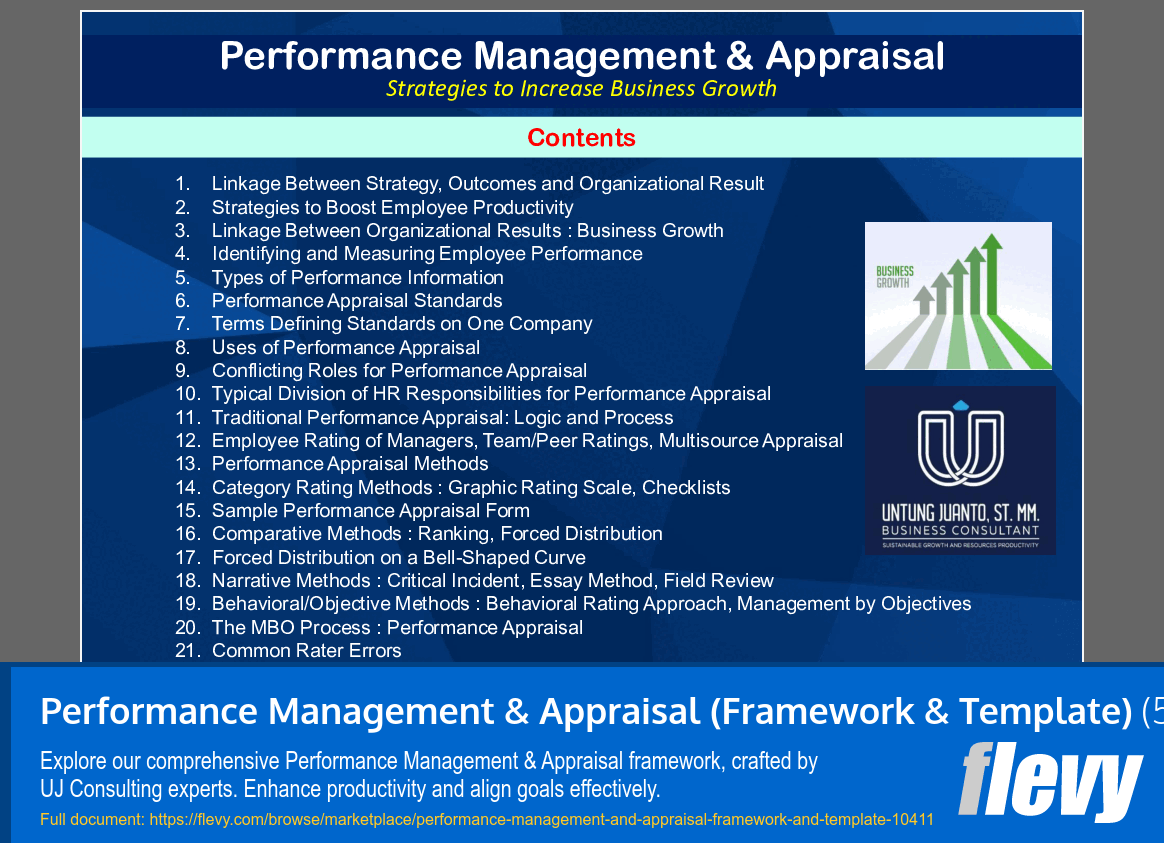
Contents
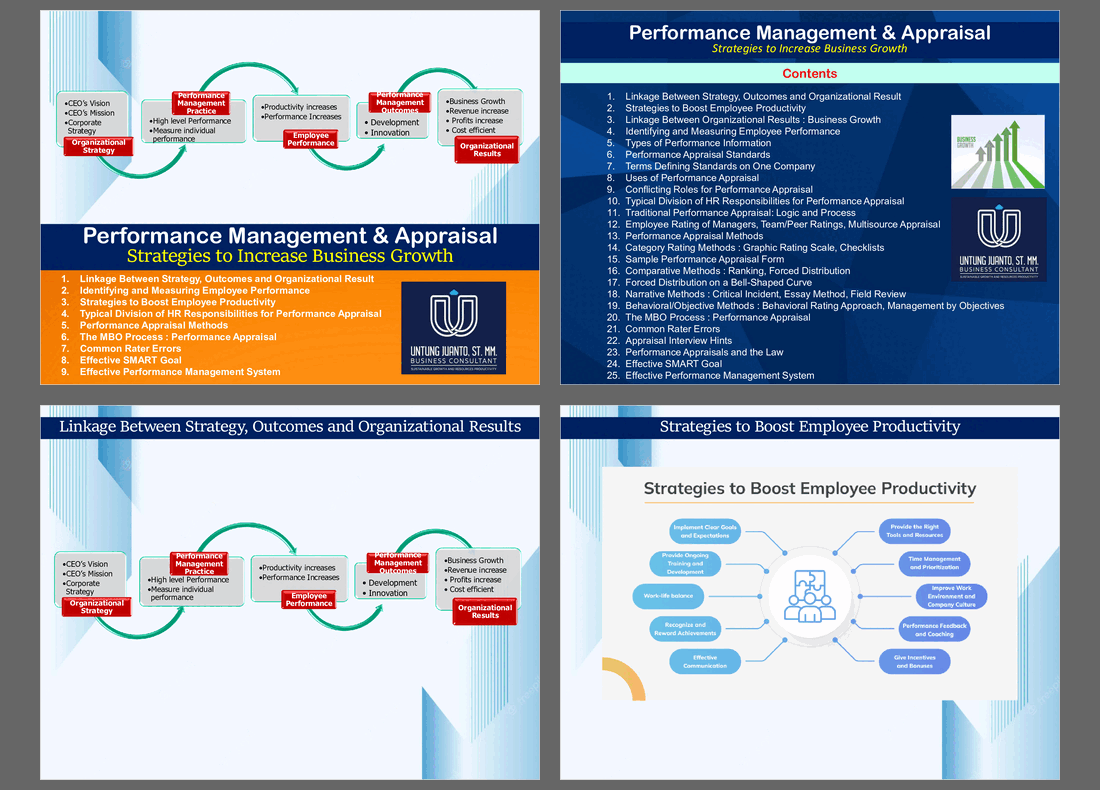
1. Linkage Between Strategy, Outcomes and Organizational Result
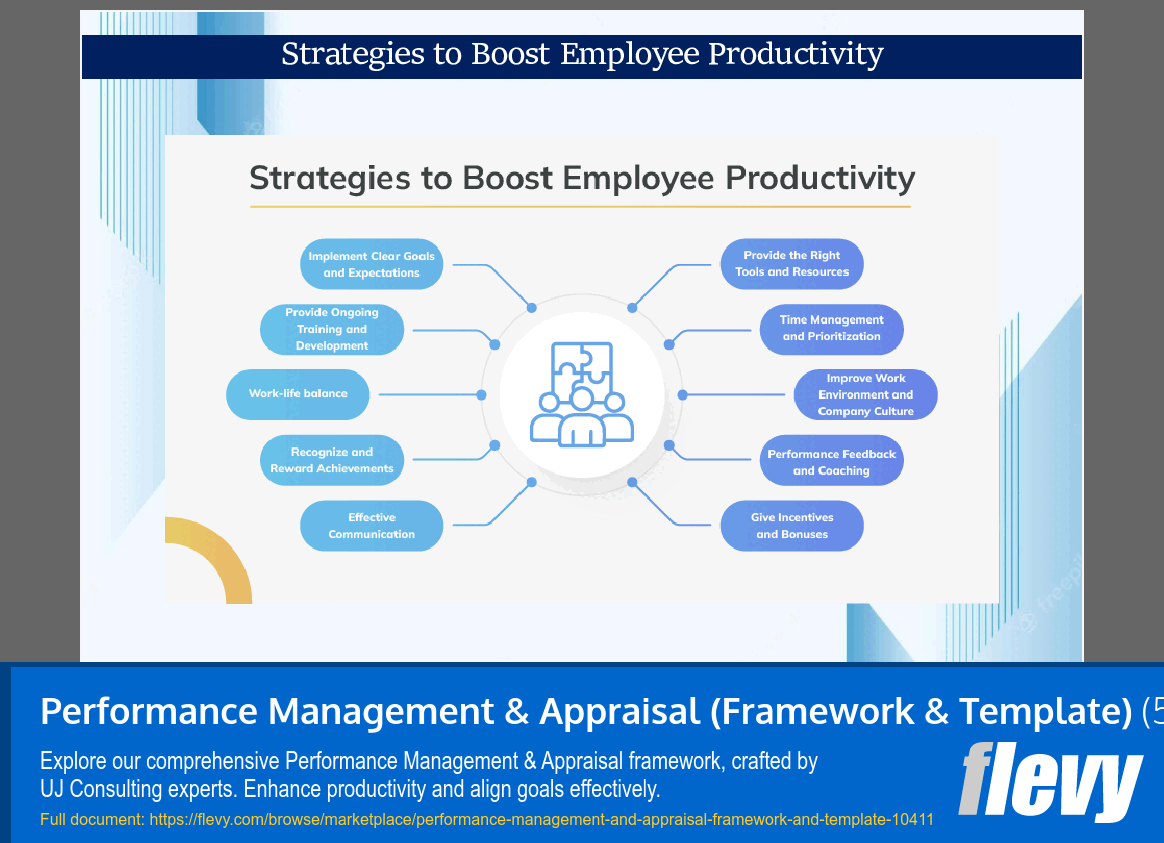
2. Strategies to Boost Employee Productivity
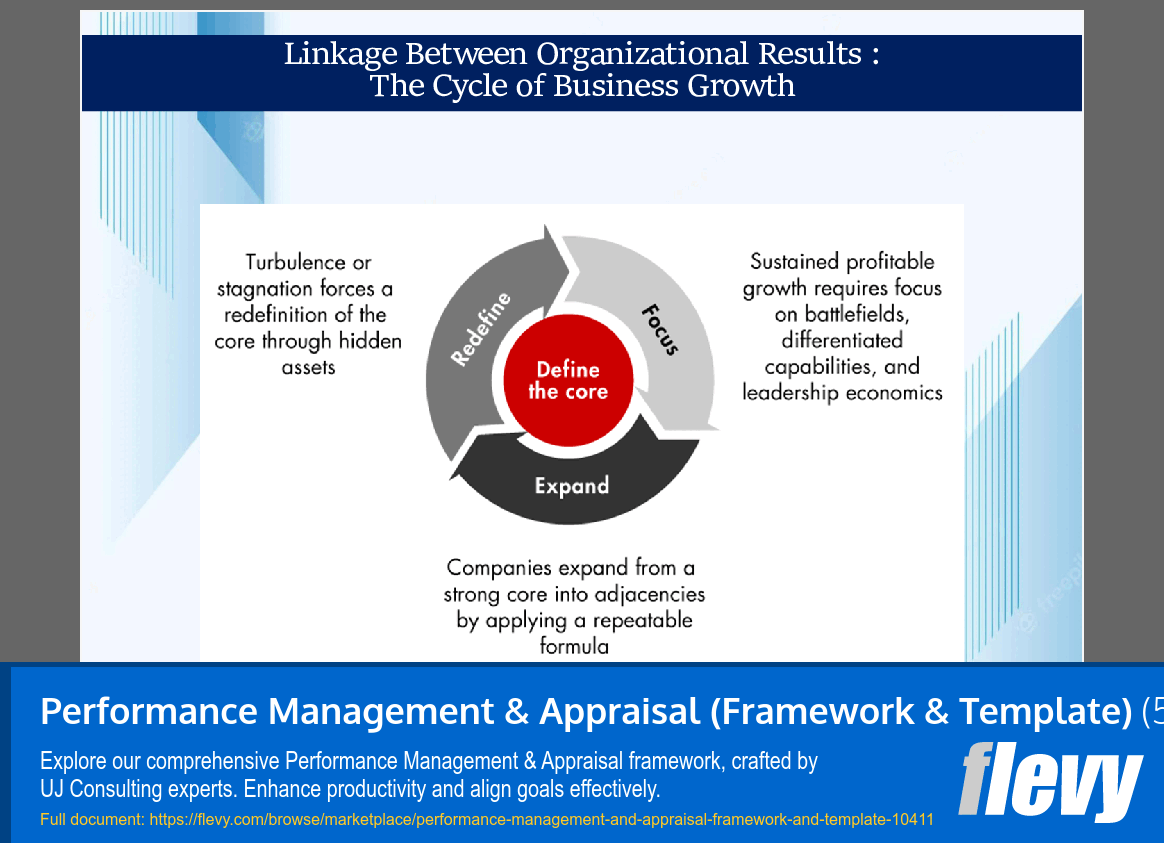
3. Linkage Between Organizational Results : Business Growth
4. Identifying and Measuring Employee Performance
5. Types of Performance Information
6. Performance Appraisal Standards
7. Terms Defining Standards on One Company
8. Uses of Performance Appraisal
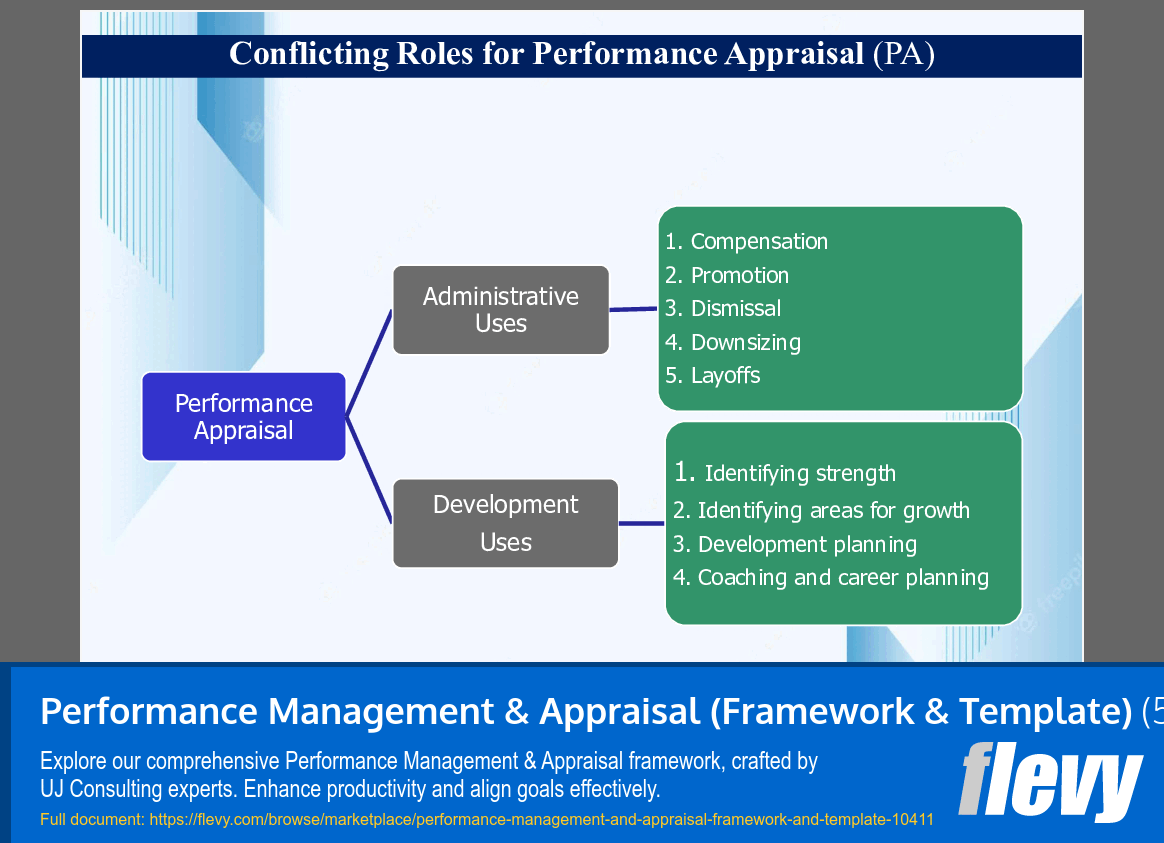
9. Conflicting Roles for Performance Appraisal
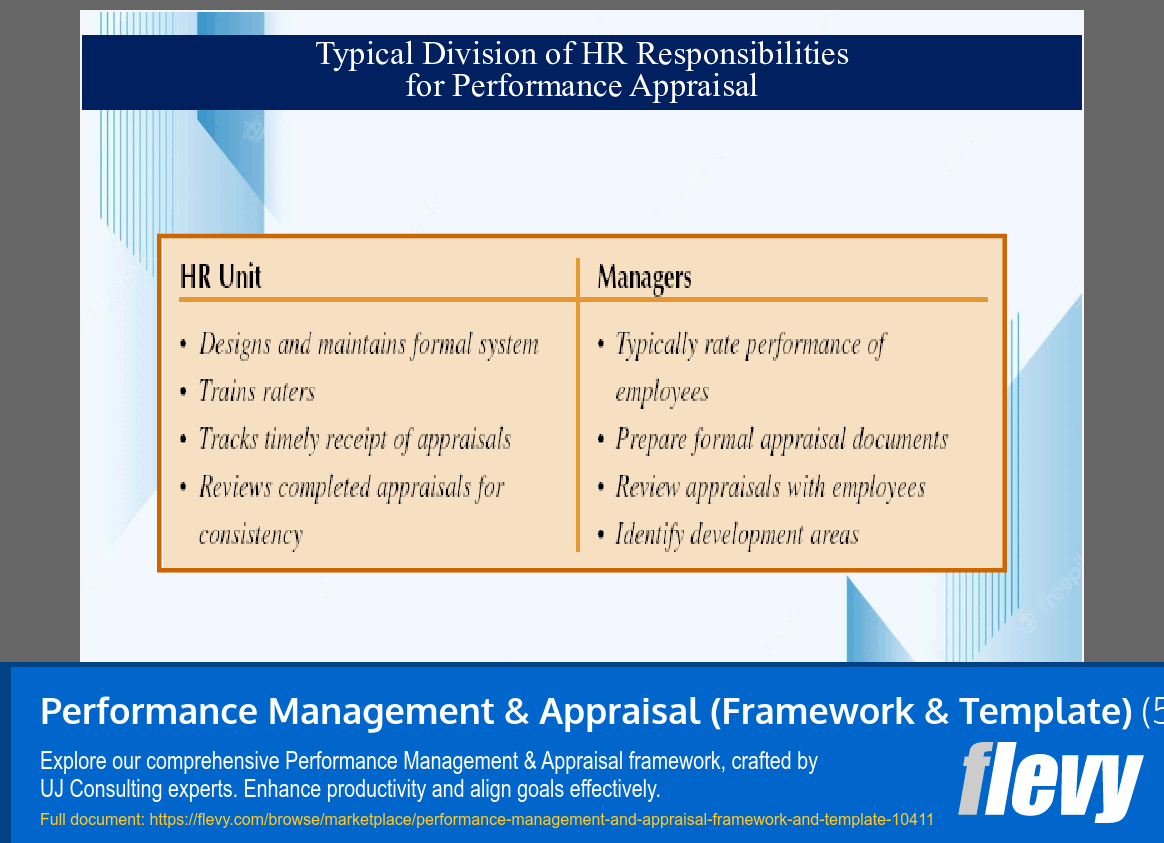
10. Typical Division of HR Responsibilities for Performance Appraisal
11. Traditional Performance Appraisal: Logic and Process
12. Employee Rating of Managers, Team/Peer Ratings, Multisource Appraisal
13. Performance Appraisal Methods
14. Category Rating Methods : Graphic Rating Scale, Checklists
15. Sample Performance Appraisal Form
16. Comparative Methods : Ranking, Forced Distribution
17. Forced Distribution on a Bell-Shaped Curve
18. Narrative Methods : Critical Incident, Essay Method, Field Review
19. Behavioral/Objective Methods : Behavioral Rating Approach, Management by Objectives
20. The MBO Process : Performance Appraisal
21. Common Rater Errors
22. Appraisal Interview Hints
23. Performance Appraisals and the Law
24. Effective SMART Goal
25. Effective Performance Management System
Performance management refers to the set of activities and tasks that make sure that the employees meet their goals on time. The goals need to be aligned with the objectives of the organization. Performance management ensures the efficiency and effectiveness of the performance of the employees when the goals are reached. Performance management has a holistic approach in the sense, it analyzes employee performance keeping in mind the development needs of the employee & organization.
Performance appraisal, on the other hand, is nothing but the evaluation of an employee's performance. Feedback forms are given to the employee. After the employee has given self-feedback, the manager gives a final review. Performance appraisal also deals with the evaluation of an employee's competencies such as commitment to the organization's core values, ability to take initiatives, responsibility for tasks, strengths, and weaknesses, skill set and training, etc.
While both performance management and performance appraisal deal with the performance of the employees, we are going to look at the key aspects that differentiate performance management and performance appraisals.
Every organization has its own unique set of objectives and core values. Performance management ensures that goals and objectives are established clearly and there is a continuous feedback mechanism in place. Appraisal on the other hand, is a part of the whole performance management process but however, performance management is more flexible and multi-dimensional in terms of communication.
Compared to appraisals, performance management takes a very holistic approach by not just limiting itself to salary revisions and compensation. Performance management manages employee goals effectively. There is a continuous feedback mechanism in place. There is better employee engagement because there is more recognition of employee's work and rewards are given whenever necessary.
Every organization must ideally focus on employee performance and engagement with a holistic approach. While performance appraisal is mandatory in an organization, creating developmental strategies for improving the employee's performance and productivity after the appraisal process is also necessary. This ensures better business productivity.
Thank you,
UJ Consulting
Got a question about the product? Email us at support@flevy.com or ask the author directly by using the "Ask the Author a Question" form. If you cannot view the preview above this document description, go here to view the large preview instead.
Source: Best Practices in Performance Management PowerPoint Slides: Performance Management & Appraisal (Framework & Template) PowerPoint (PPTX) Presentation Slide Deck, UJ Consulting _ Strategy-Insight-Impact
ABOUT THE AUTHOR

UJ Consulting | Strategy • Insight • Impact
UJ Consulting is an executive management consulting and business transformation practice founded by Untung Juanto, ST., MM., a senior executive, consultant, and transformation practitioner with more than 25 years of professional experience across local and multinational companies and diverse industries.
His career progressed from frontline
... [read more]
Ask the Author a Question
You must be logged in to contact the author.




























