
Organizational Design for High Performance   42-slide PPT PowerPoint presentation slide deck (PPT)
$99.00

Organizational Design for High Performance (42-slide PPT PowerPoint presentation slide deck (PPT)) Preview Image
Log in to unlock full preview.
Organizational Design for High Performance (42-slide PPT PowerPoint presentation slide deck (PPT)) Preview Image
Arrow   Click main image to view in full screen.

Organizational Design for High Performance (PowerPoint PPT Slide Deck)

PowerPoint (PPT) 42 Slides

Top 250 Best Practice $99.00

Add to Cart


Immediate download
Free lifetime updates

BENEFITS OF THIS POWERPOINT DOCUMENT

  1. Provides a framework for organisational design
  2. Framework and blueprint for implementing organisational change
  3. Framework for determining degree of centralisation

ORGANIZATIONAL DESIGN PPT DESCRIPTION

Explore a comprehensive framework for high-performance organizational design, crafted by industry experts. Optimize structures, roles, and governance for strategic alignment. Org Design for High Performance is a 42-slide PPT PowerPoint presentation slide deck (PPT) available for immediate download upon purchase.

Management consulting framework for organizational design, outlining a 3 step approach for ensuring an optimal organization design:

1. Setting design objectives (Clear articulations of business objectives, todays gap's and future aspiration)
2. Organizational design options (Strategic organizational options, staffing of key roles, high-level role charter and decision rights)
3. Finalization and implementation (Refined org design, detailed role charters and implementation roadmap)

The document is the full version of a comprehensive framework for organisational design and covers everything from tools to assess current organisational setup and performance, evaluation of strategic alternatives for organizational design (Divisional structure, Functional structure, Matrix), and blueprints for establishing the target organisational design (covering elements sutch as P&L structure, scope of functional activities, degree of centralisation, defining clustreing logic, and establishing fuctional reporting).

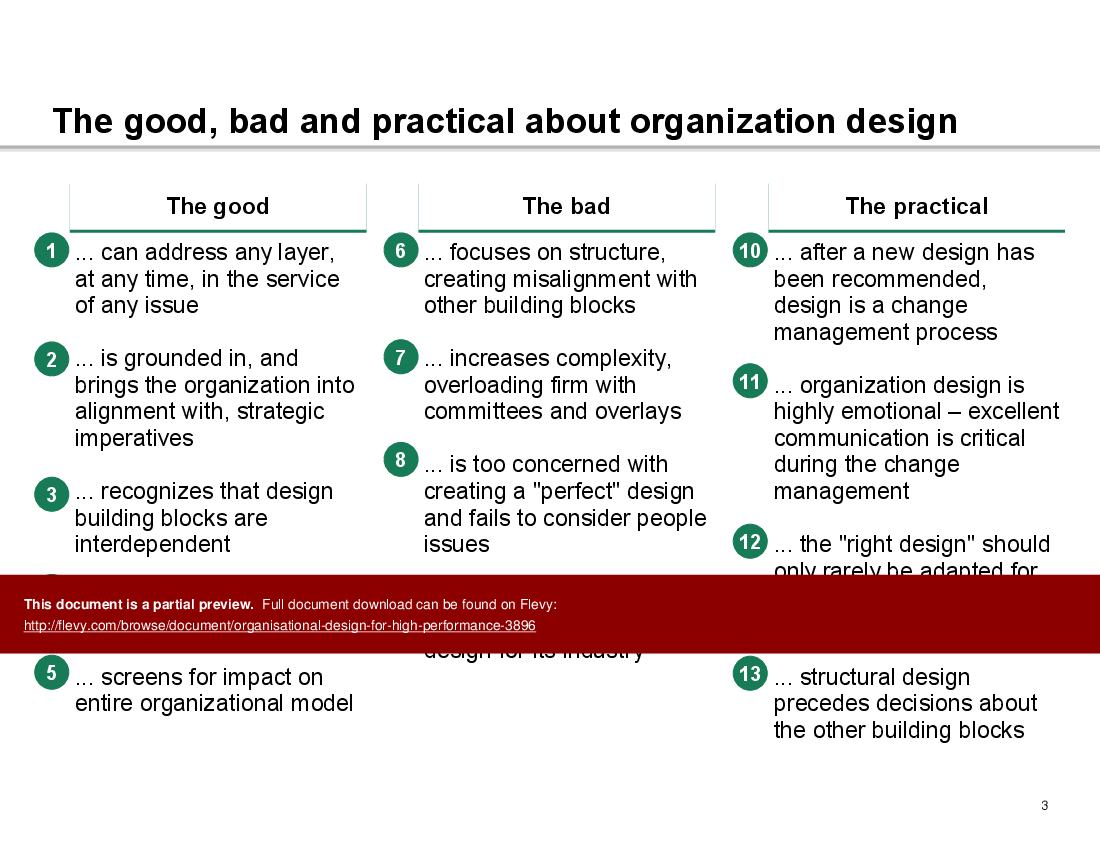
The PPT delves into the intricacies of organizational design, highlighting the good, bad, and practical aspects. It addresses the importance of aligning design efforts with strategic imperatives and recognizing the interdependence of design building blocks. The framework also emphasizes the need for a comprehensive impact assessment on the entire organizational model, ensuring that the design is not only theoretically sound, but also practically viable.

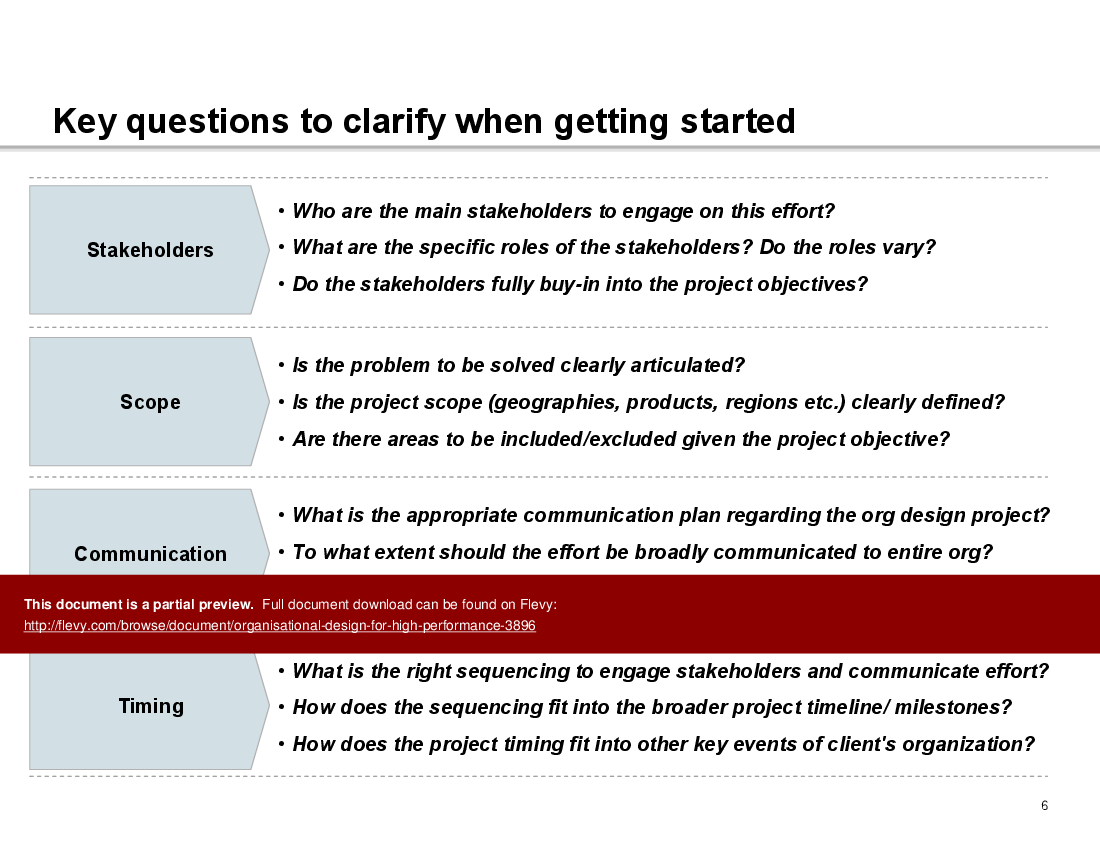
Key questions are outlined to guide the initial stages of the design process, focusing on stakeholders, scope, communication, and timing. These questions ensure that all critical aspects are considered, from stakeholder engagement to the clear articulation of project scope and the development of an effective communication plan. The document also stresses the importance of sequencing and timing in engaging stakeholders and communicating efforts, ensuring alignment with broader project timelines and organizational events.

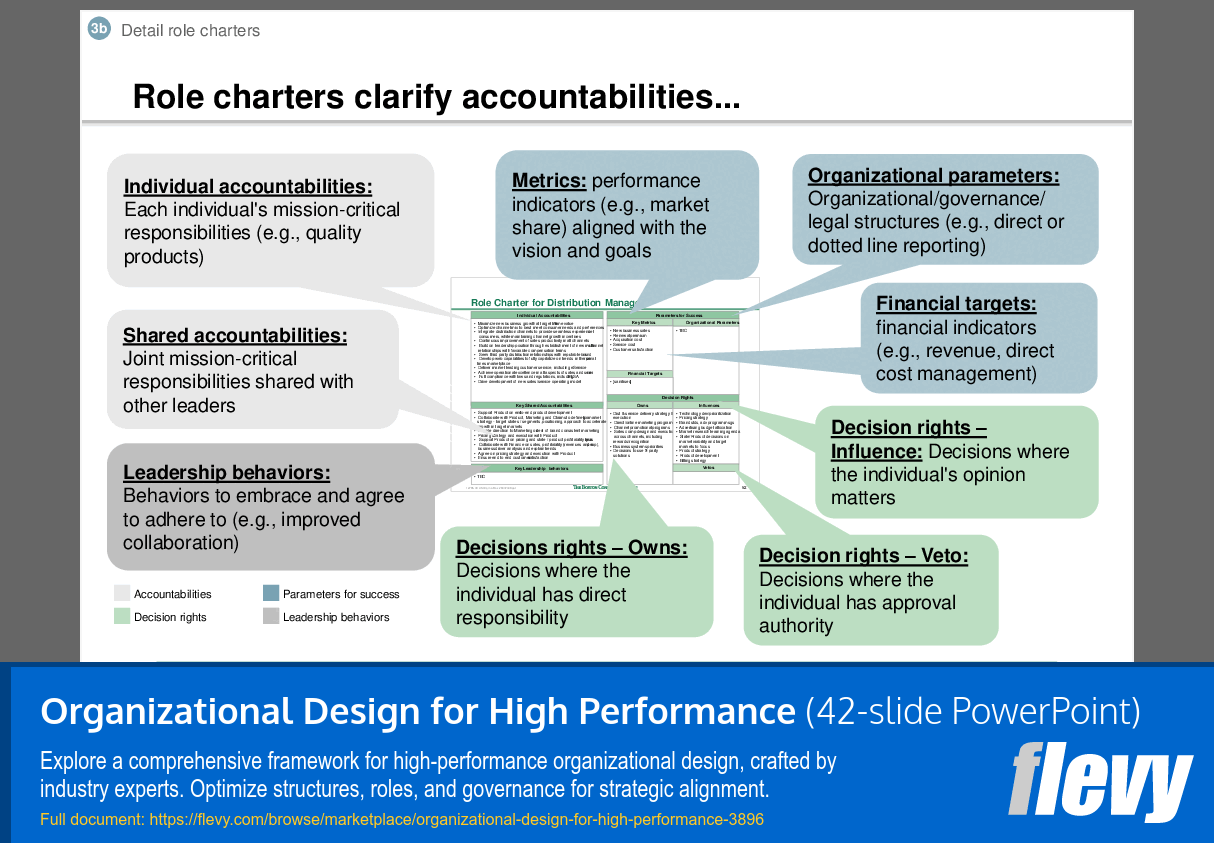
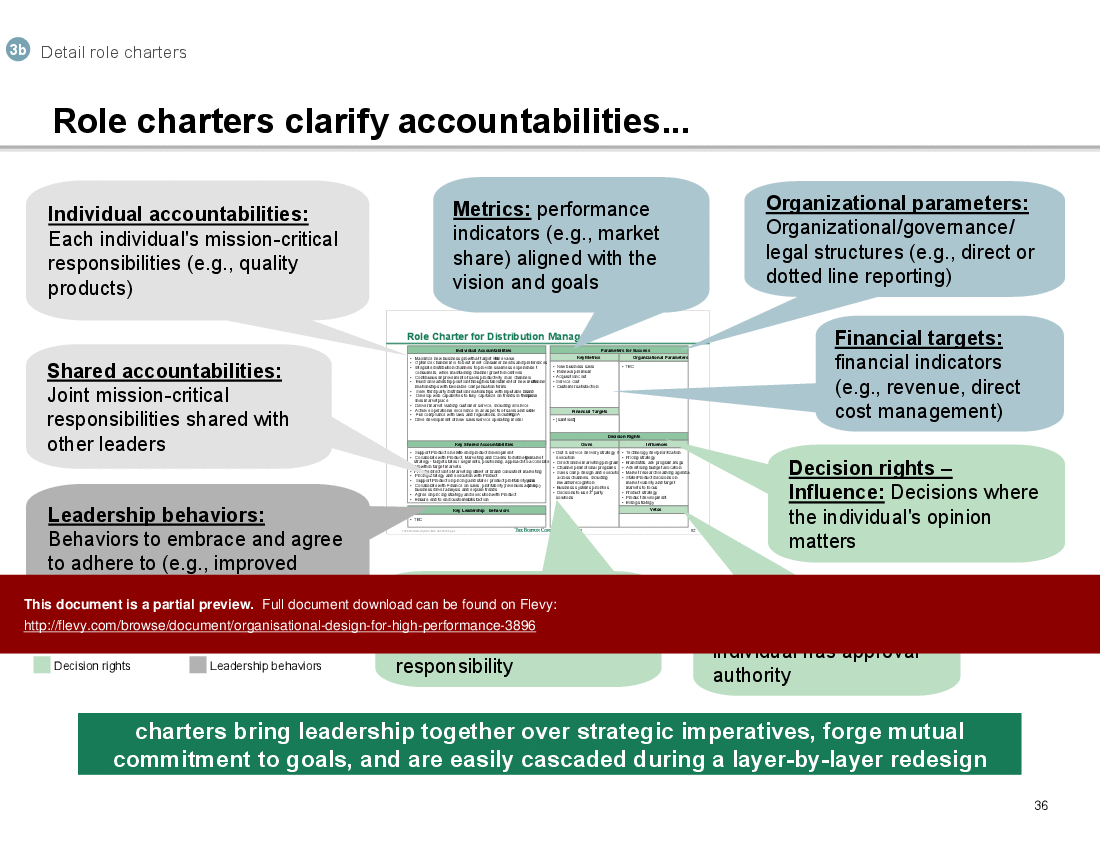
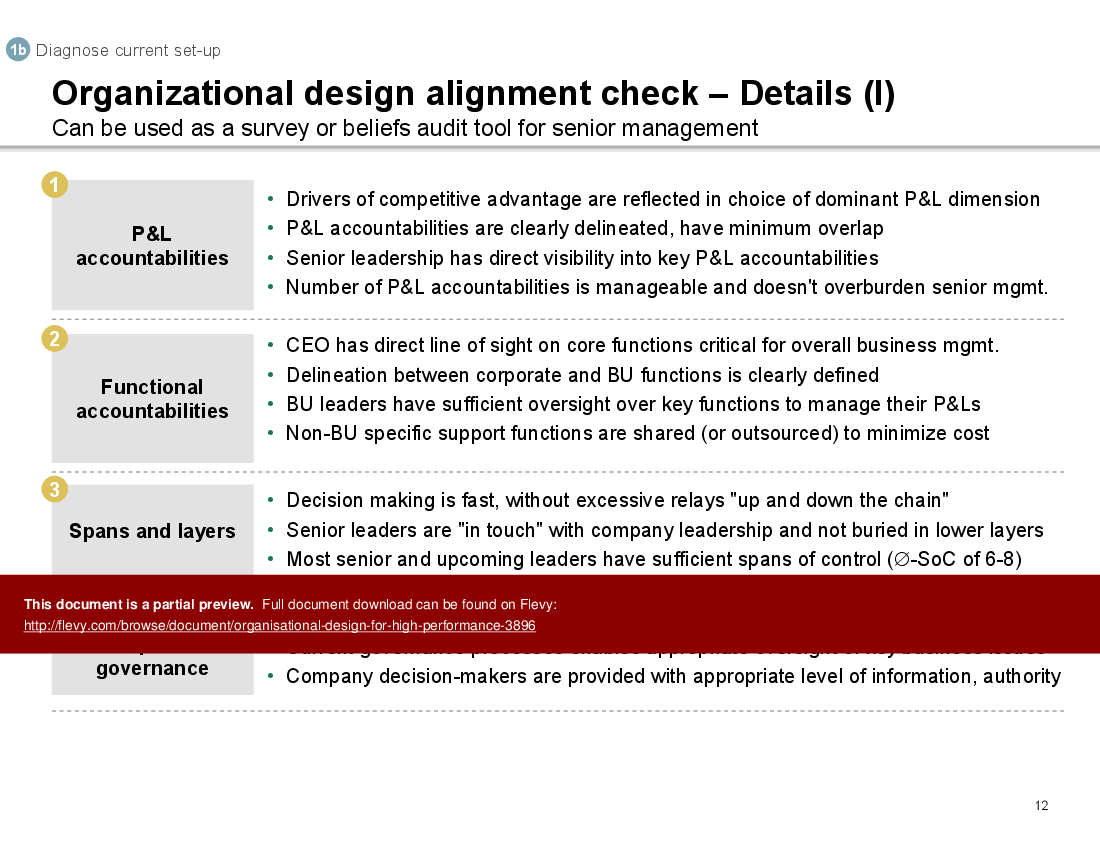
The framework provides a detailed alignment check for organizational design, covering P&L accountabilities, functional accountabilities, spans and layers, and governance. It includes practical tools for assessing current organizational setups and performance, evaluating strategic alternatives, and establishing target designs. The document also offers blueprints for collaboration and role charters, ensuring that individual and shared accountabilities are clearly defined and aligned with organizational goals.

Got a question about the product? Email us at support@flevy.com or ask the author directly by using the "Ask the Author a Question" form. If you cannot view the preview above this document description, go here to view the large preview instead.

MARCUS OVERVIEW

This synopsis was written by Marcus [?] based on the analysis of the full 42-slide presentation.


Executive Summary
This presentation titled "Organizational Design for High Performance" delivers a McKinsey, Bain, or BCG-quality framework for optimizing organizational structures, roles, and governance. It guides executives and consultants through the complexities of designing high-performance organizations by aligning strategic imperatives with operational capabilities. Buyers will gain insights into developing a detailed organizational blueprint, implementing effective change management, and ensuring sustained performance through recognition systems.

Who This Is For and When to Use

•  Corporate executives focused on strategic alignment and performance optimization
•  Organizational development consultants advising on structural changes
•  HR leaders responsible for talent management and performance systems
•  Change management professionals facilitating transitions in organizational design

Best-fit moments to use this deck:

•  During strategic planning sessions to align organizational design with business objectives
•  When initiating a reorganization to improve performance and accountability
•  In workshops aimed at cascading changes throughout the organization

Learning Objectives

•  Define the key elements of high-performance organizational design
•  Build a comprehensive organizational blueprint that aligns with business strategy
•  Establish effective collaboration mechanisms and role charters
•  Diagnose current organizational performance and identify gaps
•  Develop a clear implementation plan for the new design
•  Manage change effectively to ensure buy-in and minimize resistance

Table of Contents

•  Overall Framework to Organizational Design (page 1)
•  Key Elements of Organizational Design (page 2)
•  Org Design Project Process (page 4)
•  Three Key Steps for Org Design (page 7)
•  Organizational Design Alignment Check (page 11)
•  Five Steps for Development of Structural Options (page 17)
•  Individual Capabilities Decisions (page 20)
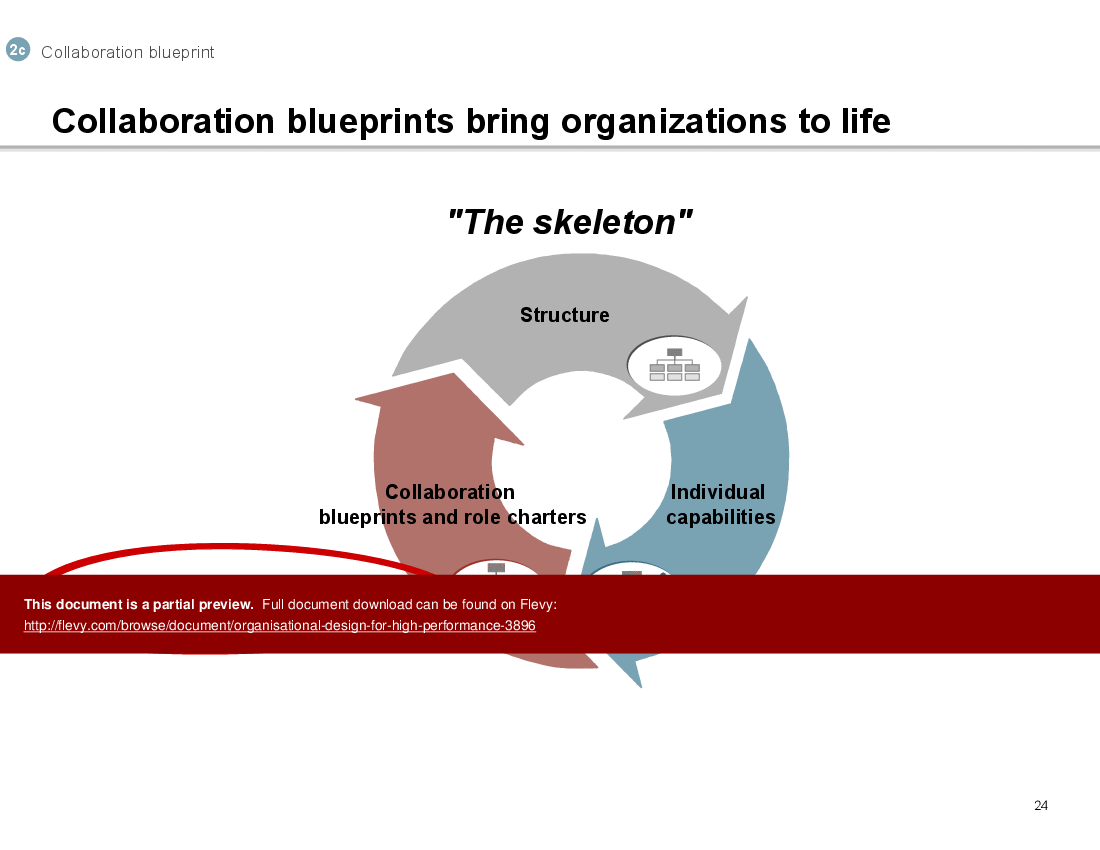
•  Collaboration Blueprints (page 24)
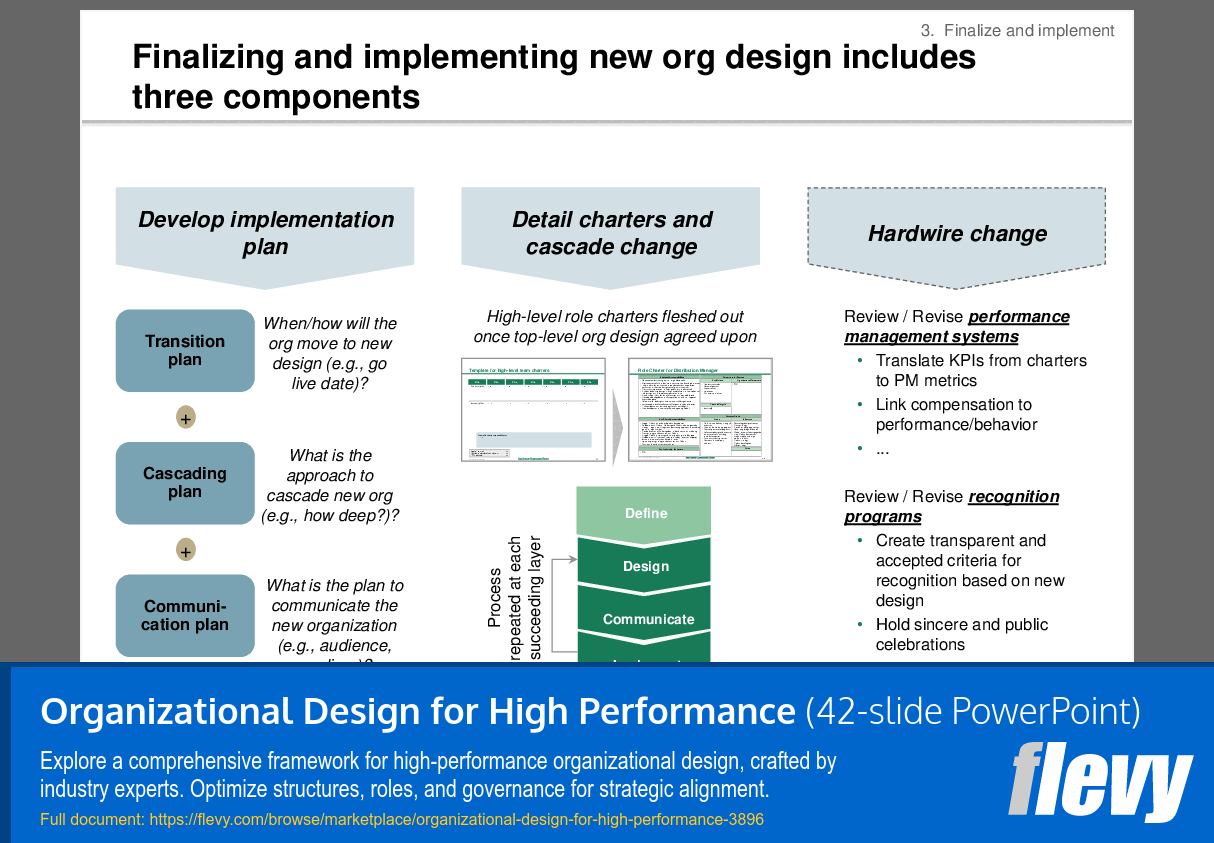
•  Finalizing and Implementing New Org Design (page 32)
•  Role Charters and Accountability (page 35)
•  Key Success Factors in Organizational Design (page 41)

Primary Topics Covered

•  Overall Framework - A structured approach to organizational design that aligns with strategic business imperatives and operational capabilities.
•  Key Elements - Identification of core capabilities, collaboration blueprints, and role charters essential for high performance.
•  Org Design Project Process - A three-phase process that includes setting objectives, designing organization options, and finalizing implementation.
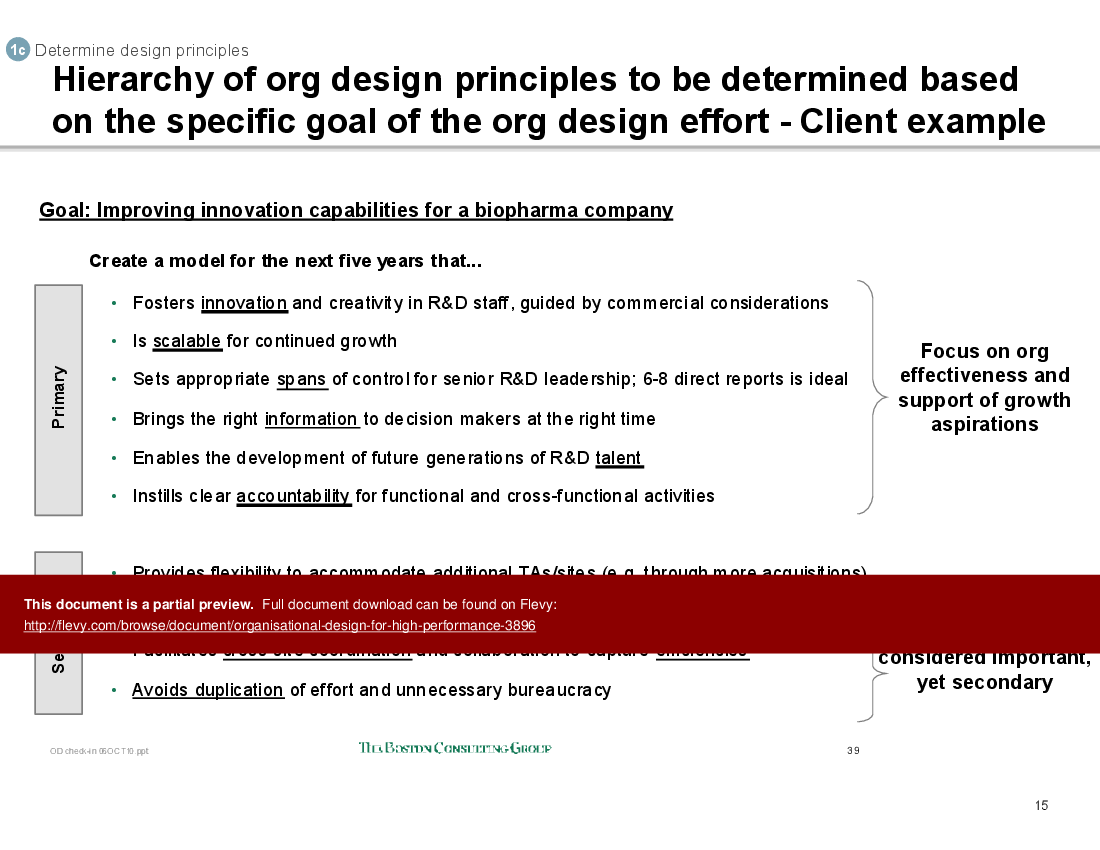
•  Design Principles - Establishing criteria for evaluating design options based on business strategy and management requirements.
•  Structural Options - Evaluating various organizational structures to determine the best fit for business needs.
•  Collaboration Blueprints - Defining mission-critical business interfaces and decision rights to enhance organizational effectiveness.

Deliverables, Templates, and Tools

•  Organizational blueprint template for aligning structure with business strategy
•  Role charter templates detailing accountabilities and decision rights
•  Implementation planning framework to guide transition activities
•  Collaboration blueprint to clarify decision-making processes
•  Change management communication plan to facilitate stakeholder engagement
•  Performance management metrics linked to new organizational design

Slide Highlights

•  Overview of the organizational design framework emphasizing strategic alignment
•  Visual representation of the 3 key steps in the organizational design process
•  Alignment check slide identifying areas of misalignment in organizational components
•  Detailed evaluation framework for assessing structural options
•  Collaboration blueprint slide illustrating the relationship between roles and decision rights

Potential Workshop Agenda

Organizational Design Kickoff (90 minutes)
•  Introduce the framework and objectives of the workshop
•  Discuss current organizational challenges and desired outcomes
•  Identify key stakeholders and their roles in the design process

Design Principles and Objectives Session (60 minutes)
•  Define business objectives driving the organizational design
•  Establish design principles based on strategic priorities
•  Review current organizational performance and identify gaps

Implementation Planning Workshop (90 minutes)
•  Develop a detailed implementation plan for the new design
•  Create a communication strategy to engage stakeholders
•  Outline roles and responsibilities for the transition process

Customization Guidance

•  Tailor the organizational blueprint to reflect specific business objectives and competitive advantages.
•  Adjust role charters to align with unique organizational cultures and leadership styles.
•  Modify the implementation plan to fit the timing and sequencing of organizational changes.

Secondary Topics Covered

•  Change management strategies for effective communication and engagement
•  Performance management systems that align with new organizational structures
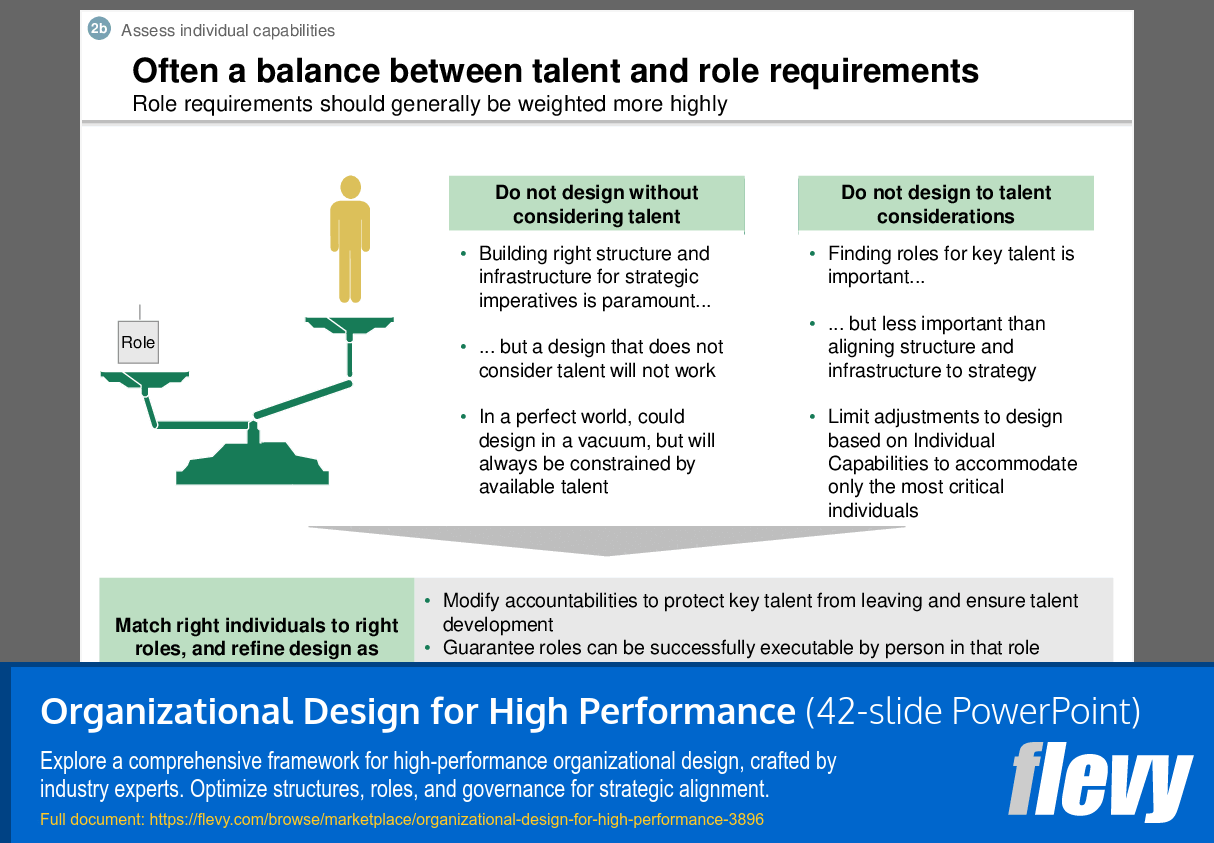
•  Talent management considerations in aligning capabilities with role requirements
•  Governance frameworks to support decision-making and accountability
•  Best practices for cascading organizational changes throughout the hierarchy

FAQ

What is the overall framework for organizational design?
The framework emphasizes aligning organizational structures with strategic business imperatives, focusing on capabilities, collaboration, and governance.

How do I define business objectives for organizational design?
Business objectives should capture the overarching strategy and priorities that the new design aims to address, including core capabilities and fundamental challenges.

What are collaboration blueprints?
Collaboration blueprints define mission-critical business interfaces and clarify decision rights, ensuring effective collaboration across the organization.

How do I assess individual capabilities in the context of organizational design?
Assess individual capabilities by evaluating whether current talent can execute the proposed design and ensuring roles align with the skills and aspirations of employees.

What steps are involved in finalizing and implementing a new organizational design?
Finalizing involves detailing charters, developing an implementation plan, and hardwiring changes to ensure they are sustained over time.

How can I ensure stakeholder buy-in during the design process?
Engage stakeholders early by clearly communicating objectives, involving them in discussions, and addressing their concerns throughout the change process.

What are the key success factors in organizational design?
Key factors include strategic alignment, dynamic interdependence of design elements, and a humanistic approach that considers talent capabilities and constraints.

How do I evaluate structural options for my organization?
Evaluate structural options by defining P&L dimensions, determining the scope of functions, and assessing the degree of centralization needed for each core activity.

What role do role charters play in organizational design?
Role charters clarify individual and shared accountabilities, enhancing engagement and decision-making while aligning with strategic imperatives.

How do I measure the success of the new organizational design?
Success can be measured through performance metrics linked to role charters, stakeholder feedback, and the achievement of defined business objectives.

Glossary

•  Organizational Design - The process of aligning an organization's structure with its strategic objectives.
•  Role Charter - A document outlining the key responsibilities, decision rights, and accountabilities for a specific role.
•  Collaboration Blueprint - A framework defining the decision rights and processes for critical business interactions.
•  P&L Accountabilities - Profit and loss responsibilities assigned to specific roles or functions within the organization.
•  Change Management - The approach to transitioning individuals, teams, and organizations to a desired future state.
•  Implementation Plan - A detailed roadmap outlining the steps, resources, and timelines for executing organizational changes.
•  Design Principles - Guidelines that inform the evaluation and selection of organizational design options.
•  Stakeholder Engagement - The process of involving individuals or groups who have an interest in the organizational design project.
•  Performance Management - Systems and processes used to ensure that organizational goals are met effectively and efficiently.
•  Governance Framework - The structure that outlines decision-making processes and accountability within the organization.
•  Talent Management - Strategies for recruiting, developing, and retaining employees to meet organizational needs.
•  Business Objectives - Specific goals that an organization aims to achieve through its strategic initiatives.
•  Scalability - The ability of an organization to grow and manage increased demand without compromising performance.
•  Centralization - The degree to which decision-making authority is concentrated at higher levels of the organization.
•  Decentralization - The distribution of decision-making authority to lower levels within the organization.
•  Key Performance Indicators (KPIs) - Metrics used to evaluate the success of an organization in achieving its objectives.
•  Cascading Change - The process of implementing changes throughout different layers of the organization.
•  Alignment Check - An evaluation of how well the organizational design components fit together with strategic goals.
•  Business Model - The framework for how an organization creates, delivers, and captures value.
•  Competitive Advantage - Unique attributes or capabilities that allow an organization to outperform its competitors.

ORGANIZATIONAL DESIGN PPT SLIDES

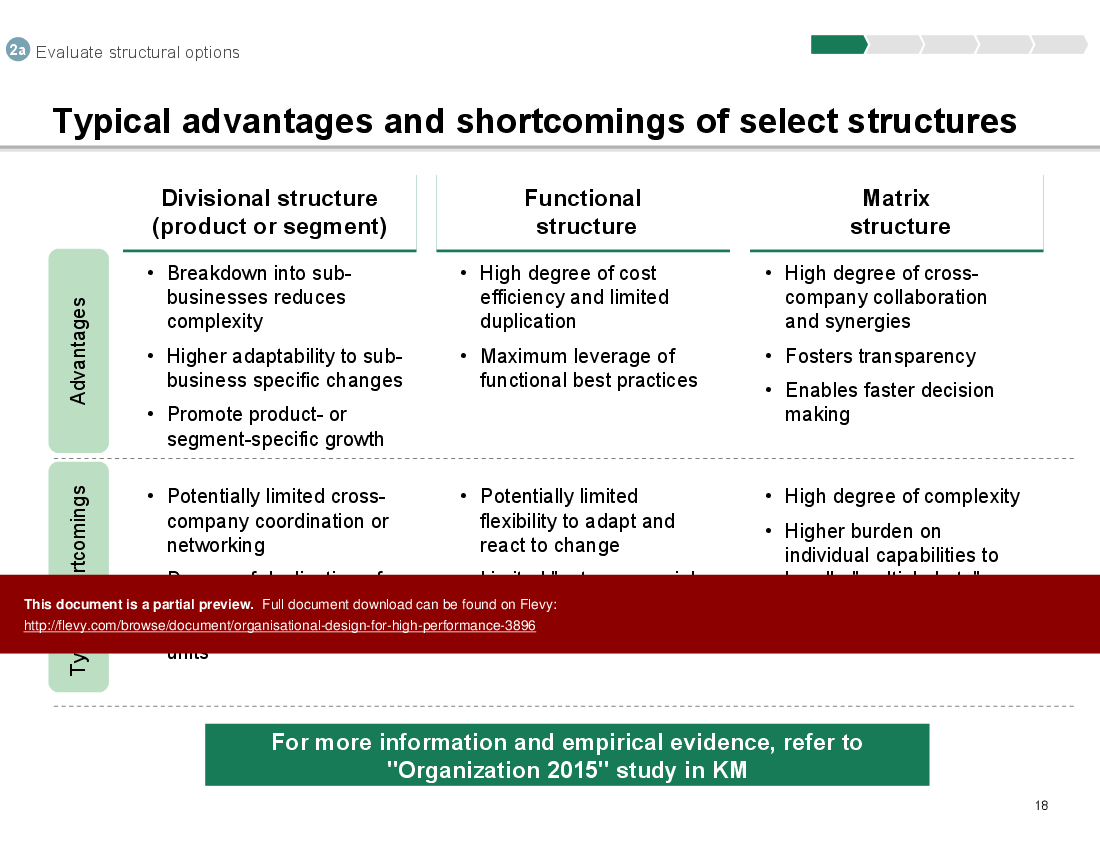
Evaluating Organizational Structures: Advantages and Challenges

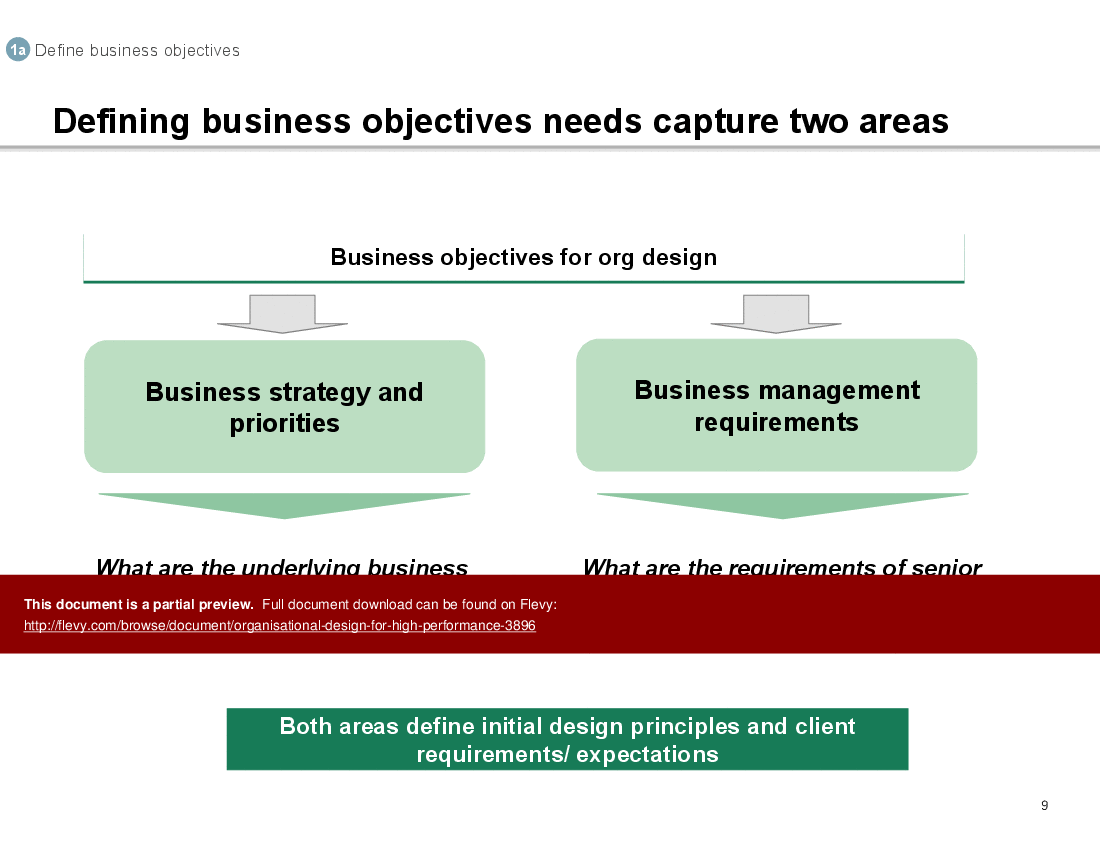
Aligning Business Objectives with Organizational Design

Integrating Organizational Design with Business Strategy

Framework for Effective Organizational Design

Structured Approach to Organizational Design Phases

Assessing Organizational Design Alignment for Strategic Success

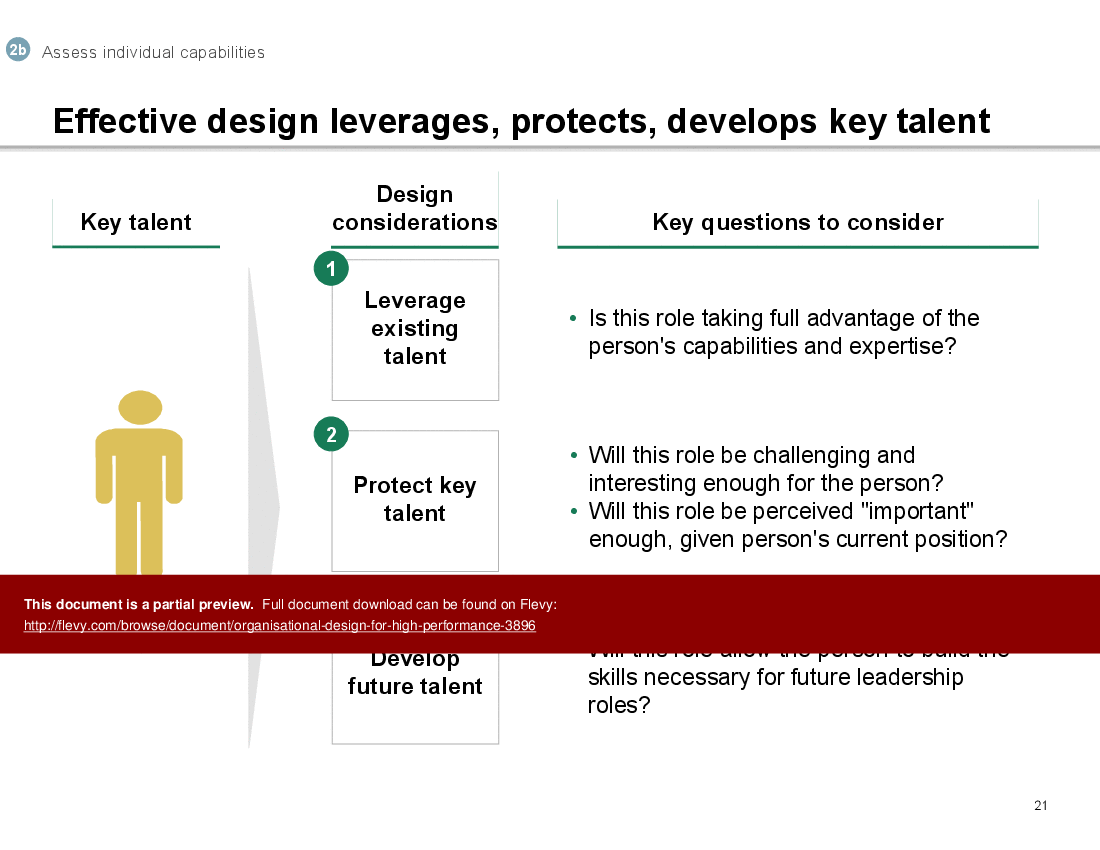
Balancing Talent and Role Requirements in Design

Implementing Organizational Design: Key Components Overview

Clarifying Accountabilities through Role Charters

Framework for Developing Organizational Structures

Role Charters for Sales Team Alignment and Accountability

Source: Best Practices in Organizational Design PowerPoint Slides: Organizational Design for High Performance PowerPoint (PPT) Presentation Slide Deck, Eldiablo666


$99.00

Add to Cart
  

ABOUT THE AUTHOR

Author: Eldiablo666

Ask the Author a Question

You must be logged in to contact the author.

Click here to log in Click here register

Did you know?
The average daily rate of a McKinsey consultant is $6,625 (not including expenses). The average price of a Flevy document is $65.


Trusted by over 10,000+ Client Organizations
Since 2012, we have provided business templates to over 10,000 businesses and organizations of all sizes, from startups and small businesses to the Fortune 100, in over 130 countries.
AT&T GE Cisco Intel IBM Coke Dell Toyota HP Nike Samsung Microsoft Astrazeneca JP Morgan KPMG Walgreens Walmart 3M Kaiser Oracle SAP Google E&Y Volvo Bosch Merck Fedex Shell Amgen Eli Lilly Roche AIG Abbott Amazon PwC T-Mobile Broadcom Bayer Pearson Titleist ConEd Pfizer NTT Data Schwab


Read Customer Testimonials

 
"As an Independent Management Consultant, I find Flevy to add great value as a source of best practices, templates and information on new trends. Flevy has matured and the quality and quantity of the library is excellent. Lastly the price charged is reasonable, creating a win-win value for "

– Jim Schoen, Principal at FRC Group
 
"Flevy.com has proven to be an invaluable resource library to our Independent Management Consultancy, supporting and enabling us to better serve our enterprise clients.

The value derived from our [FlevyPro] subscription in terms of the business it has helped to gain far exceeds the investment made, making a subscription a no-brainer for any growing consultancy – or in-house strategy team."

– Dean Carlton, Chief Transformation Officer, Global Village Transformations Pty Ltd.
 
"As a consultant requiring up to date and professional material that will be of value and use to my clients, I find Flevy a very reliable resource.

The variety and quality of material available through Flevy offers a very useful and commanding source for information. Using Flevy saves me time, enhances my expertise and ends up being a good decision."

– Dennis Gershowitz, Principal at DG Associates
 
"As a young consulting firm, requests for input from clients vary and it's sometimes impossible to provide expert solutions across a broad spectrum of requirements. That was before I discovered Flevy.com.

Through subscription to this invaluable site of a plethora of topics that are key and crucial to consulting, I "

– Nishi Singh, Strategist and MD at NSP Consultants
 
"Last Sunday morning, I was diligently working on an important presentation for a client and found myself in need of additional content and suitable templates for various types of graphics. Flevy.com proved to be a treasure trove for both content and design at a reasonable price, considering the time I "

– M. E., Chief Commercial Officer, International Logistics Service Provider
 
"FlevyPro provides business frameworks from many of the global giants in management consulting that allow you to provide best in class solutions for your clients."

– David Harris, Managing Director at Futures Strategy
 
"Flevy is our 'go to' resource for management material, at an affordable cost. The Flevy library is comprehensive and the content deep, and typically provides a great foundation for us to further develop and tailor our own service offer."

– Chris McCann, Founder at Resilient.World
 
"I am extremely grateful for the proactiveness and eagerness to help and I would gladly recommend the Flevy team if you are looking for data and toolkits to help you work through business solutions."

– Trevor Booth, Partner, Fast Forward Consulting


Customers Also Bought These Documents


Customers Also Like These Documents

Explore Related Management Topics


Your Recently Viewed Documents
Download our FREE Organization, Change, & Culture, Templates

Download our free compilation of 50+ slides and templates on Organizational Design, Change Management, and Corporate Culture. Methodologies include ADKAR, Burke-Litwin Change Model, McKinsey 7-S, Competing Values Framework, etc.