
"An organizational structure carries inherent capabilities as to what can be achieved within its frame."
— Pearl Zhu
Decoding the Essence of Organization Design:
In the intricate tapestry of organizational dynamics, the concept of organization design emerges as a guiding compass. It constitutes a multifaceted process that shapes an organization's structure and modus operandi. Within its purview, it encompasses an array of elements that define work-life intricacies. These elements span the spectrum, from team formations and shift patterns to lines of reporting, decision-making protocols, communication channels, and more.
Charting the Course: Objectives of This Presentation:
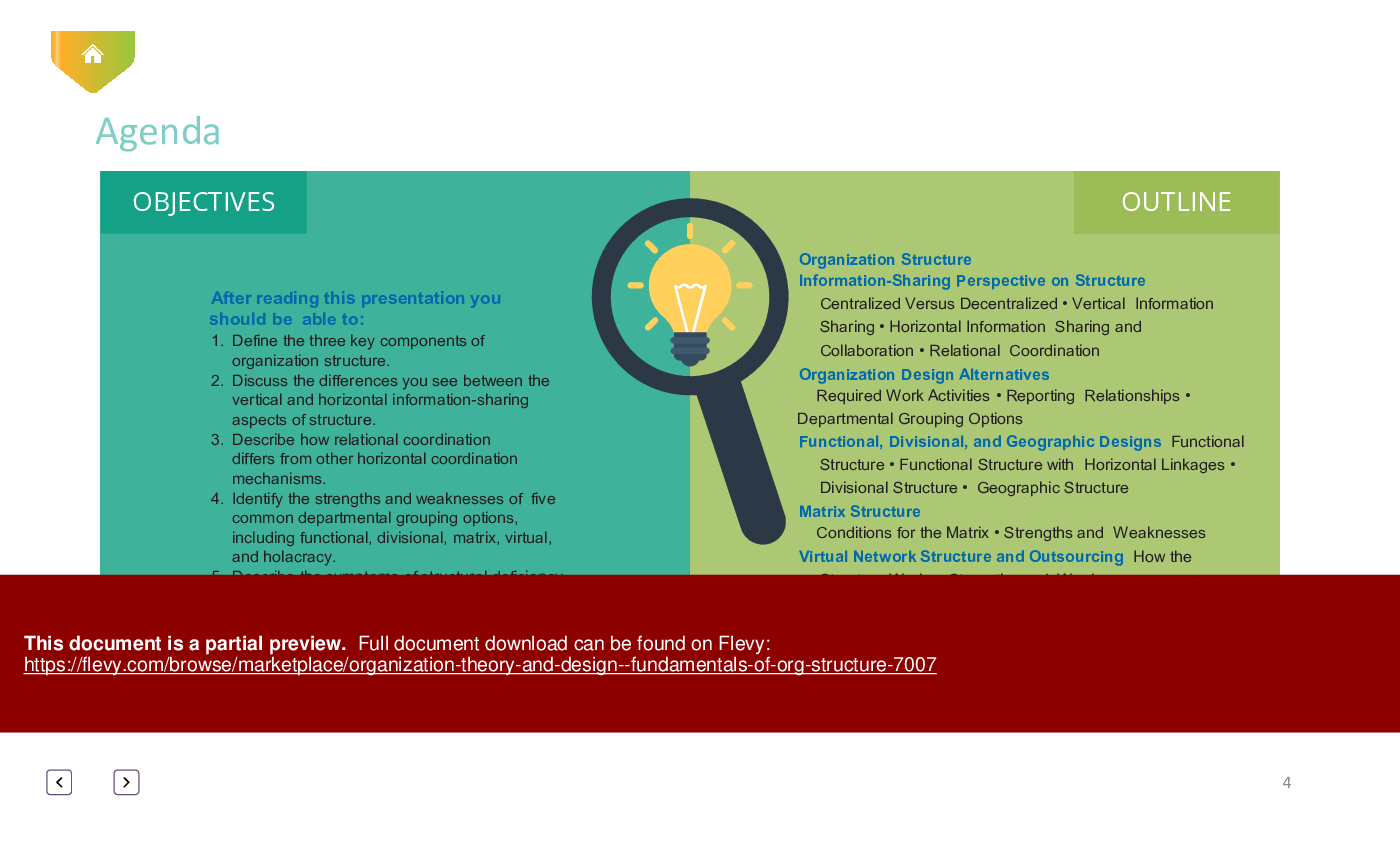
This presentation serves a dual purpose: to demystify the intricate terrain of organizational structure and to provide a comprehensive overview of structural design. It embarks on a journey that begins with the elucidation of structure, delves into the nuances of information-sharing mechanisms, explores fundamental design options, and unveils strategies for grouping organizational activities into various structures, including functional, divisional, matrix, virtual network, and holacracy team structures. In conclusion, it casts a discerning eye on structural alignment and the telltale signs of structural misalignment.
Unlocking the Insights: What You Will Gain:
Upon traversing the rich landscape of this presentation, you will emerge with a wealth of knowledge and a keen understanding of organization structure, its vertical and horizontal information-sharing facets, relational coordination, departmental grouping options, and the vital ability to identify structural deficiencies within an organization.
Venture Deeper into the World of Organization Structure:
This 82-Slide PowerPoint document promises to be your trusted guide in navigating the intricate world of organization structure. With its flexibility for customization and its rich repository of insightful figures, diagrams, ice-breakers, pictures, and more, it provides you with an all-encompassing view of the profound concepts of Organization Theory & Design.
Got a question about the product? Email us at support@flevy.com or ask the author directly by using the "Ask the Author a Question" form. If you cannot view the preview above this document description, go here to view the large preview instead.
Executive Summary
The "Fundamentals of Organization Structure" presentation provides a comprehensive overview of organizational design principles, focusing on the importance of structure in achieving strategic goals. It outlines various organizational frameworks, including functional, divisional, matrix, virtual network, and holacracy structures. This presentation equips executives and consultants with the knowledge to assess and design effective organizational structures that enhance communication, coordination, and overall performance.
Who This Is For and When to Use
• Corporate executives seeking to optimize organizational design for improved efficiency.
• Change management consultants advising on structural transformations.
• HR leaders focused on aligning organizational structure with talent management.
• Project managers needing clarity on roles and responsibilities within teams.
Best-fit moments to use this deck:
• During organizational restructuring initiatives to define roles and reporting relationships.
• In workshops aimed at improving cross-departmental collaboration.
• When assessing the effectiveness of current organizational structures in response to market changes.
Learning Objectives
• Define the 3 key components of organizational structure.
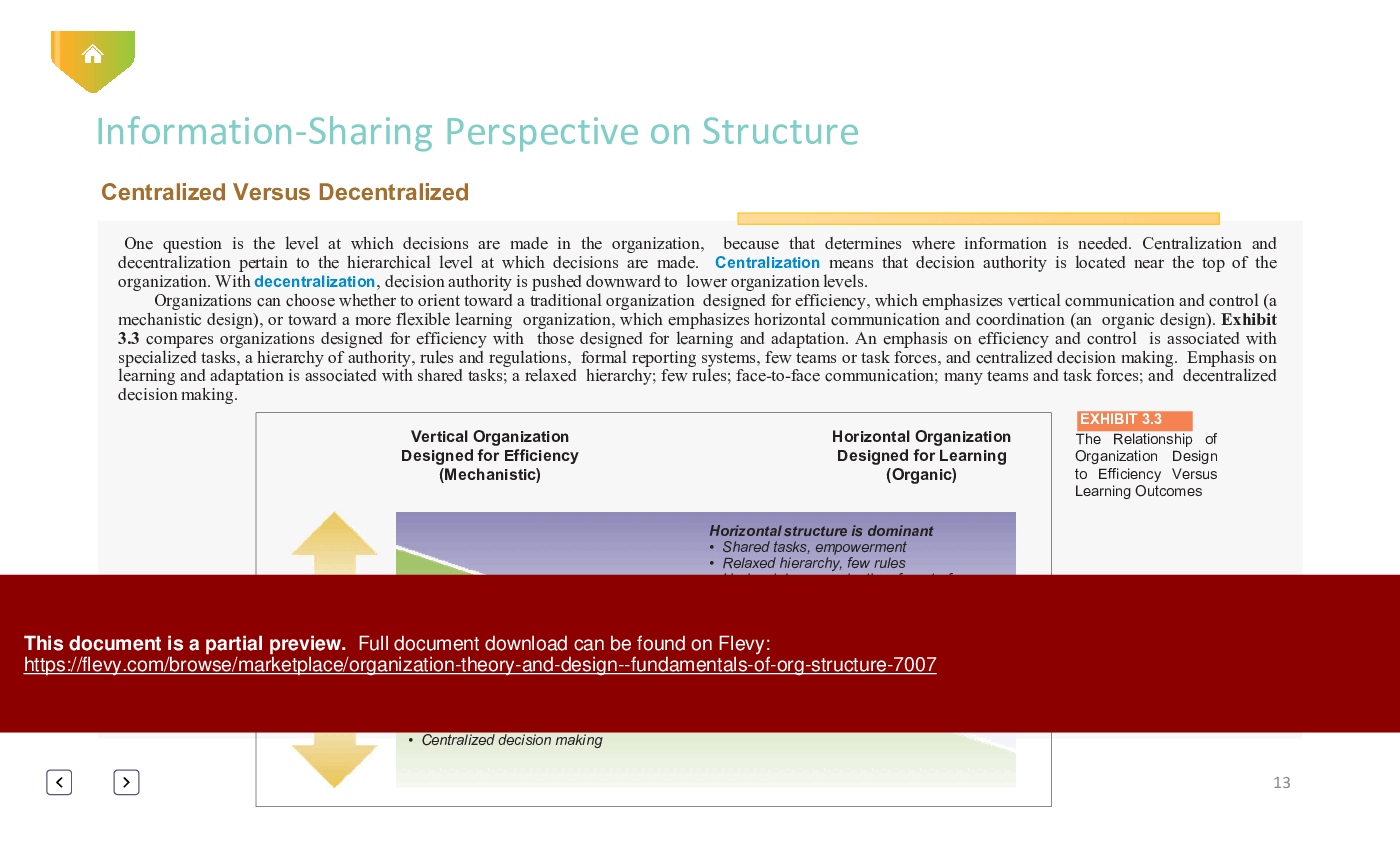
• Discuss the differences between vertical and horizontal information-sharing aspects.
• Describe relational coordination and its significance in organizational design.
• Identify strengths and weaknesses of 5 common departmental grouping options.
• Recognize symptoms of structural deficiencies within organizations.
• Develop strategies for effective organizational design based on situational needs.
Table of Contents
• Introduction to Organizational Structure (page 3)
• Key Components of Organization Structure (page 7)
• Information-Sharing Perspective (page 12)
• Organizational Design Alternatives (page 35)
• Functional, Divisional, and Geographic Designs (page 41)
• Matrix Structure (page 53)
• Virtual Network Structure and Outsourcing (page 62)
• Holacracy Team Structure (page 68)
• Applications of Structural Design (page 76)
Primary Topics Covered
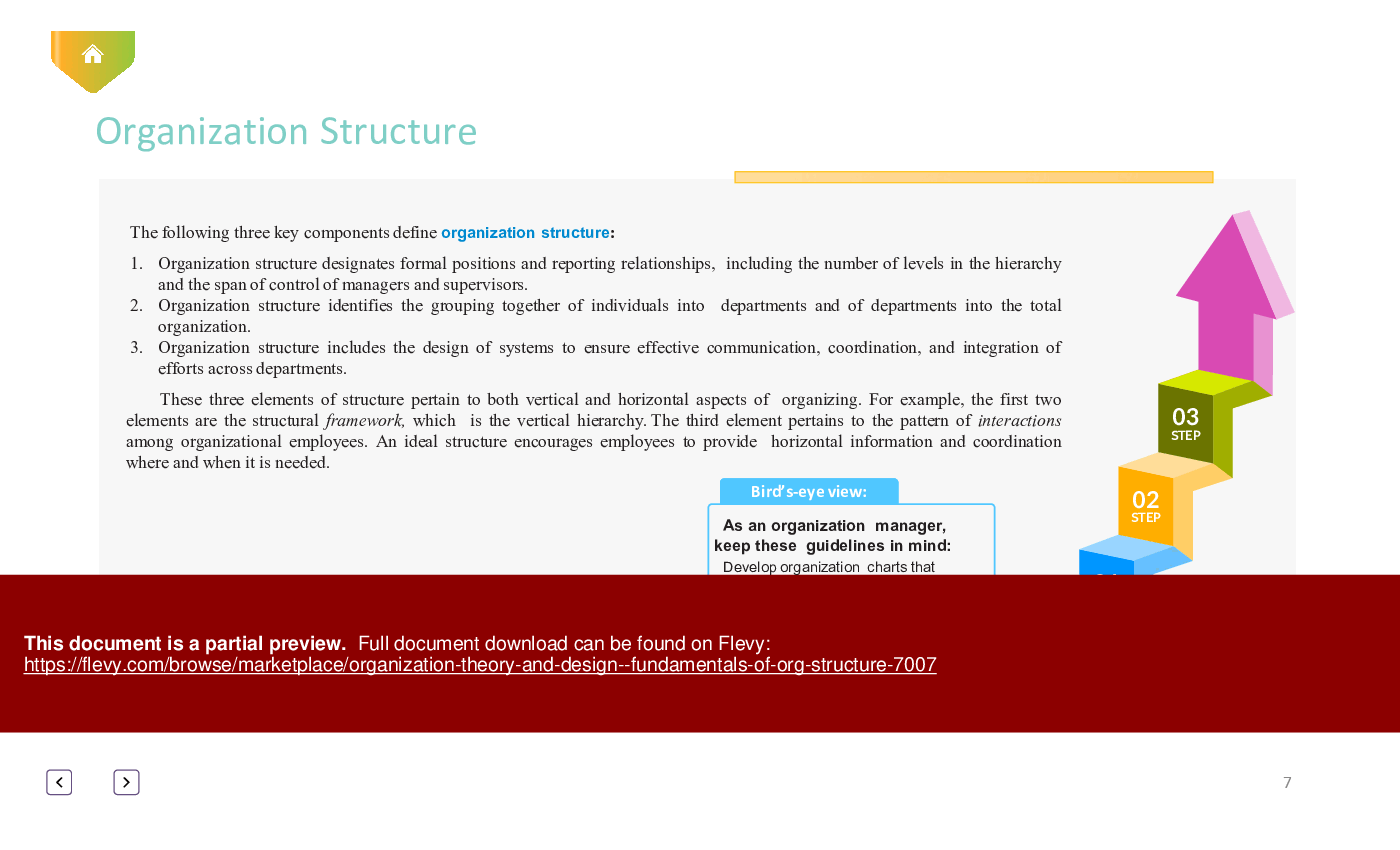
• Key Components of Organization Structure - Organization structure encompasses formal positions, reporting relationships, and the grouping of individuals into departments.
• Information Sharing - Effective organization design facilitates both vertical and horizontal information flow to achieve overall goals.
• Departmental Grouping Options - Various grouping strategies include functional, divisional, matrix, and holacracy team structures, each with unique strengths and weaknesses.
• Matrix Structure - A dual-authority structure that combines functional and product dimensions to enhance flexibility and responsiveness.
• Virtual Network Structure - A design that emphasizes outsourcing and collaboration with external partners for enhanced agility.
• Holacracy Team Structure - A self-management model that promotes decentralized decision-making and team autonomy.
Deliverables, Templates, and Tools
• Organizational charts that illustrate task responsibilities and reporting relationships.
• Frameworks for assessing departmental grouping options based on organizational needs.
• Guidelines for implementing effective information-sharing mechanisms.
• Templates for evaluating the effectiveness of current organizational structures.
• Checklists for identifying symptoms of structural deficiencies.
Slide Highlights
• Overview of the 3 key components of organization structure.
• Visual representation of vertical and horizontal information flow.
• Comparison of various departmental grouping options with strengths and weaknesses.
• Case studies illustrating the application of matrix and virtual network structures.
• Insights into the holacracy team structure and its implications for management.
Potential Workshop Agenda
Introduction to Organizational Structure (30 minutes)
• Overview of key components and their importance.
• Discussion on the role of structure in achieving organizational goals.
Designing for Information Sharing (60 minutes)
• Interactive session on vertical vs. horizontal information flow.
• Group activity to identify effective communication strategies.
Exploring Departmental Grouping Options (45 minutes)
• Presentation on various grouping strategies.
• Breakout discussions on the applicability of each structure.
Implementing Change: From Theory to Practice (60 minutes)
• Case studies on successful organizational redesigns.
• Action planning for participants’ own organizational challenges.
Customization Guidance
• Tailor organizational charts to reflect specific roles and reporting relationships within your organization.
• Adapt departmental grouping strategies based on unique business needs and market conditions.
• Incorporate relevant case studies that resonate with your organizational context.
Secondary Topics Covered
• The impact of environmental changes on organizational structure.
• Best practices for fostering collaboration across departments.
• Techniques for measuring the effectiveness of organizational design.
• The role of technology in facilitating information sharing.
• Strategies for managing resistance during structural changes.
Topic FAQ
Document FAQ
These are questions addressed within this presentation.
What are the 3 key components of organizational structure?
The 3 key components are formal positions and reporting relationships, grouping of individuals into departments, and systems for effective communication and coordination.
How does vertical information sharing differ from horizontal information sharing?
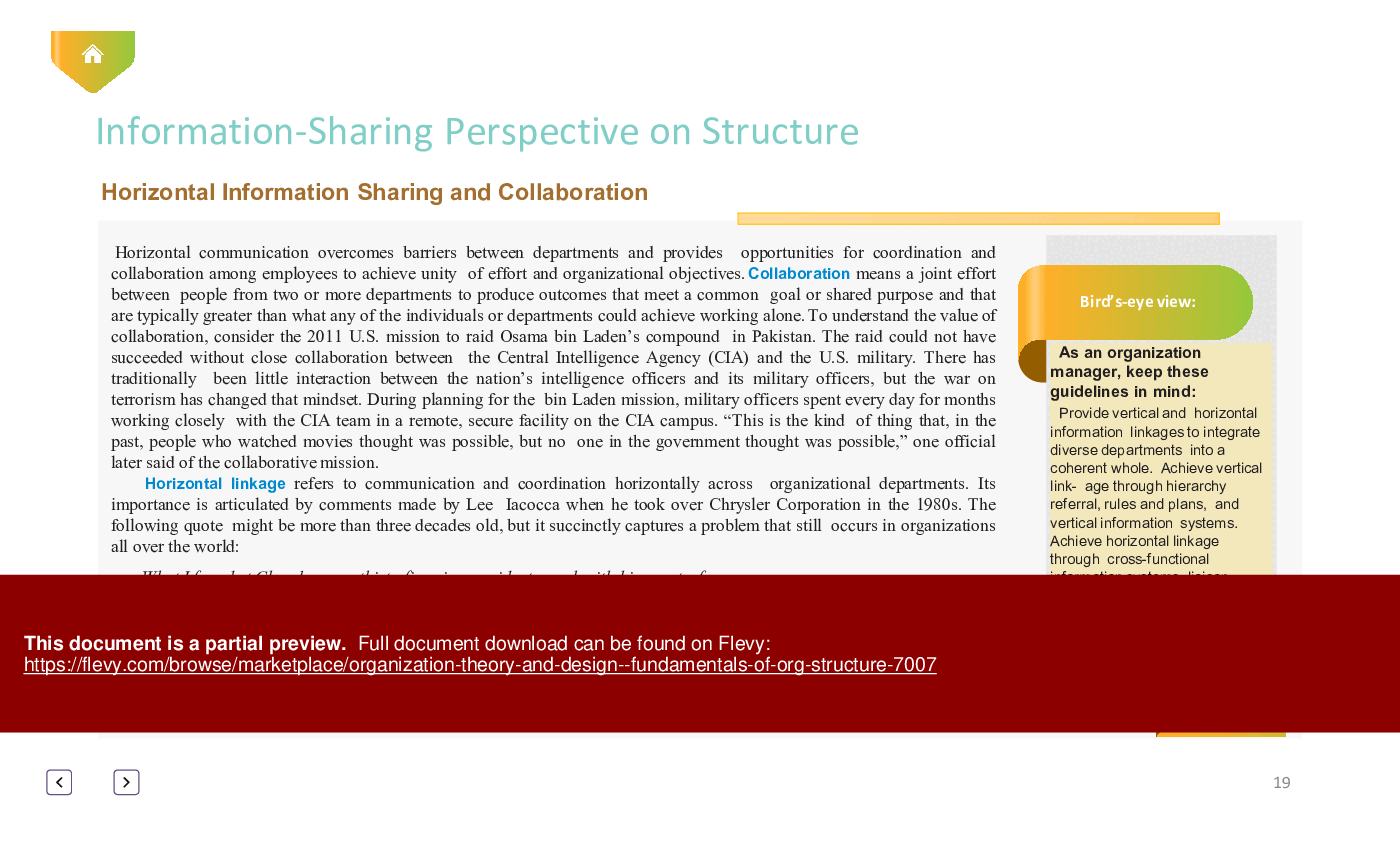
Vertical information sharing focuses on control and coordination from top to bottom, while horizontal information sharing emphasizes collaboration and coordination across departments.
What are the strengths of a matrix structure?
A matrix structure enables flexibility in resource allocation, facilitates communication between product and functional managers, and supports rapid responses to customer demands.
What challenges might arise with a holacracy team structure?
Challenges include defining individual roles, potential confusion over responsibilities, and the need for significant training in social skills for effective collaboration.
How can organizations identify symptoms of structural deficiencies?
Symptoms include lack of collaboration, delayed decision-making, poor innovation, and declining employee performance.
What is the role of technology in organizational structure?
Technology facilitates information sharing and collaboration, enabling organizations to adapt quickly to changing environments and enhance overall efficiency.
How can organizations effectively implement a virtual network structure?
Organizations should focus on maintaining strong relationships with partners, clearly defining roles and responsibilities, and ensuring effective communication channels are in place.
What is the importance of customization in organizational design?
Customization ensures that the structure aligns with specific organizational goals, market conditions, and employee needs, enhancing overall effectiveness.
Glossary
• Organizational Structure - The formal arrangement of roles, responsibilities, and relationships within an organization.
• Vertical Information Sharing - Communication that flows from top management to lower levels in the hierarchy.
• Horizontal Information Sharing - Communication that occurs across departments and functions.
• Matrix Structure - An organizational design that combines functional and product structures, allowing for dual authority.
• Holacracy - A self-management organizational model where teams operate without traditional hierarchical structures.
• Virtual Network Structure - An organizational design that relies on outsourcing and collaboration with external partners.
• Departmental Grouping - The process of organizing employees into departments based on function, product, or geography.
• Relational Coordination - Communication and collaboration that occurs through relationships of shared goals and mutual respect.
• Functional Structure - An organizational design that groups employees based on similar functions or roles.
• Divisional Structure - An organizational design that groups employees based on products or services offered.
• Outsourcing - The practice of contracting out certain business functions to external organizations.
• Cross-Functional Teams - Teams composed of members from different departments working together on a specific project.
• Task Force - A temporary team formed to address a specific issue or project.
• Liaison Role - A position that facilitates communication and coordination between departments.
• Information Systems - Technology used to manage and share information within an organization.
• Structural Alignment - The process of ensuring that organizational structure supports strategic goals and operational effectiveness.
• Symptoms of Structural Deficiency - Indicators that an organization's structure is not effectively supporting its goals.
• Centralization - The concentration of decision-making authority at the top levels of an organization.
• Decentralization - The distribution of decision-making authority to lower levels within an organization.
Source: Best Practices in Organizational Structure PowerPoint Slides: Organization Theory & Design - Fundamentals of Org Structure PowerPoint (PPTX) Presentation Slide Deck, RadVector Consulting
|
Download our FREE Organization, Change, & Culture, Templates
Download our free compilation of 50+ slides and templates on Organizational Design, Change Management, and Corporate Culture. Methodologies include ADKAR, Burke-Litwin Change Model, McKinsey 7-S, Competing Values Framework, etc. |










