 Click main image to view in full screen.
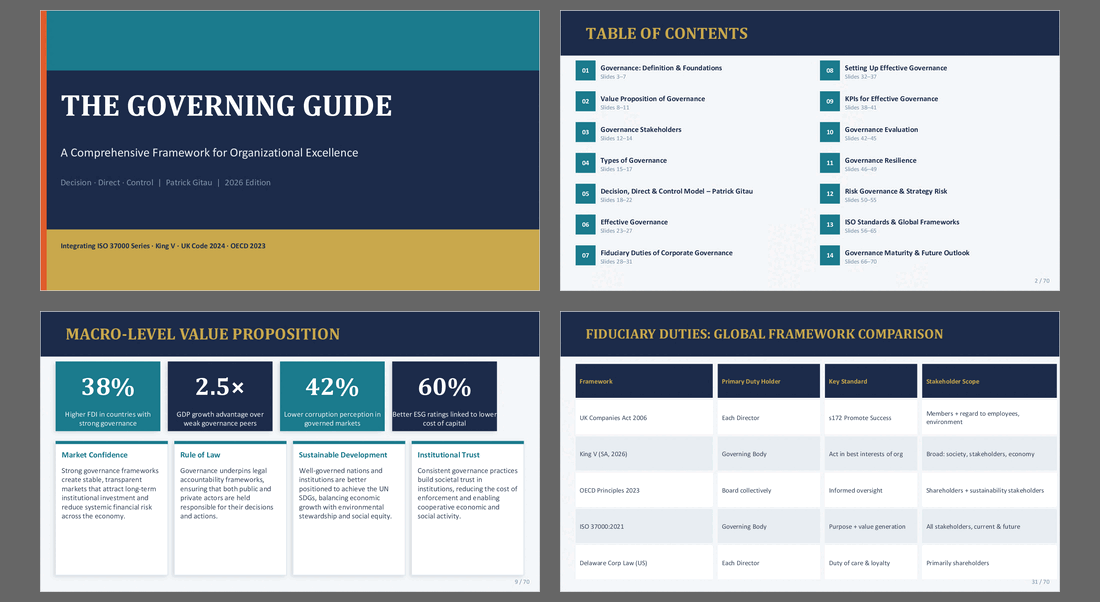
Orchestrating Effective Governing of Organizations – PowerPoint PPTX Template
PowerPoint (PPTX) + Word (DOCX) 70 Slides


BENEFITS OF THIS DOWNLOADABLE POWERPOINT DOCUMENT
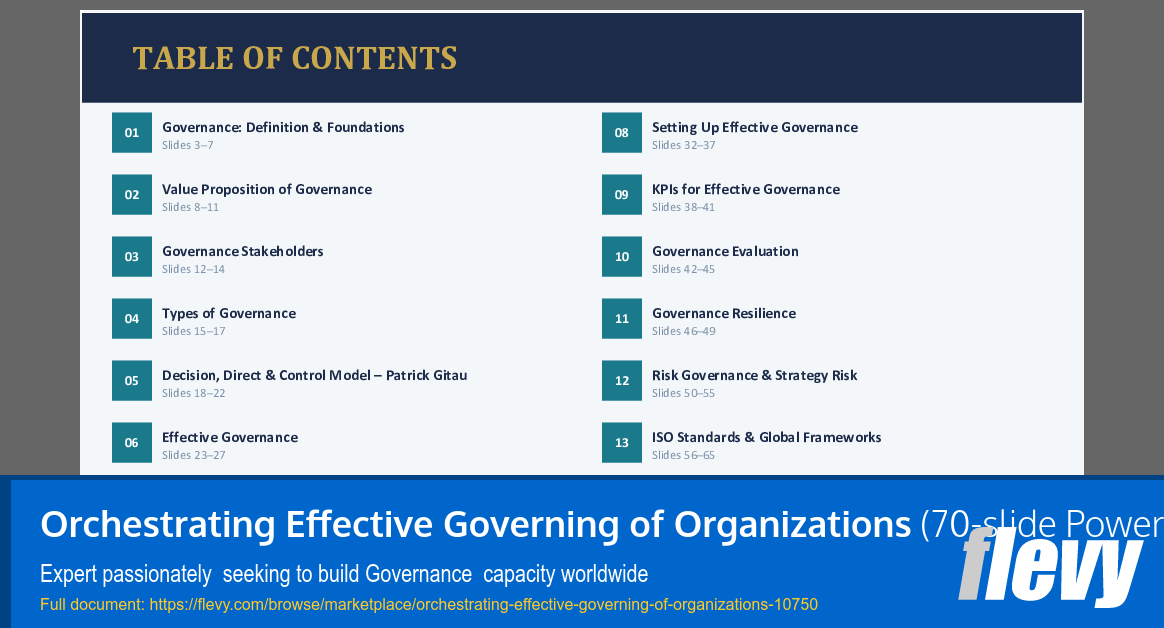
- The guide concludes with an eight-step governance implementation roadmap -- from establishing purpose and legal foundation through to governance evaluation and continuous improvement
- The guide integration of international standards (ISO 37K series, ISO 31K, ISO/IEC 42001) with governance codes (King V, UK Code 2024, OECD 2023) creates a comprehensive and internally coherent governance framework that eliminates the frag
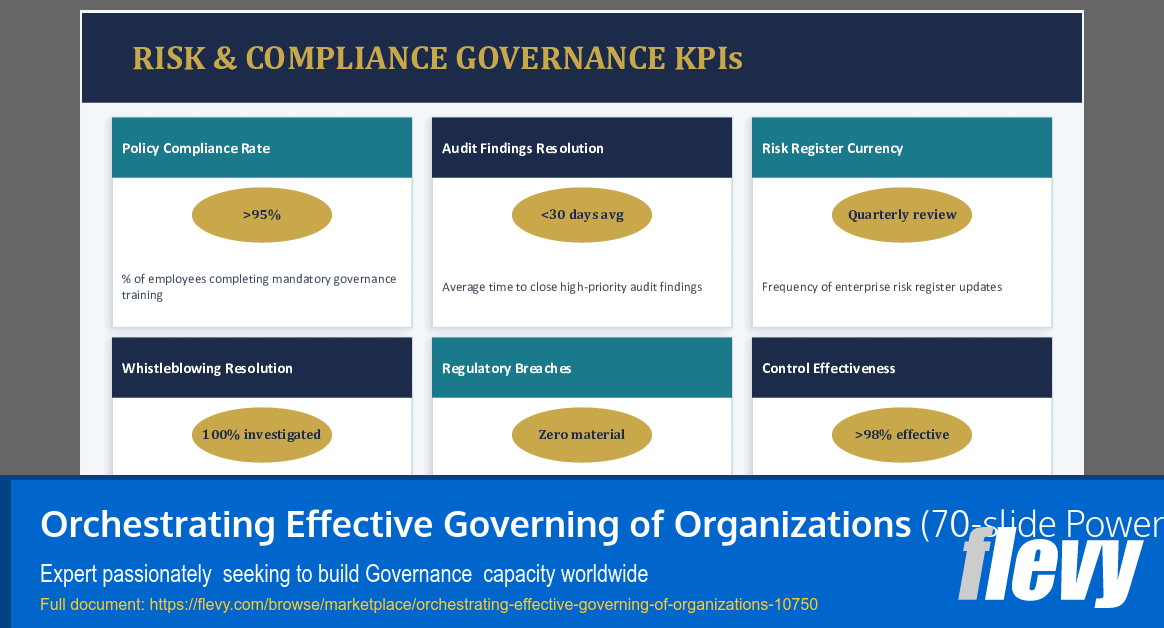
- This include Governance excellence measurability -- through the ISO 37004 maturity model, the fifteen revelation criteria and the KPI framework -- enabling continuous improvement grounded in evidence rather than aspiration
GOVERNANCE PPT TEMPLATE DESCRIPTION
Governance has entered its most consequential era. Technological disruption, climate volatility, stakeholder activism and expanding regulatory obligations have transformed governance from a procedural necessity into a strategic differentiator. Yet the recurring failures of organisations such as Wirecard, Steinhoff International, Boeing and Theranos reveal a persistent execution gap. Boards often lack the expertise to interrogate management effectively; control systems fail to surface inconvenient truths; and governance cultures prioritise documentation over accountability. The cost is measured not only in financial loss, but in reputational erosion and societal harm.
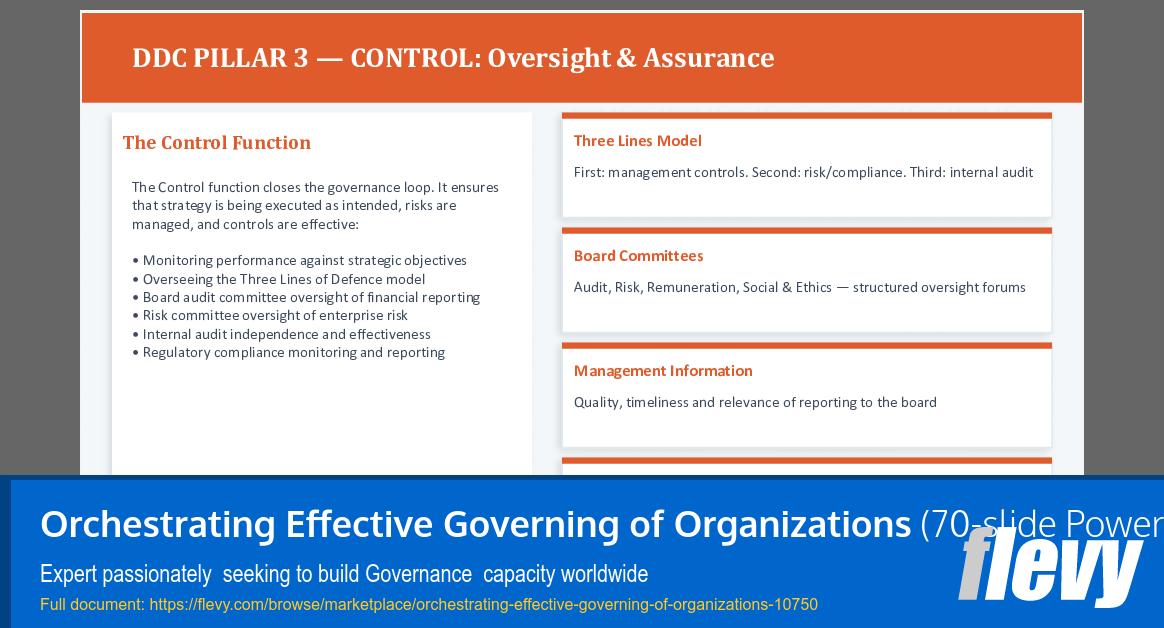
The Governing Guide by Patrick Gitau is a practitioner's response to this governance deficit. This 100-page reference manual integrates global governance codes and leading international standards into a single, operational framework for directors, company secretaries and senior executives. At its core is the Decision, Direct and Control (DDC) Model – a three-pillar architecture asserting that effective governing bodies must decide strategically, direct with clarity and control with independence and rigour.
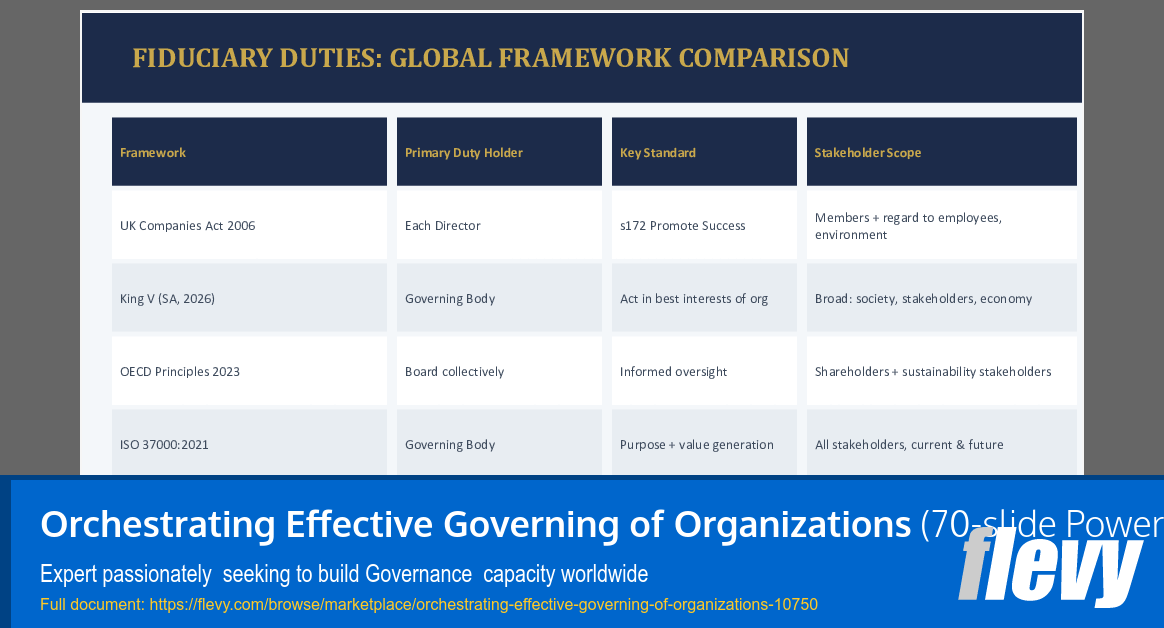
The guide spans financial, operational, project, strategy and risk governance, embedding global benchmarks such as International Organization for Standardization ISO 37000:2021, ISO 31000:2018, ISO/IEC 42001:2023, the UK Corporate Governance Code 2024 and the OECD Principles of Corporate Governance 2023. Rather than treating standards as compliance artefacts, the guide positions them as a coherent governance toolkit aligned to performance, resilience and sustainability.
A defining feature is its emphasis on board capability. Through a fifteen-competency skills matrix and fifteen Governance Revelation Criteria aligned to ISO 37004:2023, the guide makes governance measurable and improvable. Fifteen case studies – from financial collapses to purpose-led successes – translate theory into applied lessons.
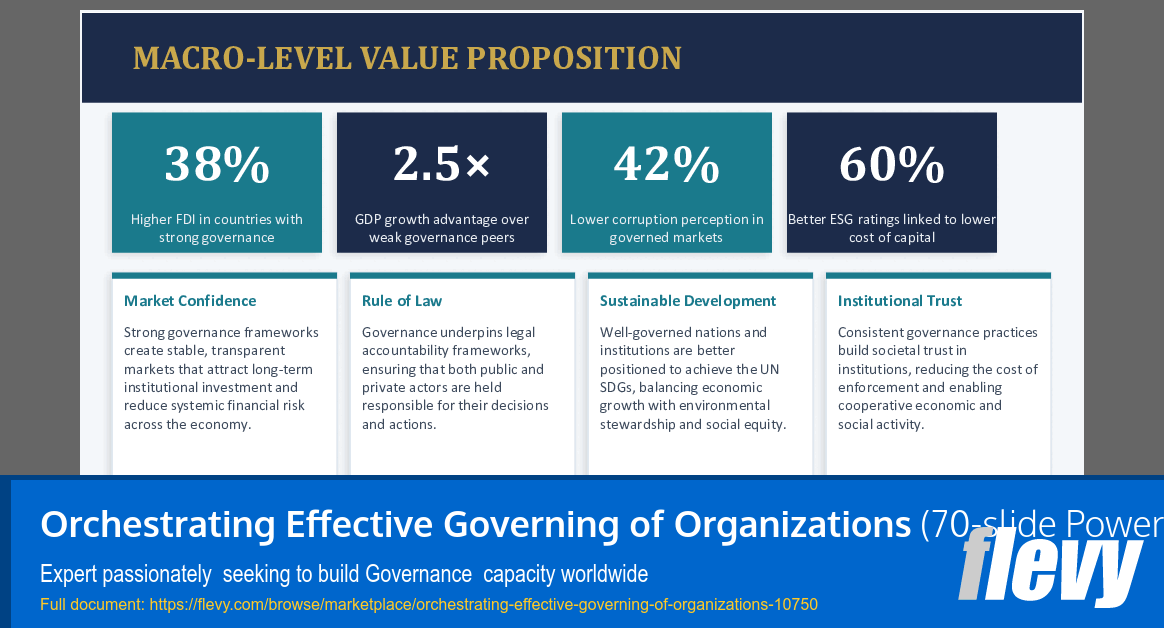
Ultimately, The Governing Guide argues that governance is not compliance. It is the strategic operating system of any serious institution – and the primary determinant of long-term resilience, performance and sustainable value creation.
Got a question about the product? Email us at support@flevy.com or ask the author directly by using the "Ask the Author a Question" form. If you cannot view the preview above this document description, go here to view the large preview instead.
Source: Best Practices in Governance PowerPoint Slides: Orchestrating Effective Governing of Organizations PowerPoint (PPTX) Presentation Slide Deck, Patrick Gitau




























