
This product (Market Entry Strategy) is a 86-slide PPT PowerPoint presentation slide deck (PPT), which you can download immediately upon purchase.
This deck outlines a market entry strategy and business development model for a technology company which was expanding its business in Asia.
It analyzes the market dynamics of an emerging market in Asia and its development potential. To capture the opportunities and create market demand, the firm should take two strategic steps, new product introduction and customer base expansion. A strategy implementation plan was developed to build brand image, grow the market, build internal infrastructure and retain the firm's market leadership.
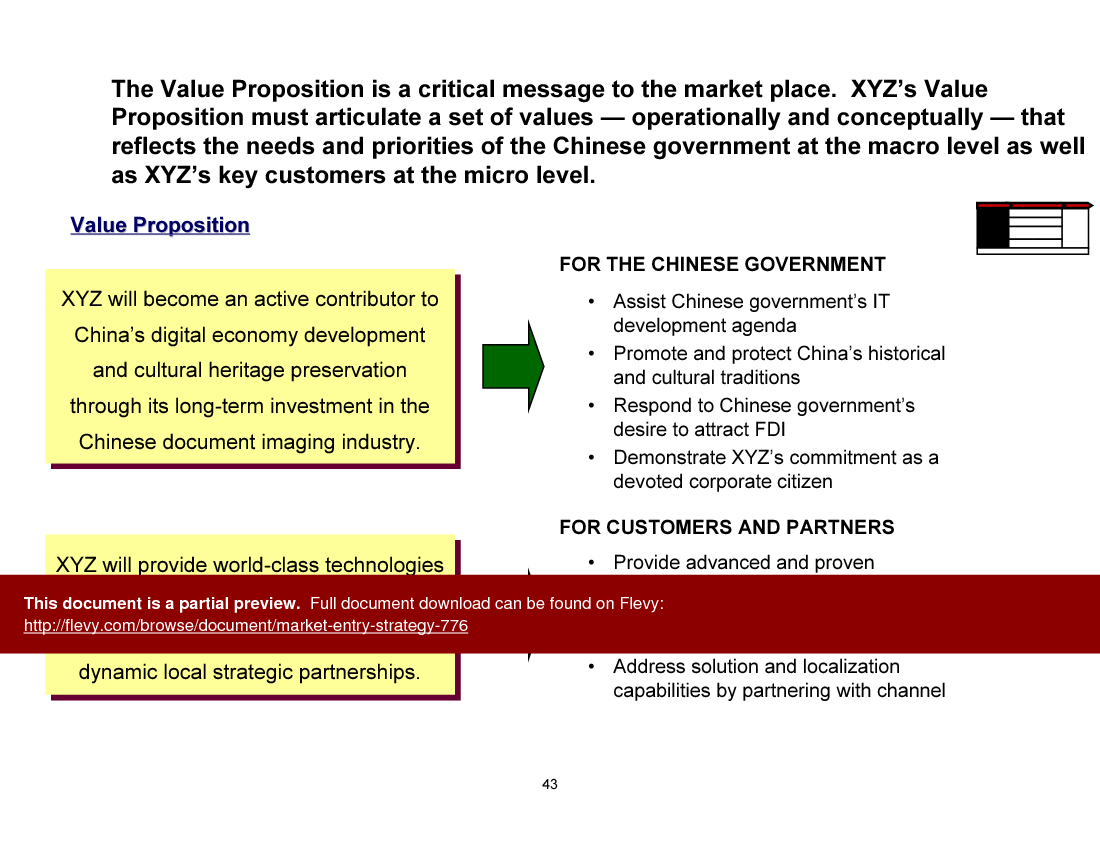
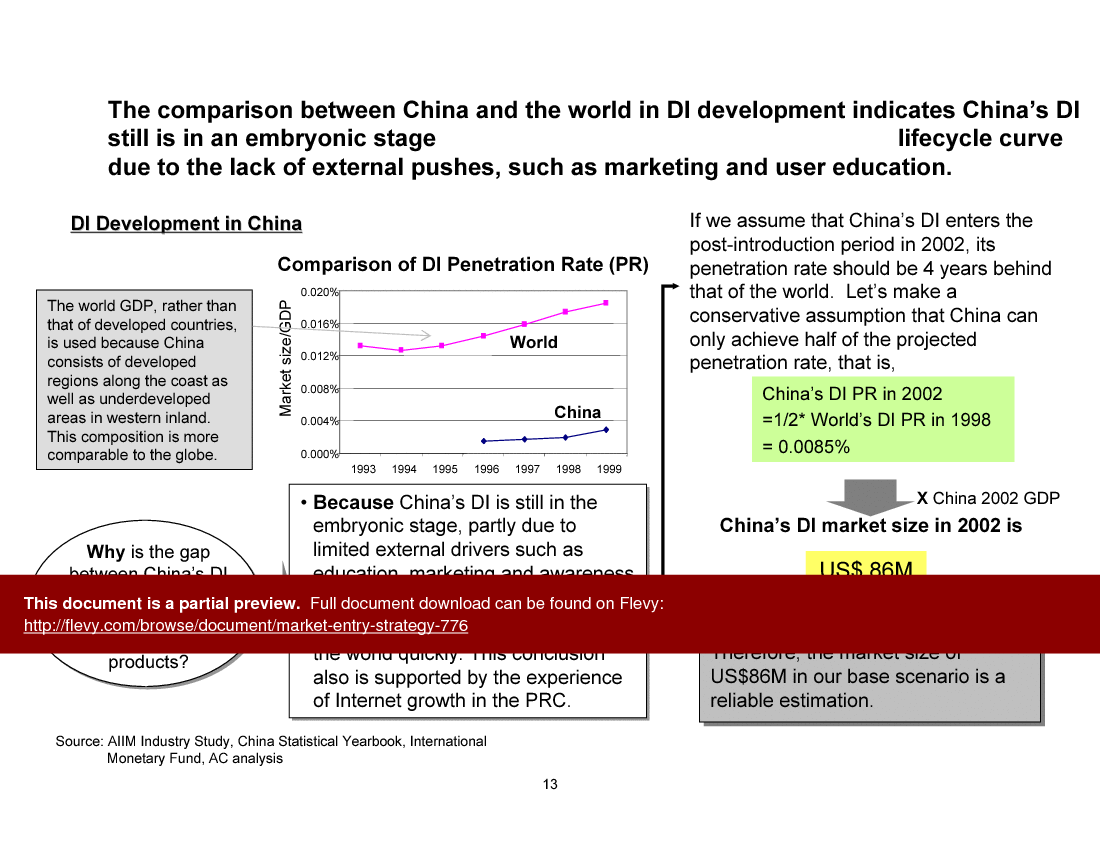
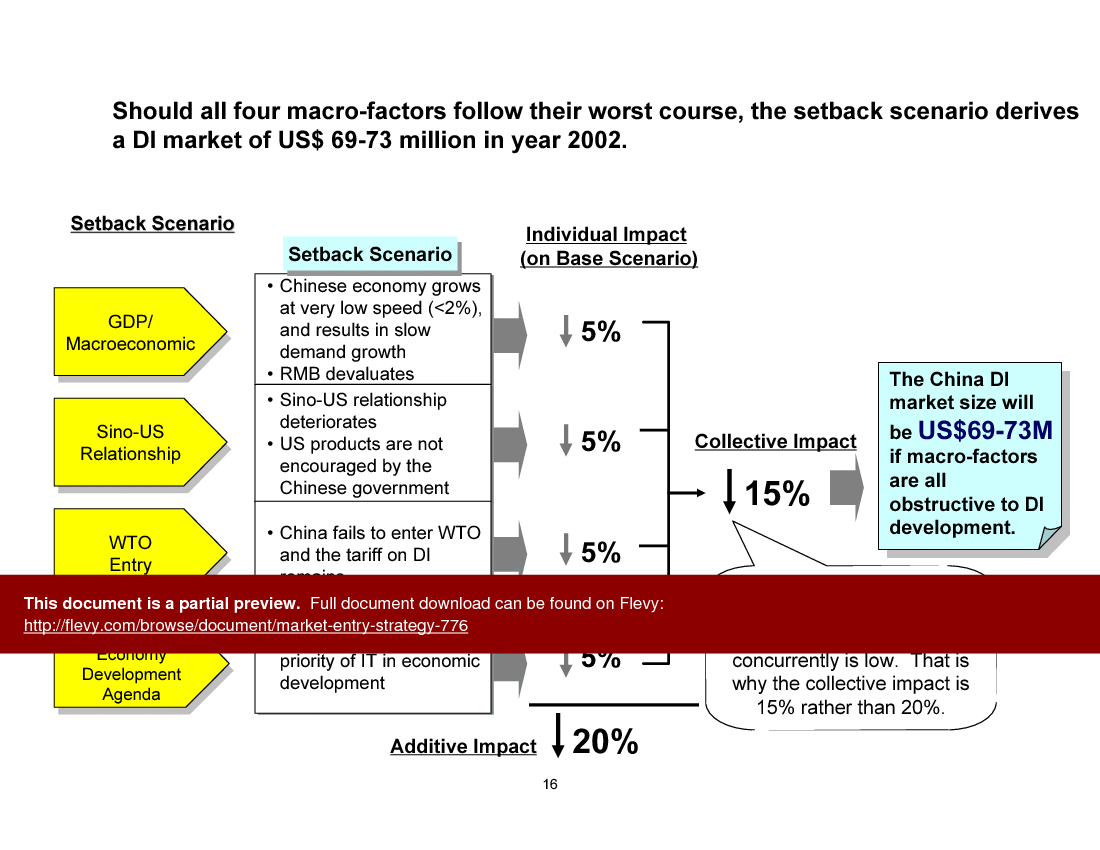
The document provides a comprehensive analysis of the market dynamics in China, focusing on the DI sector. It delves into the various macro and micro factors influencing the market, offering a detailed market estimate approach. The comparison between China and the world in DI development highlights the unique challenges and opportunities in the Chinese market, emphasizing the need for tailored strategies.
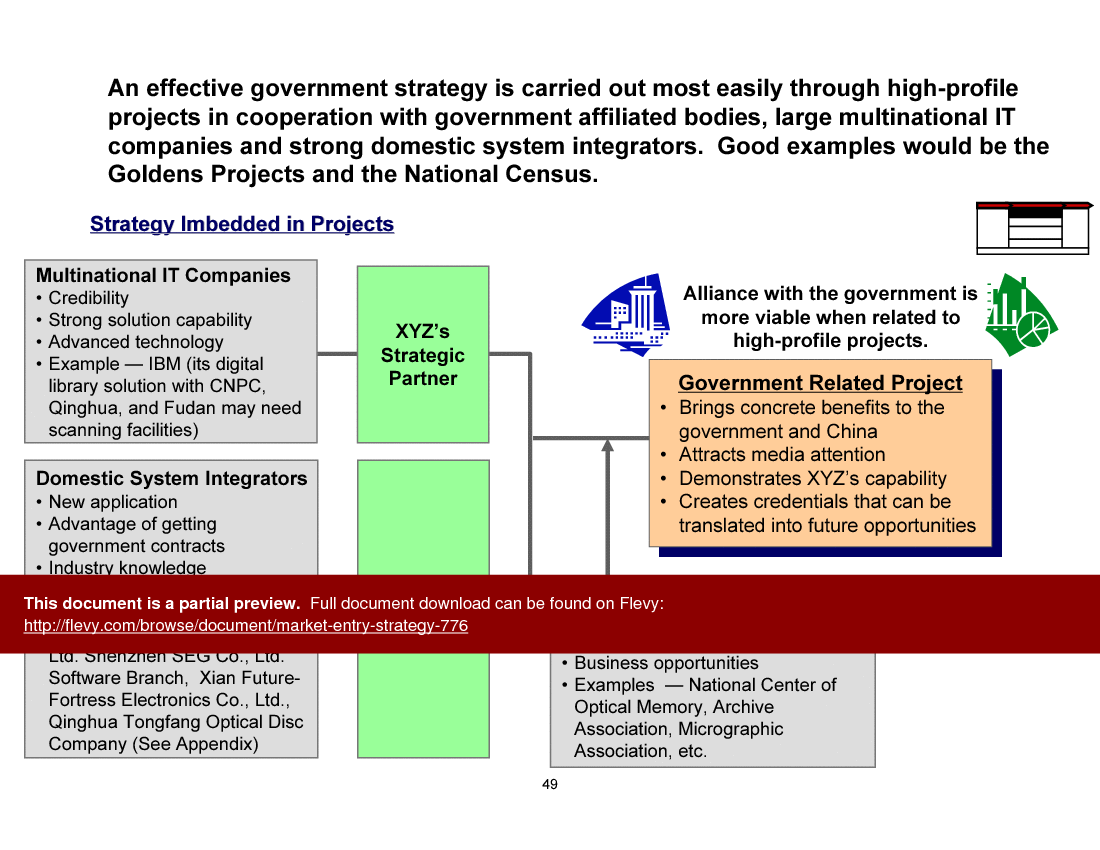
The strategy implementation plan is meticulously outlined, prioritizing key areas such as marketing, government relations, product development, and channel strategy. Each segment is addressed with specific objectives and tasks to ensure a holistic approach to market entry. The document also underscores the importance of a robust government strategy, leveraging high-profile projects and strategic partnerships to gain a foothold in the market.
A detailed buyer value analysis reveals distinct preferences among different market segments, identifying high potential areas outside the banking industry. The document also addresses the strategic issue of digital versus micrographics, recommending a balanced approach to ride the digital wave while defending the growth of micrographics.
The proposed product portfolio strategy emphasizes maintaining leadership in high-end and micrographics segments while expanding into mid and low-end products. The document concludes with a risk management section, identifying potential pitfalls and recommending actions to mitigate negative impacts on the business. This comprehensive strategy ensures XYZ's successful market entry and long-term growth in the Chinese DI market.
Got a question about the product? Email us at support@flevy.com or ask the author directly by using the "Ask the Author a Question" form. If you cannot view the preview above this document description, go here to view the large preview instead.
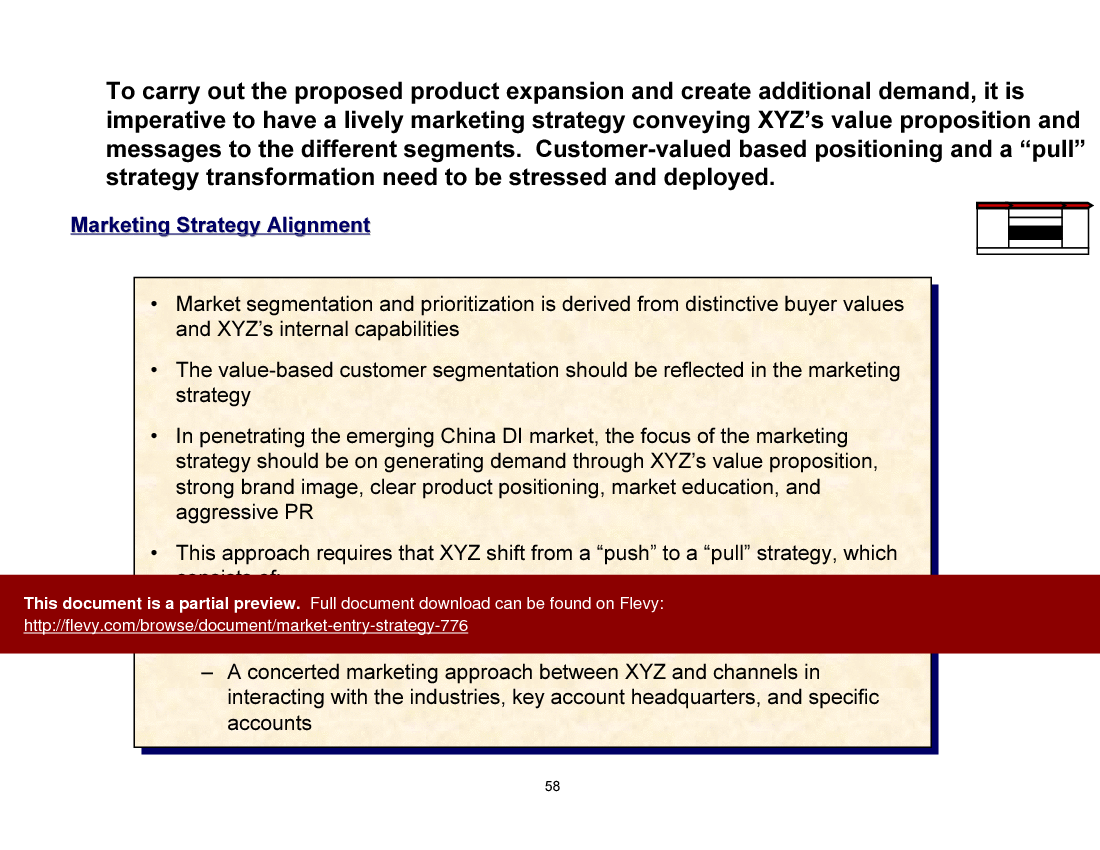
This PPT slide outlines XYZ's marketing strategy, emphasizing the importance of segment prioritization. It presents a two-dimensional matrix where segments are plotted based on their attractiveness, defined by size and growth, against XYZ's ability to capture the market. Segment A is positioned in the high attractiveness and high capture ability quadrant, indicating it should be a primary focus. Segments B and C are also highlighted,, but with varying levels of priority based on their respective positions in the matrix.
The slide further elaborates on the 4 core marketing levers: product, price, promotion, and distribution. Under the product section, it mentions key elements like product offerings, solution focus, and service offerings, suggesting that a tailored approach to these aspects is crucial for each segment. The pricing strategy includes considerations for pricing tactics and discounts for channels, which could enhance market penetration.
Promotion strategies are also outlined, with advertising and seminars identified as potential methods to engage target segments. Lastly, distribution strategies involve channel partnerships and system integration, indicating a collaborative approach to reach customers effectively.
This strategic framework allows XYZ to align its marketing efforts with the most promising segments, ensuring resources are allocated efficiently. By focusing on high-potential segments and customizing marketing levers accordingly, XYZ can enhance its market position and drive growth. The slide serves as a practical guide for decision-makers looking to refine their marketing strategies based on data-driven insights.
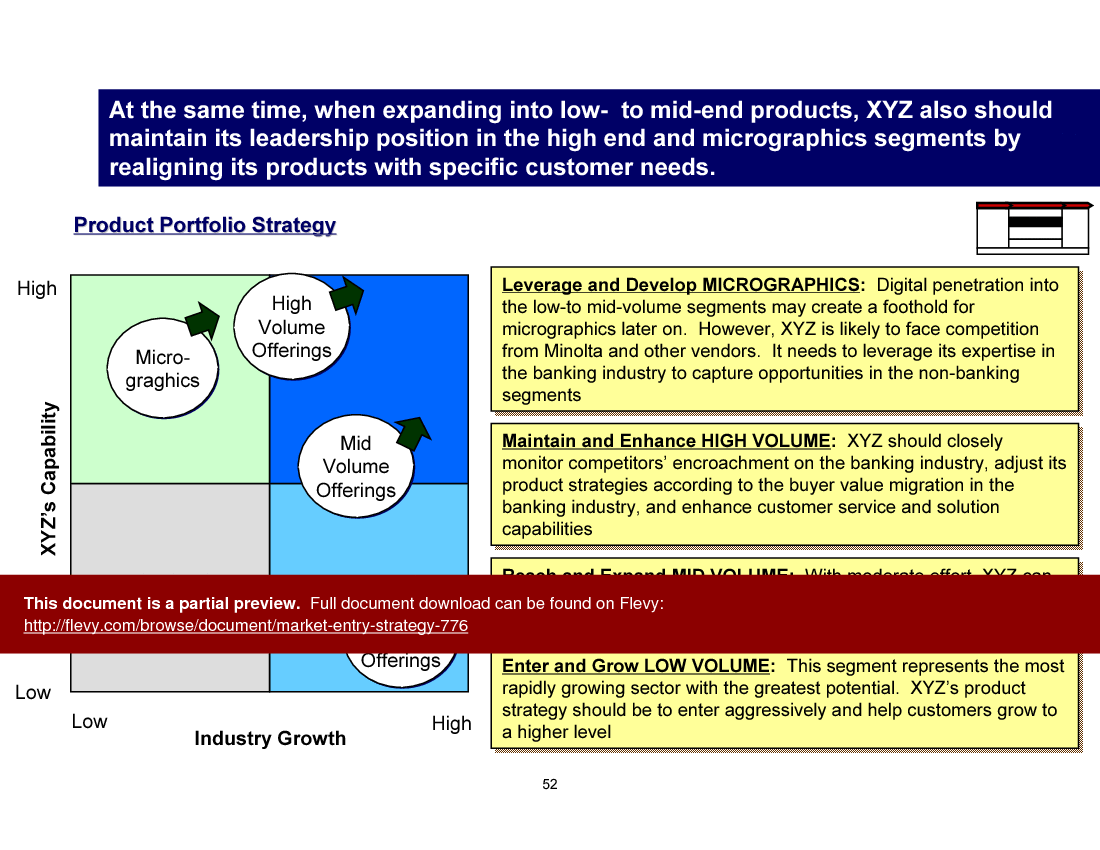
This PPT slide presents a strategic framework for XYZ's product portfolio, focusing on various market segments categorized by volume and the company's capabilities. The graph divides offerings into 4 quadrants: High Volume, Mid Volume, Low Volume, and Micrographics, with a clear emphasis on balancing high-end leadership while exploring lower-end markets.
In the upper right quadrant, "Leverage and Develop MICROGRAPHICS" suggests that entering low- to mid-volume segments can serve as a foundation for future growth in micrographics. This approach acknowledges potential competition from established players like Minolta and emphasizes the need for XYZ to leverage its banking industry expertise to capture emerging opportunities.
The "Maintain and Enhance HIGH VOLUME" section stresses the importance of vigilance against competitors in the banking sector. XYZ must adapt its strategies based on shifts in buyer behavior, ensuring that customer service and solution capabilities remain robust.
"Reach and Expand MID VOLUME" indicates that with moderate effort, XYZ can penetrate this segment. It encourages monitoring non-major banks and large users, hinting at a strategic approach to tap into financial capabilities that may not be fully exploited.
Lastly, "Enter and Grow LOW VOLUME" highlights this segment as the most rapidly growing area with significant potential. It suggests that XYZ's product strategies should be agile and responsive to capitalize on this opportunity.
Overall, the slide outlines a balanced approach to product strategy, urging XYZ to maintain its high-end position while strategically exploring lower-volume markets for sustainable growth. The insights provided here are critical for any executive considering the implications of market entry strategies.
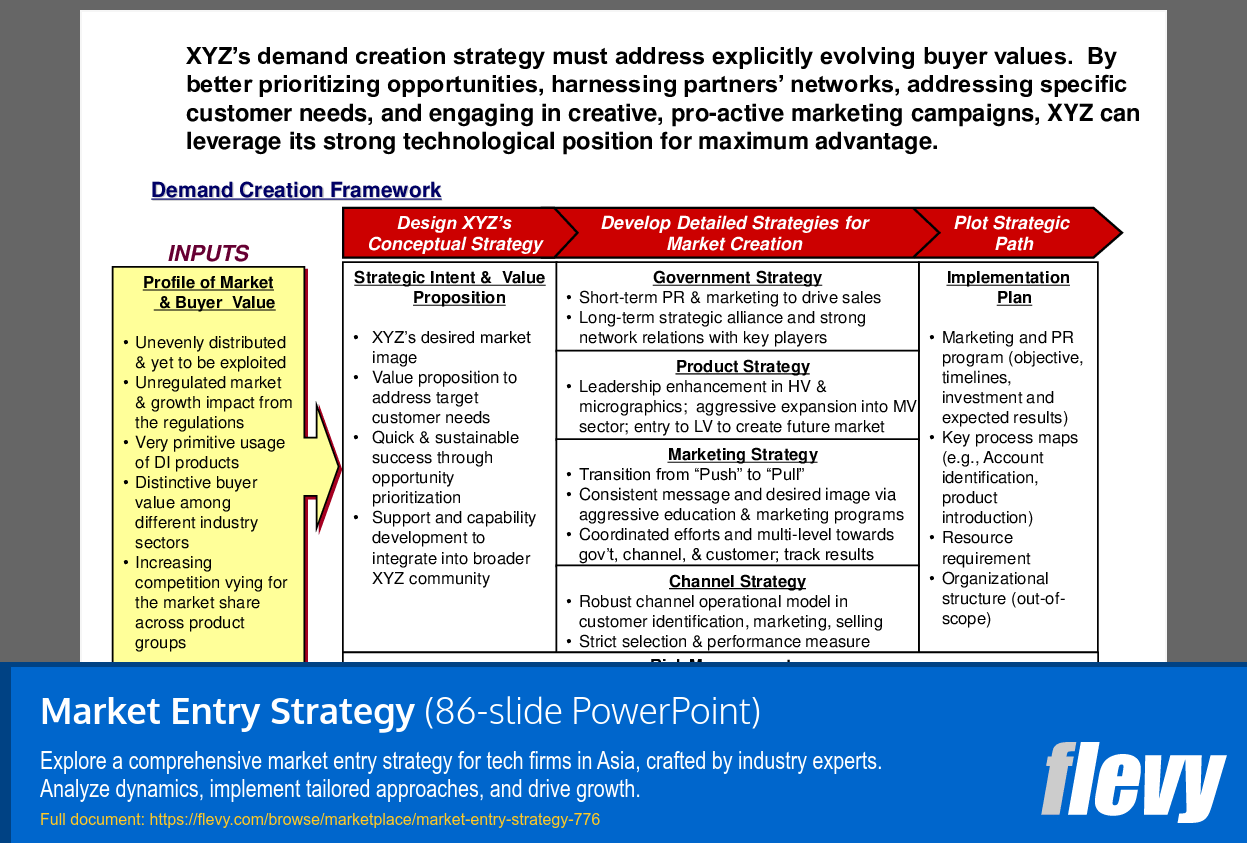
This PPT slide outlines XYZ's demand creation strategy, emphasizing the need to adapt to evolving buyer values. It highlights the importance of prioritizing opportunities, leveraging partner networks, and implementing innovative marketing campaigns to maximize XYZ's technological strengths.
The left section details the inputs, focusing on the market and buyer value profile. It notes that the market is unevenly distributed and largely unregulated, with significant growth potential. The current use of data intelligence (DI) products is described as primitive, indicating an opportunity for improvement. The slide also points out the distinct buyer values across various sectors and the increasing competition for market share.
In the central part, the slide presents XYZ's conceptual strategy, which includes strategic intent and value proposition. Key points include establishing XYZ's desired market image and creating a value proposition that directly addresses customer needs. The strategy aims for quick and sustainable success through effective opportunity prioritization and capability development to integrate into the broader XYZ community.
The right section elaborates on detailed strategies for market creation, segmented into government, product, marketing, and channel strategies. The government strategy focuses on short-term public relations and marketing to drive sales, while the product strategy emphasizes enhancing offerings in high-value (HV) sectors and expanding into new markets. The marketing strategy advocates for a shift from a "push" to a "pull" approach, ensuring consistent messaging and coordinated efforts. Lastly, the channel strategy stresses a robust operational model for customer identification and performance measurement.
The implementation plan outlines specific actions, including marketing objectives, key process maps, resource requirements, and organizational structure considerations. This comprehensive framework provides a clear roadmap for XYZ to navigate the market effectively.
This PPT slide outlines a strategic approach for XYZ to transition into manufacturing, emphasizing a gradual progression from original equipment manufacturing (OEM), licensing, or simple assembly to full-scale production. This phased strategy is designed to enable XYZ to accumulate experience and knowledge about its partners, which is crucial for executing a successful business venture.
At the top, the slide presents the strategic option of starting with OEM, licensing, or simple assembly. This initial phase allows XYZ to mitigate risks while establishing a foothold in the manufacturing sector. The next step involves forming parts or full product joint ventures, which can enhance operational capabilities and market reach.
The slide includes a structured process for evaluating this strategic option, beginning with a feasibility study. This study encompasses a macro-economic analysis, considering factors such as WTO regulations, Sino-US relations, and the broader Chinese economic landscape. It also highlights the importance of market studies and competitive analysis, which are essential for understanding the environment in which XYZ will operate.
Following the feasibility study, the slide details a series of steps: capabilities and capacity assessment, a discovery phase, final selection and negotiation, and ultimately, setting up operations. Each of these stages is critical for ensuring that XYZ can effectively partner with the right entities and scale its manufacturing capabilities.
An example of a potential partner, Qinghua Tongfang Optical Disc Co., Ltd., is provided. This company is noted for its government affiliation, strong software development capabilities, and relevant product offerings, which could align well with XYZ's strategic objectives. The slide effectively outlines a comprehensive roadmap for XYZ's entry into manufacturing, emphasizing the importance of careful planning and partnership selection.
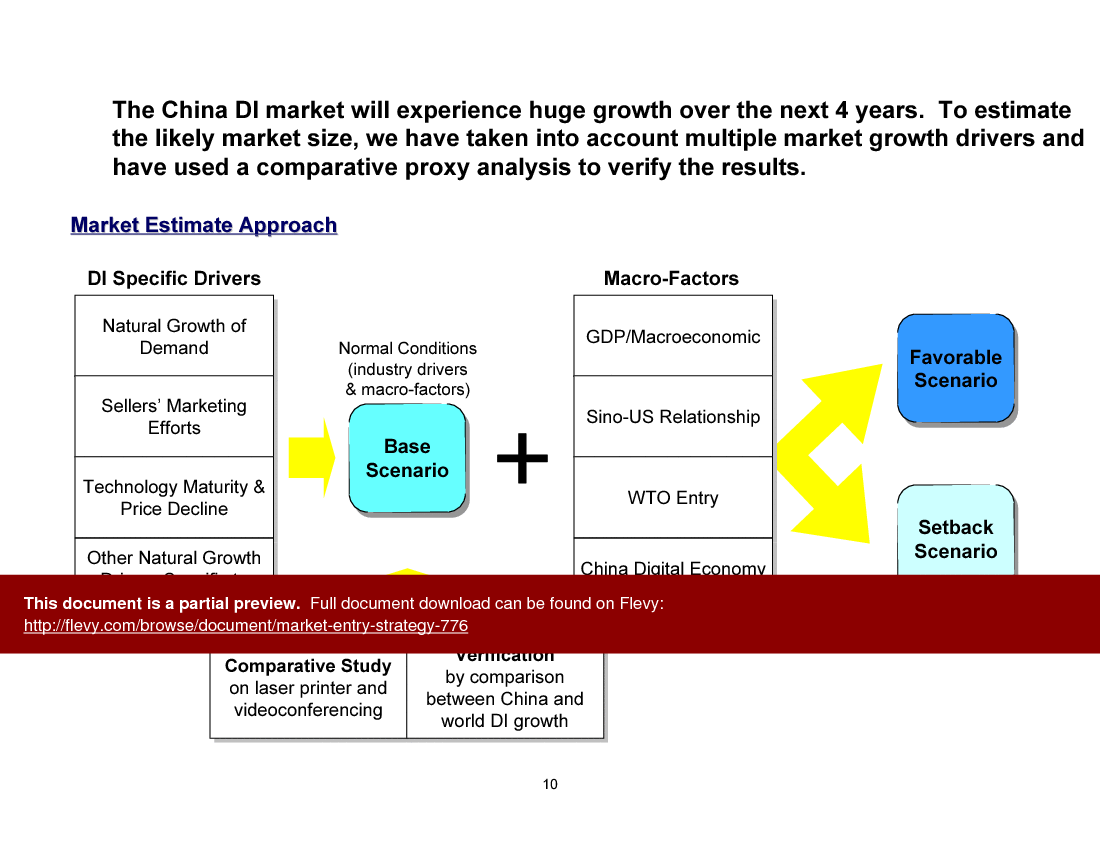
This PPT slide presents a base scenario model for market growth, specifically focusing on the demand for a particular industry, projected to reach $86 million by the end of 2002, with a compound annual growth rate (CAGR) of approximately 48%. The graph illustrates the market size over time, showing an upward trajectory from 1998 through 2002.
Key drivers of this growth are outlined on the right side of the slide. The "Natural Growth of Demand" indicates that, in the absence of external influences, demand will organically increase as the market develops. This is fundamental for understanding the baseline expectations for market expansion.
"Sellers' Marketing Efforts" are highlighted as a collective force that can accelerate market penetration and volume. This suggests that strategic marketing initiatives are crucial for enhancing visibility and driving demand.
The "Technology Maturity & Price Decline" section points to the anticipated decrease in prices as technology matures. This decline is expected to stimulate further purchases, thereby increasing sales volume.
The slide also notes "Other Natural Growth Drivers Specific to Industries," which includes sectors like banking and insurance. These industries are identified as having unique factors that could significantly boost demand, such as growth in credit card usage and policyholder numbers.
The bottom section provides a breakdown of market size by product segment, which can help stakeholders identify where the most substantial opportunities lie. Overall, the slide serves as a comprehensive overview of market dynamics, emphasizing the interplay between natural demand growth, marketing efforts, and technological advancements.
This PPT slide outlines XYZ's strategic intent to drive demand creation and market expansion, focusing on aligning specific strategy components to achieve its objective of growing its DI business and ensuring sustainable revenue increases. The central objective is framed within a circular model, emphasizing its importance in guiding various strategic initiatives.
Four key components surround this objective: Government, Channel, Product, and Marketing. Each component is designed to support the overarching goal.
The Government section highlights the need for active involvement in shaping and influencing the DI landscape. It suggests a dual focus on short-term concrete opportunities and long-term strategic relationship building, indicating that engagement with governmental entities is crucial for market positioning.
The Channel component emphasizes the importance of strategic alignment and a strict operational model. This includes selection criteria and performance measures, which are vital for effective co-marketing efforts. This suggests that partnerships and distribution channels must be carefully managed to optimize performance.
In the Product section, the focus is on enhancing successful product sectors, specifically HV and Micrographics. There’s also a clear directive to aggressively enter the LV market, indicating a proactive approach to product development and market penetration.
Lastly, the Marketing component stresses the significance of brand equity and technology leadership. It points to buyer-value segmentation and generating demand by aligning with customer needs. This indicates a customer-centric approach, where understanding and responding to market demands is key.
Overall, the slide presents a cohesive strategy that integrates multiple facets of the business to achieve growth and sustainability. Each component is interlinked, reinforcing the idea that a holistic approach is essential for success.
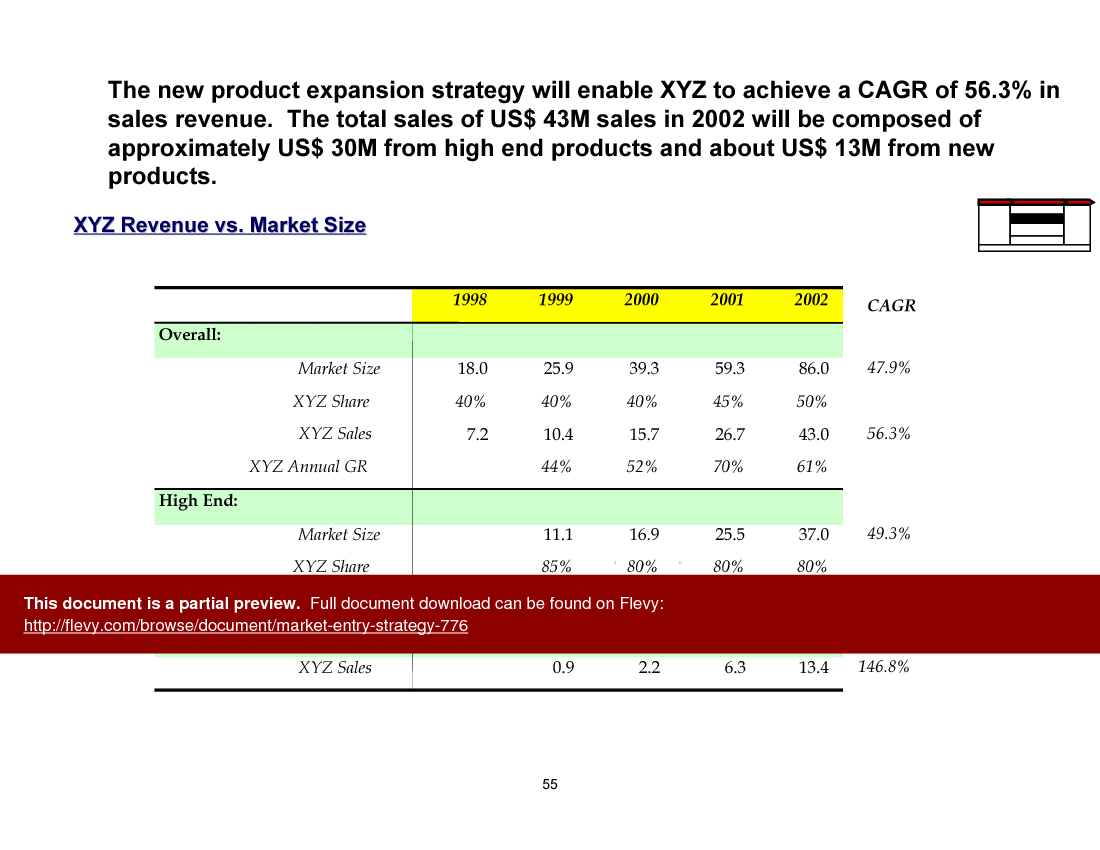
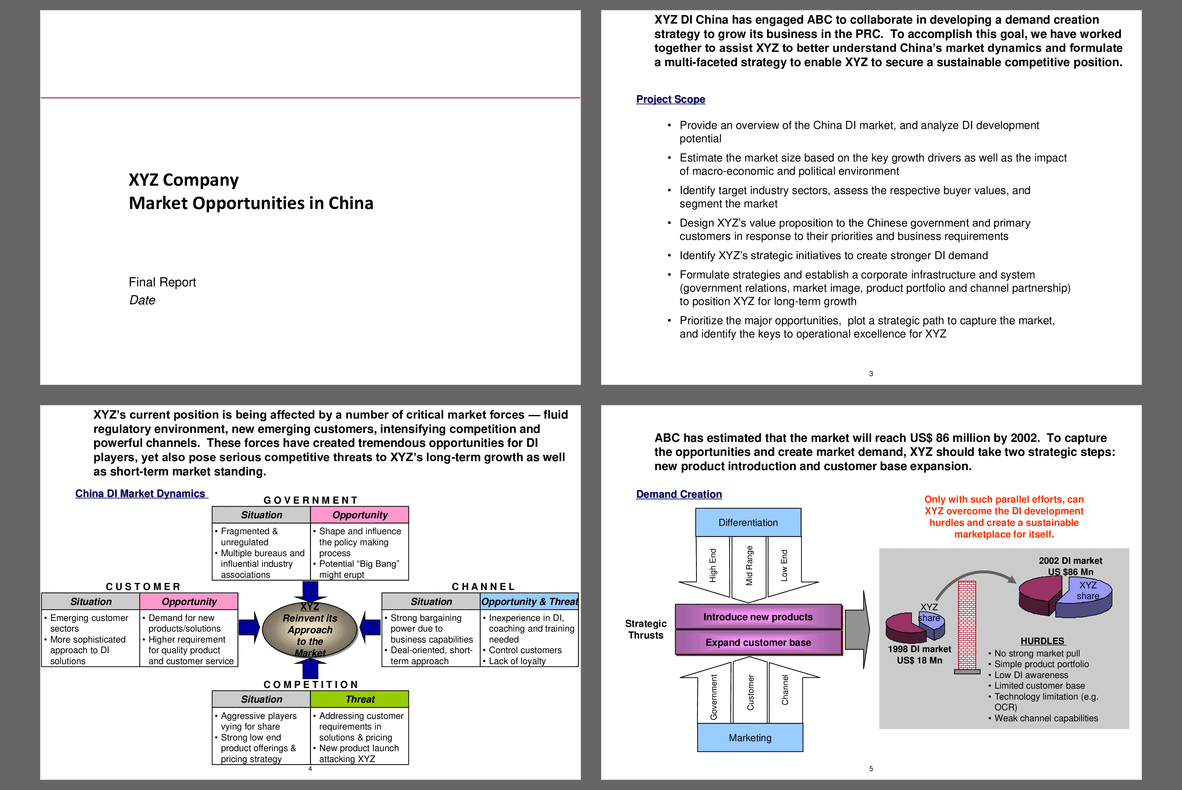
This PPT slide presents a strategic overview for XYZ, focusing on market opportunities and necessary actions to achieve growth. It highlights the projected market growth from US$ 18 million in 1998 to US$ 86 million by 2002, emphasizing the importance of capturing this potential through 2 primary strategic initiatives: introducing new products and expanding the customer base.
The upper section outlines a differentiation strategy across 3 market segments: high end, mid-range, and low end. This segmentation suggests that XYZ should tailor its product offerings to meet the varying needs of different customer groups. The strategic thrusts are clearly defined, indicating that both product innovation and customer acquisition are critical to XYZ's success.
On the right side, the slide identifies several hurdles that XYZ must overcome to establish a sustainable marketplace. These include a lack of strong market pull, a simple product portfolio, low awareness of digital innovations, a limited customer base, and technological limitations. Each of these challenges poses a risk to XYZ's growth ambitions and must be addressed through targeted strategies.
The visual representation of market share illustrates the potential for growth, reinforcing the need for XYZ to act decisively. The call to action is clear: without parallel efforts in product development and customer expansion, XYZ risks failing to capitalize on the anticipated market growth. This slide serves as a roadmap for decision-makers, providing a concise yet comprehensive view of the strategic direction needed to thrive in a competitive environment.
This PPT slide focuses on the concept of buyer value migration and its implications for XYZ's market strategy. It outlines the importance of securing a customer base early in the product life cycle, particularly during the introduction phase. The visual representation shows a graph plotting perceived value by customers against the product life cycle stages: Introduction, Growth, and Mature.
In the early stages, customers perceive high value due to limited competition and the potential for significant growth and profitability for vendors. As the market matures, buyer values shift, leading to intense competition and potentially lower profits. This highlights the necessity for XYZ to shape market perceptions early on to influence how value is perceived as the product evolves.
The slide also categorizes users based on size and their corresponding cost sensitivity and product requirements. Small-size users are depicted as highly price-sensitive with low product requirements, while mid-large users show a moderate price sensitivity and some demand for quality. Large users, particularly banks, require high-quality solutions and have stringent product expectations.
XYZ is advised to stimulate interest among target customers for premium offerings, which could help in inducing buyer migration towards higher-value products. By understanding these dynamics, XYZ can better position itself to capture opportunities and navigate the evolving market landscape effectively. This approach not only aids in customer retention, but also enhances the overall value proposition as the market matures.
This PPT slide outlines a strategic approach to aligning buyer values with product offerings, emphasizing the importance of tailored marketing activities. It categorizes customer segments based on their specific needs and the corresponding product volumes: High Volume, Mid Volume, and Low Volume.
The left side of the slide lists various buyer values, which include aspects like turn-key solutions, customer training, after-sale service, and quality requirements. This categorization highlights the diverse priorities that different customer segments may have. For instance, major banks (Segment A) are likely to prioritize high-quality needs and fast service, while users with limited financial capability (Segment C) may focus more on price sensitivity and ease of operation.
The central part of the slide illustrates how marketing serves as a bridge, linking these buyer values to the appropriate product segments. This connection is crucial for ensuring that marketing strategies resonate with the target audience, thereby increasing the likelihood of successful product adoption.
The right side introduces the concept of "User Migration," suggesting that the company, referred to as XYZ, has the capability to assist customers in advancing to higher-value segments. This aspect indicates a proactive approach to customer engagement, focusing on long-term relationships rather than one-time transactions.
Overall, the slide presents a framework for understanding customer dynamics and emphasizes the necessity of customized solutions to meet varying demands. It serves as a valuable reference for organizations aiming to refine their marketing strategies and enhance customer satisfaction.
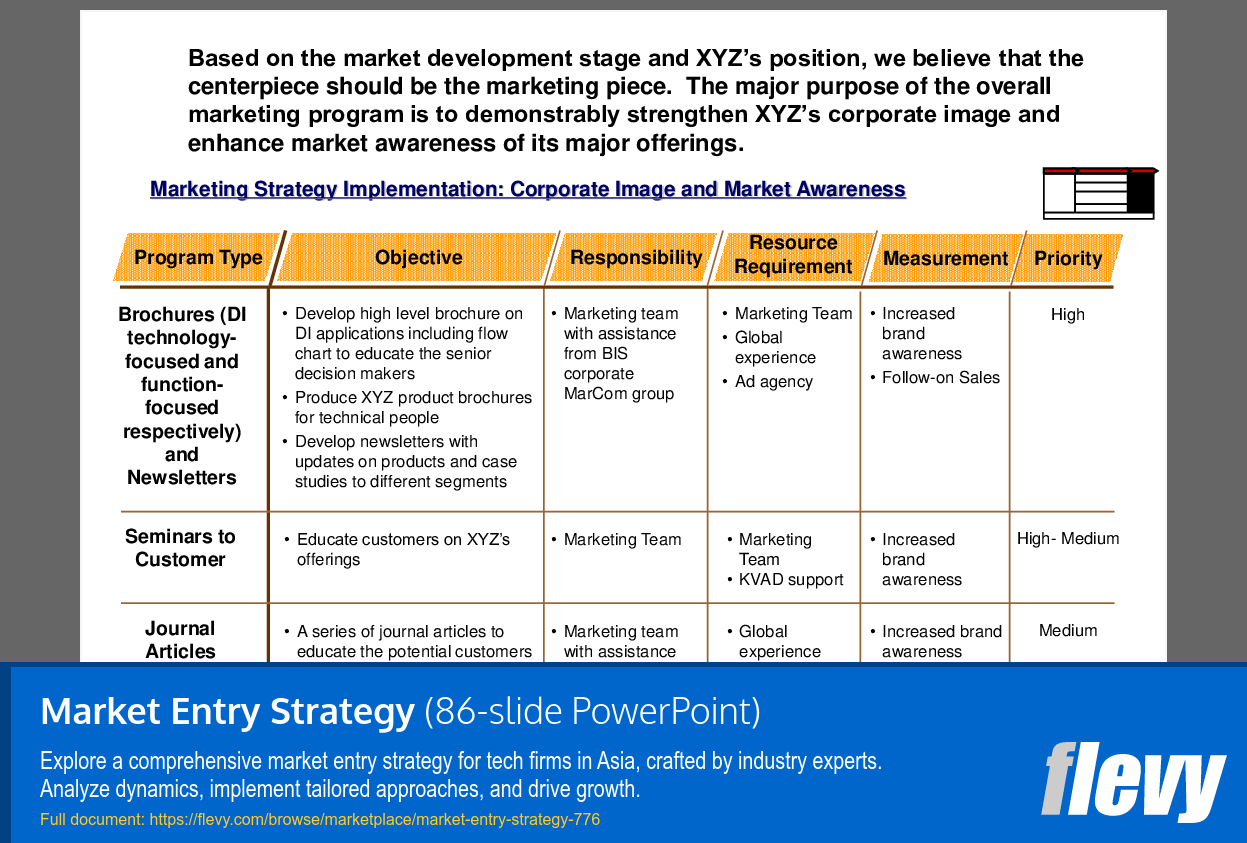
This PPT slide outlines a structured marketing strategy aimed at enhancing XYZ's corporate image and market awareness. It categorizes various marketing programs, detailing their objectives, responsibilities, resource requirements, measurement criteria, and priority levels.
The first program type listed is "Brochures and Newsletters." The objectives here include developing a high-level brochure focused on DI applications, producing product brochures for technical audiences, and creating newsletters to keep different segments informed. The marketing team is primarily responsible for these tasks, with support from the BIS corporate MarCom group. Resource requirements highlight the need for a global marketing team and an advertising agency. Success will be measured by increased brand awareness and follow-on sales, with a high priority assigned to this initiative.
Next, "Seminars to Customer" focuses on educating customers about XYZ's offerings. Similar to the brochures, the marketing team is responsible for execution, and the measurement of success is again tied to increased brand awareness, with a high-medium priority.
Lastly, "Journal Articles" aims to educate potential customers through a series of articles. The marketing team will again lead this effort, with global experience being a key resource requirement. The measurement of success remains consistent, focusing on increased brand awareness,, but this program is assigned a medium priority.
Overall, the slide presents a clear framework for marketing initiatives that not only aim to boost XYZ's visibility, but also engage various customer segments effectively. The structured approach allows for focused resource allocation and measurable outcomes, making it a strategic tool for decision-making.
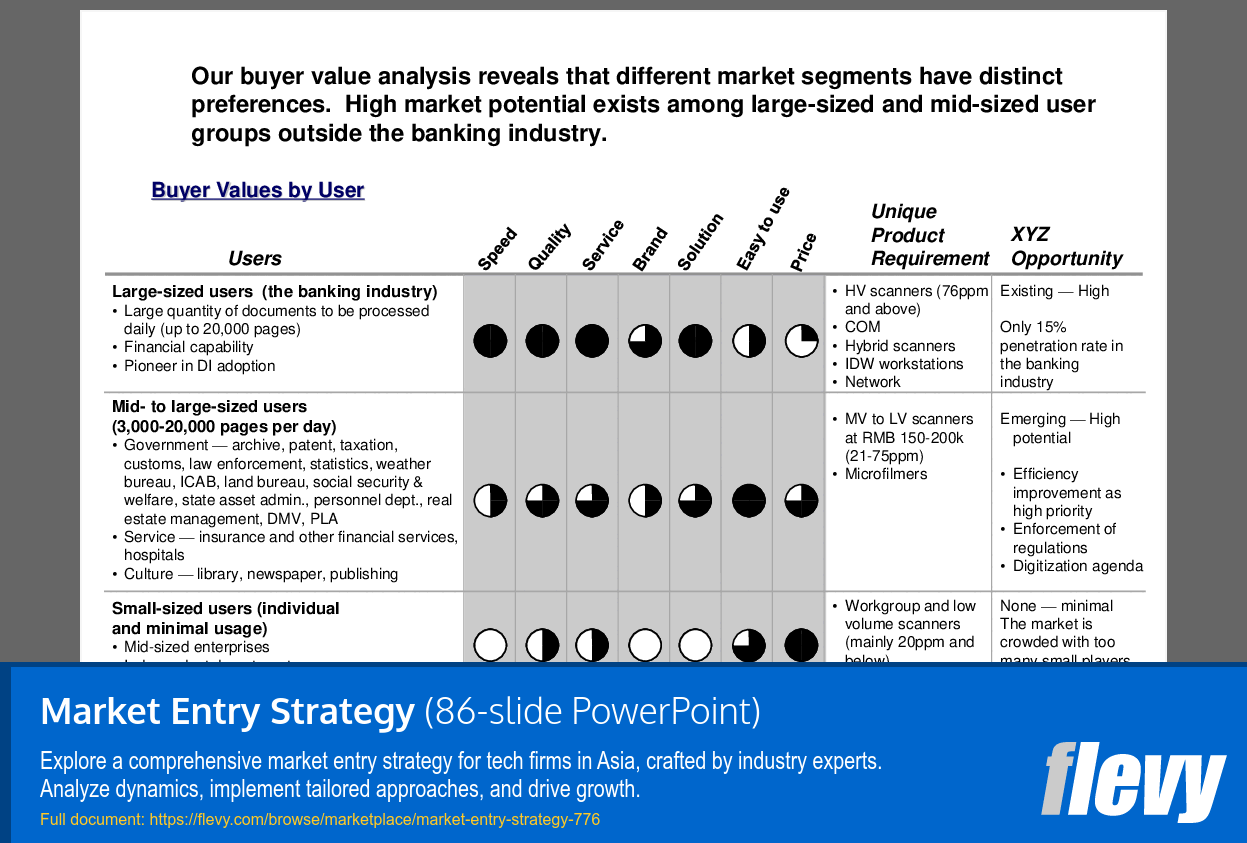
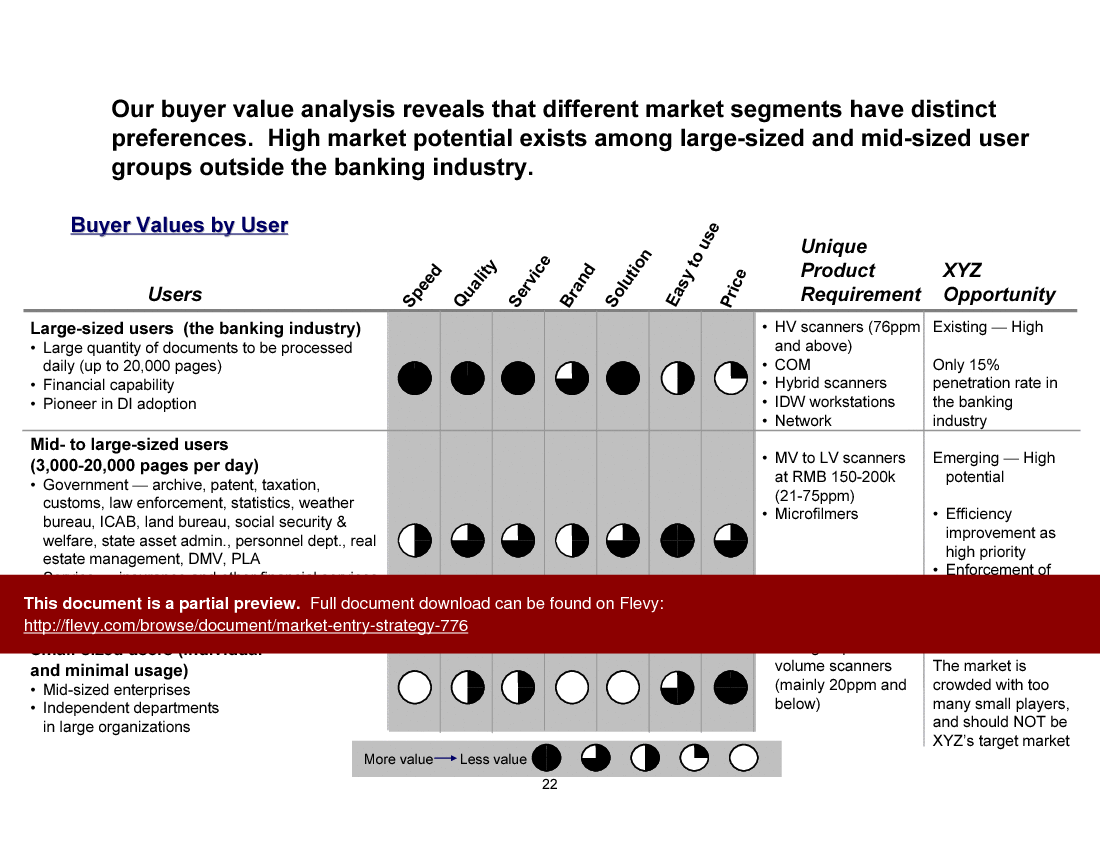
This PPT slide presents a buyer value analysis focused on different user segments within the document processing market, particularly highlighting the banking industry and other sectors. It categorizes users into 3 groups: large-sized users, mid- to large-sized users, and small-sized users. Each category is evaluated based on various criteria, including speed, quality, service, brand, solution, ease of use, and price.
For large-sized users, primarily in the banking sector, the analysis indicates a significant volume of documents processed daily, with a strong emphasis on financial capability and a pioneering role in digital innovation (DI) adoption. This segment shows a high requirement for advanced scanning technologies, such as high-volume (HV) scanners and integrated document workflows (IDW), reflecting existing market opportunities with only a 15% penetration rate.
Mid- to large-sized users, which encompass a broader range of industries like government and insurance, are identified as having emerging potential. Their needs vary from efficiency improvements to compliance with regulations, suggesting a growing market for tailored solutions. The unique product requirements for this segment include mid-volume (MV) to low-volume (LV) scanners, indicating a shift towards more adaptable technologies.
Small-sized users, including individual and minimal usage enterprises, face challenges due to market saturation with numerous small players. Their requirements lean towards workgroup and low-volume scanners,, but the analysis suggests minimal unique opportunities in this segment.
Overall, the slide underscores the distinct preferences and requirements across user segments, indicating high market potential particularly outside the banking industry. This analysis provides valuable insights for stakeholders looking to tailor their offerings to meet diverse customer needs.
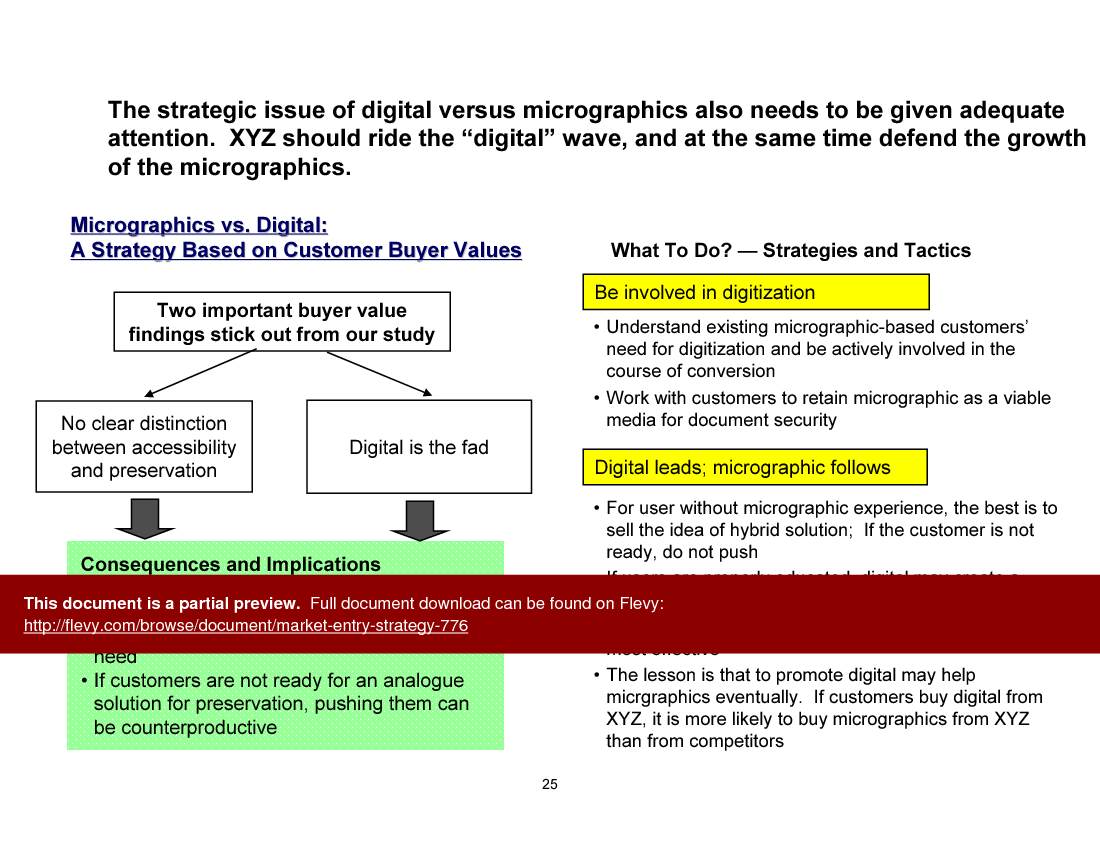
This PPT slide addresses the strategic considerations surrounding the choice between micrographics and digital solutions, emphasizing the need for XYZ to navigate this dual landscape effectively. It highlights 2 key findings from a study on customer buyer values: first, there is no clear distinction between accessibility and preservation in customer perceptions; second, digital is currently viewed as a trend or "fad."
The slide outlines actionable strategies for XYZ. It suggests that the company should engage in digitization efforts, which involves understanding the existing customer base that relies on micrographics. This means actively participating in the conversion process while ensuring that customers see the value in retaining micrographics as a secure medium for document storage.
The section on "Digital leads; micrographic follows" indicates that for customers unfamiliar with micrographics, the approach should be to introduce hybrid solutions without overwhelming them. If customers are not ready to transition, pushing them may be counterproductive. Education is emphasized as crucial, with a call for patience in addressing customer needs.
The implications suggest that while promoting digital solutions, there should be an awareness that this may eventually benefit micrographics as well. Customers who adopt digital solutions might later recognize the value of micrographics for preservation purposes. Overall, the slide presents a nuanced view of the interplay between digital and micrographic solutions, urging a balanced approach to customer engagement and education.
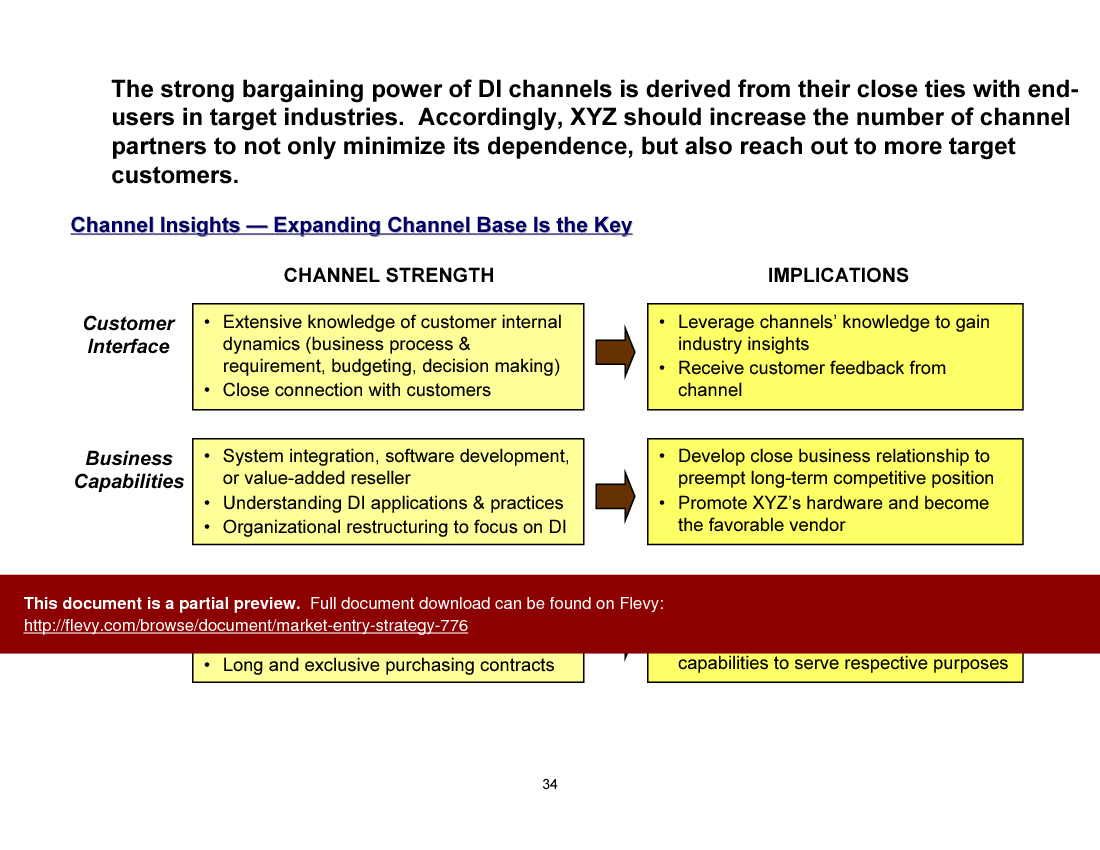
This PPT slide outlines the significant bargaining power of Distribution Intermediaries (DI) in target industries, emphasizing the necessity for XYZ to expand its channel partnerships. The content is structured into 3 main categories: Customer Interface, Business Capabilities, and Relationship Capabilities, each detailing strengths and their implications for XYZ.
Under Customer Interface, the slide highlights the importance of having extensive knowledge of customer dynamics, including their business processes and decision-making requirements. This close connection with customers can be leveraged to gain valuable industry insights and gather feedback, which is crucial for refining offerings.
The Business Capabilities section focuses on the technical aspects, such as system integration and software development. It suggests that understanding DI applications and potentially restructuring the organization to prioritize DI can enhance XYZ's market position. Developing strong business relationships with channel partners is essential to maintain a competitive edge and promote XYZ's products effectively.
Lastly, the Relationship Capabilities section points out the challenges posed by high entry barriers for new competitors and the difficulty in switching channel partners. This underscores the importance of careful channel selection and the need to build long-term relationships with partners. The implications drawn from these strengths indicate that XYZ should not only focus on expanding its channel base, but also prioritize the quality of these partnerships to ensure sustainable growth and market presence.
This PPT slide presents an analysis of the regulatory environment surrounding the Digital Infrastructure (DI) industry, emphasizing its fragmented nature. It identifies 3 primary characteristics: the absence of a clear agenda, a single advocate, and a unified voice from the government.
The first point, "No clear agenda," indicates that while the government acknowledges the significance of DI, it lacks a structured plan or timeline for its adoption. This suggests uncertainty for businesses looking to navigate the regulatory landscape. The second characteristic highlights the absence of a "single advocate," meaning no specific government body is designated as a strong supporter or promoter of DI. This can lead to confusion and inconsistency in policy application, making it challenging for companies to align their strategies with government expectations.
The third characteristic, "No single voice," reinforces the idea that no single entity is authorized to regulate the DI industry or establish standards. This fragmentation can create hurdles for firms attempting to comply with regulations or anticipate future changes.
Despite these challenges, the slide notes that the government still plays a role, albeit in a fluid manner. The government’s focus can shift frequently, and while it favors high-tech adoption, the lack of a cohesive strategy may hinder effective implementation. The mention of fragmentation within the bureaucracy suggests that businesses may need to engage with multiple government entities, each with its own priorities.
Overall, the insights provided in this slide highlight the complexities and uncertainties that companies must navigate in the DI sector. Understanding these dynamics is crucial for making informed decisions and developing effective market entry strategies.
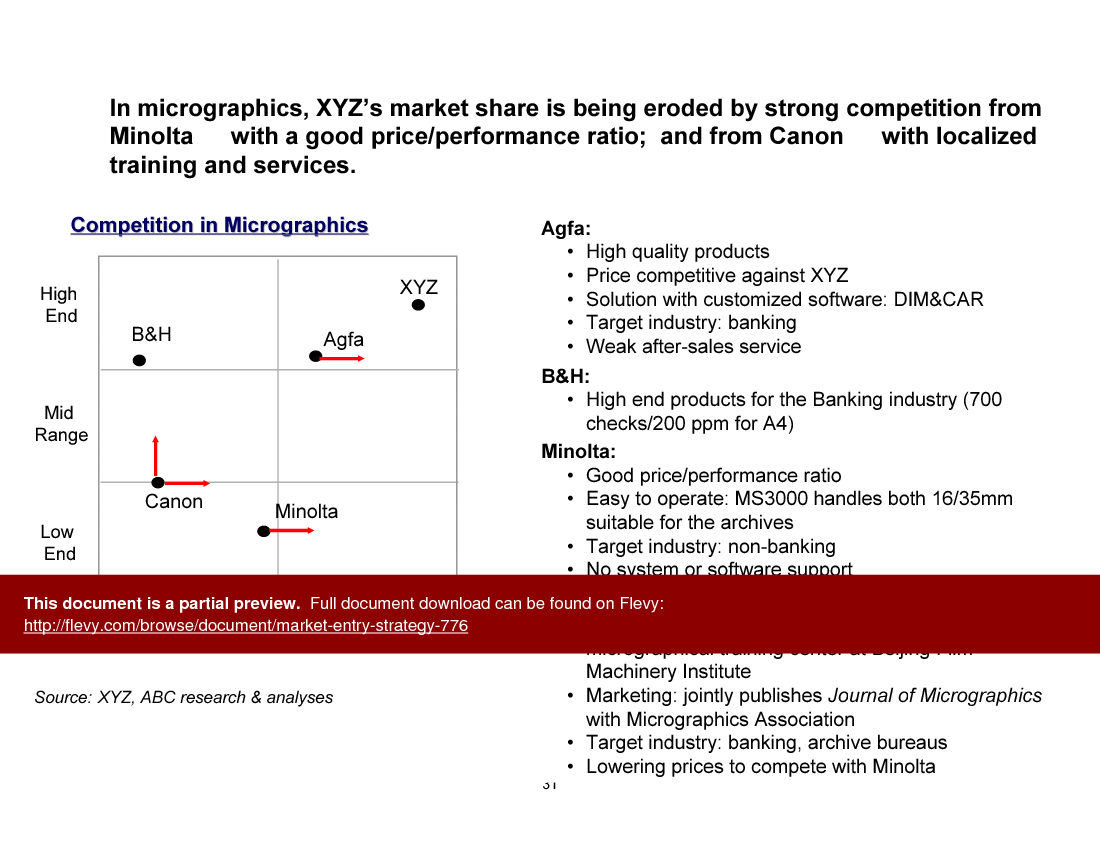
This PPT slide presents a competitive analysis of the micrographics market, focusing on XYZ's position relative to key competitors: Agfa, B&H, Minolta, and Canon. It highlights that XYZ is facing significant challenges from Minolta, which offers a strong price/performance ratio, and Canon, known for its localized training and services.
The graph categorizes the competitors based on their product quality and pricing strategy, with the vertical axis representing quality and the horizontal axis indicating price. XYZ is positioned in the mid-range, while Agfa and B&H occupy the high-end segment. Minolta is noted for its competitive pricing and ease of operation, making it appealing to non-banking industries.
Agfa is recognized for high-quality products tailored for the banking sector, although it suffers from weak after-sales service. B&H also targets the banking industry with premium offerings, but does not appear to be as price-competitive as Minolta. Canon distinguishes itself by providing localized training, which enhances its market presence and customer loyalty.
The slide suggests that XYZ must address these competitive threats by reassessing its pricing strategy and enhancing its service offerings. The insights imply that without strategic adjustments, XYZ risks losing further market share to these competitors. Understanding the strengths and weaknesses of each competitor is crucial for XYZ to formulate effective responses and regain its footing in this dynamic market.
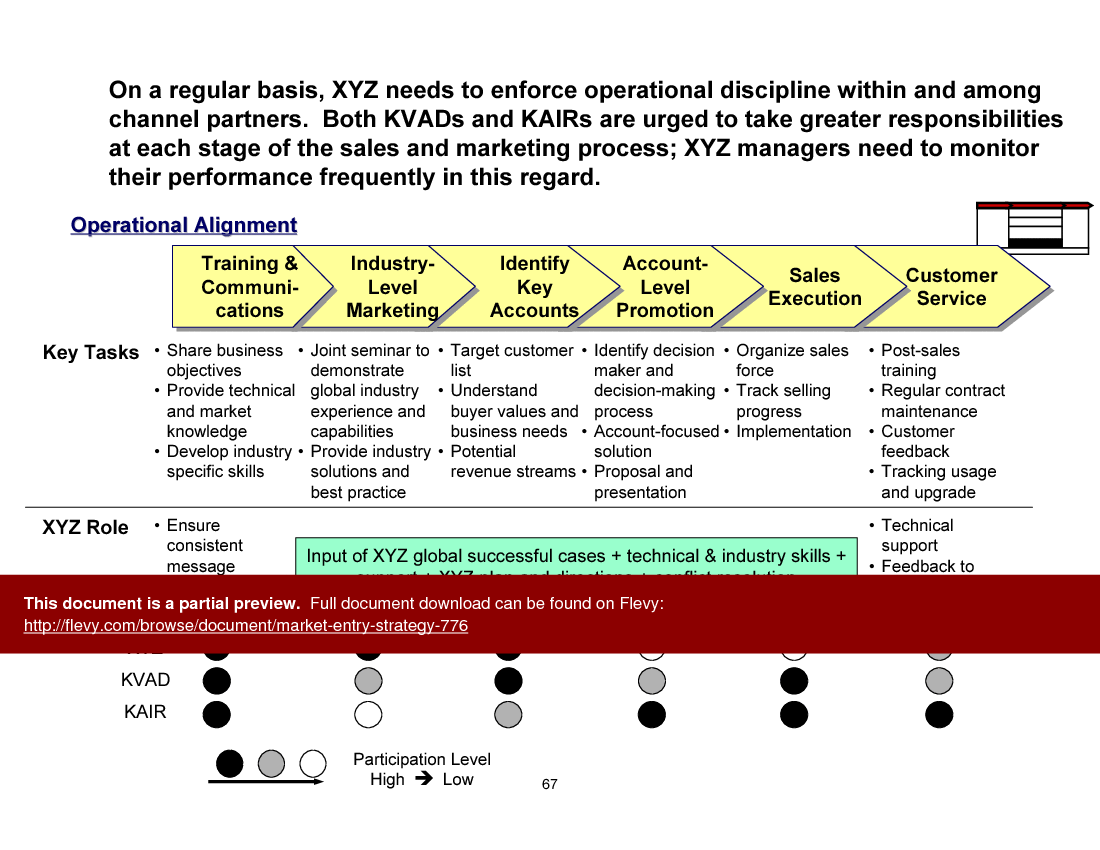
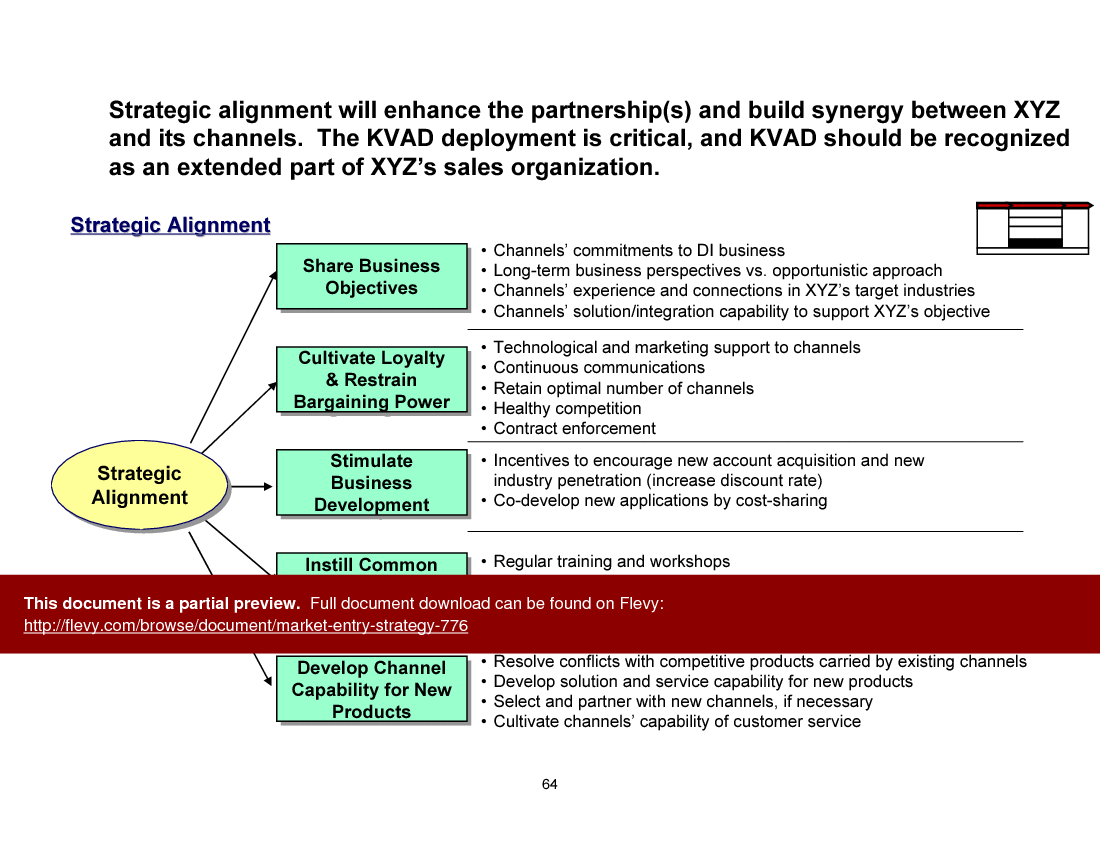
This PPT slide outlines the operational alignment required for XYZ to effectively engage with its channel partners, specifically KVADs and KAIRs. It emphasizes the necessity for these roles to take responsibility throughout the sales and marketing process. The structure is divided into key tasks and the roles of XYZ, highlighting the importance of training, marketing, account promotion, sales execution, and customer service.
Key tasks include sharing business objectives, providing technical knowledge, and developing industry-specific skills. This suggests that a foundational understanding of the market and the company's goals is critical for success. The industry-level marketing section indicates a proactive approach, such as conducting seminars to showcase global capabilities and sharing best practices. This could enhance credibility and foster stronger relationships with partners.
Identifying key accounts is crucial, as it involves targeting specific customers and understanding their needs. This step is about aligning the sales strategy with customer expectations, which can lead to tailored solutions. The account-level promotion section stresses the importance of knowing decision-makers and their processes, indicating that personalized engagement is essential for closing deals.
Sales execution focuses on organizing the sales force and tracking progress, which is vital for maintaining momentum in the sales cycle. The customer service component underscores the need for post-sales support, including training and feedback mechanisms. This holistic approach ensures that XYZ not only attracts customers, but also retains them through effective service.
Overall, the slide presents a comprehensive framework for operational discipline, encouraging frequent performance monitoring to ensure alignment across all stages of the sales and marketing process.
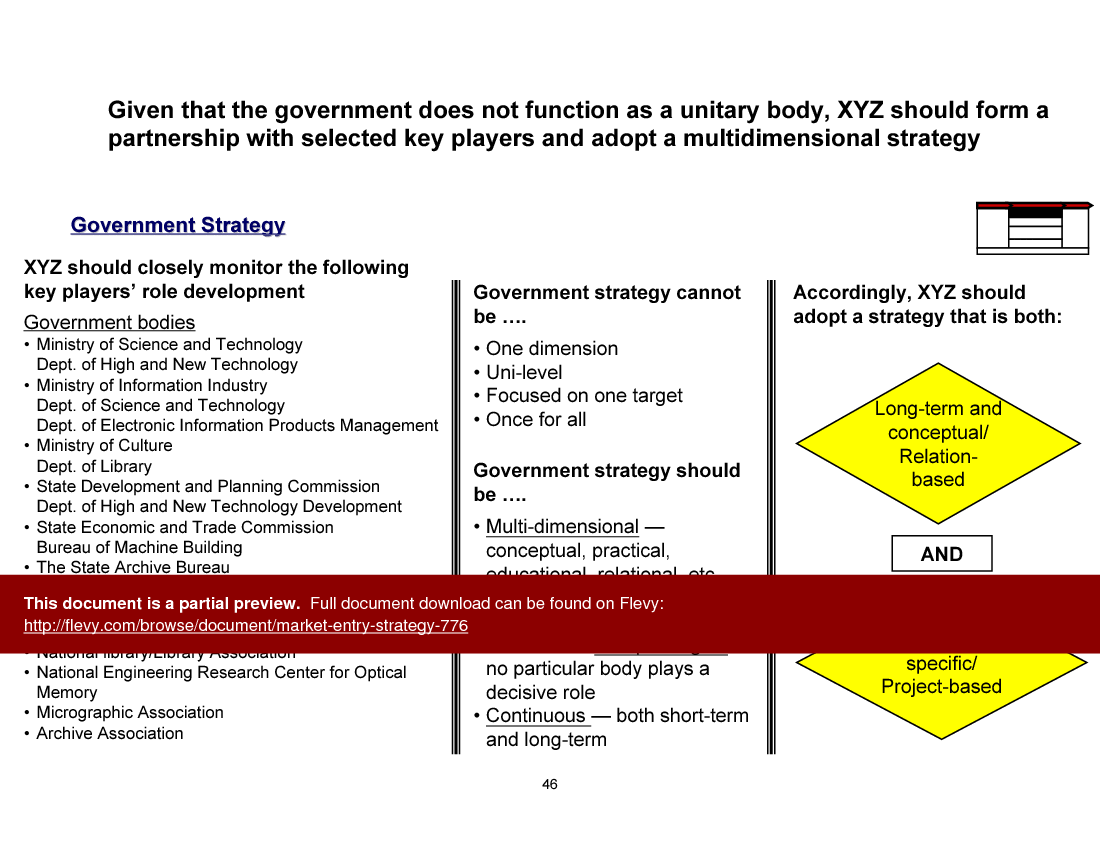
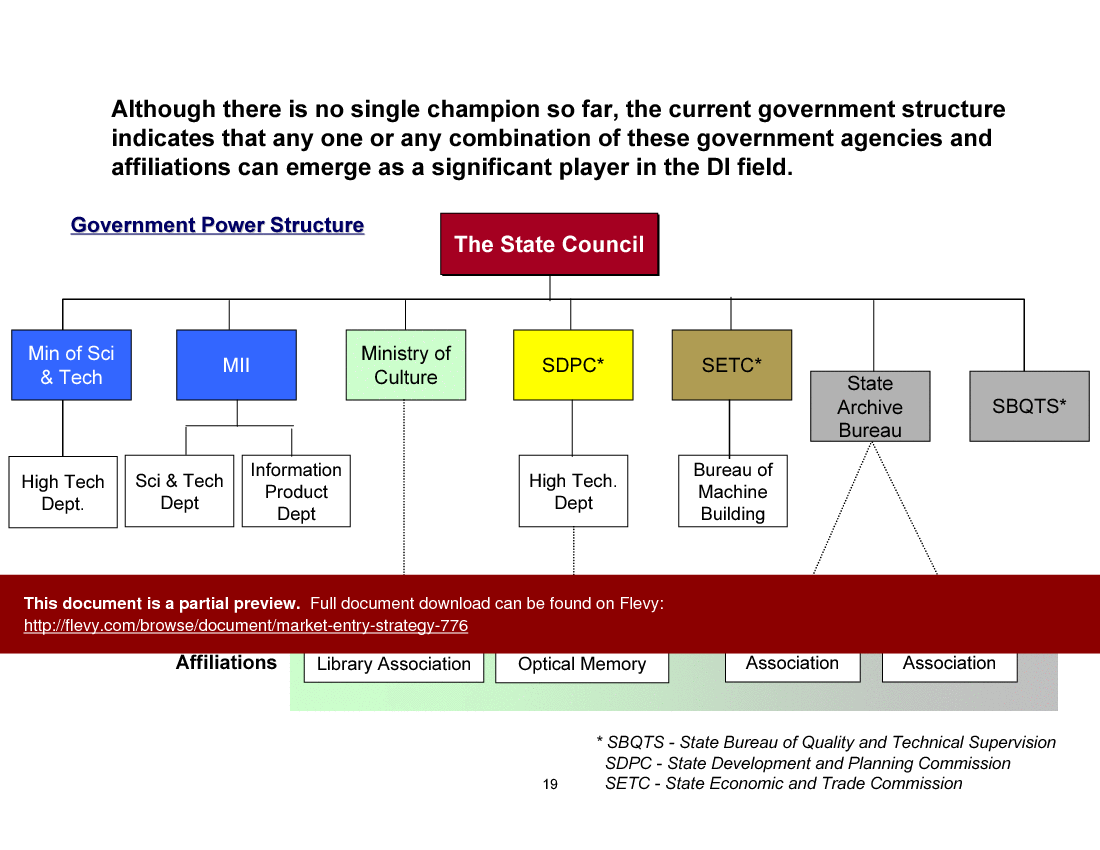
This PPT slide presents a detailed overview of the government power structure relevant to the digital information (DI) sector. At the top, the State Council is identified as the central authority, indicating its overarching role in guiding various ministries and departments. The slide outlines key governmental bodies, including the Ministry of Science and Technology (Min of Sci & Tech) and the Ministry of Industry and Information Technology (MII), which are crucial for technological advancement and policy formulation.
Beneath these ministries, specific departments are highlighted, such as the High Tech Department and the Sci & Tech Department under the Min of Sci & Tech. These departments are likely responsible for implementing government initiatives in technology and innovation. The Ministry of Culture's role is also significant, particularly through its Information Product Department, which suggests a focus on cultural aspects of digital information.
The slide further details affiliations with various government agencies like the State Development and Planning Commission (SDPC) and the State Economic and Trade Commission (SETC). These affiliations indicate potential collaborations or regulatory frameworks that may impact the DI field. The presence of associations like the National Library/Library Association and the National Center for Optical Memory suggests a network of organizations that could play a role in shaping industry standards or practices.
Overall, the structure depicted indicates a complex interplay of government entities that could influence market dynamics in the DI sector. Understanding this framework is crucial for any organization looking to navigate the regulatory environment or establish partnerships in this space.
This PPT slide outlines a structured approach for XYZ to identify new customers through a multi-faceted development process. It emphasizes the need for diverse sources and channels, suggesting that a systematic method is essential for effective business development. The initial phase, labeled "XYZ Initiates," includes several key strategies: leveraging a Center of Influence, conducting secondary research, utilizing personal contacts, encouraging customer referrals, and engaging sales associates. These elements are crucial for generating leads and establishing a robust customer base.
The flowchart progresses to a "Screening Process," where potential customers are evaluated. This step is critical as it determines whether a target customer aligns with XYZ's initiatives and presents an opportunity for engagement. If the answer is "no," the potential customer is dropped from consideration. Conversely, a "yes" leads to further actions, including selecting specific strategies (KVAD, KAIR) and developing tailored solutions.
The slide also highlights the importance of ongoing monitoring and reviewing customer performance, indicating that customer management is not a one-time effort, but requires continuous engagement. This iterative process ensures that XYZ can adapt its strategies based on customer feedback and market dynamics.
Overall, the slide presents a clear roadmap for customer acquisition, emphasizing the importance of leveraging various channels and maintaining a systematic approach. For potential customers considering this document, the insights provided can serve as a foundation for developing their own customer acquisition strategies, ensuring they remain competitive in their respective markets.
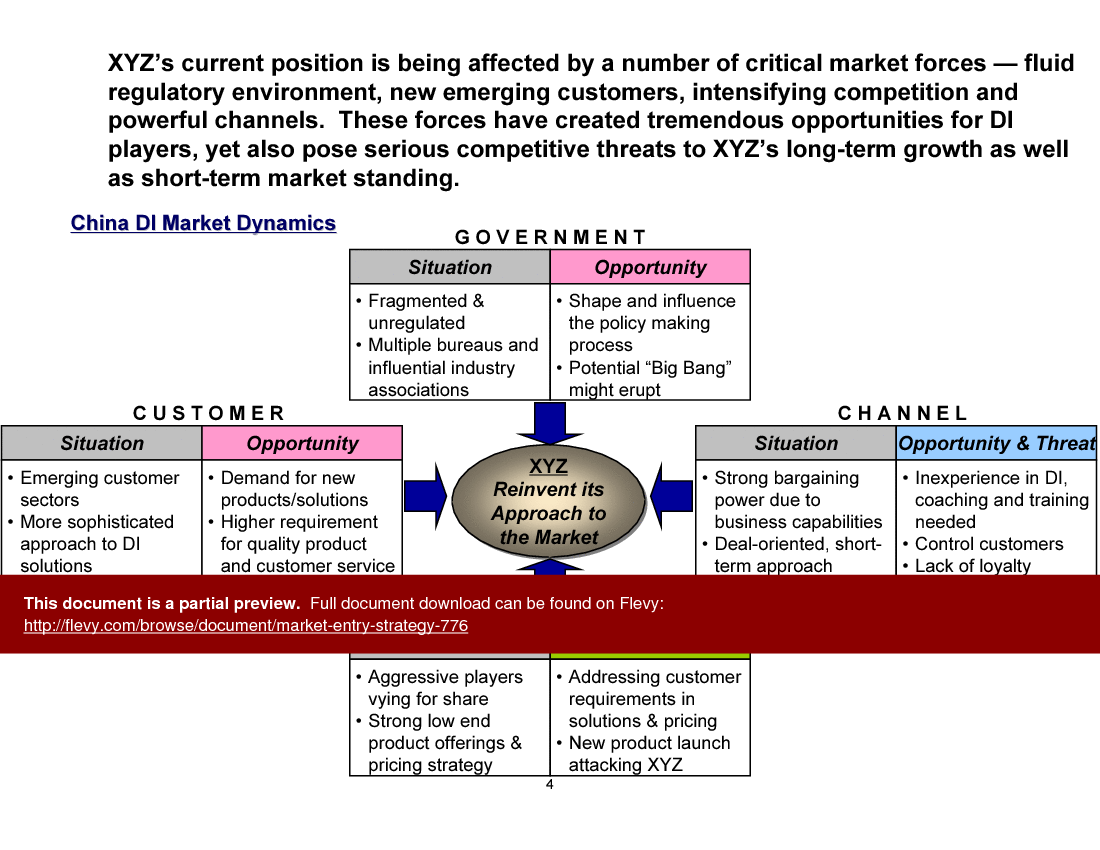
This PPT slide presents a comprehensive overview of XYZ's current market dynamics, specifically within the context of the China DI market. It identifies several critical forces impacting XYZ's position, including regulatory changes, emerging customer sectors, and intensified competition. These factors create both opportunities and threats that XYZ must navigate to secure its long-term growth.
In the Customer section, the slide highlights emerging customer sectors and a more sophisticated approach to DI solutions as key opportunities. This indicates a shift in customer expectations, necessitating XYZ to innovate and enhance its product offerings and customer service. The demand for new products and solutions is a clear call to action for XYZ to adapt its strategies.
The Government segment points to a fragmented and unregulated environment, suggesting that there are multiple avenues for XYZ to shape policy and engage with influential industry associations. The mention of a potential "Big Bang" implies a significant market shift that could offer substantial opportunities if XYZ positions itself strategically.
The Channel section outlines the strong bargaining power of customers, driven by their deal-oriented mindset and short-term approach. This presents a challenge for XYZ, as it must work to build loyalty and trust among its customer base. The threats identified, such as inexperience in DI and the need for coaching and training, highlight areas where XYZ may need to bolster its capabilities.
Overall, the slide emphasizes the necessity for XYZ to reinvent its market approach in response to these evolving dynamics. It serves as a strategic framework for understanding the current landscape and identifying actionable insights for growth.
MARCUS OVERVIEW
This synopsis was written by Marcus [?] based on the analysis of the full 86-slide presentation.
Executive Summary
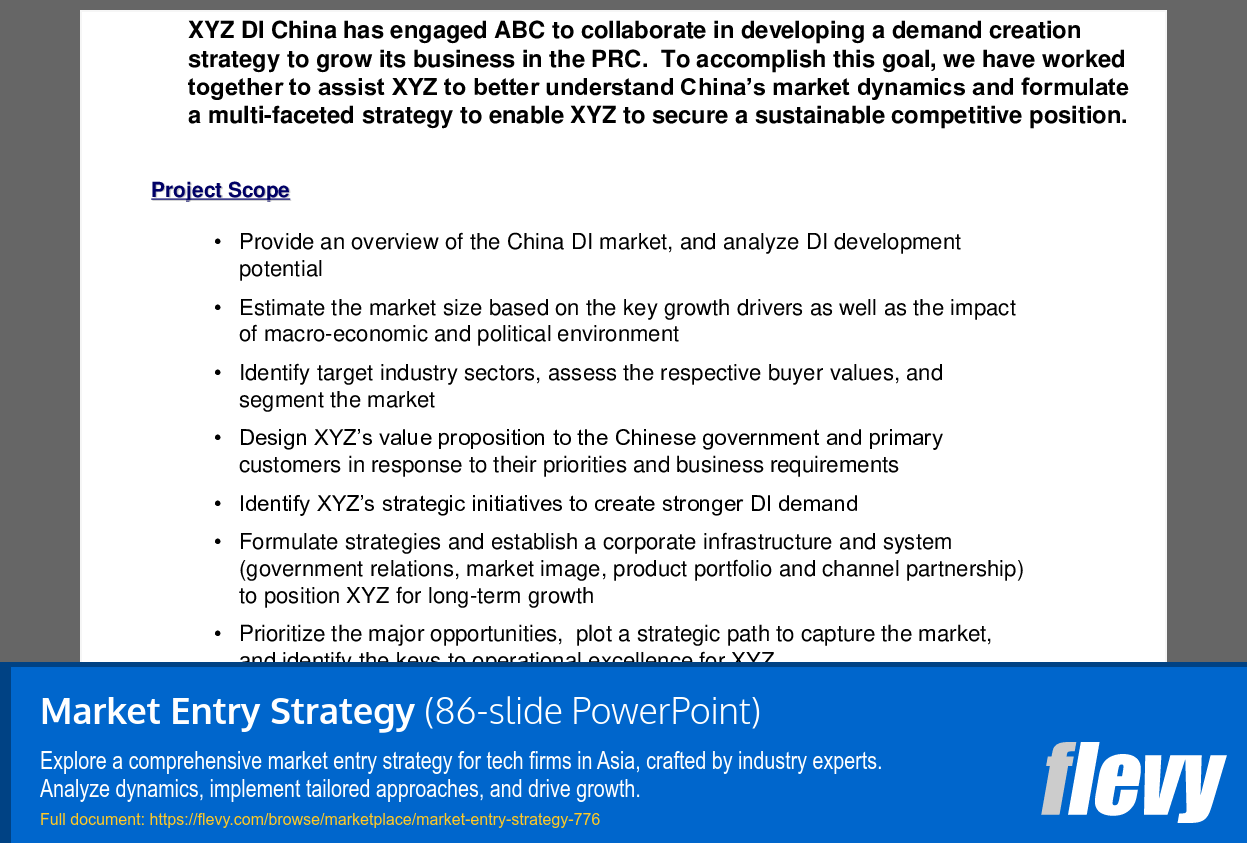
This final report outlines a demand creation strategy for XYZ Company to expand its business in the China Document Imaging (DI) market, projected to reach US$86 million by 2002. The strategy is crafted with McKinsey, Bain, or BCG-quality rigor (consulting-grade; not affiliated) and focuses on understanding market dynamics, identifying target sectors, and formulating a robust corporate infrastructure. Key initiatives include enhancing XYZ's value proposition to the Chinese government and primary customers, developing strategic partnerships, and prioritizing major opportunities for sustainable growth.
Who This Is For and When to Use
• Corporate executives at XYZ responsible for strategic planning and market expansion.
• Marketing teams focused on demand creation and brand positioning in emerging markets.
• Product development teams aiming to align offerings with customer needs in China.
• Channel management teams tasked with expanding distribution networks and partnerships.
Best-fit moments to use this report:
• During strategic planning sessions for entering new markets.
• When assessing the competitive landscape and customer needs in China.
• For aligning product development with market demands and regulatory requirements.
• In discussions with government stakeholders to enhance relationships and market presence.
Learning Objectives
• Define the dynamics of the China DI market and its growth potential.
• Build a comprehensive demand creation strategy tailored to the Chinese market.
• Establish strategic initiatives to enhance XYZ's value proposition.
• Identify and prioritize target industry sectors for market entry.
• Develop a corporate infrastructure that supports long-term growth.
• Formulate effective marketing and channel strategies to capture market share.
Table of Contents
• Overview of the China DI Market Potential (page 3)
• Market Dynamics and Growth Drivers (page 4)
• Demand Creation Strategies (page 5)
• Implementation and Prioritization of Tasks (page 7)
• Market Size Estimates and Scenarios (page 10)
• Regulatory Environment Analysis (page 18)
• Buyer Value Analysis (page 22)
• Competitive Landscape Overview (page 29)
• Channel Insights and Strategies (page 34)
• Strategic Imperatives for XYZ (page 36)
• Risk Management Considerations (page 85)
Primary Topics Covered
• Market Dynamics - Analysis of the regulatory environment, customer behaviors, and competitive dynamics affecting the DI market in China.
• Demand Creation Strategies - Framework for introducing new products and expanding the customer base, emphasizing brand image and customer service.
• Implementation Plan - Detailed action steps for executing the demand creation strategy, including marketing, government relations, and channel development.
• Market Size Estimates - Projections for market growth and XYZ's expected share, based on various growth scenarios.
• Regulatory Environment - Insights into the fragmented and decentralized regulatory landscape impacting DI adoption.
• Buyer Value Analysis - Identification of key buyer segments and their distinct preferences and requirements.
Deliverables, Templates, and Tools
• Market analysis report template for ongoing assessments of the China DI market.
• Demand creation strategy framework for aligning marketing and product initiatives.
• Buyer value analysis tool to segment customers based on financial capability and document management needs.
• Implementation roadmap for tracking progress on strategic initiatives.
• Risk management checklist for identifying and mitigating potential challenges in the market.
Slide Highlights
• Overview of the projected growth of the China DI market, highlighting key growth drivers.
• Analysis of the regulatory environment and its impact on market entry strategies.
• Buyer value analysis showcasing distinct preferences among different customer segments.
• Competitive landscape overview detailing XYZ's position relative to key competitors.
• Strategic imperatives for XYZ to enhance its market presence and operational capabilities.
Potential Workshop Agenda
Market Dynamics Overview (60 minutes)
• Discuss the current state of the China DI market and growth projections.
• Analyze competitive dynamics and regulatory challenges.
Demand Creation Strategy Development (90 minutes)
• Brainstorm initiatives to enhance XYZ's value proposition.
• Prioritize target industry sectors for market entry.
Implementation Planning Session (60 minutes)
• Develop a detailed action plan for executing the demand creation strategy.
• Assign responsibilities and establish timelines for key initiatives.
Customization Guidance
• Tailor the demand creation strategy to reflect specific market conditions and customer preferences in China.
• Adjust marketing materials to align with local cultural and regulatory contexts.
• Modify product offerings based on feedback from target customer segments to ensure relevance.
Secondary Topics Covered
• Government relations strategies for engaging with key stakeholders.
• Marketing tactics for building brand awareness and customer loyalty.
• Channel management approaches for expanding distribution networks.
• Risk management frameworks for navigating market uncertainties.
FAQ What is the projected market size for the China DI market?
The market is projected to reach US$86 million by 2002, with a compound annual growth rate (CAGR) of approximately 48%.
What are the main growth drivers for the China DI market?
Key growth drivers include natural demand growth, sellers' marketing efforts, and technology maturity leading to price declines.
How should XYZ position its products in the Chinese market?
XYZ should focus on delivering high-quality, solution-oriented products while emphasizing customer service and brand reputation.
What are the key challenges in entering the China DI market?
Challenges include a fragmented regulatory environment, intense competition, and the need for extensive market education among potential customers.
How can XYZ effectively engage with the Chinese government?
XYZ should establish strategic partnerships with key government agencies and participate in initiatives that align with the government's digital economy agenda.
What is the importance of buyer value analysis?
Buyer value analysis helps XYZ understand customer preferences, enabling the company to tailor its offerings and marketing strategies effectively.
What role do channels play in XYZ's market strategy?
Channels are crucial for reaching target customers, providing market insights, and enhancing customer service capabilities.
How can XYZ mitigate risks associated with market entry?
XYZ should implement a robust risk management framework that identifies potential challenges and establishes contingency plans.
Glossary
• Document Imaging (DI) - Technology used to convert physical documents into digital formats.
• Value Proposition - The unique value a product or service offers to customers.
• Market Dynamics - The forces that impact the supply and demand of a market.
• Buyer Value Analysis - A method for understanding customer preferences and decision-making processes.
• Channel Management - Strategies for developing and managing distribution networks.
• Regulatory Environment - The framework of laws and regulations governing an industry.
• Competitive Landscape - The overview of competitors and their strategies within a market.
• Demand Creation - Strategies aimed at generating interest and demand for products or services.
• Risk Management - The process of identifying, assessing, and mitigating potential risks.
• Market Segmentation - The practice of dividing a market into distinct groups of buyers with different needs or behaviors.
• CAGR - Compound Annual Growth Rate, a measure of growth over multiple time periods.
• Strategic Partnerships - Collaborative agreements between organizations to achieve mutual goals.
• Customer Segmentation - The process of dividing customers into groups based on shared characteristics.
• Government Relations - Strategies for engaging with government entities to influence policy and gain support.
• Product Portfolio - The range of products offered by a company.
• Brand Awareness - The extent to which consumers recognize and remember a brand.
• Market Education - Initiatives aimed at informing potential customers about products and their benefits.
• Operational Excellence - The execution of business strategies with a focus on efficiency and effectiveness.
• Customer Relationship Management (CRM) - Strategies for managing a company's interactions with current and potential customers.
Source: Best Practices in Market Entry Example, Value Creation, Emerging Market Entry, Market Entry PowerPoint Slides: Market Entry Strategy PowerPoint (PPT) Presentation Slide Deck, Documents & Files
The average daily rate of a McKinsey consultant is $6,625 (not including expenses). The average price of a Flevy document is $65.
Trusted by over 10,000+ Client Organizations
Since 2012, we have provided best practices to over 10,000 businesses and organizations of all sizes, from startups and small businesses to the Fortune 100, in over 130 countries.

"I like your product. I'm frequently designing PowerPoint presentations for my company and your product has given me so many great ideas on the use of charts, layouts, tools, and frameworks. I really think the templates are a valuable asset to the job."
– Roberto Fuentes Martinez, Senior Executive Director at Technology Transformation Advisory
"I have used Flevy services for a number of years and have never, ever been disappointed. As a matter of fact, David and his team continue, time after time, to impress me with their willingness to assist and in the real sense of the word. I have concluded in fact
that it is not at all just a repository of documents/resources but, in the way that David and his team manage the firm, it is like dealing with consultants always ready to assist, advise and direct you to what you really need, and they always get it right.
I am an international hospitality accomplished senior executive who has worked and lived during the past 35 years in 23 countries in 5 continents and I can humbly say that I know what customer service is, trust me.
Aside from the great and professional service that Flevy's team provide, their wide variety of material is of utmost great quality, professionally put together and most current.
Well done Flevy, keep up the great work and I look forward to continue working with you in the future and to recommend you to a variety of colleagues around the world.
"
– Roberto Pelliccia, Senior Executive in International Hospitality
"Last Sunday morning, I was diligently working on an important presentation for a client and found myself in need of additional content and suitable templates for various types of graphics. Flevy.com proved to be a treasure trove for both content and design at a reasonable price, considering the time I
saved. I encountered a download issue during the ordering process. However, a quick email to Flevy's support team, even on a Sunday (!!!), resulted in assistance within less than an hour, allowing me to download the content I needed. Fantastic job, Flevy! I give 5 stars for both content/price and customer service. Thank you!
"
– M. E., Chief Commercial Officer, International Logistics Service Provider
"As a consulting firm, we had been creating subject matter training materials for our people and found the excellent materials on Flevy, which saved us 100's of hours of re-creating what already exists on the Flevy materials we purchased."
– Michael Evans, Managing Director at Newport LLC
"Flevy is now a part of my business routine. I visit Flevy at least 3 times each month.
Flevy has become my preferred learning source, because what it provides is practical, current, and useful in this era where the business world is being rewritten.
many challenges and there is the need to make the right decisions in a short time, with so much scattered information, we are fortunate to have Flevy. Flevy investigates, selects, and puts at our disposal the best of the best to help us be successful in our work.
"
– Omar Hernán Montes Parra, CEO at Quantum SFE
"I have found Flevy to be an amazing resource and library of useful presentations for lean sigma, change management and so many other topics. This has reduced the time I need to spend on preparing for my performance consultation. The library is easily accessible and updates are regularly provided. A wealth of great information."
– Cynthia Howard RN, PhD, Executive Coach at Ei Leadership
"As a niche strategic consulting firm, Flevy and FlevyPro frameworks and documents are an on-going reference to help us structure our findings and recommendations to our clients as well as improve their clarity, strength, and visual power. For us, it is an invaluable resource to increase our impact and value."
– David Coloma, Consulting Area Manager at Cynertia Consulting
"My FlevyPro subscription provides me with the most popular frameworks and decks in demand in today’s market. They not only augment my existing consulting and coaching offerings and delivery, but also keep me abreast of the latest trends, inspire new products and service offerings for my practice, and educate me
Download our free compilation of 50+ Strategy & Transformation slides and templates. Frameworks include McKinsey 7-S, Balanced Scorecard, Disruptive Innovation, BCG Curve, and many more.