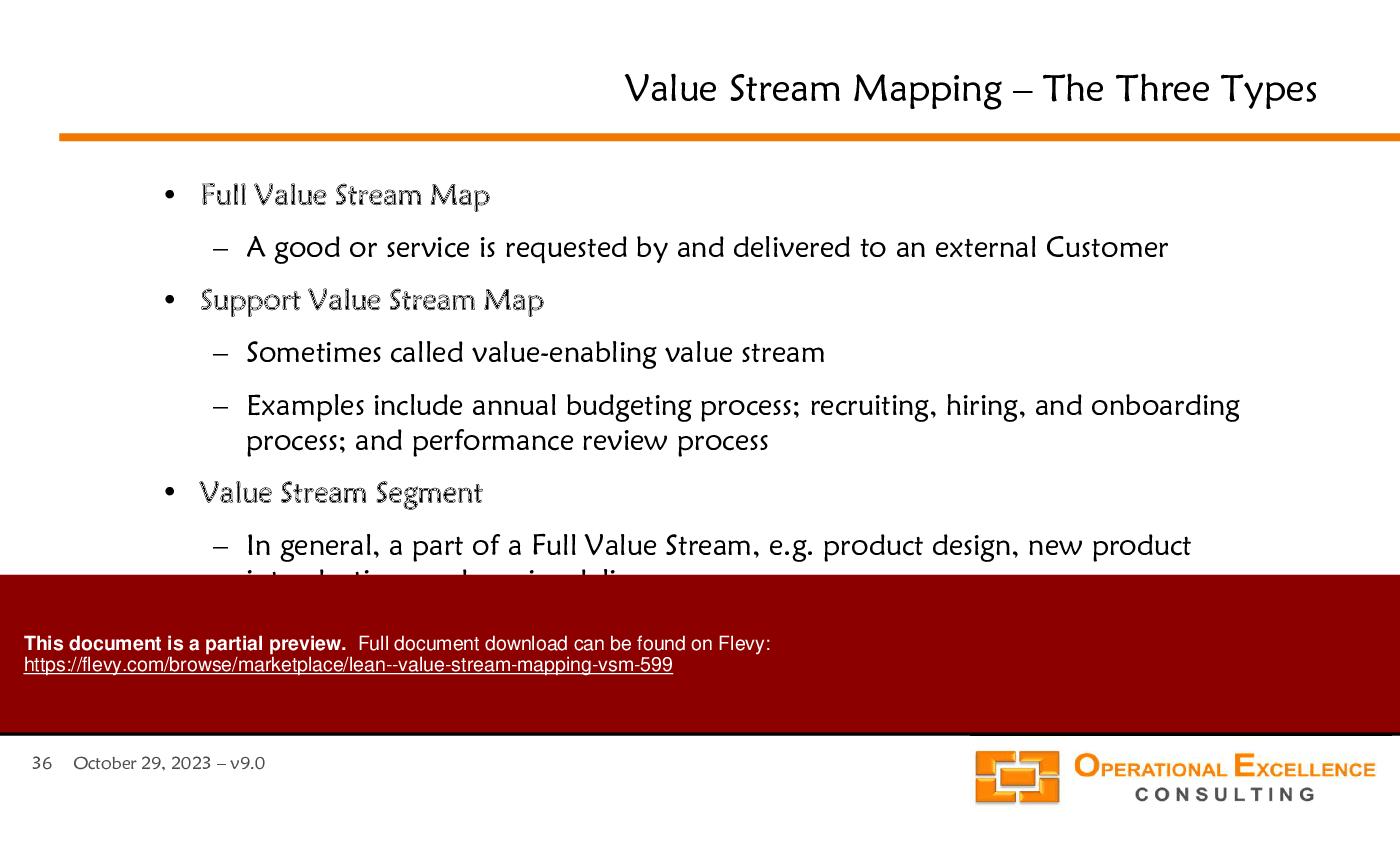

Value Stream Mapping (VSM) is a lean management technique used to analyze the flow of materials and information currently required to bring a product or service to a Customer. The goal of value stream mapping is to reduce the end-to-end lead time of a process by highlighting and eliminating sources of waste, as well as by building processes and value chain where the individual process steps are directly linked to their customers either by continuous flow or by pull.

The Lean – Value Stream Mapping (VSM) Training Module includes:
1. MS PowerPoint Presentation including 158 slides covering
• History of Lean Manufacturing,
• The Five Lean Principles,
• The Seven Lean Wastes,
• A Step-by-Step Approach to Value Stream Mapping, and
• Basic Lean Management Methods and Tools.
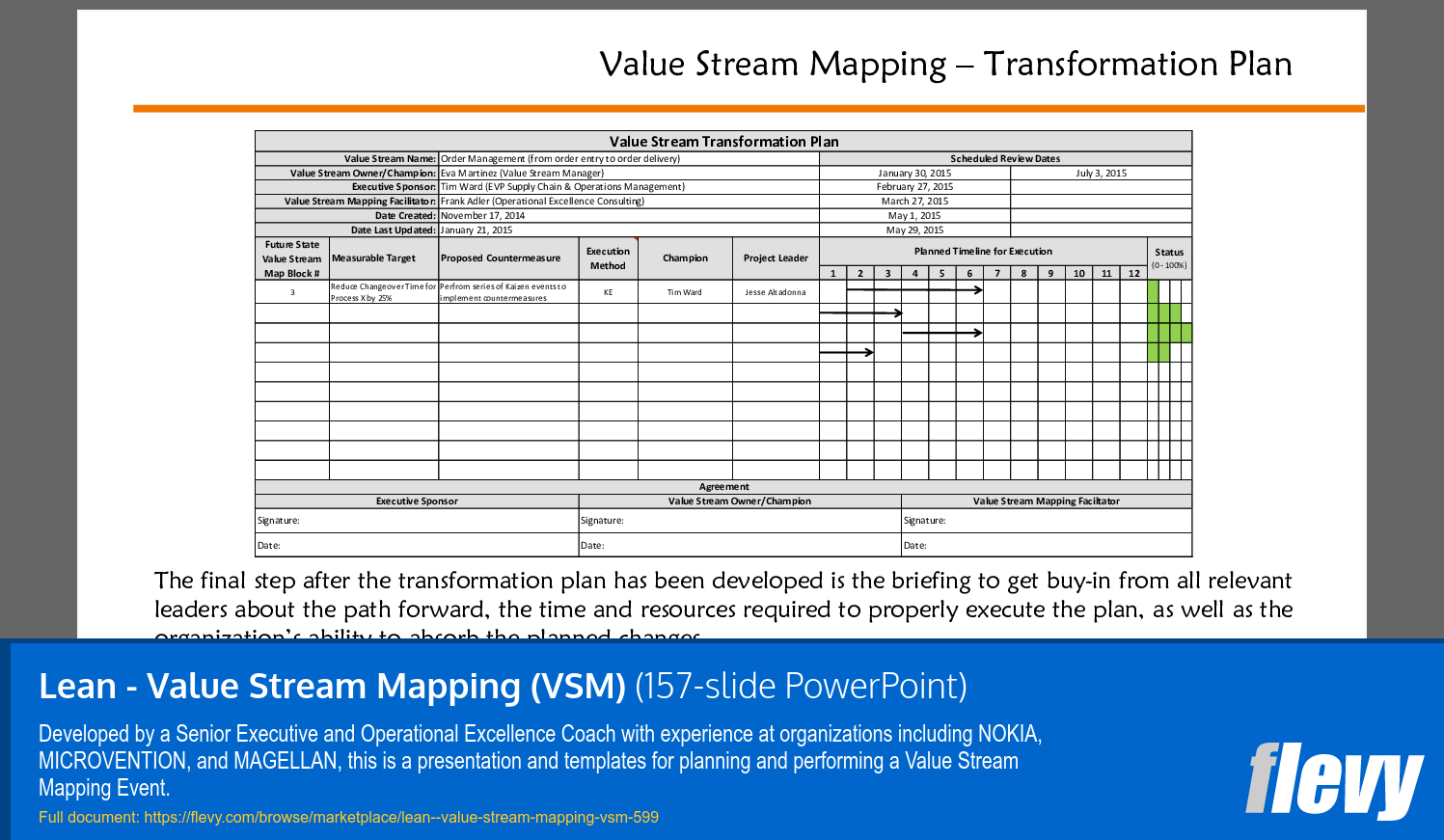
2. MS Excel Value Stream Mapping Team Charter Template, Future State Transformation Plan Template, Process Study Worksheet Template & Example, Work Chart Template, Work Combination Table Template & Example, and Process Capacity Worksheet Template & Example.
"After you have downloaded the training material, you can change any part of the training material and remove all logos and references to Operational Excellence Consulting. You can share the material with your colleagues and clients, and re-use it as you need. The only restriction is that you cannot publicly re-distribute, sell, rent or license the material as though it is your own. Thank you."
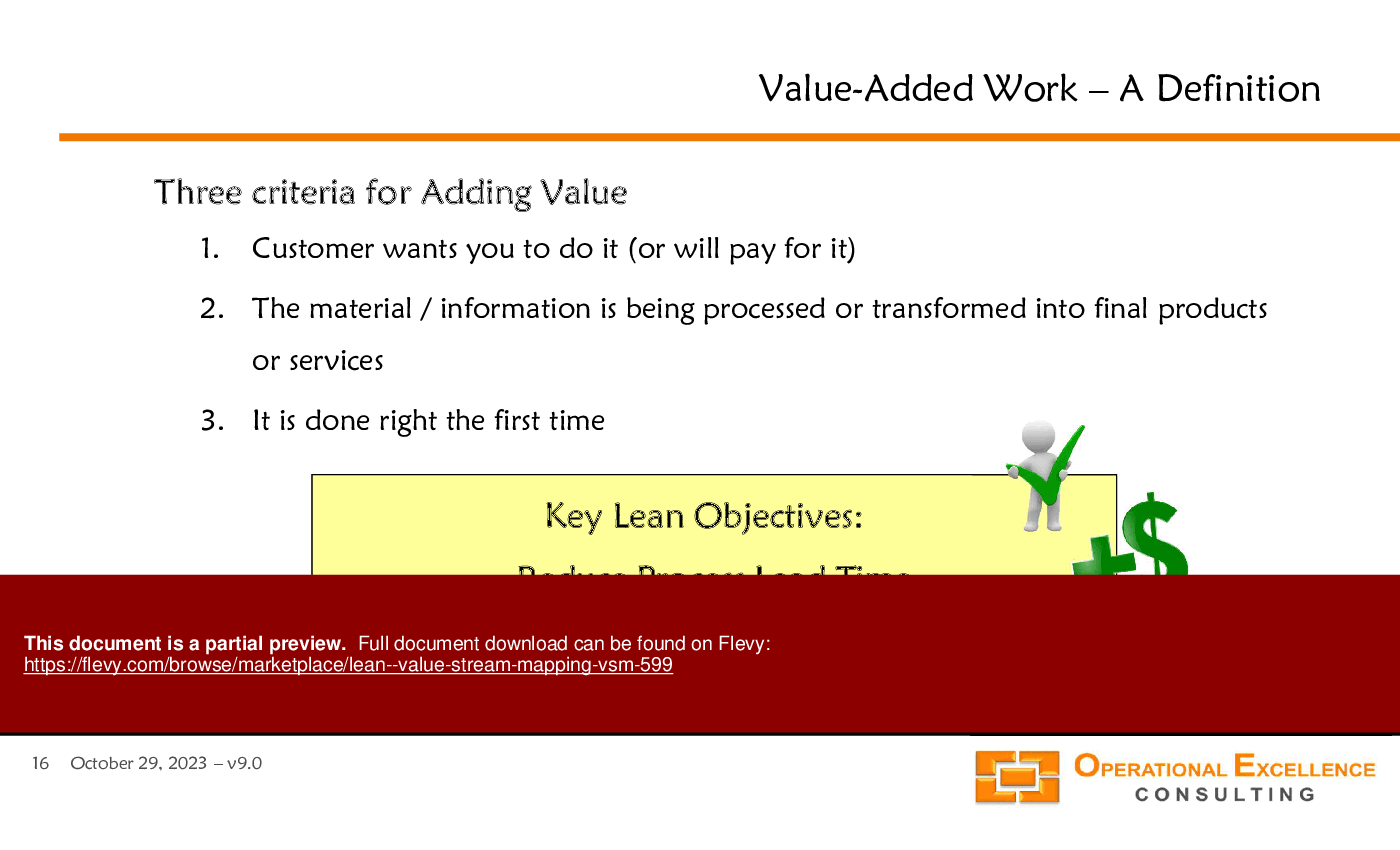
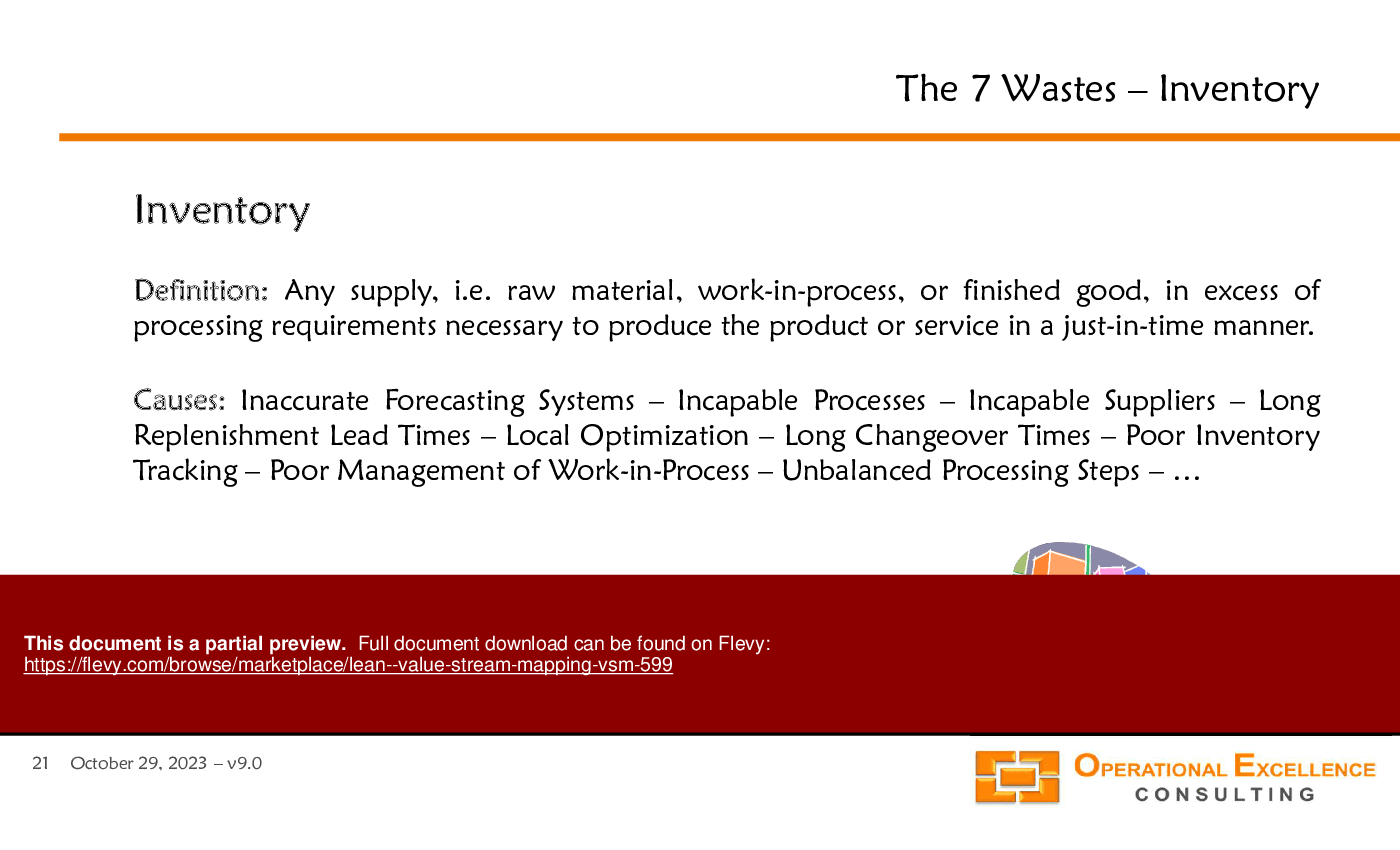
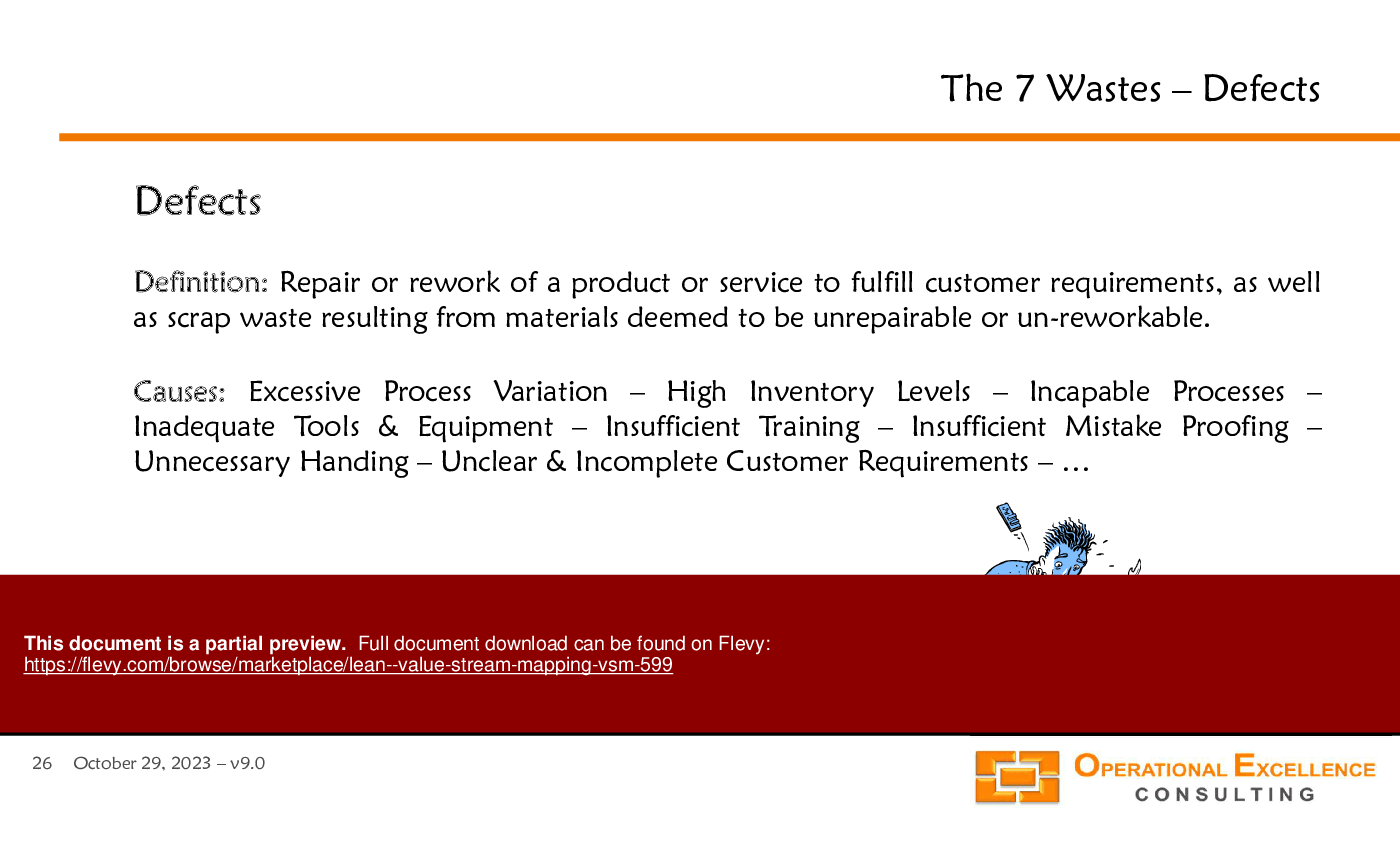
This comprehensive module delves into the historical evolution of lean management, providing context and foundational knowledge. It includes multimedia elements like the Ford Model T video to illustrate real-world applications. The training material meticulously defines value-added work and identifies the seven types of waste, offering practical examples and causes. Detailed templates and worksheets facilitate hands-on learning and implementation. The module also covers essential lean tools such as Kanban systems and 5S visual workplace, ensuring a holistic understanding of lean principles. This resource is indispensable for executives aiming to streamline operations and enhance efficiency.
Got a question about the product? Email us at support@flevy.com or ask the author directly by using the "Ask the Author a Question" form. If you cannot view the preview above this document description, go here to view the large preview instead.
Executive Summary
The Lean Value Stream Mapping (VSM) presentation is a comprehensive training module designed to facilitate the planning and execution of Value Stream Mapping events. Developed by an experienced Operational Excellence Coach, this resource equips organizations to enhance operational efficiency by identifying and eliminating waste. By employing Lean principles, users will be able to visualize and improve the flow of materials and information, ultimately leading to increased customer satisfaction and profitability.
Who This Is For and When to Use
• Operations Managers seeking to streamline processes
• Lean Practitioners focused on waste reduction
• Continuous Improvement Teams aiming to enhance productivity
• Business Analysts tasked with process mapping and optimization
Best-fit moments to use this deck:
• During initial Lean training sessions to introduce VSM concepts
• When preparing for a Value Stream Mapping workshop
• To analyze current state processes and design future state maps
• In ongoing Lean initiatives to reinforce waste reduction strategies
Learning Objectives
• Define Value Stream Mapping and its role in Lean management
• Identify and categorize the 7 types of waste in processes
• Develop a current state map to visualize existing workflows
• Design a future state map that eliminates waste and optimizes flow
• Create a transformation plan to implement improvements
• Engage stakeholders in the VSM process for broader participation
Table of Contents
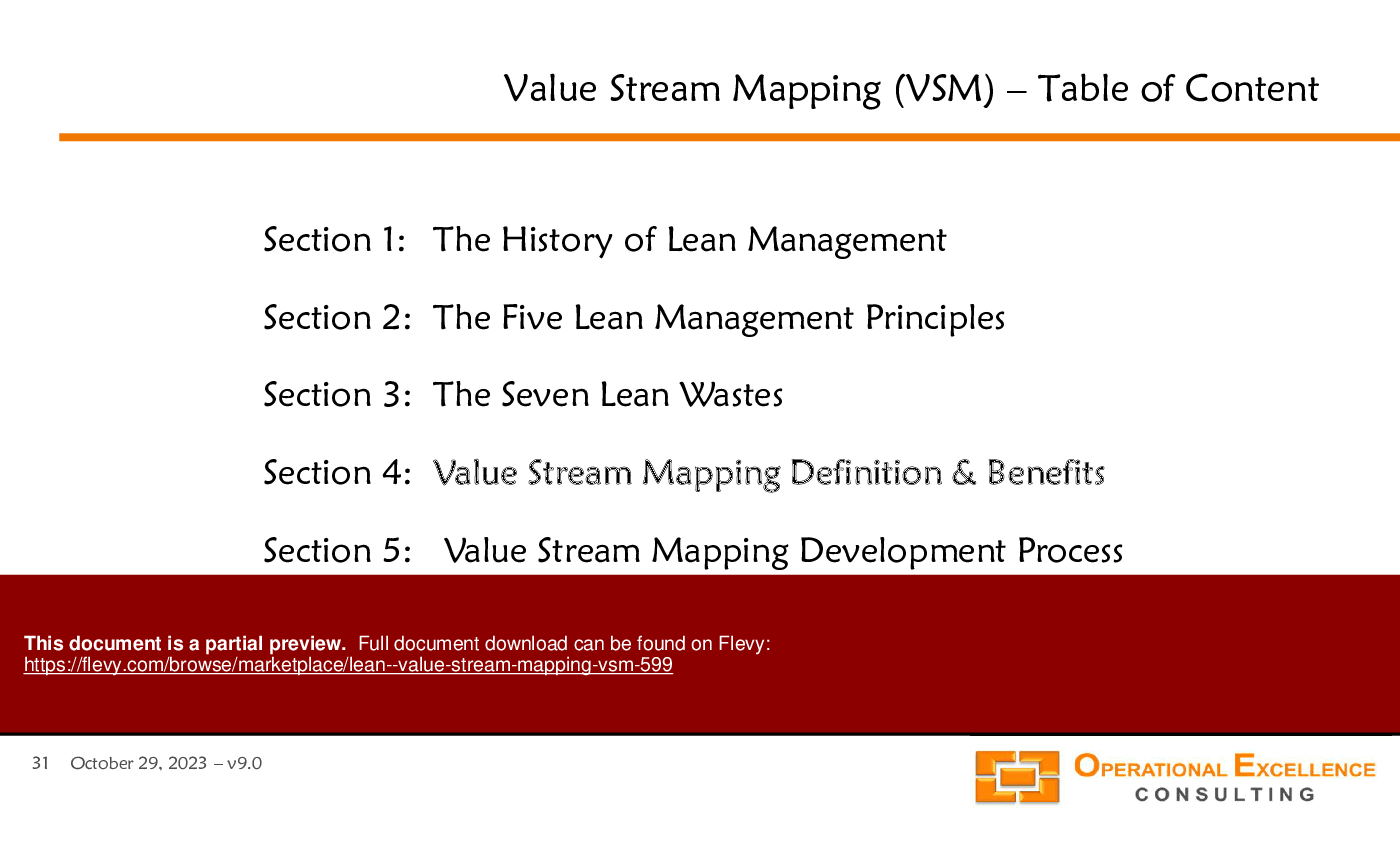
• The History of Lean Management (page 3)
• The Five Lean Management Principles (page 14)
• The Seven Lean Wastes (page 19)
• Value Stream Mapping Definition & Benefits (page 33)
• Value Stream Mapping Development Process (page 39)
• Basic Lean Management Tool Box (page 106)
Primary Topics Covered
• Lean Management History - Overview of the evolution of Lean principles and their application in various industries.
• Lean Principles - Core principles including defining value, mapping value streams, and pursuing perfection.
• Lean Wastes - Identification of the 7 wastes (TIMWOOD) and their impact on efficiency.
• Value Stream Mapping - Definition, benefits, and the process of creating VSMs to visualize workflows.
• Current and Future State Mapping - Techniques for documenting current processes and designing improved future states.
• Lean Tools - Introduction to tools such as Kanban, 5S, and Standard Work that support Lean initiatives.
Deliverables, Templates, and Tools
• Value Stream Mapping Charter template for project initiation
• Current State and Future State mapping templates
• Guidelines for conducting Value Stream Walks
• Transformation Plan template for implementing changes
• Lean Management Tool Box overview for practical application
• Metrics definitions for assessing process performance
Slide Highlights
• Overview of Lean principles and their historical context
• Visual representation of the Value Stream Mapping process
• Detailed breakdown of the Seven Lean Wastes with examples
• Step-by-step guide for developing a Value Stream Map
• Transformation Plan execution strategies and key performance indicators
Potential Workshop Agenda
Value Stream Mapping Workshop (3 Days)
• Day 1:
• Develop a Charter & Establish the Team
• Document Current State → Kick-off
• Document Current State → First Value Stream Walk
• Day 2:
• Document Current State → Map Layout
• Document Current State → Second Value Stream Walk
• Document Current State → Map Details
• Day 3:
• Design Future State
• Create Transformation Plan
• Manage Execution
Customization Guidance
• Tailor the Value Stream Mapping Charter to reflect specific organizational goals and team members
• Adjust the current state mapping process to align with unique workflows and operational realities
• Incorporate industry-specific examples and case studies to enhance relevance
• Modify the transformation plan template to include organization-specific KPIs and metrics
Secondary Topics Covered
• The role of leadership in Lean initiatives
• Engaging employees in continuous improvement efforts
• Techniques for sustaining Lean practices over time
• The impact of technology on Lean processes
• Strategies for overcoming common barriers to Lean implementation
FAQ
What is Value Stream Mapping?
Value Stream Mapping is a Lean management technique used to visualize the flow of materials and information required to deliver a product or service to a customer, identifying areas for improvement.
How does VSM help in waste reduction?
VSM highlights non-value-added activities, allowing organizations to eliminate waste and streamline processes, ultimately enhancing efficiency and customer satisfaction.
What are the Seven Lean Wastes?
The Seven Lean Wastes include Transportation, Inventory, Motion, Waiting, Over-Processing, Over-Production, and Defects, each representing areas for potential improvement.
What is the purpose of a transformation plan?
A transformation plan outlines the steps needed to implement improvements identified during the Value Stream Mapping process, ensuring accountability and tracking progress.
How can I engage my team in the VSM process?
Involve team members in Value Stream Walks and encourage their input in identifying waste and suggesting improvements, fostering a culture of continuous improvement.
What tools are included in the Basic Lean Management Tool Box?
The tool box includes Lean Standard Work, Quick Changeover, Work Balancing, Kanban Systems, Level Loading, and 5S Visual Workplace techniques.
How do I measure the success of Lean initiatives?
Success can be measured through key performance indicators (KPIs) such as lead time, process efficiency, and customer satisfaction metrics.
What is the significance of Takt Time in Lean?
Takt Time is the required production rate to meet customer demand, helping to balance workloads and optimize production flow.
How often should VSM be revisited?
VSM should be revisited regularly, especially after significant process changes or at scheduled intervals to ensure continuous improvement.
Glossary
• Value Stream - The sequence of activities required to design, produce, and deliver a product or service.
• Lean Management - A methodology focused on minimizing waste while maximizing productivity.
• Takt Time - The maximum allowable time to produce a product to meet customer demand.
• Kanban - A visual scheduling system that indicates when to produce or move items.
• 5S - A workplace organization method that stands for Sort, Set in Order, Shine, Standardize, and Sustain.
• Waste - Any activity that consumes resources without adding value to the product or service.
• Current State Map - A visual representation of the existing process flow.
• Future State Map - A visual representation of the desired process flow after improvements.
• Transformation Plan - A document outlining the steps and measures needed to achieve the future state.
• Continuous Improvement - Ongoing efforts to improve products, services, or processes.
• Standard Work - Documented best practices for performing a task consistently and efficiently.
• Cycle Time - The total time from the beginning to the end of a process.
• Lead Time - The total time it takes for a product to be delivered after an order is placed.
• Process Efficiency Ratio - A measure of how effectively a process converts inputs into outputs.
• Work Balancing - The practice of distributing work evenly across all process steps to optimize efficiency.
• Quick Changeover - Techniques aimed at reducing the time it takes to switch from one product to another.
• Visual Management - The use of visual cues to communicate information about processes and performance.
• Gemba - A Japanese term meaning "the real place," referring to the place where value is created.
• Kaizen - A philosophy of continuous improvement involving everyone in the organization.
Source: Best Practices in Operational Excellence, Lean, Value Stream Mapping PowerPoint Slides: Lean - Value Stream Mapping (VSM) PowerPoint (PPTX) Presentation Slide Deck, Operational Excellence Consulting LLC
This document is available as part of the following discounted bundle(s):
Save %!
LEAN MANAGEMENT Training Module Library
This bundle contains 8 total documents. See all the documents to the right.
Save %!
OPERATIONAL EXCELLENCE Training Module Library
This bundle contains 18 total documents. See all the documents to the right.
|
Receive our FREE presentation on Operational Excellence
This 50-slide presentation provides a high-level introduction to the 4 Building Blocks of Operational Excellence. Achieving OpEx requires the implementation of a Business Execution System that integrates these 4 building blocks. |