
Introduction:
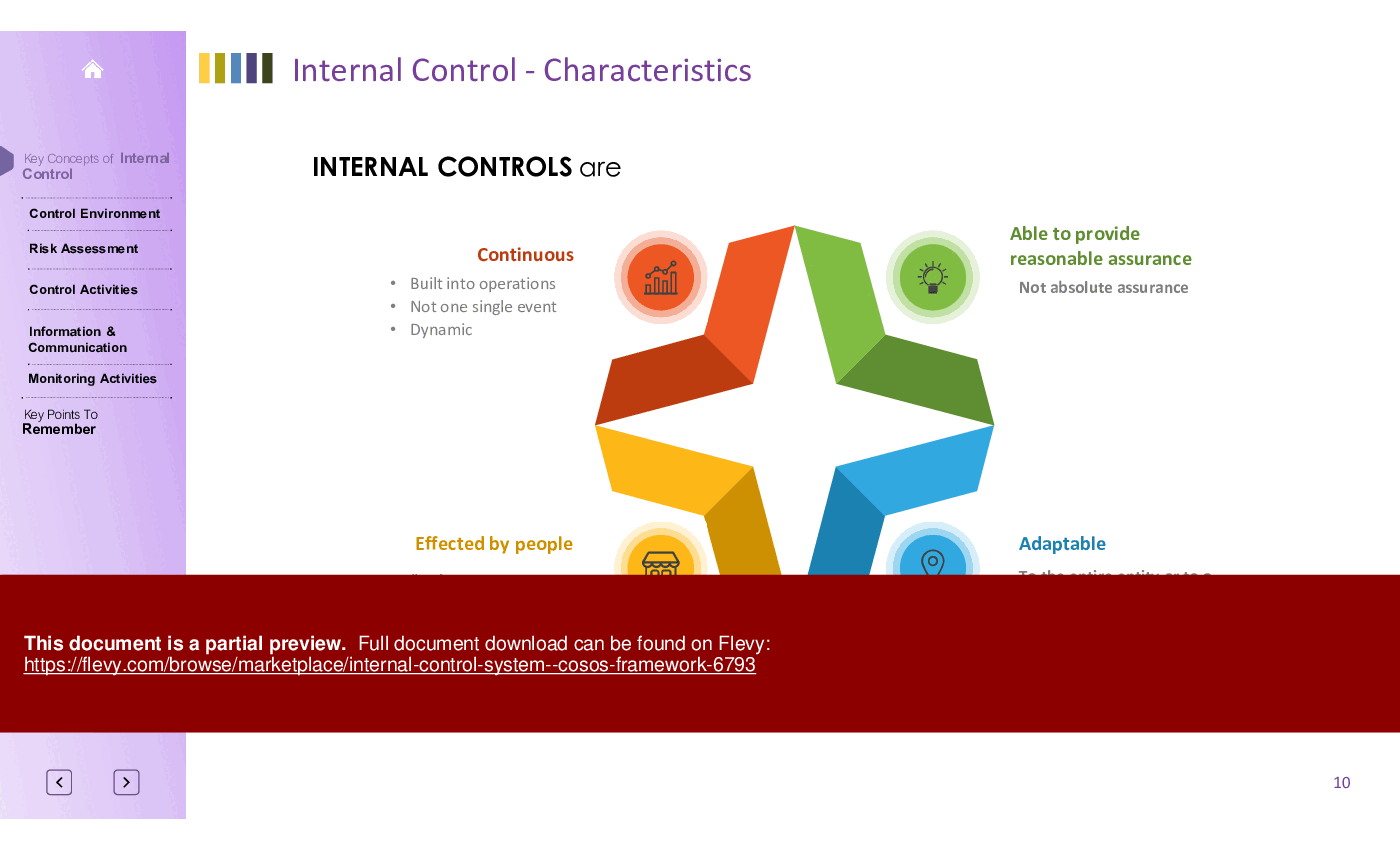
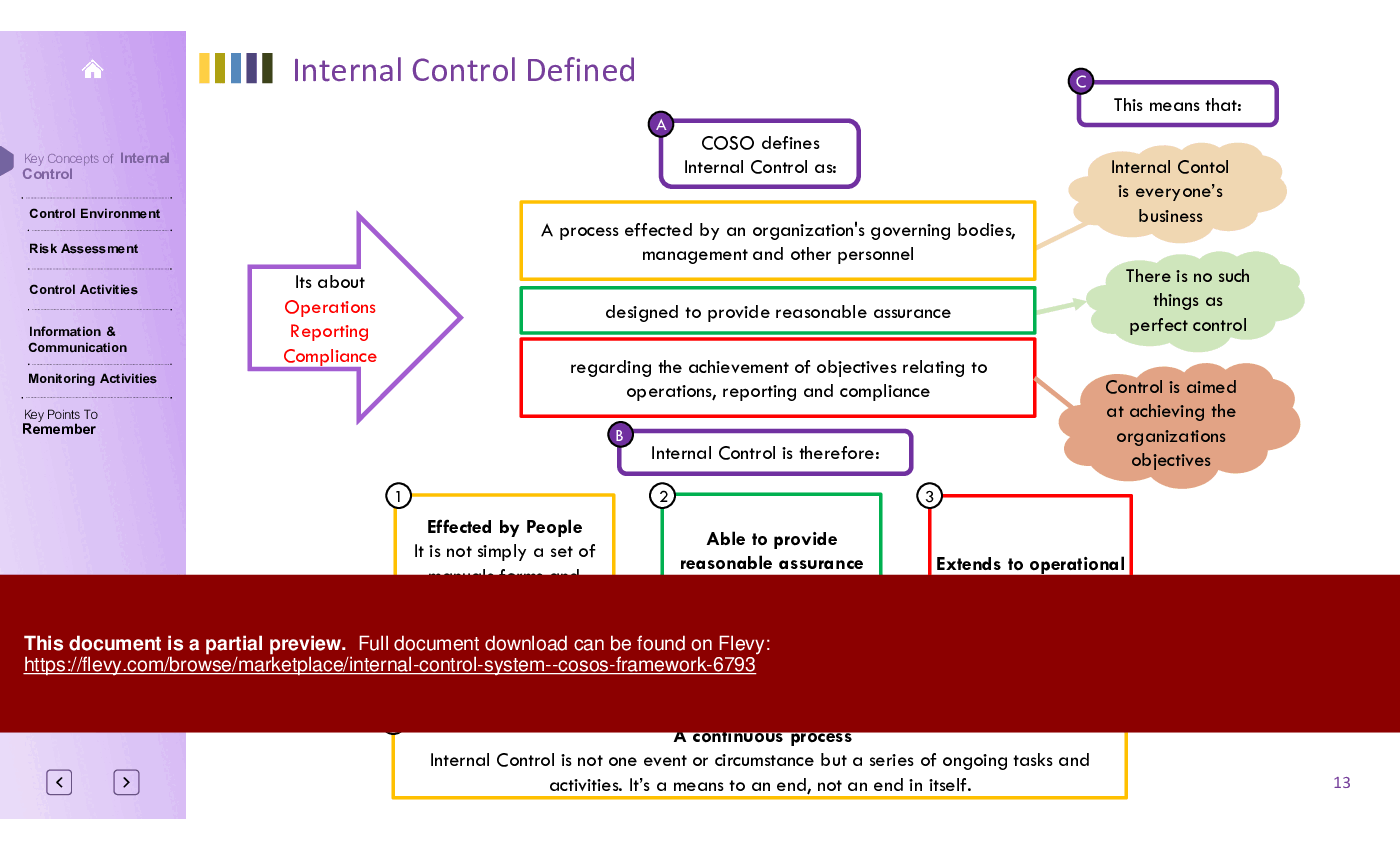
The concept of internal control is as diverse as it is critical, akin to the multifaceted notion of corporate governance. In this realm, definitions abound, but a beacon of clarity emanates from the Committee of Sponsoring Organizations of the Treadway Commission (COSO). According to COSO, internal control is a dynamic process orchestrated by an entity's board of directors, management, and dedicated personnel. Its mission: to furnish reasonable assurance concerning the attainment of objectives spanning operations, reporting, and compliance.
1. Deciphering Internal Control:
• A Multifaceted Concept: Unveil the multifarious interpretations of internal control.
• COSO's Pinnacle: Embrace the COSO model, a globally accepted and holistic framework that underpins various internal control models.
2. COSO Unveiled: A Journey of Influence:
• Guardians of Guidance: Meet COSO, championing thought leadership in internal control and enterprise risk management.
• The COSO Mandate: Understand COSO's mission of global guidance dissemination through frameworks and publications.
• The Genesis: Trace the origins of COSO's foundational guidance, "Internal Control – Integrated Framework," dating back to 1992.
• A Continuing Legacy: Explore COSO's commitment to enhancement, epitomized in the updated framework of May 2013.
3. The COSO Framework: A Guiding Light:
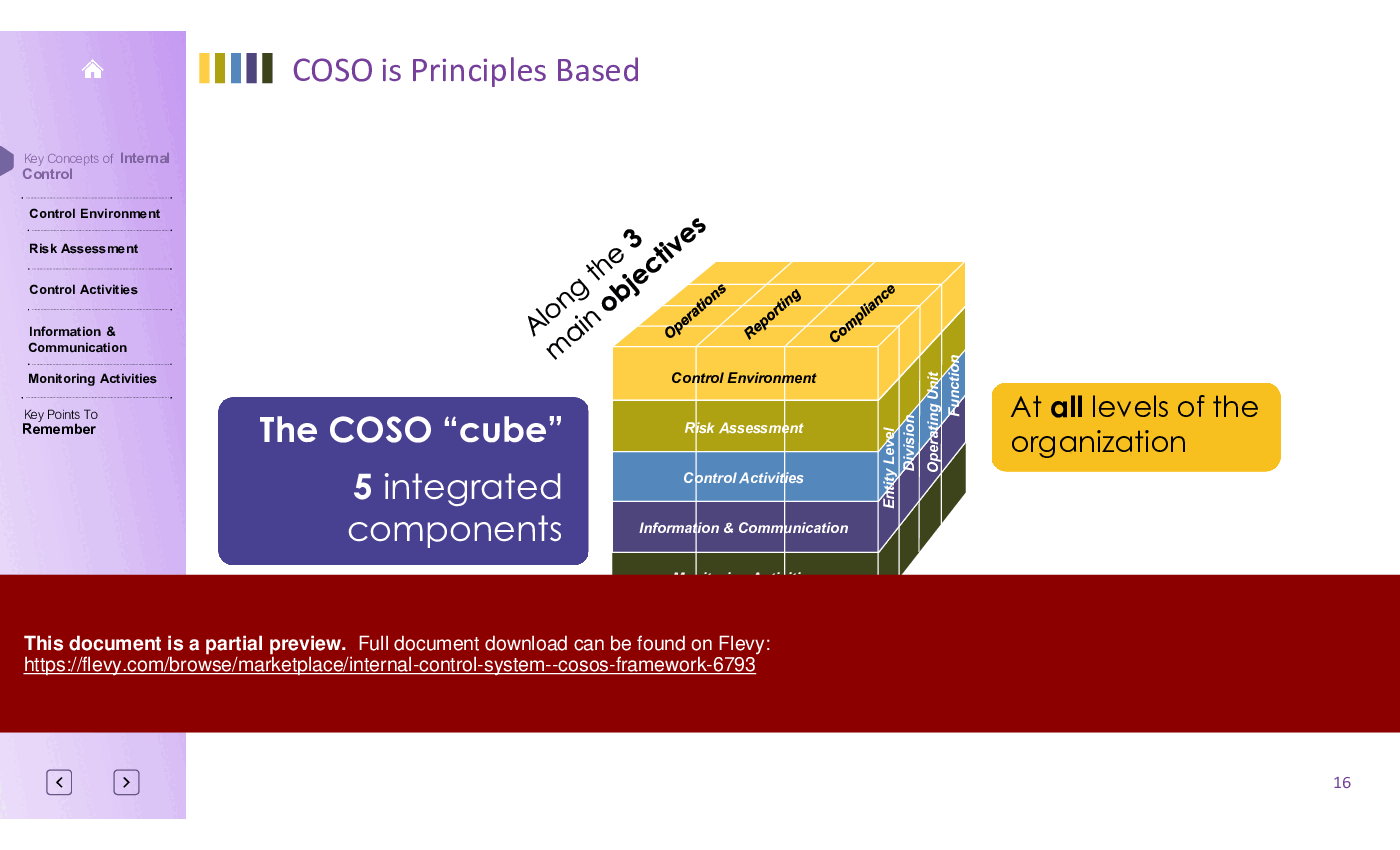
• Pillars of Control: Delve into the five interwoven components of the COSO Framework.
• A – Control Environment: Unearth the foundation of internal control: the standards, processes, and structures spanning the organization.
• B – Risk Assessment: Navigate the structured process for identifying and evaluating risks that cast shadows on objective achievement.
• C – Control Activities: Examine the actionable policies and procedures that translate management's risk-mitigation directives into reality.
• D – Information and Communication: Comprehend the dynamic flow of information, a lifeblood sustaining internal control components.
• E – Monitoring Activities: Ascertain the continuous vigilance and periodic evaluations ensuring the efficacy of all internal control facets.
4. Building an Effective Internal Control System:
• Best Practice Blueprint: Gain insights into the principles and standards underpinning a robust internal control system.
• Designing to Perfection: Understand how organizations can align their internal control systems with existing best practices.
5. The Power of COSO: Application and Transformation:
• Real-World Application: Explore practical applications of COSO's Internal Control Framework.
• A Catalyst for Transformation: Grasp how the COSO Framework catalyzes the evolution of internal control practices.
6. Conclusion: Mastering Internal Control:
• Navigating Excellence: Reflect on the transformative potential of mastering the COSO Framework for Internal Control.
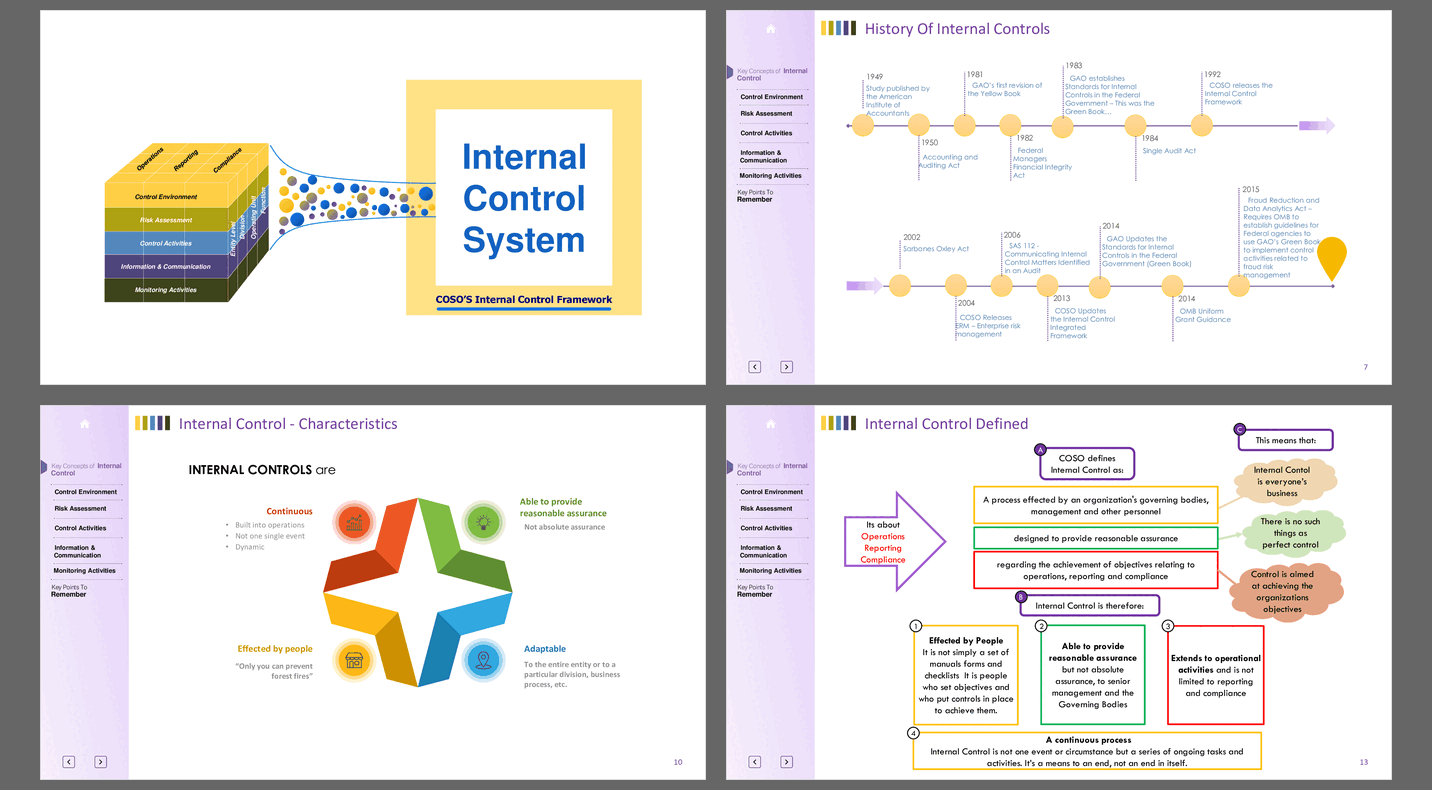
This 72-slide PowerPoint presentation serves as an illuminating guide to understanding and implementing internal control using the COSO Framework. The document is highly customizable and enriched with engaging diagrams, ice-breakers, images, and other visuals to provide a comprehensive view of this vital aspect of organizational governance and risk management.
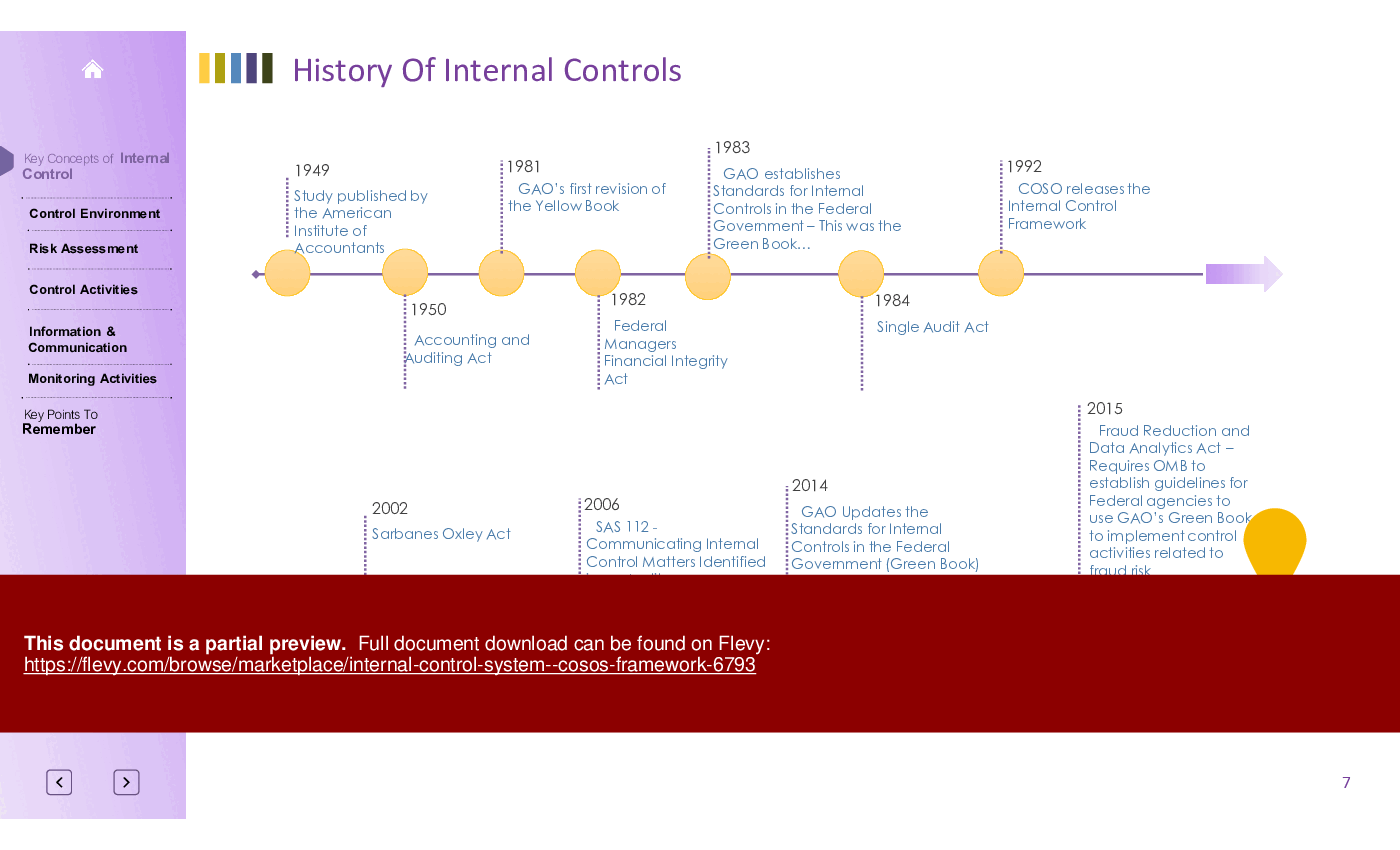
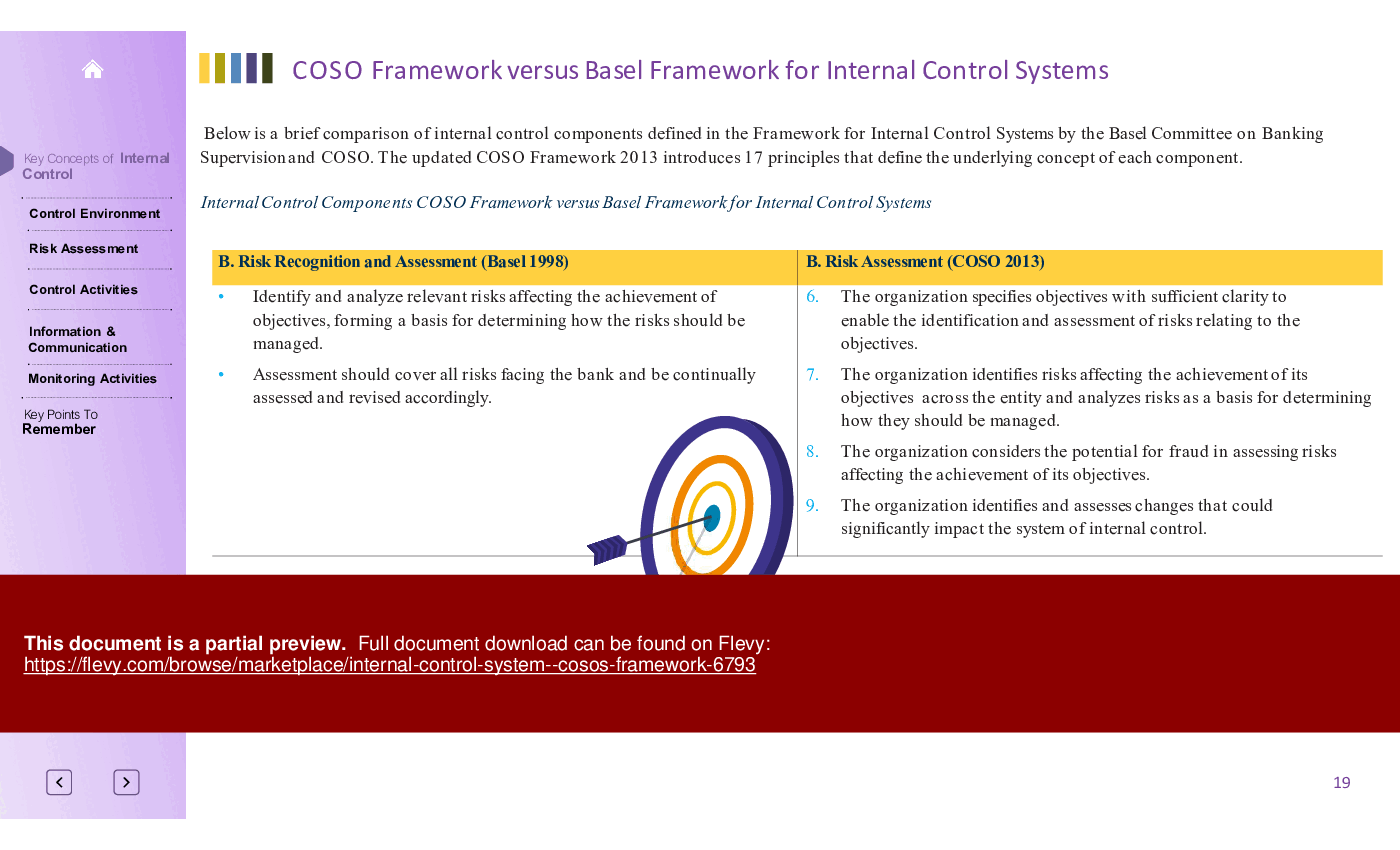
This presentation includes a detailed timeline of internal control history and a comparison of the COSO Framework with the Basel Framework. It also outlines the principles and points of focus for control activities, risk assessment, and monitoring activities.
Got a question about the product? Email us at support@flevy.com or ask the author directly by using the "Ask the Author a Question" form. If you cannot view the preview above this document description, go here to view the large preview instead.
Executive Summary
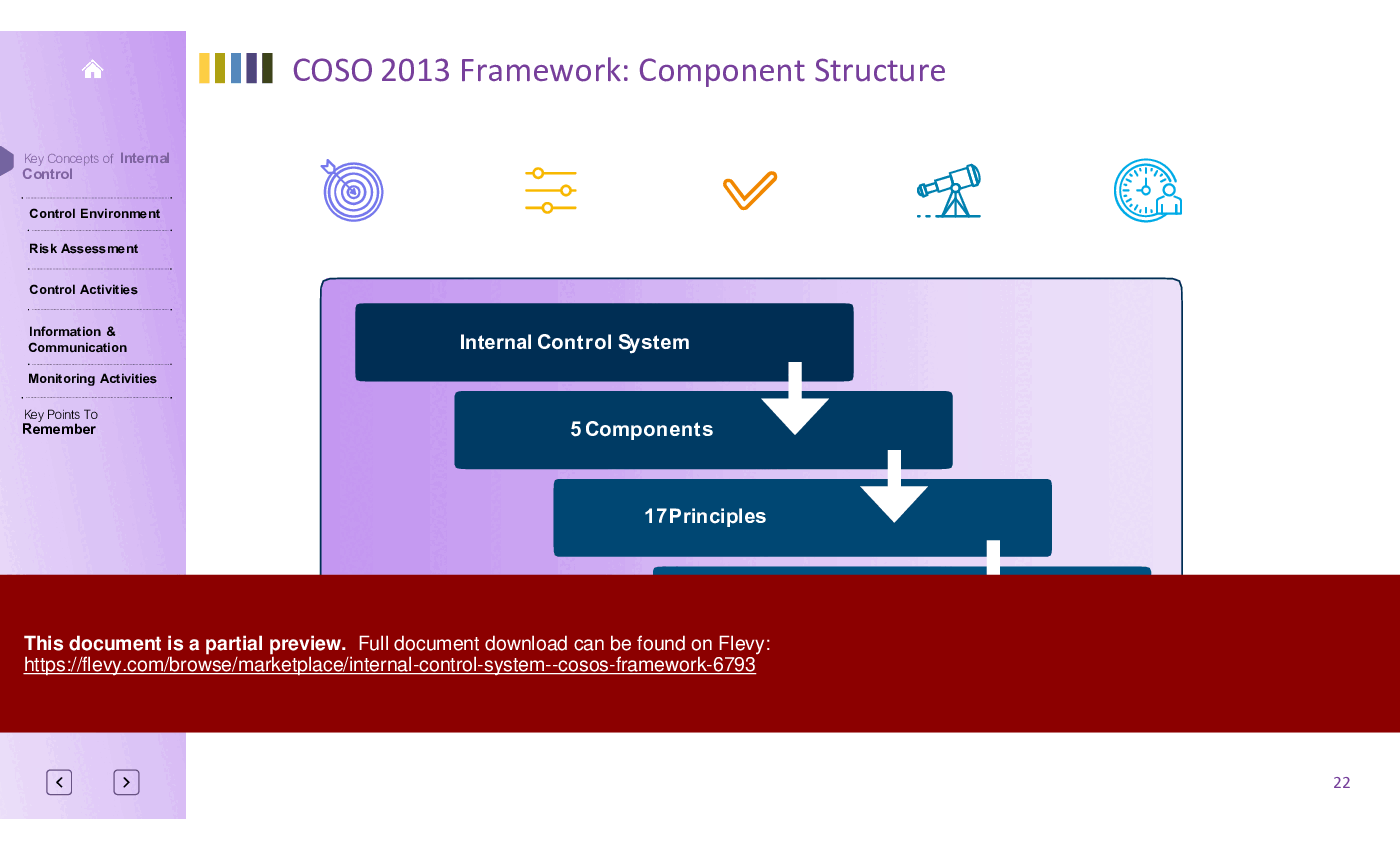
The "Internal Control System - COSO's Framework" presentation provides a comprehensive overview of the COSO framework, which is essential for establishing effective internal controls within organizations. This deck is designed for corporate executives, compliance officers, and risk management professionals who aim to implement robust internal control systems. By utilizing this presentation, users will gain insights into the 5 interrelated components of the COSO framework: Control Environment, Risk Assessment, Control Activities, Information & Communication, and Monitoring Activities. The framework serves as a guide to enhance governance, mitigate risks, and ensure compliance with regulations.
Who This Is For and When to Use
• Corporate Executives overseeing risk management and compliance initiatives
• Internal Auditors assessing the effectiveness of internal controls
• Compliance Officers responsible for regulatory adherence
• Risk Management Professionals identifying and mitigating risks
• Finance Leaders ensuring reliability of financial reporting
Best-fit moments to use this deck:
• During internal audits to evaluate the effectiveness of existing controls
• In training sessions for staff on internal control procedures
• When developing or revising internal control policies and procedures
• For compliance reviews and risk assessments
Learning Objectives
• Define the COSO framework and its significance in internal control
• Identify the 5 components of internal control as outlined by COSO
• Establish effective control environments that promote ethical behavior
• Conduct thorough risk assessments to identify and manage potential risks
• Implement control activities that mitigate risks to organizational objectives
• Facilitate effective communication regarding internal control responsibilities
• Monitor and evaluate the effectiveness of internal control systems over time
Table of Contents
• Definition of Internal Control (page 13)
• Objectives, Components, and Principles (page 17)
• Effective Internal Control (page 12)
• Control Environment (page 27)
• Risk Assessment (page 35)
• Control Activities (page 46)
• Information and Communication (page 53)
• Monitoring Activities (page 60)
• Key Points to Remember (page 69)
• Limitations (page 70)
Primary Topics Covered
• Control Environment - The foundational component that sets the tone for the organization, influencing the control consciousness of its personnel.
• Risk Assessment - A dynamic process for identifying and analyzing risks to achieve organizational objectives, forming the basis for risk management strategies.
• Control Activities - Actions established through policies and procedures to ensure management directives are carried out effectively across all levels.
• Information & Communication - The essential process of sharing relevant information internally and externally to support internal control functions.
• Monitoring Activities - Ongoing evaluations to ascertain whether internal control components are present and functioning effectively.
Deliverables, Templates, and Tools
• Internal control framework overview template
• Risk assessment checklist for identifying potential risks
• Control activities implementation guide
• Communication plan for internal control responsibilities
• Monitoring activities evaluation template
Slide Highlights
• Overview of COSO's 5 components of internal control
• Visual representation of the COSO cube illustrating the framework's structure
• Key principles of effective internal control and their application
• Comparison of COSO framework with Basel framework for internal controls
• The IIA’s Three Lines Model emphasizing accountability and governance
Potential Workshop Agenda
Introduction to COSO Framework (30 minutes)
• Overview of the COSO framework and its importance
• Discussion on the 5 components of internal control
Risk Assessment Workshop (60 minutes)
• Identify and analyze organizational risks
• Develop strategies for effective risk management
Control Activities Implementation (45 minutes)
• Establish control activities to mitigate identified risks
• Discuss best practices for policy and procedure development
Monitoring and Evaluation Session (30 minutes)
• Review methods for ongoing evaluation of internal controls
• Discuss the importance of timely communication of deficiencies
Customization Guidance
• Tailor the control environment section to reflect organizational values and ethical standards
• Adjust the risk assessment framework to align with specific industry risks
• Modify control activities to fit the unique operational processes of the organization
• Update communication strategies to ensure clarity and accessibility of information
Secondary Topics Covered
• History of internal controls and evolution of the COSO framework
• The role of internal audit in monitoring control effectiveness
• Limitations of internal control systems and potential risks
• Compliance with laws and regulations affecting internal controls
• Best practices for fostering a culture of accountability
Topic FAQ
Source: Best Practices in COSO Framework PowerPoint Slides: Internal Control System - COSO's Framework PowerPoint (PPTX) Presentation Slide Deck, RadVector Consulting
|
Receive our FREE presentation on Operational Excellence
This 50-slide presentation provides a high-level introduction to the 4 Building Blocks of Operational Excellence. Achieving OpEx requires the implementation of a Business Execution System that integrates these 4 building blocks. |










