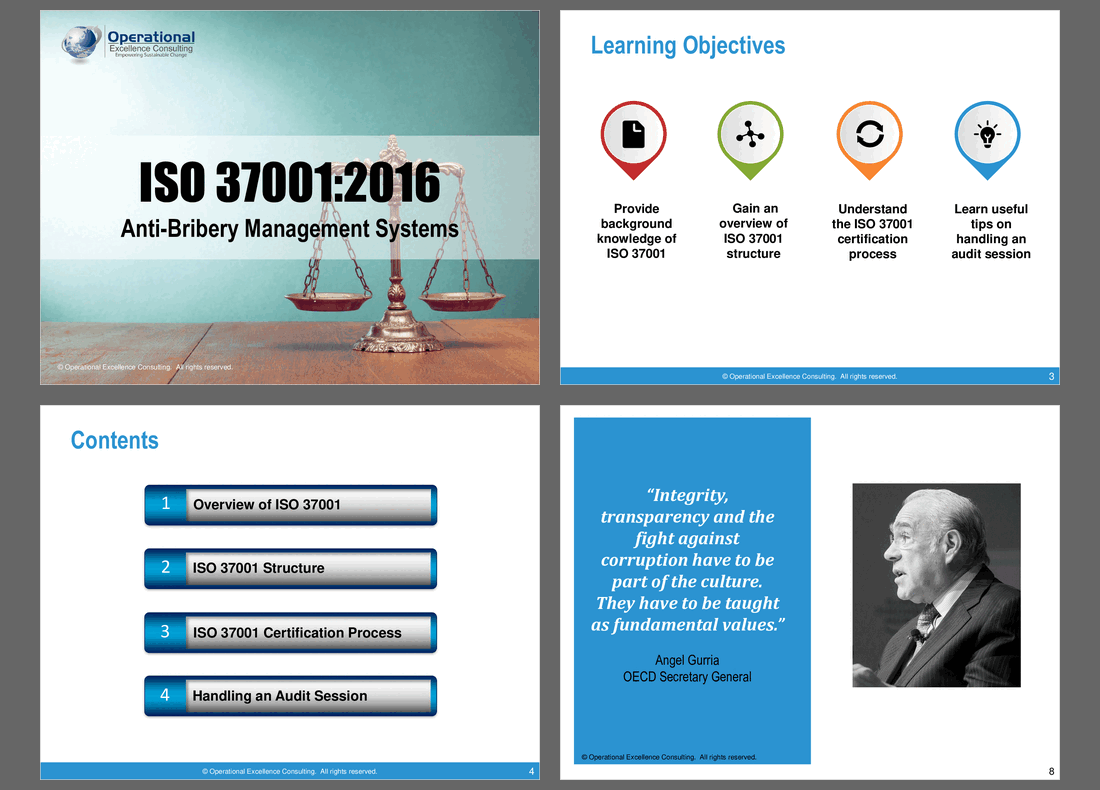

ISO 37001:2016 is an international standard designed and formulated to help organizations implement a robust Anti-Bribery Management Systems (ABMS).
The standard specifies a series of measures to help organizations prevent, detect and address bribery. It is designed to help your organization implement an anti-bribery management system, or enhance the controls you currently have. It helps to reduce the risk of bribery occurring and can demonstrate to your stakeholders that you have put in place internationally recognized good-practice anti-bribery controls.
This presentation can be used to brief your employees so as to create awareness of anti-bribery best practices. The material can be integrated to your organization's existing business conduct and ethics training program. It includes the what and why of ISO 37001, the ABMS clause structure, and offers practical tips on how to handle an audit session.
LEARNING OBJECTIVES
1. Provide background knowledge on ISO 37001.
2. Gain an overview of ISO 37001 structure.
3. Understand the ISO 37001 certification process.
4. Gather useful tips on handling the audit session.
CONTENTS
1. Overview of ISO 37001
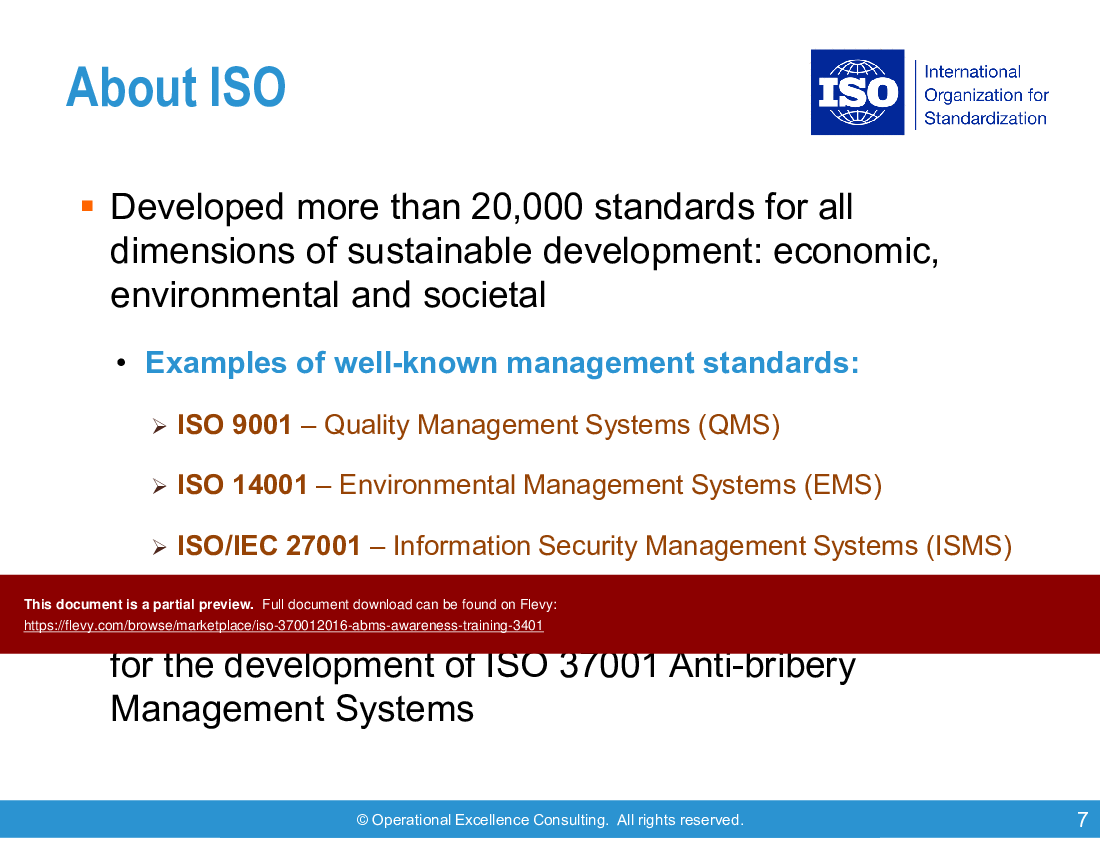
• About ISO
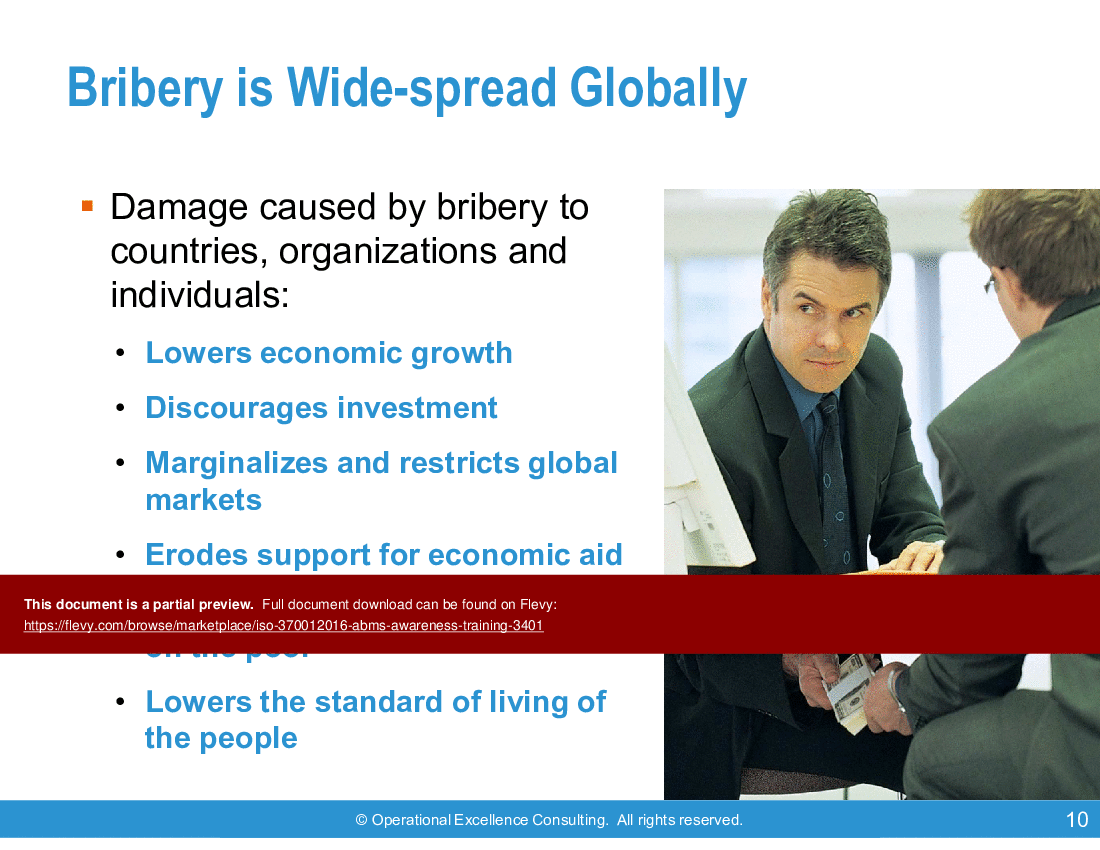
• Bribery is Wide-spread Globally
• Management System Control
• What is ISO 37001?
• Scope of ISO 37001 ABMS
• Who Can Use the ISO 37001 Standard?
• ISO 37001 Can Be Integrated With Other Common ISO Standards
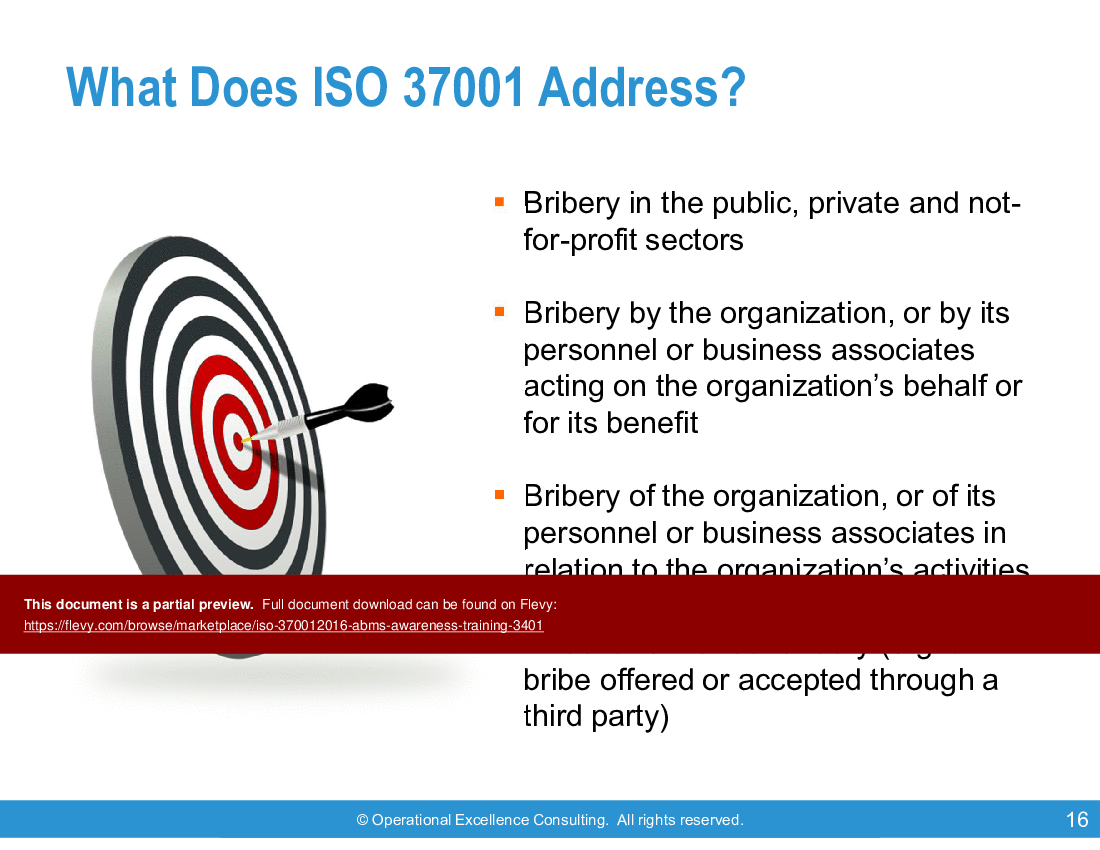
• What Does ISO 37001 Address?
• What is the Standard's Definition of Bribery?
• What Does the Standard Require?
• Benefits of ISO 37001
• ISO 37001 Certification
2. ISO 37001 Structure
• Annex L – Implications
• Overview of Annex L
• The ISO 37001 Structure is Aligned to the Common Structure for MSS
• The Plan-Do-Check-Act (PDCA) Process Model
• ISO 37001 Approach is Based on the PDCA Cycle
• PDCA and ISO 37001 Clause Structure
• ISO 37001 Clause Structure (4-10)
• Context of the Organization
• Leadership
• Planning
• Support
• Operation
• Performance Evaluation
• Improvement
3. ISO 37001 Certification
• Becoming ISO 37001 Registered
• The ISO 37001 Certification Process
• Audit Findings
4. Handling an Audit Session
• Rights of Auditee
• Rights of Auditor
• How to Handle the Audit Session?
• Auditee's Conduct
• Do's
• Don'ts
• Say No to Bribery
This presentation covers the global impact of bribery and the scope of ISO 37001 ABMS. It also provides detailed guidance on interacting with auditors during an audit session.
Got a question about the product? Email us at support@flevy.com or ask the author directly by using the "Ask the Author a Question" form. If you cannot view the preview above this document description, go here to view the large preview instead.
Executive Summary
The ISO 37001:2016 Anti-Bribery Management Systems presentation is a comprehensive training tool designed to enhance awareness and understanding of anti-bribery practices within organizations. Developed by an experienced ISO Management System Lead Auditor, this presentation equips corporate executives and compliance teams with the knowledge to implement effective anti-bribery management systems. It covers the structure, certification process, and practical tips for handling audits, enabling organizations to establish robust compliance programs that mitigate bribery risks.
Who This Is For and When to Use
• Compliance Officers responsible for implementing anti-bribery measures
• Corporate Executives seeking to enhance organizational integrity
• Internal Auditors conducting compliance assessments
• Training and Development Teams focused on compliance education
• Risk Management Professionals evaluating bribery risks
Best-fit moments to use this deck:
• During compliance training sessions for new employees
• As part of an organizational initiative to enhance ethical standards
• Prior to an upcoming ISO 37001 certification audit
• When conducting internal audits related to anti-bribery practices
Learning Objectives
• Provide background knowledge of ISO 37001
• Gain an overview of ISO 37001 structure
• Understand the ISO 37001 certification process
• Learn useful tips on handling an audit session
• Identify key measures and controls for anti-bribery compliance
• Develop strategies for integrating ISO 37001 with existing management systems
Table of Contents
• Overview of ISO 37001 (page 5)
• ISO 37001 Structure (page 22)
• ISO 37001 Certification Process (page 30)
• Handling an Audit Session (page 37)
Primary Topics Covered
• Overview of ISO 37001 - This section introduces ISO 37001 as a standard for establishing and maintaining an anti-bribery management system, emphasizing its global relevance.
• ISO 37001 Structure - Details the framework of ISO 37001, including its alignment with the High-Level Structure for management system standards.
• ISO 37001 Certification Process - Outlines the steps for achieving certification, including internal audits and the selection of certification bodies.
• Handling an Audit Session - Provides practical guidance on how to effectively manage audit sessions, including rights of the auditee and auditor interactions.
• Bribery Risks and Controls - Discusses the importance of implementing specific measures to prevent and address bribery within organizations.
• Integration with Other Standards - Explains how ISO 37001 can be integrated with other ISO standards for a cohesive management approach.
Deliverables, Templates, and Tools
• Anti-bribery policy template for organizational use
• Risk assessment framework for identifying bribery risks
• Audit checklist for ISO 37001 compliance
• Training materials for employee education on anti-bribery practices
• Internal audit report template for documenting findings
• Guidelines for conducting effective audit sessions
Slide Highlights
• Overview of ISO 37001, emphasizing its significance in combating bribery globally
• Detailed breakdown of the ISO 37001 structure, showcasing its alignment with other ISO standards
• Step-by-step certification process flowchart, illustrating key milestones
• Practical tips for handling audit sessions, ensuring a smooth audit experience
• Key statistics on the prevalence of bribery and its impact on organizations
Potential Workshop Agenda
ISO 37001 Overview (60 minutes)
• Introduction to ISO 37001 and its importance
• Discussion on the structure and key components of the standard
Certification Process Workshop (90 minutes)
• Overview of the certification process
• Interactive session on preparing for audits and compliance
Audit Handling Techniques (60 minutes)
• Best practices for managing audit sessions
• Role-playing scenarios to practice auditor interactions
Customization Guidance
• Tailor the anti-bribery policy template to reflect organizational values and specific risks
• Adjust training materials to include industry-specific examples and case studies
• Modify the audit checklist to align with internal processes and compliance requirements
Secondary Topics Covered
• Definition and implications of bribery in various sectors
• The role of leadership in fostering a culture of integrity
• Importance of continuous improvement in anti-bribery management systems
• Case studies highlighting successful implementation of ISO 37001
FAQ
What is ISO 37001?
ISO 37001 is an international standard for anti-bribery management systems, designed to help organizations prevent, detect, and address bribery effectively.
Who can implement ISO 37001?
The standard is flexible and applicable to a wide range of organizations, including large corporations, SMEs, NGOs, and public sector entities.
What are the benefits of certification?
Certification demonstrates a commitment to ethical practices, provides assurance to stakeholders, and can enhance an organization's reputation.
How does ISO 37001 integrate with other standards?
ISO 37001 is based on the High-Level Structure, allowing for seamless integration with other ISO management system standards like ISO 9001 and ISO 14001.
What measures are required for compliance?
Organizations must implement an anti-bribery policy, conduct risk assessments, provide training, and establish monitoring and reporting mechanisms.
What is the certification process?
The certification process involves implementing the anti-bribery management system, conducting internal audits, and undergoing an external audit by a certification body.
How can organizations prepare for an audit?
Preparation includes reviewing internal processes, conducting mock audits, and ensuring all documentation is in order.
What should organizations do if non-conformities are found during an audit?
Organizations should address non-conformities promptly, implement corrective actions, and document the resolution process.

Glossary
• Anti-Bribery Management System (ABMS) - A framework for preventing and addressing bribery within organizations.
• Certification Body - An independent organization that assesses compliance with ISO standards.
• Non-Conformity - A failure to meet the requirements of the ISO standard during an audit.
• Risk Assessment - The process of identifying and evaluating bribery risks within an organization.
• Stakeholders - Individuals or groups with an interest in the organization's operations, including employees, customers, and investors.
• High-Level Structure - A common framework for ISO management system standards that facilitates integration.
• Internal Audit - A systematic examination of an organization's processes to ensure compliance with standards.
• Corrective Action - Steps taken to address non-conformities and prevent recurrence.
• Bribery - Offering, giving, receiving, or soliciting something of value to influence an action.
• Continuous Improvement - Ongoing efforts to enhance processes and systems within an organization.
• Due Diligence - The investigation and evaluation of potential risks associated with business associates or projects.
• Training and Awareness - Programs designed to educate employees about anti-bribery policies and practices.
Source: Best Practices in Business Ethics, Fraud, ISO 37001 PowerPoint Slides: ISO 37001:2016 (Anti-Bribery Management Systems) Awareness PowerPoint (PPTX) Presentation Slide Deck, Operational Excellence Consulting
|
Download our FREE Organization, Change, & Culture, Templates
Download our free compilation of 50+ slides and templates on Organizational Design, Change Management, and Corporate Culture. Methodologies include ADKAR, Burke-Litwin Change Model, McKinsey 7-S, Competing Values Framework, etc. |