
 Click main image to view in full screen. Unlock all 28 preview images:
Introduction to Design Thinking – PowerPoint PPTX Template
PowerPoint (PPTX) + supplemental PDF 91 Slides


BENEFITS OF THIS DOWNLOADABLE POWERPOINT DOCUMENT
- Maximize Market ROI: Leverage the strategic discipline that has enabled design-led companies to outperform the S&P 500 by an extraordinary 219% over the last decade.
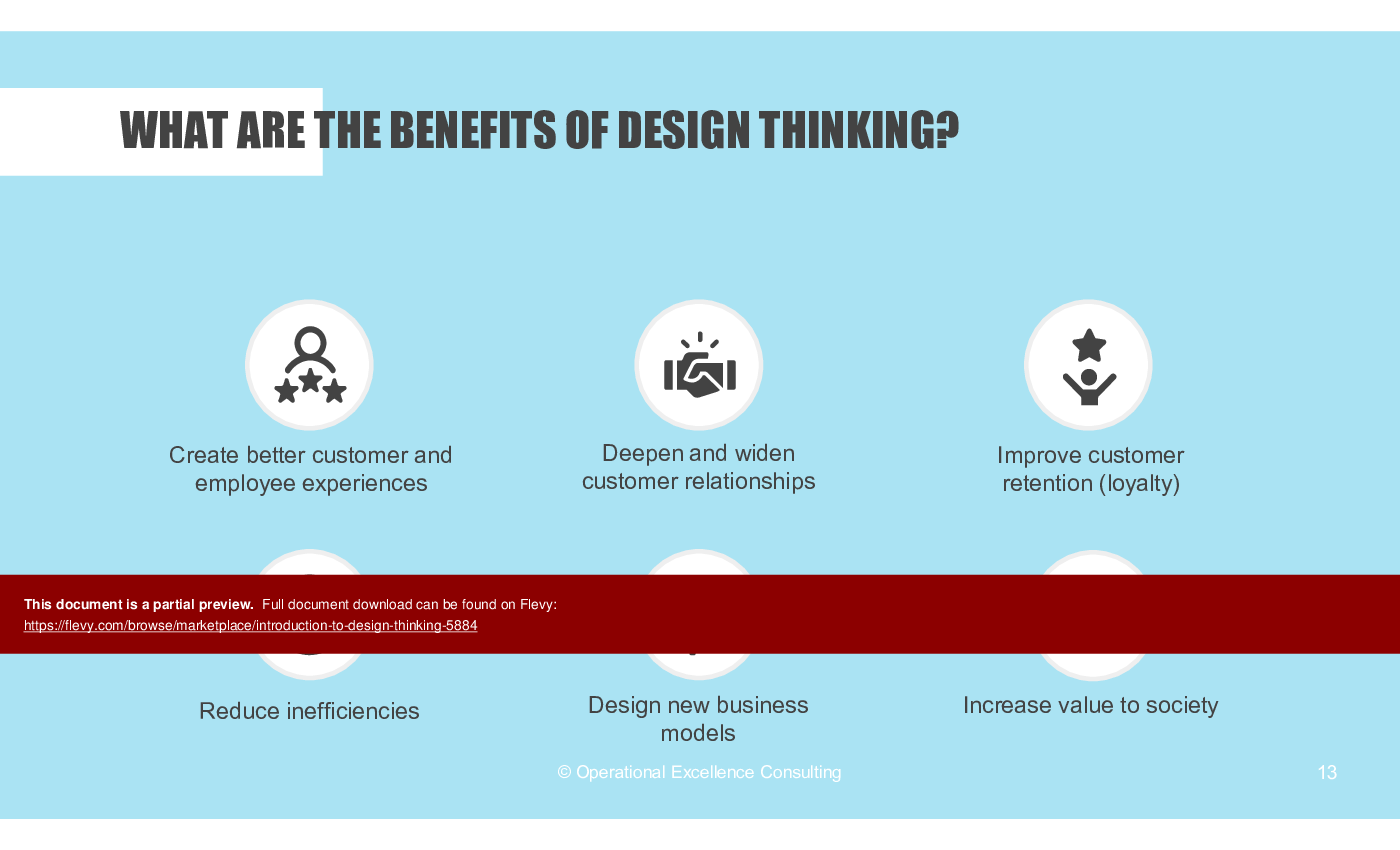
- Drive Strategic Growth: Move beyond simple aesthetics to reduce inefficiencies, identify new business models, and create high-value customer experiences.
- Boost Customer Retention: Transition your leadership team to a human-centered mindset that deepens and widens customer relationships while increasing loyalty.
DESIGN THINKING PPT TEMPLATE DESCRIPTION
INTRODUCTION TO DESIGN THINKING:THE STRATEGIC RESOURCE FOR BUSINESS GROWTH
Drive 219% market outperformance through human-centered innovation. This persuasive, executive-level presentation details how design-driven companies have maintained a significant stock-market advantage, outperforming the S&P 500 by an extraordinary 219% over the last ten years. Designed for leadership teams, this resource justifies the strategic shift from traditional processes to a high-impact innovation engine.
The Failure of Traditional Communication
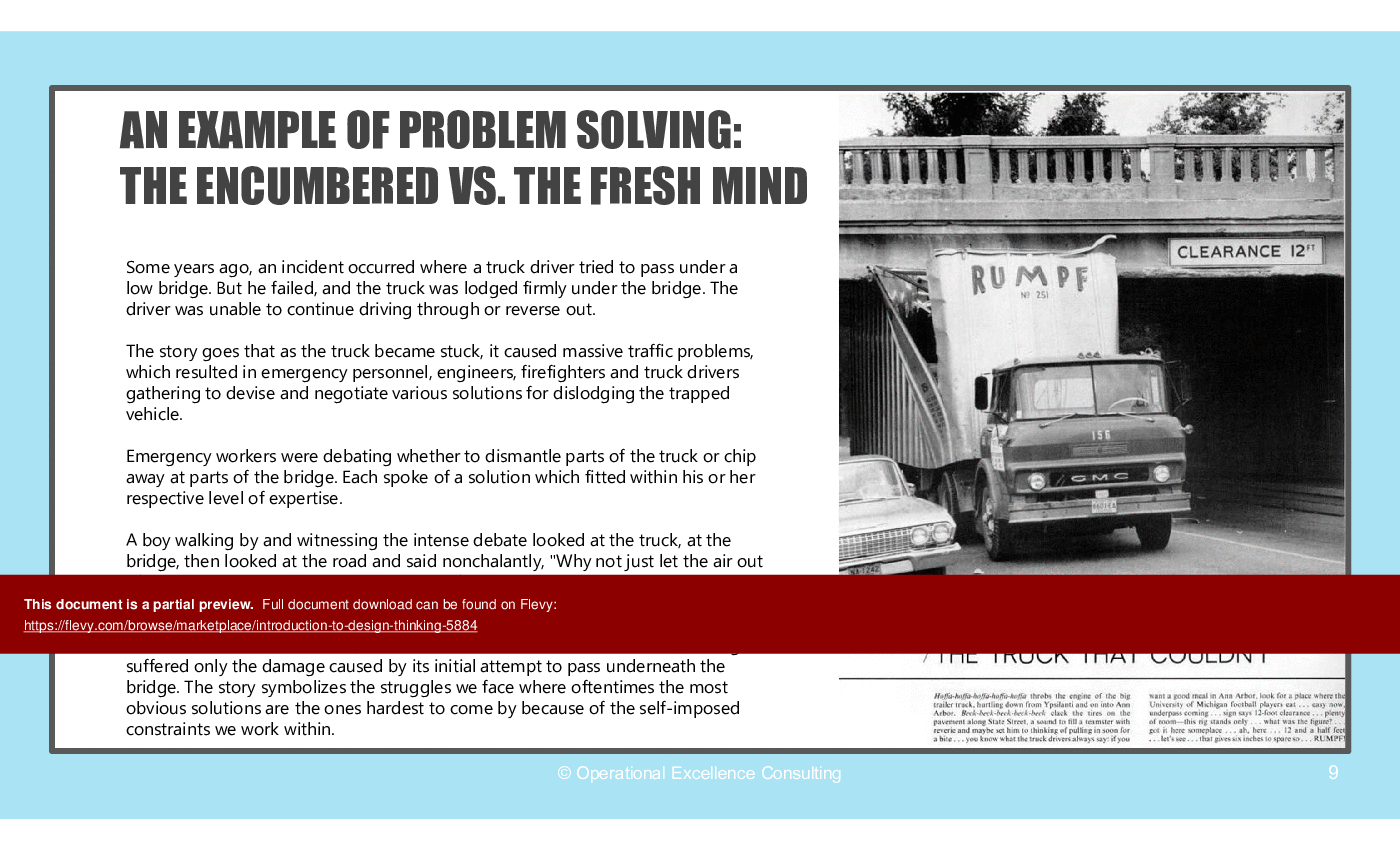
Organizations often face the "Designer Paradox"—a fundamental disconnect where what the customer explains, what the project leader understands, and what is eventually built are wildly different. Traditional thinking, which prioritizes documentation, certainty, and "getting it right the first time," frequently misses the mark in rapidly changing markets. To survive, organizations must abandon the "silver bullet" mindset and adopt a system that thrives on ambiguity and experimental learning.
What is Design Thinking?
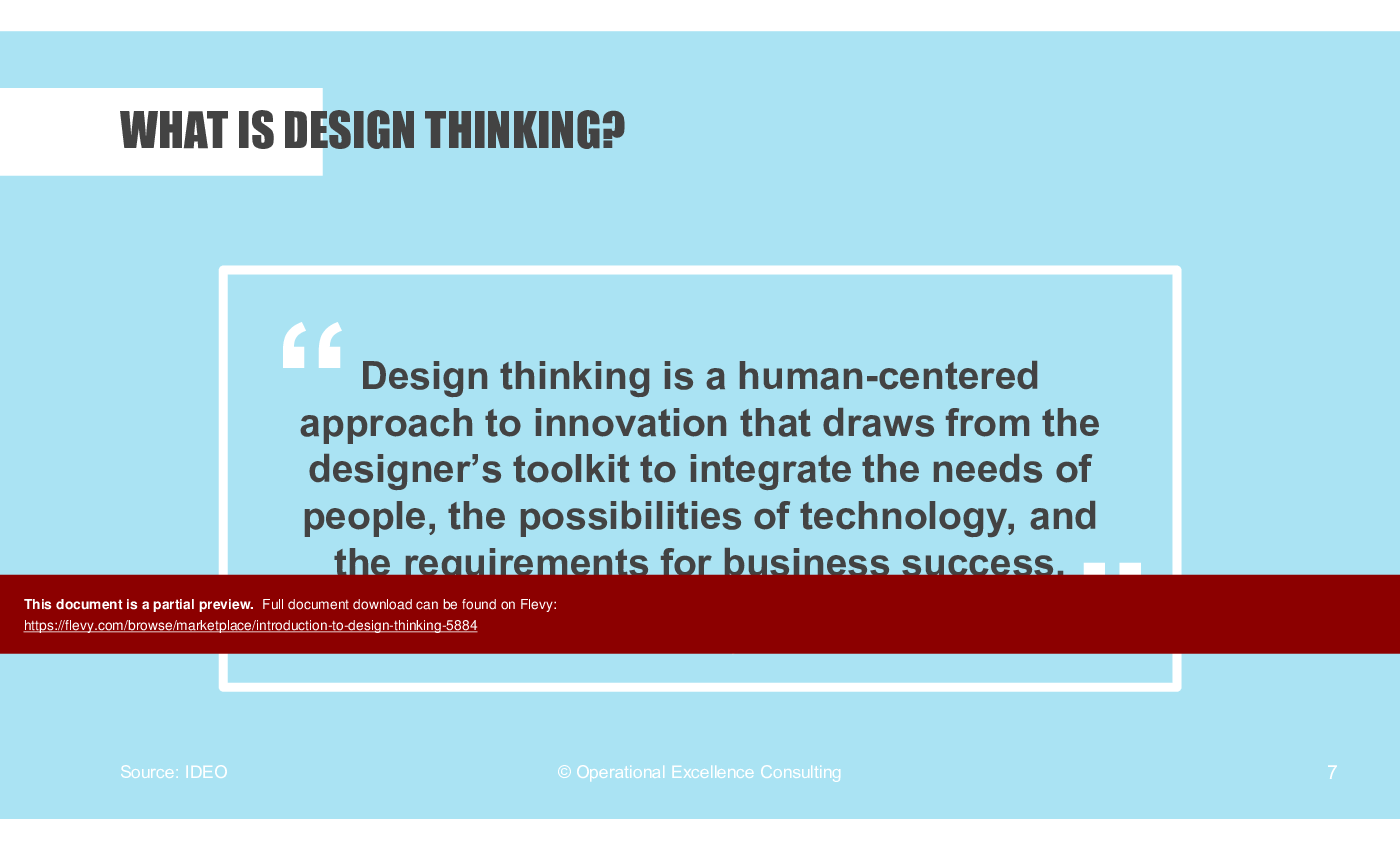
According to IDEO, Design Thinking is a human-centered approach to innovation that draws from a designer's toolkit to integrate the needs of people (Desirability), the possibilities of technology (Feasibility), and the requirements for business success (Viability). It is as much a mindset as it is a process for solving "wicked problems" that lack clear definitions.
The Strategic Benefits of Adoption
By utilizing this presentation, your organization can begin the journey to reduce inefficiencies and increase customer retention. You will move beyond aesthetics and craft to a strategic discipline that deepens and widens customer relationships while creating an organizational culture that iterates faster than the problems can change.
A Catalyst for Organizational Change
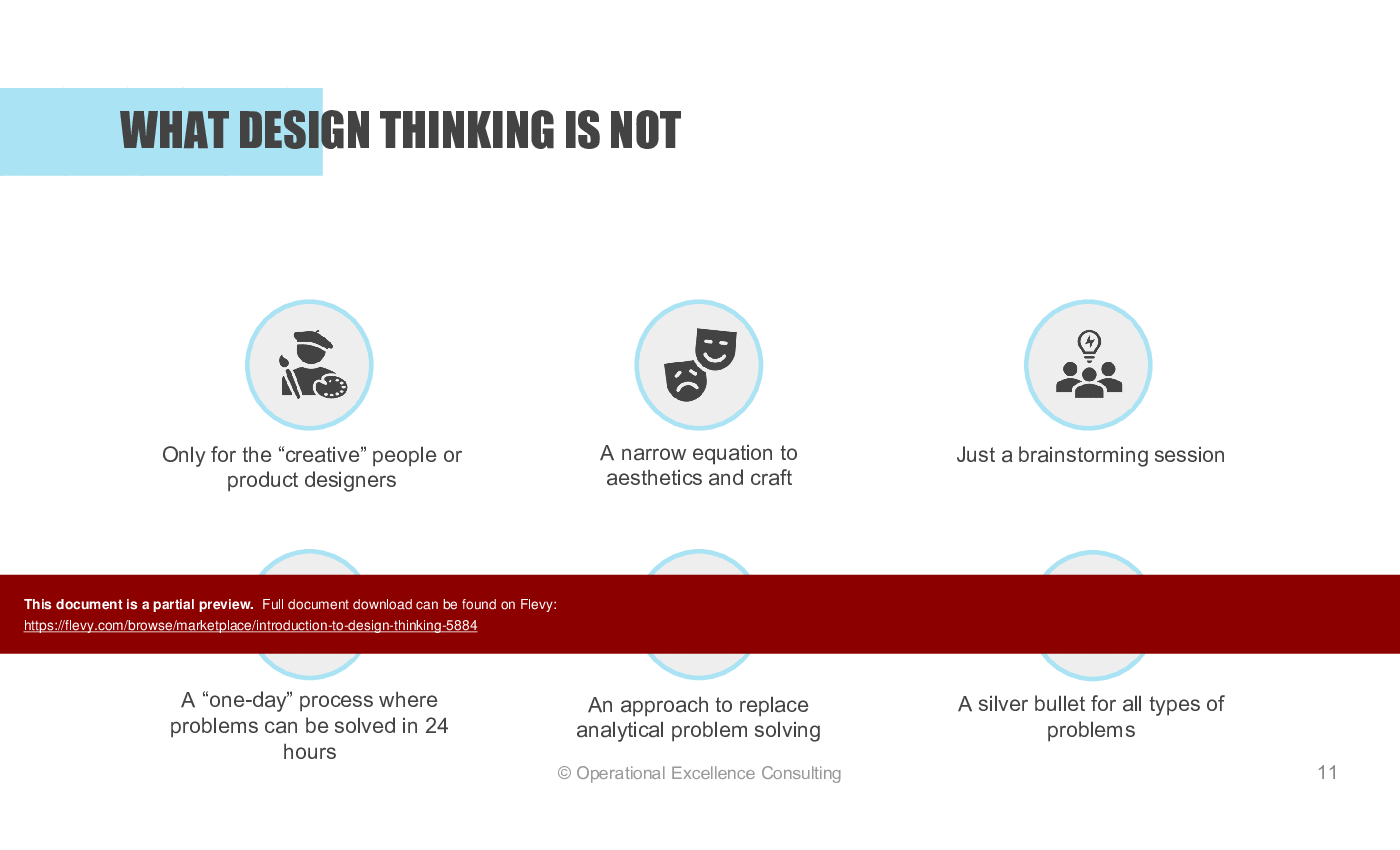
Design Thinking is not a "one-day" process or a magic fix; it is a fundamental shift in how business value is created. This toolkit provides the evidence needed to convince management that "business people don't just need to understand designers better; they need to *become* designers".
TARGET AUDIENCE
This presentation is strategically developed for C-Suite Executives, HR Directors, and Senior Stakeholders. It serves as a persuasive tool to build executive buy-in for organizational transformation and to establish a common language for innovation across the leadership team.
EXECUTIVE LEARNING OBJECTIVES
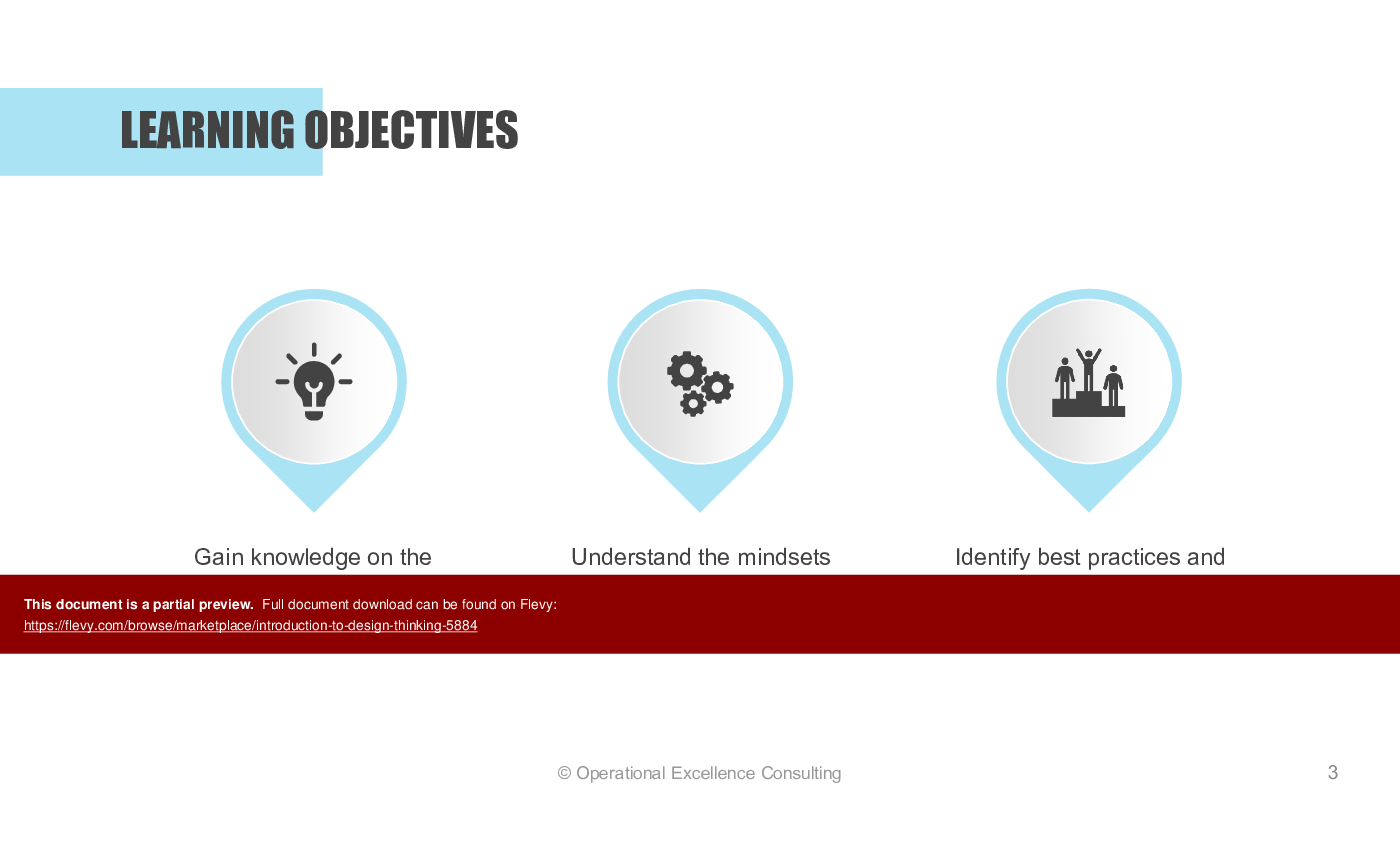
• Quantify Strategic Impact: Understand the correlation between design-centricity and massive market outperformance.
• Adopt Leadership Mindsets: Transition from "scared of failing" to "learning from failure" and from "talking about ideas" to "making ideas".
• Master the Holistic Approach: Learn to balance the Three Lenses of Human-Centered Design for experience innovation.
• Identify Global Best Practices: Analyze how world-class organizations like Apple, Starbucks, and Nike apply these principles to win.
TRAINING CURRICULUM
1. Key Concepts & Business Impact: Explore the history of the movement and the tangible ROI of design-driven strategies.
2. The Design Thinking Attitude: Contrast the rigid "Traditional Thinker" with the agile "Design Thinker" who embraces uncertainty.
3. Core Mindsets for Success: Embed radical collaboration, a bias toward action, and a relentless focus on human values.
4. The 5-Stage Framework Overview: A high-level walkthrough of Empathize, Define, Ideate, Prototype, and Test.
5. Industry Success Stories:
• Starbucks: Achieving local relevance in a global market.
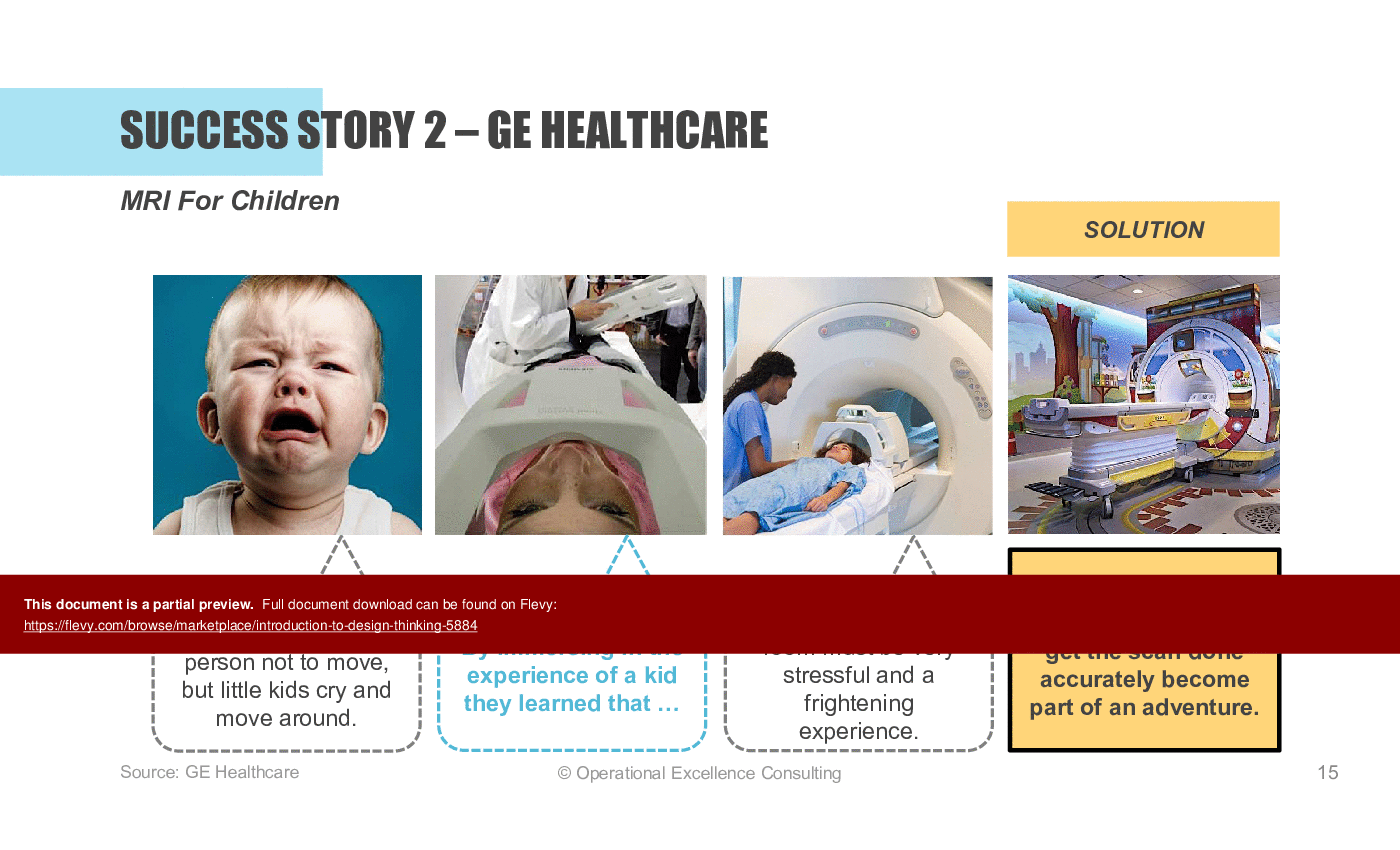
• GE Healthcare: Reimagining the child's MRI experience.
• Nike: Capturing niche communities like the skateboarding culture.
• Adobe & P&G: Driving revenue through new business models and customer-centric product launches.
6. Transforming the Organization: Implementing a "Top-Down" approach where customer experience is chaired by the CEO.
Got a question about the product? Email us at support@flevy.com or ask the author directly by using the "Ask the Author a Question" form. If you cannot view the preview above this document description, go here to view the large preview instead.
PRESENTATION DEEP DIVE ANALYSIS
This deep-dive analysis was generated from the full 91-slide PowerPoint presentation.
Source: Best Practices in Design Thinking PowerPoint Slides: Introduction to Design Thinking PowerPoint (PPTX) Presentation Slide Deck, Operational Excellence Consulting
ABOUT THE AUTHOR

Operational Excellence Consulting, founded in 2009 by Allan Ung, draws from extensive experience at Microsoft, IBM, and Underwriters Laboratories (UL). We specialize in strategy deployment, customer experience design, and operational excellence, applying Design Thinking, Lean, and Systems Thinking to maximize customer value and minimize waste.
Our
... [read more]
Ask the Author a Question
You must be logged in to contact the author.




























