
 Click main image to view in full screen. Unlock all 9 preview images:
Hybrid Efficiency Decision Gap – PDF
PDF document 22 Pages


BENEFITS OF THIS DOWNLOADABLE PDF DOCUMENT
- Provides a structured way to distinguish conversion losses, operating mismatch, energy-allocation effects, thermal constraints, and real-world utilization issues.
- Helps decision-makers evaluate HEV, PHEV, and EREV trade-offs against actual operating regimes rather than relying on universal architecture rankings.
- Translates fragmented technical evidence into practical decision priorities for architecture selection, calibration, product strategy, and supplier opportunity assessment.
PDF DESCRIPTION
Hybrid vehicle efficiency is often discussed as if it were primarily a property of architecture: series, parallel, power-split, plug-in hybrid, or range-extender. In practice, the outcome can change materially when operating regime, duty cycle, energy-allocation strategy, thermal conditions, charging behavior, and real-world usage are introduced.
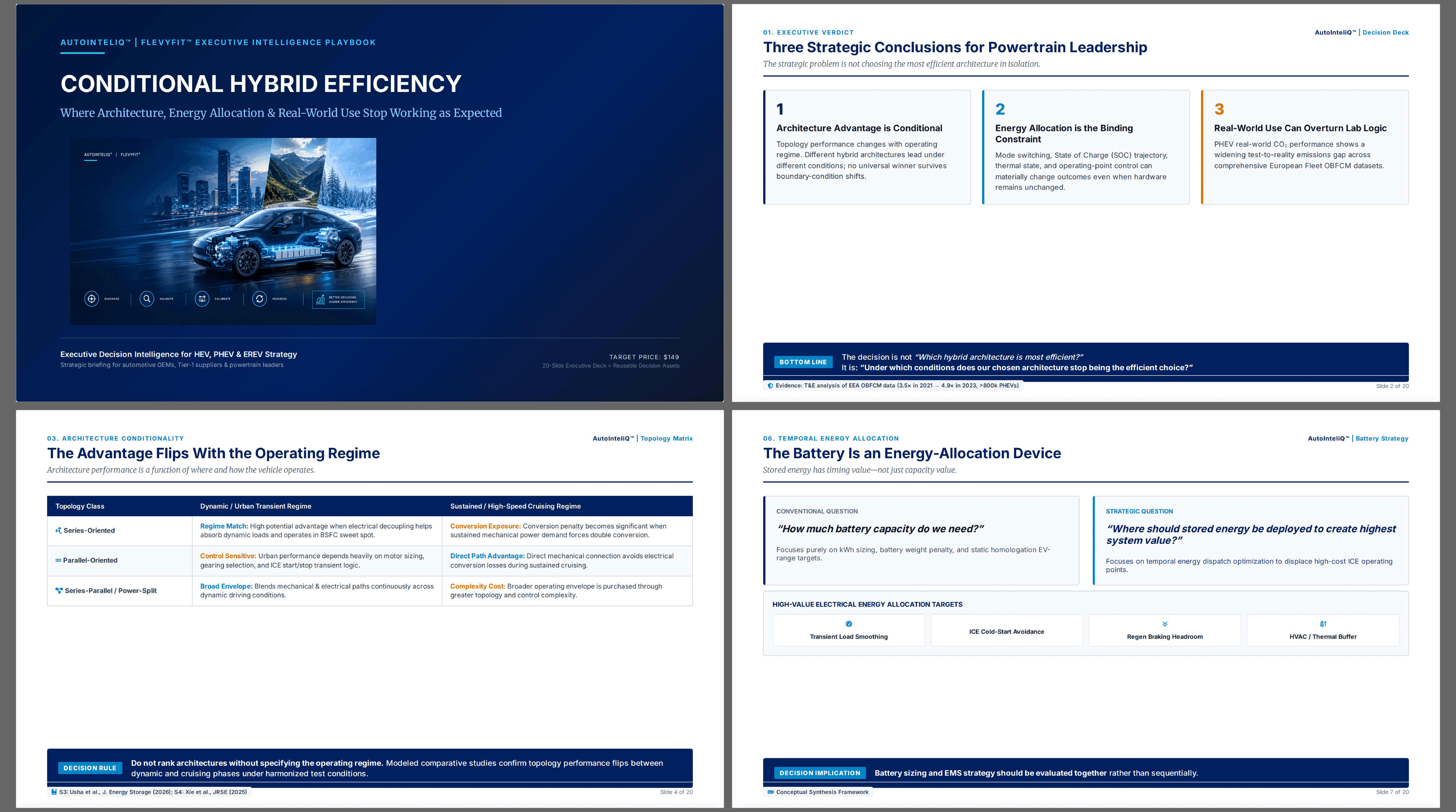
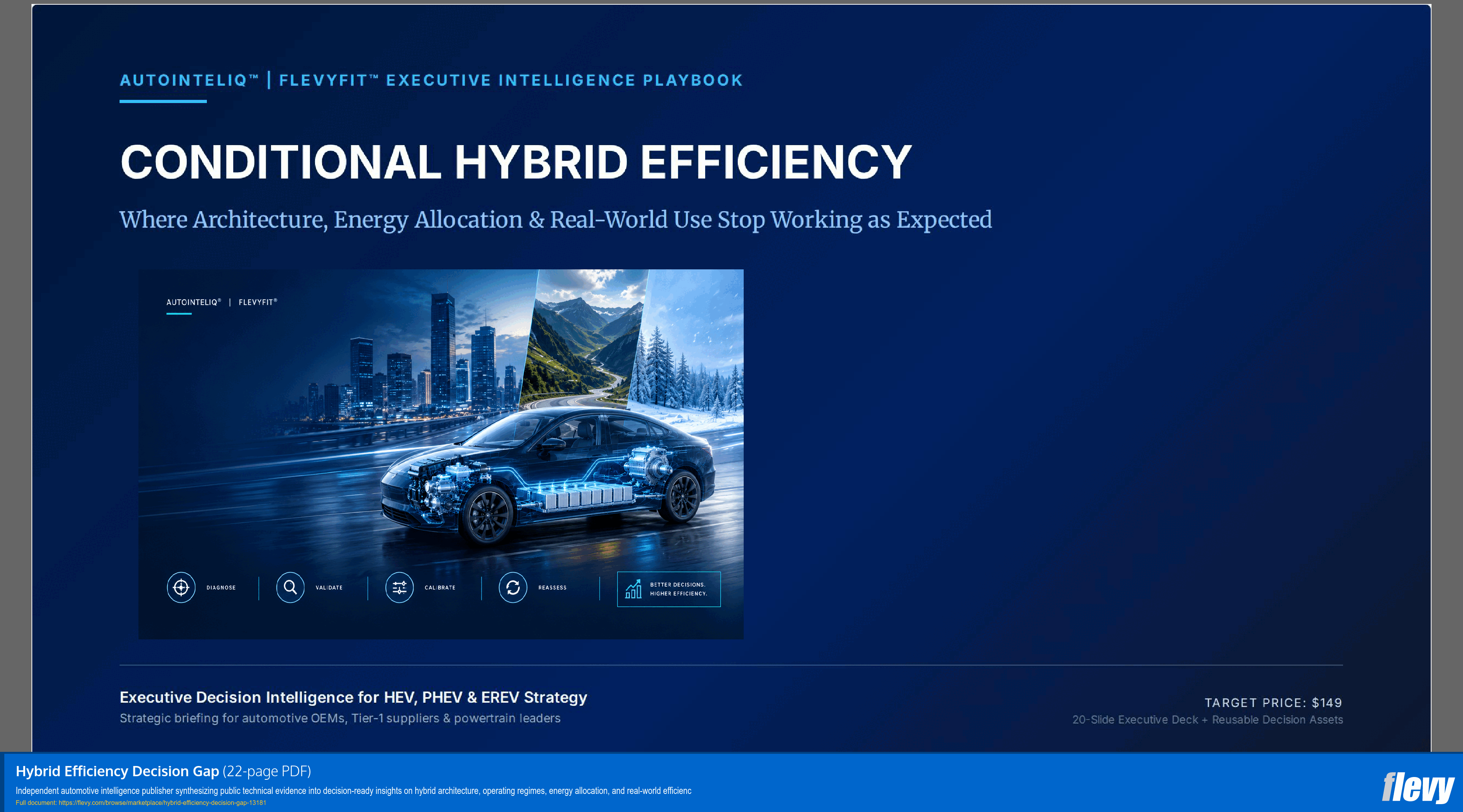
The Hybrid Efficiency Decision Gap is an Executive Intelligence Playbook designed to help automotive strategy, powertrain, controls, product, and advanced engineering teams understand where that divergence occurs and which decisions deserve further validation.
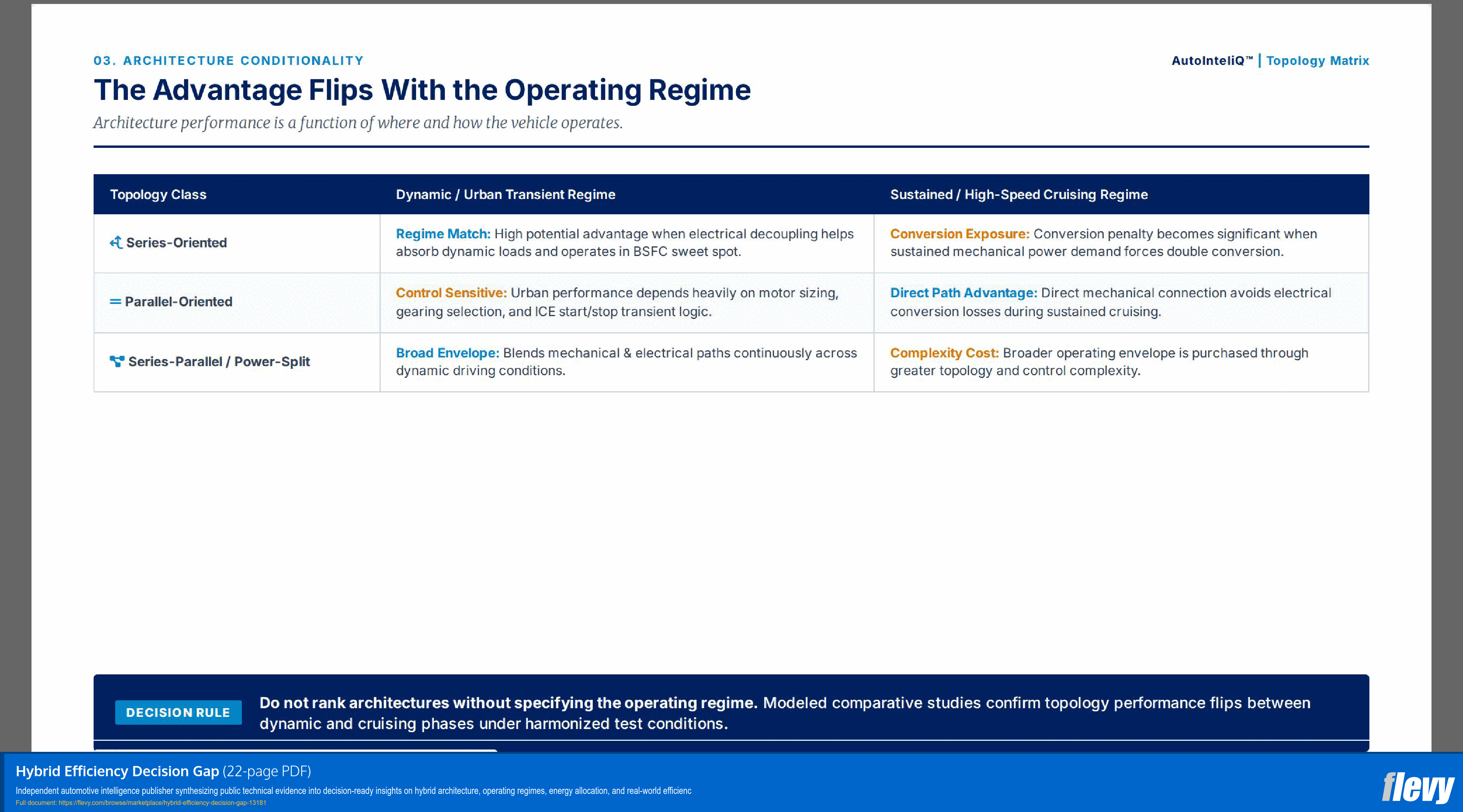
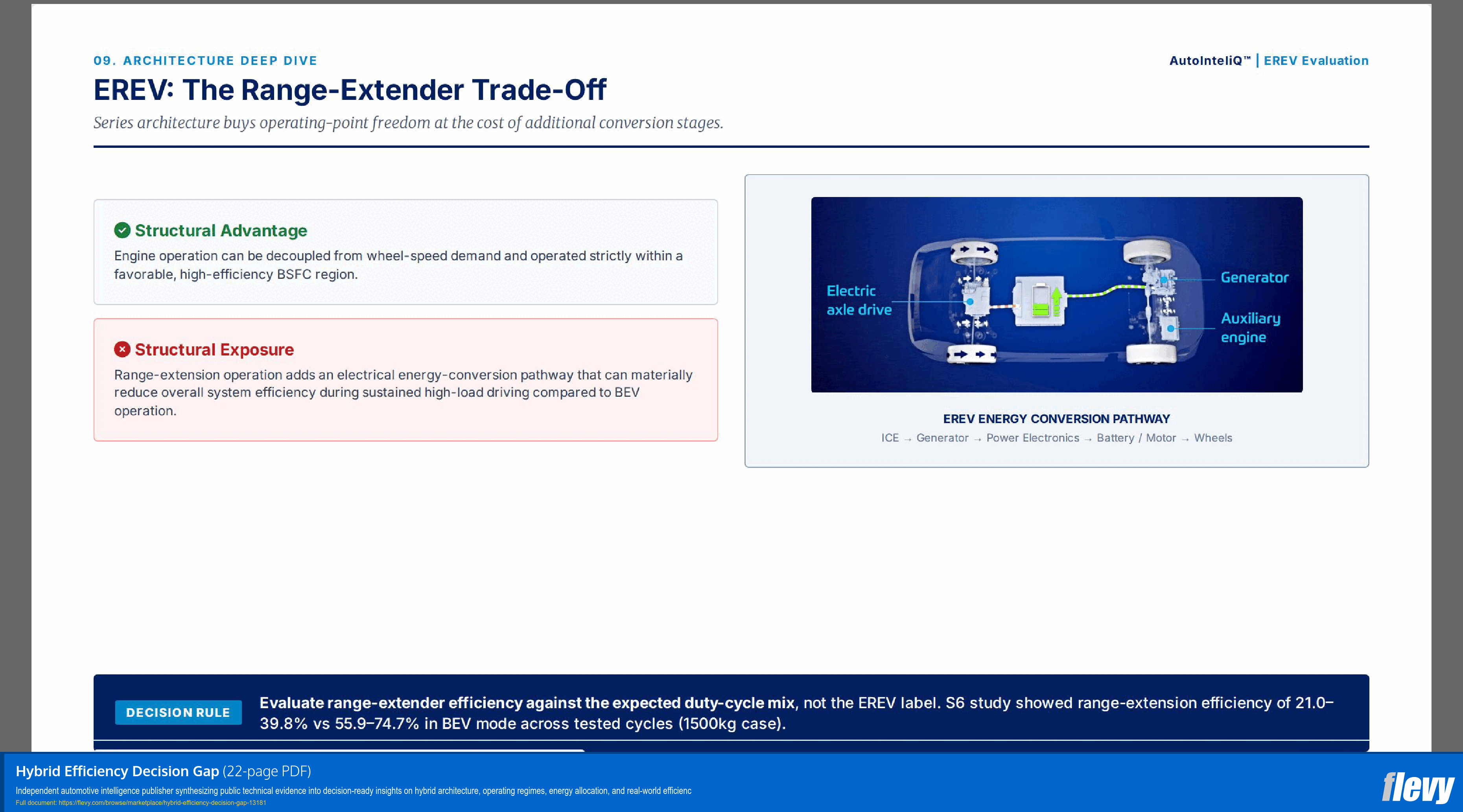
The playbook examines HEV, PHEV, and EREV architectures through a common decision lens rather than treating each technology as an isolated technology chapter. It maps energy pathways, conversion losses, operating-regime effects, control and energy-allocation trade-offs, and the divergence between laboratory assumptions and real-world vehicle use.
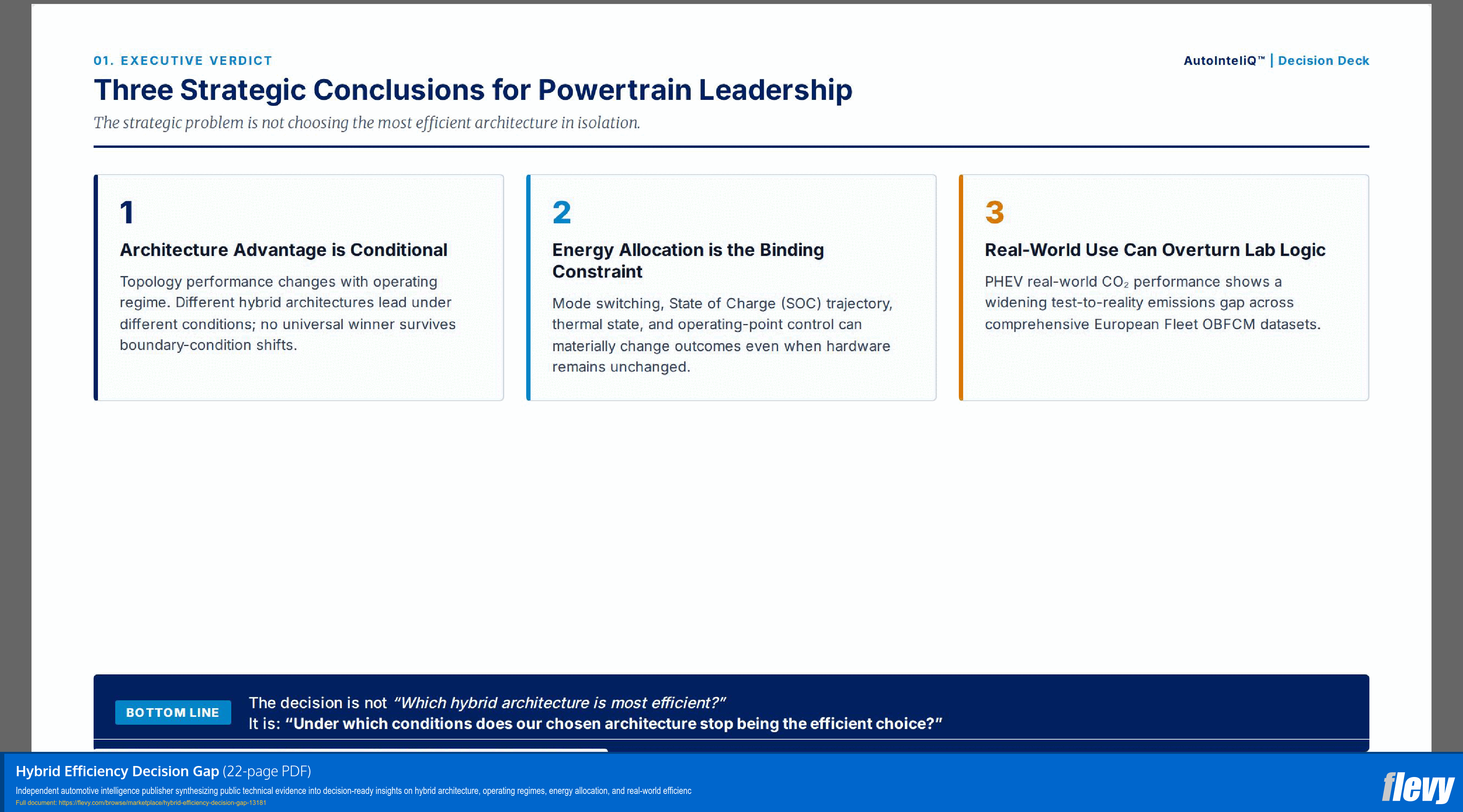
The central question is not simply which hybrid architecture is "most efficient." It is when an architecture becomes strategically mismatched with the operating conditions in which the vehicle will actually be used.
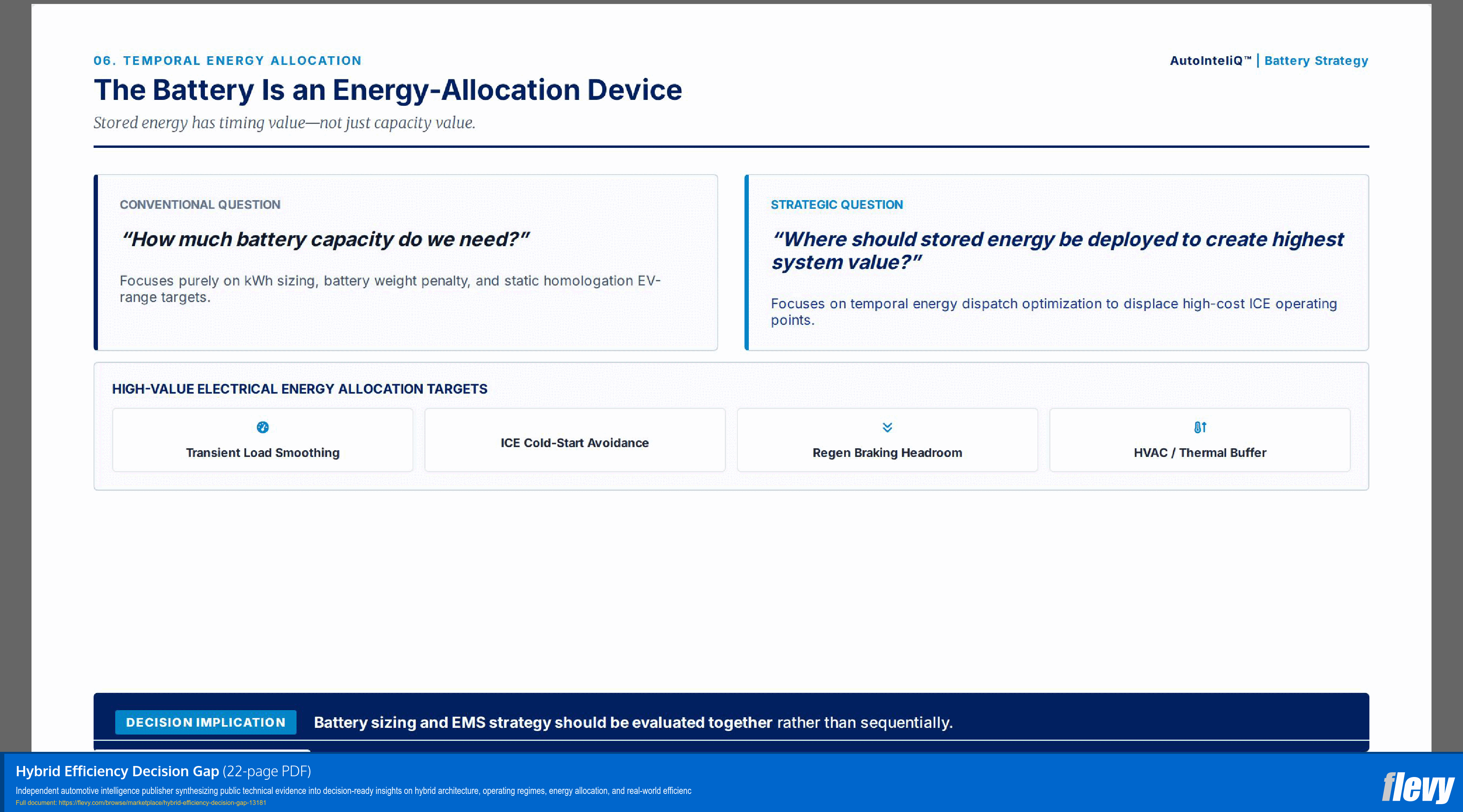
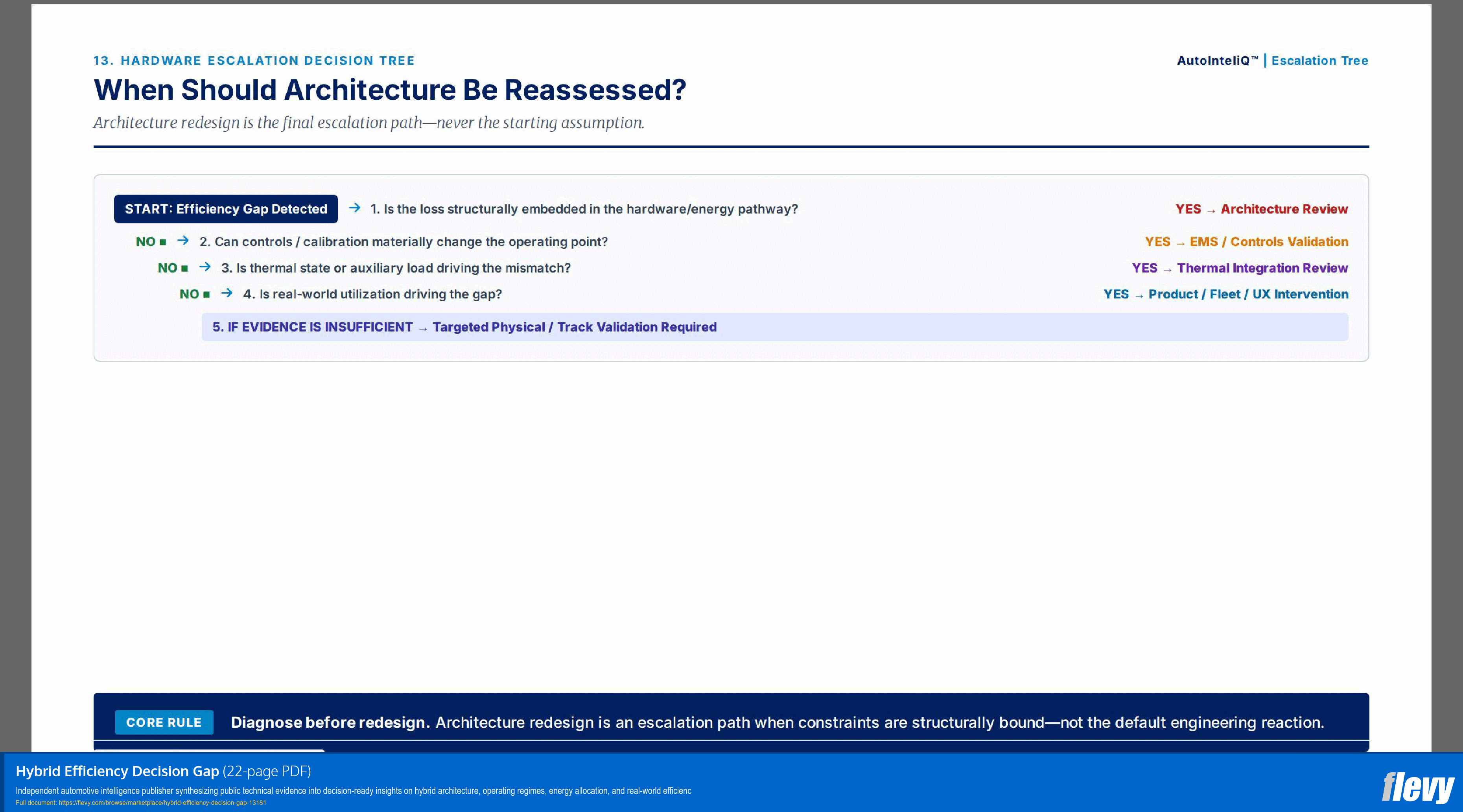
The analysis distinguishes several different sources of performance divergence, including conversion inefficiency, operating mismatch, energy-allocation decisions, thermal constraints, charging behavior, and utilization patterns. This distinction is important because each type of loss points toward a different decision owner and a different intervention.
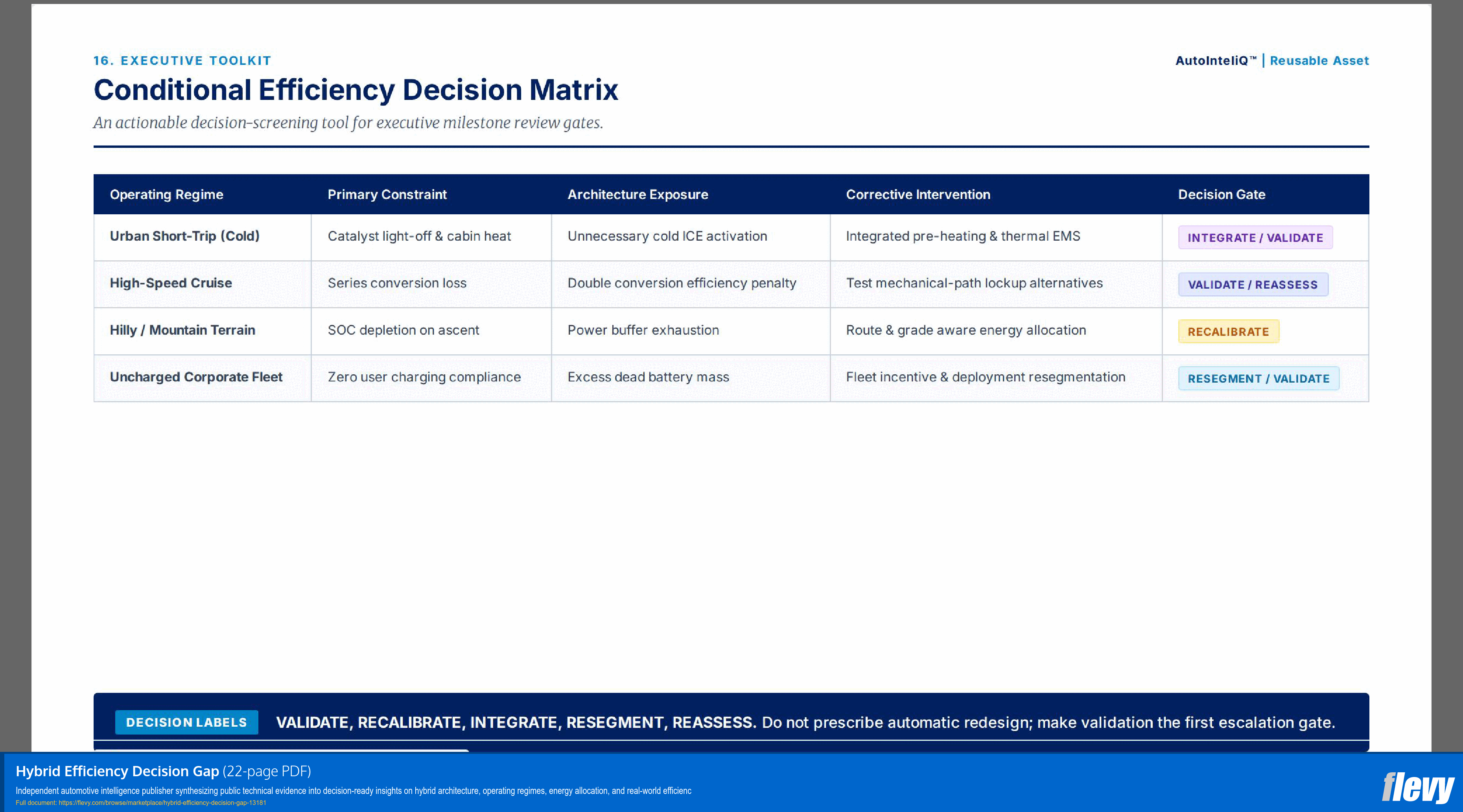
The playbook also examines how urban stop-and-go operation, sustained highway driving, temperature extremes, trip characteristics, battery state, charging behavior, and other operating conditions can change the relative attractiveness of hybrid configurations. Rather than presenting a universal architecture ranking, it emphasizes conditional decision logic and explicit boundary conditions.
The result is a practical decision framework for identifying where efficiency value is being lost, understanding why the loss occurs, determining which organizational function owns the problem, and prioritizing areas that warrant engineering validation, calibration work, product-planning review, or supplier investigation.
The playbook is particularly relevant to OEM product strategy, powertrain engineering, energy-management and controls teams, vehicle integration, advanced engineering, and Tier-1 technology organizations evaluating hybrid-system architecture and efficiency opportunities.
It is intentionally not positioned as a vehicle-specific engineering simulation, CAE model, homologation analysis, or substitute for proprietary OEM testing. Quantitative findings are treated as evidence-backed benchmarks and decision signals rather than universal performance guarantees.
The objective is executive compression: bringing fragmented technical and real-world evidence into a structured decision view that can be consumed quickly, challenged intelligently, and carried into subsequent engineering or strategic validation.
The core takeaway: hybrid efficiency should not be evaluated solely by asking which architecture is better. The more useful question is which architecture, energy-allocation strategy, and operating configuration remains fit for the regime in which the vehicle will actually operate—and where the next efficiency opportunity should be validated.
Got a question about the product? Email us at support@flevy.com or ask the author directly by using the "Ask the Author a Question" form. If you cannot view the preview above this document description, go here to view the large preview instead.
Source: Hybrid Efficiency Decision Gap PDF (PDF) Document, Wisnu Pandega Wardana
ABOUT THE AUTHOR

I am an independent Industrial Intelligence and Strategic Innovation Publisher focused on developing structured business intelligence, innovation frameworks, and opportunity-oriented research for decision-makers.
My work focuses on translating emerging technologies, industrial transformation, sustainability, resource efficiency, and market shifts into structured intelligence assets that
... [read more]
Ask the Author a Question
You must be logged in to contact the author.




























