This framework is created by former McKinsey, BCG, Deloitte, EY, and Capgemini consultants and provides actionable insights for Biotech Value Chain Analysis.
Provides a framework for examining the Biotech Industry.
Identifies 15 important insights and considerations for Biotech Value Chain Analysis.
Provides a detailed breakdown of the impact of Digital Transformation across the Biotech Value Chain.
HEALTHCARE PPT DESCRIPTION
Editor Summary
The Biotechnology Value Chain is a 31-slide PowerPoint (PPTX) framework developed by LearnPPT Consulting and created by former McKinsey, BCG, Deloitte, EY, and Capgemini consultants that maps primary and support activities across the biotech sector.

Read moreIncludes a value-chain analysis framework plus templates and tools such as value chain assessment templates, regulatory compliance guidelines, clinical trial checklists, marketing strategy templates, and customer engagement plans. Target users include biotechnology executives, R&D leaders, operations managers, compliance officers, and marketing teams. Sold as a digital download on Flevy.
Use this framework when an organization must align product development, manufacturing, regulatory, and go-to-market activities—such as during strategic planning, post-merger integration, or a major product launch.
Biotechnology executives aligning operational goals with market needs during strategic planning sessions.
R&D leaders mapping genetic research outputs (CRISPR, bioinformatics) to targeted therapy development.
Operations managers optimizing bioprocessing and manufacturing workflows to meet regulatory standards.
Compliance officers preparing regulatory documentation and clinical trial checklists for market access.
The framework’s structured value-chain decomposition and cross-functional integration reflect the analytical, hypothesis-driven approach used at McKinsey and BCG.
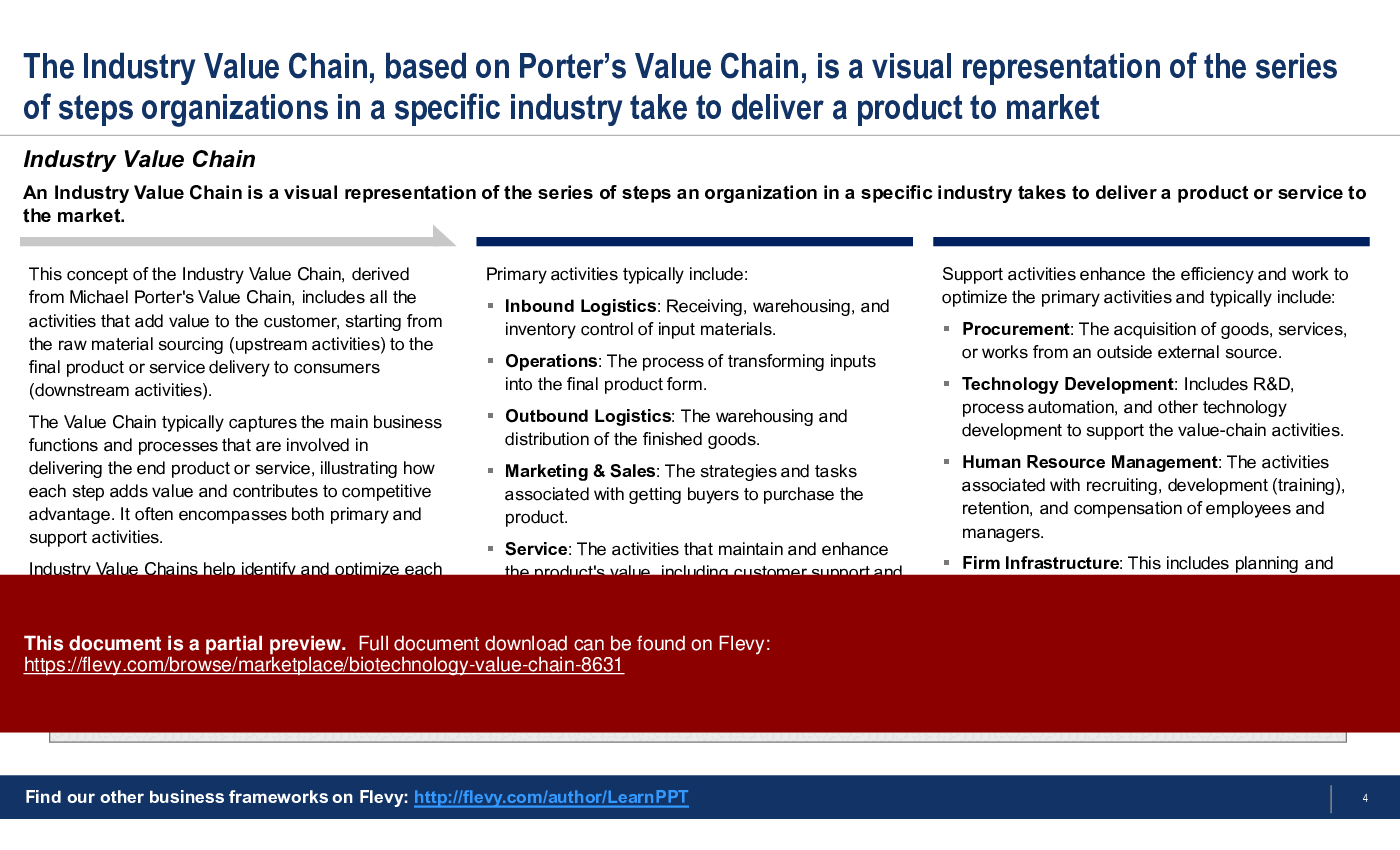
An Industry Value Chain is a visual representation of the series of steps an organization in a specific industry takes to deliver a product or service to the market. It captures the main business functions and processes that are involved in delivering the end product or service, illustrating how each step adds value and contributes to competitive advantage. It often encompasses both primary and support activities.
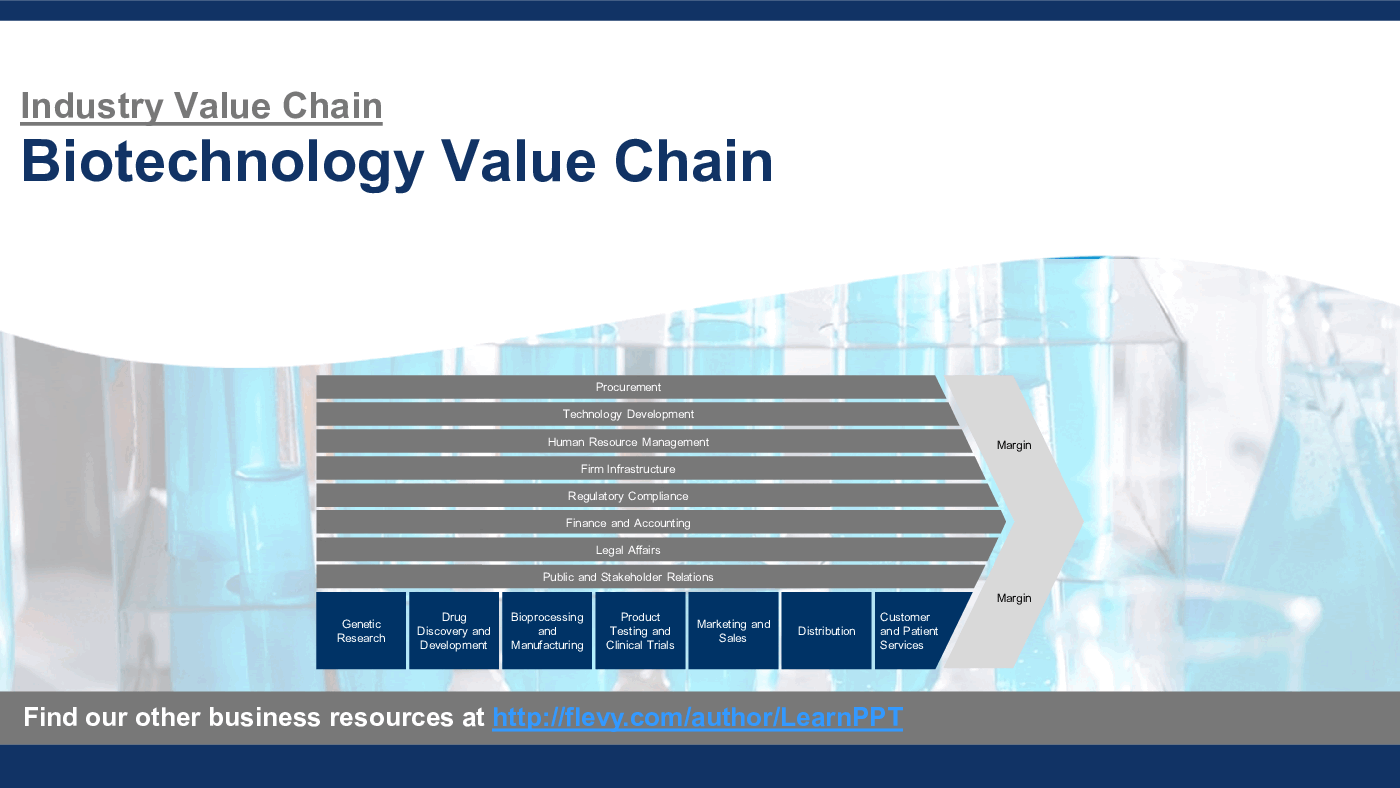
This PowerPoint presentation captures the Biotech Industry Value Chain, which includes the following primary and support activities:
Primary Activities
1. Genetic Research
2. Drug Discovery and Development
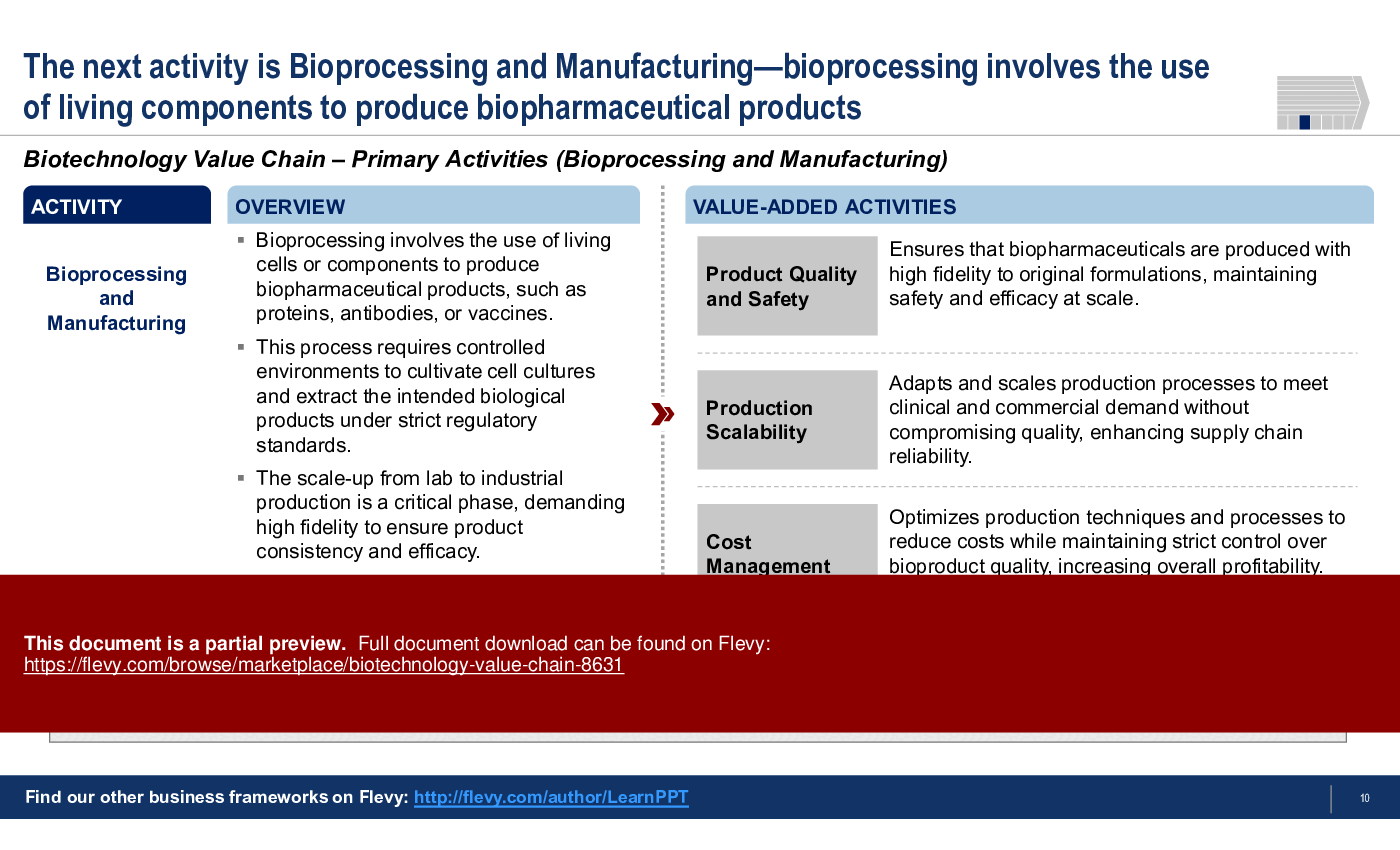
3. Bioprocessing and Manufacturing
4. Product Testing and Clinical Trials
5. Marketing and Sales
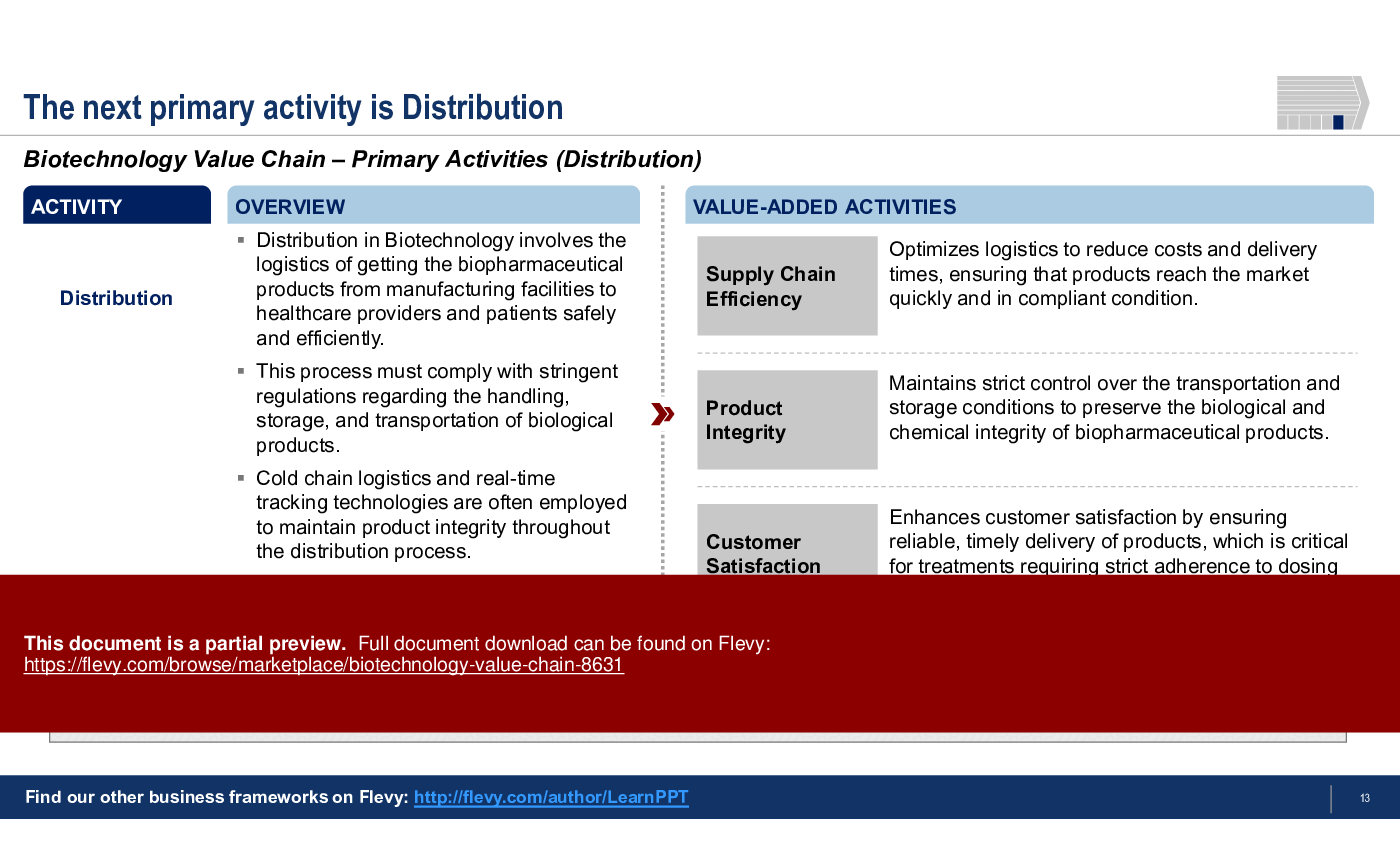
6. Distribution
7. Customer and Patient Services
Support Activities
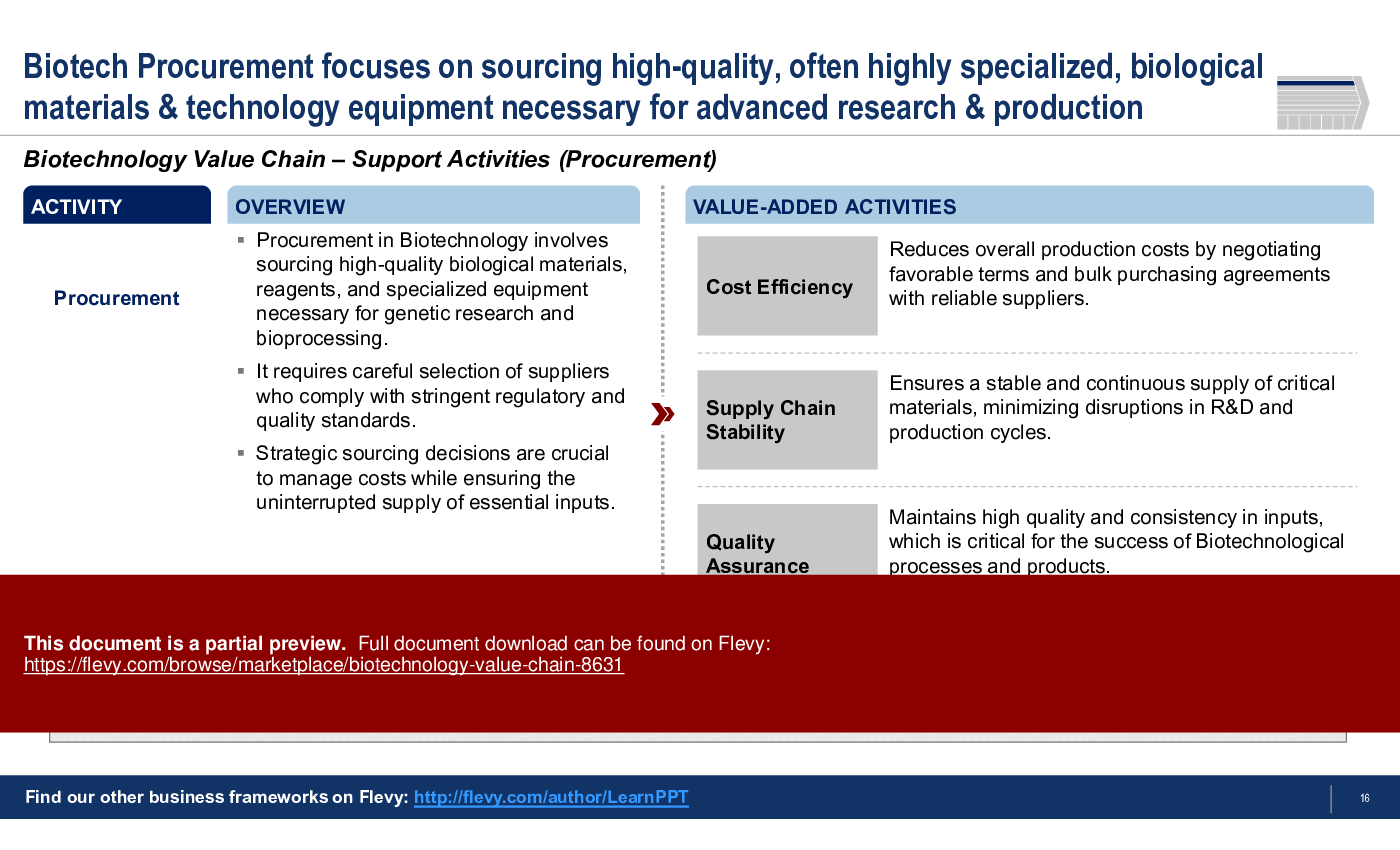
1. Procurement
2. Technology Development
3. Human Resource Management
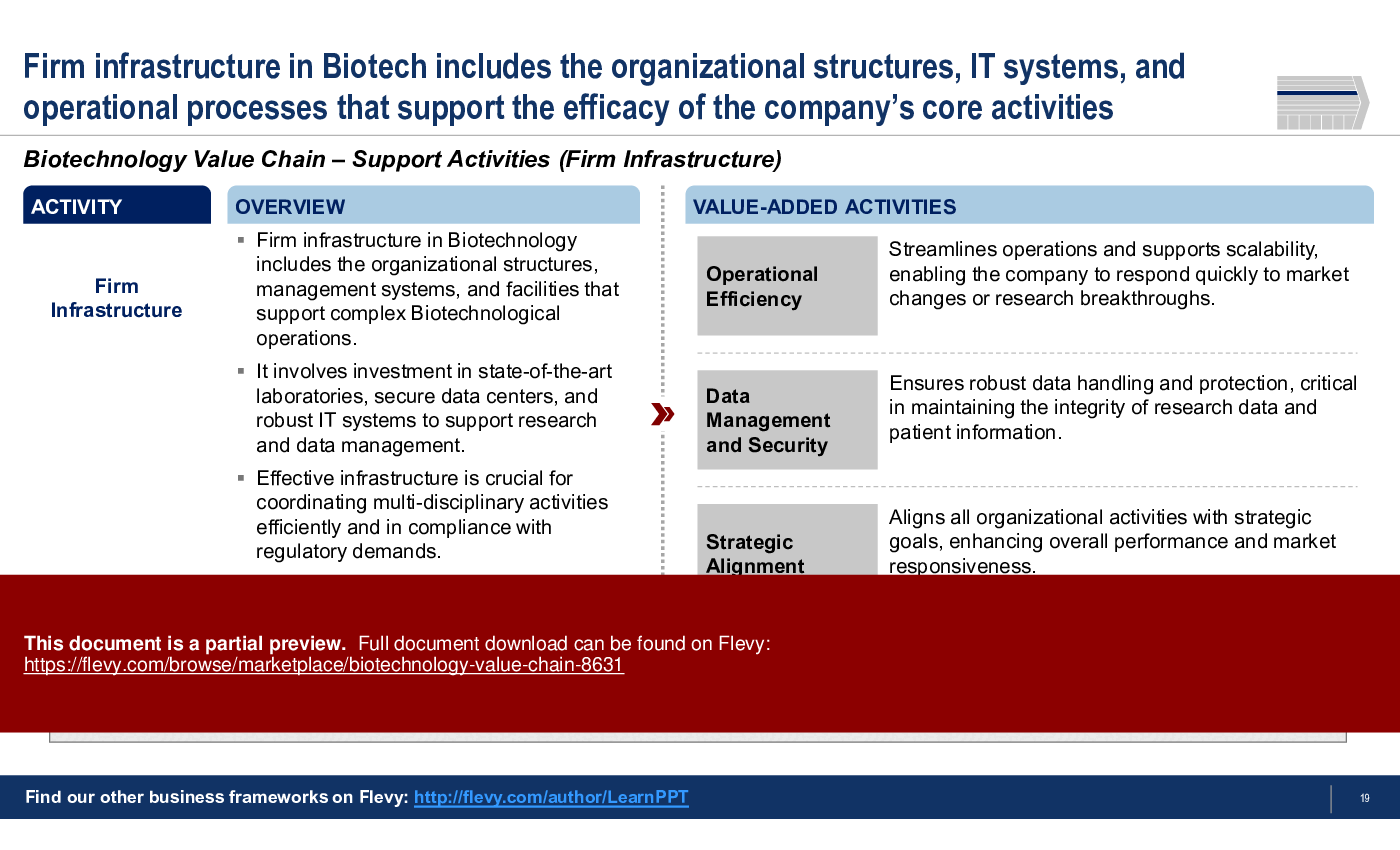
4. Firm Infrastructure
5. Regulatory Compliance
6. Finance and Accounting
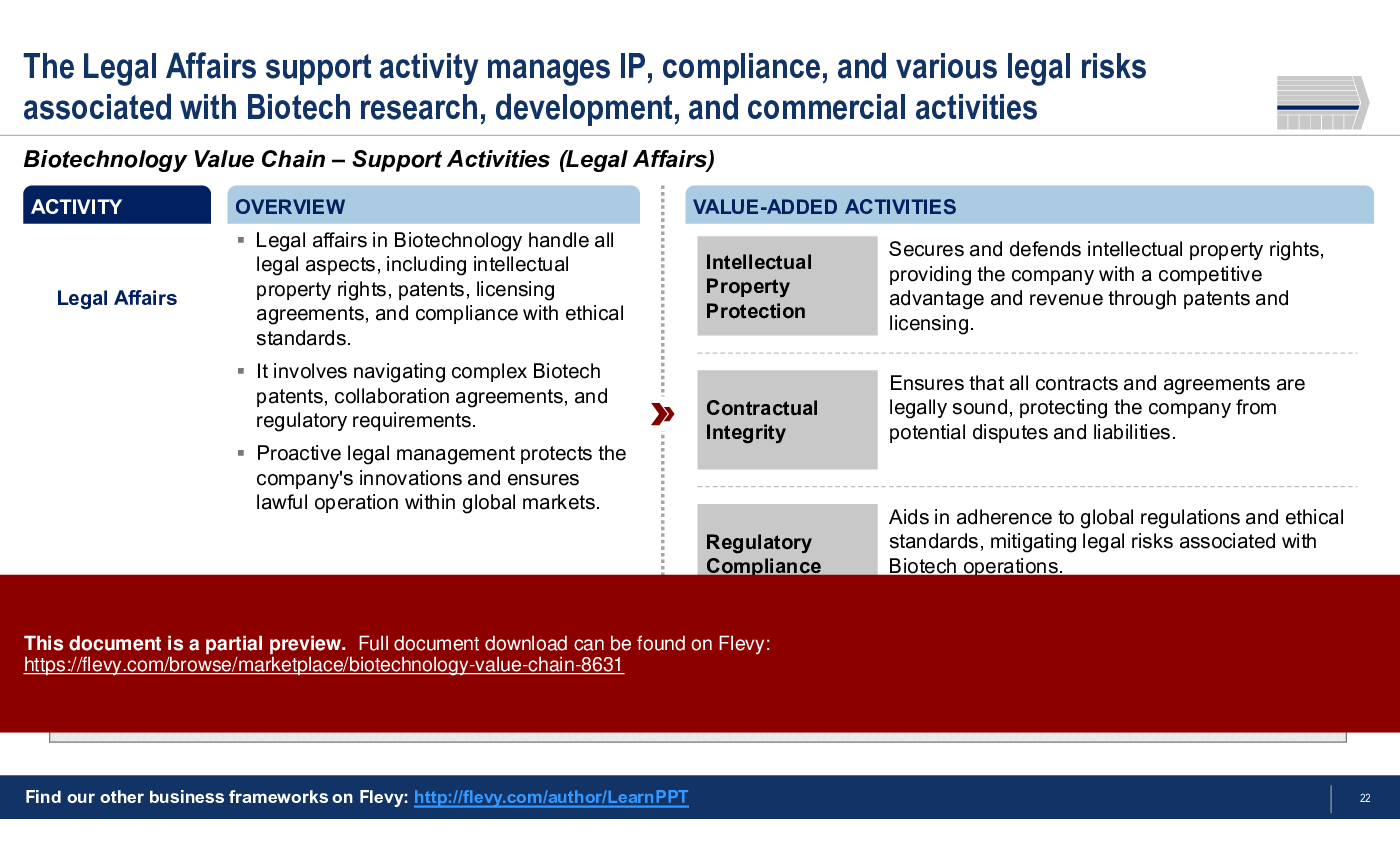
7. Legal Affairs
8. Public and Stakeholder Relations
These activities form the core framework for analyzing and organizing the operations within the Biotech Industry, particularly for companies engaged in cutting-edge fields like genetic research and personalized medicine. The Biotechnology Value Chain is intricately designed to foster innovation from genetic research through to the delivery of personalized medicine, integrating advanced scientific knowledge with stringent regulatory oversight.
This PowerPoint presentation dives deeper into each of these activities, highlighting key elements. This presentation also discusses Biotechnology Value Chain Analysis, highlighting a multitude of key considerations and potential insights to pay attention to. We further discuss the significant impact of Digital Transformation and various specific emergent technologies on the Biotech Industry.
The Biotechnology Value Chain is intricately designed to foster innovation from genetic research through to the delivery of personalized medicine, integrating advanced scientific knowledge with stringent regulatory oversight. Efficient integration of each stage in the Biotech Value Chain is critical for accelerating the development of new therapies and ensuring they are both efficacious and safe for patient use. Strategic partnerships across academia, industry, and regulatory bodies within the Biotech Value Chain can significantly shorten development timelines and enhance market entry success.
Got a question about the product? Email us at support@flevy.com or ask the author directly by using the "Ask the Author a Question" form. If you cannot view the preview above this document description, go here to view the large preview instead.
MARCUS OVERVIEW
This synopsis was written by Marcus [?] based on the analysis of the full 31-slide presentation.
Executive Summary
The Biotechnology Value Chain presentation offers a detailed framework for understanding the essential steps that organizations in the biotech industry undertake to deliver innovative products and services. Crafted by former consultants from leading firms like McKinsey and BCG, this consulting-grade resource provides a comprehensive analysis of both primary and support activities within the biotech sector. Buyers will gain insights into optimizing operations from genetic research to personalized medicine delivery, ensuring compliance with regulatory standards while fostering innovation. This framework is designed to enhance strategic decision-making and operational efficiency in a highly competitive market.

Who This Is For and When to Use
• Biotechnology executives overseeing product development and market strategy
• R&D leaders focused on genetic research and drug discovery
• Operations managers involved in bioprocessing and manufacturing
• Marketing teams responsible for product promotion and sales strategies
• Compliance officers ensuring adherence to regulatory standards
• Financial analysts managing investments in biotech projects
Best-fit moments to use this deck:
• During strategic planning sessions to align operational goals with market needs
• When assessing the efficiency of the biotech value chain for potential improvements
• In workshops aimed at fostering innovation and collaboration across departments
• For training sessions on regulatory compliance and market entry strategies
Learning Objectives
• Define the components of the Biotechnology Value Chain and their interdependencies
• Analyze the role of genetic research in developing targeted therapies
• Evaluate the efficiency of drug discovery and development processes
• Assess the impact of bioprocessing and manufacturing on product quality
• Identify best practices in marketing and sales within the biotech sector
• Develop strategies for effective distribution and customer engagement
• Understand the regulatory landscape affecting biotech operations
• Explore the importance of stakeholder relations in enhancing market acceptance
Table of Contents
• Executive Summary (page 3)
• Biotechnology Value Chain (page 4)
• Primary Activities (page 5)
• Support Activities (page 6)
• Biotechnology Value Chain Analysis (page 24)
Primary Topics Covered
• Genetic Research - Focuses on studying genes to identify disease causes and develop genetic profiles, utilizing techniques like CRISPR and bioinformatics.
• Drug Discovery and Development - Involves identifying biological compounds to create therapeutic products, emphasizing collaboration with research institutions.
• Bioprocessing and Manufacturing - Utilizes living cells to produce biopharmaceuticals, ensuring compliance with regulatory standards during production.
• Product Testing and Clinical Trials - Evaluates the safety and efficacy of products through systematic studies, critical for regulatory approvals.
• Marketing and Sales - Promotes biopharmaceutical products to healthcare providers and patients, requiring clear communication of benefits and risks.
• Distribution - Manages logistics to ensure safe and efficient delivery of products, adhering to stringent regulations.
• Customer and Patient Services - Supports patients post-sale, enhancing adherence and satisfaction through education and feedback mechanisms.
Deliverables, Templates, and Tools
• Framework for analyzing the Biotechnology Value Chain
• Templates for conducting value chain assessments
• Guidelines for regulatory compliance documentation
• Checklists for product testing and clinical trial management
• Marketing strategy templates tailored for biotech products
• Customer engagement plans focusing on patient education
Slide Highlights
• Overview of the Biotechnology Value Chain with primary and support activities
• Detailed breakdown of genetic research techniques and their applications
• Insights into drug discovery processes and the role of AI in enhancing efficiency
• Visual representation of bioprocessing and manufacturing workflows
• Key considerations for regulatory compliance and market access strategies
Potential Workshop Agenda
Biotechnology Value Chain Overview (60 minutes)
• Introduce the concept of the value chain and its significance
• Discuss primary and support activities in detail
• Explore case studies of successful biotech companies
Regulatory Compliance Strategies (45 minutes)
• Review the regulatory landscape affecting biotech operations
• Identify best practices for compliance and risk management
• Engage in a Q&A session to address specific concerns
Customer Engagement and Marketing (60 minutes)
• Analyze effective marketing strategies for biotech products
• Discuss the importance of customer feedback in product development
• Develop action plans for enhancing patient services
Customization Guidance
• Tailor the framework to reflect specific organizational goals and market dynamics
• Update regulatory compliance sections to align with current laws and standards
• Incorporate company-specific case studies to enhance relevance
• Adjust marketing strategies based on target audience insights and feedback
Secondary Topics Covered
• The impact of digital transformation on the biotech industry
• Strategies for effective stakeholder engagement
• Trends in personalized medicine and genetic therapies
• Challenges in supply chain management for biotech products
• Innovations in bioprocessing technologies
Topic FAQ
What are the main stages of a biotechnology value chain I should map?
A biotech value chain typically maps 7 primary stages: genetic research; drug discovery and development; bioprocessing and manufacturing; product testing and clinical trials; marketing and sales; distribution; and customer and patient services. These stages are the core primary activities described in the value-chain framework.
How does genetic research contribute to personalized medicine in the value chain?
Genetic research identifies disease causes and genetic profiles that enable targeted therapies and personalized medicine. Techniques cited include CRISPR and bioinformatics, which feed findings into downstream drug discovery, development and clinical testing processes to support personalized treatment approaches using specific genetic data.
What role does regulatory compliance play across the biotechnology value chain?
Regulatory compliance is a named support activity that ensures production, testing, and market access meet legal standards. It must be integrated across stages—bioprocessing, clinical trials, distribution and marketing—to secure approvals and maintain operational legitimacy, and the framework includes guidelines for compliance documentation.
How can digital transformation change operations within the biotech value chain?
Digital transformation can streamline processes, enhance data analysis, and improve patient engagement across research, development, manufacturing and post-market services. The framework covers digital transformation as a secondary topic, highlighting how technologies affect innovation, data workflows and stakeholder interactions within the value chain.
What should I look for when choosing a biotech value chain toolkit for my team?
Look for slide-based frameworks and practical templates that map primary and support activities, regulatory guidance, clinical trial checklists, marketing templates and customer engagement plans. Also check for customization guidance and workshop-ready agendas; practical inclusions such as checklists for clinical trials and regulatory compliance templates are useful.
How much time and what session formats support applying a biotech value chain framework?
The framework is designed for use in typical workshop formats and training modules—examples include a 60-minute value chain overview, a 45-minute regulatory compliance session, and a 60-minute customer engagement module—enabling focused team alignment and targeted follow-up work in those specified time blocks.
What is the cost/value trade-off of buying templated biotech frameworks versus building from scratch?
Purchasing templates provides pre-built assessment tools, regulatory documentation guidelines and checklists that reduce upfront design time and standardize analysis. The referenced product is a 31-slide PowerPoint that bundles templates for value chain assessments, regulatory guidelines, clinical trial checklists and marketing templates as ready-to-use assets.
I need to restructure R&D after a merger—how should I map capabilities?
Use value-chain mapping to document capabilities across genetic research, drug discovery, and bioprocessing, then overlay support activities like technology development, regulatory compliance and talent management to identify gaps. The biotechnology value chain framework organizes primary activities such as genetic research, drug discovery and bioprocessing for this purpose.
How can marketing teams use value chain analysis to improve a biotech product launch?
Marketing teams can use the value-chain perspective to align messaging, distribution and patient services with clinical evidence and regulatory parameters, plan provider and patient outreach, and develop customer education programs. Practical artifacts include marketing strategy templates and customer engagement plans to support launch activities.
What tools support clinical trial management within a biotech value chain analysis?
Clinical trial management is supported by checklists for product testing and clinical trials and by regulatory compliance documentation guidelines. These tools help standardize trial procedures, oversight and approvals; the framework explicitly lists checklists for clinical trial management as a deliverable.
Document FAQ
These are questions addressed within this presentation.
What is the Biotechnology Value Chain?
The Biotechnology Value Chain outlines the series of steps organizations take to deliver biotech products, from genetic research to market delivery, highlighting both primary and support activities.
How can this framework improve operational efficiency?
By analyzing each component of the value chain, organizations can identify inefficiencies and optimize processes, leading to faster product development and enhanced market responsiveness.
What role does regulatory compliance play in the value chain?
Regulatory compliance ensures that all activities meet stringent standards, which is crucial for gaining market access and maintaining operational legitimacy.
How can digital transformation impact the biotech value chain?
Digital technologies can streamline processes, enhance data analysis, and improve patient engagement, ultimately leading to more efficient operations and innovative product development.
What are the primary activities in the Biotechnology Value Chain?
The primary activities include genetic research, drug discovery and development, bioprocessing and manufacturing, product testing and clinical trials, marketing and sales, distribution, and customer and patient services.
What are the support activities in the Biotechnology Value Chain?
Support activities encompass procurement, technology development, human resource management, firm infrastructure, regulatory compliance, finance and accounting, legal affairs, and public and stakeholder relations.
How can organizations leverage this framework for strategic planning?
Organizations can use the framework to align their operational goals with market needs, ensuring that each component of the value chain contributes to overall business objectives.
What are the key considerations for conducting a Biotechnology Value Chain Analysis?
Key considerations include assessing technological innovation, regulatory compliance, intellectual property management, R&D efficiency, funding allocation, and stakeholder engagement.
Glossary
• Biotechnology Value Chain - A framework outlining the steps in delivering biotech products, from research to market.
• Genetic Research - The study of genes to understand diseases and develop therapies.
• Drug Discovery - The process of identifying compounds that can treat diseases.
• Bioprocessing - The use of living cells to produce biological products.
• Clinical Trials - Systematic studies to evaluate the safety and efficacy of products.
• Regulatory Compliance - Adherence to laws and regulations governing biotech operations.
• Stakeholder Engagement - Building relationships with parties interested in the biotech company's activities.
• Digital Transformation - The integration of digital technologies to enhance operations and innovation.
• Market Access - Strategies to enter and succeed in target markets.
• Customer Engagement - Interactions with patients and healthcare providers to enhance satisfaction and adherence.
• Supply Chain Management - The oversight of materials and products from production to delivery.
• Intellectual Property - Legal rights protecting innovations and inventions in biotech.
• Funding Allocation - The distribution of financial resources to support R&D and operations.
• Product Lifecycle Management - Managing a product's journey from development to market withdrawal.
• Personalized Medicine - Tailoring treatments to individual patient needs based on genetic information.
• Quality Control - Ensuring products meet safety and efficacy standards throughout production.
• Talent Management - Strategies for attracting and retaining skilled professionals in biotech.
• Public Relations - Managing the company's reputation and communication with external parties.
• Crisis Management - Strategies for handling potential public relations challenges.
• Operational Efficiency - Streamlining processes to enhance productivity and responsiveness.
This PPT slide outlines critical considerations for conducting a Biotechnology Value Chain Analysis, focusing on strategic, operational, and regulatory factors.
Technological Innovation emphasizes assessing emerging technologies, including genetic research and personalized medicine, to maintain industry leadership.
Regulatory Compliance highlights the importance of understanding regional regulatory environments for the development and distribution of biotechnological products, as non-compliance can lead to setbacks.
Intellectual Property Management stresses the need to protect patents and trade secrets for revenue generation in the biotech sector.
R&D Efficiency examines the effectiveness of research and development processes, analyzing pipeline product success rates to optimize resource allocation.
Funding and Investment underscores the necessity of monitoring financial resources to ensure adequate investment in innovation for operational sustainability.
Supply Chain Resilience evaluates the robustness of supply chains for sourcing specialized materials in biotechnological manufacturing.
Market Access and Expansion discusses strategies for entering new markets, including global expansion and niche market penetration.
The Biotechnology Value Chain consists of 7 primary activities: Genetic Research, Drug Discovery and Development, Bioprocessing and Manufacturing, Product Testing and Clinical Trials, Marketing and Sales, Distribution, and Customer and Patient Services. Supporting activities include Procurement, Technology Development, Human Resource Management, Firm Infrastructure, Regulatory Compliance, Finance and Accounting, Legal Affairs, and Public and Stakeholder Relations. Each activity is essential for biotech firms' success, with margins indicating financial implications of effective management. Strategic partnerships across academia, industry, and regulatory bodies can streamline development timelines and enhance market entry success. A well-integrated biotechnology value chain fosters innovation and ensures efficient development of new therapies that meet efficacy and safety standards.
Genetic research is a critical component of the biotechnology value chain, focusing on molecular-level gene studies to uncover disease causes and develop genetic profiles. Key techniques include CRISPR, gene sequencing, and bioinformatics, which facilitate the exploration of genetic variations. Three primary activities are highlighted: Disease Insight and Target Identification, which generates insights into disease mechanisms and identifies potential therapy targets; Intellectual Property Creation, emphasizing the generation of valuable patents from novel gene discoveries; and Enhanced Drug Development Efficiency, demonstrating how precise genetic targeting accelerates drug development, reducing time and costs. This interconnected research drives innovation in biotechnology and underscores the strategic importance of investing in genetic research for effective therapy development.
Digital transformation is reshaping the biotechnology value chain, impacting research to patient delivery. Enhanced Genetic Research and Drug Development leverage artificial intelligence (AI) and machine learning (ML) for accelerated gene sequencing and biomarker discovery. Streamlined Bioprocessing and Manufacturing utilize automation and robotics to increase precision, reduce human error, and lower operational costs. Advanced Diagnostics and Personalized Medicine employ wearable health technology for real-time patient data, enabling tailored treatment plans. Improved Clinical Trials use digital twins to simulate human physiology, enhancing trial efficiency and safety. CRISPR and gene editing tools provide precision in genetic manipulation, while Process Analytical Technology (PAT) ensures quality and compliance in bioprocessing. Big data analytics enhances diagnostic accuracy, and decentralized clinical trials benefit from technology-enabled remote monitoring, improving participant diversity and reducing logistical challenges.
This PPT slide outlines the Drug Discovery and Development process within the Biotechnology Value Chain. It emphasizes identifying biological compounds that influence genetic markers or proteins related to diseases. The development phase transforms these compounds into viable therapeutic products through rigorous pre-clinical studies and delivery mechanism formulation, ensuring therapy effectiveness and safety.
Three key value-added activities enhance drug discovery: "Innovation in Therapeutics," which introduces advanced biopharmaceutical products leveraging genetic insights for unmet medical needs; "Reduction in Development Risk," utilizing predictive models and bioinformatics to forecast success rates and minimize financial exposure; and "Regulatory Approval Success," highlighting the importance of robust clinical evidence from targeted, genetically informed trials to improve regulatory approval chances. Digital tools streamline these processes, leading to faster development and approval of new treatments.
Source: Best Practices in Healthcare, Value Chain Analysis, Biotech PowerPoint Slides: Biotechnology Value Chain PowerPoint (PPTX) Presentation Slide Deck, LearnPPT Consulting
This framework is created by former McKinsey, BCG, Deloitte, EY, and Capgemini consultants and provides actionable insights for Biotech Value Chain Analysis.
We are a team of management consultants trained by top tier global consulting firms (including McKinsey, BCG, Deloitte, EY, Capgemini) with a collective experience of several decades. We specialize in business frameworks based on real-life consulting engagements.
We have served 100s of clients that range from Fortune 500 companies to tech startups to
... [read more] $1B+ private companies.
Utilize our consulting frameworks to apply structured thinking & analysis to address your business challenges, uncover strategic insights, and implement workable solutions. Our PowerPoint presentations follow traditional consulting slide design formats, starting with a clear slide headline. Easily customize and repurpose our slides for your own business presentations.
Beyond business frameworks & methodologies, we also offer PowerPoint templates and other business templates. Our templates are professionally designed and have been used in thousands of deliverables & work products across hundreds of clients.
The average daily rate of a McKinsey consultant is $6,625 (not including expenses). The average price of a Flevy document is $65.
Trusted by over 10,000+ Client Organizations
Since 2012, we have provided business templates to over 10,000 businesses and organizations of all sizes, from startups and small businesses to the Fortune 100, in over 130 countries.
"As a consultant requiring up to date and professional material that will be of value and use to my clients, I find Flevy a very reliable resource.
The variety and quality of material available through Flevy offers a very useful and commanding source for information. Using Flevy saves me time, enhances my expertise and ends up being a good decision."
– Dennis Gershowitz, Principal at DG Associates
"Flevy.com has proven to be an invaluable resource library to our Independent Management Consultancy, supporting and enabling us to better serve our enterprise clients.
The value derived from our [FlevyPro] subscription in terms of the business it has helped to gain far exceeds the investment made, making a subscription a no-brainer for any growing consultancy – or in-house strategy team."
– Dean Carlton, Chief Transformation Officer, Global Village Transformations Pty Ltd.
"I like your product. I'm frequently designing PowerPoint presentations for my company and your product has given me so many great ideas on the use of charts, layouts, tools, and frameworks. I really think the templates are a valuable asset to the job."
– Roberto Fuentes Martinez, Senior Executive Director at Technology Transformation Advisory
"Flevy is our 'go to' resource for management material, at an affordable cost. The Flevy library is comprehensive and the content deep, and typically provides a great foundation for us to further develop and tailor our own service offer."
– Chris McCann, Founder at Resilient.World
"FlevyPro has been a brilliant resource for me, as an independent growth consultant, to access a vast knowledge bank of presentations to support my work with clients. In terms of RoI, the value I received from the very first presentation I downloaded paid for my subscription many times over! The
quality of the decks available allows me to punch way above my weight – it's like having the resources of a Big 4 consultancy at your fingertips at a microscopic fraction of the overhead.
"
– Roderick Cameron, Founding Partner at SGFE Ltd
"I have used Flevy services for a number of years and have never, ever been disappointed. As a matter of fact, David and his team continue, time after time, to impress me with their willingness to assist and in the real sense of the word. I have concluded in fact
that it is not at all just a repository of documents/resources but, in the way that David and his team manage the firm, it is like dealing with consultants always ready to assist, advise and direct you to what you really need, and they always get it right.
I am an international hospitality accomplished senior executive who has worked and lived during the past 35 years in 23 countries in 5 continents and I can humbly say that I know what customer service is, trust me.
Aside from the great and professional service that Flevy's team provide, their wide variety of material is of utmost great quality, professionally put together and most current.
Well done Flevy, keep up the great work and I look forward to continue working with you in the future and to recommend you to a variety of colleagues around the world.
"
– Roberto Pelliccia, Senior Executive in International Hospitality
"I have found Flevy to be an amazing resource and library of useful presentations for lean sigma, change management and so many other topics. This has reduced the time I need to spend on preparing for my performance consultation. The library is easily accessible and updates are regularly provided. A wealth of great information."
– Cynthia Howard RN, PhD, Executive Coach at Ei Leadership
"[Flevy] produces some great work that has been/continues to be of immense help not only to myself, but as I seek to provide professional services to my clients, it gives me a large "tool box" of resources that are critical to provide them with the quality of service and outcomes they are expecting."
– Royston Knowles, Executive with 50+ Years of Board Level Experience
Download our free compilation of 50+ Strategy & Transformation slides and templates. Frameworks include McKinsey 7-S, Balanced Scorecard, Disruptive Innovation, BCG Curve, and many more.