
 Click main image to view in full screen. Unlock all 9 preview images:
How to Develop Governance in Organizations – PDF
PDF document 33 Pages


BENEFITS OF THIS DOWNLOADABLE PDF DOCUMENT
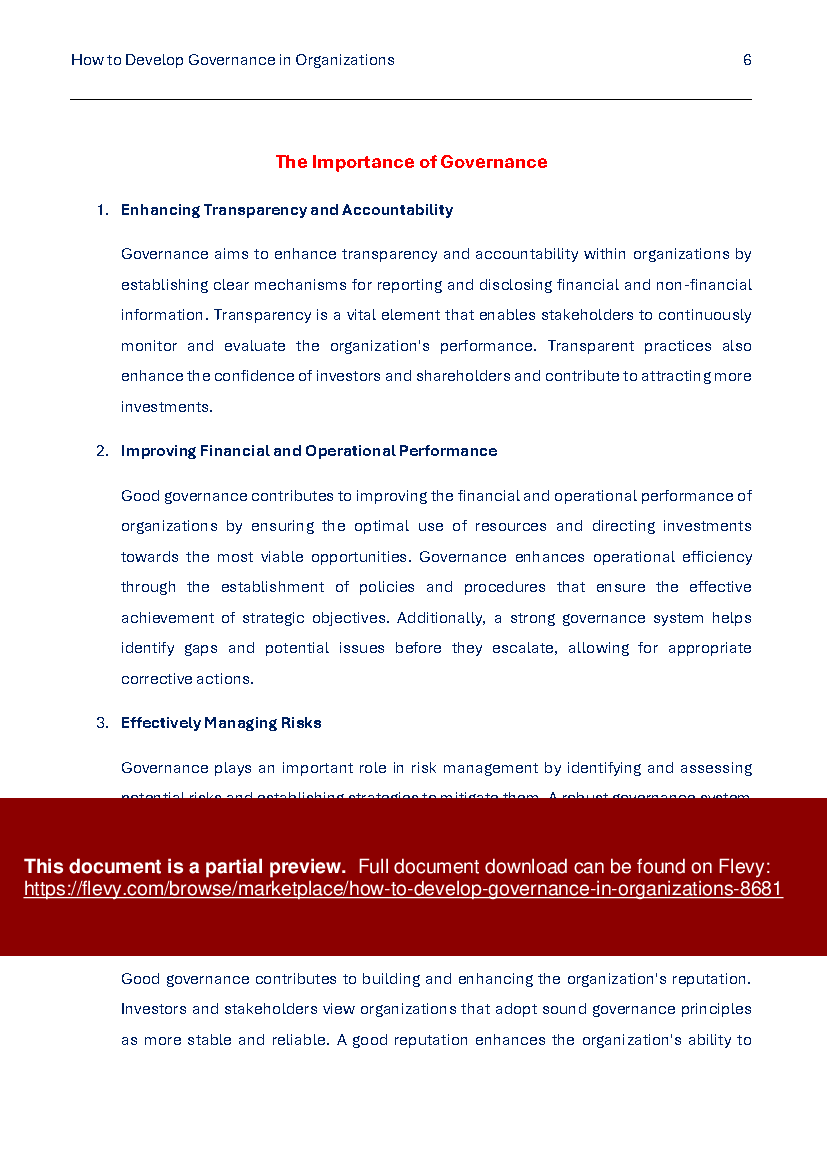
- Enhanced Transparency and Accountability
- Improved Financial and Operational Performance
- Effective Risk Management
GOVERNANCE PDF DESCRIPTION
This comprehensive guide delves into the importance of governance and how to develop it within organizations. The book covers a wide range of topics including the definition and importance of governance, fundamental principles, and a practical guide for implementation.
Key sections include:
1. The Importance of Governance and Its Evaluation: Enhancing transparency, accountability, and performance.
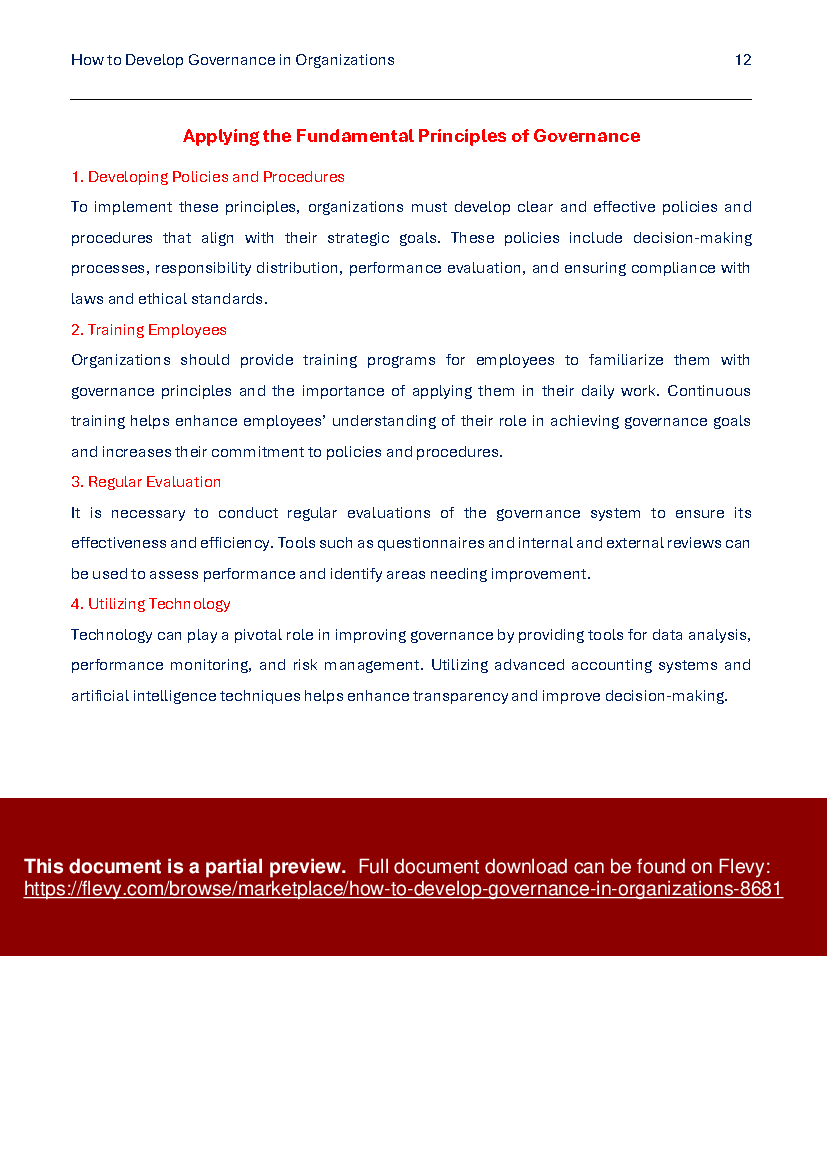
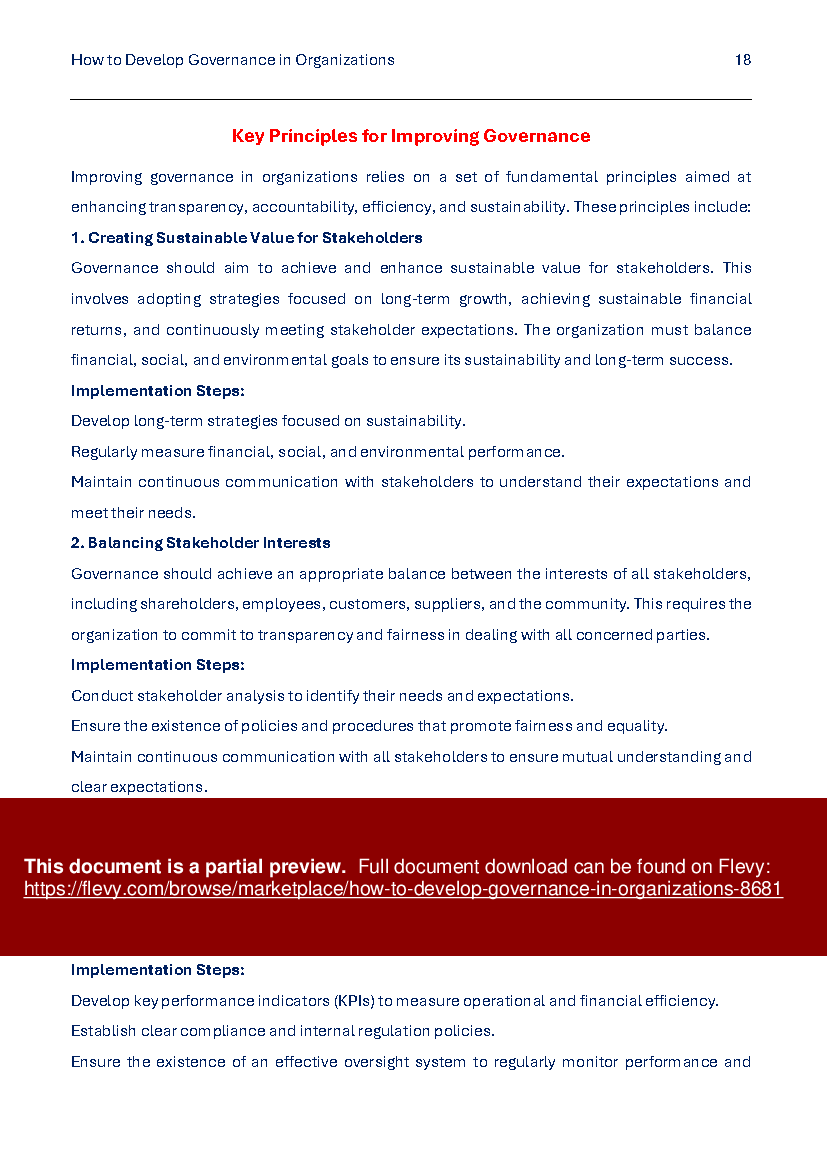
2. Definitions and Fundamental Principles of Governance: Clear explanations of governance, compliance, and performance.
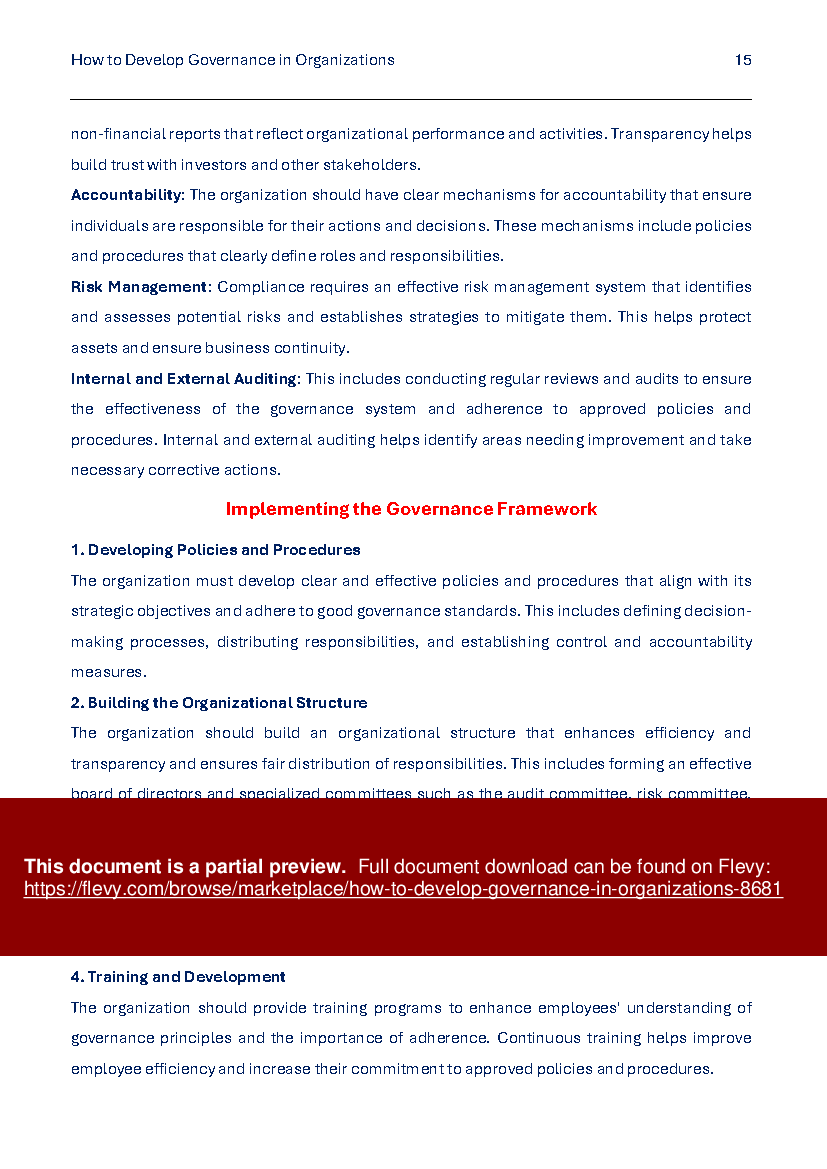
3. Governance Framework: Detailed insights into performance and compliance dimensions.
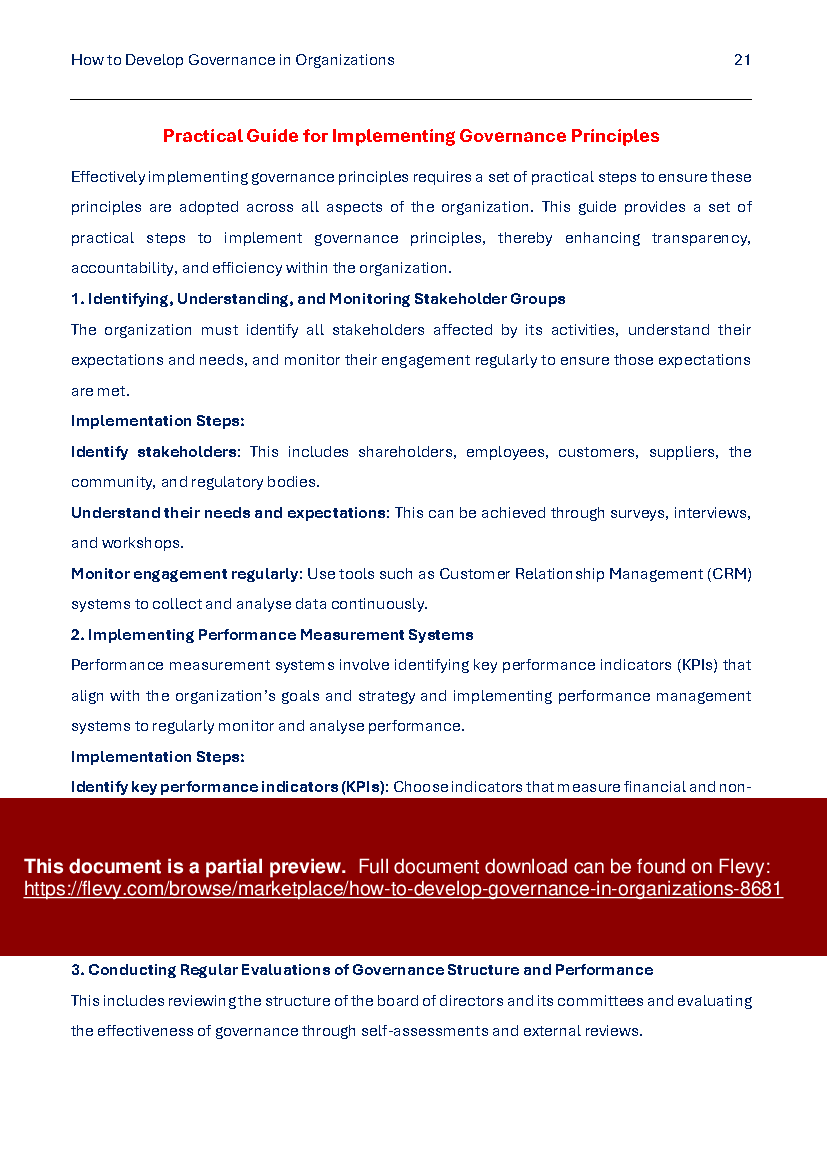
4. Practical Guide for Implementing Governance Principles: Step-by-step instructions for adopting governance principles.
5. Conclusion and Insights: Achieving sustainable value, efficient risk management, and building trust.
Benefits:
1. Enhanced Transparency and Accountability: Learn how to build trust with stakeholders and improve the institution's reputation.
2. Improved Financial and Operational Performance: Strategies to optimize resource use and increase productivity.
3. Effective Risk Management: Tools and techniques for identifying and mitigating risks.
4. Sustainable Growth: Methods to achieve long-term success and competitiveness.
5. Practical Implementation: Real-life examples and practical steps for integrating governance principles into your organization.
About the Author:
Amer Morgan is a distinguished figure in the field of auditing, with over three decades of professional experience across multiple industries. Known for his profound expertise and innovative approach, he has set standards for auditing and performance metrics, shaping the strategic direction of audit functions within numerous institutions.
Highlighted Publications:
"Advanced Auditing Techniques": A comprehensive guide on modern auditing methods and practices.
"Strategic Risk Management": Exploring strategies for identifying, assessing, and mitigating risks.
"Governance and Compliance: Best Practices": In-depth look at governance frameworks and compliance standards.
Amer Morgan's leadership in developing risk-focused audit plans and enhancing governance effectiveness is well-documented. His ability to unify diverse teams and facilitate clear communication leads to impactful audit outcomes.
For more insights and to purchase the book, visit .
Got a question about the product? Email us at support@flevy.com or ask the author directly by using the "Ask the Author a Question" form. If you cannot view the preview above this document description, go here to view the large preview instead.
TOPIC FAQ
What are the core components of an organizational governance framework?
Governance frameworks in practice separate performance and compliance dimensions, define governance and compliance roles, and include processes for evaluation and accountability. Effective frameworks link oversight, policies, and operational controls to deliver transparency and performance, typically organized across the guide’s 5 key sections.How does stronger governance contribute to better risk management?
Strong governance provides structures and processes for identifying, assessing, and mitigating risks, aligning oversight with operational controls and reporting. Improved governance supports clearer risk ownership and monitoring, which the guide frames as tools and techniques for identifying and mitigating risks across the practical implementation section.What fundamental principles are commonly used to define governance and compliance?
Fundamental governance principles clarify roles, accountability, transparency, and performance expectations, and differentiate compliance activities from broader governance objectives. The guide explains these definitions and principles to support consistent application across organizations, focusing on governance, compliance, and performance as core attributes.What should I look for when choosing a governance guide for my organization?
Choose a guide that explains governance definitions and principles, presents a framework covering both performance and compliance, offers step-by-step implementation guidance, and includes real-life examples plus author expertise. How to Develop Governance in Organizations explicitly organizes these elements into 5 practical sections.How can I assess the cost versus value of purchasing governance templates or guides?
Assess value by estimating expected gains in transparency, accountability, operational and financial performance, and reduced risk exposure against purchase and implementation costs. Look for resources that translate into actionable steps and measurable outcomes, such as implementation guidance and real-life examples organized across 5 sections.We’re integrating governance after a restructuring; what practical first steps should we take?
Begin by evaluating current governance effectiveness, clarifying core governance principles and roles, and mapping gaps between performance and compliance requirements. Then follow step-by-step implementation measures to align processes and controls, using the guide’s practical implementation section as a structured roadmap across 5 sections.As an internal auditor, how can I use governance guidance to prioritize audits?
Use governance evaluation to identify weak controls, accountability gaps, and high-impact performance or compliance risks. Prioritization then targets areas with the greatest effect on transparency and operational performance; Amer Morgan’s background and the guide’s emphasis on risk-focused audit planning inform that approach for risk-focused audit plans.Do governance guides typically include real-life examples and implementation steps I can adapt?
Practical governance guides commonly include case examples and stepwise instructions to translate principles into processes and controls. How to Develop Governance in Organizations explicitly provides practical implementation guidance with real-life examples and step-by-step measures organized across its 5 key sections.Source: Best Practices in Governance PDF: How to Develop Governance in Organizations PDF (PDF) Document, Amer Morgan
ABOUT THE AUTHOR

Amer Morgan is the founder of Business Excellence, Audit Consultant and Governance Advisor with over 30 years of practice in internal audit, enterprise risk management, and corporate governance across Qatar, Egypt, the UAE, and the USA. He currently leads the internal audit function for a sovereign-wealth-fund-owned food security group in Doha, with responsibility for board-level assurance across ... [read more]
Ask the Author a Question
You must be logged in to contact the author.




























