
This is a comprehensive document that details how an enterprise wide shared services model for data management could transform IT business synergy, while creating increased ROI. The strategy document details:
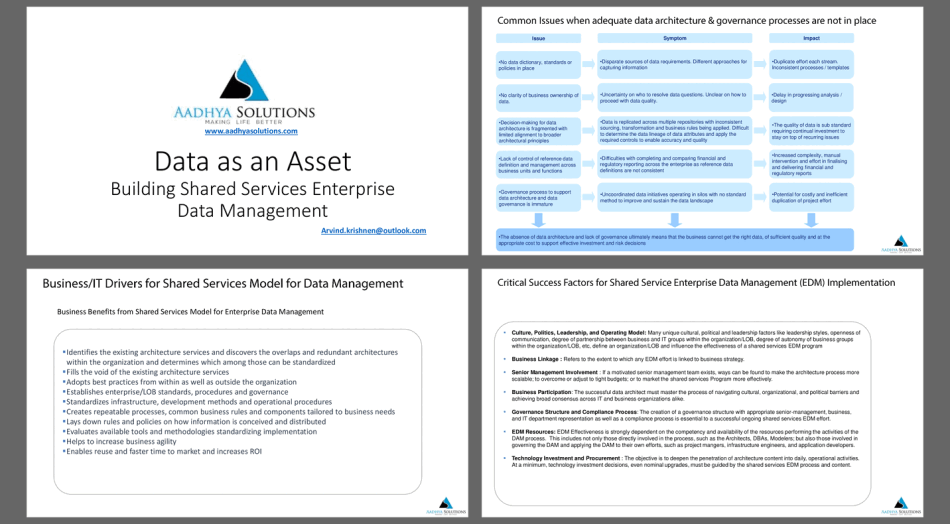
1. Common Issues when adequate data architecture & governance processes are not in place
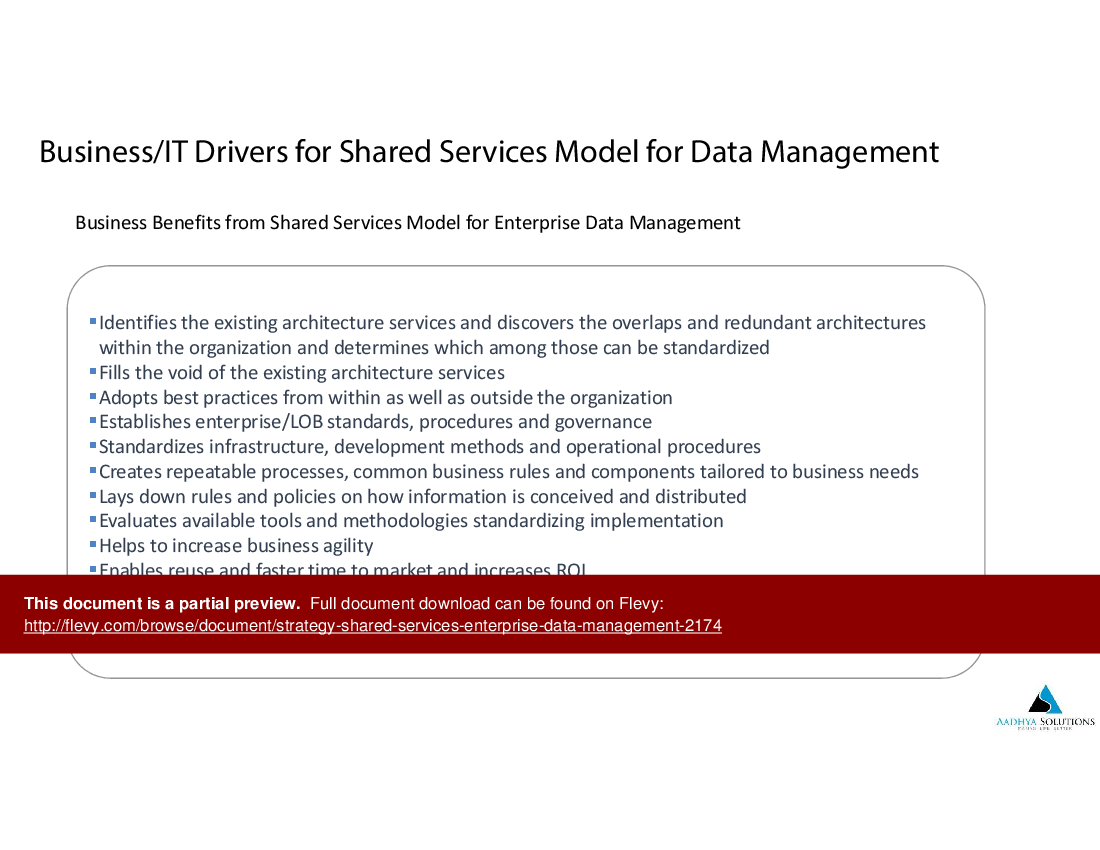
2. Business/IT Drivers for Shared Services Model for Data Management
3. Enterprise Data Management Framework ? Drive Shared Service Model
4. Factors Influencing Shared Services Enterprise Data Management (EDM) Strategies
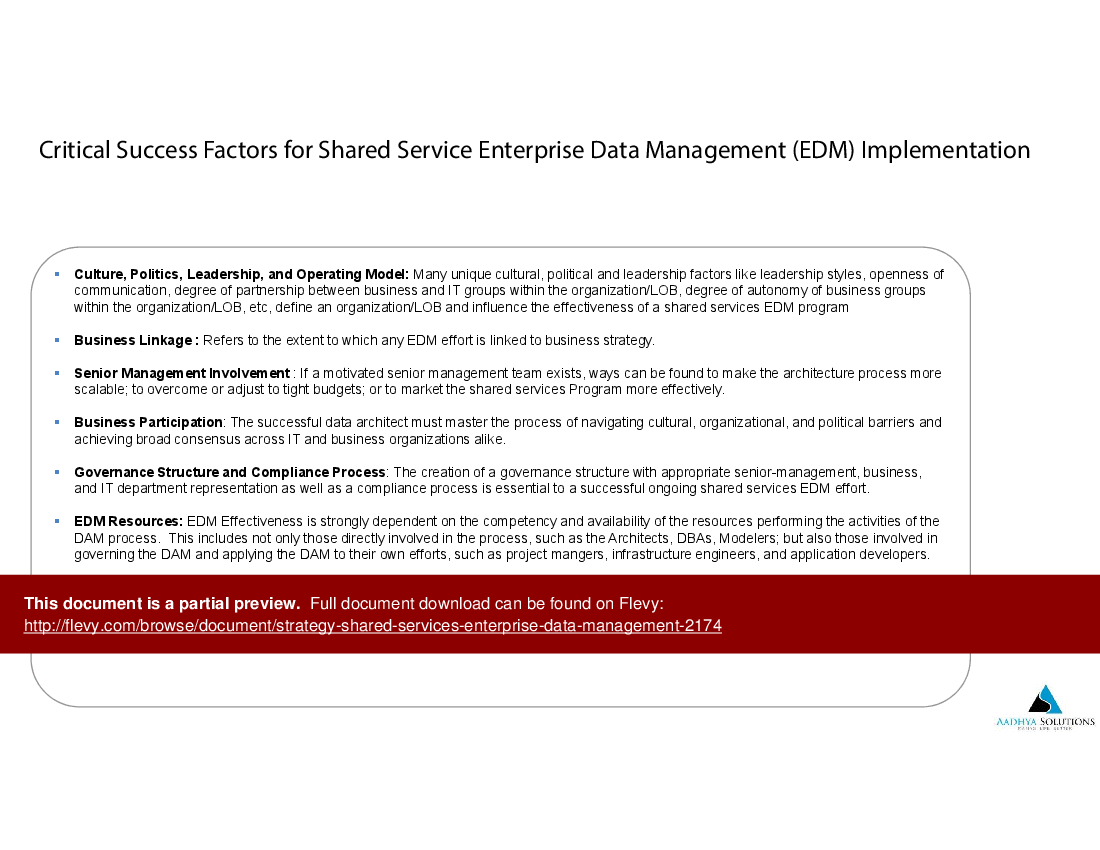
5. Critical Success Factors for Shared Service Enterprise Data Management (EDM) Implementation
6. Data strategy Overview
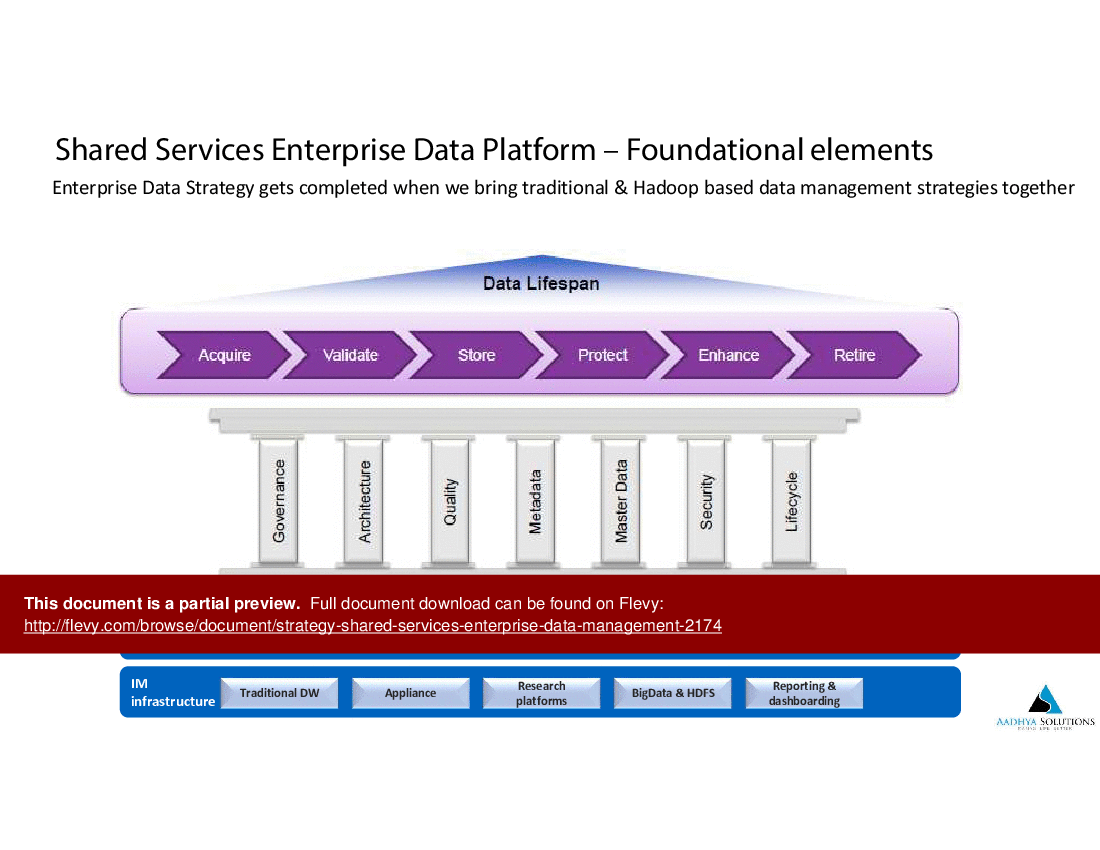
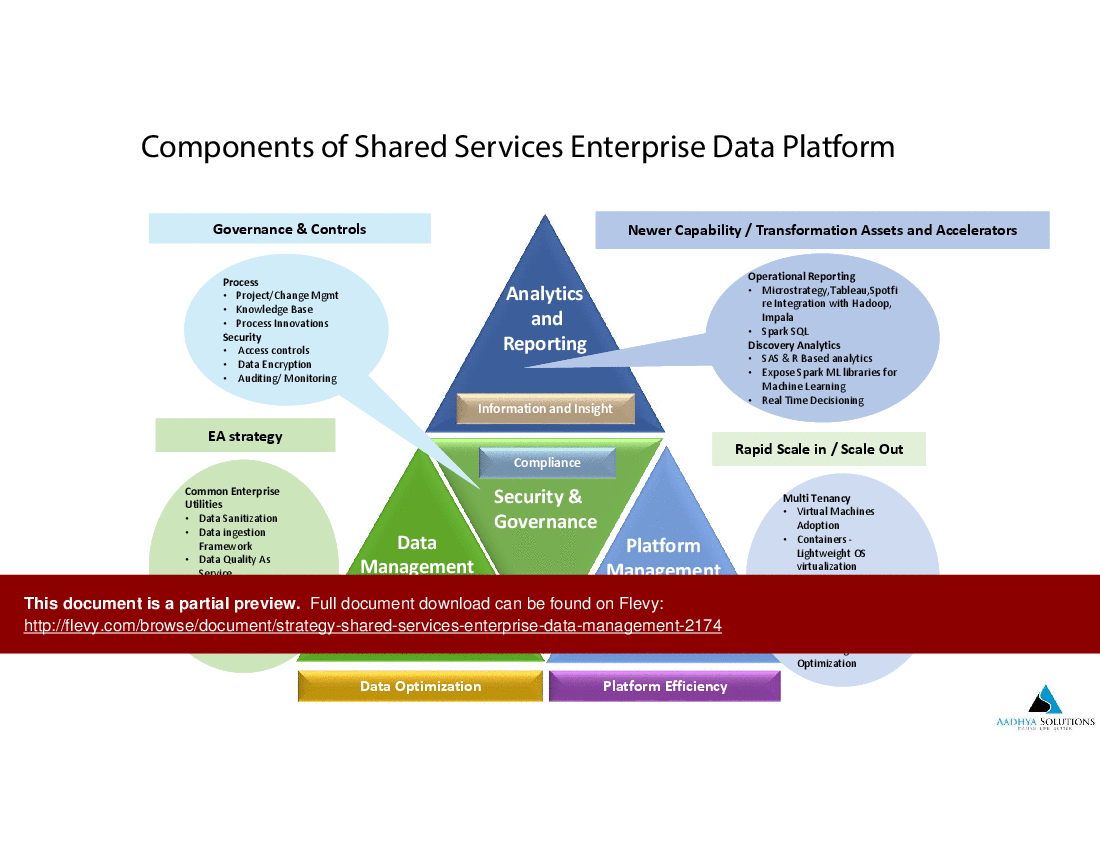
7. Shared Services Enterprise Data Platform ? Foundational elements
8. Conceptual architecture ? Big Data & IM & Analytics for enterprise data management
9. Architecture – Co existence of Hadoop & Relational databases
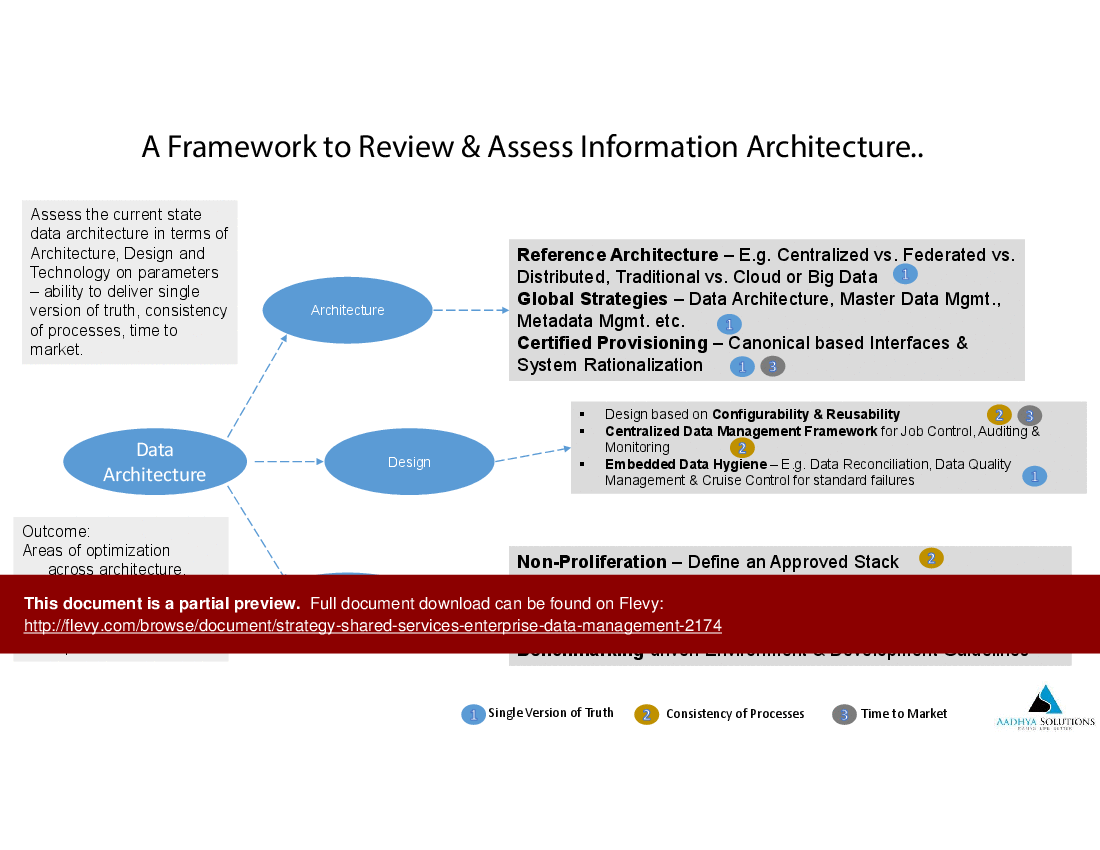
10. A Framework to Review & Assess Information Architecture
11. Target state view for Shared Services Enterprise Data Platform
12. Vision of Shared Services Enterprise Data Platform
13. Components of Shared Services Enterprise Data Platform
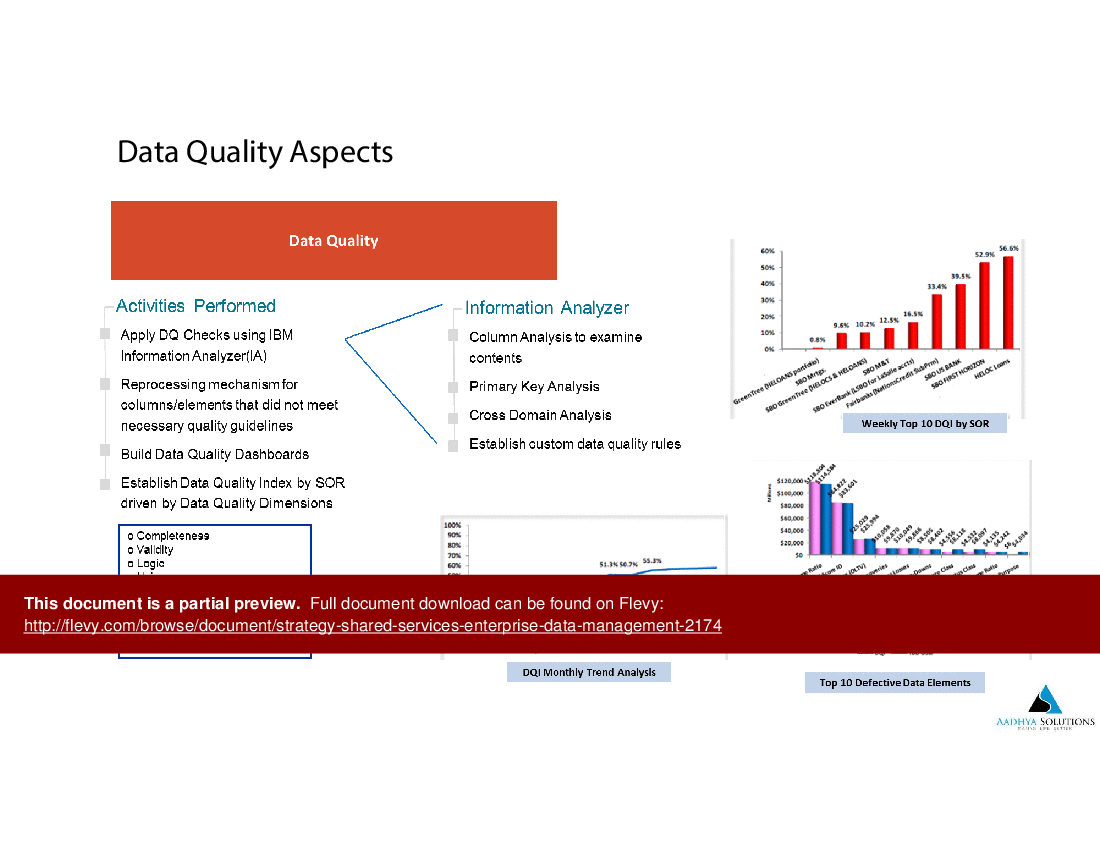
14. Data Quality as Service
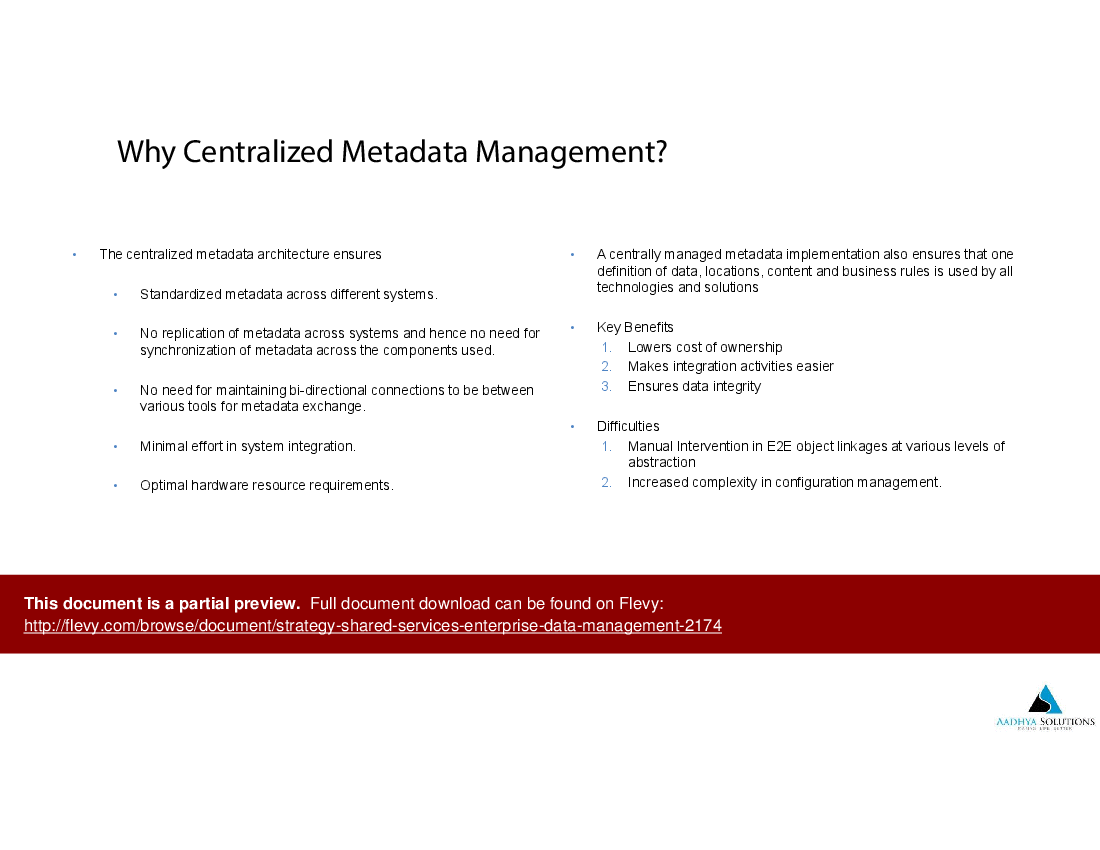
15. Metadata Management Architectures – Why Centralized Metadata management?
16. Data Governance – Mobilize & Implement
17. Data Quality & Data Modeling
18. Multi-tenancy in Hadoop clusters for enterprise re-use of Hadoop data lake
a. Framework for Multi tenancy implementation
b. Metering and charge back
c. Disaster Recovery
19. Target Operating Model – Shared Services Model
20. Engagement Model – Initiating Data Program
21. Sample Organization Structure – Data roles
22. Innovation & Product / Vendor evaluation framework
23. Talent building framework
24. Agile Delivery Framework – comparative view with traditional BI Development
25. DW Testing – Agile Process Map
This PPT offers a deep dive into the critical success factors for implementing a shared services enterprise data management strategy. It addresses the importance of aligning culture, politics, and leadership with the operating model. It also emphasizes the need for senior management involvement and business participation to navigate organizational barriers. The document outlines a robust governance structure and compliance process, ensuring ongoing success. It highlights the foundational elements of a shared services enterprise data platform, including governance, architecture, quality, metadata, and security. The framework for reviewing and assessing information architecture is detailed, providing a comprehensive approach to optimizing data architecture, design, and technology.
Got a question about the product? Email us at support@flevy.com or ask the author directly by using the "Ask the Author a Question" form. If you cannot view the preview above this document description, go here to view the large preview instead.
Executive Summary
The "Shared Services Data Management Strategy - Big Data & BI" presentation provides a structured approach to managing enterprise data through shared services. It addresses the challenges of data governance, architecture, and quality, enabling organizations to leverage data as a strategic asset. This framework enhances data integrity, streamlines operations, and supports informed decision-making across business units. Buyers can implement this strategy to improve data management efficiency and achieve better alignment with business objectives.
Who This Is For and When to Use
• Data Governance Teams responsible for overseeing data management practices
• IT Leaders focused on integrating data architecture across the enterprise
• Business Analysts needing reliable data for decision-making
• Compliance Officers ensuring data quality and governance standards
Best-fit moments to use this deck:
• During the initial phases of establishing a shared services data management model
• When assessing current data governance practices and identifying gaps
• For training sessions aimed at aligning teams on data management strategies
Learning Objectives
• Define the principles of data governance and its importance in enterprise data management
• Establish a framework for data architecture that supports business needs
• Implement data quality management processes to ensure reliable data
• Identify and address challenges in data integration and management
• Create a roadmap for operationalizing data governance initiatives
• Evaluate the effectiveness of data management strategies through metrics and KPIs
Table of Contents
• Introduction to Shared Services Data Management (page 1)
• Challenges in Data Management (page 2)
• Business Drivers for Shared Services Model (page 4)
• Data Governance Framework (page 5)
• Data Quality Management Processes (page 17)
• Data Architecture and Modeling (page 23)
• Disaster Recovery Strategies (page 27)
• Engagement Model for Data Initiatives (page 30)
• Innovation in Data Management (page 32)
• Conclusion and Next Steps (page 34)
Primary Topics Covered
• Data Governance - Establishing organizational alignment on data management practices to ensure data integrity and compliance.
• Data Quality Management - Processes for eliminating bad data and enhancing the reliability and usability of data across the enterprise.
• Data Architecture - Frameworks for specifying how data is created, processed, and utilized, ensuring alignment with business objectives.
• Disaster Recovery - Strategies for ensuring data availability and integrity during unforeseen events, focusing on active-active setups.
• Engagement Model - Framework for initiating data programs and aligning business and IT stakeholders for effective data management.
• Innovation in Data Management - Approaches for fostering a culture of innovation and continuous improvement in data practices.
Deliverables, Templates, and Tools
• Data governance framework template for establishing roles and responsibilities
• Data quality management checklist for assessing data integrity
• Data architecture design template for aligning with business needs
• Disaster recovery plan template for data management systems
• Engagement model framework for initiating data initiatives
• Metrics dashboard for monitoring data management effectiveness
Slide Highlights
• Overview of the shared services data management strategy and its benefits
• Visual representation of the data governance framework and its components
• Flowchart illustrating the data quality management process
• Diagram of the engagement model for data initiatives
• Summary of disaster recovery strategies and their importance
Potential Workshop Agenda
Introduction to Data Management (60 minutes)
• Overview of shared services data management
• Discussion on current challenges and opportunities
Data Governance Framework Workshop (90 minutes)
• Define roles and responsibilities for data governance
• Develop a draft governance framework
Data Quality Management Session (60 minutes)
• Identify key data quality metrics
• Establish processes for ongoing data quality assessment
Disaster Recovery Planning (60 minutes)
• Review current disaster recovery strategies
• Develop a comprehensive disaster recovery plan
Customization Guidance
• Tailor the data governance framework to reflect specific organizational roles and responsibilities
• Adjust data quality metrics based on industry standards and business needs
• Incorporate unique business requirements into the data architecture design template
• Modify the engagement model to align with existing organizational structures and processes
Secondary Topics Covered
• Metadata management practices for improved data governance
• Techniques for integrating traditional and big data management strategies
• Best practices for data lifecycle management
• Strategies for fostering a culture of data-driven decision-making
• Tools for automating data quality checks and reporting
Topic FAQ
Document FAQ
These are questions addressed within this presentation.
What is the purpose of a shared services data management strategy?
A shared services data management strategy aims to centralize data governance, enhance data quality, and streamline data operations across the enterprise.
How can organizations improve data quality?
Organizations can improve data quality by implementing standardized processes for data validation, cleansing, and ongoing monitoring.
What are the key components of a data governance framework?
Key components include roles and responsibilities, data ownership, data quality standards, and compliance measures.
What challenges do organizations face in data management?
Common challenges include fragmented data governance, inconsistent data quality, and difficulties in integrating disparate data sources.
How does disaster recovery fit into data management?
Disaster recovery ensures that data remains available and intact during unforeseen events, supporting business continuity and compliance.
What metrics should be used to evaluate data management effectiveness?
Metrics may include data quality scores, compliance rates, and the efficiency of data retrieval processes.
How can organizations foster innovation in data management?
Organizations can foster innovation by encouraging collaboration, adopting new technologies, and continuously assessing and improving data practices.
What is the role of senior management in data governance?
Senior management plays a critical role in supporting data governance initiatives, ensuring alignment with business objectives, and providing necessary resources.
How can data architecture be aligned with business needs?
Data architecture can be aligned with business needs by involving stakeholders in the design process and ensuring that data models support organizational goals.
Glossary
• Data Governance - The process of managing the availability, usability, integrity, and security of data.
• Data Quality Management - Practices aimed at ensuring the accuracy and reliability of data.
• Data Architecture - The structure of an organization's data assets and how they are managed.
• Disaster Recovery - Strategies for protecting and restoring data in the event of a disaster.
• Engagement Model - A framework for involving stakeholders in data initiatives.
• Metadata Management - The administration of data that describes other data, enhancing its usability.
• Data Lifecycle Management - The process of managing data from creation to deletion.
• Active-Active Setup - A disaster recovery configuration where 2 or more systems operate simultaneously.
• Data Steward - An individual responsible for managing and overseeing data assets.
• Data Dictionary - A centralized repository of data definitions and standards.
• Data Lineage - The tracking of data's origins and transformations throughout its lifecycle.
• Data Integration - The process of combining data from different sources into a unified view.
• Business Intelligence (BI) - Technologies and strategies for analyzing business data to support decision-making.
• Big Data - Large and complex data sets that require advanced processing techniques.
• Data Visualization - The graphical representation of data to facilitate understanding and insights.
• ETL (Extract, Transform, Load) - The process of moving data from one system to another, transforming it along the way.
• Master Data Management (MDM) - The processes and tools used to maintain a single, accurate view of critical business data.
• Data Security - Measures taken to protect data from unauthorized access and breaches.
• Data Analytics - The science of analyzing raw data to uncover patterns and insights.
• Cloud Computing - The delivery of computing services over the internet, allowing for flexible resource management.
• Data Stewardship - The responsibility for managing and protecting data assets within an organization.
Source: Best Practices in Data Governance, Big Data, Shared Services PowerPoint Slides: Shared Services Data Management Strategy - Big Data & BI PowerPoint (PPTX) Presentation Slide Deck, Aadhya Solutions
|
Download our FREE Digital Transformation Templates

Download our free compilation of 50+ Digital Transformation slides and templates. DX concepts covered include Digital Leadership, Digital Maturity, Digital Value Chain, Customer Experience, Customer Journey, RPA, etc. |









