
High Performing Teams
What Are High Performing Teams?
High-performing teams are groups of individuals who work together seamlessly to achieve extraordinary outcomes. These teams are characterized by clear goals, strong communication, mutual trust, and a shared commitment to excellence. Members possess complementary skills and collaborate effectively, leveraging each other's strengths. High-performing teams consistently exceed expectations, delivering high-quality results efficiently. They thrive on accountability, embrace challenges, and continuously strive for improvement.
Participating on High Performing Teams
Being a part of a high-performing team requires dedication, collaboration, and a proactive attitude. Team members should focus on clear communication, actively listening to one another, and providing constructive feedback. Understanding and aligning with the team's goals and values is crucial. Members must be willing to take ownership of their responsibilities and support their peers. Cultivating a positive team culture, where everyone feels valued and motivated, is essential. Regular reflection and a commitment to personal and team development can further enhance performance.
Leading High Performing Teams
Leading a high-performing team involves creating an environment where team members can thrive. Leaders must articulate a clear vision and set achievable goals that inspire and challenge the team. They should foster open communication, ensuring everyone's voice is heard. Building trust through transparency and consistency is vital. Leaders need to recognize and leverage individual strengths, delegate effectively, and provide the necessary resources and support. Encouraging a culture of innovation and resilience helps the team navigate challenges. Celebrating successes and learning from setbacks strengthens the team's cohesion and drive.
Coaching High Performing Teams
Coaching high-performing teams involves guiding and mentoring team members to reach their full potential. A coach focuses on developing individuals and the team as a whole. They provide personalized feedback, helping members identify and overcome obstacles. Effective coaches facilitate goal setting and strategic planning, encouraging continuous learning and development. They create opportunities for skill enhancement through training and professional development. By fostering a growth mindset and resilience, coaches help teams adapt to changing circumstances and maintain high performance. Regularly assessing team dynamics and implementing improvements ensures sustained success.
High-performing teams are the cornerstone of organizational success. Participating in such teams requires commitment to collaboration and continuous improvement. Leading high-performing teams demands visionary leadership, effective communication, and fostering a supportive environment. Coaching these teams focuses on developing individual potential and team synergy. Together, these elements create a powerful framework that drives exceptional performance and achieves outstanding results. Embracing these principles can transform teams into high-performing entities capable of surpassing goals and delivering sustained excellence.
Got a question about the product? Email us at support@flevy.com or ask the author directly by using the "Ask the Author a Question" form. If you cannot view the preview above this document description, go here to view the large preview instead.
Executive Summary
The "High Performing Teams - Participating, Leading, Coaching" presentation is a comprehensive guide designed to equip team leaders, members, and coaches with the essential skills and knowledge to foster high-performing teams. Developed by professionals with extensive experience in consulting, this presentation emphasizes the importance of team dynamics, effective communication, and leadership styles. Users will learn how to define team roles, establish clear goals, and implement coaching strategies that enhance collaboration and performance.
Who This Is For and When to Use
• Team leaders seeking to improve team dynamics and performance
• HR professionals focused on team development and coaching
• Project managers responsible for guiding teams through various stages of development
• Consultants aiming to facilitate workshops on team effectiveness
Best-fit moments to use this deck:
• During team-building workshops to establish foundational principles of teamwork
• In leadership training sessions to enhance coaching skills
• When onboarding new team members to align them with team goals and dynamics
Learning Objectives
• Define what constitutes a team and differentiate it from a work group
• Understand the significance of team dynamics in achieving collective goals
• Identify characteristics of high-performing teams and their members
• Recognize the role of coaching in enhancing team performance
• Develop strategies for effective communication and conflict resolution
• Establish shared leadership and accountability within teams
Table of Contents
• Introduction to High Performing Teams (page 2)
• Understanding Team Dynamics (page 4)
• Work Groups vs. Teams (page 5)
• Group Development Stage Theory (page 8)
• Characteristics of High Performing Teams (page 14)
• Effective Communication in Teams (page 21)
• Decision Making and Conflict Resolution (page 23)
• Leadership Styles and Their Impact (page 57)
• Coaching Skills for Team Leaders (page 63)
• Key Points and Conclusion (page 71)
Primary Topics Covered
• Team Dynamics - Understanding how team interactions influence performance and outcomes.
• Work Groups vs. Teams - Differentiating between individual-focused work groups and collective teams.
• Group Development Stages - Recognizing the stages teams go through and the leadership styles needed at each stage.
• Characteristics of High Performing Teams - Identifying traits that contribute to a team's success, such as clear goals and open communication.
• Effective Communication - Strategies for fostering open dialogue and collaboration among team members.
• Coaching Techniques - Essential skills for leaders to enhance team performance through effective coaching.
Deliverables, Templates, and Tools
• Team dynamics assessment template to evaluate current team performance
• Communication plan template to facilitate open dialogue
• Conflict resolution framework for addressing team disputes
• Leadership style assessment tool to identify effective approaches
• Coaching feedback form to enhance team member development
Slide Highlights
• Overview of team dynamics and their impact on performance
• Comparison of work groups and teams, emphasizing collective accountability
• Stages of group development and corresponding leadership needs
• Key characteristics that define high-performing teams
• Effective communication strategies to enhance collaboration
Potential Workshop Agenda
Introduction to Team Dynamics (60 minutes)
• Discuss the importance of team dynamics
• Explore differences between work groups and teams
• Identify characteristics of high-performing teams
Effective Communication Strategies (45 minutes)
• Review communication best practices
• Role-play scenarios to practice conflict resolution
• Develop a team communication plan
Coaching Techniques for Leaders (60 minutes)
• Discuss various leadership styles and their effectiveness
• Practice coaching skills through role-playing
• Create a personal action plan for team coaching
Customization Guidance
• Tailor the presentation to reflect specific team goals and objectives
• Adjust case studies and examples to align with industry-specific challenges
• Incorporate team-specific norms and values into discussions
Secondary Topics Covered
• The role of emotional intelligence in team dynamics
• Techniques for fostering trust and cooperation among team members
• Methods for measuring team performance and progress
• Strategies for adapting leadership styles to different team needs
Topic FAQ
Document FAQ
These are questions addressed within this presentation.
What is the difference between a work group and a team?
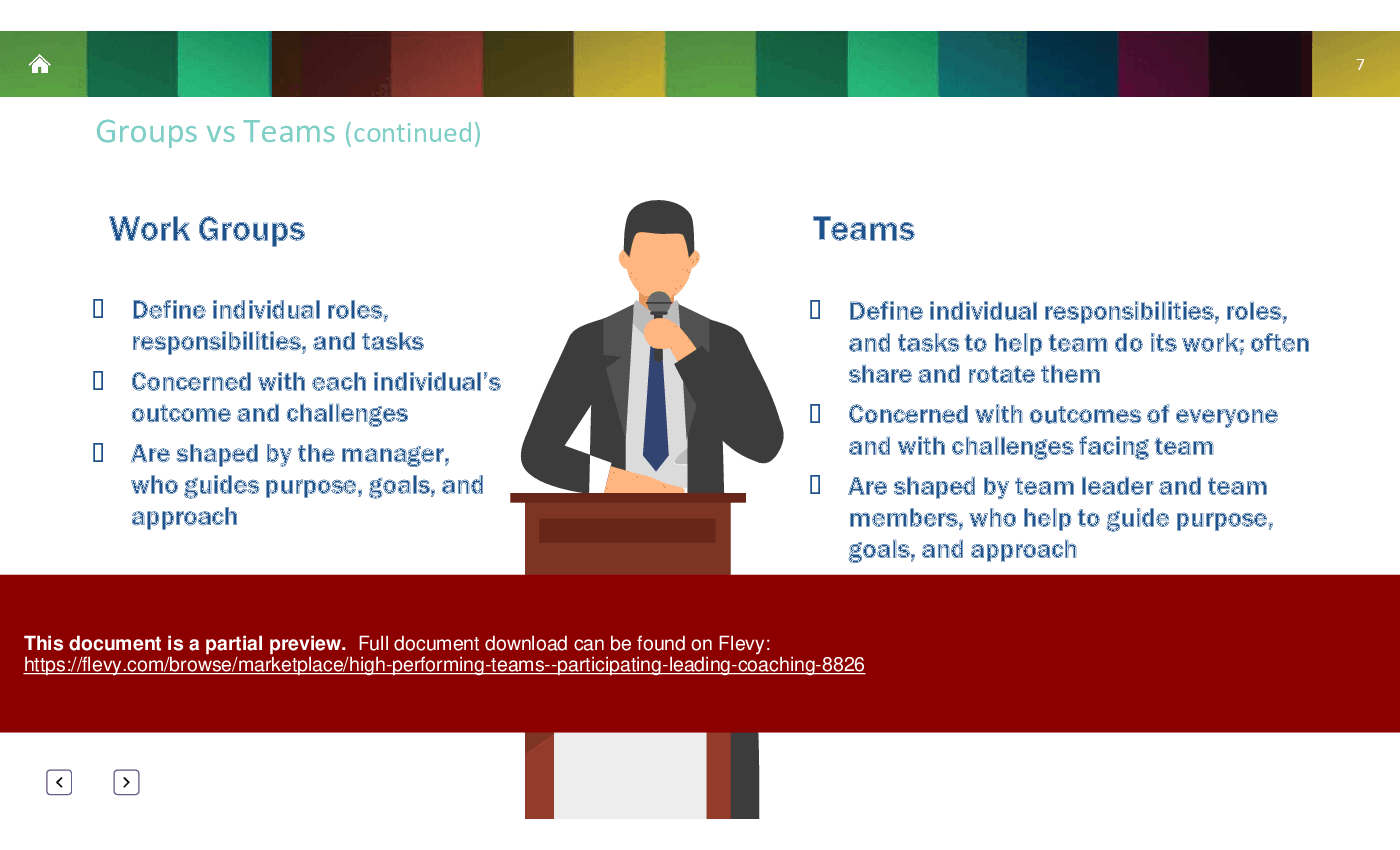
A work group focuses on individual accountability and goals, while a team emphasizes collective accountability and shared objectives.
How can I assess my team's performance?
Utilize a team dynamics assessment template to evaluate interactions, communication, and overall effectiveness.
What are the stages of team development?
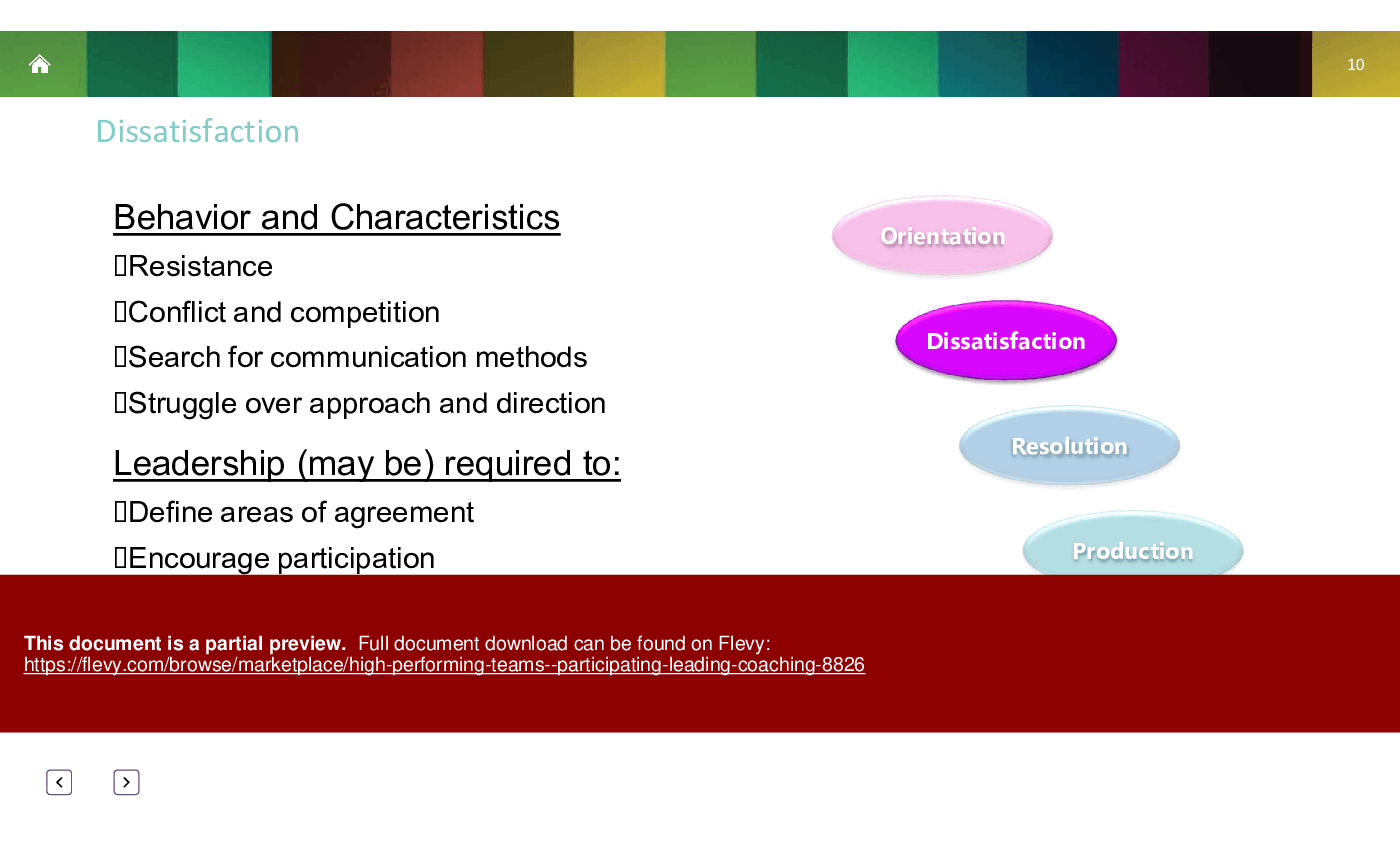
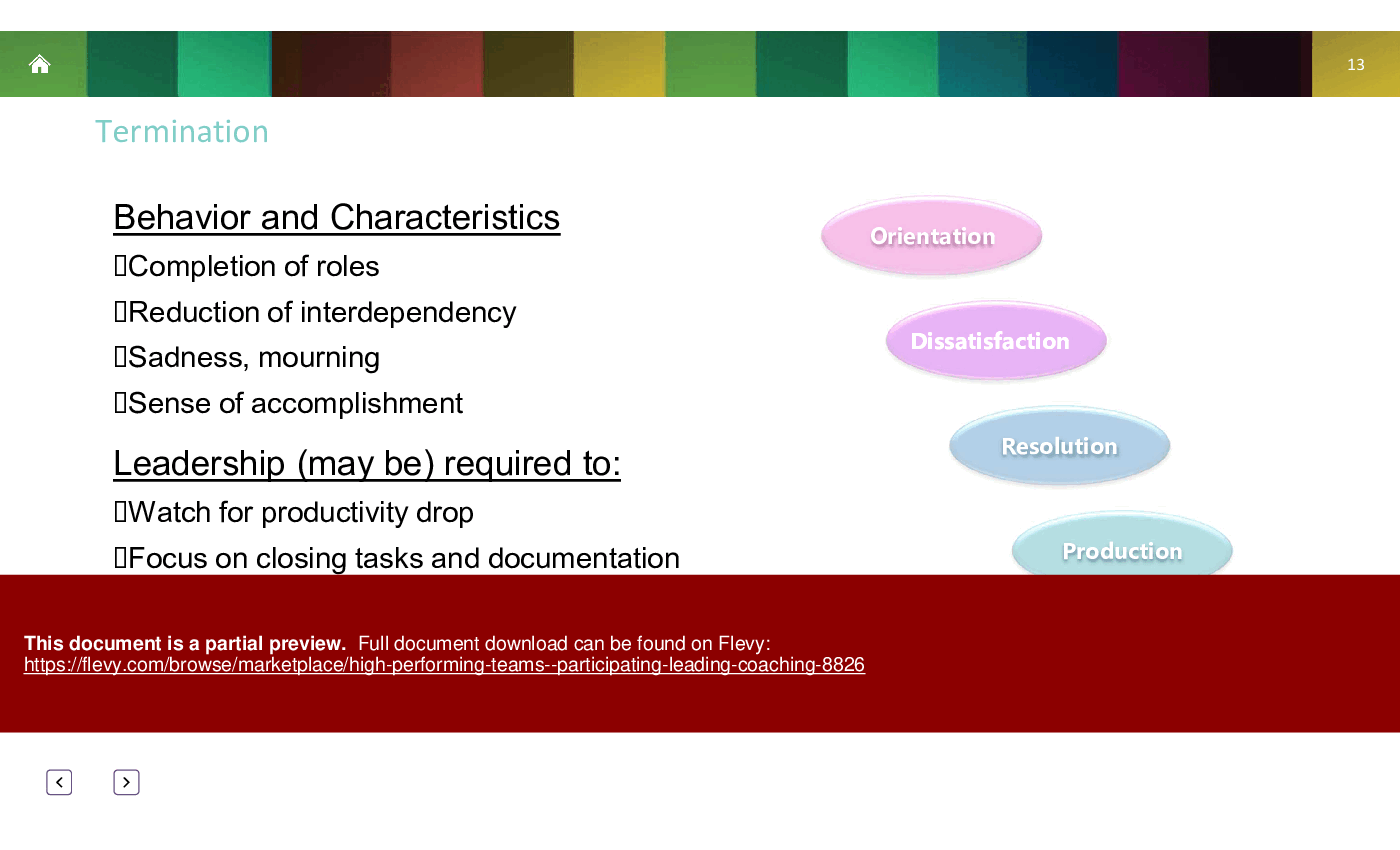
Teams typically progress through stages of orientation, dissatisfaction, resolution, production, and termination, each requiring different leadership approaches.
What leadership style is most effective for high-performing teams?
Democratic leadership is often the most effective, as it encourages participation and accountability among team members.
How can I improve communication within my team?
Implement a communication plan that emphasizes open dialogue, regular check-ins, and conflict resolution strategies.
What coaching skills should I develop as a team leader?
Focus on building rapport, active listening, providing constructive feedback, and holding team members accountable.
How do I foster trust within my team?
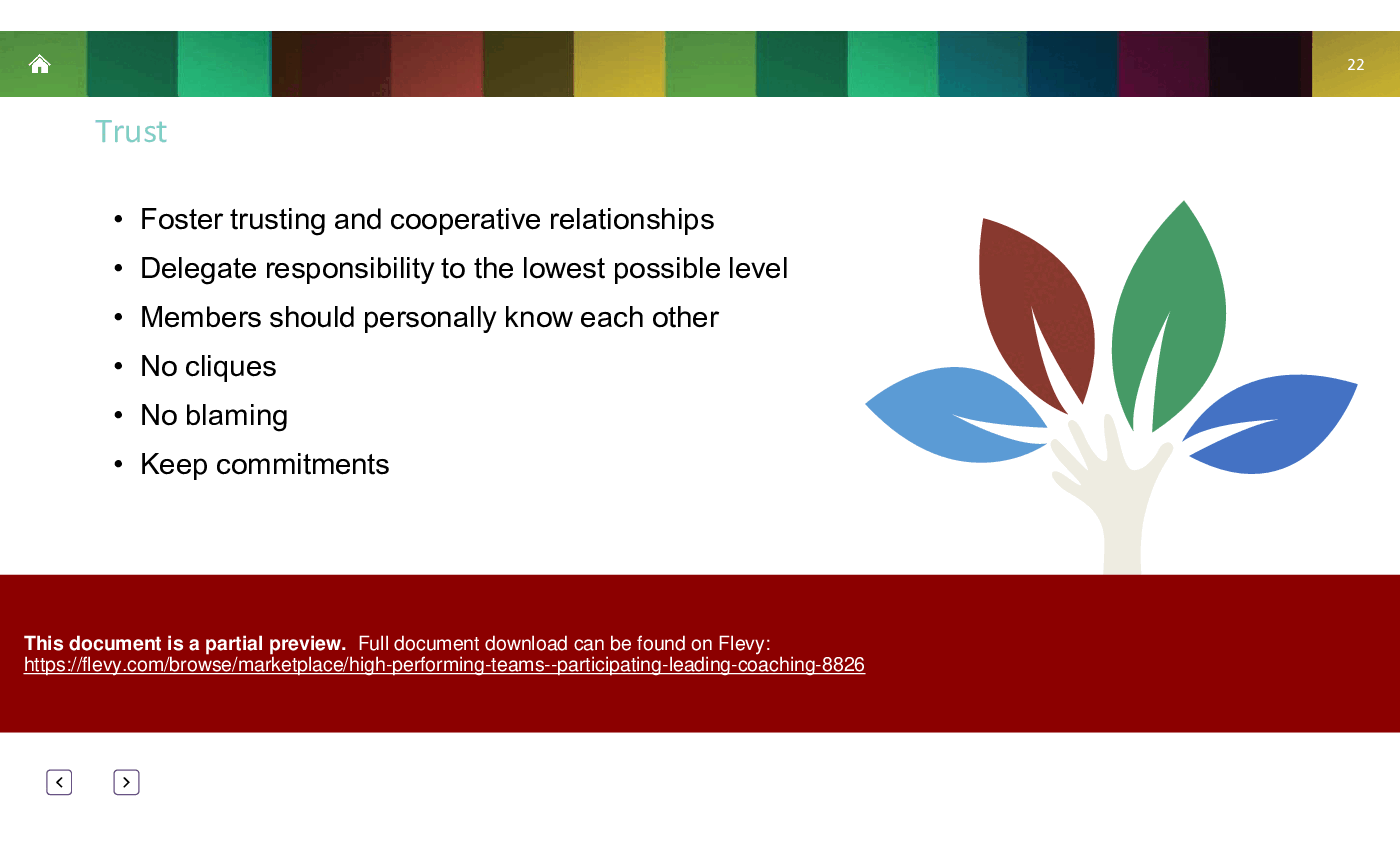
Encourage open communication, delegate responsibilities, and create opportunities for team members to build relationships.
What should I do if my team is experiencing conflict?
Utilize a conflict resolution framework to address issues collaboratively and ensure all voices are heard.
Glossary
• Team Dynamics - The interactions and relationships among team members that influence performance.
• Work Group - A collection of individuals focused on individual tasks and accountability.
• High Performing Team - A team characterized by clear goals, open communication, and mutual accountability.
• Leadership Styles - Various approaches to guiding and managing teams, including authoritarian, laissez-faire, and democratic.
• Coaching - The process of guiding team members to improve performance and achieve goals.
• Conflict Resolution - Techniques used to address and resolve disputes within a team.
• Emotional Intelligence - The ability to understand and manage one's own emotions and the emotions of others.
• Shared Leadership - A decentralized approach to leadership where team members take on leadership roles as needed.
• Communication Plan - A strategy for ensuring effective communication within a team.
• Feedback - Information provided to team members regarding their performance and areas for improvement.
• Accountability - The responsibility of team members to meet commitments and contribute to team goals.
• Trust - The foundation of effective teamwork, built through open communication and reliability.
Source: Best Practices in Team Management PowerPoint Slides: High Performing Teams - Participating, Leading, Coaching PowerPoint (PPTX) Presentation Slide Deck, RadVector Consulting
|
Download our FREE Organization, Change, & Culture, Templates
Download our free compilation of 50+ slides and templates on Organizational Design, Change Management, and Corporate Culture. Methodologies include ADKAR, Burke-Litwin Change Model, McKinsey 7-S, Competing Values Framework, etc. |










