
 Click main image to view in full screen. Unlock all 9 preview images:
GTM Decision System (Core Edition) – PowerPoint PPTX Template
PowerPoint (PPTX) + Zip archive file (ZIP) 37 Slides


GO-TO-MARKET PPT TEMPLATE DESCRIPTION
A professional decision system that forces documented choices on segment, positioning, Go To Market motion, channels, and 90-day activation – ending in an 8-page board-ready Recommendation Pack. The Full Edition adds the two components that make the system usable the moment you open it: AI-assisted drafting for every stage, and a facilitator's playbook for running it with a room instead of alone.
This is not a business-plan template or a collection of worksheets. It is a decision system.
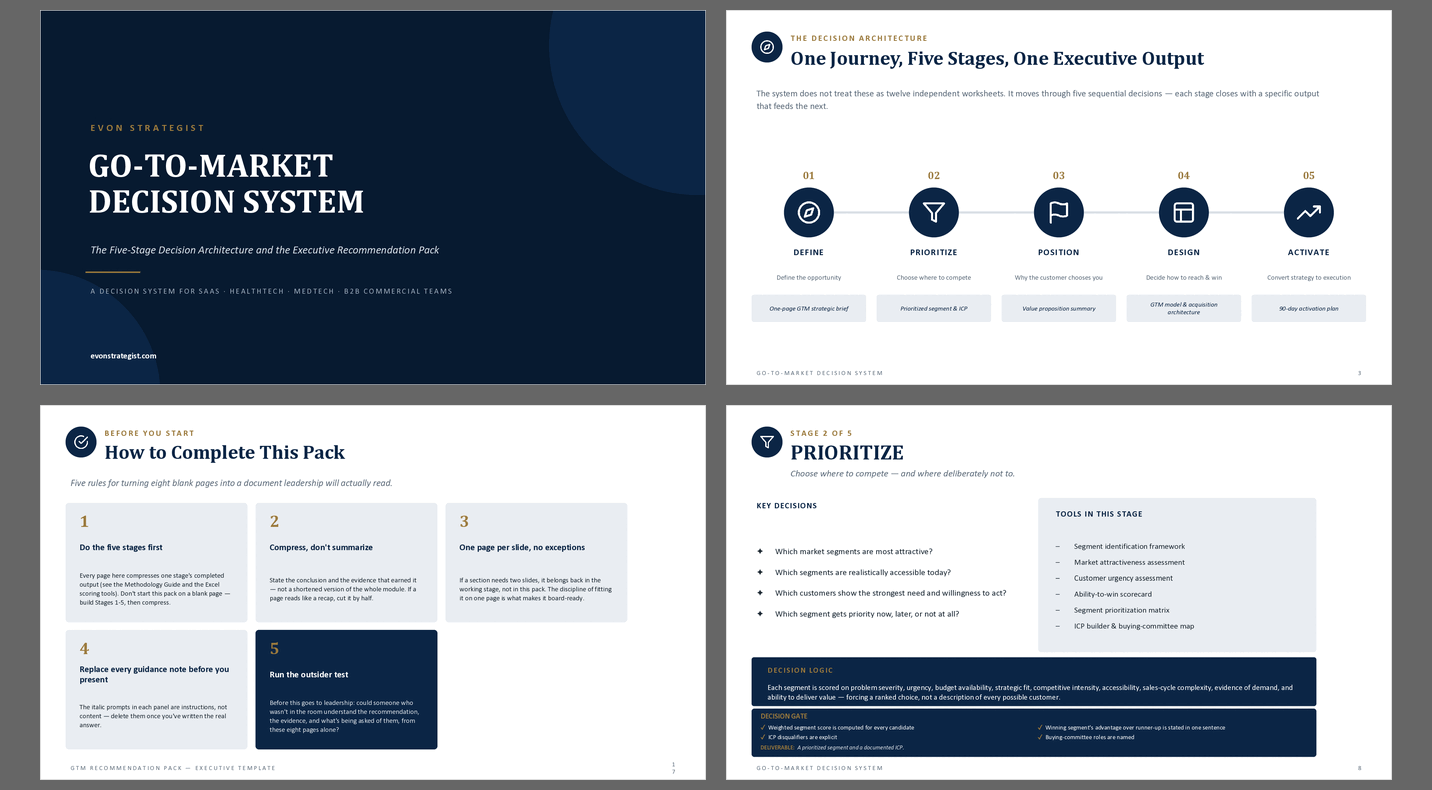
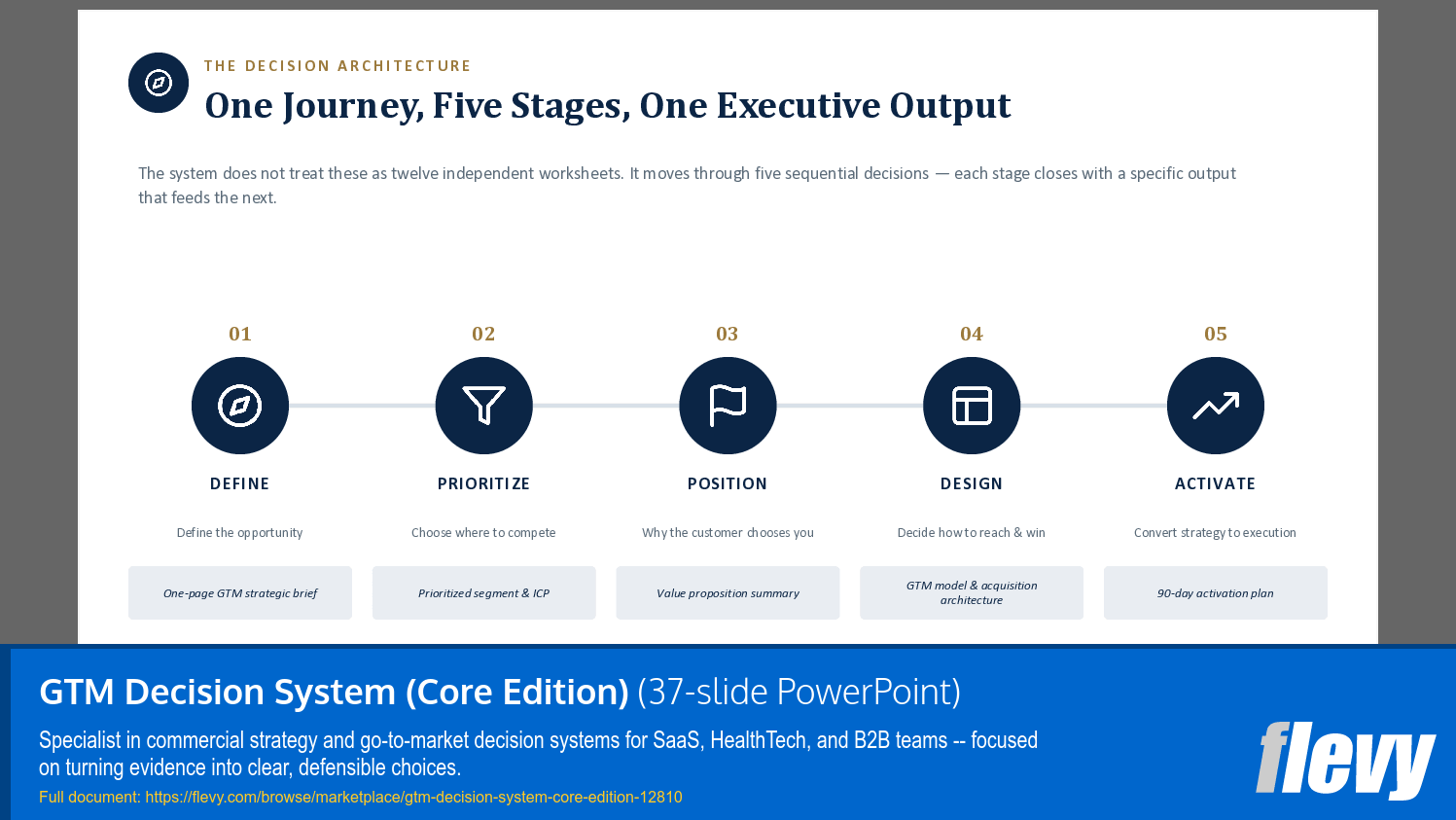
The Go-to-Market Decision System moves commercial teams through five sequential decisions – Define, Prioritize, Position, Design, Activate – and compresses the outputs into a single 8-page Recommendation Pack suitable for board, leadership, or client presentation.
Most Go To Market frameworks stop at describing a situation: the market, the competitors, the customer segments. This one is built around a different discipline.
Every module runs the same operating logic – Evidence → Insight → Implication → Choice → Action – and a stage is not considered complete until a documented Choice has been made, an alternative has been explicitly ruled out, and an owner has been named. That single requirement is what separates a decision system from a descriptive one.
The five stages map to the decisions every commercial team actually has to make.
Define establishes the market, the category, and a measurable strategic objective.
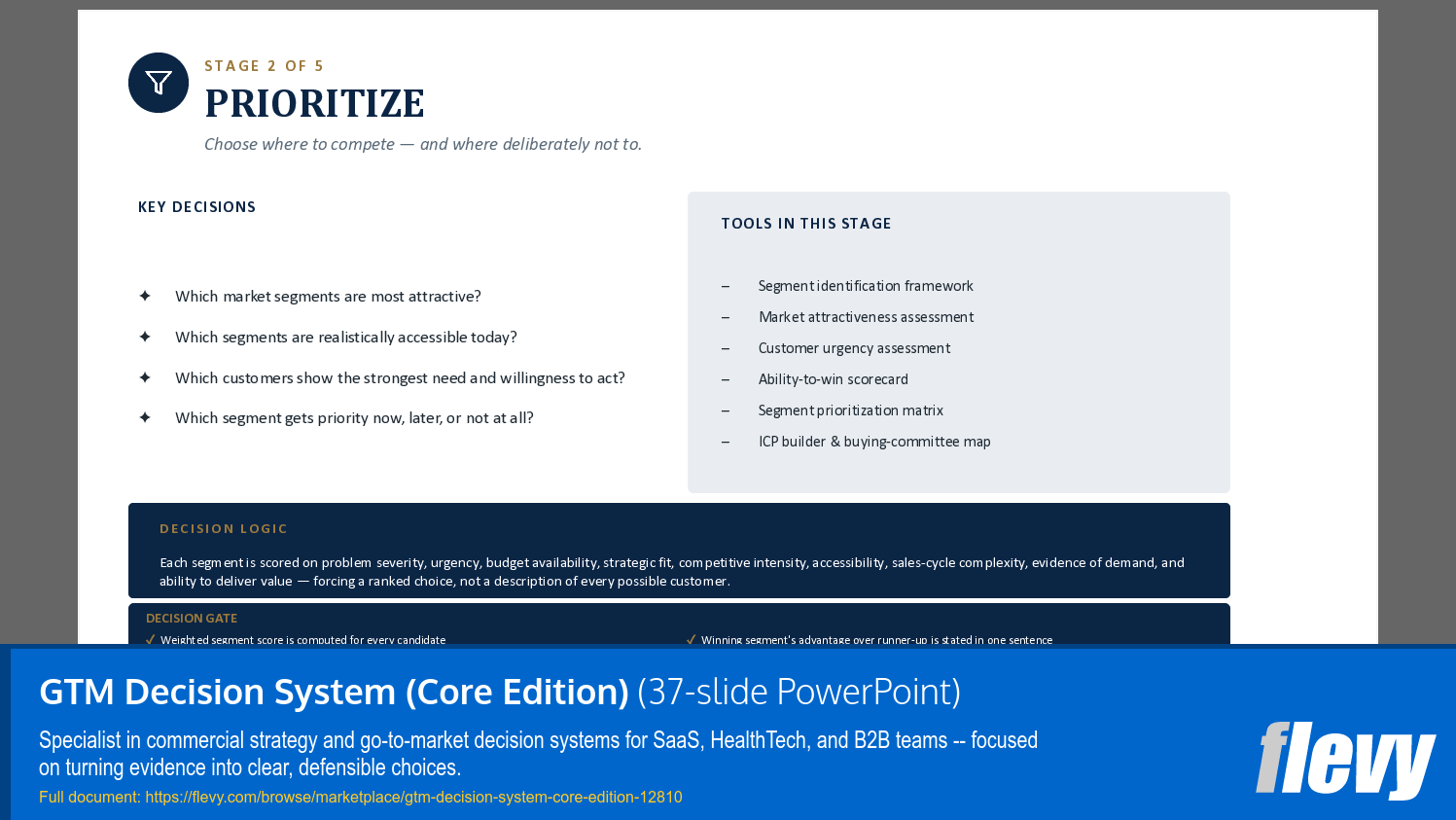
Prioritize scores candidate segments on nine weighted criteria and produces a ranked, defensible choice instead of a debate settled by opinion.
Position converts the prioritized segment into a proof-backed value proposition that passes an explicit proof-point test.
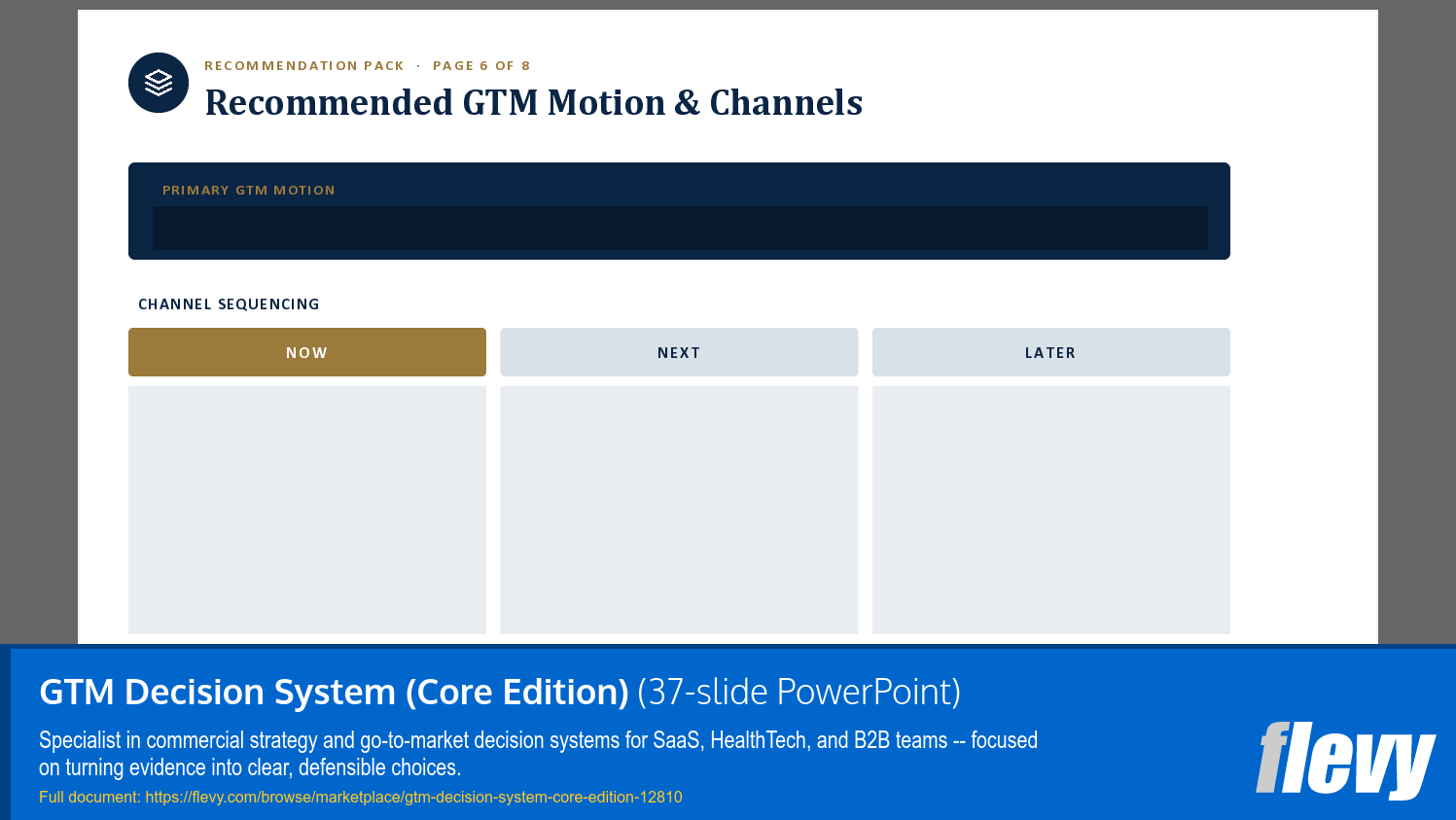
Design scores GTM motion and channel options and sequences investment into Now, Next, and Later.
Activate converts the strategy into a 90-day plan with named owners and leading indicators, closing on an explicit go/no-go threshold.
Each stage ends on a Decision Gate – a short, confirmable checklist that has to be satisfied before the next stage begins – and every scoring decision is backed by a live Excel tool rather than a static worksheet.
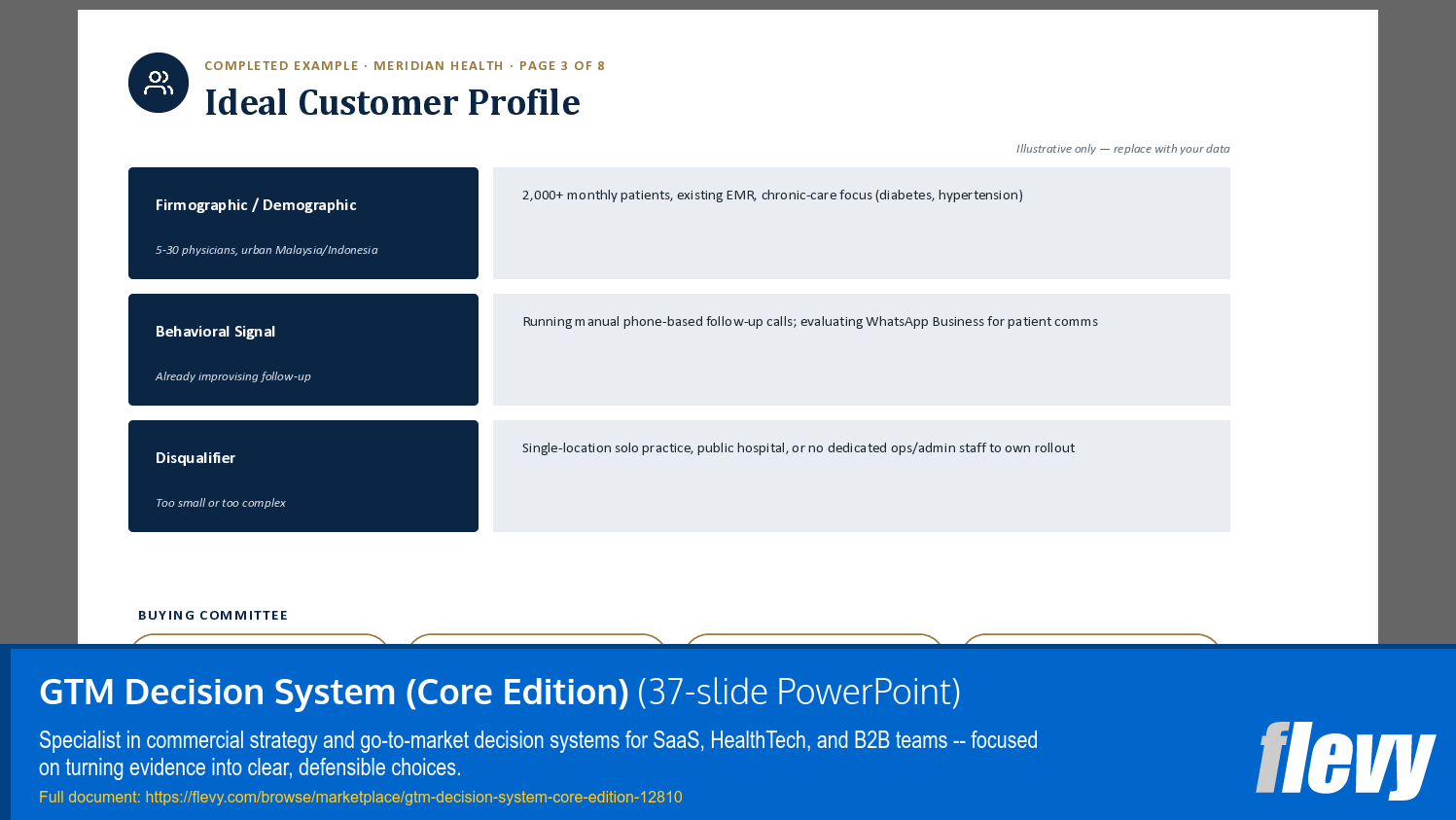
To show the system applied rather than merely described, the toolkit includes a fully completed illustrative case – a HealthTech SaaS company entering a new market – worked through all eight pages of the Recommendation Pack, so buyers can see the full decision logic in use before applying it to their own business.
Founder Sprint – recommended pacing and the pitfalls of working through this alone
Leadership Workshop – two full agenda options (single-day intensive or five-week cadence), facilitator opening lines for every stage, a step-by-step process for when the room disagrees, and a ready-to-copy Decision Log for documenting not just what won, but why the alternatives lost
Consultant Engagement – how to frame the engagement to a client, what to re-brand versus keep internal, and an explicit licensing boundary (what you may and may not do with the materials in client work)
Contents
Five-stage decision architecture with explicit Decision Gates at each stage
Live weighted scoring tools (Excel) for market segment prioritization, GTM motion fit, and channel scorecard
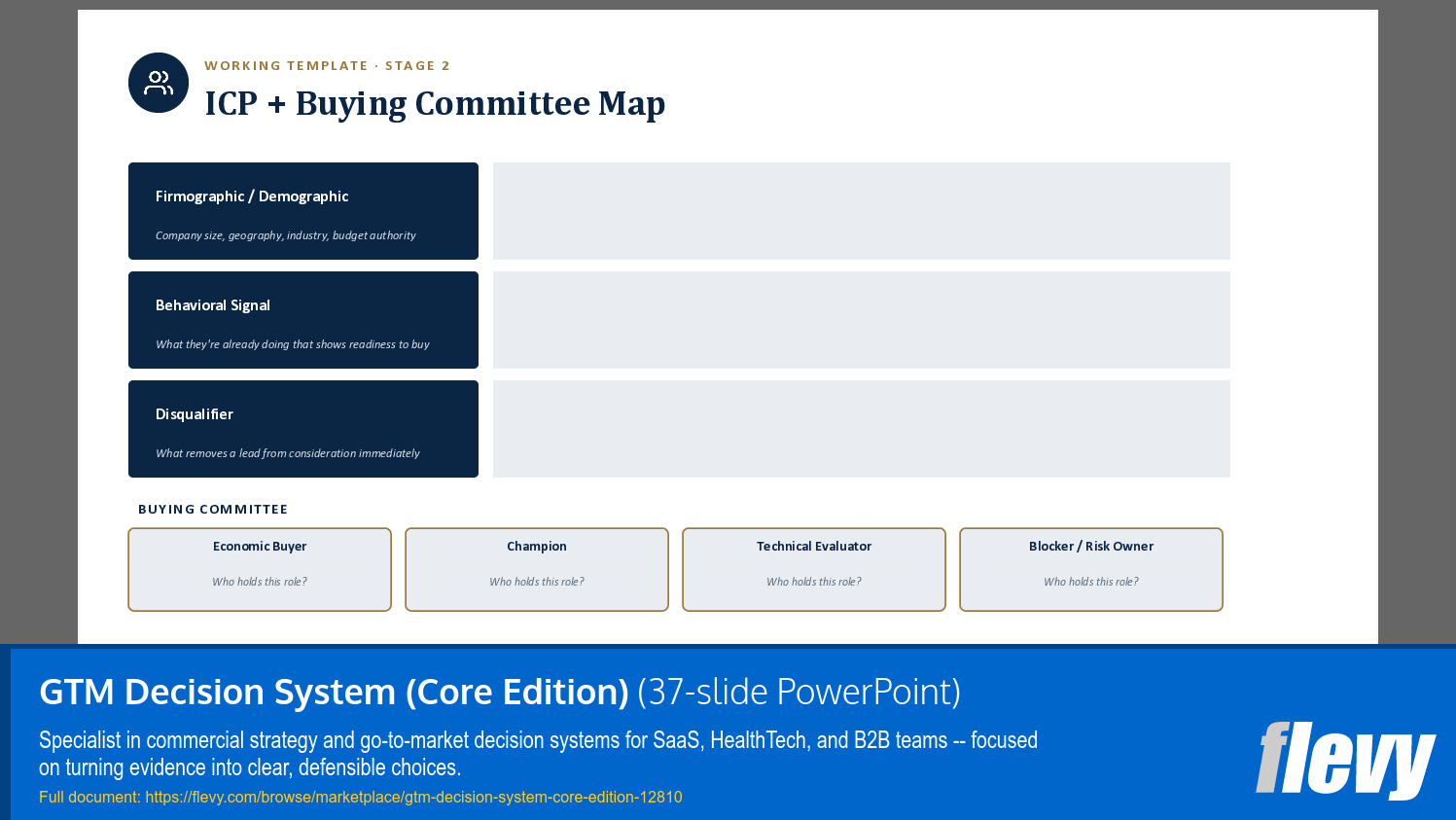
Four executive working templates (Strategic Brief, ICP + Buying Committee, Value Proposition Summary, 90-Day Plan + Ownership Matrix)
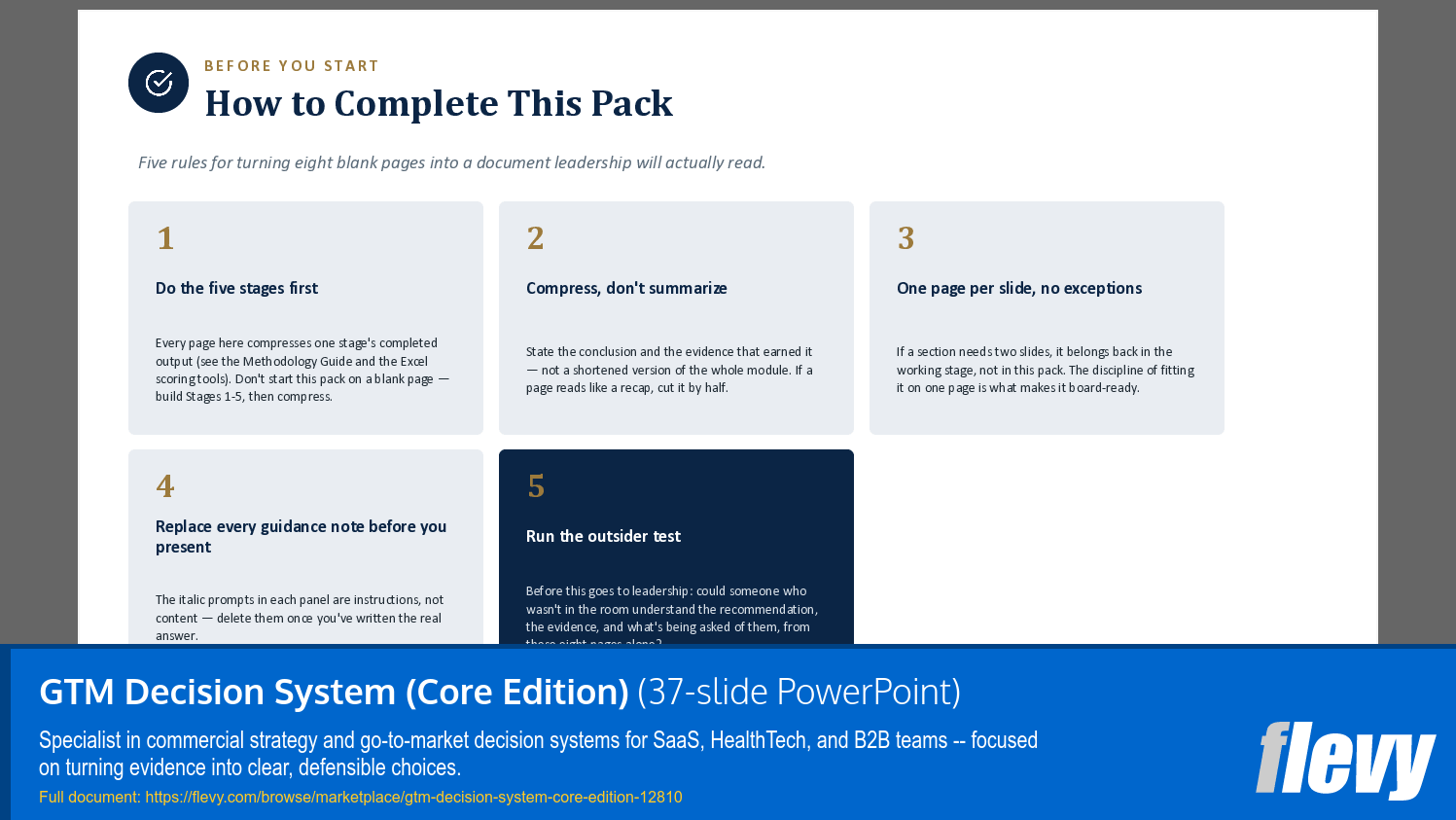
8-page Recommendation Pack shell + a fully completed illustrative case, including a fully worked HealthTech SaaS example
Decision Audit one-pager
Executive Methodology Guide covering operating logic, time estimates, three usage paths, and full glossary
AI Strategy Companion – 10 prompts mapped to every stage, with a decision-chain diagram and a worked example
Full Facilitation Guide – agendas, facilitator scripts, a Decision Log template, and consultant licensing terms
Primary users
SaaS and HealthTech/MedTech commercial teams, B2B product and marketing leaders, fractional CMOs, and strategy consultants.
Core discipline
Every module follows the chain: Evidence → Insight → Implication → Choice → Action. The system does not allow a stage to close until a Choice has been documented and an alternative explicitly ruled out.
Requires: Microsoft PowerPoint, Excel, and Word (or compatible apps).
Got a question about the product? Email us at support@flevy.com or ask the author directly by using the "Ask the Author a Question" form. If you cannot view the preview above this document description, go here to view the large preview instead.
Source: Best Practices in Go-to-Market PowerPoint Slides: GTM Decision System (Core Edition) PowerPoint (PPTX) Presentation Slide Deck, Evon Strategist
ABOUT THE AUTHOR

Evon Strategist - builds practical decision systems for Saas, HealthTech, and B2B commercial teams.
I help founders, marketers, and consultants cut through complexity on go-to-market, positioning, launching and competitive choices - turning evidence into clear, defensible recommendations they can actually execute.
Ask the Author a Question
You must be logged in to contact the author.




























