
 Click main image to view in full screen. Unlock all 12 preview images:
Green Ammonia Plant – Project Finance Model – Excel XLSX
Excel (XLSX)


BENEFITS OF THIS DOWNLOADABLE EXCEL DOCUMENT
- Provides forecast and profitability analysis for a development and operating scenario of a Green Ammonia Plant
RENEWABLE ENERGY EXCEL DESCRIPTION
A green ammonia plant produces ammonia using renewable energy sources, typically through electrolysis-powered hydrogen combined with nitrogen from the air. Unlike conventional ammonia production, which relies on fossil fuels and emits significant CO₂, green ammonia is carbon-free, making it a sustainable alternative for agriculture, energy storage, and fuel. These plants integrate technologies like solar or wind power, electrolyzers, and Haber-Bosch synthesis units to create a clean, scalable solution for decarbonizing heavy industries and global supply chains.
This Finance Model provides a dynamic (up to 15 years) forecast and profitability analysis of a development and operating scenario for a Green Ammonia Plant and enables users to get a solid understanding of the financial feasibility of the project and to evaluate the return to investors.
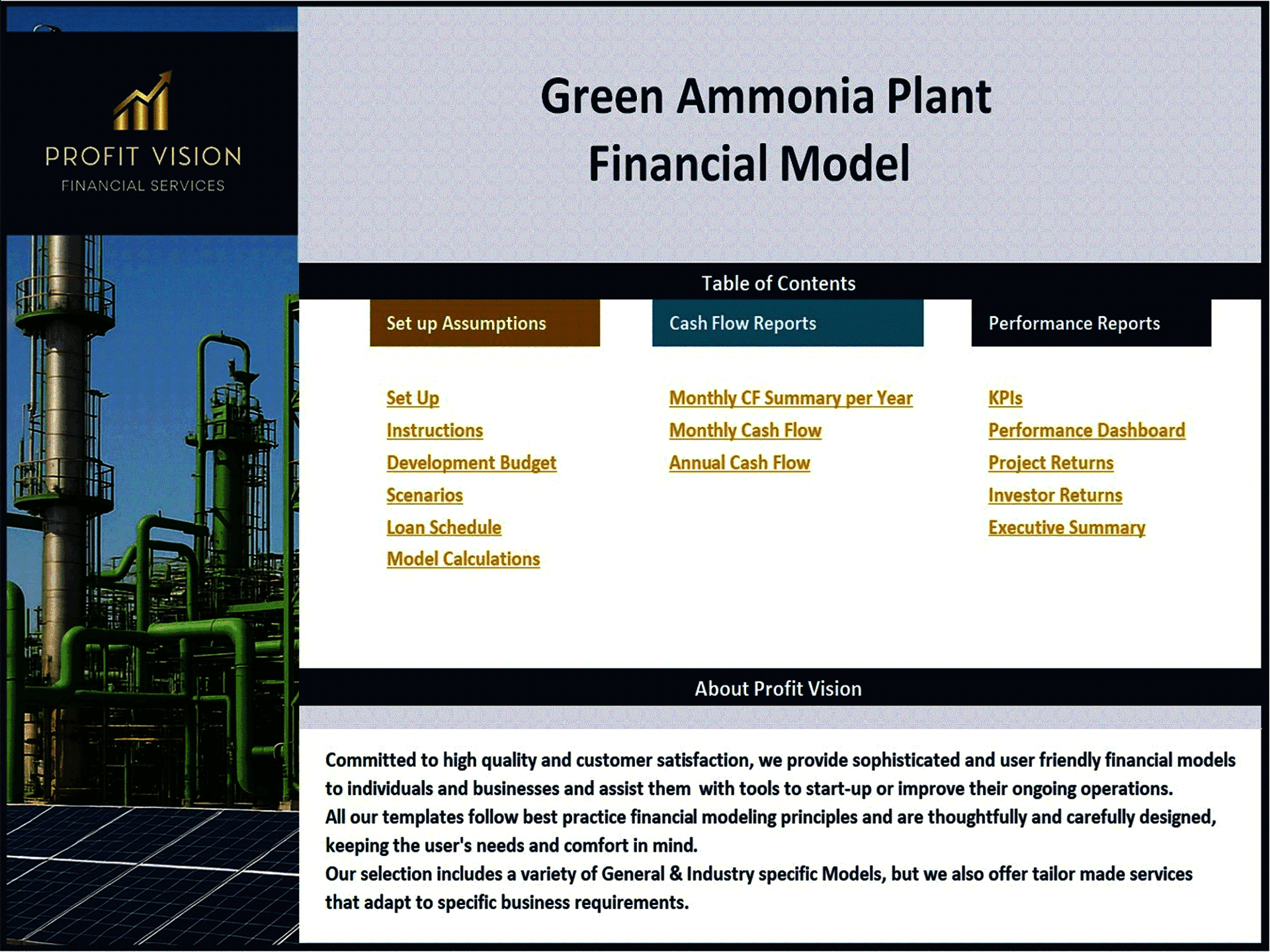
The structure of the template follows Financial Modeling Best Practices principles and is fully customizable.
Model Structure:
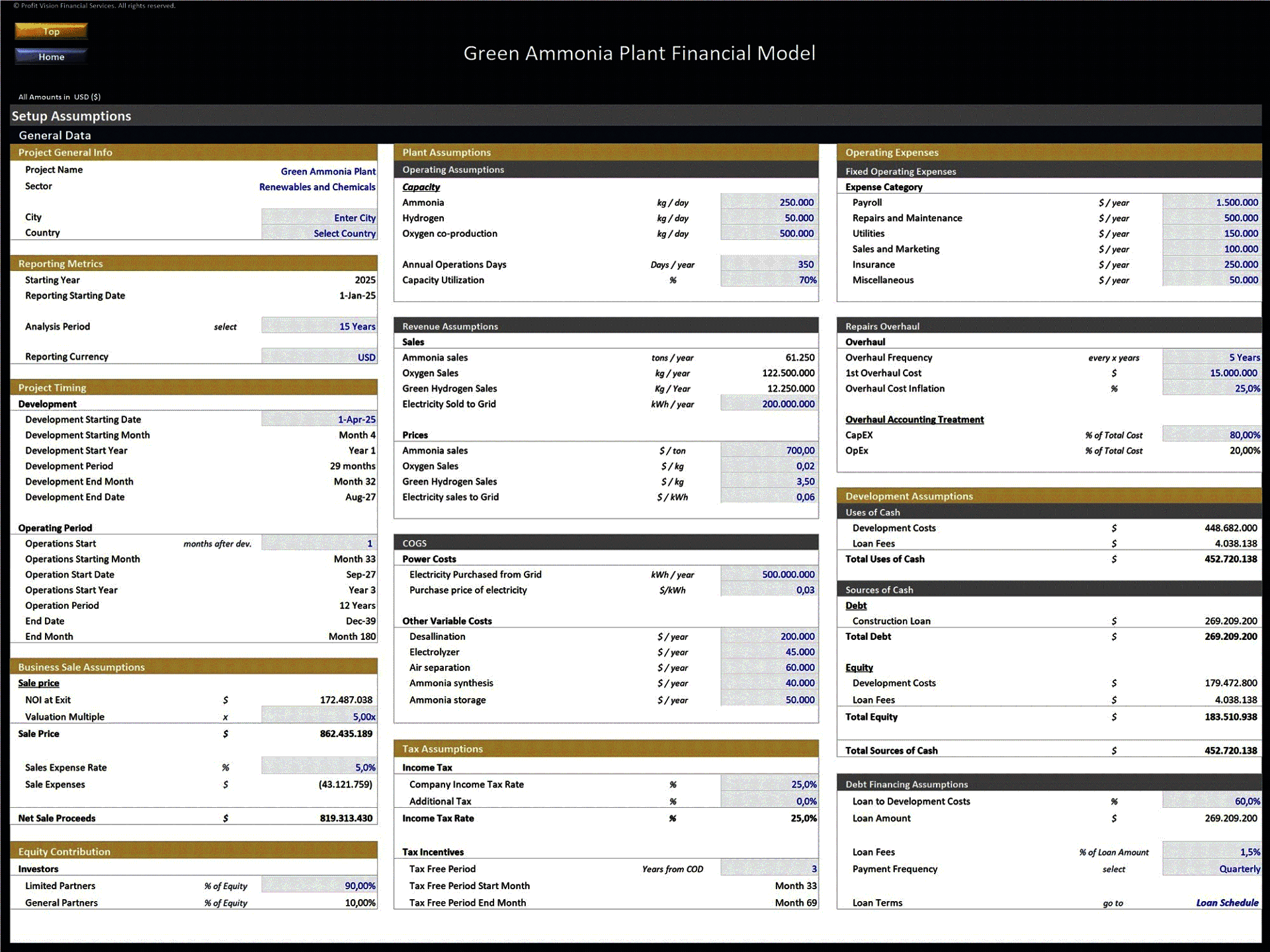
* Setup Assumptions
This section is used to input all the assumptions for the project.
It includes assumptions for Project Timing, Plant Development Budget, Plant Capacity and Efficiency, Revenue and COGS, Tax Incentives, CapEx, Opex, Financing and Valuation Metrics
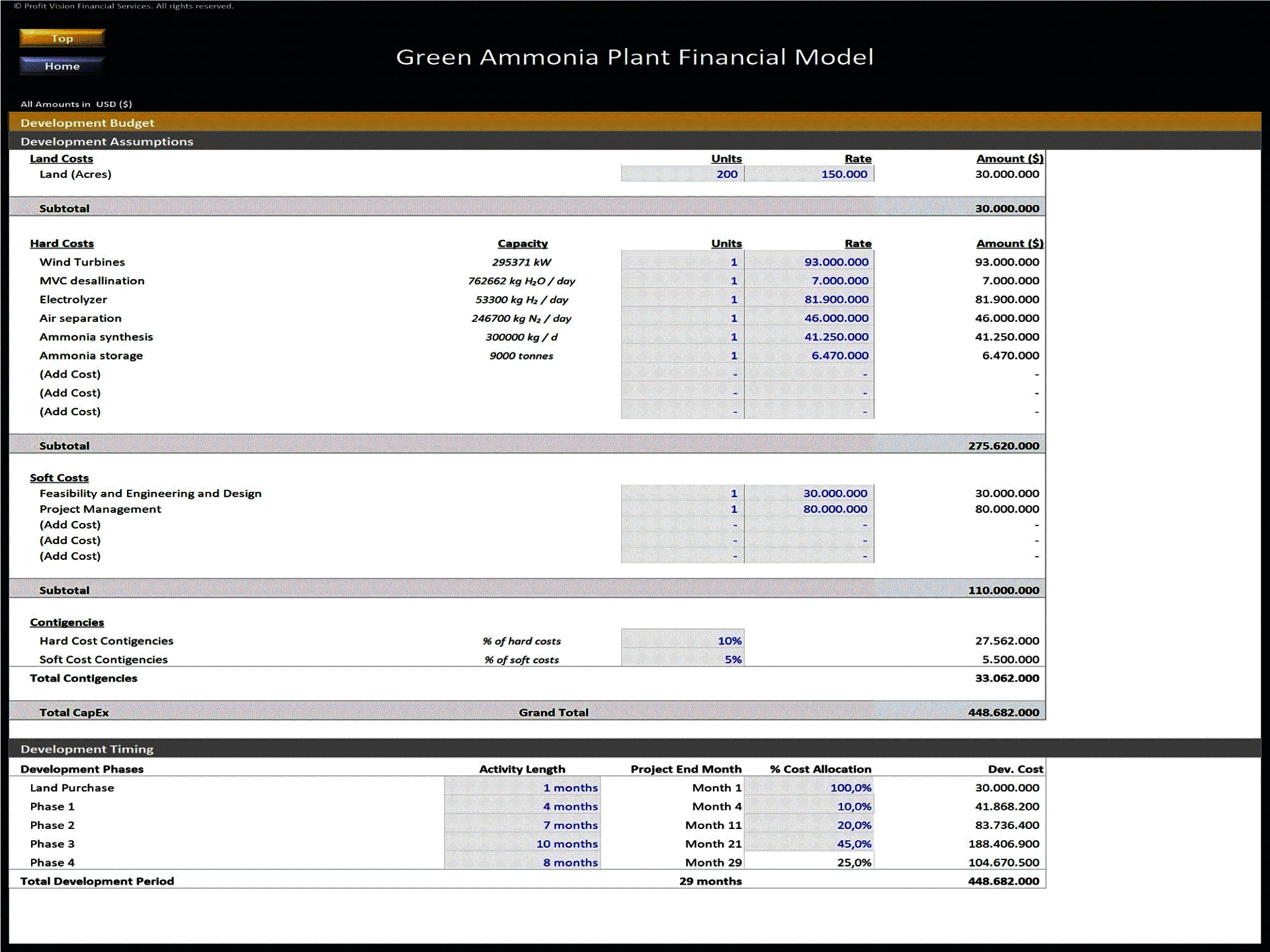
* Development Budget
This section includes all assumptions for the development of infrastructure for operations of a Green Ammonia Plant to commence.
It includes Land Costs, Plant Development Costs and Other Development Expenses and is broken down into 4 development phases
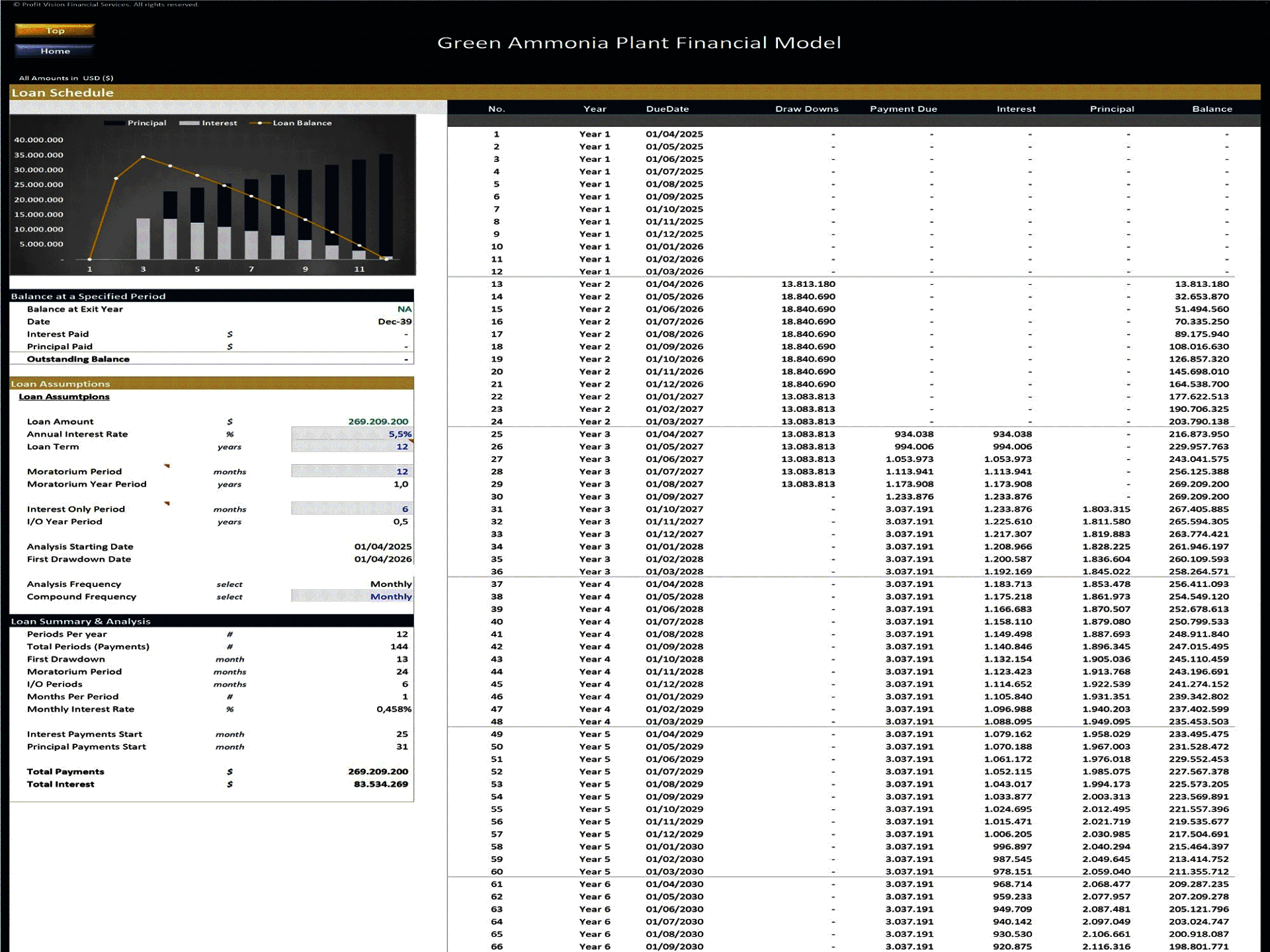
* Loan Schedule
Loan amortization Schedule of project's debt including an optional moratorium and interest-only (IO) period.
* Scenarios
Scenario Ananysis for Plant's Utilization, Revenue, COGS and OpEx using 3 different approaches (Base, Upside and Downside scenario).
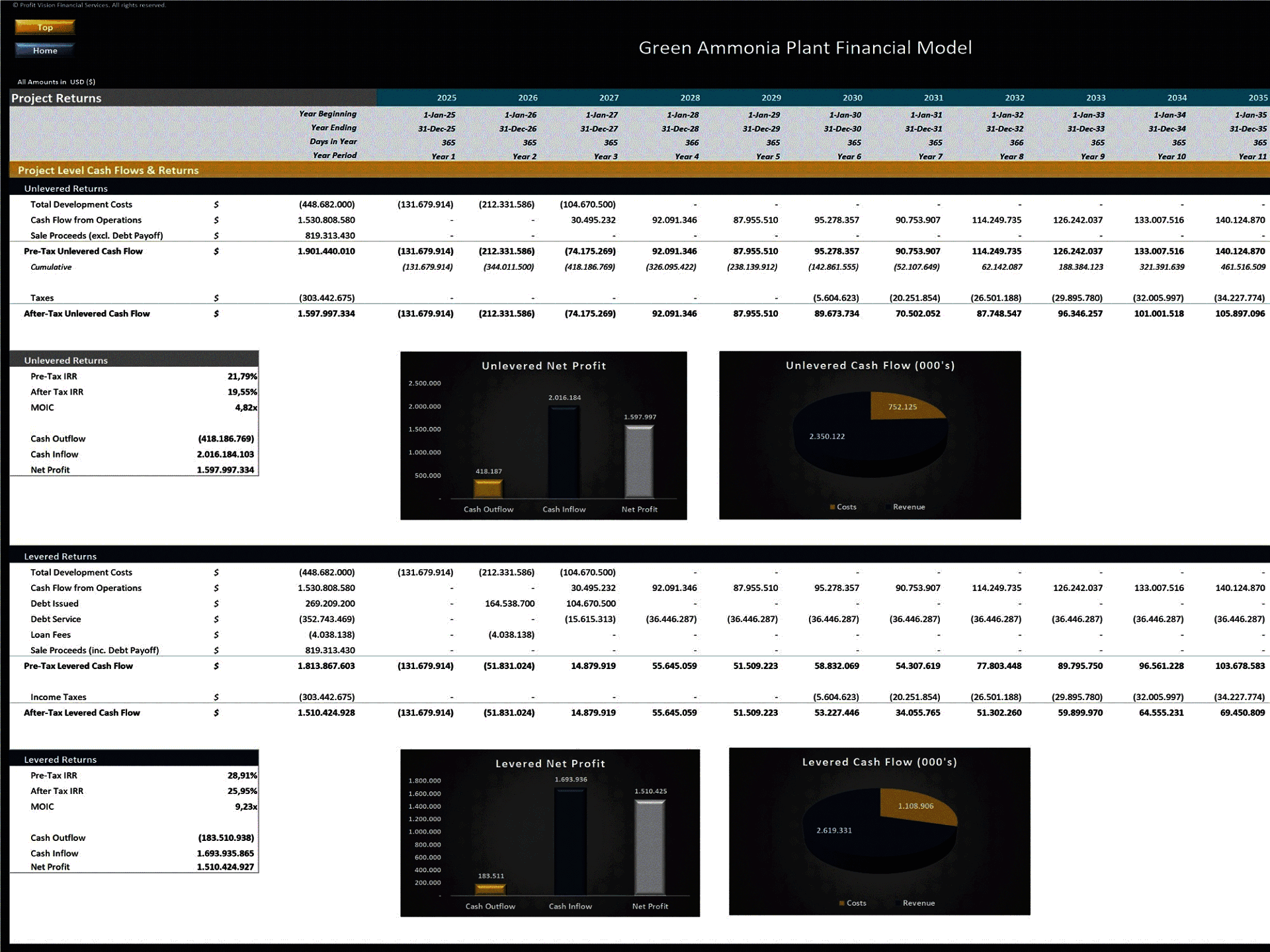
* Project Cash Flows and Return Metrics
Presentation of Project's Cash Flow and Returns including the below reports:
– Monthly Project Cash Flow
– Annual Project Cash Flow
– Plant Financing and Tax Supporting Schedules
– Key Performance Indicators
– Unlevered & Levered Project Return Metrics (IRR, MOIC, Payback, NPV)
– Business Performance Dashboard
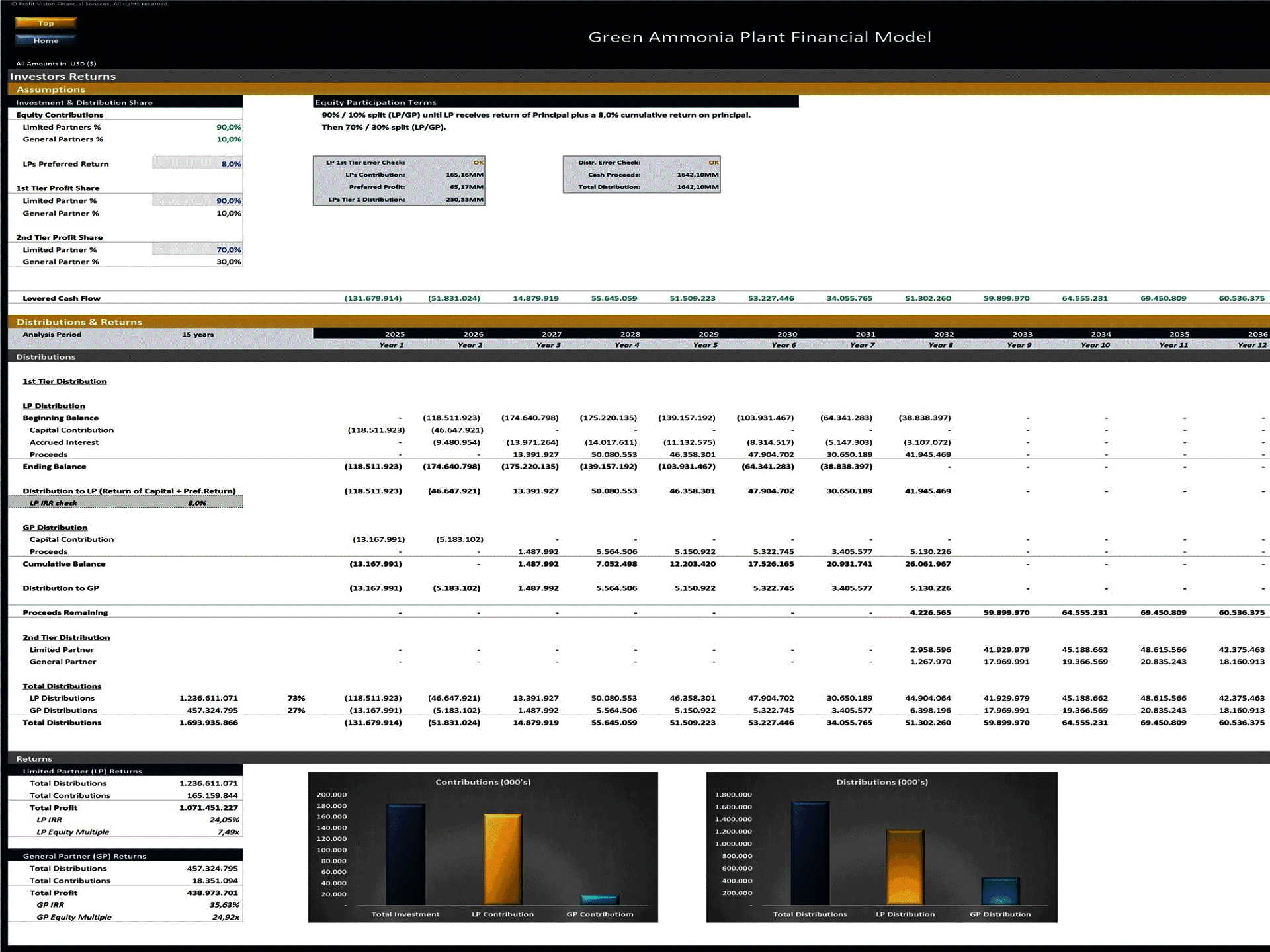
* Investors Distribution Waterfall
A Private Equity 2-Tier Investors Distribution Waterfall Model including LPs Preferred Return (Hurdle Rate)
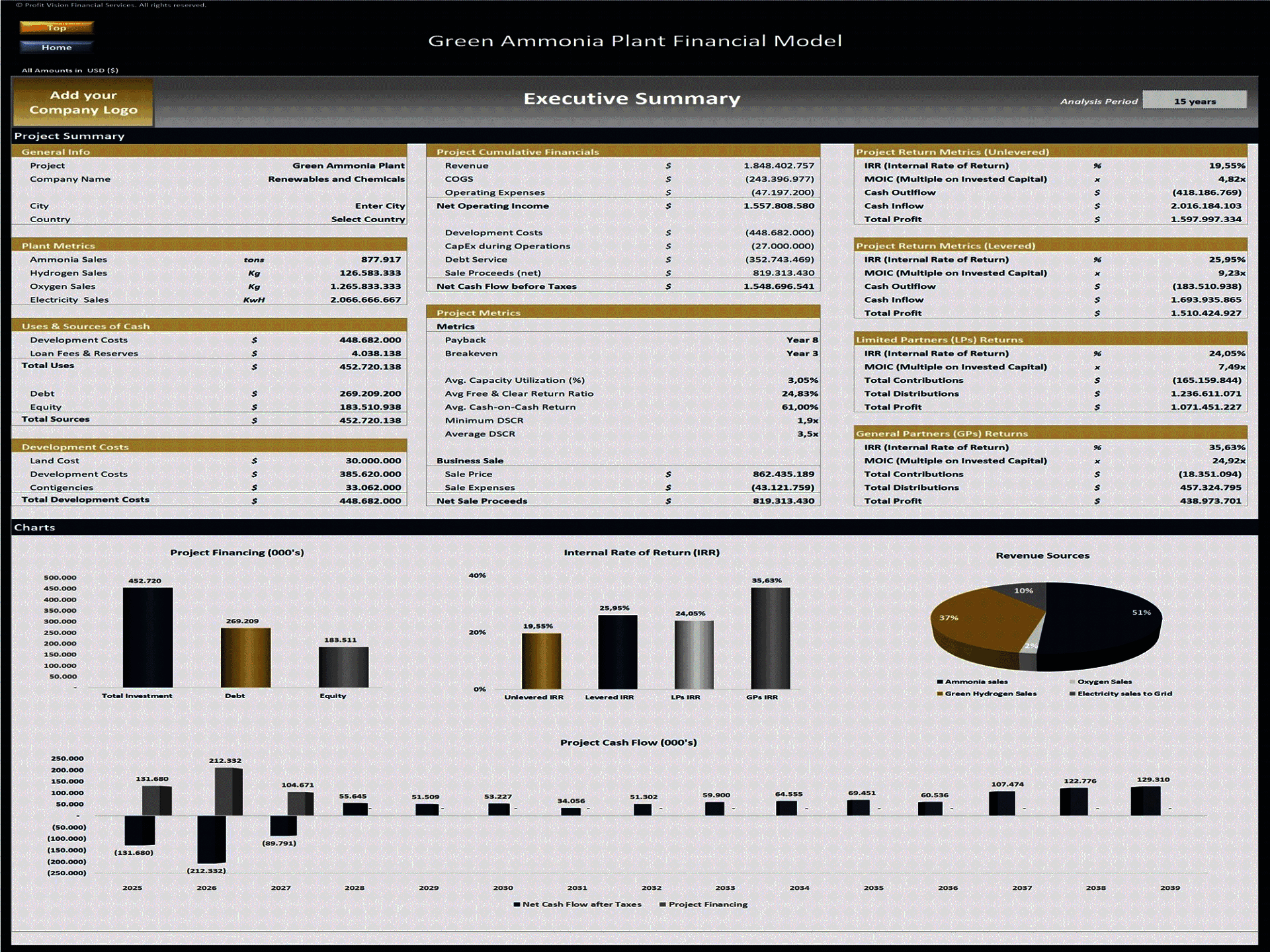
* Project Executive Summary
Professional Executive Summary report containing all of the high-level relevant information for review and is designed to be easy to read, print, and save to pdf. The report includes Project General Info, Timing, Sources, and Uses of Cash, Operations Summary and Key Metrics, Project and Investor return metrics.
Instructions on the use of the model are included in the Excel file.
Help & Support
Committed to high quality and customer satisfaction, all our templates follow best practice financial modeling principles and are thoughtfully and carefully designed, keeping the user's needs and comfort in mind.
No matter if you have no experience or you are well versed in finance, accounting, and the use of Microsoft Excel, our professional financial models are the right tools to boost your business operations!
If you however experience any difficulty while using this template and you are not able to find the appropriate guidance in the provided instructions, please feel free to contact us for assistance.
If you need a template customized for your business requirements, please e-mail us and provide a brief explanation of your specific needs.
Got a question about the product? Email us at support@flevy.com or ask the author directly by using the "Ask the Author a Question" form. If you cannot view the preview above this document description, go here to view the large preview instead.
TOPIC FAQ
What financial metrics should I focus on when evaluating a green ammonia plant project?
Typical project finance metrics focus on project cash generation and investor returns: unlevered and levered IRR, MOIC, Payback, and NPV. A robust model also tracks monthly and annual cash flows plus key performance indicators to support sensitivity and scenario analysis, including IRR and NPV.How long should the forecast horizon be for a green ammonia financial model?
Forecast horizons vary by project lifecycle,, but models for green ammonia projects commonly project operations and returns for up to 15 years to capture development recovery and mid-term operating performance, reflecting typical project finance planning timelines of up to 15 years.What key inputs are required to model green ammonia production costs?
Core inputs include project timing, plant capacity and efficiency, development and plant CapEx, operating expenses, revenue and COGS assumptions, and applicable tax incentives. Accurate assumptions on plant efficiency and CapEx are critical for cost and margin forecasting, including CapEx and plant capacity assumptions.What features should I look for when buying a project finance template for green ammonia?
Look for a clear assumptions setup, phased development budget, loan amortization schedule with optional moratorium/interest‑only features, scenario analysis for utilization/revenue/OpEx, monthly and annual cash flows, and an investor distribution waterfall. Templates that include instructions and follow Financial Modeling Best Practices are useful; prioritize loan amortization with optional moratorium and interest‑only period.How much expertise is needed to adapt a generic green ammonia model to my project?
Required expertise depends on project complexity; however, a customizable template with embedded instructions and vendor support can accommodate users with limited to advanced finance and Excel skills. The included Excel file provides instructions and the author offers customer assistance for customization.What should an investor-facing executive summary from a green ammonia model include?
An executive summary for investors should present project general information, timing, sources and uses of cash, an operations summary, key performance indicators, and project and investor return metrics. The Flevy product’s Project Executive Summary package includes Sources and Uses and key investor return metrics.How is a private equity distribution waterfall typically represented in project finance models?
Private equity waterfalls are commonly modelled as multi‑tier distributions that allocate cash to investors based on preferred returns and catch‑up mechanics; the referenced model includes a Private Equity 2‑Tier Investors Distribution Waterfall with an LP preferred return (hurdle rate) to capture investor return sequencing.Can scenario analysis capture operational and revenue variability for green ammonia projects?
Yes. Effective models include scenario analysis for plant utilization, revenue, COGS, and OpEx across different cases. The described template provides 3 scenarios—Base, Upside, and Downside—to stress test financial outcomes and returns across operational and market variations.Source: Best Practices in Renewable Energy, Integrated Financial Model Excel: Green Ammonia Plant – Project Finance Model Excel (XLSX) Spreadsheet, Profit Vision
ABOUT THE AUTHOR

Profit Vision provides Consulting & Outsourced Financial Services as well as Financial Planning & Performance analysis to small and mid-size businesses by implementing efficient and effective tools to assist them with start-up business plans or improve their ongoing operations.
Our range of services include Financial & Operational Analysis, Business Planning, Budgeting & Forecasting, Cash Flow
... [read more]
Ask the Author a Question
You must be logged in to contact the author.




























