

 Click main image to view in full screen. Unlock all 15 preview images:
Battery Energy Storage System - 10 Year Financial Model – Excel XLSX
Excel (XLSX)


BENEFITS OF THIS DOWNLOADABLE EXCEL DOCUMENT
- Provides a dynamic up to 10-year financial forecast for the development of a Green Filed Battery Energy Storage System (BESS) Facility.
ENERGY INDUSTRY EXCEL DESCRIPTION
A Battery Energy Storage System (BESS) is a technology that stores electrical energy in rechargeable batteries for later use, improving energy reliability and efficiency. It plays a vital role in stabilizing power grids, integrating renewable energy sources like solar and wind, and reducing electricity costs by storing energy during low-demand periods and discharging it during peak demand. BESS enhances grid resilience, supports backup power applications, and enables sustainable energy solutions for residential, commercial, and industrial use. With advancements in lithium-ion and emerging battery technologies, BESS is becoming a key component of modern energy infrastructure.
This Financial Model presents a development and operations scenario of a Battery Energy Storage System (BESS) Facility. The facility has secured PPAs with offtakers and has tied up with renewable energy sources for power purchase.
The model includes calculations and assumptions for the Facility Development (Land Acquisition or Lease, Construction Costs, Equipment, etc), Startup Expenses, Facility Operating Assumptions (Installed Capacity ad Availability, Charging, Discharging, and Storage Hours, System Losses), Revenue from 3 different Power Purchase Agreements, Direct Costs (Solar and Wind Energy Purchases, Maintenance, etc.), Payroll, Operating Expenses, Fixed Assets & Depreciation, Financing through Debt & Equity and Exit Valuation assumptions (WACC and Terminal Value) in case of a potential sale of the business.
The structure of the template follows Financial Modeling Best Practices principles and is fully customizable.
Detailed instructions for the functionality of the model are included in the Excel file.
Model Inputs and Setup Reports:
• General Setup Assumptions, incl. Starting Expenses, Facility Metrics, Revenue & Cost of Sales Assumptions, Financing (Debt & Equity) and Valuation Metrics
• Facility Development Budget (Land Acquisition or Lease, Construction Costs, Equipment, etc.)
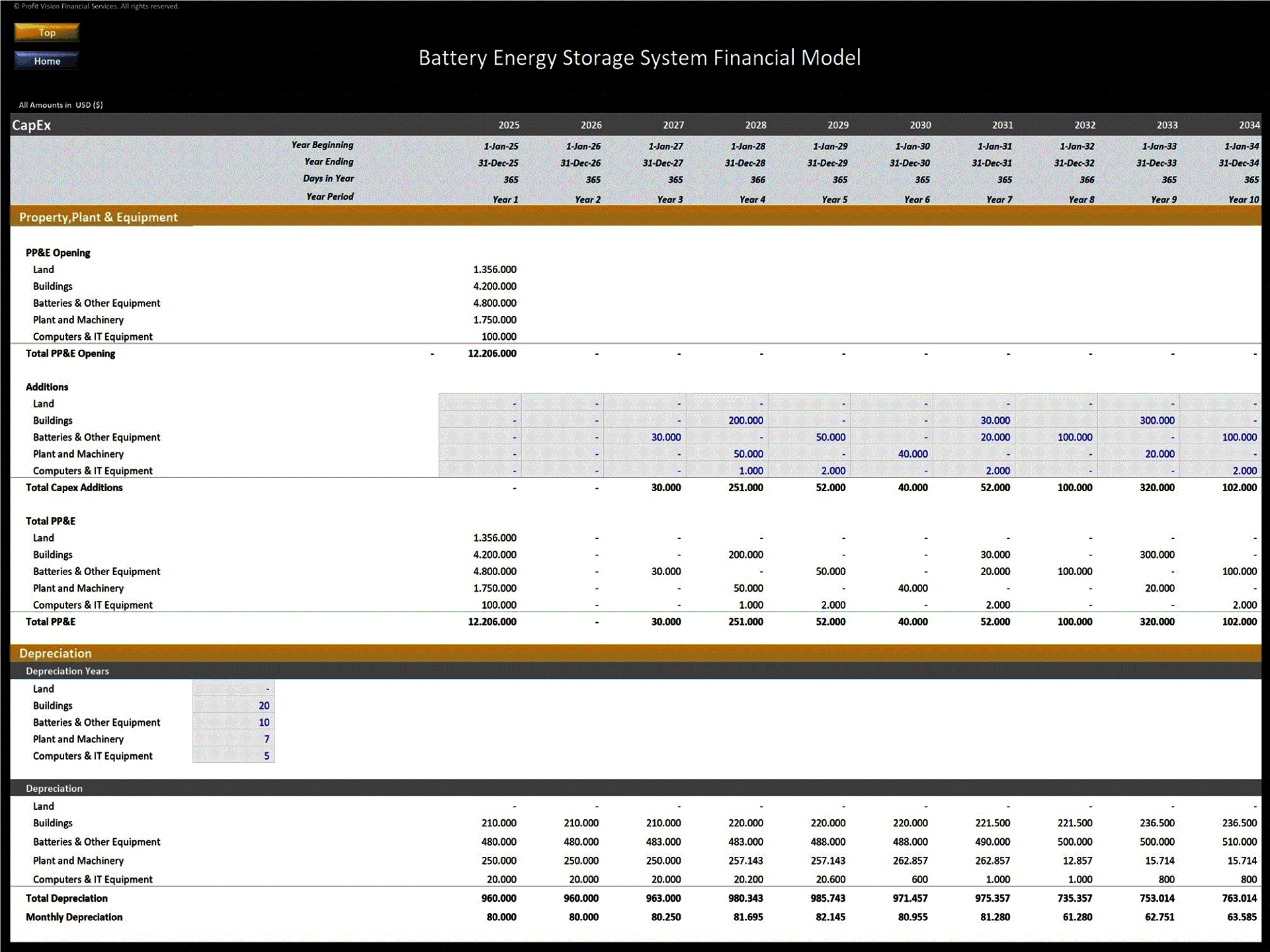
• Payroll, OpEx, and Capex, incl. Depreciation Schedule
• Forecast Scenarios
Output Reports:
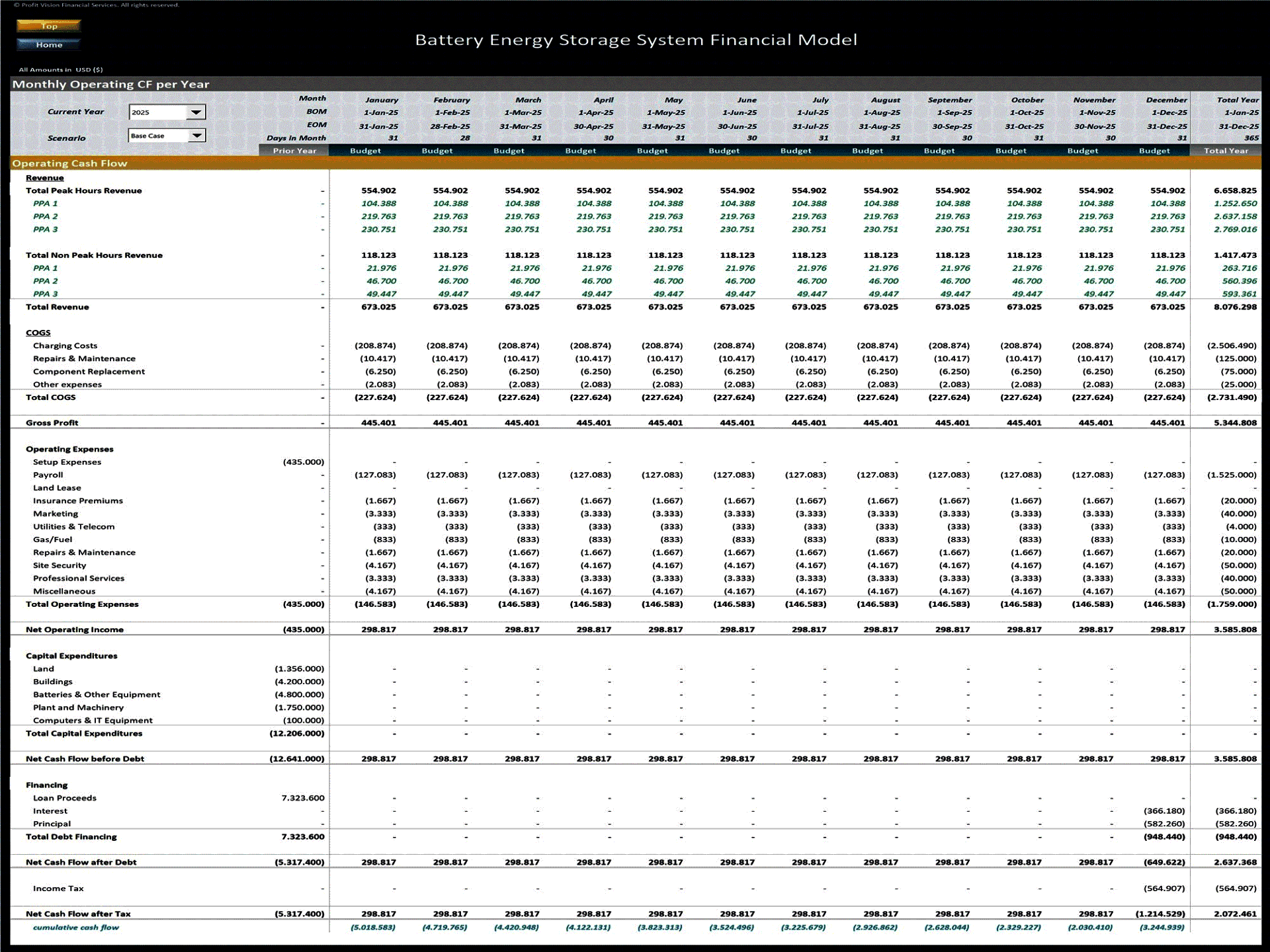
• Monthly Operating Cash Flow Report
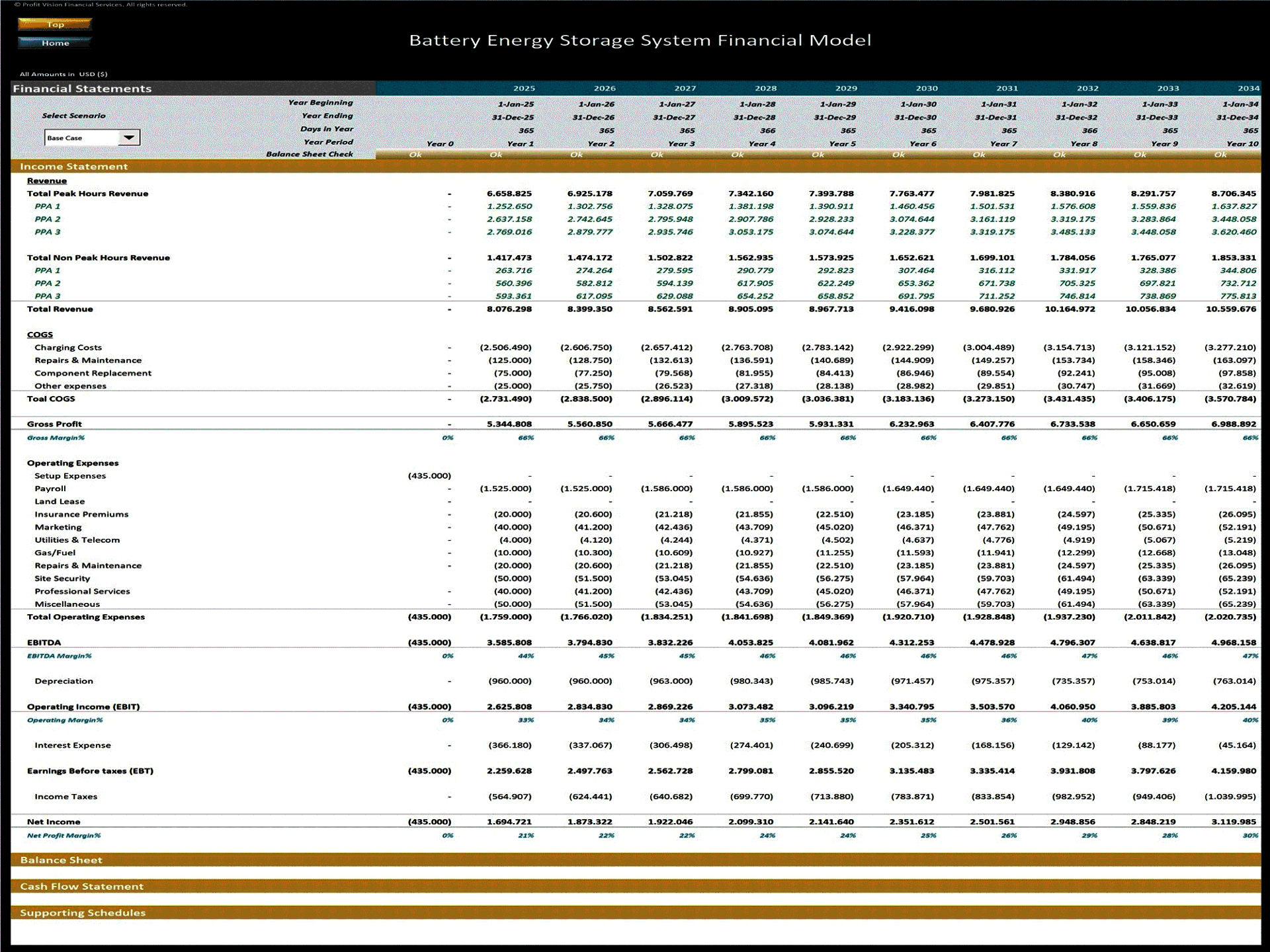
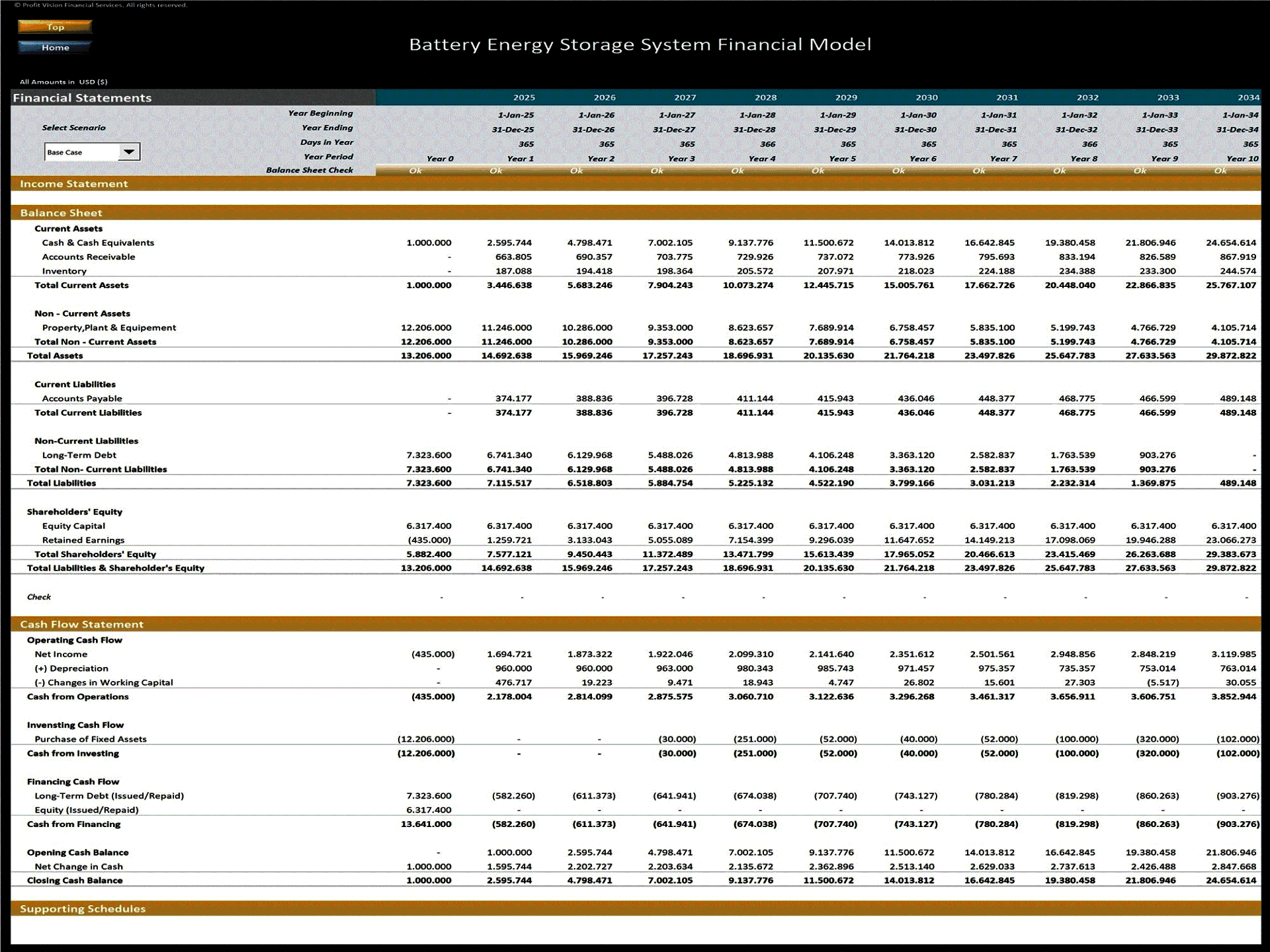
• Annual Financial Statements (3 Statement model – 10 Year Forecast)
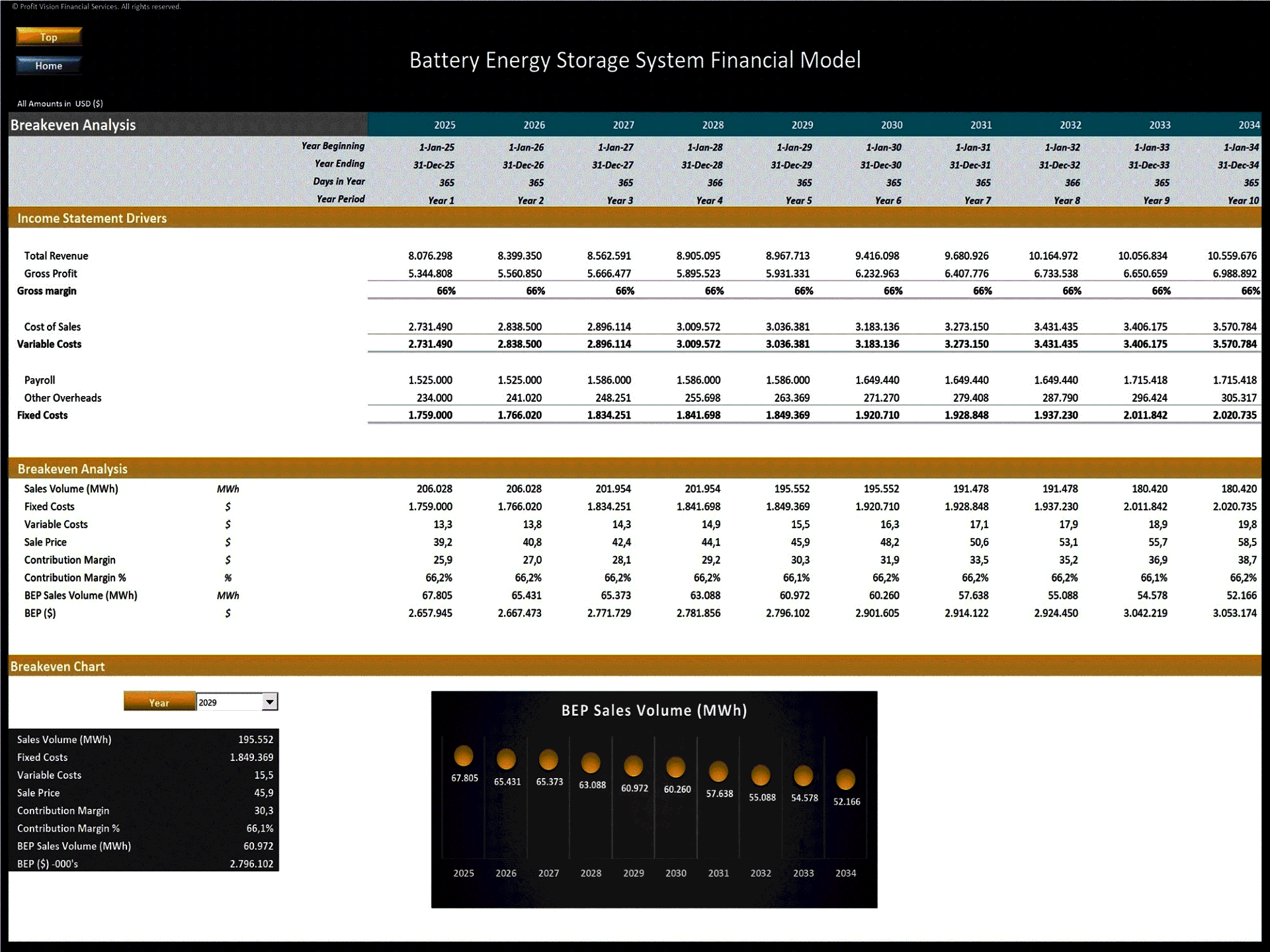
• Break-Even Analysis
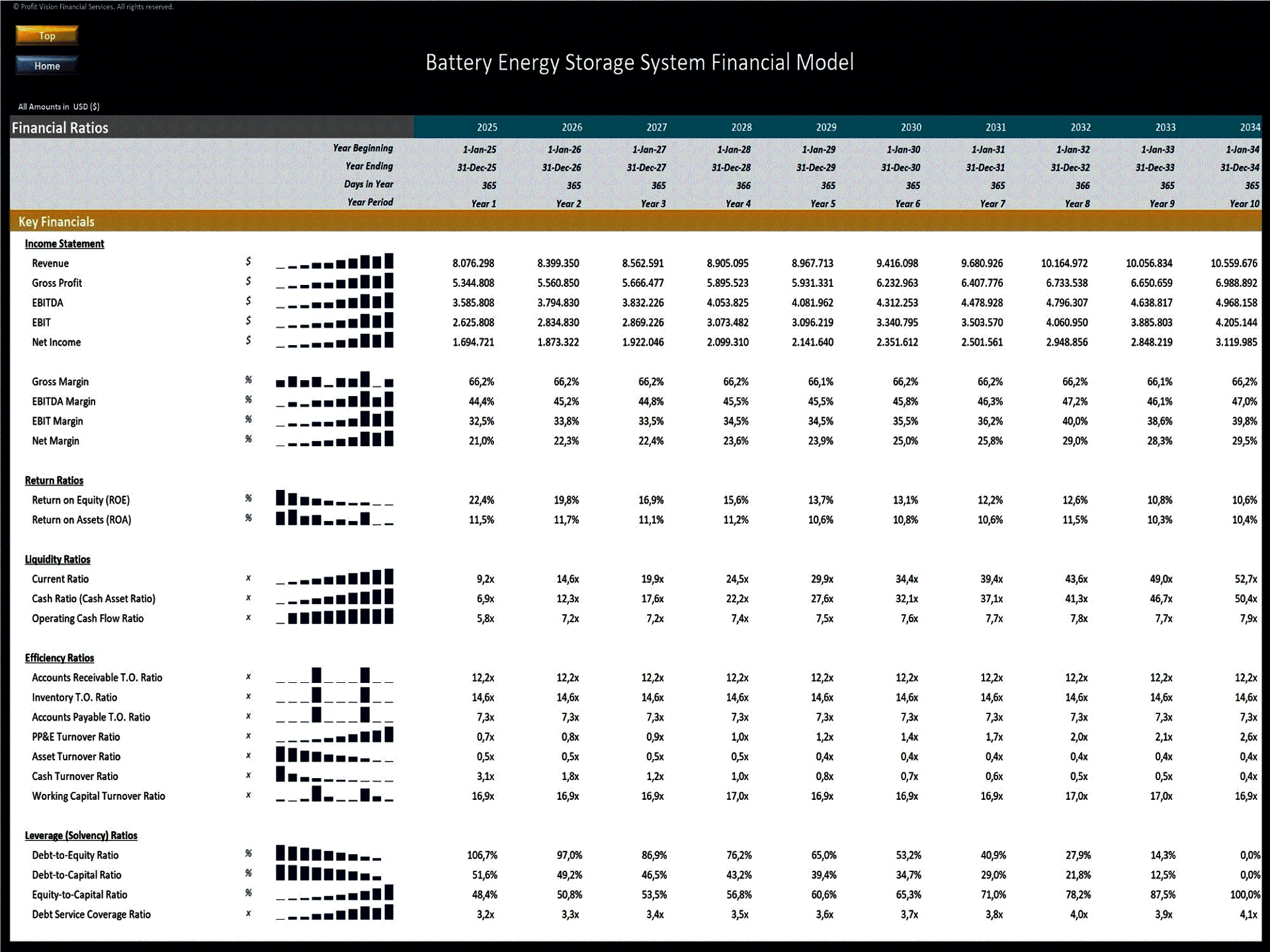
• KPIs & Financial Ratios, including several Profitability, Efficiency, Liquidity, and Leverage (Solvency) Ratios
• Performance Dashboard
• Business Valuation, including DCF Model, Return Metrics (NPV, EV, IRR, MOIC, ROI, etc.), and Sensitivity Analysis
• Investors Distribution Waterfall Model
• Dynamic Professional Executive Summary with an option to choose the Exit Year and Exit Scenario (with or without Terminal Value)
Help & Support
Committed to high quality and customer satisfaction, all our templates follow best-practice financial modeling principles and are thoughtfully and carefully designed, keeping the user's needs and comfort in mind.
Whether you have no experience or are well-versed in finance, accounting, and the use of Microsoft Excel, our professional financial models are the right tools to boost your business operations!
If you experience any difficulty while using this template and cannot find the appropriate guidance in the provided instructions, please feel free to contact us for assistance.
If you need a template customized for your business requirements, please e-mail us and provide a brief explanation of your specific needs.
Got a question about the product? Email us at support@flevy.com or ask the author directly by using the "Ask the Author a Question" form. If you cannot view the preview above this document description, go here to view the large preview instead.
TOPIC FAQ
What financial outputs should I expect when modeling a BESS project?
A robust BESS model typically produces monthly operating cash flow reports, annual financial statements (a 3-statement model over the forecast period), break-even analysis, KPIs and ratios, a performance dashboard, DCF-based business valuation with return metrics, and sensitivity analysis; these outputs are provided as a 10-year forecast in the template.What operational and development inputs are essential for a BESS financial model?
Key inputs include facility development budget items (land acquisition or lease, construction, equipment), startup expenses, installed capacity and availability, charging/discharging and storage hours, system losses, revenue assumptions from PPAs, direct costs (renewable energy purchases, maintenance), payroll, OpEx, and depreciation schedules, plus debt and equity financing assumptions.How are revenues typically represented for a BESS tied to renewables and PPAs?
Revenues are modeled from contracted Power Purchase Agreements and the purchase of renewable energy used for charging; the template models multiple revenue streams and in this case includes revenue from 3 different Power Purchase Agreements to capture varying offtaker terms.Which valuation metrics and exit assumptions are appropriate for a BESS asset?
Common valuation approaches include Discounted Cash Flow analysis and return metrics such as NPV, EV, IRR, MOIC, and ROI; exit valuation assumptions frequently use a WACC and terminal value framework, both of which are incorporated in the model’s valuation outputs.What should I look for when selecting a pre-built BESS financial model template?
Look for adherence to financial modeling best practices, clear model inputs and setup reports (development budget, OpEx, payroll, financing), comprehensive outputs (monthly cash flows, 3-statement 10-year forecast, KPIs, sensitivity, investor waterfall), and included instructions for customization, as found in this template’s setup and output structure.How much Excel or finance experience is needed to use a commercial BESS model template?
Templates vary,, but this model includes detailed instructions for functionality and is presented for users ranging from beginners to experienced finance professionals; the file explicitly provides guidance within the Excel workbook to support model use and customization.I need to evaluate financing structures for a BESS—what modeling features help with lender and investor analysis?
Useful features include debt and equity financing schedules, pro forma debt service and leverage metrics, investor distribution waterfall calculations, sensitivity testing on returns, and return metrics like IRR and MOIC; these elements enable lender and sponsor analysis using an investors distribution waterfall model.How can I model an eventual sale or exit of a BESS asset within a financial template?
Model exit scenarios by selecting an exit year and applying exit assumptions such as WACC and a terminal value; a dynamic executive summary that allows choosing the exit year and exit scenario helps produce valuation outputs including DCF-based exit valuation and related return metrics.Source: Best Practices in Energy Industry, Battery Industry, Integrated Financial Model Excel: Battery Energy Storage System - 10 Year Financial Model Excel (XLSX) Spreadsheet, Profit Vision
ABOUT THE AUTHOR

Profit Vision provides Consulting & Outsourced Financial Services as well as Financial Planning & Performance analysis to small and mid-size businesses by implementing efficient and effective tools to assist them with start-up business plans or improve their ongoing operations.
Our range of services include Financial & Operational Analysis, Business Planning, Budgeting & Forecasting, Cash Flow
... [read more]
Ask the Author a Question
You must be logged in to contact the author.




























