
 Click main image to view in full screen. Unlock all 10 preview images:
Green Hydrogen (Electrolysis) Plant - Project Finance Model – Excel XLSX
Excel (XLSX)


BENEFITS OF THIS DOWNLOADABLE EXCEL DOCUMENT
- Enable users to get a solid understanding of the financial feasibility of a Green Hydrogen (Electrolysis) Plant project and to evaluate the return to investors
RENEWABLE ENERGY EXCEL DESCRIPTION
Today, the most common way of producing green hydrogen is via electrolysis - a process whereby water is split into hydrogen and oxygen using electricity generated from entirely renewable energy sources. This occurs in units known as electrolyzers.
This Finance Model provides a dynamic (up to 20 years) forecast and profitability analysis of a development and operating scenario for a Green Hydrogen (Electrolysis) Plant. The main purpose of the model is to enable users to get a solid understanding of the financial feasibility of the project and to evaluate the return to investors.
The model includes all necessary data to calculate development and construction costs, hydrogen production, revenue, and operating expenses, financing through Debt & Equity and project return metrics (IRR, NPV, MOIC, Payback, etc.)
The structure of the template follows Financial Modeling Best Practices principles and is fully customizable.
Model Structure
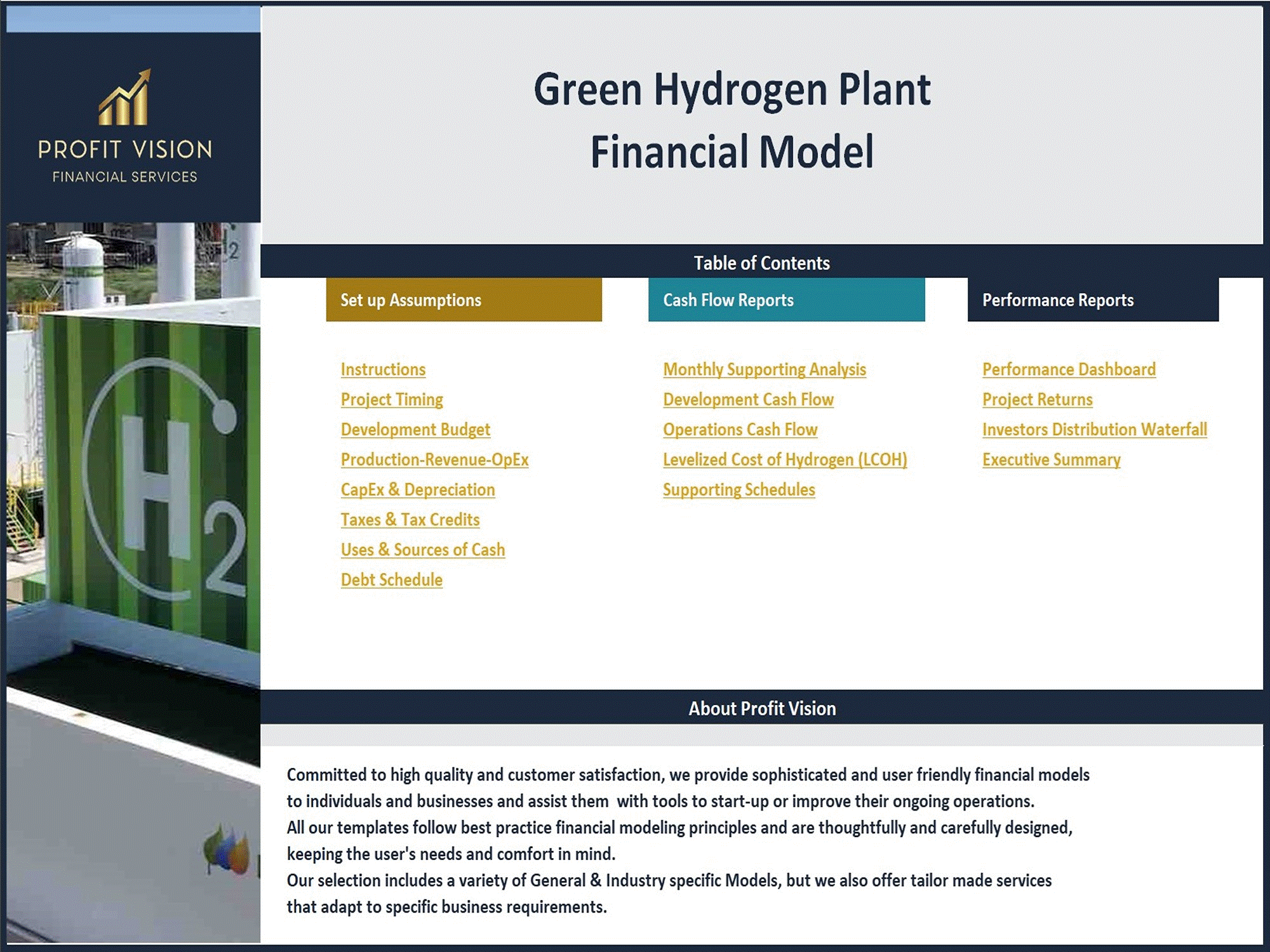
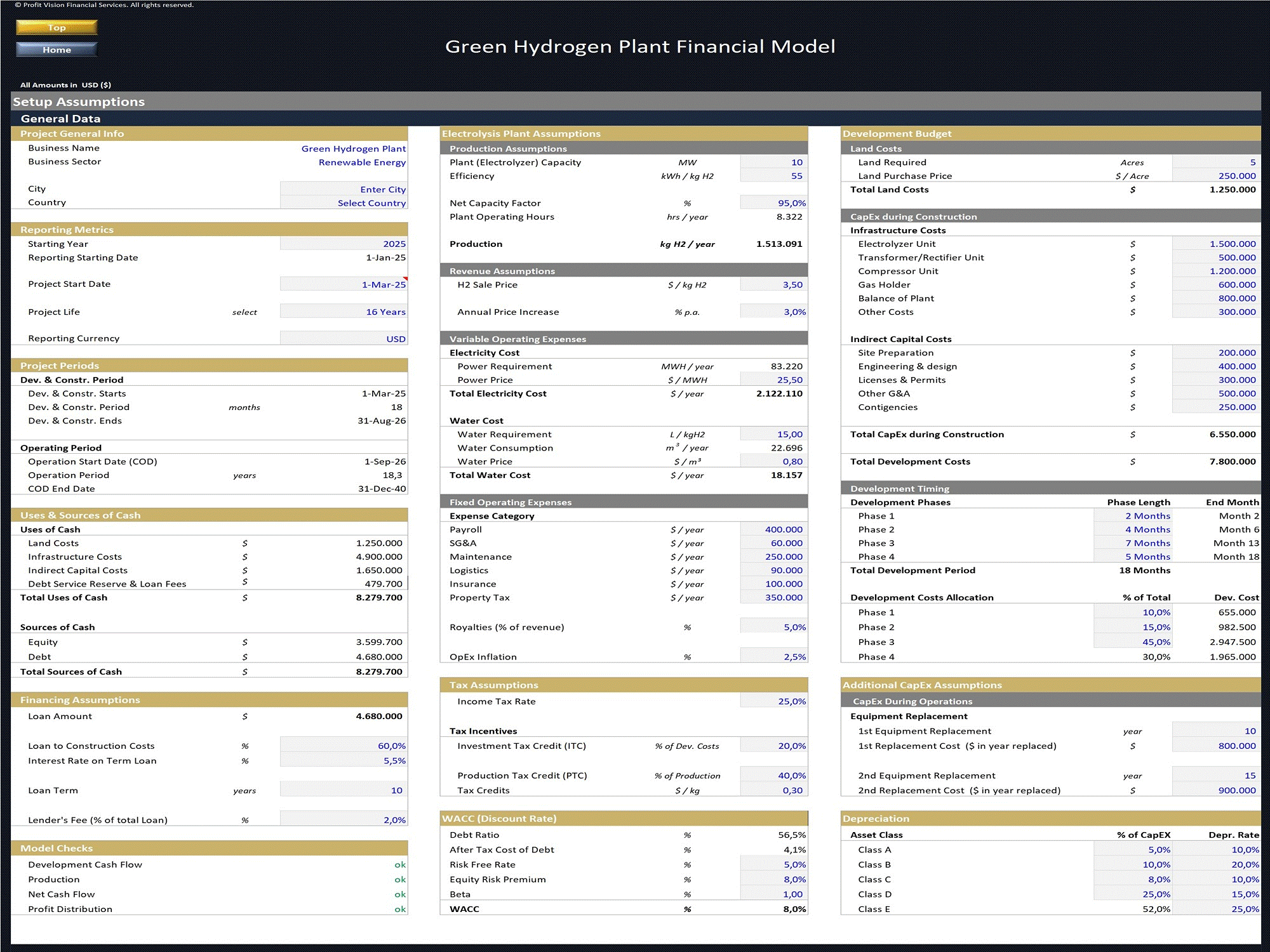
• Setup Assumptions
This section is used to input all the assumptions for the project.
It includes assumptions for Project Timing, Plant Capacity, Hydrigen Production, Pricing, Tax Credit Incentives (ITC & PTC), CapEx, Opex & Financing
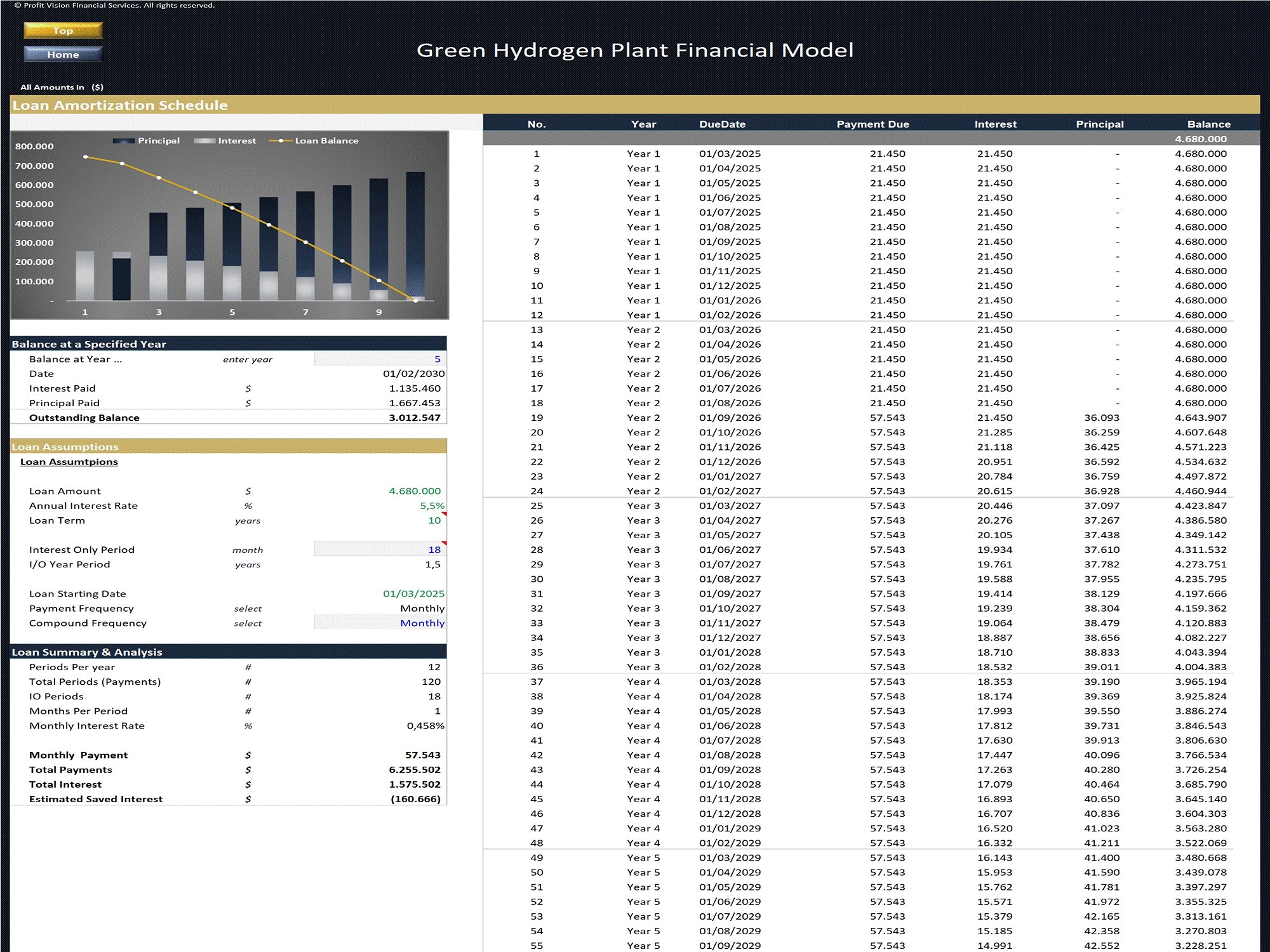
• Debt Schedule
Loan amortization Schedule of project's debt including an optional interest-only (IO) period.
• Annual Operating Model, Project Returns & Performance Dashboard
Presentation of Project results in Annual Periods. Sections include:
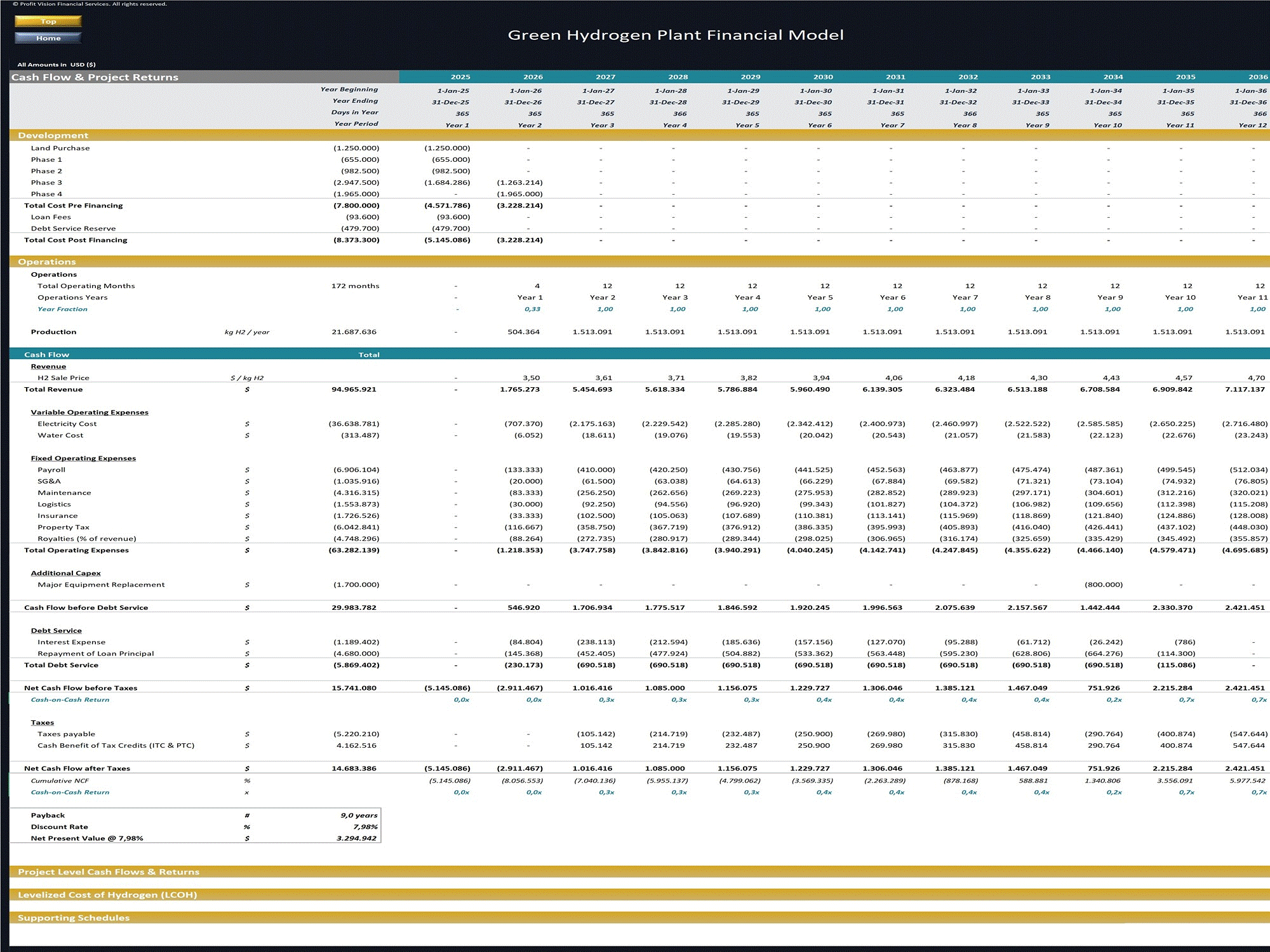
– Annual Development & Construction Cash Flow
– Annual Operating Cash Flow
– Pre-Tax and After-Tax Cash Flow
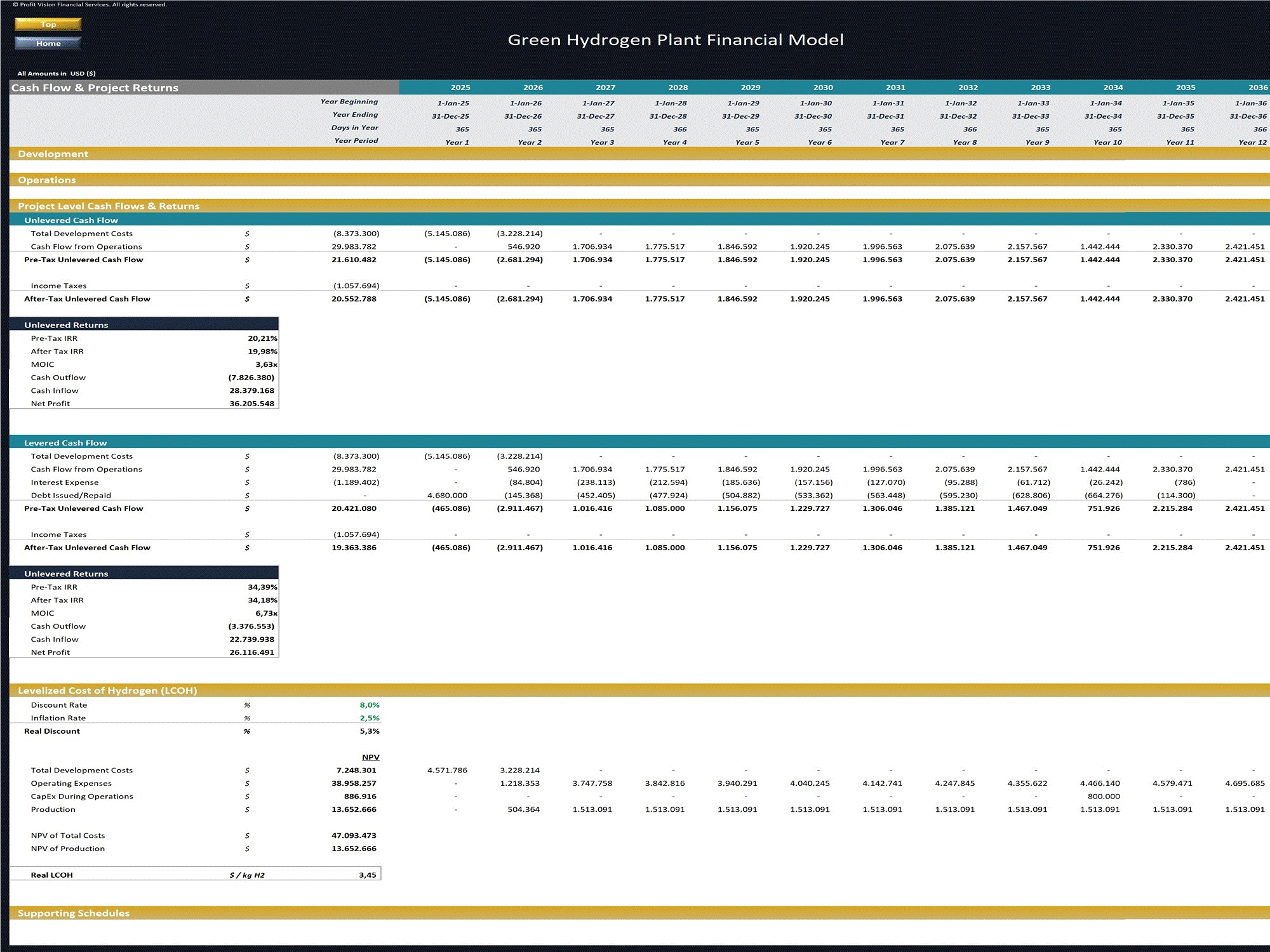
– Unlevered & Levered Project Return Metrics (IRR, MOIC, Payback, NPV)
– Levelized Cost of Hydrogen (LCOH)
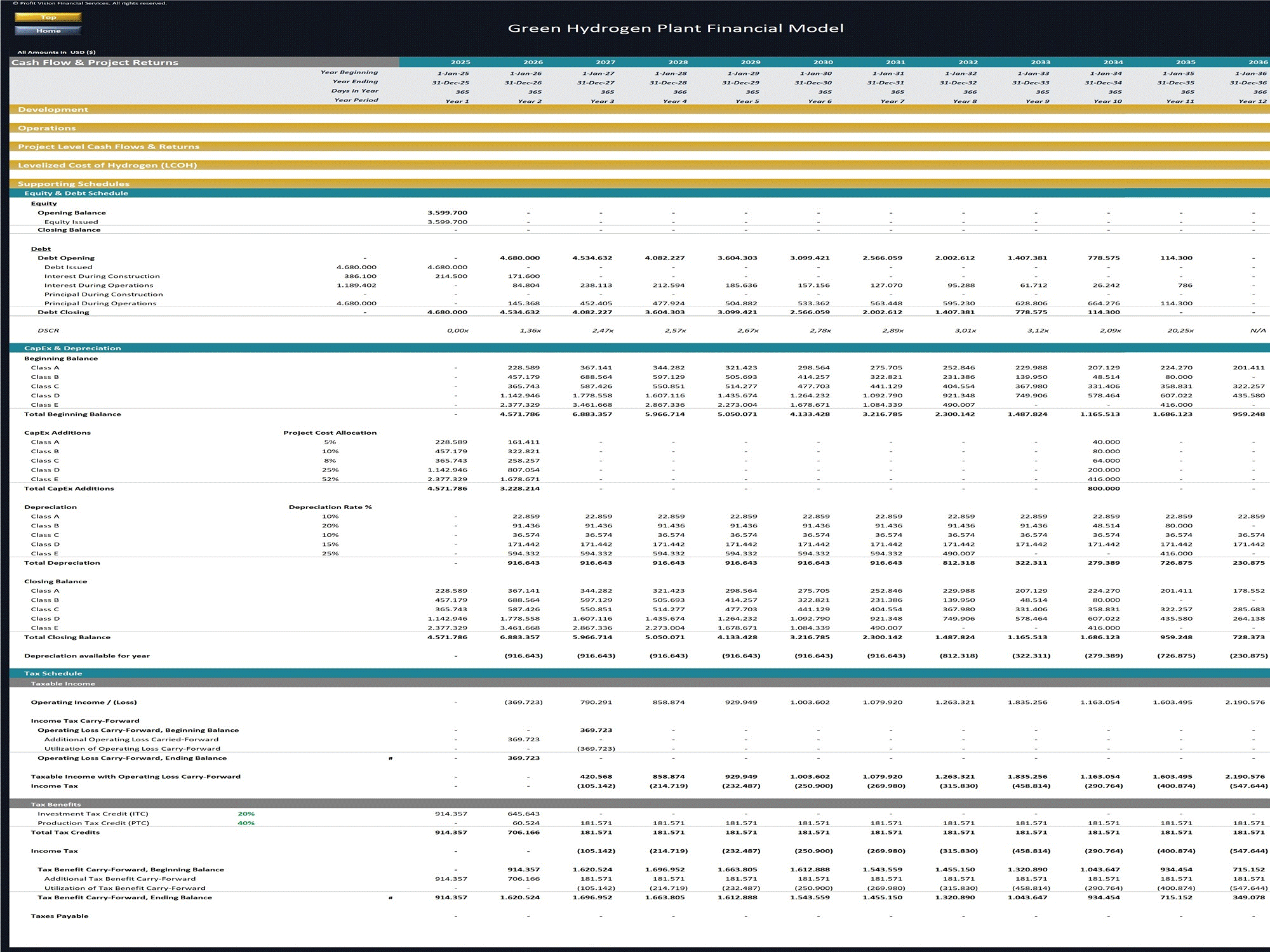
– Equity, Debt, CapEx & Depreciation and Tax Schedules
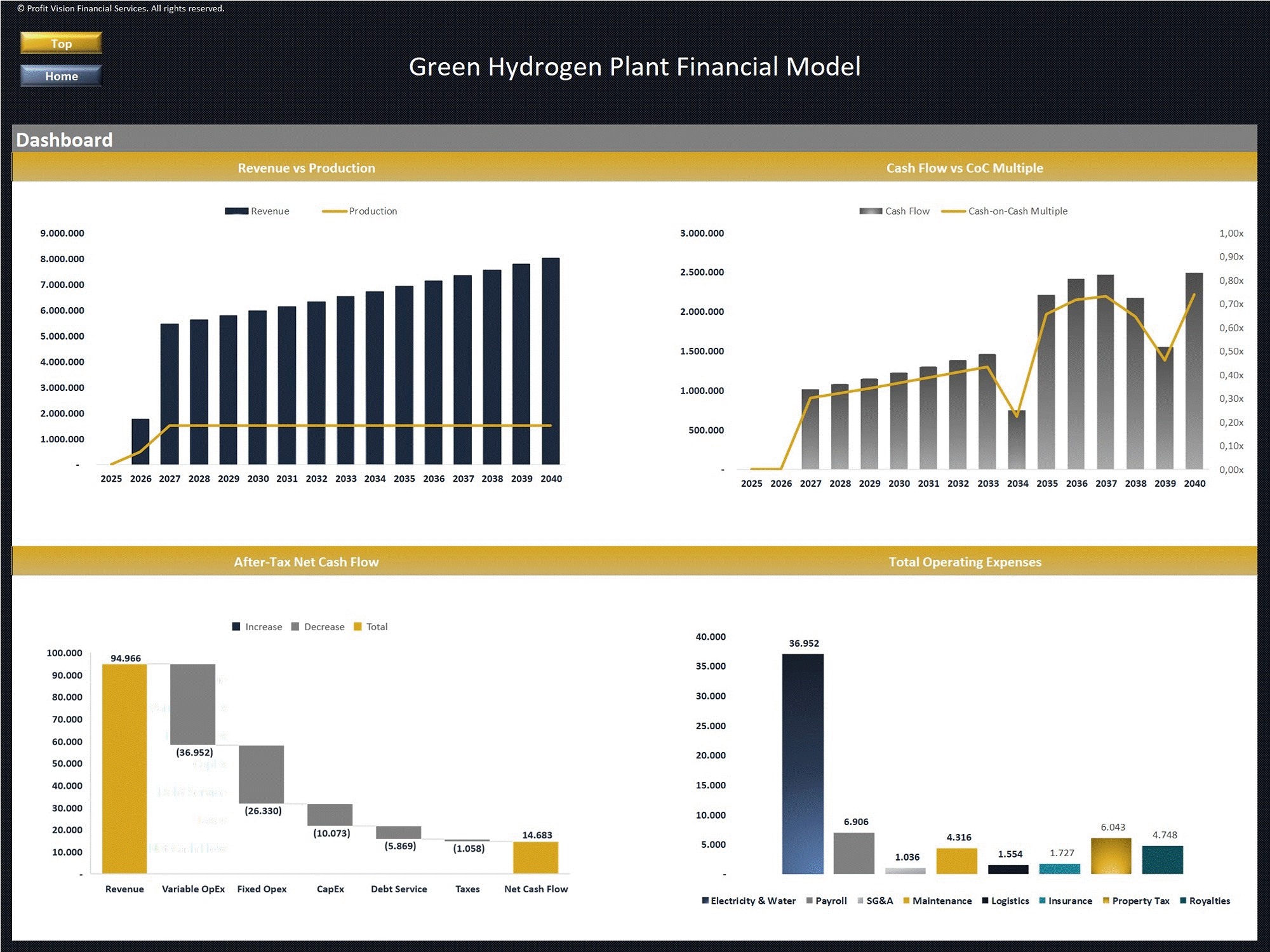
– Business Performance Dashboard
• Investor Returns (Waterfall)
Investors Distribution Waterfall Model including a GP Catch-up provision
• Project Executive Summary
Professional Executive Summary report containing all of the high-level relevant information for review and is designed to be easy to read, print, and save to pdf. The report includes Project General Info, Timing, Sources, and Uses of Cash, Operations Summary and Key Metrcis, Project and Investor return metrics.
Instructions on the use of the model are included in the Excel file.
Help & Support
Committed to high quality and customer satisfaction, all our templates follow best practice financial modeling principles and are thoughtfully and carefully designed, keeping the user's needs and comfort in mind.
No matter if you have no experience or you are well versed in finance, accounting, and the use of Microsoft Excel, our professional financial models are the right tools to boost your business operations!
If you however experience any difficulty while using this template and you are not able to find the appropriate guidance in the provided instructions, please feel free to contact us for assistance.
If you need a template customized for your business requirements, please e-mail us and provide a brief explanation of your specific needs.
Got a question about the product? Email us at support@flevy.com or ask the author directly by using the "Ask the Author a Question" form. If you cannot view the preview above this document description, go here to view the large preview instead.
TOPIC FAQ
What financial metrics should I focus on when evaluating a green hydrogen electrolysis project?
Key project finance metrics for electrolysis projects include unlevered and levered IRR, NPV, MOIC, payback, and unit economics like Levelized Cost of Hydrogen (LCOH). These help compare project viability, investor returns, and pricing sensitivity, specifically IRR, NPV, MOIC, Payback and LCOH.How is Levelized Cost of Hydrogen (LCOH) calculated in project finance models?
LCOH aggregates all project costs—capital expenditures, operating expenses, production volumes, and financing effects—into a per-kilogram cost over the forecast horizon. A project finance model will compute LCOH alongside annual cash flows so you can compare revenue assumptions to LCOH; this model reports LCOH in the annual outputs.What financing structures should I model for an electrolyzer plant?
Typical project financing combines debt and equity with detailed loan amortization schedules; models may include optional interest-only periods and investor distribution waterfalls to allocate returns. A practical template will show debt schedules with optional IO periods and an investor waterfall including a GP catch-up.What features should I expect in an Excel project finance template for green hydrogen?
A suitable template contains a clear assumptions input sheet (timing, capacity, production, pricing, tax credits, CapEx, OpEx, financing), a debt amortization schedule, annual operating cash flows, return metrics (IRR, NPV, MOIC), LCOH calculation, depreciation/tax schedules, an investor waterfall, and a printable executive summary, plus instructions in the file.How do I know if a model supports my required forecasting horizon and scenario analysis?
Check the model’s maximum forecast length and whether assumptions are editable for scenarios; the referenced template supports dynamic forecasting up to 20 years and separates setup assumptions, annual operating model, and return metrics to enable scenario testing up to a 20-year horizon.What components should an investor-facing executive summary include for a hydrogen project?
An investor executive summary should present project general information, timing, sources and uses of cash, operations summary, key project metrics, and investor return metrics (pre- and after-tax cash flows, unlevered/levered IRR, NPV). The model’s built-in summary is designed for print and PDF presentation and includes those components.How are tax credits like ITC and PTC incorporated into project financials for electrolysis plants?
Tax credit incentives (ITC and PTC) should be entered in the assumptions and flow through depreciation, tax schedules, and after-tax cash flows to affect project returns. A model that includes tax credit inputs applies ITC and PTC in the tax and cash flow schedules.What level of Excel or financial modeling experience is required to use a project finance template for an electrolyzer plant?
A well-documented template includes instructions and is customizable for users with varying experience; support or customization options may be available from the author. The Green Hydrogen (Electrolysis) Plant - Project Finance Model includes instructions in the Excel file.Source: Best Practices in Renewable Energy, Integrated Financial Model Excel: Green Hydrogen (Electrolysis) Plant - Project Finance Model Excel (XLSX) Spreadsheet, Profit Vision
ABOUT THE AUTHOR

Profit Vision provides Consulting & Outsourced Financial Services as well as Financial Planning & Performance analysis to small and mid-size businesses by implementing efficient and effective tools to assist them with start-up business plans or improve their ongoing operations.
Our range of services include Financial & Operational Analysis, Business Planning, Budgeting & Forecasting, Cash Flow
... [read more]
Ask the Author a Question
You must be logged in to contact the author.




























