
 Click main image to view in full screen. Unlock all 13 preview images:
Global South Interoperability Architecture™ – PDF
PDF document 33 Pages


BENEFITS OF THIS DOWNLOADABLE PDF DOCUMENT
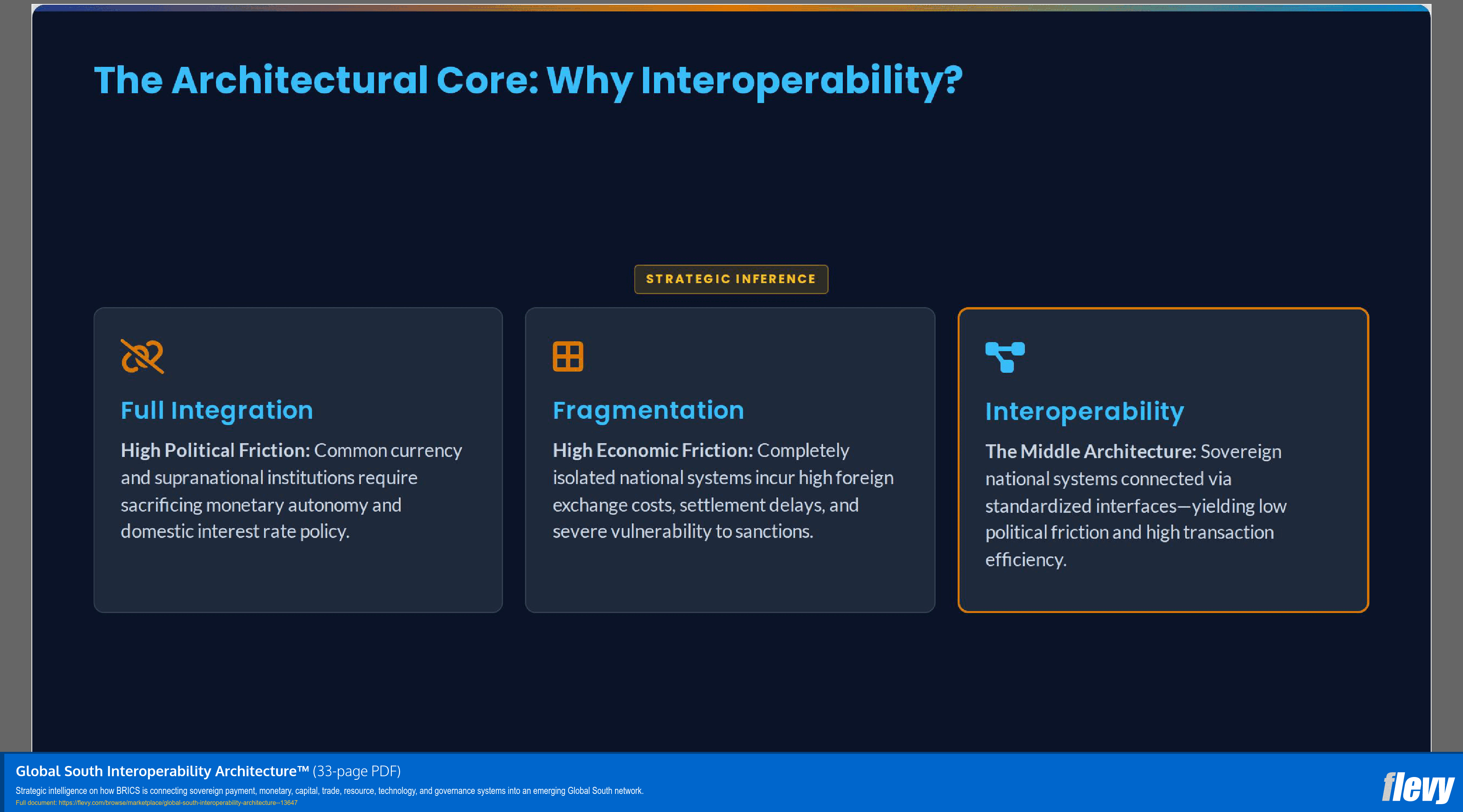
- Provides a practical framework for understanding how BRICS can generate network power through interoperability rather than requiring a common currency or full economic integration.
- Maps six interconnected infrastructure layers across payments, monetary systems, capital, trade, strategic resources, technology, and global governance to reveal where the emerging Global South architecture is gaining depth.
- Helps executives, investors, financial institutions, technology companies, and policymakers identify strategic exposure and opportunity at the interfaces connecting increasingly interoperable sovereign systems.
GOVERNMENT PDF DESCRIPTION
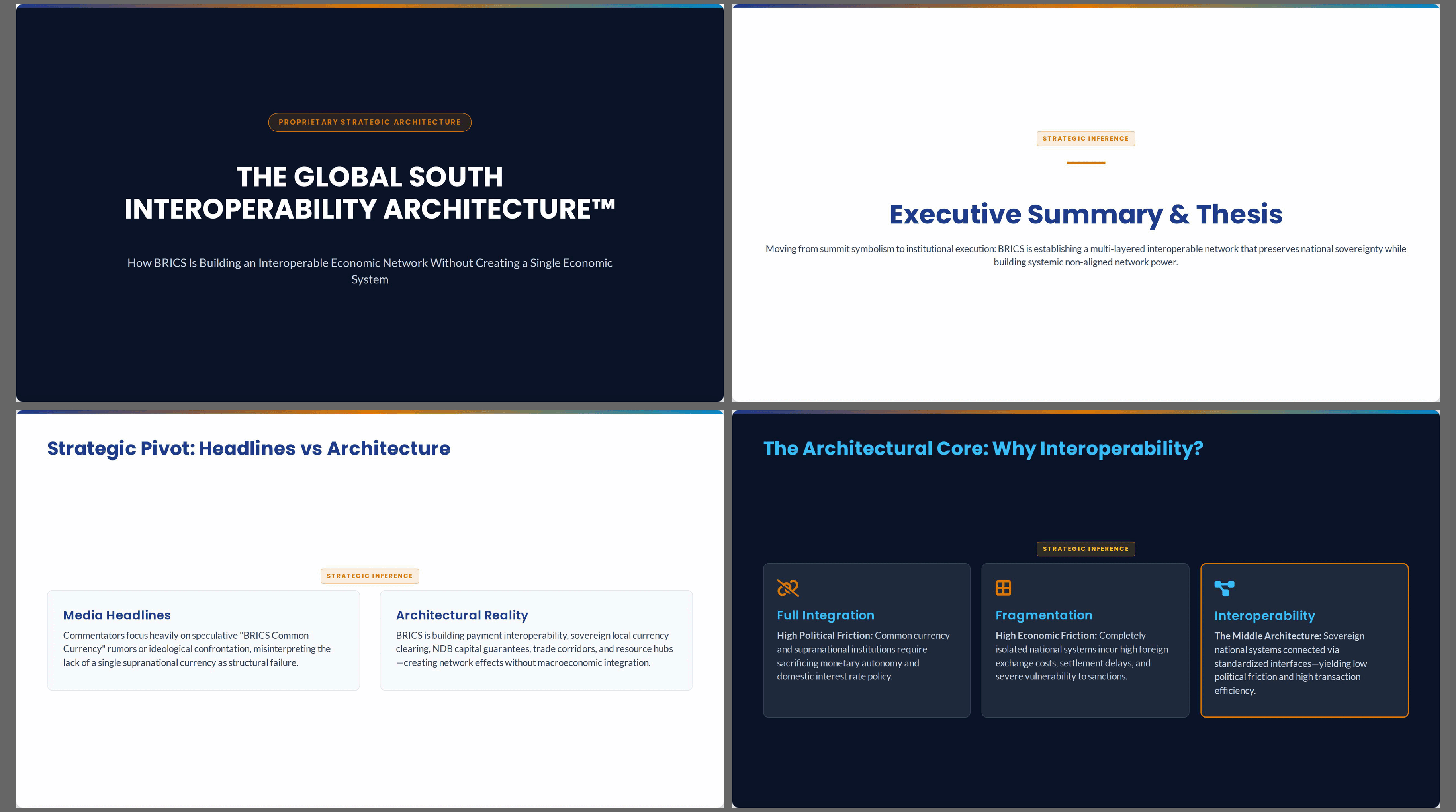
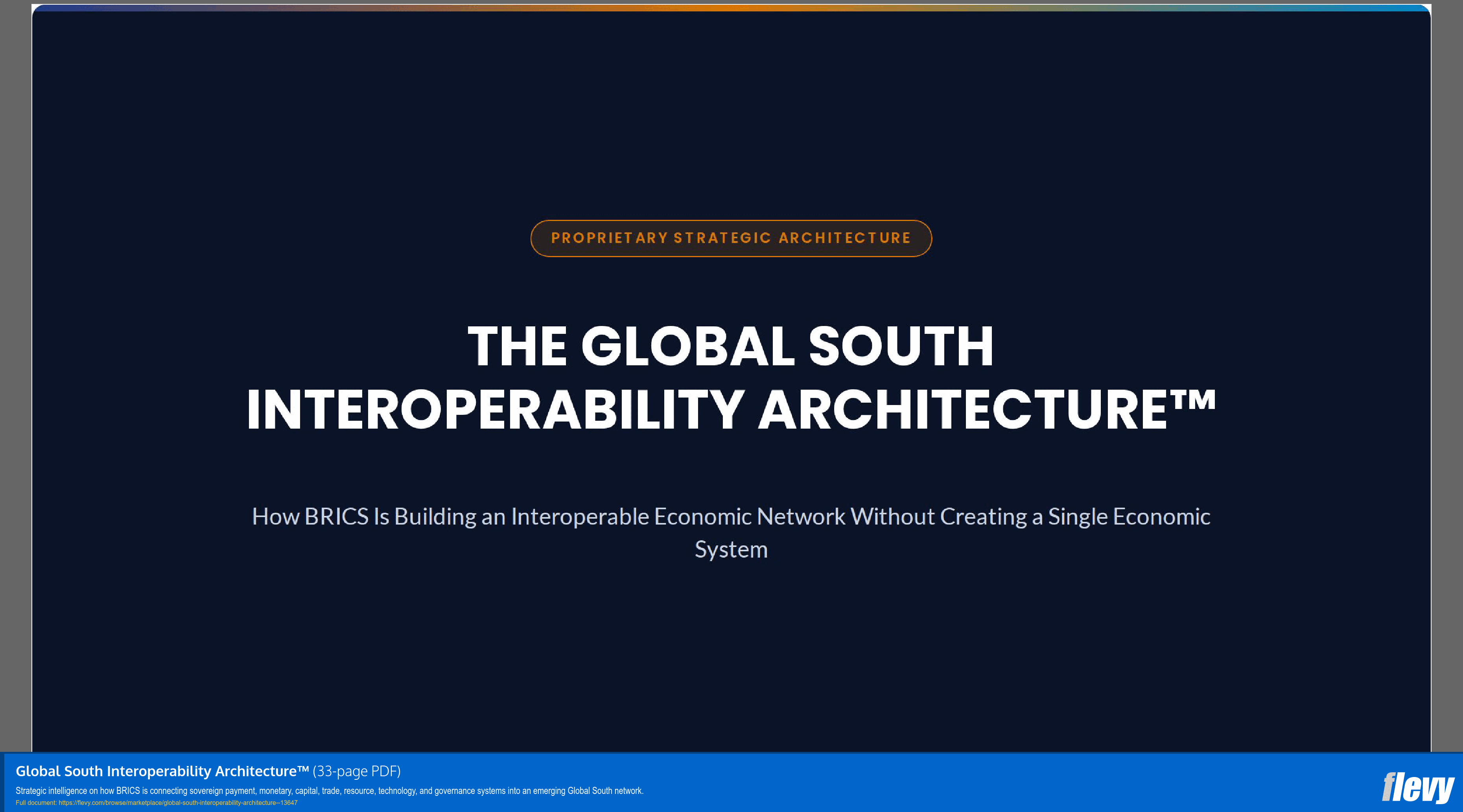
The Global South Interoperability Architecture™ is a comprehensive executive intelligence playbook that examines how BRICS is moving beyond summit declarations toward an emerging network of interoperable economic systems.
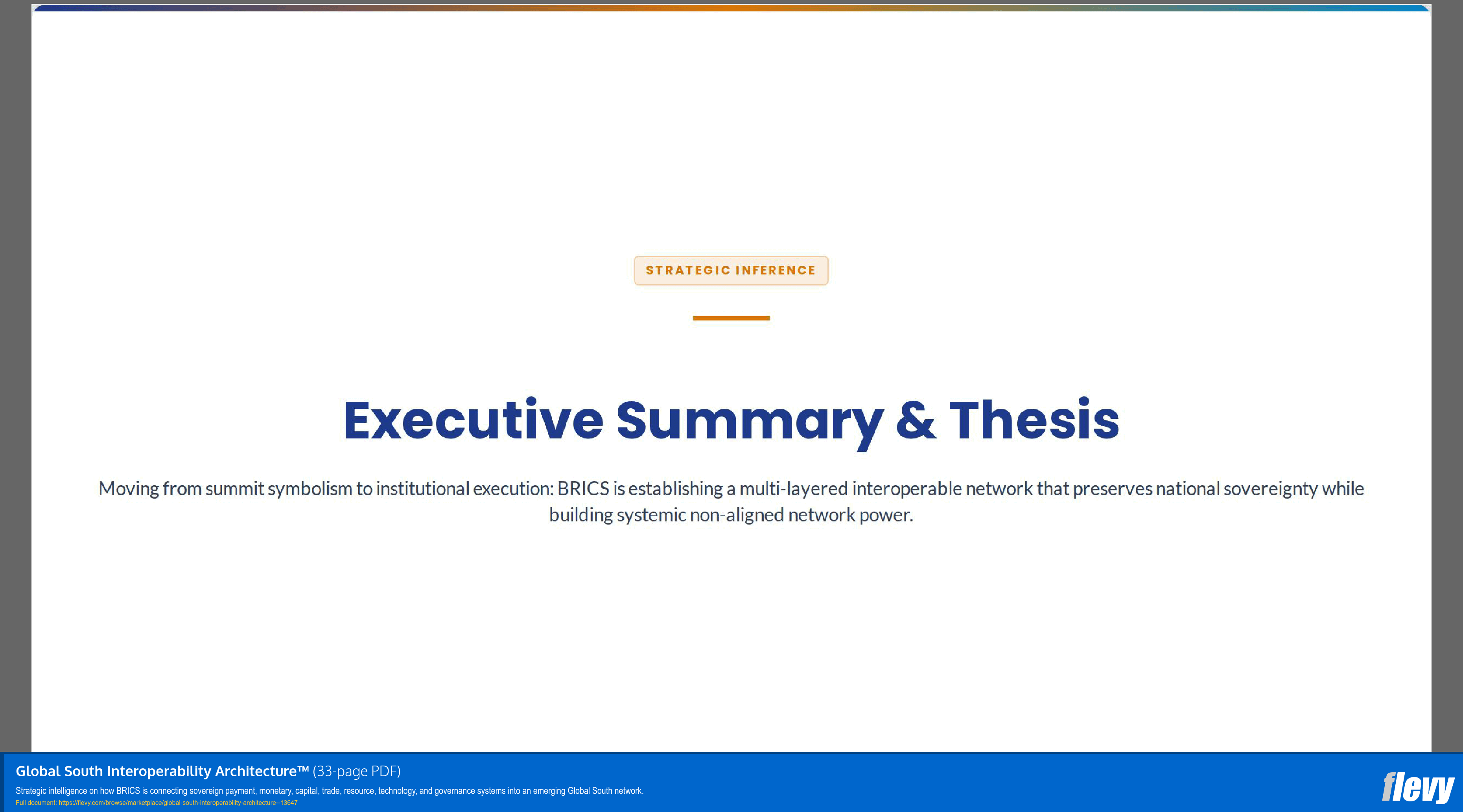
Rather than treating BRICS primarily as a geopolitical bloc or framing its evolution around the prospect of a common currency, this intelligence identifies a deeper structural development: the progressive connection of sovereign national systems across payments, local-currency settlement, development finance, trade corridors, strategic resources, technology, AI, and global governance.
The analysis introduces a proprietary six-layer architecture for understanding this evolution:
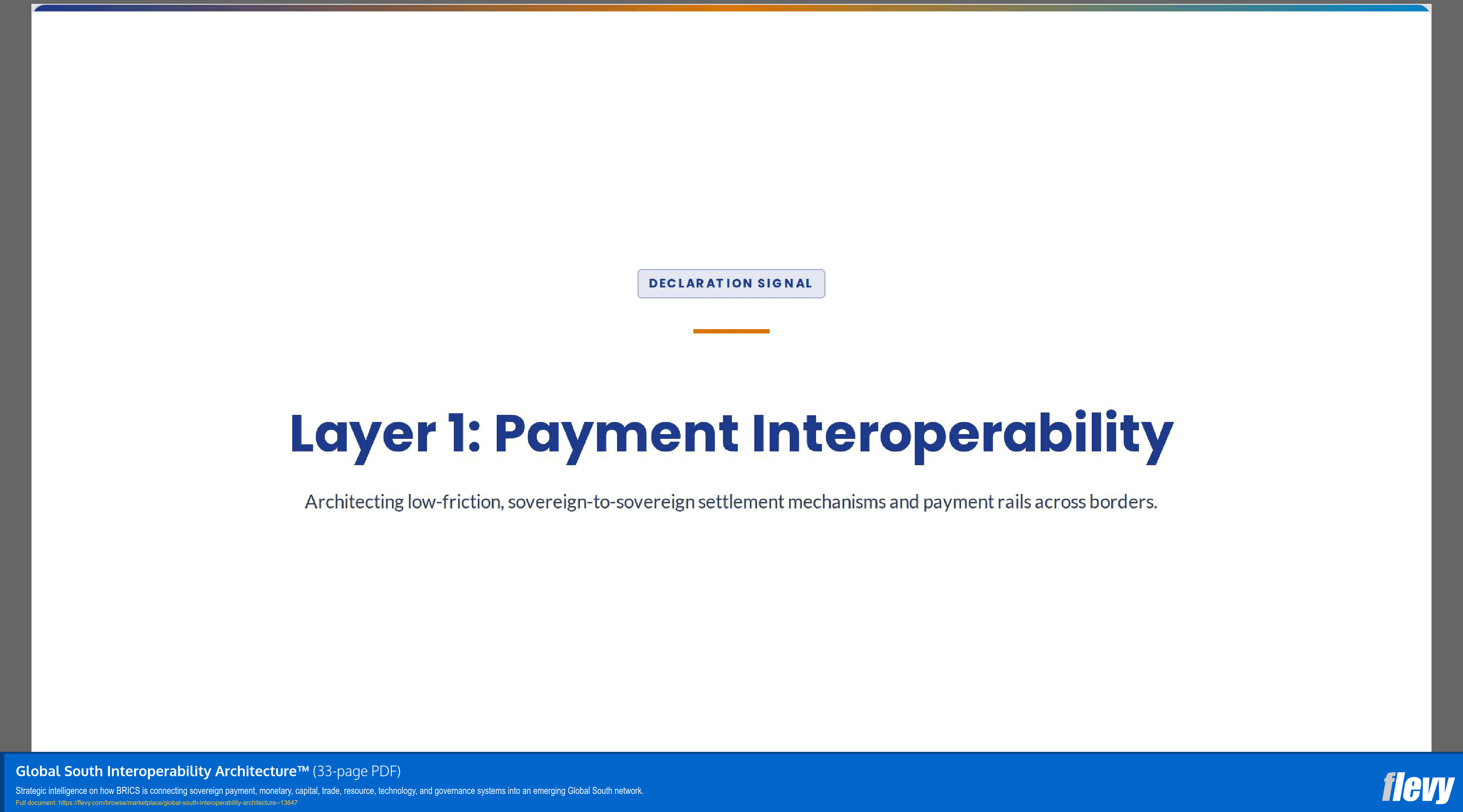
Payment Interoperability – how national payment rails and cross-border settlement mechanisms can connect with lower friction.
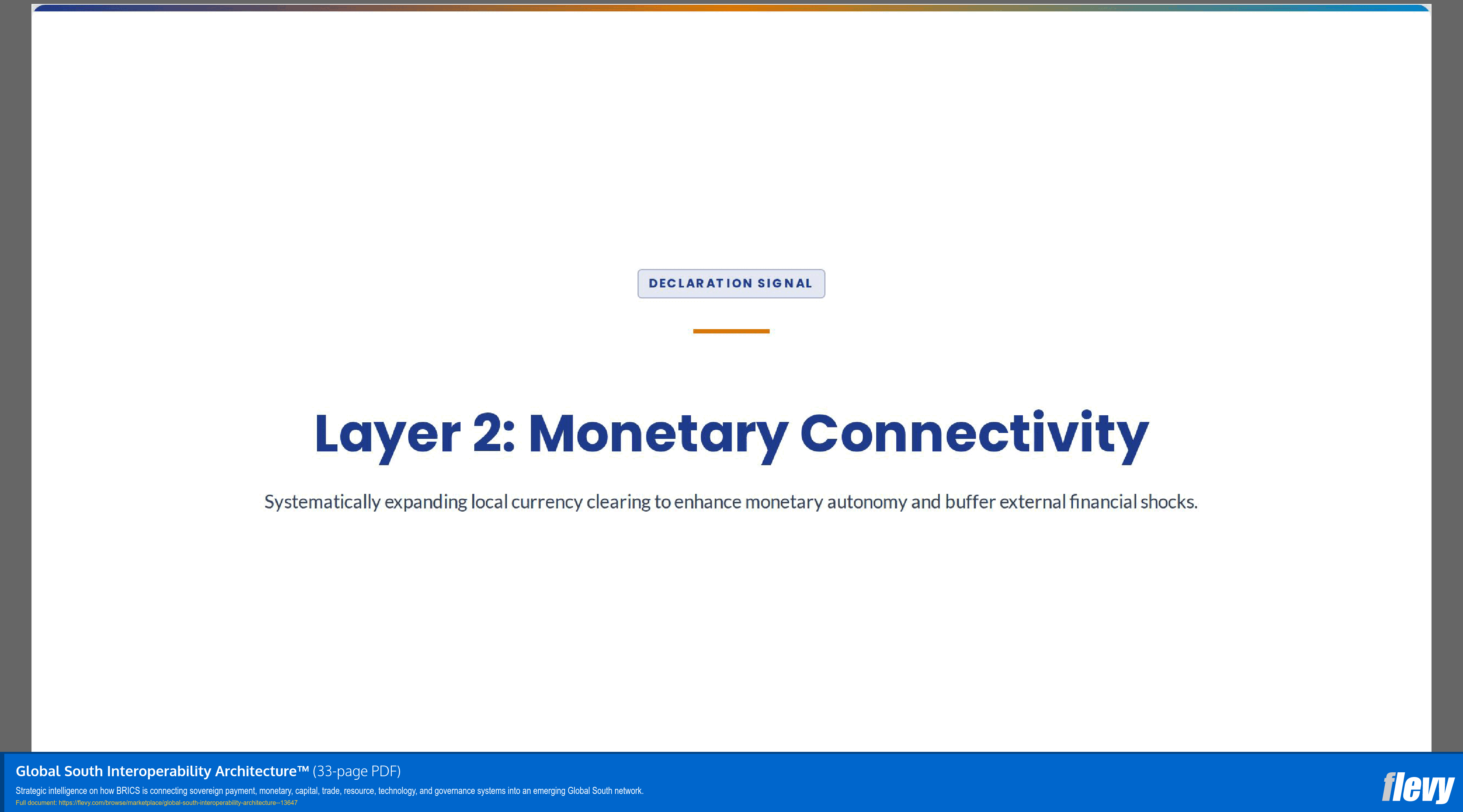
Monetary Connectivity – how local-currency clearing, bilateral settlement, swap arrangements, and domestic capital markets can reduce reliance on third-currency intermediation.
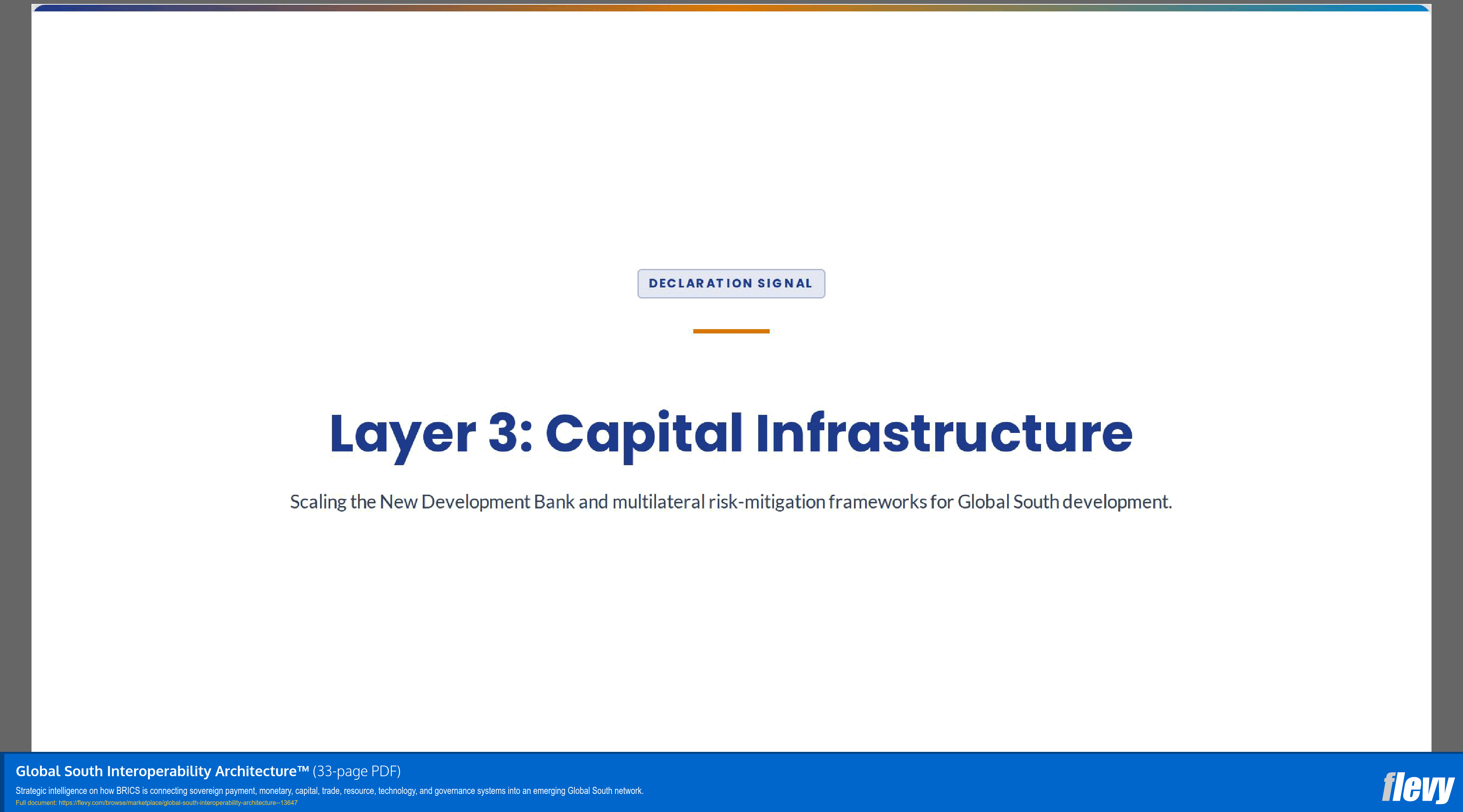
Capital Infrastructure – how the New Development Bank, guarantees, risk-mitigation mechanisms, and local-currency financing can strengthen South-South capital formation.
Trade Connectivity – how logistics corridors, customs interoperability, standards, and digital trade infrastructure can reduce non-tariff and supply-chain friction.
Strategic Resource & Technology Infrastructure – how food, energy, minerals, AI, digital public infrastructure, and data sovereignty contribute to strategic resilience.
Rule-Making Infrastructure – how BRICS seeks greater influence over IMF, World Bank, UN, WTO, and broader multilateral governance structures.
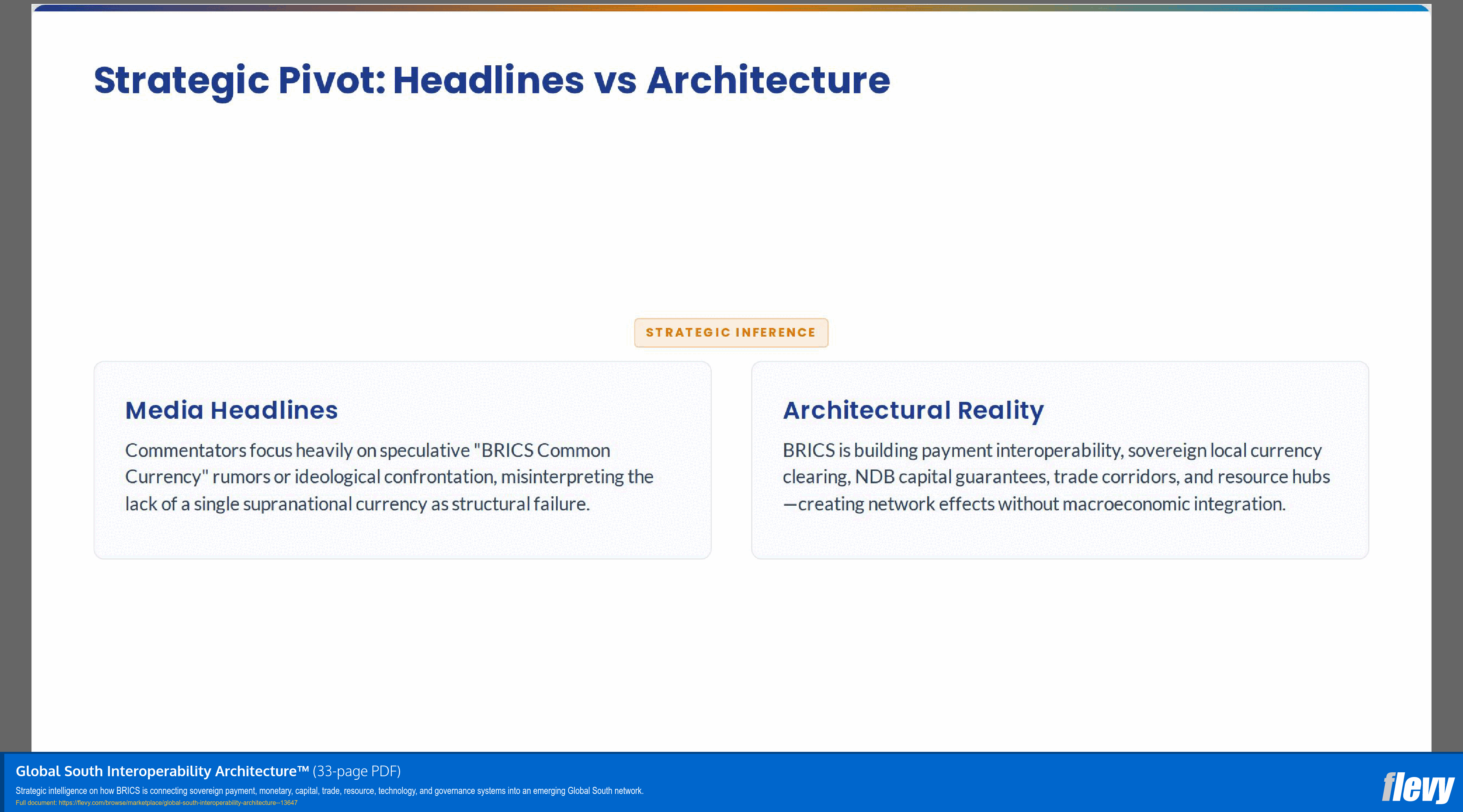
The document then connects these layers through the Global South Interoperability Architecture™, showing how sovereign systems can remain politically independent while becoming increasingly connected through standardized interfaces.
Inside, you will find:
Interoperability Architecture – the six-layer framework connecting sovereign systems to network power.
Interoperability Maturity Path™ – a four-stage model from alignment and connection to capitalisation and network integration.
Payment Interoperability Framework – payment rails, digital settlement, and cross-border transaction efficiency.
Monetary Connectivity Framework – local-currency clearing and monetary autonomy without requiring a common currency.
NDB Capital Infrastructure Analysis – development finance, local-currency financing, guarantees, and private-capital mobilisation.
Trade Connectivity Framework – physical and digital corridors, customs, standards, and supply-chain resilience.
Strategic Resource & Technology Analysis – food security, energy, minerals, AI, digital infrastructure, and technology sovereignty.
Rule-Making Infrastructure Analysis – multilateral financial and geopolitical governance reform.
Business Implications – strategic considerations for governments, financial institutions, multinationals, investors, technology companies, and commodity players.
The core strategic insight is that BRICS does not need a common currency or full economic integration to create strategic leverage. If its national systems become sufficiently interoperable, connectivity itself can become an economic asset – reducing selected dependencies, lowering transaction friction, strengthening South-South capital and trade flows, and potentially generating network-scale influence.
The intelligence is designed for executives, strategists, investors, policymakers, financial institutions, and technology and infrastructure leaders seeking to understand how a more multipolar economic architecture could evolve – and where strategic opportunities may emerge at the interfaces between sovereign systems.
Got a question about the product? Email us at support@flevy.com or ask the author directly by using the "Ask the Author a Question" form. If you cannot view the preview above this document description, go here to view the large preview instead.
Source: Best Practices in Government, Financial Services Industry PDF: Global South Interoperability Architecture™ PDF (PDF) Document, Wisnu Pandega Wardana
ABOUT THE AUTHOR

I am an independent Industrial Intelligence and Strategic Innovation Publisher focused on developing structured business intelligence, innovation frameworks, and opportunity-oriented research for decision-makers.
My work focuses on translating emerging technologies, industrial transformation, sustainability, resource efficiency, and market shifts into structured intelligence assets that
... [read more]
Ask the Author a Question
You must be logged in to contact the author.




























