
 Click main image to view in full screen. Unlock all 17 preview images:
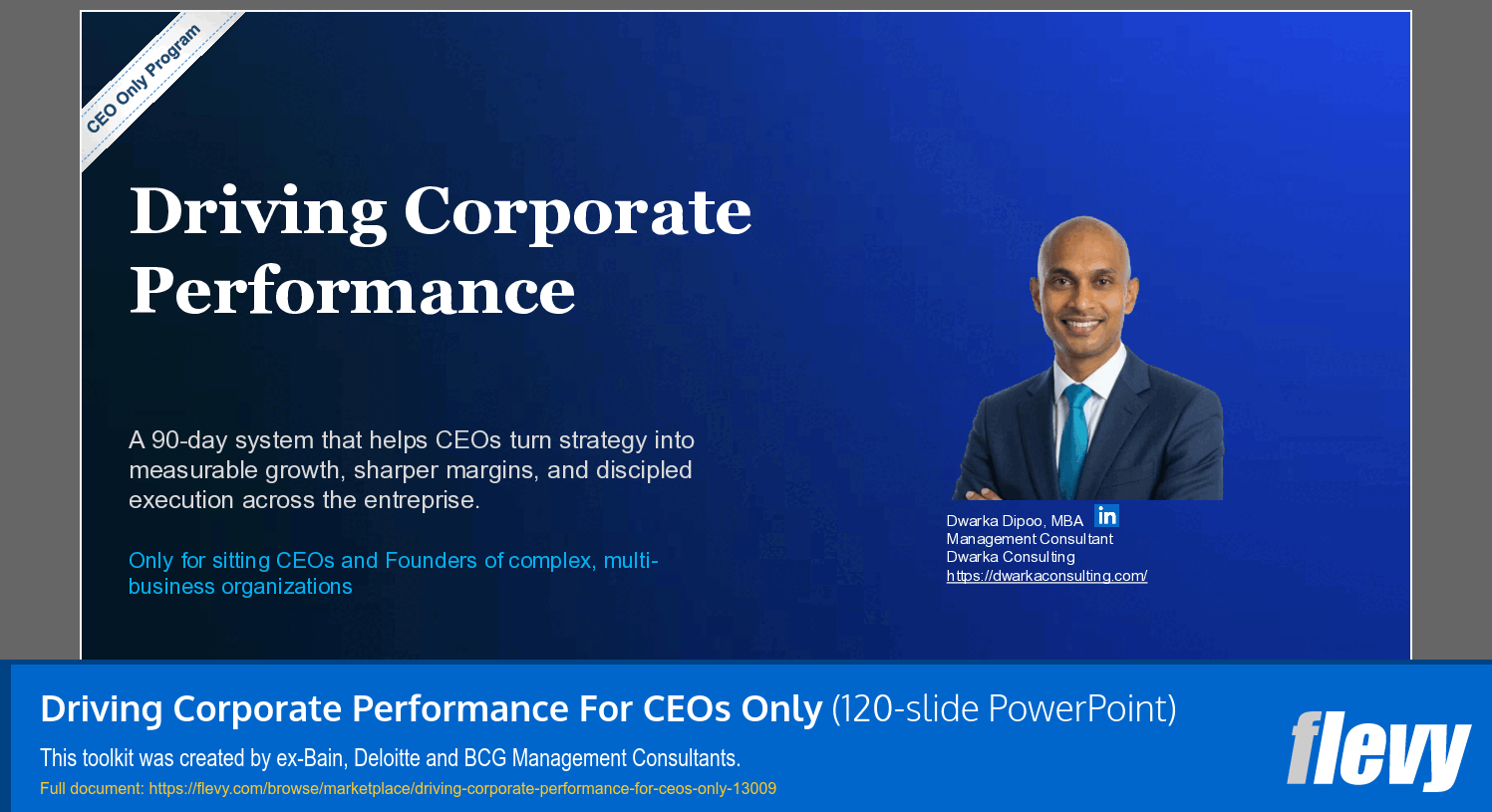
Driving Corporate Performance For CEOs Only – PowerPoint PPTX Template
PowerPoint (PPTX) 120 Slides


VIDEO DEMO
BENEFITS OF THIS DOWNLOADABLE POWERPOINT DOCUMENT
- Integrated Performance Logic -- connects diagnosis, priorities, execution, and sustainment.
- Sharper Resource Alignment -- links performance priorities with leadership attention and resources.
- Built-In Sustainment -- extends management discipline beyond initial performance improvement.
PERFORMANCE MANAGEMENT PPT TEMPLATE DESCRIPTION
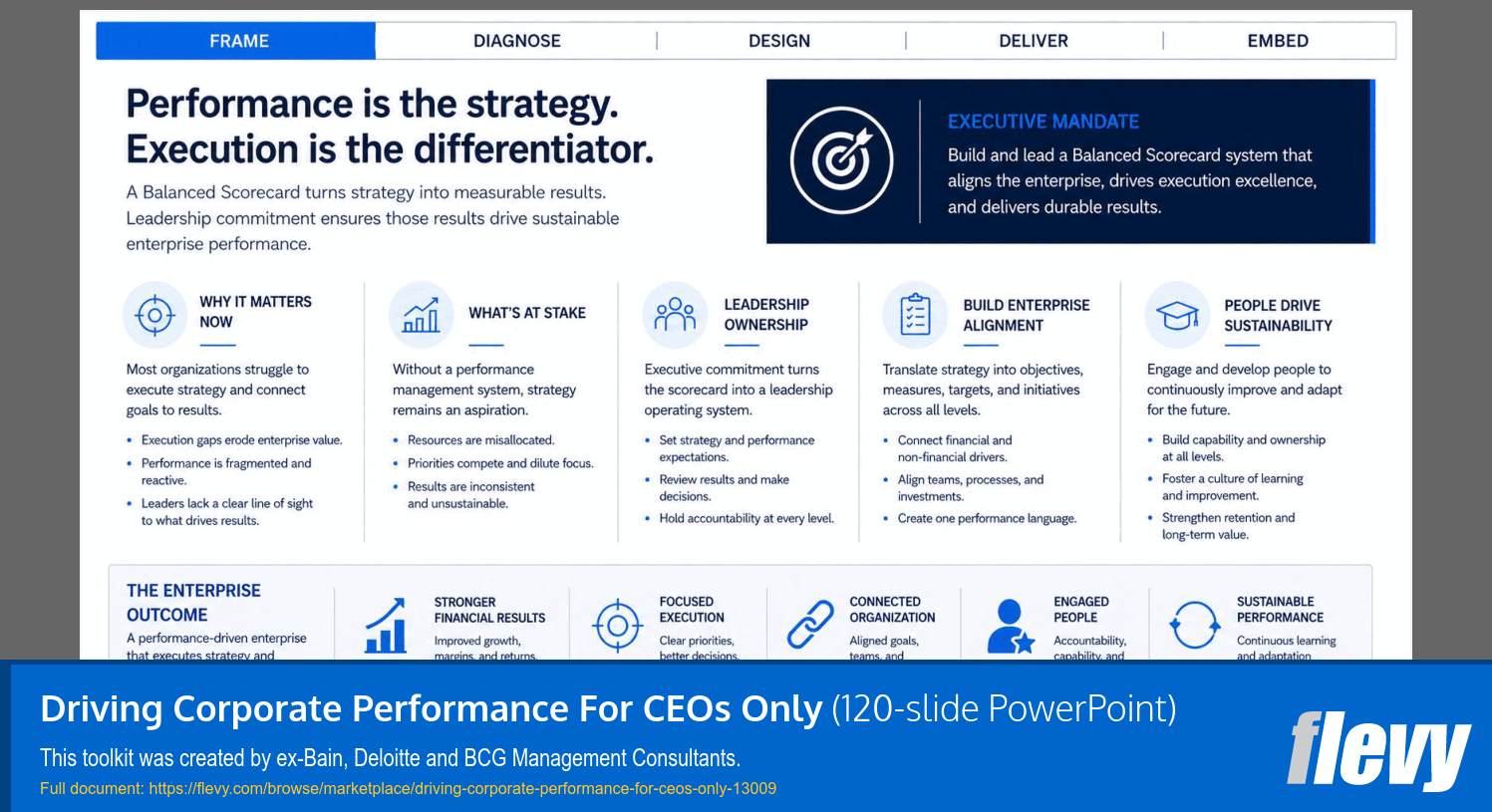
Performance weakens when scorecard measures, priorities, resources, and leadership actions stop reinforcing one another. Local improvements can then hide enterprise value leaks and allow performance drift to persist.
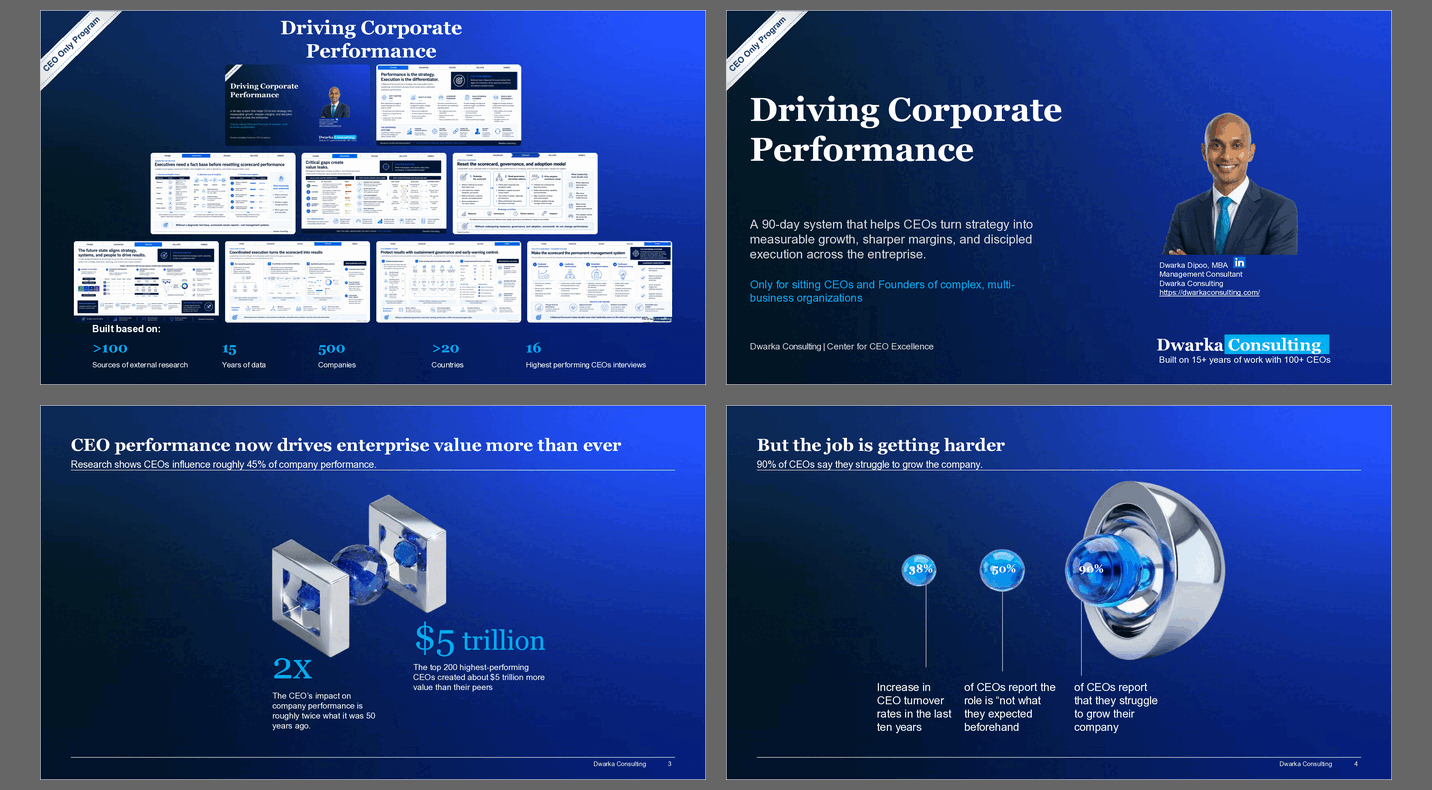
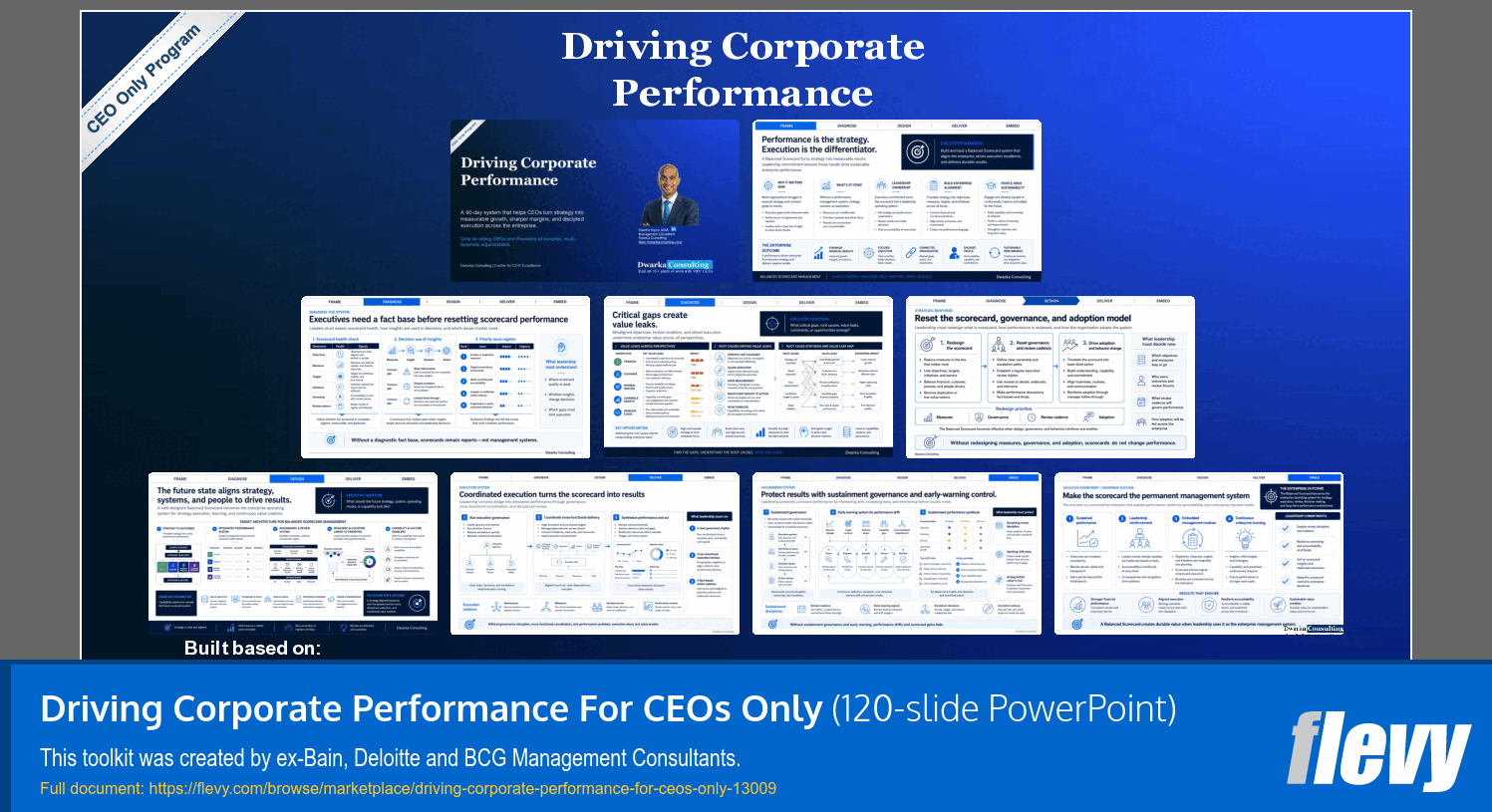
This program helps leadership determine where the performance system is failing, what must be redesigned, and how the scorecard should guide execution. It connects diagnosis with priority setting, resource allocation, governance, cross-functional execution, and sustainment—helping leaders turn the balanced scorecard from a reporting mechanism into an ongoing management system.
What This Program Solves
• Hidden value leakage – local improvements can mask weaknesses across enterprise performance.
• Disconnected execution – priorities, resources, governance, and cross-functional actions fail to align.
• Performance regression – weak reinforcement allows results to drift after initial improvements.
Inside the Program
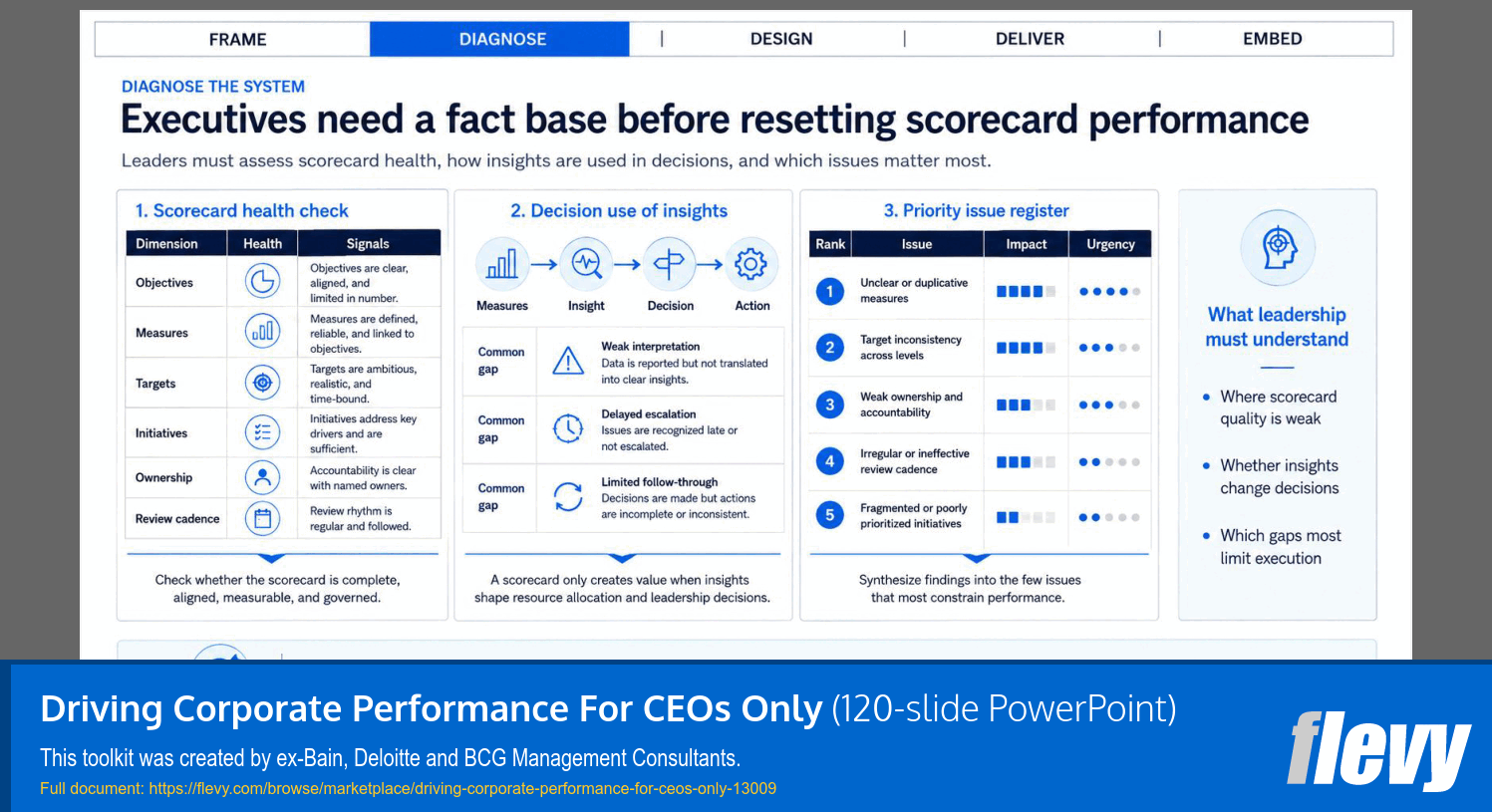
Executive Priority 1 – Diagnose Performance Gaps
Key decision: Where is enterprise performance breaking down, and what is causing it?
Use the scorecard health check, value-leak analysis, and root-cause synthesis to identify priority weaknesses before leadership commits resources or redesigns the system.
Executive Priority 2 – Redesign the System
Key decision: What must change in priorities, governance, resources, and scorecard design?
Structure a stronger scorecard architecture that connects performance priorities with resource allocation, governance cadence, adoption requirements, and readiness for deployment.
Executive Priority 3 – Mobilize Execution
Key decision: How should leadership coordinate execution across functions and performance priorities?
Translate the redesigned system into execution governance, cross-functional coordination, and structured performance review so leadership can manage delivery against enterprise priorities.
Executive Priority 4 – Sustain Performance
Key decision: What must become permanent to prevent performance from drifting backward?
Embed sustainment governance, early-warning indicators, leadership reinforcement, and ongoing performance synthesis so the scorecard becomes part of normal management practice.
Executive Outcome
Leadership is better positioned to diagnose performance gaps, redesign the management system, align resources and execution, monitor emerging drift, and institutionalize the balanced scorecard as a continuing mechanism for enterprise performance management.
Got a question about the product? Email us at support@flevy.com or ask the author directly by using the "Ask the Author a Question" form. If you cannot view the preview above this document description, go here to view the large preview instead.
Source: Best Practices in Performance Management, CEO PowerPoint Slides: Driving Corporate Performance For CEOs Only PowerPoint (PPTX) Presentation Slide Deck, Dwarka Consulting
ABOUT THE AUTHOR

Help your organization grow, work smarter, and become the expert everyone looks to.
Dwarka Consulting is a global management consulting firm dedicated to helping organizations achieve rapid and sustainable growth.
Founded by Dwarka Dipoo, MBA -- a respected consultant with over 15 years of experience spanning both the private and public sectors in the USA & Canada.
Our unique approach
... [read more]
Ask the Author a Question
You must be logged in to contact the author.




























