
 Click main image to view in full screen. Unlock all 26 preview images:
Design Thinking: Ideation Techniques – PowerPoint PPTX Template
PowerPoint (PPTX) 89 Slides


BENEFITS OF THIS DOWNLOADABLE POWERPOINT DOCUMENT
- Provides various ideation techniques that can be used in the Design Thinking cycle.
- Includes techniques for ideas generation (e.g. brainstorming) as well as ideas selection (e.g. dot voting, decision matrix).
- Includes exercises and templates for skills practice.
DESIGN THINKING PPT TEMPLATE DESCRIPTION
Ideation is at the heart of the Design Thinking process. Ideation sessions help you to challenge assumptions, think outside the box, and explore uncharted territory. In the ideation phase, you explore and come up with as many ideas as possible.
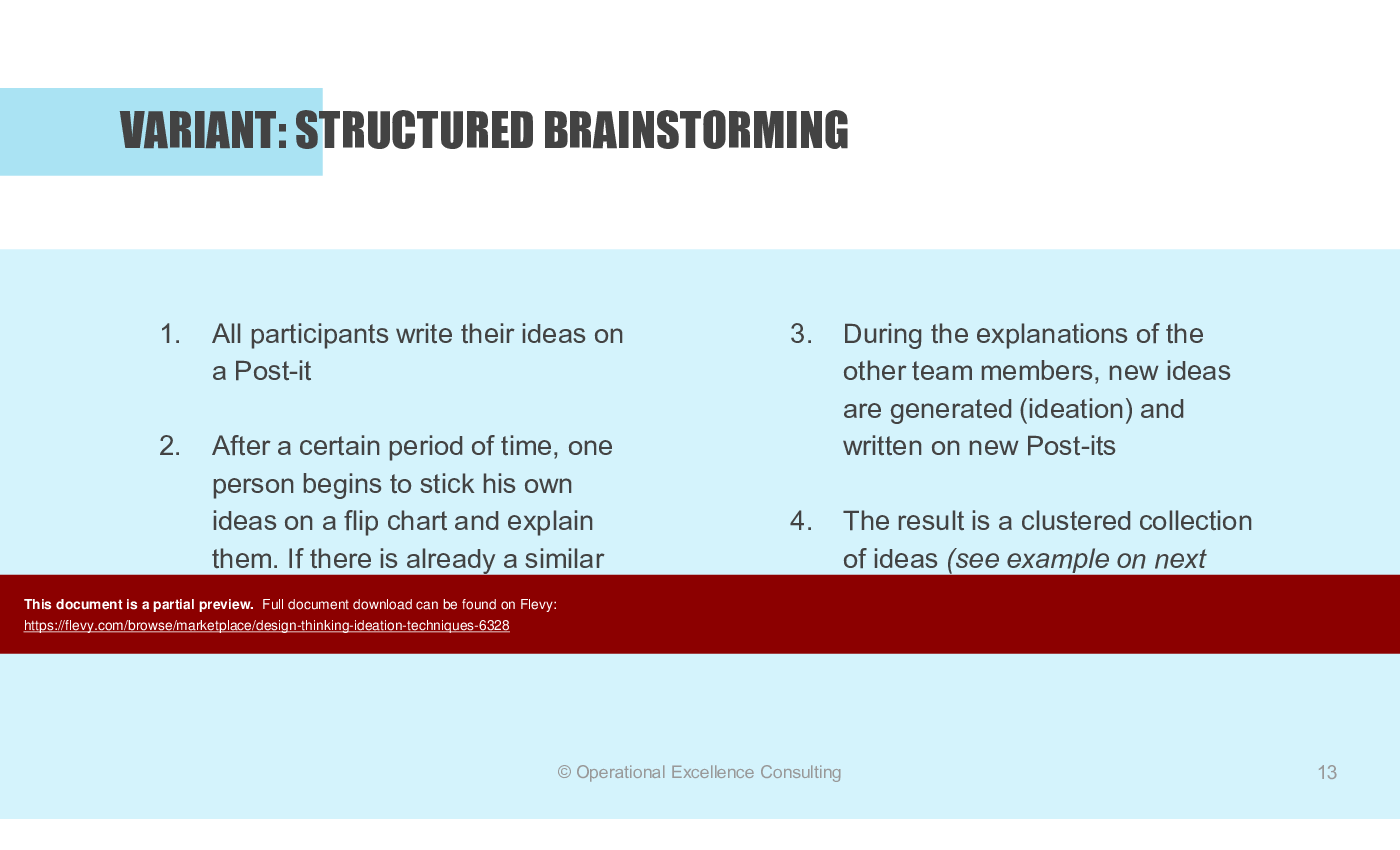
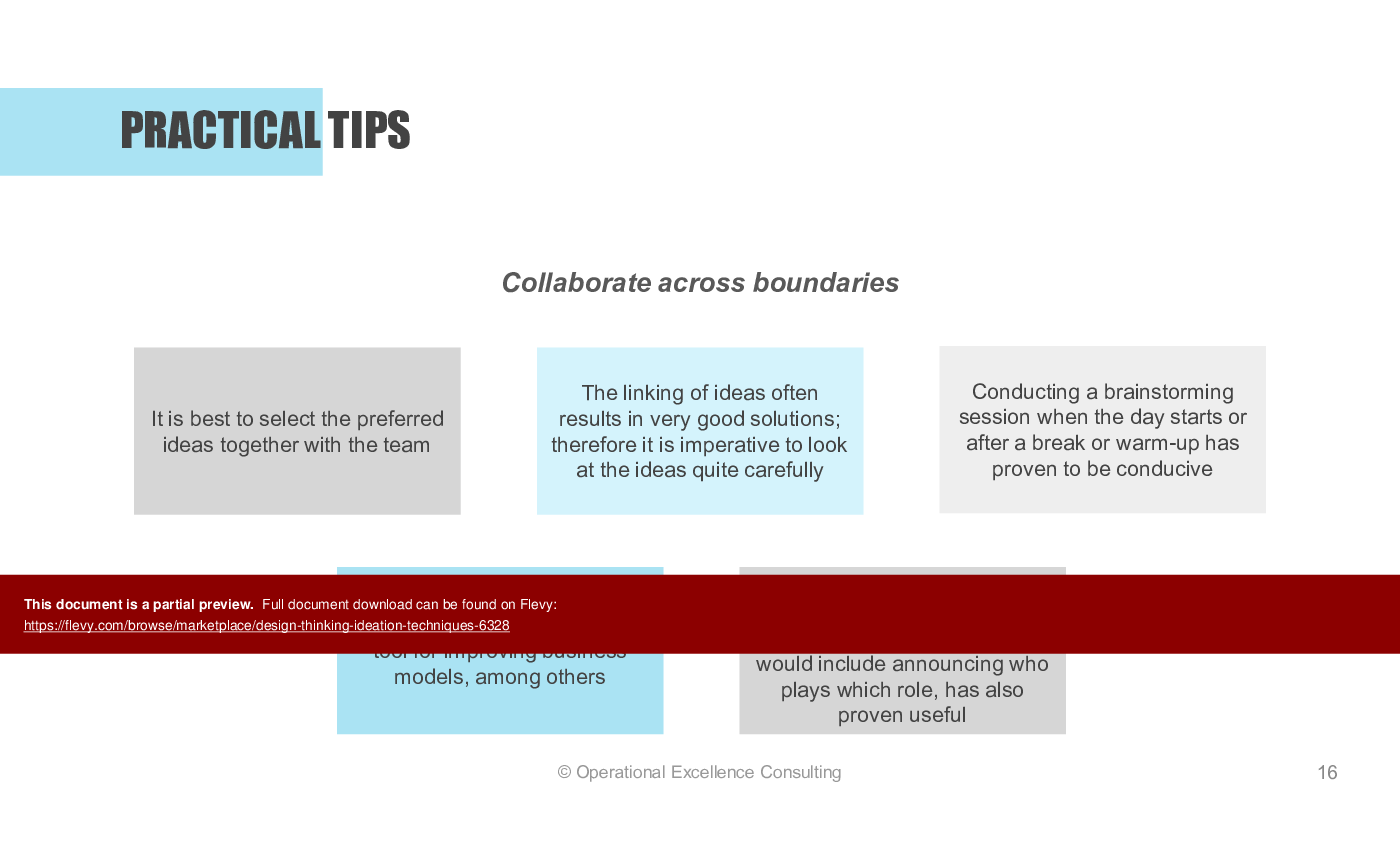
The classic way of ideating is brainstorming. Brainstorming is applied in the "ideate" phase in a variety of way. It is primarily about generating as many ideas (ideation) as possible before they are sorted, combined or clustered. The selection of preferred ideas usually takes place within the framework of an evaluation and vote on the team. For this, tools such as dot voting and the decision matrix are used. The selection of ideas is one of the most difficult elements in the design cycle, since the earlier phases are characterized by a high level of uncertainty.
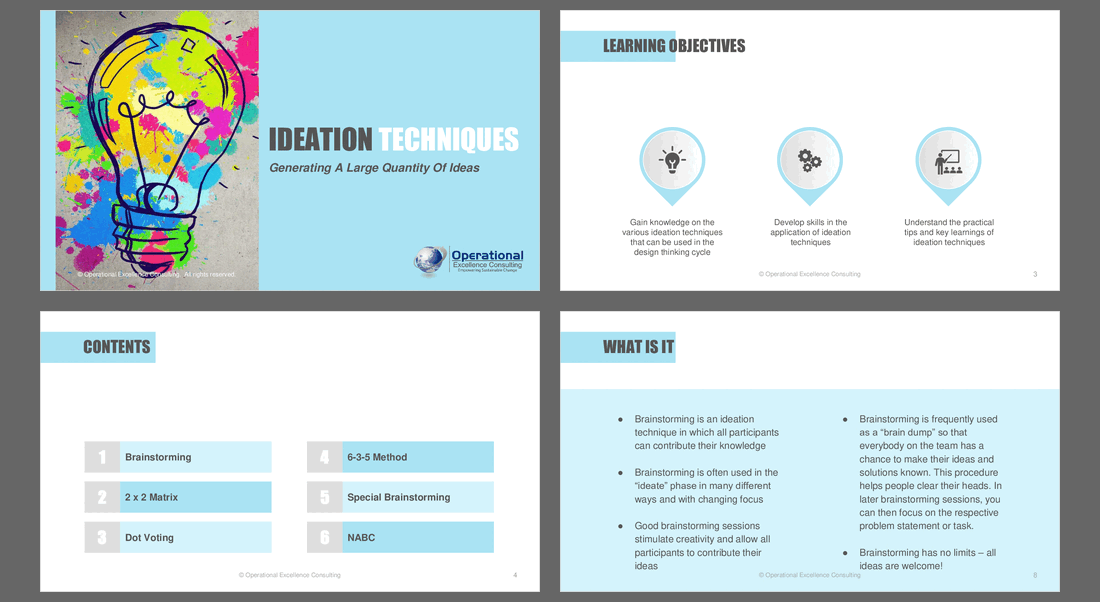
In this Ideation Techniques PPT presentation, you will learn and develop skills in six types of ideation methods that can be used in the Design Thinking cycle. They include techniques for ideas generation as well as ideas selection:
• Brainstorming
• 2 x 2 Matrix
• Dot Voting
• 6-3-5 Method (Brainwriting)
• Special Brainstorming (Negative Brainstorming, Figuring Storming, and Bodystorming)
• NABC (Need, Approach, Benefit and Competition)
Each Ideation technique is described in the form of the following structure:
• What is it?
• Why use it?
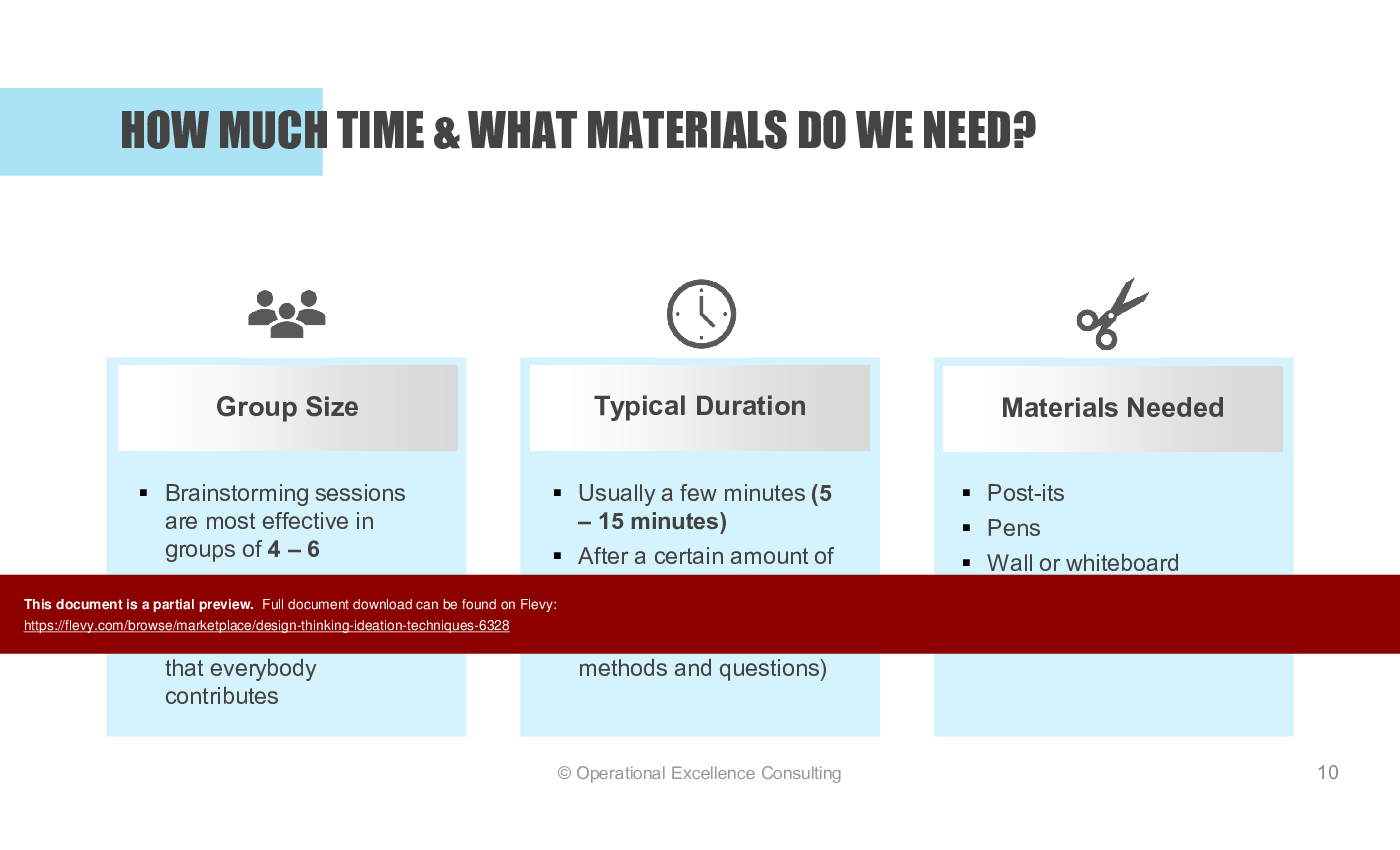
• How much time and what materials do we need?
• How to apply the tool
• Practical tips
• Key learnings
This presentation guide provides a means to introduce ideation techniques to your workshop participants in addition to the traditional brainstorming method. It helps to make your ideation sessions fun and exciting.
LEARNING OBJECTIVES
1. Gain knowledge on the various ideation techniques that can be used in the design thinking cycle.
2. Develop skills in the application of ideation techniques.
3. Understand the expert tips and key learnings of ideation techniques.
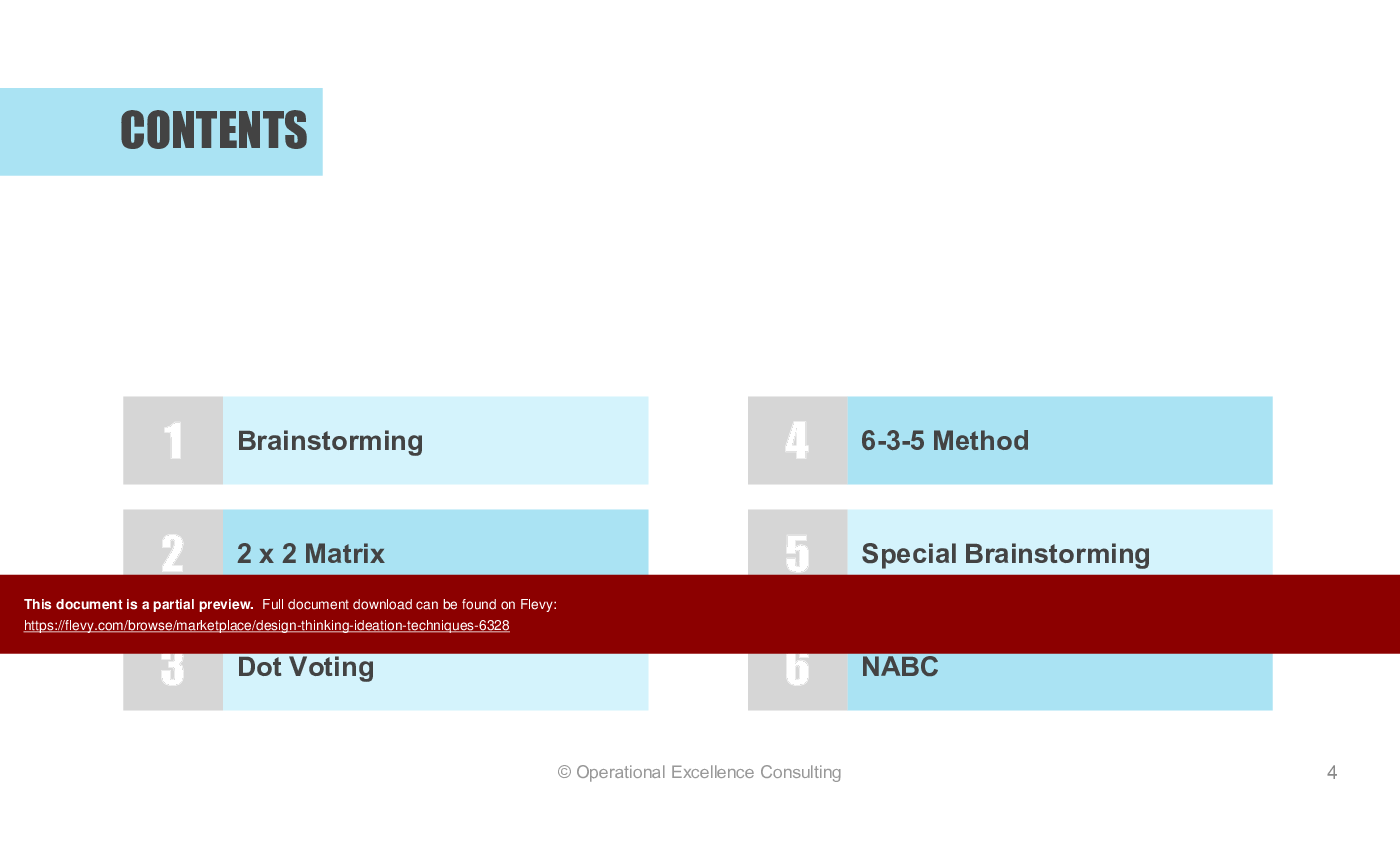
CONTENTS
1. Brainstorming: A classic ideation technique that encourages participants to generate a multitude of ideas quickly and freely, fostering creativity and open collaboration.
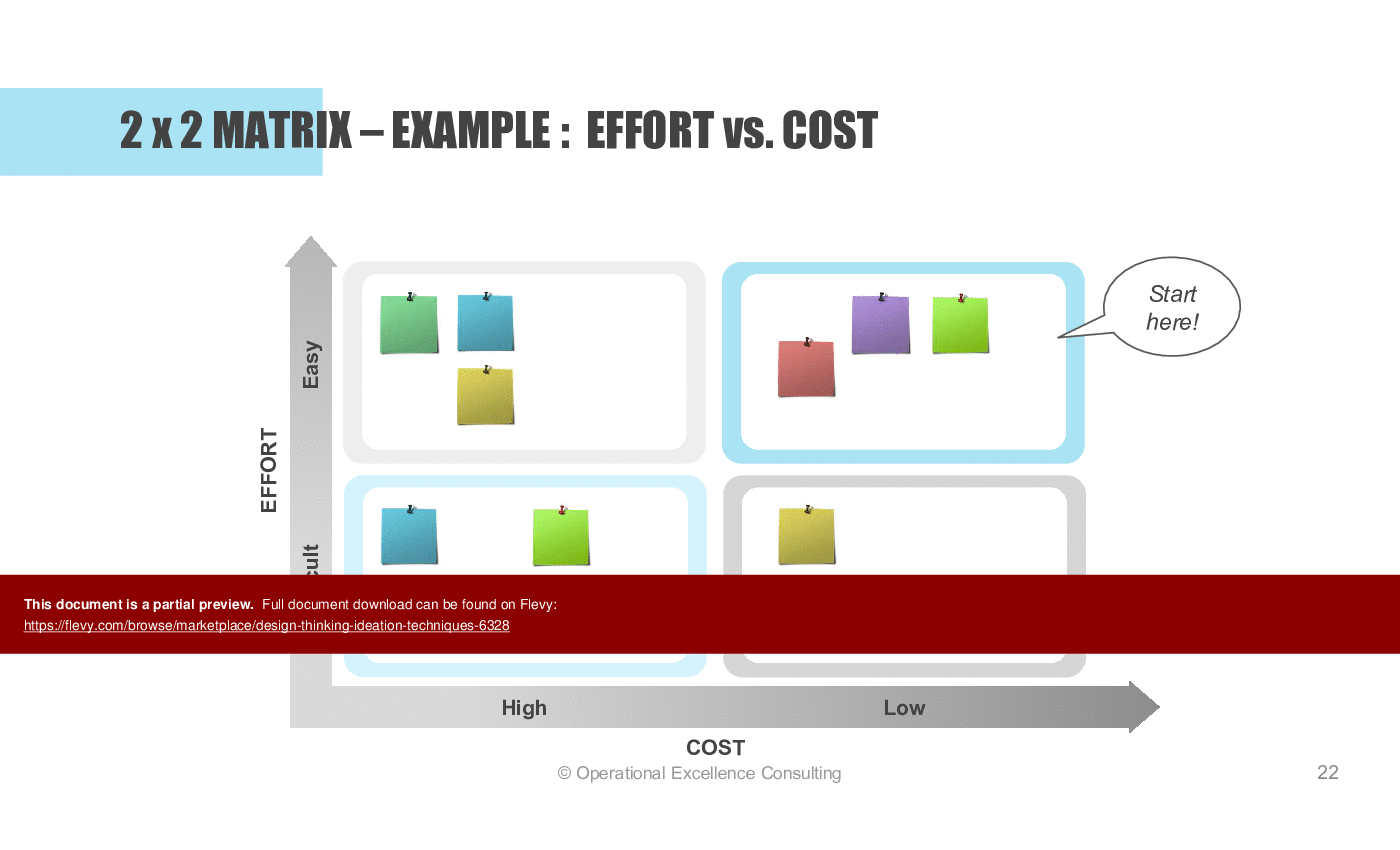
2. 2 x 2 Matrix: An effective tool for organizing ideas by comparing two key criteria, facilitating structured decision-making and prioritization during the ideation process.
3. Dot Voting: A simple and efficient method for participants to anonymously vote on their favorite ideas, enabling quick consensus-building and idea selection.
4. 6-3-5 Method: A systematic approach involving six participants who each produce 3 ideas for a problem in the first round. Each of the ideas will then be further developed by the other participants in the next 5 rounds.
5. Special Brainstorming: An innovative ideation technique that encourages participants to think from unusual perspectives or roles, stimulating creativity and unique solutions.
6. NABC: A structured method that prompts participants to outline the Need, Approach, Benefit, and Competition for each idea, enhancing the clarity and viability of potential solutions.
Got a question about the product? Email us at support@flevy.com or ask the author directly by using the "Ask the Author a Question" form. If you cannot view the preview above this document description, go here to view the large preview instead.
PRESENTATION DEEP DIVE ANALYSIS
This deep-dive analysis was generated from the full 89-slide PowerPoint presentation.
Source: Best Practices in Design Thinking, Ideation PowerPoint Slides: Design Thinking: Ideation Techniques PowerPoint (PPTX) Presentation Slide Deck, Operational Excellence Consulting
ABOUT THE AUTHOR

Operational Excellence Consulting, founded in 2009 by Allan Ung, draws from extensive experience at Microsoft, IBM, and Underwriters Laboratories (UL). We specialize in strategy deployment, customer experience design, and operational excellence, applying Design Thinking, Lean, and Systems Thinking to maximize customer value and minimize waste.
Our
... [read more]
Ask the Author a Question
You must be logged in to contact the author.




























