
 Click main image to view in full screen. Unlock all 23 preview images:
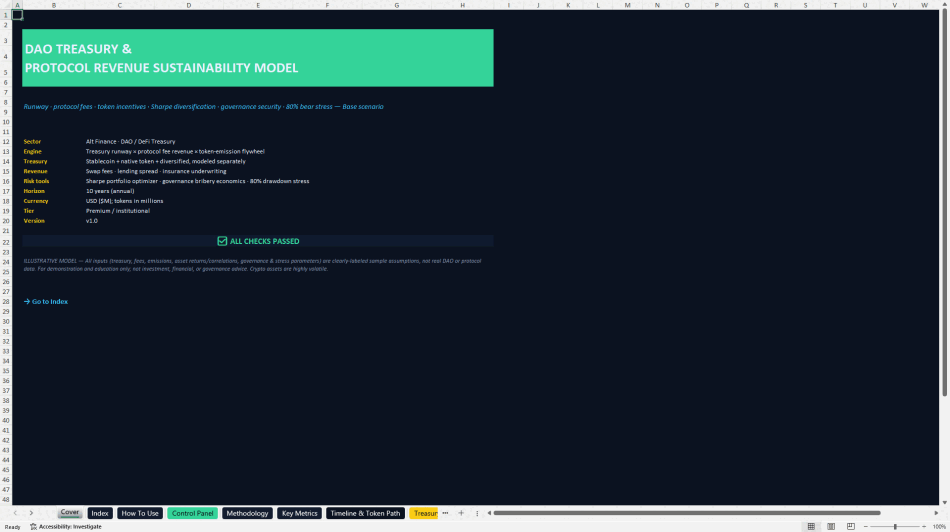
DAO Treasury and Protocol Revenue Sustainability Model – Excel XLSX
Excel (XLSX) + supplemental PDF


BENEFITS OF THIS DOWNLOADABLE EXCEL DOCUMENT
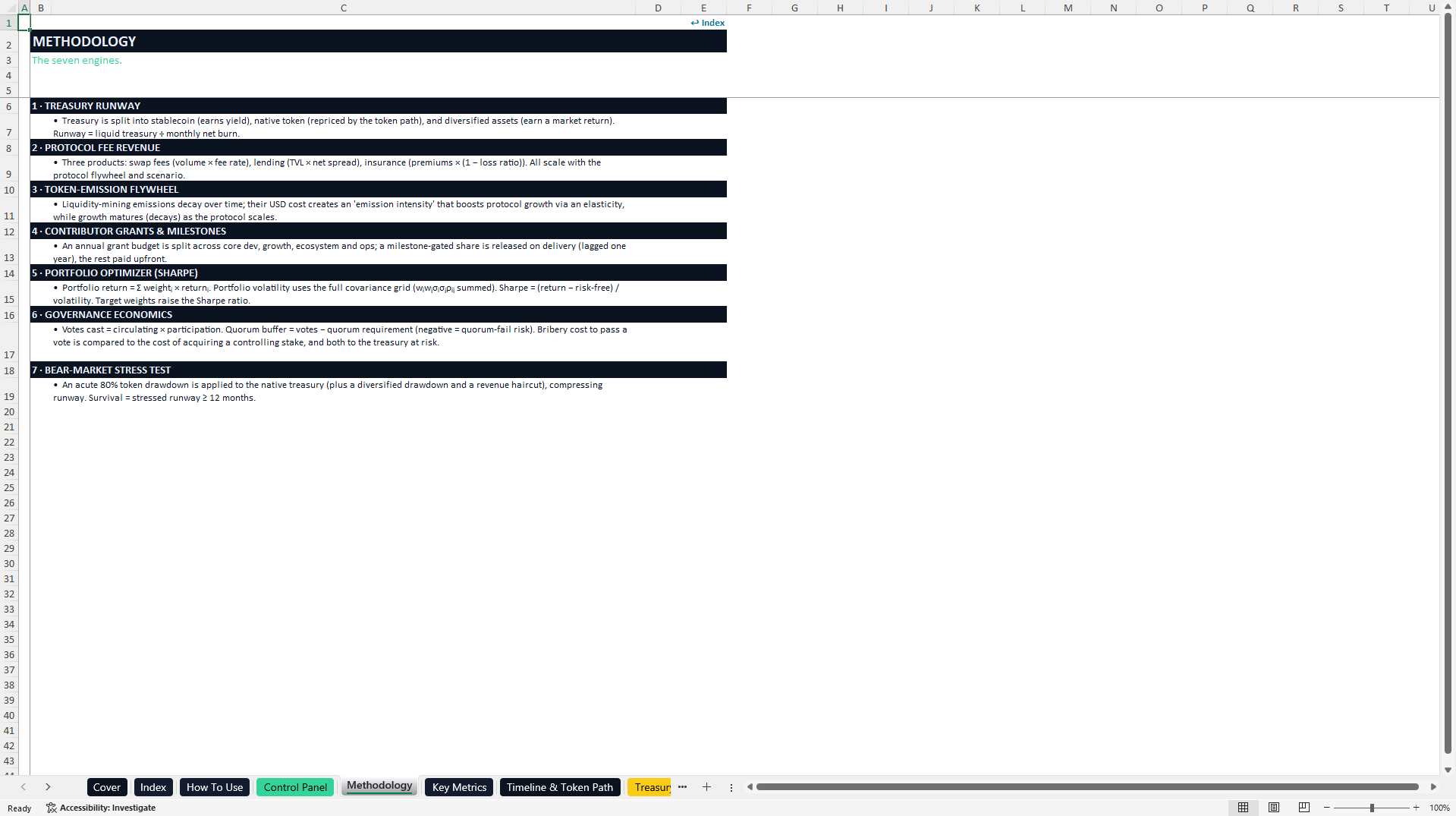
- Provides a structured framework for forecasting DAO treasury runway, protocol revenue, grants, token emissions, governance costs and bear-market survival.
- Helps users evaluate treasury sustainability across stablecoins, native tokens, diversified assets, revenue growth and spending commitments.
- Includes advanced DAO-specific modules such as Sharpe-adjusted treasury optimization, governance participation economics, vote incentive cost and 80% token drawdown stress testing.
BLOCKCHAIN EXCEL DESCRIPTION
🚀 DAO Treasury and Protocol Revenue Sustainability Model is a comprehensive financial planning workbook built for DAOs, DeFi protocols, Web3 foundations, crypto treasuries, token-based ecosystems and protocol finance teams.
This model helps users evaluate whether a DAO treasury can remain sustainable across different market, revenue, spending, token price and governance scenarios.
A DAO treasury is not the same as a normal corporate cash balance. It may include stablecoins, native tokens, diversified assets, protocol-owned liquidity, token incentives, grant commitments, contributor payments and governance-related costs.
Because of this, a DAO needs more than a simple wallet tracker.
What the Model Covers
The workbook includes a structured forecast for:
✅ Treasury runway
✅ Stablecoin reserves
✅ Native token holdings
✅ Diversified treasury assets
✅ Protocol fee revenue
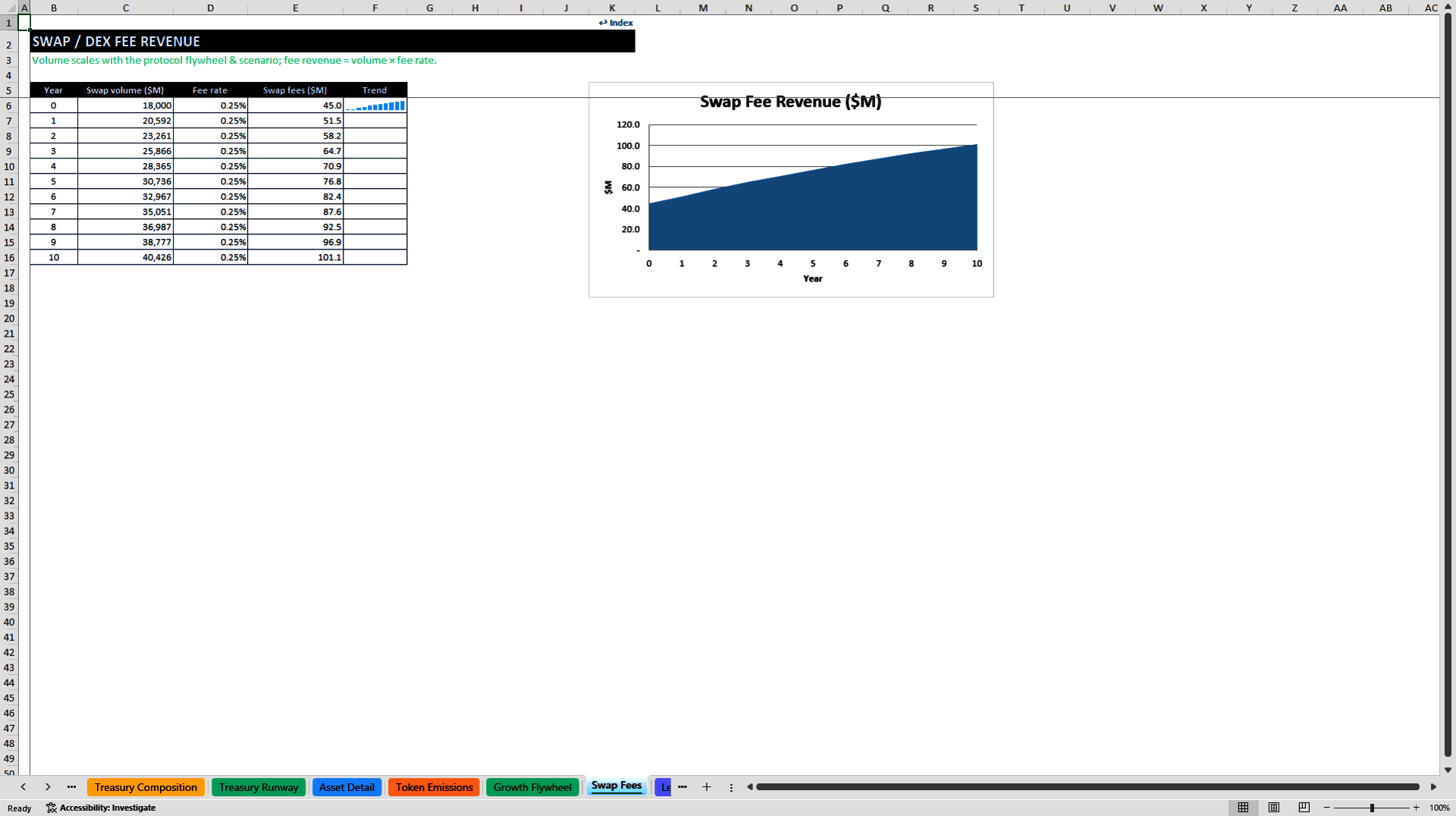
✅ Swap fees
✅ Lending revenue
✅ Insurance revenue
✅ Contributor grants
✅ Milestone payments
✅ Token incentive emissions
✅ Protocol growth flywheel
✅ Treasury diversification
✅ Portfolio optimizer
✅ Governance participation
✅ Vote incentive / bribery cost
✅ Bear-market stress testing
✅ Treasury cash flow
✅ Sustainability P&L
✅ Scenario analysis
✅ Sensitivity analysis
✅ Dashboards and audit checks
The model is designed to support serious DAO treasury planning, protocol financial analysis, grant budgeting, governance review, and long-term sustainability assessment.
Treasury Runway and Asset Allocation
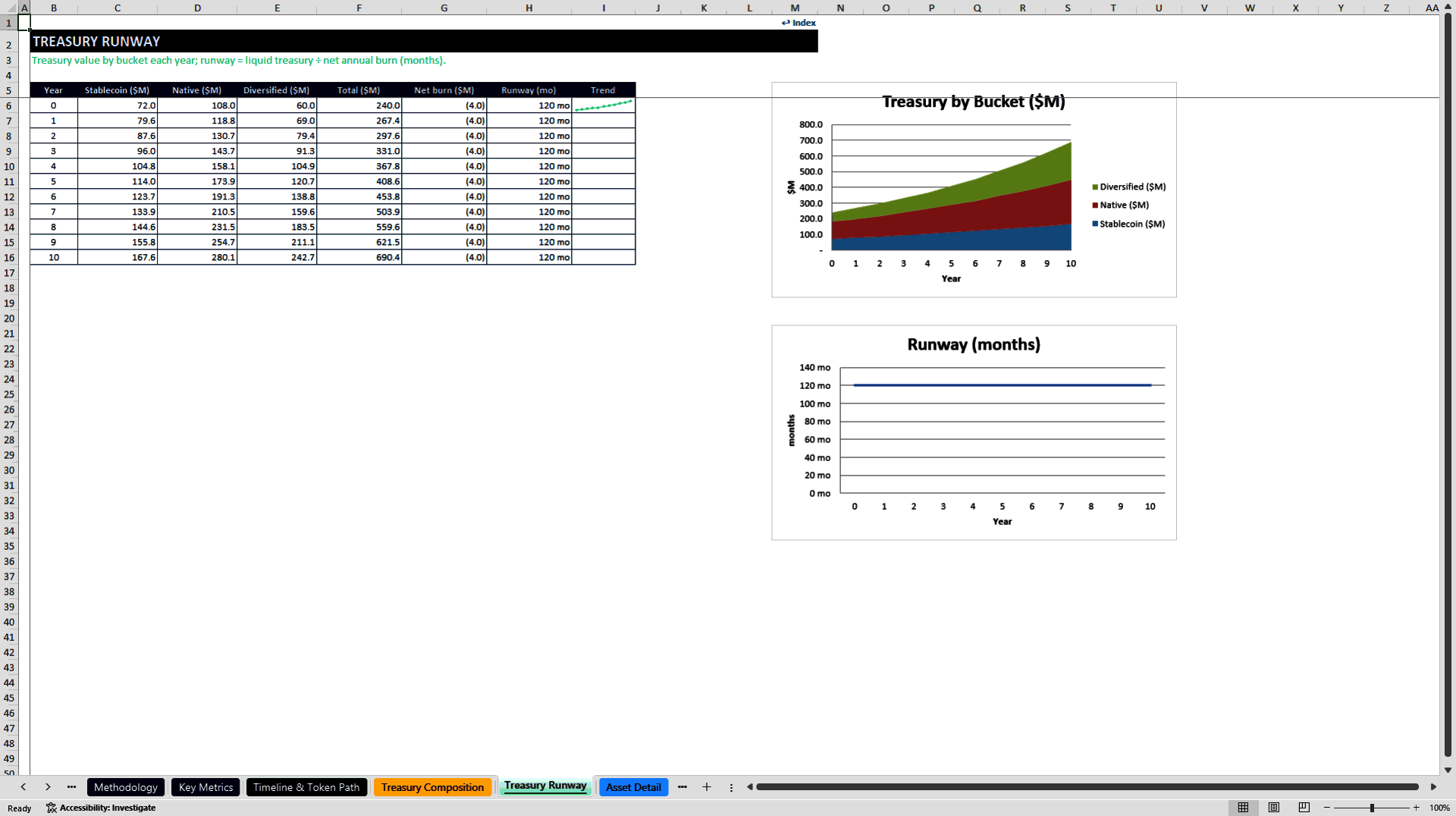
💰 The treasury runway module forecasts how long the DAO can operate based on its treasury assets and projected spending.
The model separates treasury assets into:
Stablecoins
Native tokens
Diversified assets
Other treasury balances
This structure helps users understand how much of the treasury is liquid, how much is exposed to token price volatility, and how much runway remains under different market conditions.
Protocol Revenue Forecast
🔁 The model forecasts protocol fee revenue across different product lines.
Included revenue categories:
Swap fees
Lending revenue
Insurance revenue
Other protocol fees
This helps users evaluate whether the DAO can move from treasury-dependent spending toward revenue-supported sustainability.
Contributor Grants and Milestone Payments
👥 DAO spending often happens through contributor grants, working groups, ecosystem grants and milestone-based payments.
The model includes:
✅ Grant budget allocation
✅ Contributor payment planning
✅ Milestone payment timing
✅ Budget utilization
✅ Treasury impact of grant programs
This helps users understand whether proposed grants are affordable and how they affect future runway.
Token Emissions and Growth Flywheel
⚡ The token emissions module helps compare incentive emissions against protocol growth.
Users can analyze:
Emission schedule
Incentive distribution
Token supply impact
Protocol growth assumptions
Emissions vs. TVL / activity growth
Sustainability of incentive programs
This is important because token incentives can support growth, but excessive emissions may create sell pressure and weaken long-term token economics.
Portfolio Optimizer and Diversification
📊 The workbook includes a treasury diversification and portfolio optimizer module.
Users can compare different treasury asset allocations using risk and return assumptions.
The model includes:
✅ Stablecoin allocation
✅ Native token exposure
✅ Diversified asset allocation
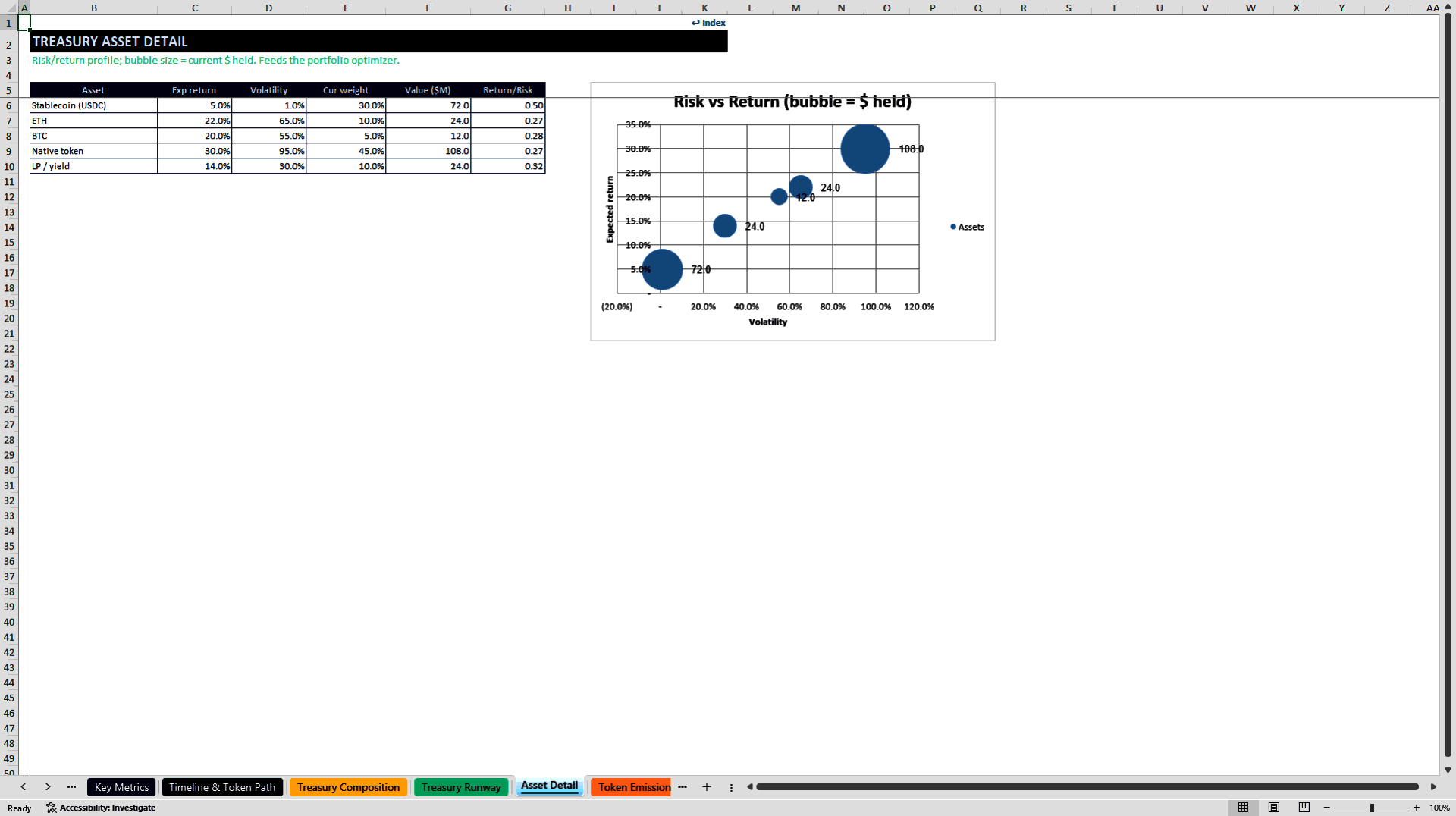
✅ Risk / return analysis
✅ Sharpe-adjusted optimization
✅ Asset risk radar
✅ Treasury diversification output
This helps DAOs evaluate whether the treasury is overly concentrated and whether a more diversified allocation could improve resilience.
Governance Economics
🗳️ The model includes governance participation economics, quorum risk and vote-incentive cost analysis.
Included outputs:
Voter participation
Quorum risk
Proposal approval rate
Vote incentive cost
Treasury impact of governance incentives
Vote bribery / incentive economics
This helps users understand how governance design can affect treasury sustainability and protocol decision-making.
Bear Market Survival Test
📉 A key feature of the workbook is the bear-market stress test.
The model includes an 80% native token price drawdown scenario to evaluate treasury survival under extreme market conditions.
This helps users review:
✅ Treasury value after drawdown
✅ Runway impact
✅ Native token concentration risk
✅ Stablecoin protection
✅ Required survival adjustments
✅ Bear-case runway
✅ Treasury solvency under stress
Outputs Included
📊 The workbook includes:
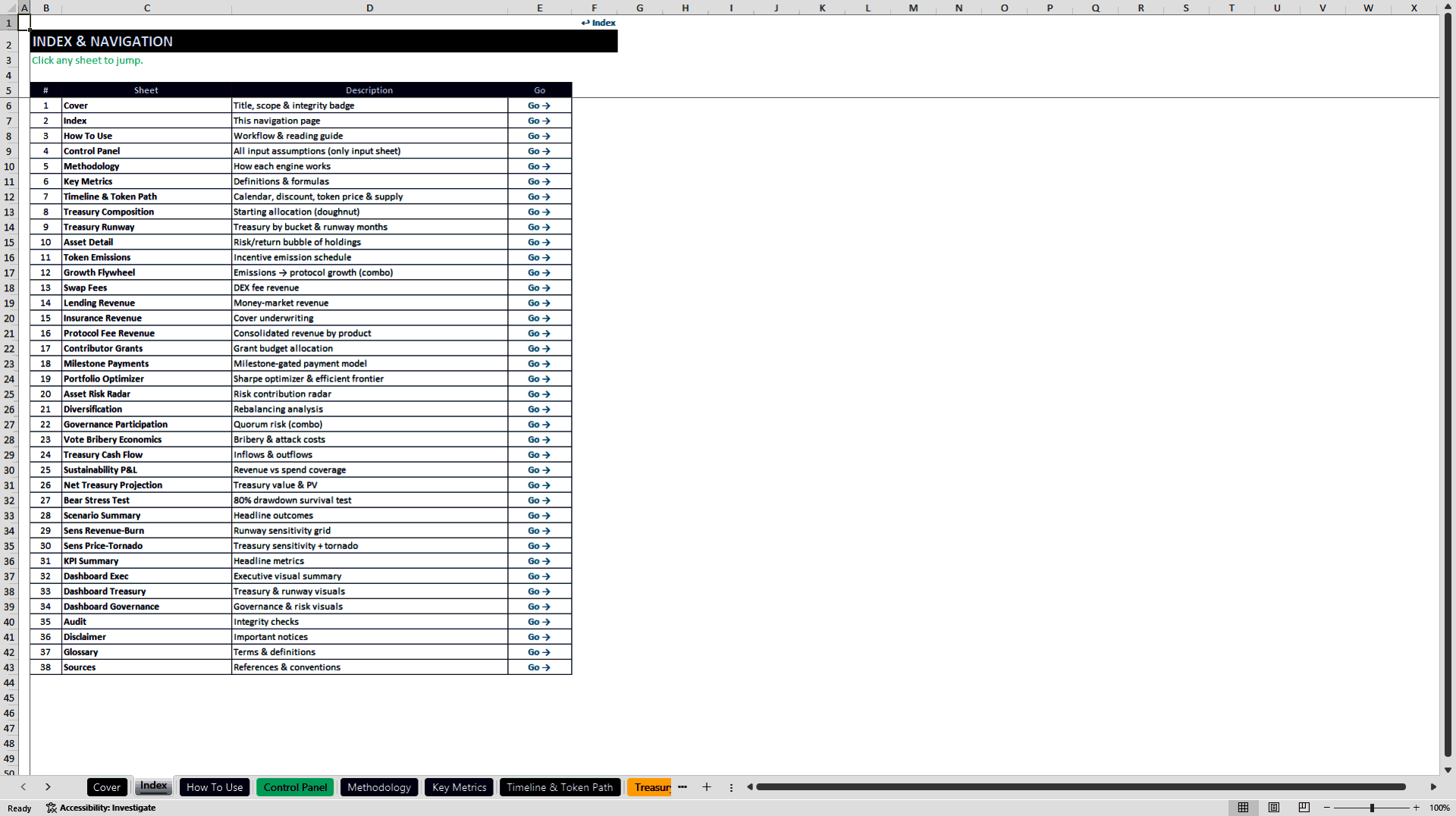
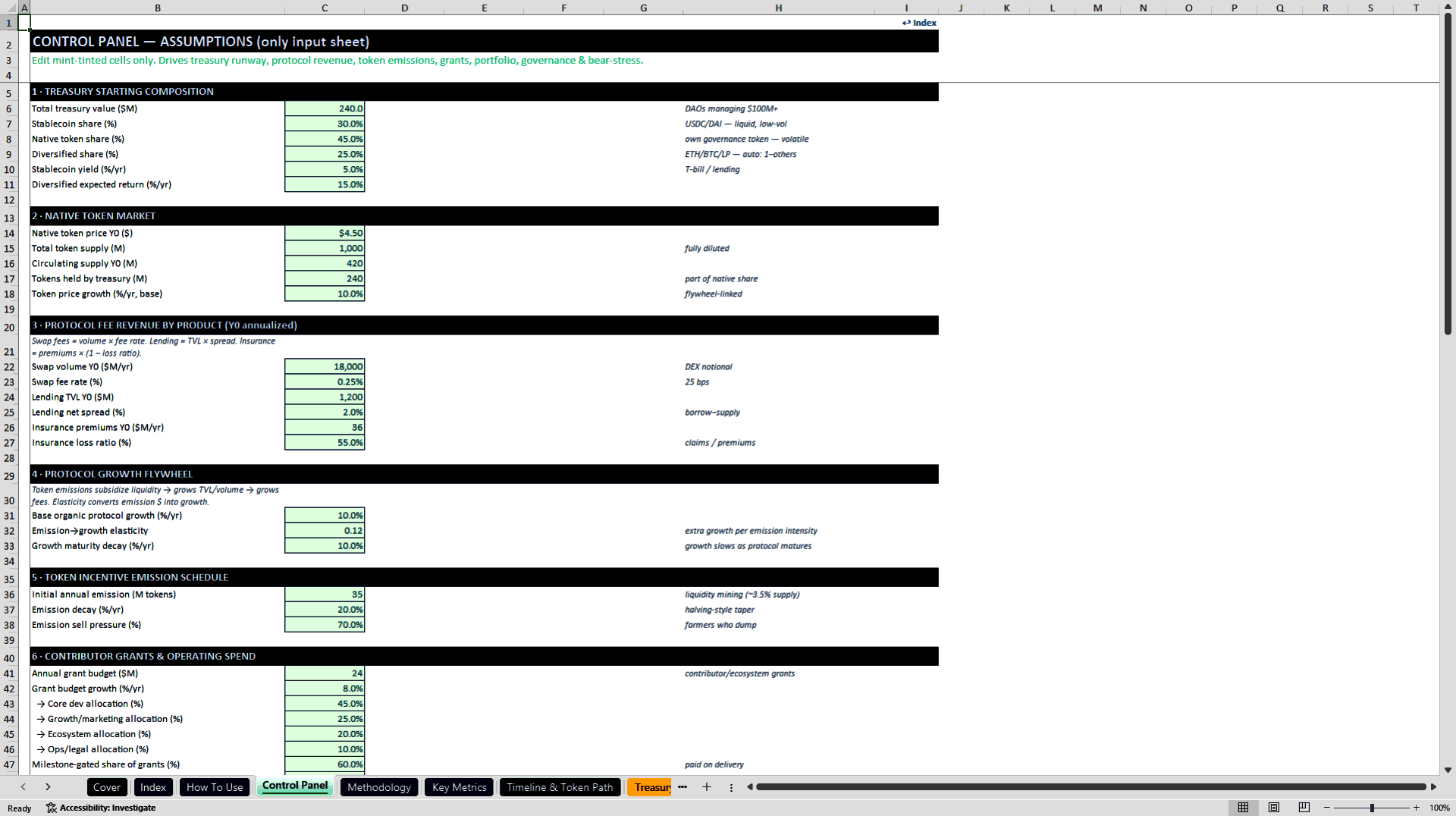
✅ Control Panel
✅ Key Metrics
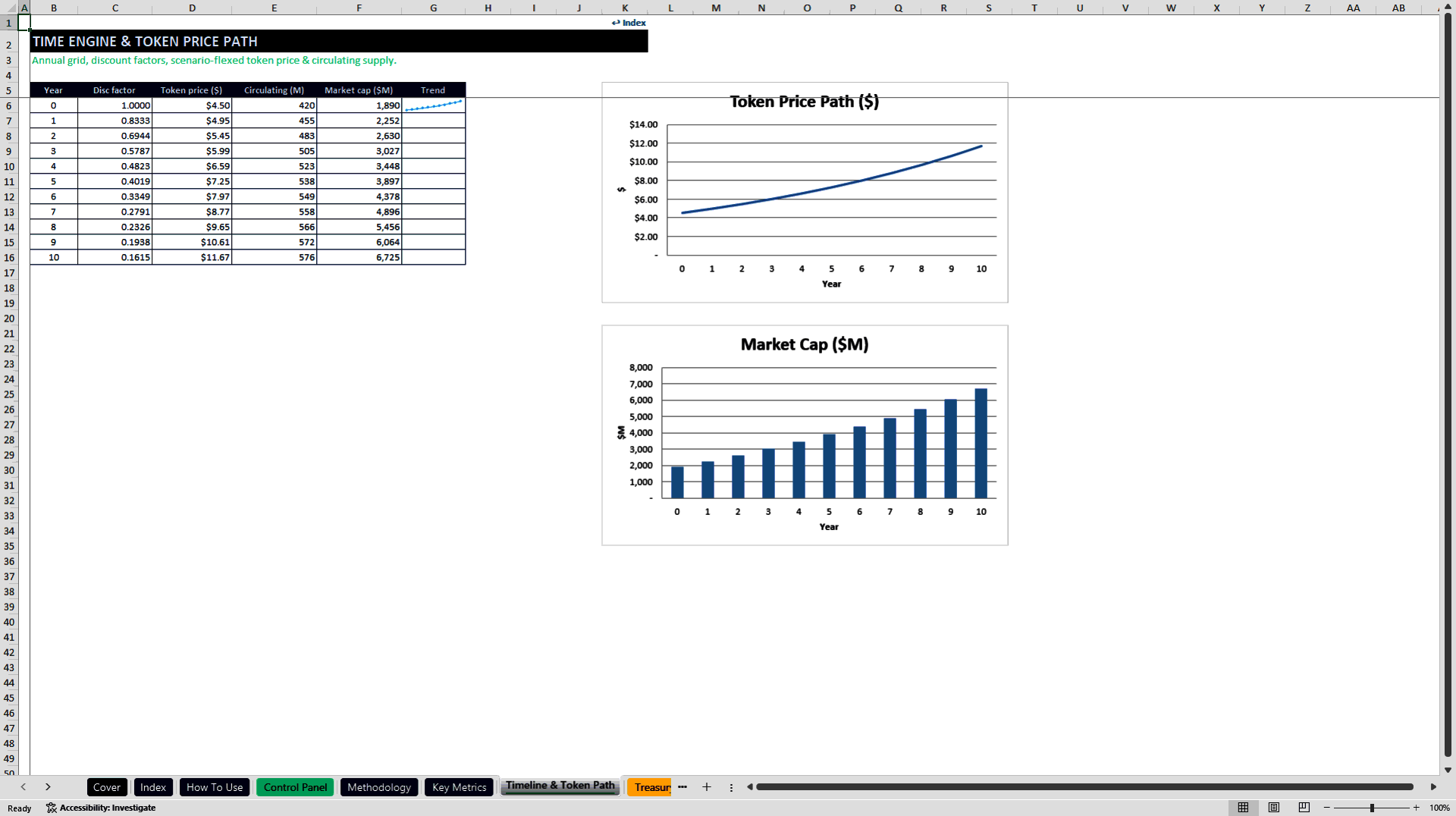
✅ Timeline & Token Path
✅ Treasury Composition
✅ Treasury Runway
✅ Asset Detail
✅ Token Emissions
✅ Growth Flywheel
✅ Swap Fees
✅ Lending Revenue
✅ Insurance Revenue
✅ Protocol Fee Revenue
✅ Contributor Grants
✅ Milestone Payments
✅ Portfolio Optimizer
✅ Asset Risk Radar
✅ Diversification
✅ Governance Participation
✅ Vote Bribery Economics
✅ Treasury Cash Flow
✅ Sustainability P&L
✅ Net Treasury Projection
✅ Bear Stress Test
✅ Scenario Summary
✅ Revenue / Burn Sensitivity
✅ Price Tornado Sensitivity
✅ KPI Summary
✅ Executive Dashboard
✅ Treasury Dashboard
✅ Governance Dashboard
✅ Audit
✅ Disclaimer
✅ Glossary
✅ Sources
Who This Document Is For
This model is suitable for:
DAO treasury teams
DeFi protocol founders
Web3 foundations
Crypto treasury committees
Governance delegates
Token project analysts
Protocol finance teams
Venture investors
Crypto fund analysts
Consultants and advisors
Contributor grant committees
Strategic finance teams
Got a question about the product? Email us at support@flevy.com or ask the author directly by using the "Ask the Author a Question" form. If you cannot view the preview above this document description, go here to view the large preview instead.
Source: Best Practices in Blockchain, Integrated Financial Model Excel: DAO Treasury and Protocol Revenue Sustainability Model Excel (XLSX) Spreadsheet, PDMM Financial Models
ABOUT THE AUTHOR

PDMM Financial Models develops professional, decision-ready Excel models for business owners, entrepreneurs, investors, consultants, analysts, and finance teams. Our objective is to transform complex business assumptions into clear, structured analysis that supports better planning and investment decisions.
Our models cover business planning, forecasting, budgeting, feasibility analysis,
... [read more]
Ask the Author a Question
You must be logged in to contact the author.




























