
 Click main image to view in full screen. Unlock all 17 preview images:
Change Management Toward Superior Company – PowerPoint PPTX Template
PowerPoint (PPTX) 51 Slides


BENEFITS OF THIS DOWNLOADABLE POWERPOINT DOCUMENT
- Provide Five Activities Contributing to Effective Change Management
- Provide Change Management Team : Roles Example
- Provide Change Enablement – Best Practices
CHANGE MANAGEMENT PPT TEMPLATE DESCRIPTION
Change Management Toward Superior Company
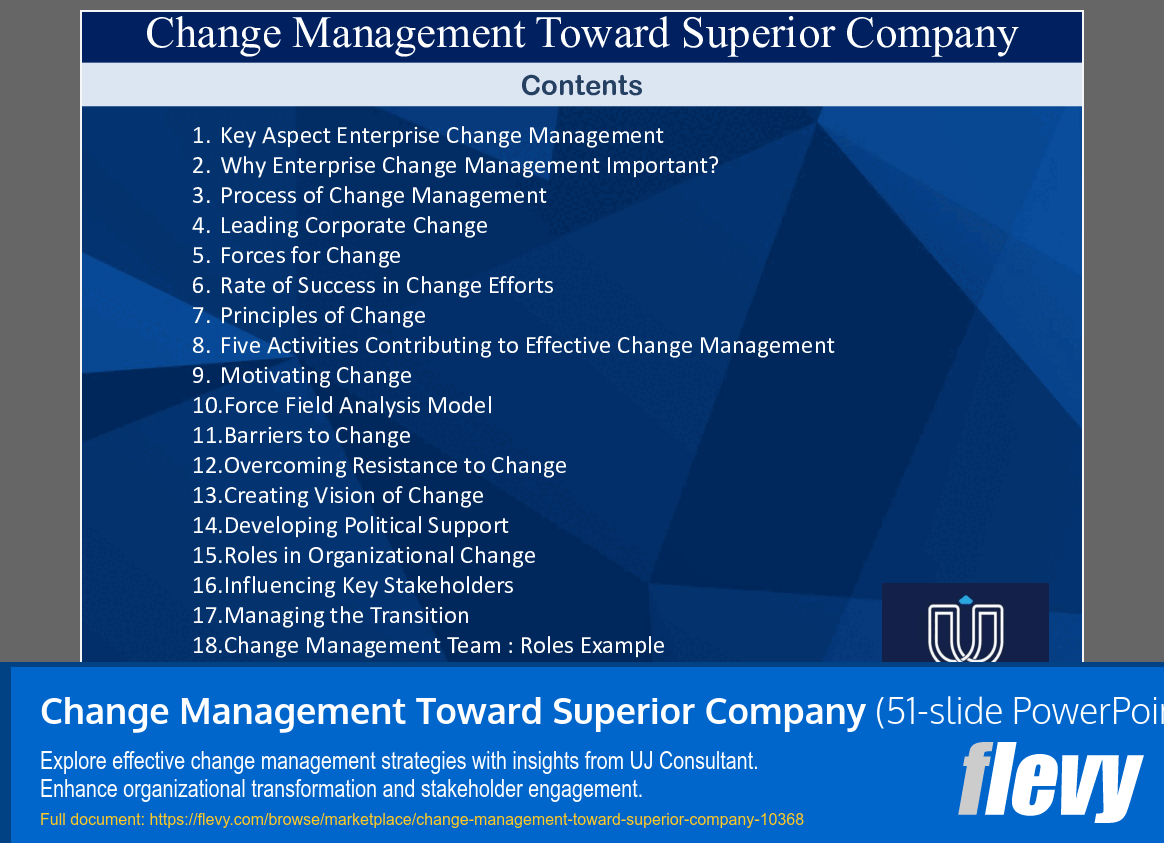
Contents
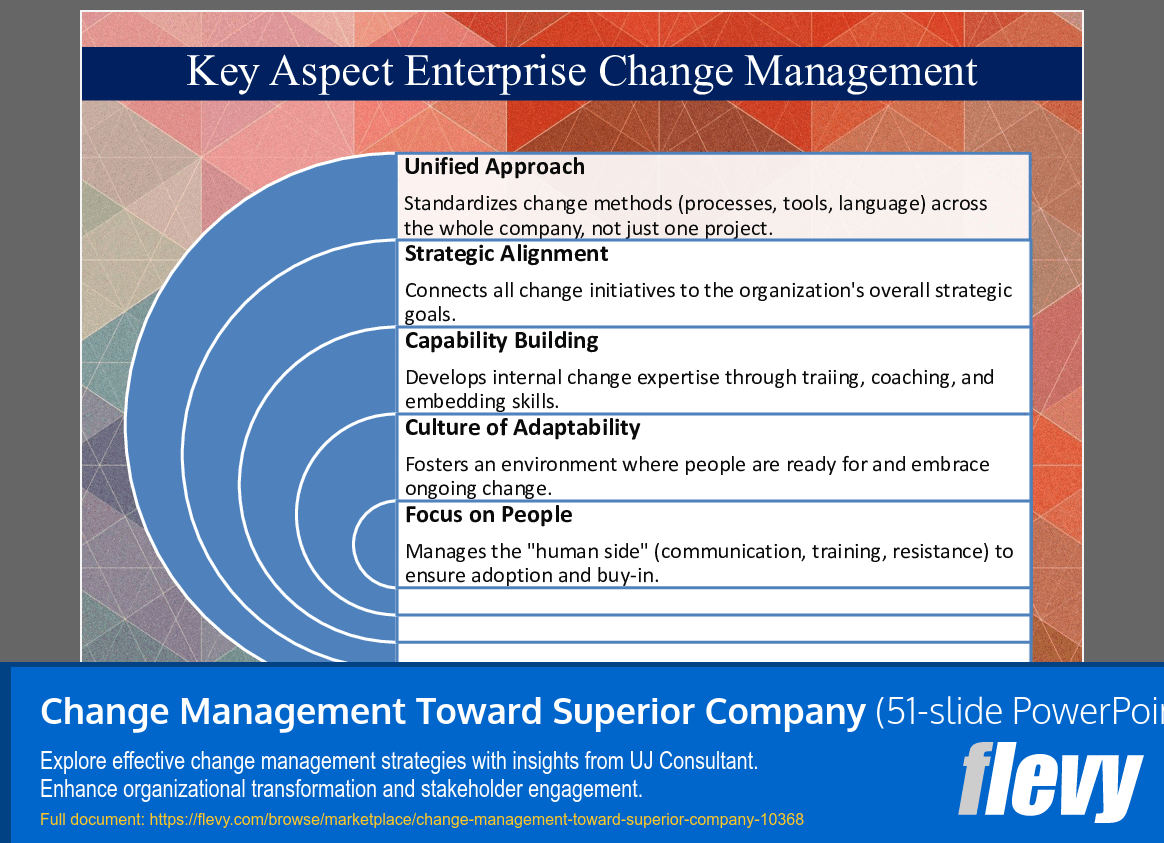
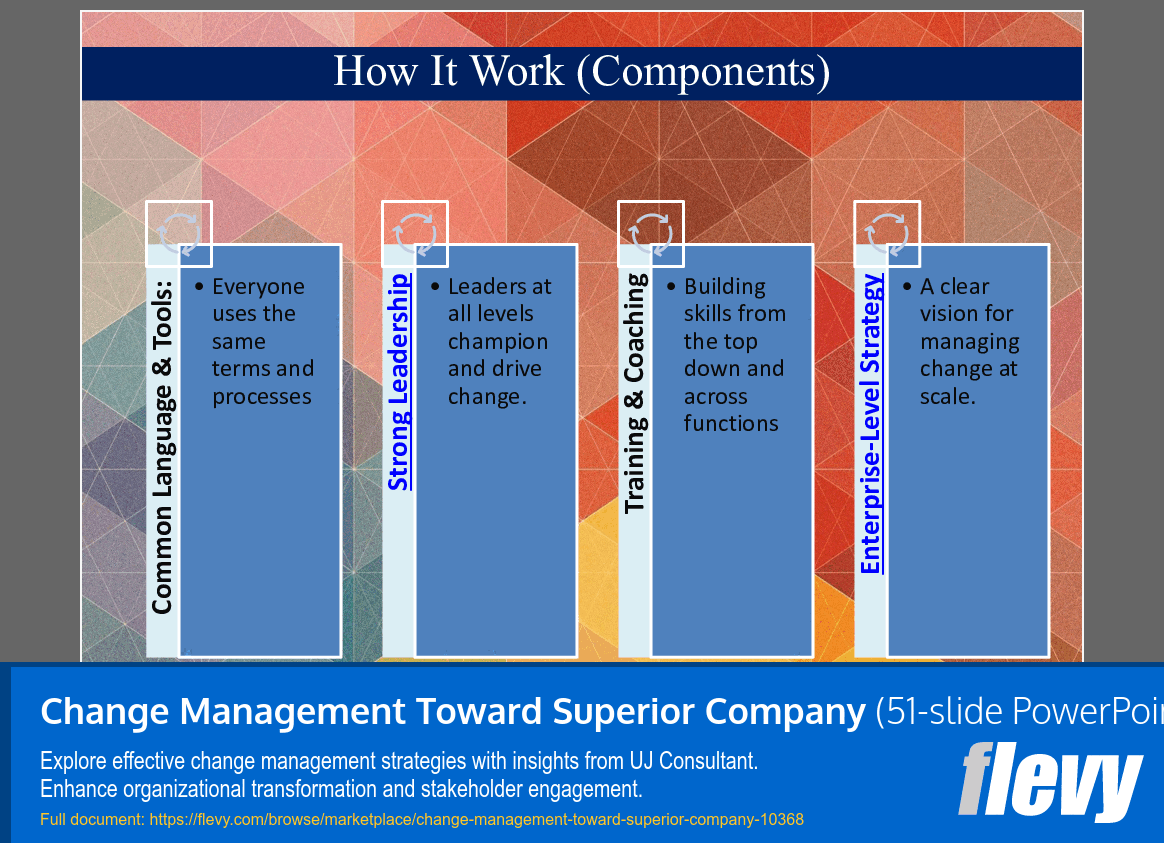
1. Key Aspect Enterprise Change Management
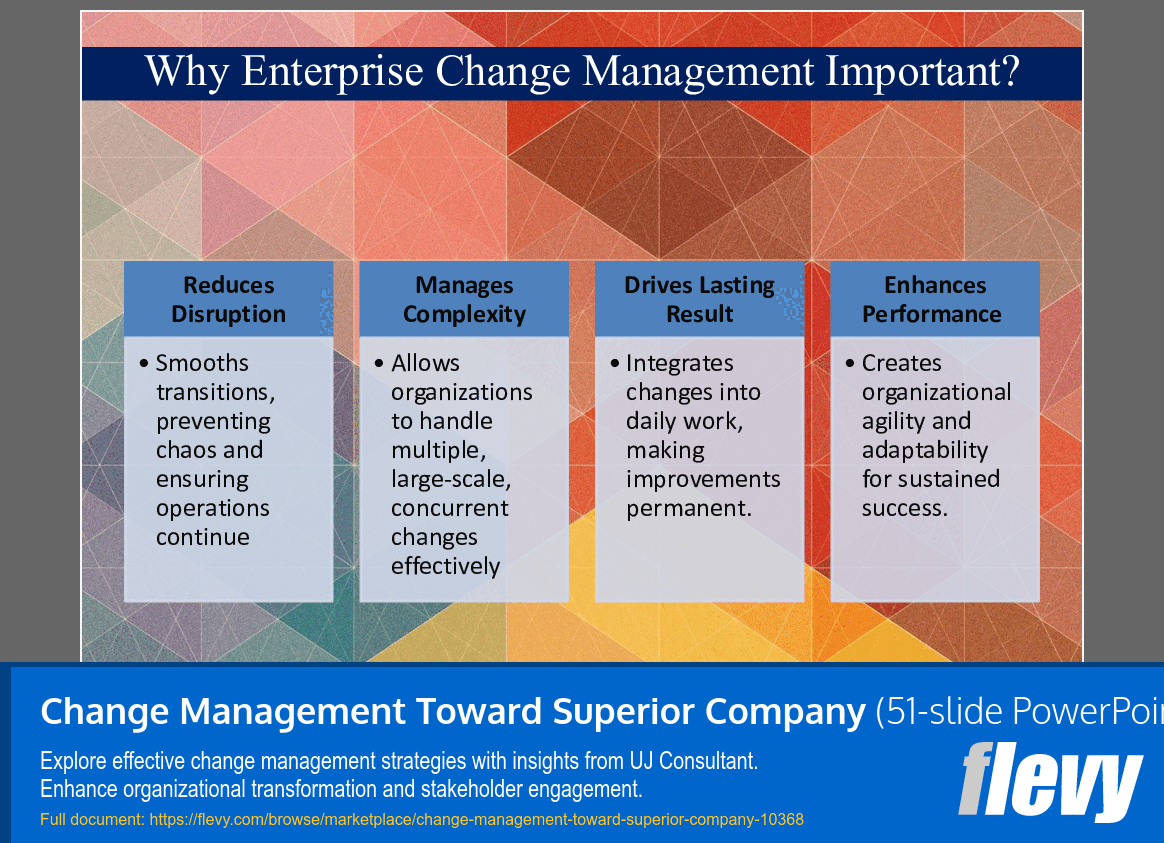
2. Why Enterprise Change Management Important?
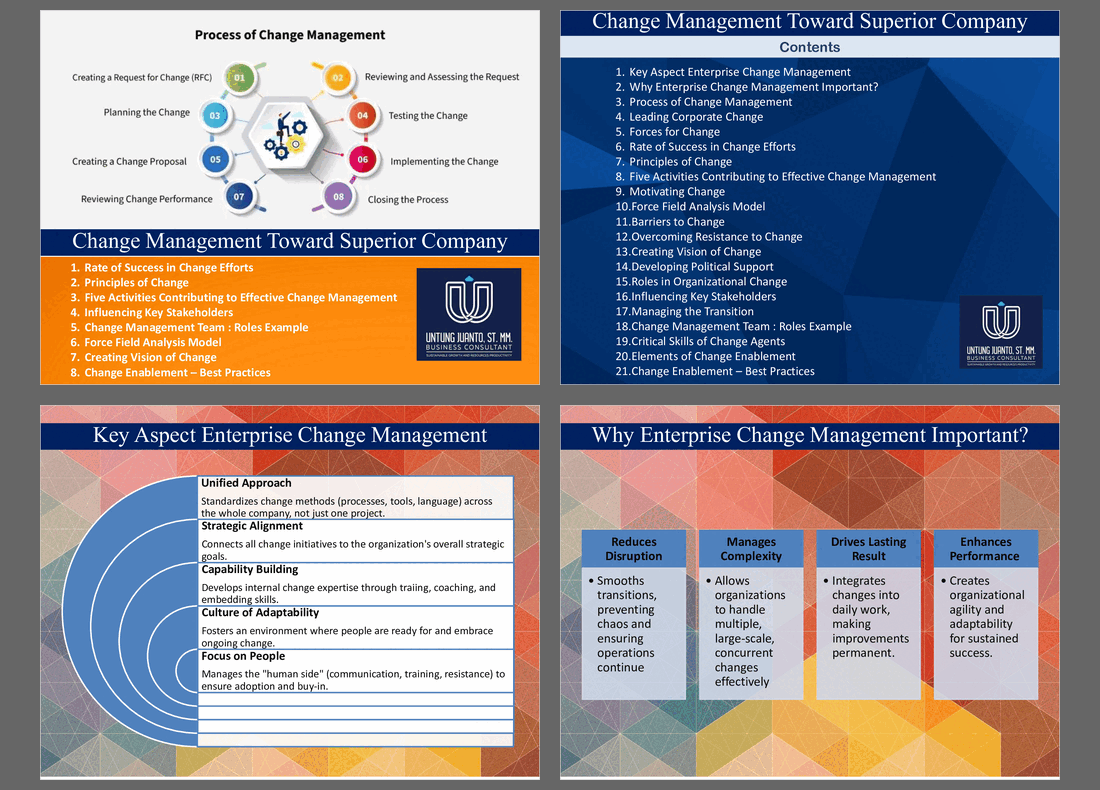
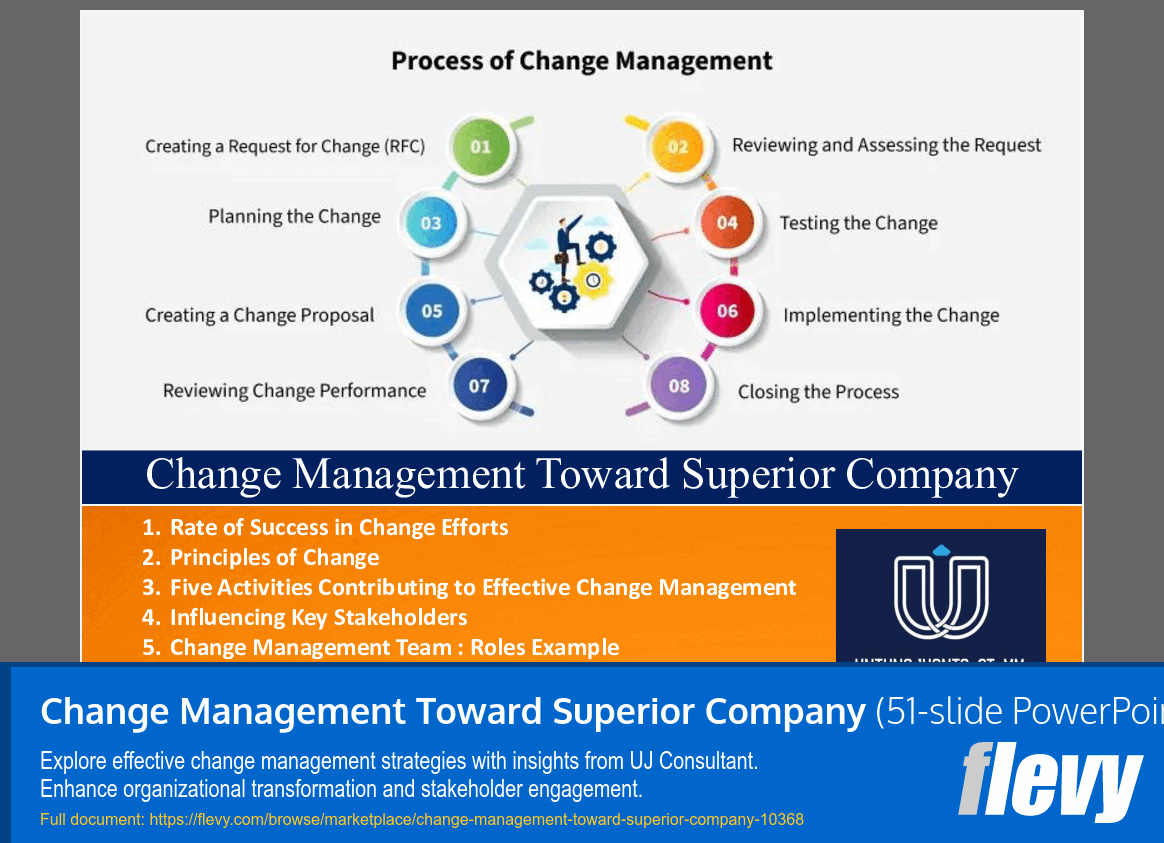
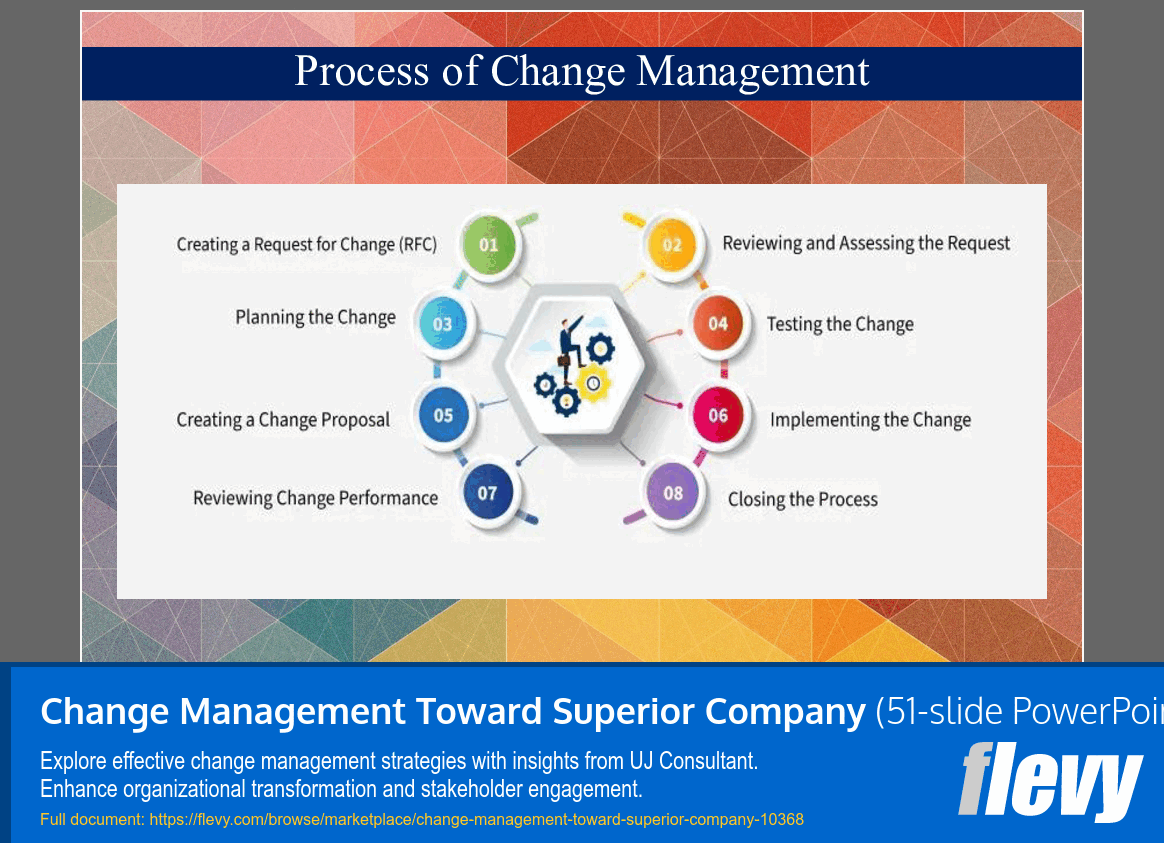
3. Process of Change Management
4. Leading Corporate Change
5. Forces for Change
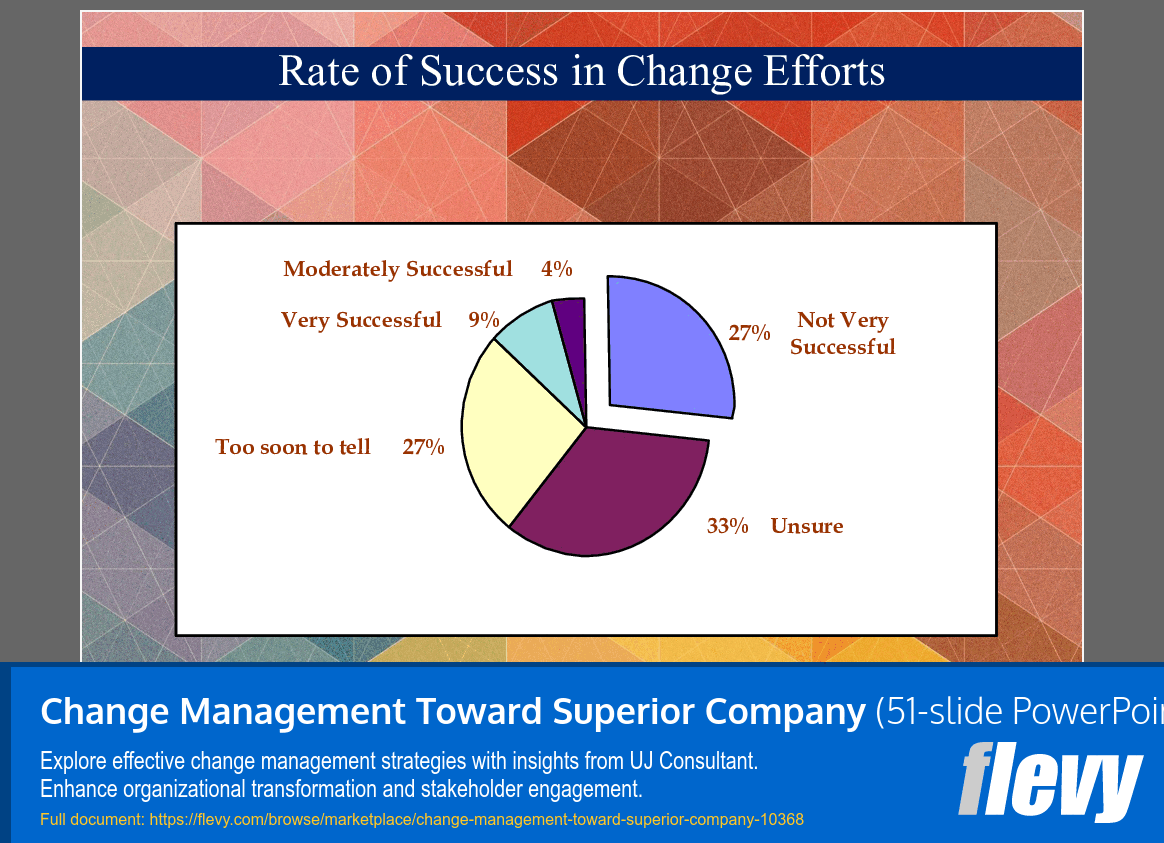
6. Rate of Success in Change Efforts
7. Principles of Change
8. Five Activities Contributing to Effective Change Management
9. Motivating Change
10. Force Field Analysis Model
11. Barriers to Change
12. Overcoming Resistance to Change
13. Creating Vision of Change
14. Developing Political Support
15. Roles in Organizational Change
16. Influencing Key Stakeholders
17. Managing the Transition
18. Change Management Team : Roles Example
19. Critical Skills of Change Agents
20. Elements of Change Enablement
21. Change Enablement – Best Practices
When prompted to define change management, you can provide a formal definition, or you can define change management in the context of the concerns and needs of your audience. For example, you can present change management as applying processes and tools (the technical definition). Or, you can define change management as multi-levelled in achieving the desired results and outcomes or as a vehicle for optimising adoption and usage.
While change management focuses on ensuring that changes deliver intended results and outcomes by addressing the people side of change, in practice, it plays out on three distinct levels.
Three levels of change management
1. Individual change management
Helping individuals understand and adopt changes. It involves identifying the specific changes individuals need to make, addressing their concerns, providing support and resources, and monitoring their progress throughout the change process.
2. Organisational change management
A project-level focus on the broader organisational impact of change. Assessing the organisation's readiness for change, developing a plan for implementing the change, communicating the change to all stakeholders, and monitoring the progress and effectiveness of the change over time.
3. Enterprise change management
An organisational capability and competency focus on developing a consistent approach to managing change across the organisation and establishing a framework for change management that can be applied to any change, creating a culture of continuous improvement and learning, and providing ongoing training and support for change management practitioners and people leaders throughout the organisation.
Change is a multidimensional process affecting people, processes, and systems at different organisational levels. Each level requires a unique approach, methods, and tools to manage change effectively.
There are five steps in a change management process.
1. Prepare for change.
This step involves understanding the necessary changes and preparing staff members and stakeholders for what's to come. It's an important part of the process, ensuring the change manager supports staff through any concerns and manages resistance by communicating the process and getting buy-in from employees.
2. Create a vision for change.
This stage is about creating the strategy to achieve transformation once stakeholders have agreed to change. Those involved set goals and delegate key performance indicators (KPIs) and tasks to the relevant parties. The change management team makes plans to account for possible problems and helps everyone understand their role in managing processes at each level.
3. Implement changes.
This step implements the change plans. Excellent management and communication are key here. Change managers must ensure that everyone is performing their duties and that employees are still happy and empowered to ensure everything runs smoothly.
4. Embed and solidify changes.
Once the changes have been made, it's vital to make sure the transformation is in place so that staff members don't slip back into old ways. This step ensures systems are in place to train staff and clarify new structures, workflows, and rewards.
5. Review and analyze.
The final stage of the process is important to ensure that changes continue and are beneficial. Change managers review what worked and what didn't work and make adjustments accordingly.
Watch the following video from the University of Pennsylvania's Removing Barriers to Change course to learn more about inspiring change:
Thank you,
UJ Consultant
Got a question about the product? Email us at support@flevy.com or ask the author directly by using the "Ask the Author a Question" form. If you cannot view the preview above this document description, go here to view the large preview instead.
Source: Best Practices in Change Management PowerPoint Slides: Change Management Toward Superior Company PowerPoint (PPTX) Presentation Slide Deck, UJ Consulting _ Strategy-Insight-Impact
ABOUT THE AUTHOR

UJ Consulting | Strategy • Insight • Impact
UJ Consulting is an executive management consulting and business transformation practice founded by Untung Juanto, ST., MM., a senior executive, consultant, and transformation practitioner with more than 25 years of professional experience across local and multinational companies and diverse industries.
His career progressed from frontline
... [read more]
Ask the Author a Question
You must be logged in to contact the author.




























