
Editor Summary
Change Enablement Workshop Presentation is a 97-slide PowerPoint deck sold as a digital download on Flevy that facilitates organizational and personal transitions.
Read moreDeveloped to reflect McKinsey-, Bain-, or BCG-quality rigor (not affiliated), it includes named deliverables: Change Enablement Gap Assessment Worksheet, communication plan template, action plan framework, leadership capacity assessment tools, personal transition strategies, and a best practices checklist. Target users include corporate executives, change management leaders, HR professionals, and team leaders. Used for restructuring, initiative launches, or major technology or process changes.
Use this presentation when an organization must move from a current to a desired state — for example during restructuring, strategic pivots, major IT or process rollouts, or initiatives that require employee buy-in.
Corporate executives creating a compelling case for change and defining a future-state vision using current and future state analysis.
Change management leaders facilitating gap assessments and building action plans with the Change Enablement Gap Assessment Worksheet.
HR professionals designing stakeholder communication and personal transition programs using the communication plan template and personal transition strategies.
Team leaders implementing new processes and assessing leader support with leadership capacity assessment tools.
The workshop’s structured current/future state analysis, gap assessment, leadership capacity focus, and phased personal transitions align with the analytical, hypothesis-driven approaches associated with McKinsey, Bain, and BCG.
The objectives of the workshop are to
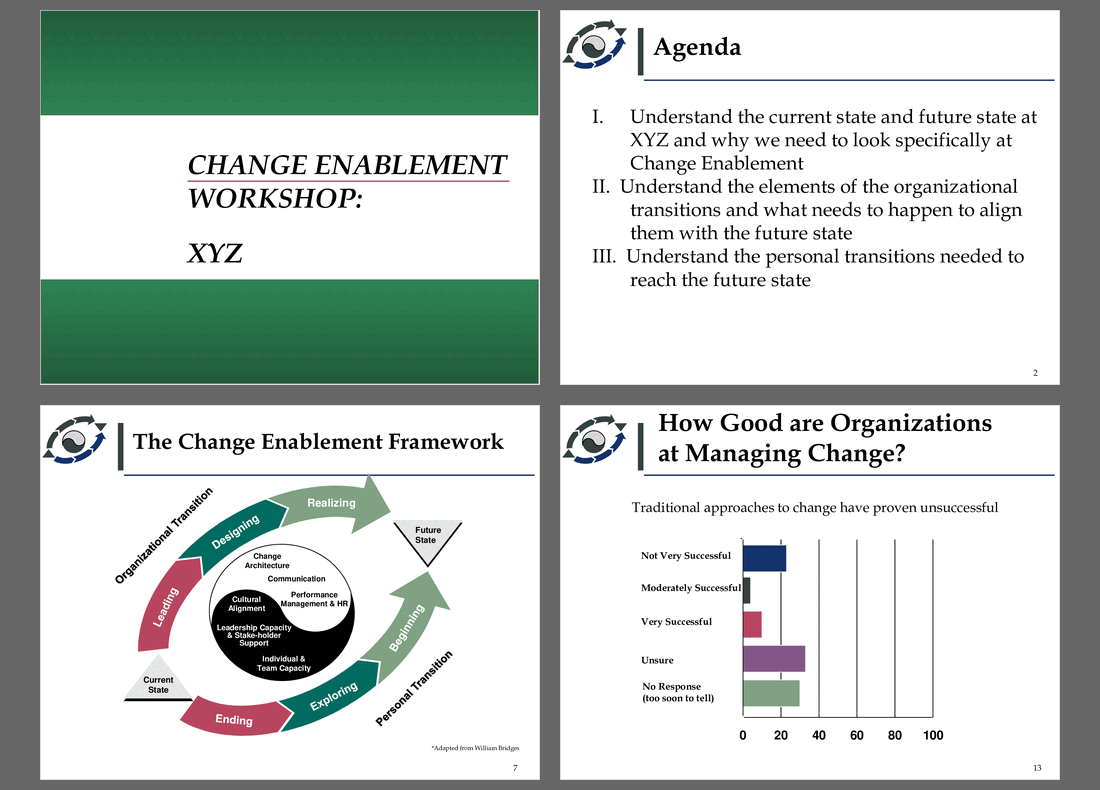
• Understand the current state and future state at XYZ and why we need to look specifically at Change Enablement
• Understand the elements of the organizational transitions and what needs to happen to align them with the future state
• Understand the personal transitions needed to reach the future state
This Change Enablement Workshop Presentation delves into the intricacies of organizational transitions, providing a detailed framework for leading, designing, and realizing change. It emphasizes the importance of cultural alignment, leadership capacity, and stakeholder support. The workshop includes exercises to help participants reflect on personal experiences with change, understand the business of paradigms, and assess the current state of their organization.
The presentation also addresses the common reactions to change, such as stress, guilt, and anxiety, and provides strategies to manage these emotions effectively. It highlights the phases of transition, from the ending of old ways to the new beginnings, and offers actionable steps to guide organizations through these phases. The document includes sample results from situational diagnostic assessments, showcasing potential barriers and enablers to change.
Communication is a critical component of the workshop, with sections dedicated to building a communication strategy, identifying stakeholders, and understanding the benefits and consequences of effective communication. The presentation also covers the development of change agents, training them to understand transitions and providing ongoing support and feedback.
The workshop also emphasizes the importance of organizational leadership during change, outlining steps to create a compelling case for change, establish a vision for the future, and coach people through the transition. The presentation concludes with insights into effective communication and the role of leadership in influencing others.
Got a question about the product? Email us at support@flevy.com or ask the author directly by using the "Ask the Author a Question" form. If you cannot view the preview above this document description, go here to view the large preview instead.
MARCUS OVERVIEW
This synopsis was written by Marcus [?] based on the analysis of the full 97-slide presentation.
Executive Summary
The Change Enablement Workshop Presentation is designed to facilitate organizational transitions at XYZ by focusing on effective change management strategies. This consulting-grade presentation, reflecting McKinsey, Bain, or BCG-quality rigor (not affiliated), empowers leaders to understand the current and future states of their organization and navigate the complexities of change. Participants will learn to identify barriers and enablers of change, develop actionable steps, and lead personal transitions effectively. This workshop equips executives and change agents with the tools necessary to foster a culture of adaptability and resilience.
Who This Is For and When to Use
• Corporate executives overseeing organizational change initiatives
• Change management leaders responsible for guiding transitions
• HR professionals focused on supporting employee adaptation
• Team leaders tasked with implementing new processes and systems
Best-fit moments to use this deck:
• During organizational restructuring or strategic pivots
• When launching new initiatives requiring employee buy-in
• In preparation for significant technological upgrades or process changes
Learning Objectives
• Define the concept of change and its importance in organizational contexts
• Identify and analyze barriers to successful change at XYZ
• Develop a clear action plan to facilitate organizational transitions
• Understand the psychological aspects of personal transitions during change
• Create effective communication strategies to support change initiatives
• Foster leadership capacity to guide teams through transitions
Table of Contents
• Introduction to Change Enablement (page 2)
• Current and Future State Analysis (page 5)
• Understanding Organizational Transitions (page 8)
• Change Enablement Framework (page 12)
• Risks of Not Enabling Change (page 14)
• Best Practices for Change Enablement (page 17)
• Phases of Transition (page 39)
• Communication Strategies (page 73)
Primary Topics Covered
• Current and Future State Analysis - An assessment of XYZ's existing conditions and desired outcomes, emphasizing the necessity of change enablement.
• Organizational Transitions - Exploration of structural, process, and cultural changes required to align with the organization's vision and strategy.
• Change Enablement Framework - A structured approach to managing both organizational and personal transitions, detailing key components such as leadership support and communication.
• Barriers to Change - Identification of common obstacles that hinder successful change initiatives and strategies to overcome them.


• Phases of Transition - An overview of the psychological journey individuals undergo during change, including endings, neutral zones, and new beginnings.
• Communication Strategies - Development of a comprehensive communication plan to ensure clarity and engagement throughout the change process.
Deliverables, Templates, and Tools
• Change Enablement Gap Assessment Worksheet for evaluating current and future states
• Communication plan template outlining content, audience, and frequency
• Action plan framework for identifying enablers and barriers to change
• Leadership capacity assessment tools to gauge stakeholder support
• Personal transition management strategies for guiding employees through change
• Best practices checklist for effective change enablement
Slide Highlights
• Visual representation of the Change Enablement Framework illustrating the interplay between organizational and personal transitions
• Key statistics on organizational success rates in managing change, highlighting the need for effective strategies
• Diagrams depicting the phases of transition, emphasizing emotional responses and behavioral characteristics
• Sample communication strategies that outline the importance of consistent messaging during change initiatives
Potential Workshop Agenda
Understanding Current and Future State (90 minutes)
• Review the current state and future vision for XYZ
• Identify enablers and barriers to change
• Develop actionable steps for organizational change
Exploring Organizational Transitions (60 minutes)
• Discuss the elements of successful organizational transitions
• Assess the gap between current and future states
• Create a communication strategy to support transitions
Managing Personal Transitions (90 minutes)
• Examine the psychological aspects of change
• Identify strategies for supporting individuals through transitions
• Develop a personal transition action plan
Customization Guidance
• Tailor the current and future state analysis to reflect specific organizational contexts and challenges
• Adjust communication strategies to align with the unique culture and values of XYZ
• Incorporate specific metrics and timelines relevant to the change initiatives being implemented
Secondary Topics Covered
• Change leadership and stakeholder engagement strategies
• Cultural alignment and its impact on change success
• Performance management systems that support change initiatives
• Individual and team capacity building for effective transitions
Topic FAQ
What are the typical phases of personal transition people experience during organizational change?
Personal transitions typically follow 3 phases: endings (letting go of old ways), the neutral zone (uncertainty and adjustment), and new beginnings (adopting new roles or processes). The Change Enablement Workshop Presentation includes diagrams and discussion of these phases, specifically endings, the neutral zone, and new beginnings.
How should I run a gap analysis to assess readiness for change?
Conduct a current and future state analysis to identify discrepancies, then map enablers and barriers. Use structured diagnostics to score readiness and prioritize interventions. The toolkit explicitly recommends using the Change Enablement Gap Assessment Worksheet to evaluate current versus desired states.
What elements belong in a change communication strategy for employees?
A change communication strategy should define audiences, key messages, channels, timing/frequency, and owner responsibilities to ensure consistent messaging and engagement. The product includes a communication plan template that outlines content, audience, and frequency to operationalize communication efforts.
When buying a change enablement workshop deck, what practical tools should I expect to find?
Practical tools include a current/future state analysis, a gap assessment worksheet, an action plan framework, leadership capacity assessment tools, communication templates, and exercises for personal transitions. These items help teams move from diagnosis to action, such as the gap assessment worksheet and leadership capacity assessment tools.
Are pre-built change management templates worth the cost for an internal change team?
Pre-built templates can reduce preparation time and provide structured diagnostics and exercises that teams can adapt. Look for customization guidance and editable slides so materials map to your context; the offering here provides customization guidance and a 97-slide PowerPoint for adaptation.
We completed an acquisition—how can a change enablement framework help integrate the new teams?
Use current/future state analysis to align structures and processes, identify enablers and barriers, define leadership roles, and build a communication plan for stakeholders. Support individual adjustment with personal transition strategies. Flevy's Change Enablement Workshop Presentation includes tools such as the Change Enablement Gap Assessment Worksheet to support these activities.
How can we measure whether a change initiative is succeeding?
Measure success with employee feedback, relevant performance metrics, and achievement against defined change goals. Use situational diagnostics or surveys to track sentiment and performance over time; the presentation notes using employee feedback and performance metrics as measures of success.
What steps help build leadership capacity to support a major change?
Build capacity by creating a clear case for change, establishing a future-state vision, coaching leaders to model behaviors, and assessing stakeholder support. The workshop outlines steps to create the case for change and includes leadership capacity assessment tools to evaluate and develop leader readiness.
Document FAQ
These are questions addressed within this presentation.
What is Change Enablement?
Change Enablement is the process of supporting both organizational and personal transitions from the current state to the desired state through structured strategies and activities.
Why do organizations struggle with change?
Organizations often face challenges due to inadequate communication, lack of leadership support, and cultural resistance, which can hinder the success of change initiatives.
What are the phases of transition?
The phases of transition include endings, the neutral zone, and new beginnings, each representing different emotional and behavioral responses to change.
How can we assess our readiness for change?
Utilize the Change Enablement Gap Assessment Worksheet to evaluate current strengths, weaknesses, and readiness for change initiatives.
What role does communication play in change management?
Effective communication is crucial for minimizing resistance, building trust, and ensuring that all stakeholders are informed and engaged throughout the change process.
How can leaders support their teams during transitions?
Leaders can provide clear direction, foster open communication, and acknowledge emotional responses to change, helping employees navigate the transition effectively.
What are common barriers to change?
Barriers may include lack of clarity, insufficient resources, cultural resistance, and inadequate leadership support, all of which can impede successful change efforts.
How can we measure the success of our change initiatives?
Success can be measured through employee feedback, performance metrics, and the achievement of defined goals related to the change process.
Glossary
• Change Enablement - The process of facilitating transitions from current to desired states within an organization.
• Organizational Transition - Changes in structures, processes, and systems necessary for achieving business objectives.
• Personal Transition - The psychological adjustment individuals undergo during organizational changes.
• Change Architecture - The framework and strategies designed to support organizational change efforts.
• Communication Strategy - A plan outlining how information will be shared during the change process.
• Leadership Capacity - The ability of leaders to guide and support change initiatives effectively.
• Cultural Alignment - Ensuring that organizational values and behaviors support change efforts.
• Performance Management - Systems and processes that measure and support employee performance during transitions.
• Stakeholder Support - The commitment and involvement of key individuals in the change process.
• Gap Assessment - A tool for evaluating the differences between current and desired states in an organization.
• Neutral Zone - The transitional phase where individuals experience uncertainty and adjustment during change.
• New Beginning - The phase where individuals embrace change and adapt to new roles or processes.
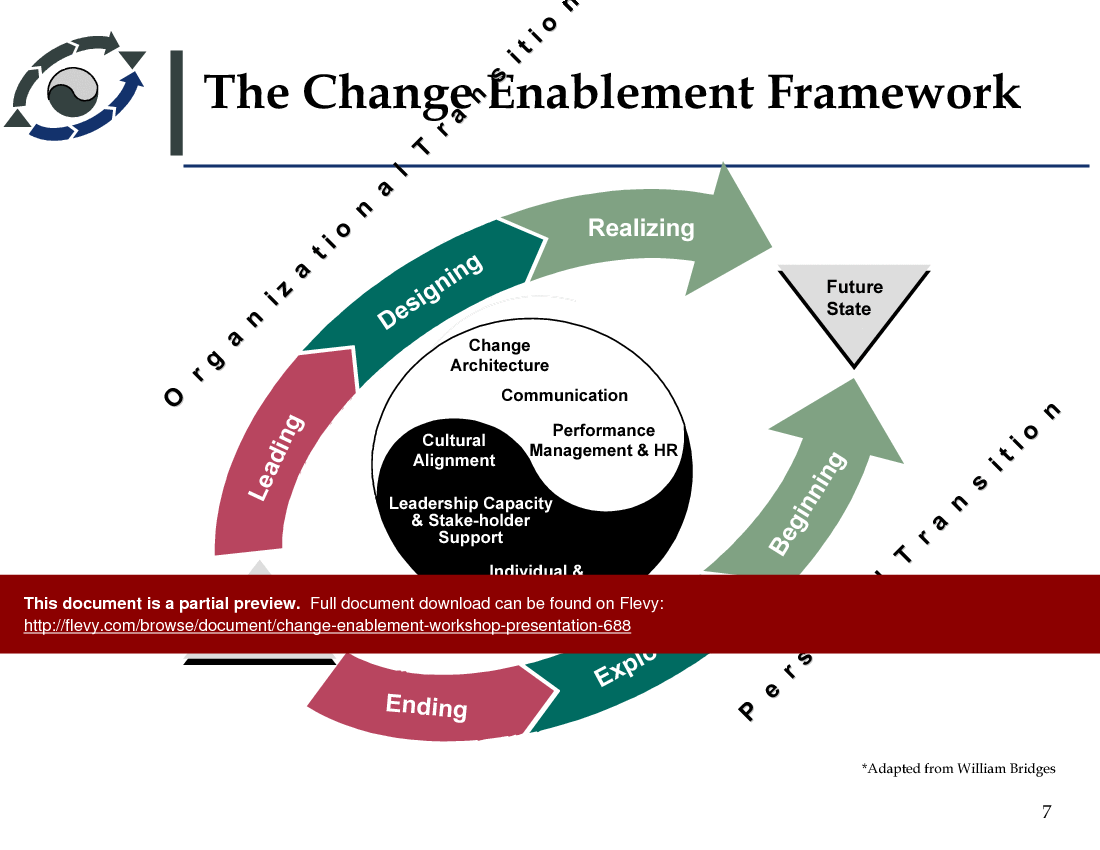
This PPT slide presents a framework for change enablement, outlining a cyclical process with 5 key phases: Leading, Designing, Realizing, Exploring, and Beginning. The Leading phase establishes a foundation for change, focusing on leadership capacity and stakeholder support for effective communication and cultural alignment. The Designing phase develops the change architecture aligned with organizational goals. Realizing involves implementing change through performance management and human resources to ensure sustainability. The Exploring phase supports personal transitions, fostering adaptability and resilience. Finally, the Beginning phase marks the transition to the future state, emphasizing the need for continuous assessment and adjustment in navigating change complexities. This framework integrates organizational and personal transitions for effective change management.
This PPT slide outlines a cognitive process leading to premature judgments in management, illustrated through Jane's time management issues. Observable behaviors, such as tardiness and chaotic entrances, lead to assumptions about her reliability, which evolve into broader beliefs about her managerial capabilities. These beliefs culminate in conclusions that influence promotion decisions. The model highlights a reflective loop where prior beliefs shape future observations, indicating potential bias in performance evaluations. This underscores the necessity for leaders to critically assess their thought processes and recognize biases in evaluating team members, promoting objective assessment in leadership roles.
This PPT slide presents a framework for balancing 2 critical communication styles: advocacy and inquiry, structured as a two-by-two matrix. The vertical axis represents advocacy levels (low to high), while the horizontal axis represents inquiry levels (low to high). The "High Advocacy" quadrant focuses on "Explaining" and "Imposing," indicating a strong push for one's ideas with limited dialogue. The "Mutual Learning" quadrant combines high advocacy with high inquiry, promoting collaboration and shared understanding. The lower left quadrant, marked by low advocacy and low inquiry, includes "Observing" and "Withdrawing," reflecting minimal engagement. The lower right quadrant emphasizes "Interviewing" and "Interrogating," showcasing proactive inquiry while maintaining lower advocacy. This framework aids executives in enhancing communication strategies, improving stakeholder engagement, and fostering collaboration within organizations. Understanding one's position within this matrix can lead to more effective leadership and decision-making.
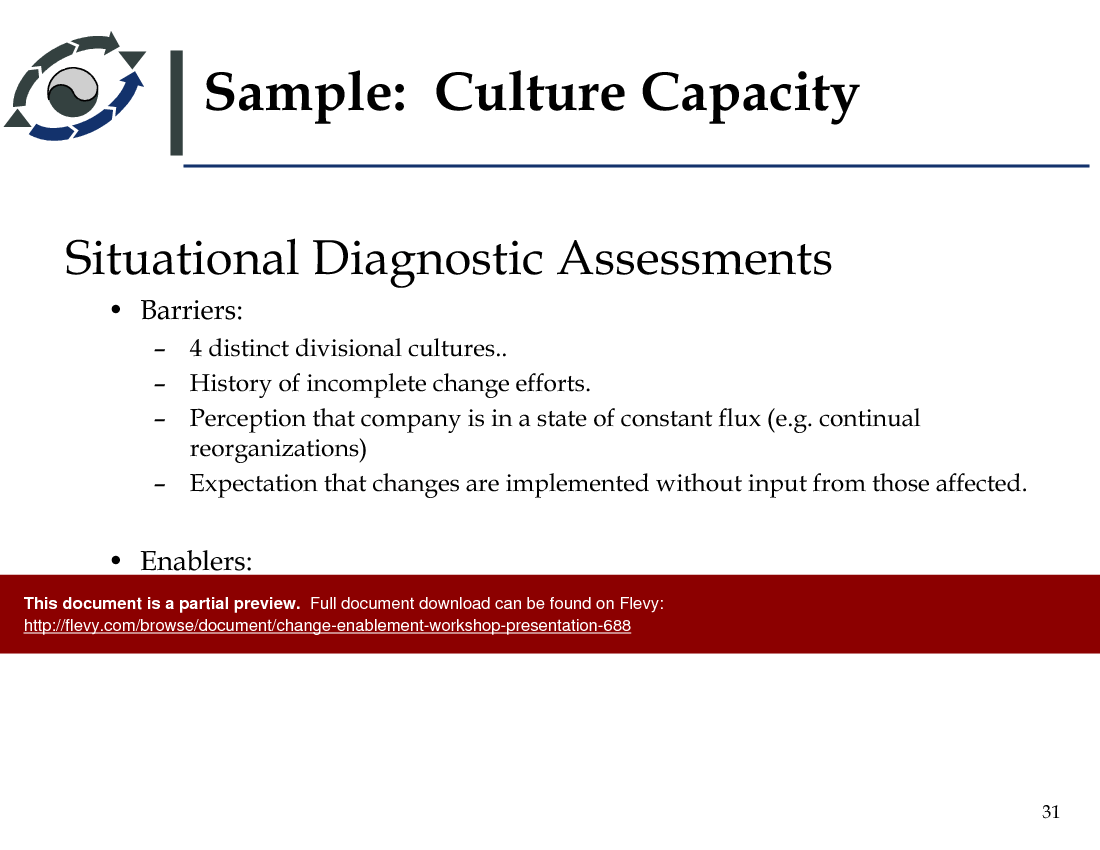
This PPT slide presents a situational diagnostic assessment of organizational communication, identifying barriers and enablers. Key barriers include lack of project communication, absence of formal communication infrastructure, ineffective use of communication tools, prevalence of informal communication leading to misinformation, minimal feedback channels limiting dialogue, perception of filtered communication causing disengagement, and lack of timely communication exacerbating issues. Enablers include departmental "town hall" and "shop talk" meetings, which can enhance communication by fostering open dialogue and encouraging feedback. Addressing these communication challenges is essential for improving organizational effectiveness and creating a transparent, inclusive communication environment.
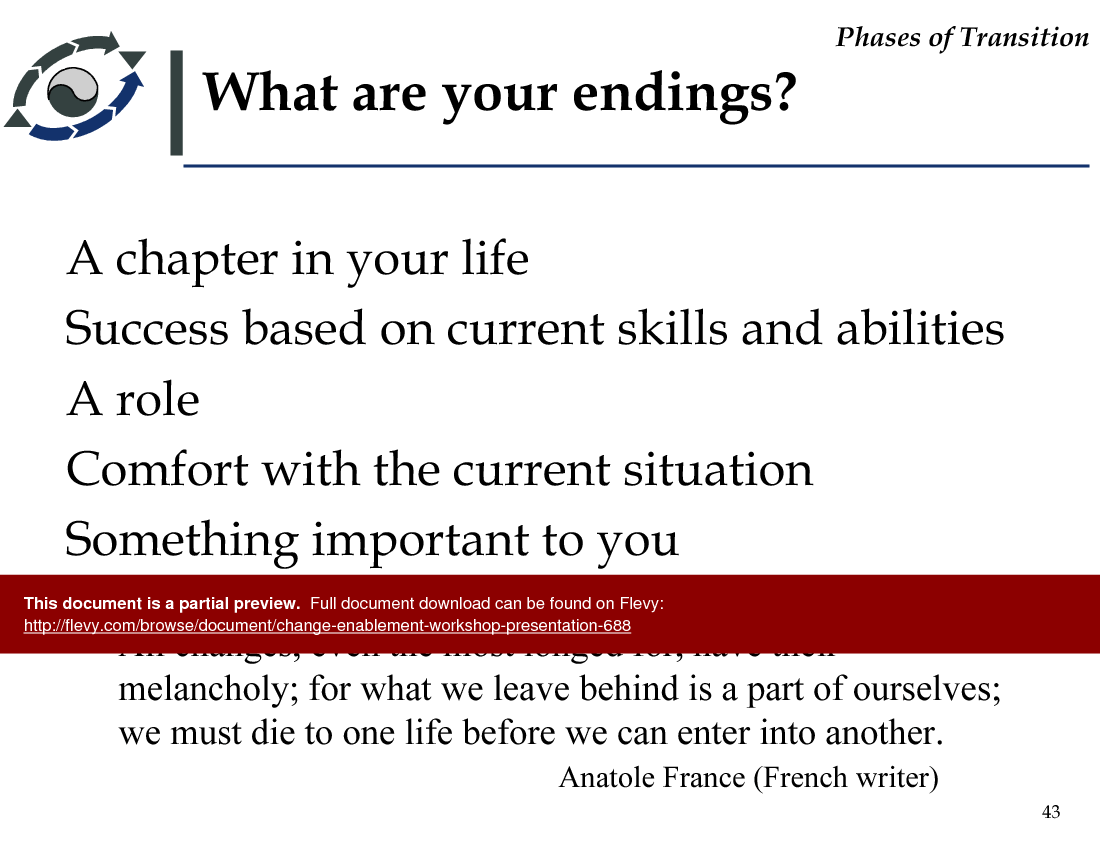
The "Phases of Transition" framework outlines 3 key stages of organizational change: Ending, Neutral Zone, and New Beginning. The "Ending" phase marks the conclusion of existing practices, often accompanied by resistance and uncertainty. The downward trajectory indicates challenges in letting go of the past. In the "Neutral Zone," organizations face ambiguity and confusion as old systems are dismantled, presenting opportunities for growth and innovation despite discomfort. Effective leadership is essential for navigating this phase. The "New Beginning" phase signifies the establishment of new practices and a renewed sense of purpose, marked by an upward trajectory that suggests resilience. Communication and reinforcement of new behaviors are critical for ensuring lasting change. Recognizing these phases helps leaders facilitate successful transitions and enhance change management strategies.
This PPT slide emphasizes the importance of individual adaptation during organizational change. Each person's capacity for change is influenced by energy levels, risk tolerance, and emotional responses. Change encompasses both gains and losses, with losses often outweighing gains at lower organizational levels, requiring significant personal adjustment. Adjusting to change necessitates time and support, as rapid changes can overwhelm individuals, especially those facing severe losses who must navigate emotional and practical adjustments. The visual contrasts immediate losses, such as competence and control, with potential future gains like career opportunities and enhanced status. Successful change management must consider these personal transitions to minimize resistance and foster a resilient workforce.
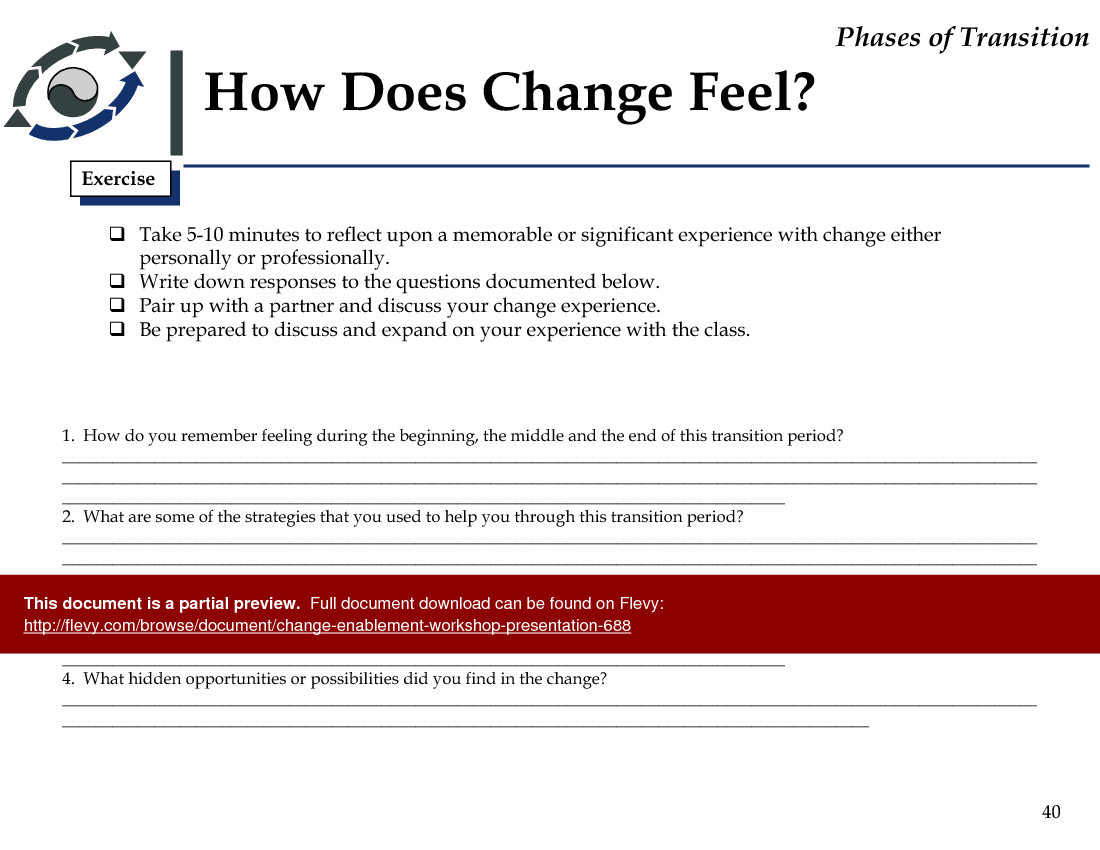
This PPT slide facilitates personal reflection on experiences with change in both personal and professional contexts. Participants take 5-10 minutes to contemplate a significant change, guided by 4 key questions. The first question prompts individuals to explore their emotions throughout the transition, revealing how feelings evolve and impact decision-making. The second question focuses on strategies used to navigate the change, encouraging the identification of effective tactics for others. The third question assesses the effectiveness of their management during the transition, fostering accountability and growth. The final question invites participants to uncover hidden opportunities from the change, shifting focus to potential benefits. This exercise deepens understanding of the emotional and strategic dimensions of change, making it a valuable tool for leaders and teams.
This PPT slide outlines behavioral responses during organizational transitions, highlighting negative behaviors such as increased absenteeism, public or private withdrawal, and a decline in group participation. These behaviors indicate disengagement, isolation, and a lack of collaboration, which can lower team morale. Public or private grieving reflects employees processing loss related to organizational changes. Additionally, sabotage and displaced aggression may arise as resistance to change or hostility towards colleagues. The slide notes implications like inconsistent productivity and disrupted sleeping or eating habits, which can adversely affect organizational performance. Increased questioning by employees signals a need for clarity and effective communication from leadership, underscoring the importance of addressing emotional and behavioral challenges to foster a resilient organizational culture.
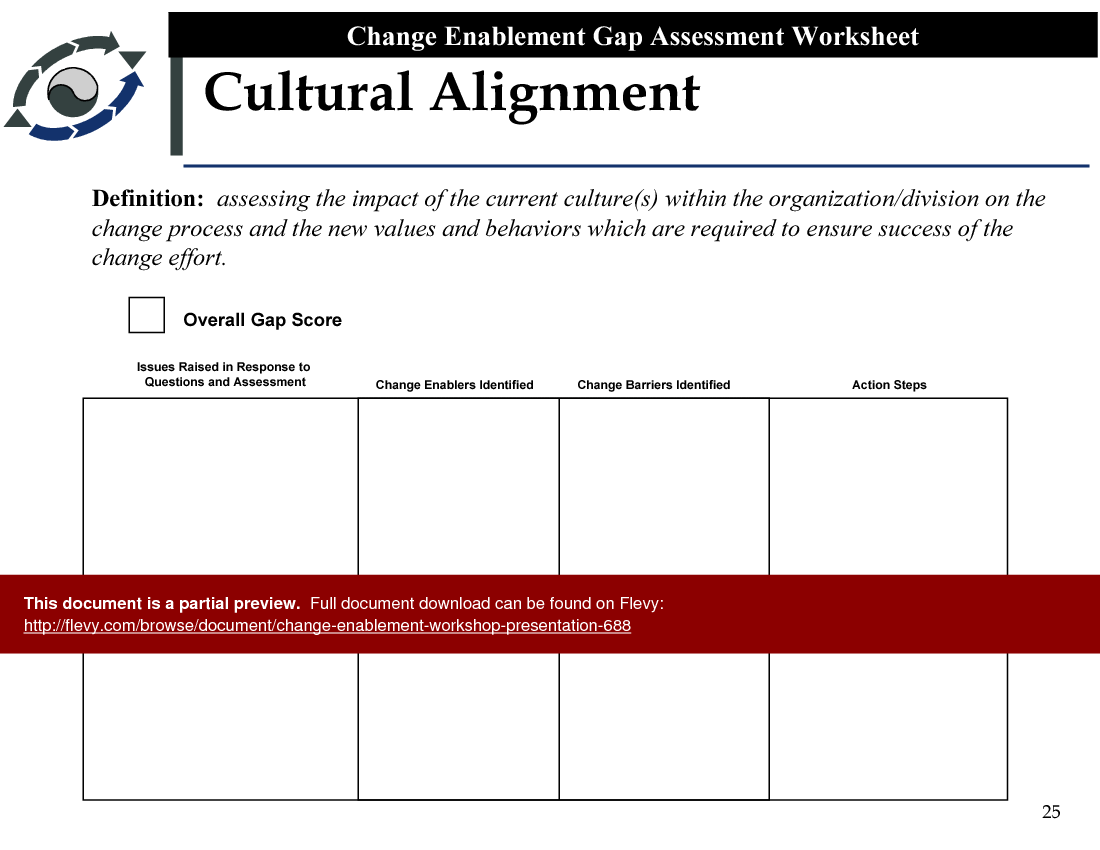
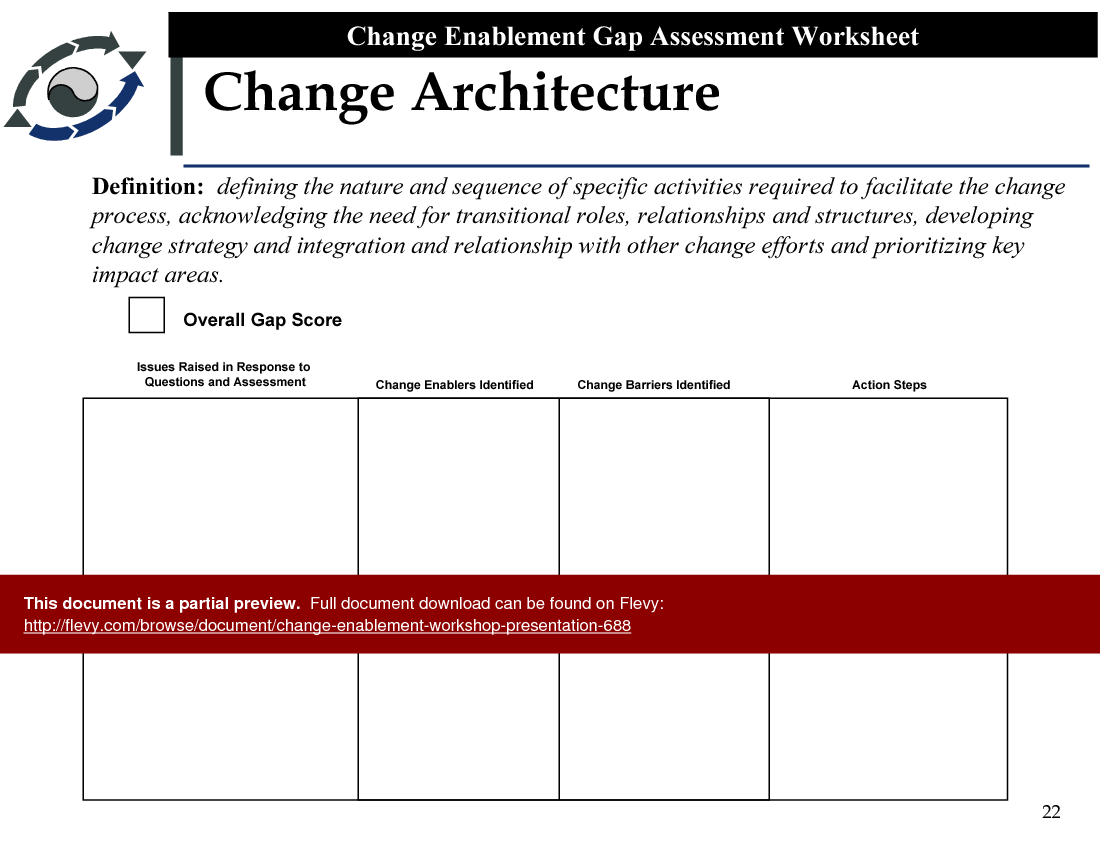
The "Change Architecture" framework assesses the effectiveness of change initiatives within organizations. It defines the sequence and nature of activities necessary for facilitating change, highlighting transitional roles and the integration of change strategies with existing efforts. Central to this framework is the "Overall Gap Score," a quantitative measure of organizational readiness for change that identifies areas needing improvement. This PPT slide is divided into 4 sections: "Issues Raised in Response to Questions and Assessment," "Change Enablers Identified," "Change Barriers Identified," and "Action Steps." The first section documents specific issues during assessments, providing insights into organizational challenges. The second and third sections identify factors that facilitate or hinder change efforts, allowing organizations to leverage strengths and address weaknesses. The "Action Steps" section translates insights into tangible actions, ensuring practical outcomes from the assessment.
This PPT slide presents examples of mental models that influence beliefs and assumptions in business contexts. "Working long hours means you are a better employee" reflects a flawed assumption that can lead to burnout and decreased productivity, highlighting the need for reevaluation of work-life balance. "Siblings are naturally competitive" explores how sibling dynamics can affect adult relationships and workplace interactions. "Information is power" emphasizes the critical role of data in decision-making. "The earth is flat" illustrates how misinformation can persist, hindering progress. "Money = happiness" simplifies the relationship between wealth and fulfillment, while "Television provides no educational value" critiques media consumption's impact on learning. These models encourage leaders to reflect on how beliefs shape organizational culture and decision-making.
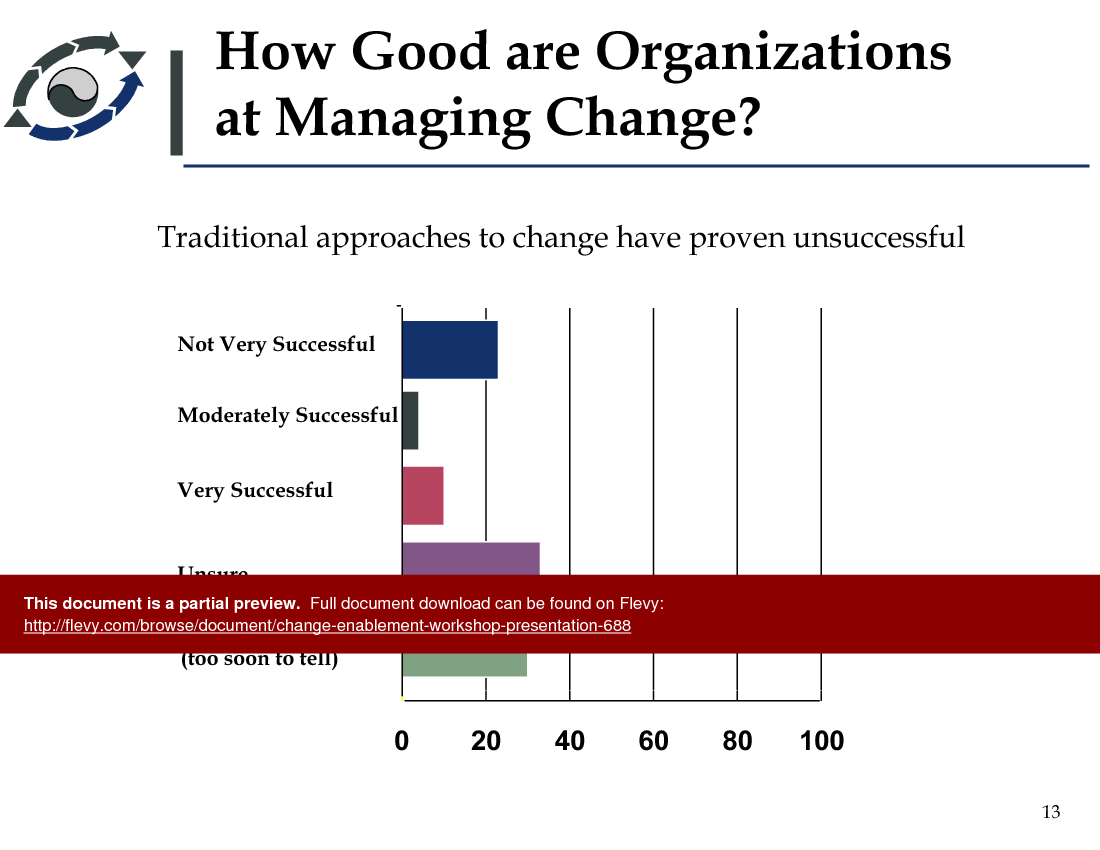
This PPT slide evaluates organizational effectiveness in managing change initiatives, categorizing responses into 5 levels: "Not Very Successful," "Moderately Successful," "Very Successful," "Unsure," and "No Response." The data indicates that traditional change management methods are perceived as largely ineffective, with many respondents rating organizations as "Not Very Successful." A notable lack of confidence is reflected in the "Unsure" category, suggesting potential gaps in communication regarding change initiatives. The "No Response" category implies some individuals may feel it is too early to assess recent changes. This data highlights the need for organizations to reassess their change management strategies and consider external expertise to improve resilience and adaptability.
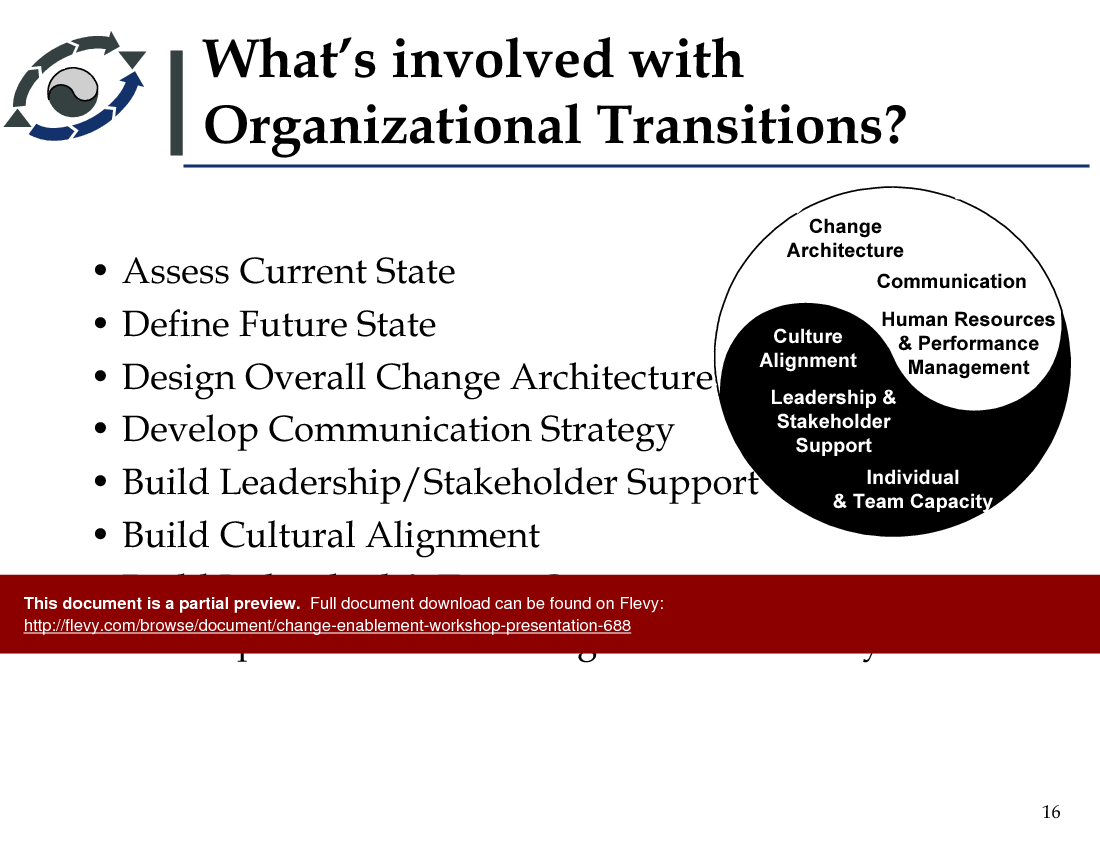
This PPT slide outlines key components of organizational transitions. It begins with assessing the current state to understand the organization's position before changes. Defining the future state establishes a clear vision for desired outcomes. Designing a change architecture provides a structured approach for managing transitions. Developing a communication strategy ensures stakeholder engagement throughout the process. Building leadership and stakeholder support is vital for successful transitions, as buy-in from key positions is essential. Cultural alignment ensures that organizational values support intended changes. Building individual and team capacity equips employees with necessary skills for adaptation. Finally, developing performance management and HR systems is crucial for sustaining changes and tracking progress over time. Each component is interconnected, playing a significant role in ensuring successful and sustainable transitions.
The average daily rate of a McKinsey consultant is $6,625 (not including expenses). The average price of a Flevy document is $65.
Trusted by over 10,000+ Client Organizations
Since 2012, we have provided business templates to over 10,000 businesses and organizations of all sizes, from startups and small businesses to the Fortune 100, in over 130 countries.
"I like your product. I'm frequently designing PowerPoint presentations for my company and your product has given me so many great ideas on the use of charts, layouts, tools, and frameworks. I really think the templates are a valuable asset to the job."
– Roberto Fuentes Martinez, Senior Executive Director at Technology Transformation Advisory
"I am extremely grateful for the proactiveness and eagerness to help and I would gladly recommend the Flevy team if you are looking for data and toolkits to help you work through business solutions."
– Trevor Booth, Partner, Fast Forward Consulting
"Last Sunday morning, I was diligently working on an important presentation for a client and found myself in need of additional content and suitable templates for various types of graphics. Flevy.com proved to be a treasure trove for both content and design at a reasonable price, considering the time I
saved. I encountered a download issue during the ordering process. However, a quick email to Flevy's support team, even on a Sunday (!!!), resulted in assistance within less than an hour, allowing me to download the content I needed. Fantastic job, Flevy! I give 5 stars for both content/price and customer service. Thank you!
"
– M. E., Chief Commercial Officer, International Logistics Service Provider
"My FlevyPro subscription provides me with the most popular frameworks and decks in demand in today’s market. They not only augment my existing consulting and coaching offerings and delivery, but also keep me abreast of the latest trends, inspire new products and service offerings for my practice, and educate me
in a fraction of the time and money of other solutions. I strongly recommend FlevyPro to any consultant serious about success.
"
– Bill Branson, Founder at Strategic Business Architects
"Flevy.com has proven to be an invaluable resource library to our Independent Management Consultancy, supporting and enabling us to better serve our enterprise clients.
The value derived from our [FlevyPro] subscription in terms of the business it has helped to gain far exceeds the investment made, making a subscription a no-brainer for any growing consultancy – or in-house strategy team."
– Dean Carlton, Chief Transformation Officer, Global Village Transformations Pty Ltd.
"As a consulting firm, we had been creating subject matter training materials for our people and found the excellent materials on Flevy, which saved us 100's of hours of re-creating what already exists on the Flevy materials we purchased."
– Michael Evans, Managing Director at Newport LLC
"If you are looking for great resources to save time with your business presentations, Flevy is truly a value-added resource. Flevy has done all the work for you and we will continue to utilize Flevy as a source to extract up-to-date information and data for our virtual and onsite presentations!"
– Debbi Saffo, President at The NiKhar Group
"Flevy is now a part of my business routine. I visit Flevy at least 3 times each month.
Flevy has become my preferred learning source, because what it provides is practical, current, and useful in this era where the business world is being rewritten.
many challenges and there is the need to make the right decisions in a short time, with so much scattered information, we are fortunate to have Flevy. Flevy investigates, selects, and puts at our disposal the best of the best to help us be successful in our work.
Download our free compilation of 50+ slides and templates on Organizational Design, Change Management, and Corporate Culture. Methodologies include ADKAR, Burke-Litwin Change Model, McKinsey 7-S, Competing Values Framework, etc.