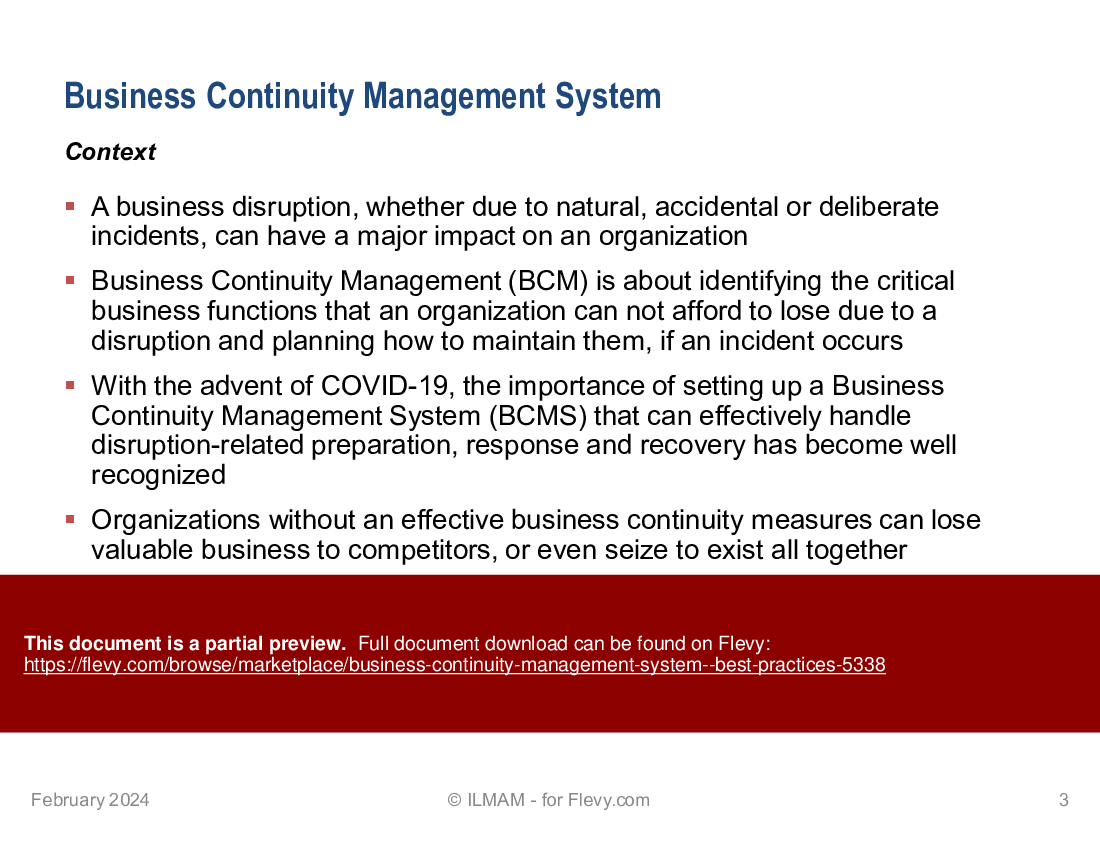

A business disruption, whether due to natural, accidental or deliberate incidents, can have a major impact on an organization.
Business Continuity Management (BCM) is about identifying the critical business functions that an organization can not afford to lose due to a disruption and planning how to maintain them, if an incident occurs.
With the advent of COVID-19, the importance of setting up a Business Continuity Management System (BCMS) that can effectively handle disruption-related preparation, response and recovery has become well recognized.
Organizations without an effective business continuity measures can lose valuable business to competitors, or even seize to exist all together.
This document covers key BCMS-related best practices and offers general guidance based on the ISO 22301:2019 standard.
Contents
1. Overview
• Context
• Key definitions
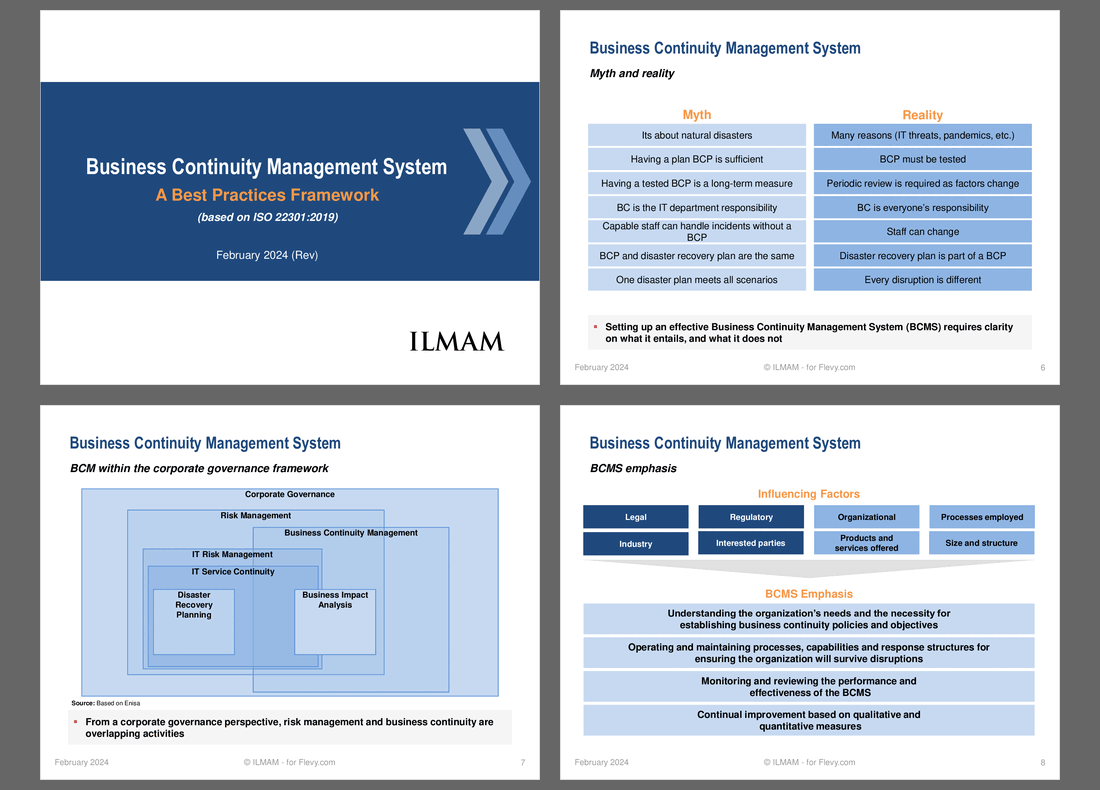
• Myth and reality
• BCM within the corporate governance framework
• BCMS emphasis
• BCM vs risk assessment
• BCM capability assessment
• BCM maturity assessment
2. Framework
• ISO 22301:2019 History and transition timeline
• ISO 22301:2019 vs ISO 22301:2012
• ISO 22301:2019 – key components
• ISO 22301:2019 and PDCA (plan-do-check-act)
• ISO 22301 and PDCA (plan-do-check-act) ? with descriptions
3. Components
• I. Context of the Organization
• I. Context of the Organization – components
• I. Context of the Organization – Interested parties
• II. Leadership
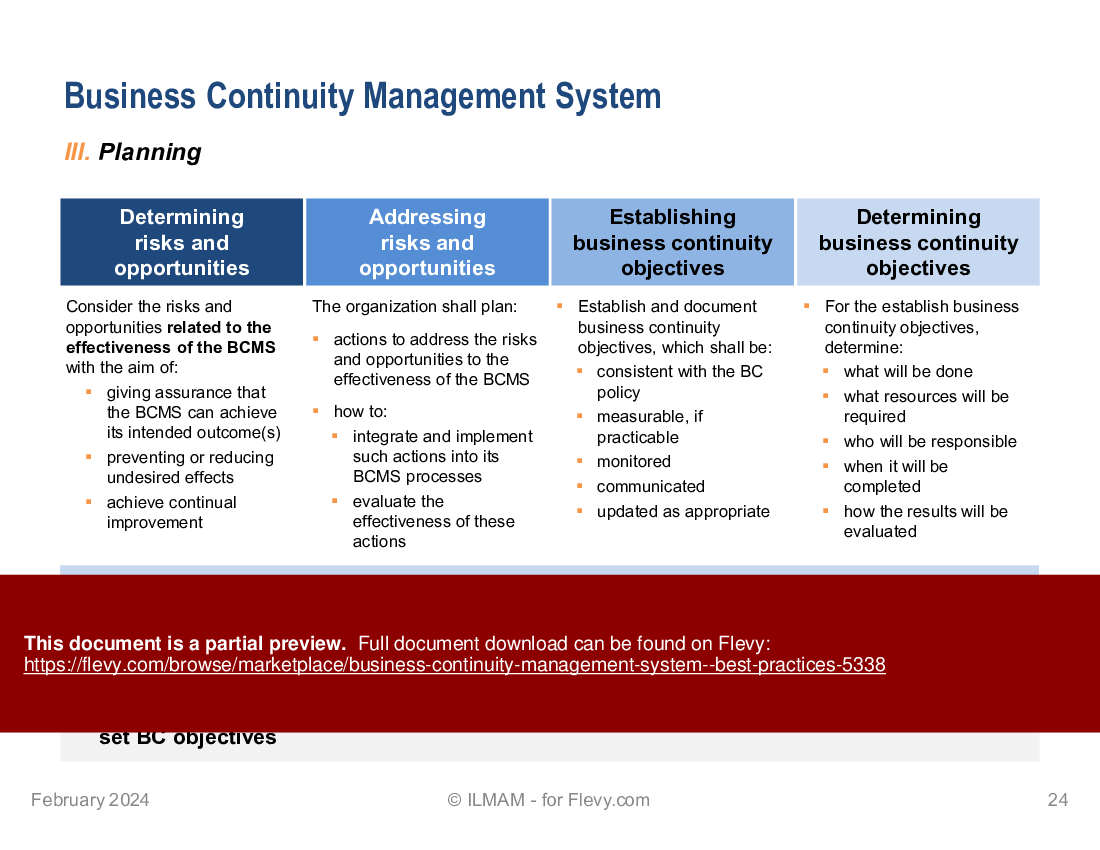
• III. Planning
• III. Planning – Factors to consider when making changes to the BCMS
• IV. Support
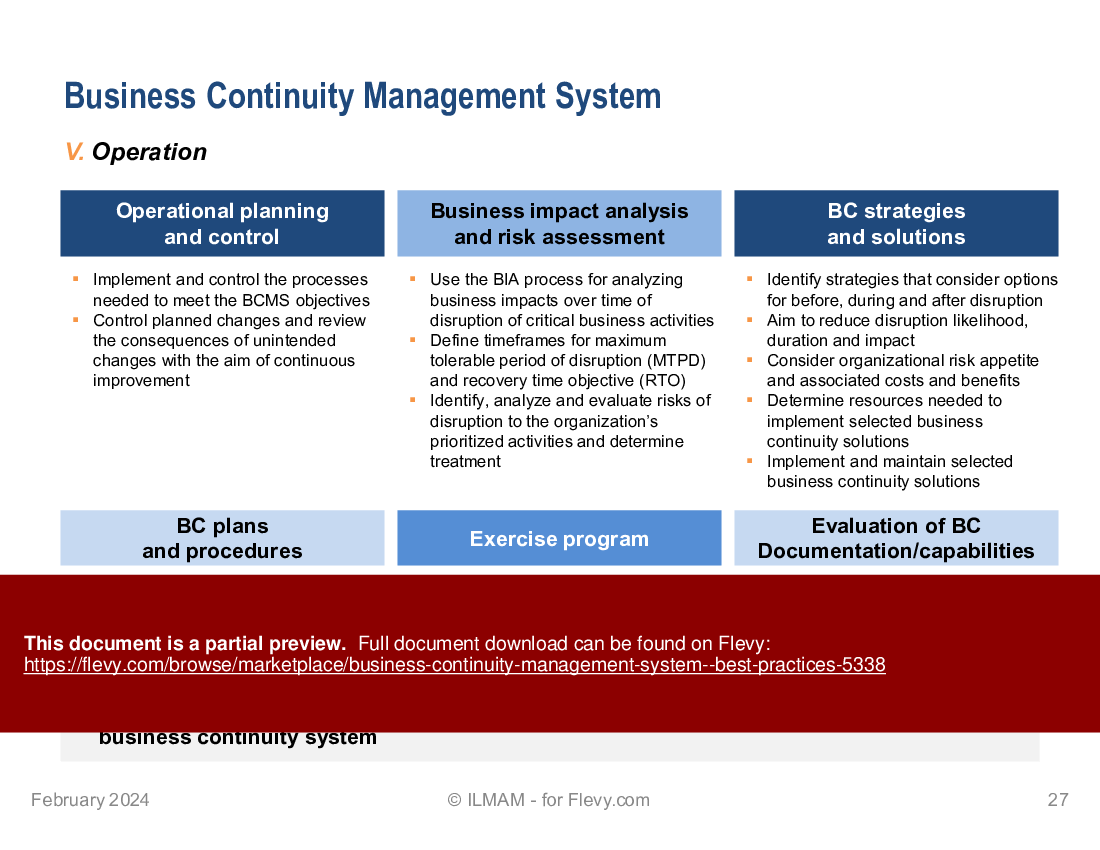
• V. Operation
• VI. Performance evaluation
• VII. Improvement
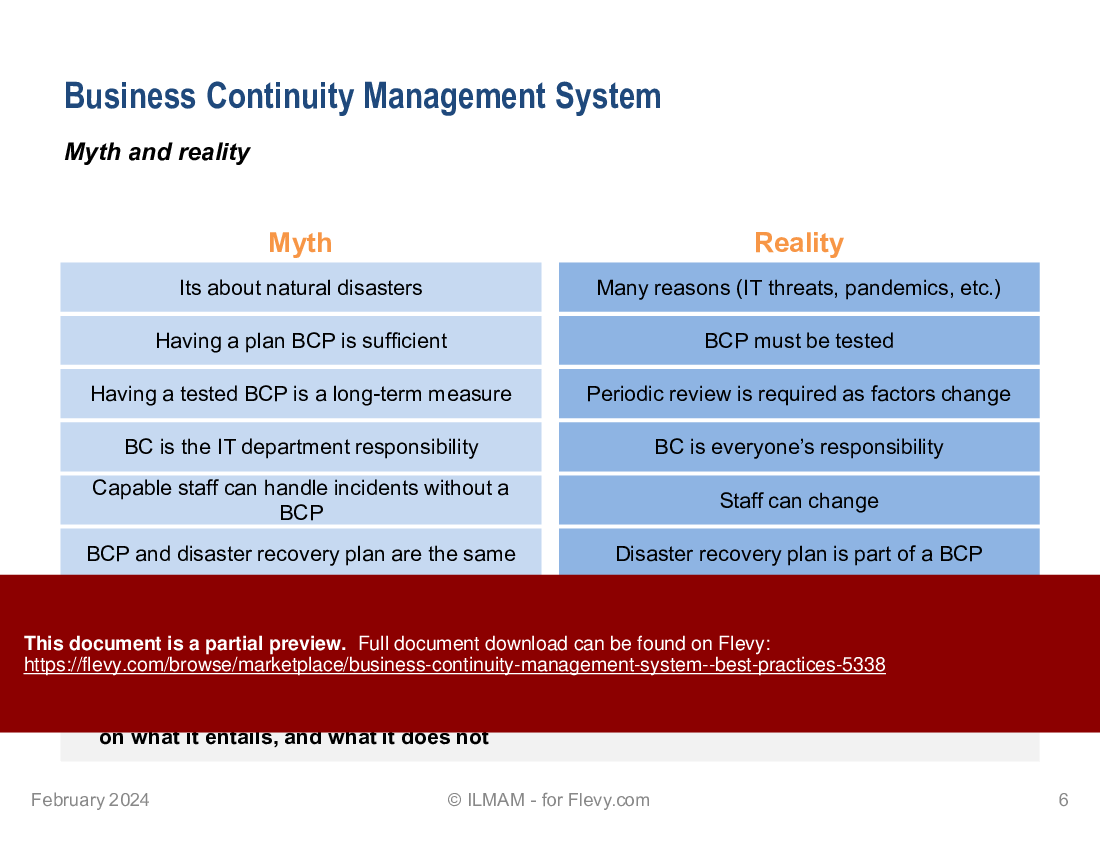
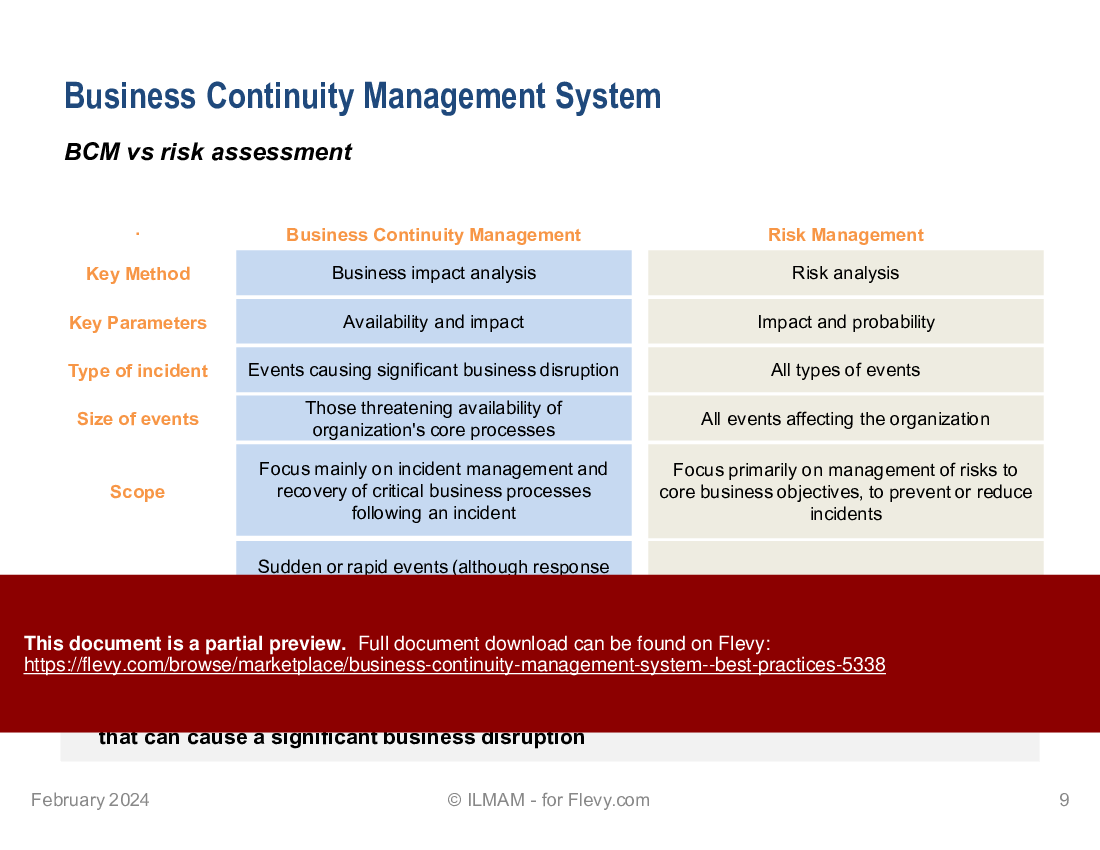
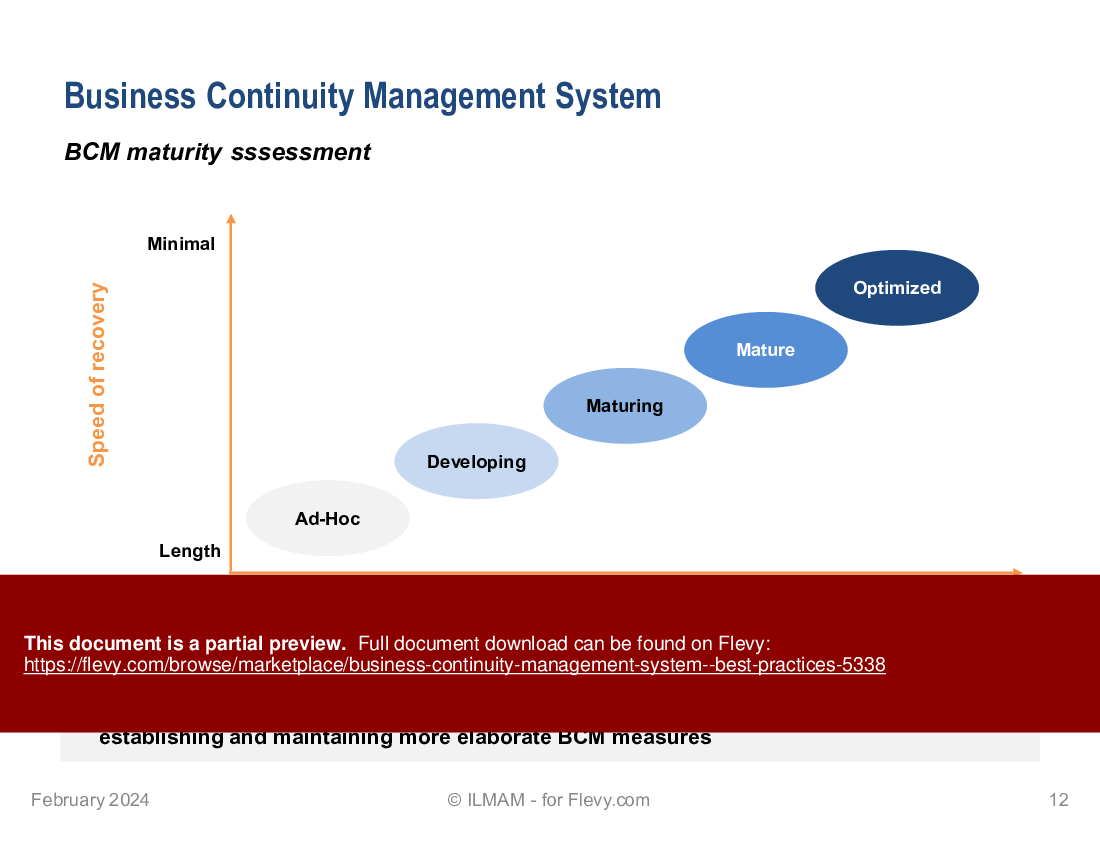
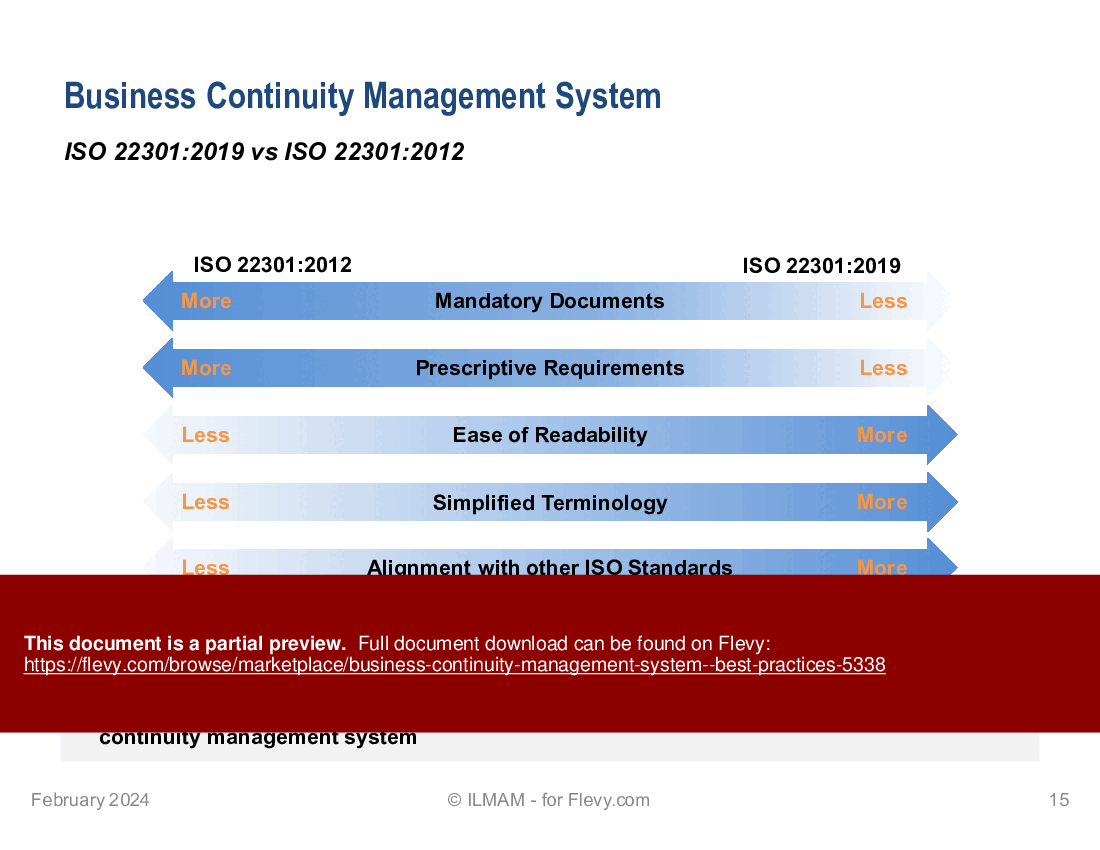
This comprehensive PPT debunks common myths about BCM, clarifying that it's not just about natural disasters and that having a plan isn't enough. It emphasizes the need for periodic reviews and testing of BCPs, highlighting that business continuity is everyone's responsibility, not just IT's. The document also contrasts BCM with risk management, detailing their different focuses and methods. It provides a maturity assessment framework to help organizations gauge their BCM readiness and outlines the evolution from ISO 22301:2012 to ISO 22301:2019, showing a shift towards less prescriptive requirements and more alignment with other ISO standards.
Got a question about the product? Email us at support@flevy.com or ask the author directly by using the "Ask the Author a Question" form. If you cannot view the preview above this document description, go here to view the large preview instead.
Executive Summary
This Business Continuity Management System (BCMS) presentation outlines best practices based on the ISO 22301:2019 standard, structured in a McKinsey, Bain, or BCG-quality format (consulting-grade; not affiliated). It is designed to help organizations identify critical functions that must be maintained during disruptions and to develop effective strategies for preparation, response, and recovery. Buyers will gain insights into establishing a robust BCMS that minimizes risks associated with business interruptions, thereby enhancing resilience and operational continuity.
Who This Is For and When to Use
• Corporate executives responsible for strategic risk management
• Business continuity planners and risk management teams
• Operations managers overseeing critical business functions
• Compliance officers ensuring adherence to regulatory requirements
Best-fit moments to use this deck:
• During the development of a business continuity strategy
• When conducting training sessions on BCMS best practices
• For organizational assessments of existing business continuity measures
• In preparation for audits or compliance reviews related to ISO standards
Learning Objectives
• Define the key components of a Business Continuity Management System (BCMS)
• Establish business continuity objectives aligned with organizational goals
• Identify risks and opportunities impacting the effectiveness of the BCMS
• Develop and document comprehensive business continuity plans (BCPs)
• Implement training and awareness programs for staff regarding BCMS roles
• Evaluate and improve BCMS performance through monitoring and audits
Table of Contents
• Overview (page 1)
• Framework (page 2)
• Components (page 3)
• Context of the Organization (page 20)
• Leadership (page 23)
• Planning (page 24)
• Support (page 26)
• Operations (page 27)
• Performance Evaluation (page 28)
• Improvement (page 29)
Primary Topics Covered
• Overview of BCMS - This section introduces the concept of business continuity management and its importance in mitigating risks associated with disruptions.
• ISO 22301:2019 Framework - An overview of the ISO standard that provides guidelines for establishing, implementing, and maintaining a BCMS.
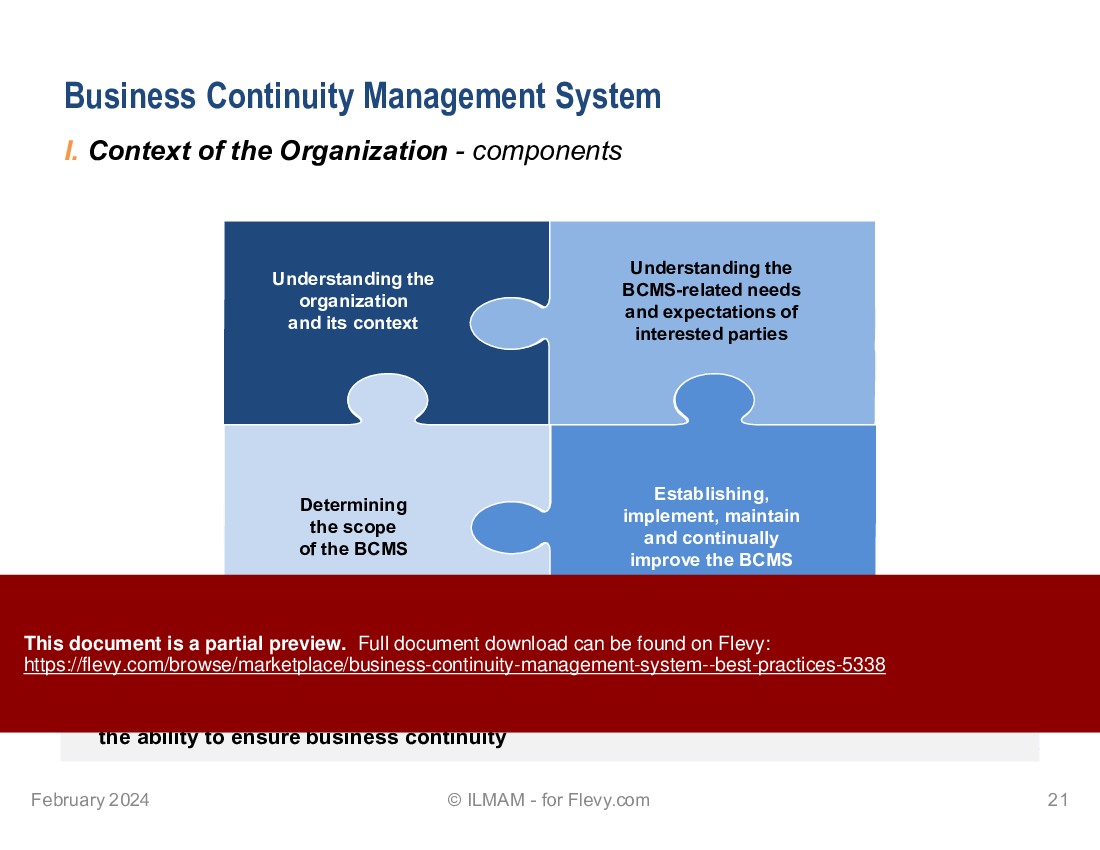
• Context of the Organization - Discusses internal and external factors affecting business continuity and the importance of understanding stakeholder needs.
• Leadership Commitment - Emphasizes the role of top management in establishing a BCMS and ensuring its integration into organizational processes.
• Planning for Business Continuity - Outlines the steps for identifying risks, setting objectives, and planning actions to ensure effective business continuity.
• Support Mechanisms - Details the resources, competence, and communication strategies necessary for effective BCMS implementation.
• Operational Implementation - Focuses on the practical steps for executing business continuity plans and conducting business impact analyses.
• Performance Evaluation - Describes methods for monitoring and evaluating the effectiveness of the BCMS.
• Continuous Improvement - Highlights the importance of ongoing assessment and enhancement of the BCMS to adapt to changing circumstances.
Deliverables, Templates, and Tools
• Business continuity plan (BCP) template for documenting procedures
• Risk assessment and business impact analysis (BIA) frameworks
• Communication plan template for internal and external stakeholders
• Training materials for staff awareness and competency development
• Monitoring and evaluation checklist for BCMS performance
• Corrective action plan template for addressing non-conformities
Slide Highlights
• Overview slide detailing the significance of a BCMS in mitigating business disruption risks
• Framework slide illustrating the ISO 22301:2019 components and their interrelationships
• Context of the Organization slide emphasizing stakeholder engagement and legal requirements
• Leadership slide showcasing the importance of top management commitment to BCMS
• Planning slide outlining the steps for establishing business continuity objectives
• Performance Evaluation slide detailing methods for assessing BCMS effectiveness
Potential Workshop Agenda
BCMS Overview and Importance (60 minutes)
• Introduce the concept of business continuity management
• Discuss the impact of disruptions on organizations
• Review the ISO 22301:2019 standard and its relevance
Risk Assessment and Planning Session (90 minutes)
• Identify key risks and opportunities for the organization
• Establish business continuity objectives and action plans
• Develop a framework for ongoing risk monitoring
Implementation and Training Workshop (120 minutes)
• Review operational procedures for business continuity
• Conduct training on roles and responsibilities within the BCMS
• Develop communication strategies for stakeholders
Customization Guidance
• Tailor the business continuity plan template to reflect specific organizational processes and risks
• Adjust training materials to align with the organization's culture and operational context
• Incorporate relevant legal and regulatory requirements into the BCMS documentation
• Update communication plans to include specific stakeholder engagement strategies
Secondary Topics Covered
• Business impact analysis methodologies
• Risk management integration within the BCMS
• Legal and regulatory considerations for business continuity
• Stakeholder engagement strategies for effective communication
• Continuous improvement processes for BCMS
FAQ
What is a Business Continuity Management System (BCMS)?
A BCMS is a structured approach to ensuring that critical business functions can continue during and after a disruption, guided by documented procedures and policies.
How does ISO 22301:2019 relate to business continuity?
ISO 22301:2019 is an international standard that provides a framework for establishing, implementing, and maintaining an effective BCMS, ensuring organizational resilience.
What are the key components of a BCMS?
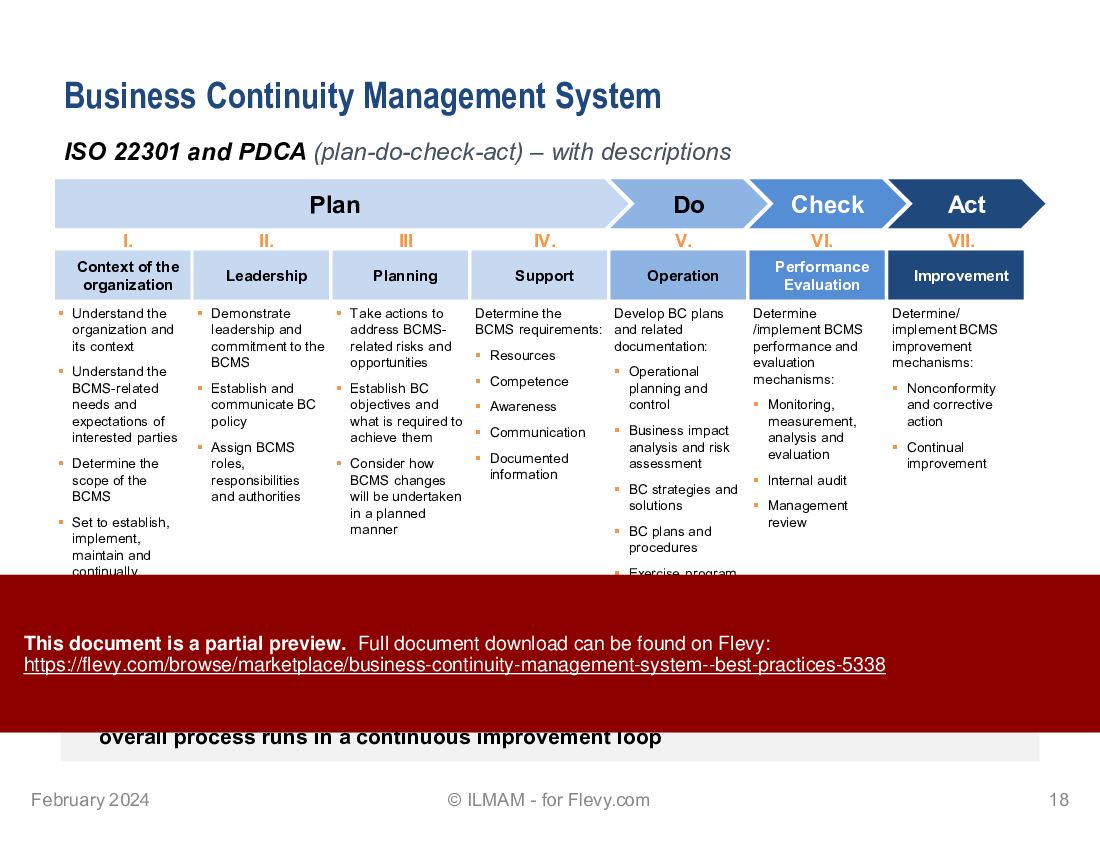
Key components include context of the organization, leadership commitment, planning, support, operational processes, performance evaluation, and continuous improvement.
Why is leadership important in a BCMS?
Leadership commitment is crucial for integrating business continuity into organizational processes, securing necessary resources, and fostering a culture of resilience.
How often should a BCMS be reviewed?
A BCMS should be reviewed regularly, especially after significant changes or incidents, to ensure its effectiveness and relevance.
What is a Business Impact Analysis (BIA)?
A BIA is a process for identifying and evaluating the potential effects of disruptions on critical business functions, helping to prioritize recovery efforts.
What training is necessary for effective BCMS implementation?
Training should cover roles and responsibilities, procedures for responding to disruptions, and awareness of the organization's business continuity objectives.
How can organizations measure the effectiveness of their BCMS?
Effectiveness can be measured through performance evaluations, internal audits, and monitoring of key performance indicators related to business continuity objectives.
Glossary
• Business Continuity (BC) - The capability of an organization to continue delivering products or services within acceptable time frames following a disruption.
• Business Continuity Management (BCM) - The process of implementing and maintaining business continuity.
• Business Continuity Plan (BCP) - Documented procedures guiding an organization to respond, recover, and restore operations after a disruption.
• Business Continuity Management System (BCMS) - A management system that establishes, implements, operates, monitors, reviews, maintains, and improves business continuity.
• Maximum Tolerable Period of Disruption (MTPD) - The time it would take for adverse impacts to become unacceptable due to a disruption.
• Recovery Time Objective (RTO) - The period within which a product or service must be resumed after a disruption.
• Recovery Point Objective (RPO) - The point to which information or resources must be restored to enable operations to resume.
• Business Impact Analysis (BIA) - A process for analyzing the potential impacts of disruptions on critical business activities.
• Stakeholders - Individuals or groups with an interest in the organization's operations, including employees, customers, and regulators.
• Continuous Improvement - The ongoing effort to enhance the suitability, adequacy, and effectiveness of the BCMS.
• Incident Response - The process of managing and responding to disruptive incidents to minimize their impact.
• Risk Assessment - The process of identifying and evaluating risks that could affect business continuity.
• Training and Awareness - Programs designed to educate staff about their roles in the BCMS and the importance of business continuity.
• Performance Evaluation - The assessment of the BCMS's effectiveness in meeting its objectives and requirements.
• Corrective Action - Steps taken to address non-conformities and improve the BCMS.
• Legal and Regulatory Compliance - Adherence to laws and regulations relevant to business continuity and risk management.
• Operational Resilience - The ability of an organization to adapt and respond to disruptions while maintaining critical functions.
• Communication Plan - A strategy for informing stakeholders about business continuity measures and procedures.
• Governance - The framework of policies, roles, and responsibilities that guide the BCMS.
• Documentation - The records and information related to the BCMS, including plans, procedures, and evaluations.
Source: Best Practices in BCP, ISO 22301 PowerPoint Slides: Business Continuity Management System - Best Practices PowerPoint (PPTX) Presentation Slide Deck, ILMAM - Strategy & Management Consulting
This document is available as part of the following discounted bundle(s):

Save %!
Business Continuity and Resilience
This bundle contains 2 total documents. See all the documents to the right.
|
Receive our FREE presentation on Operational Excellence
This 50-slide presentation provides a high-level introduction to the 4 Building Blocks of Operational Excellence. Achieving OpEx requires the implementation of a Business Execution System that integrates these 4 building blocks. |