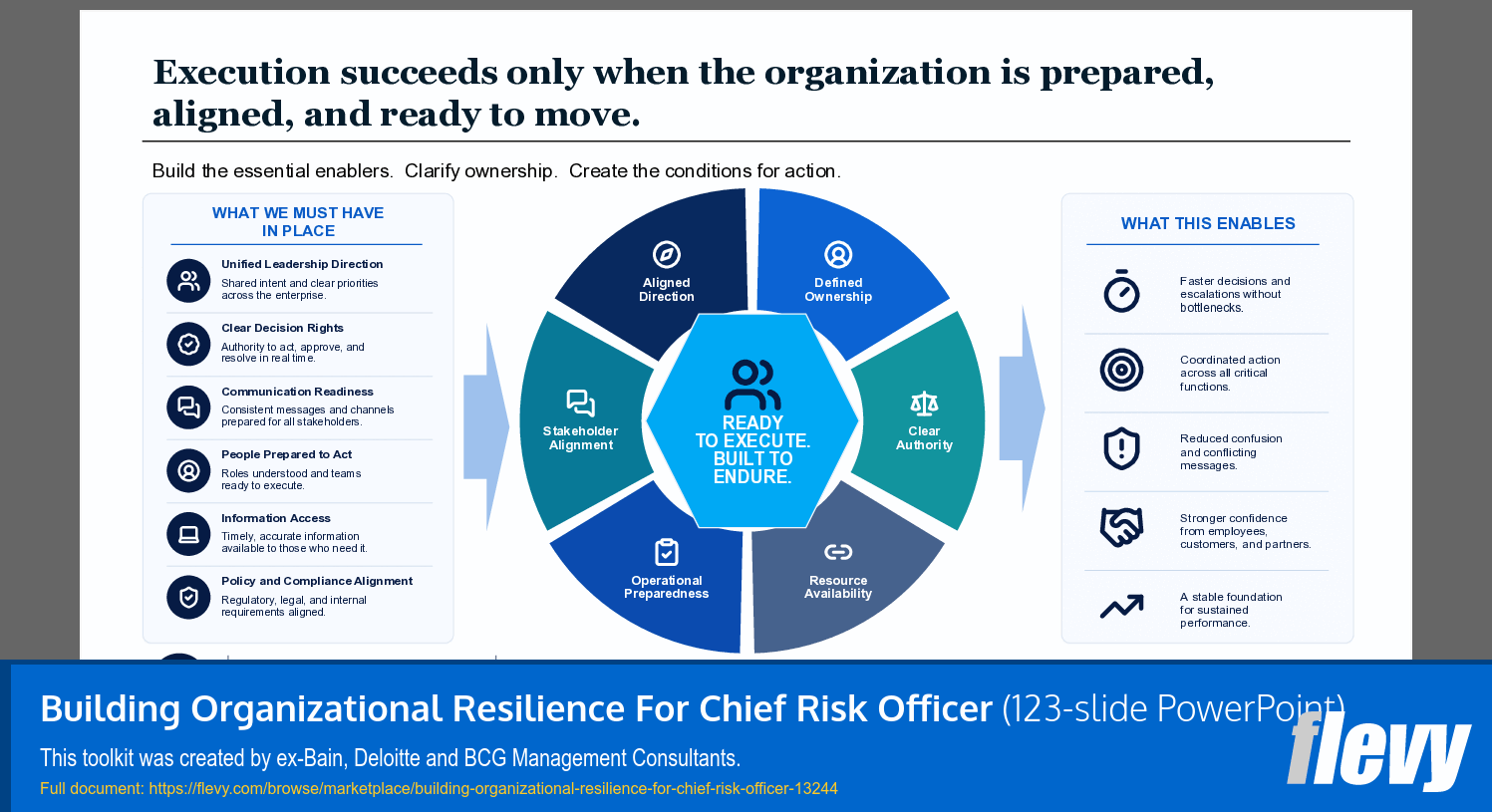

 Click main image to view in full screen. Unlock all 18 preview images:
Building Organizational Resilience For Chief Risk Officer – PowerPoint PPTX Template
PowerPoint (PPTX) + supplemental PDF 123 Slides


VIDEO DEMO
BENEFITS OF THIS DOWNLOADABLE POWERPOINT DOCUMENT
- Spot problems early: Learn how to find your team's weak spots before a big emergency or mess happens.
- Make a quick game plan: Build a step-by-step checklist to take control fast and fix things when trouble hits.
- Bounce back stronger: Figure out how to learn from mistakes so you don't make them twice and your group is tougher next time.
RISK MANAGEMENT PPT TEMPLATE DESCRIPTION
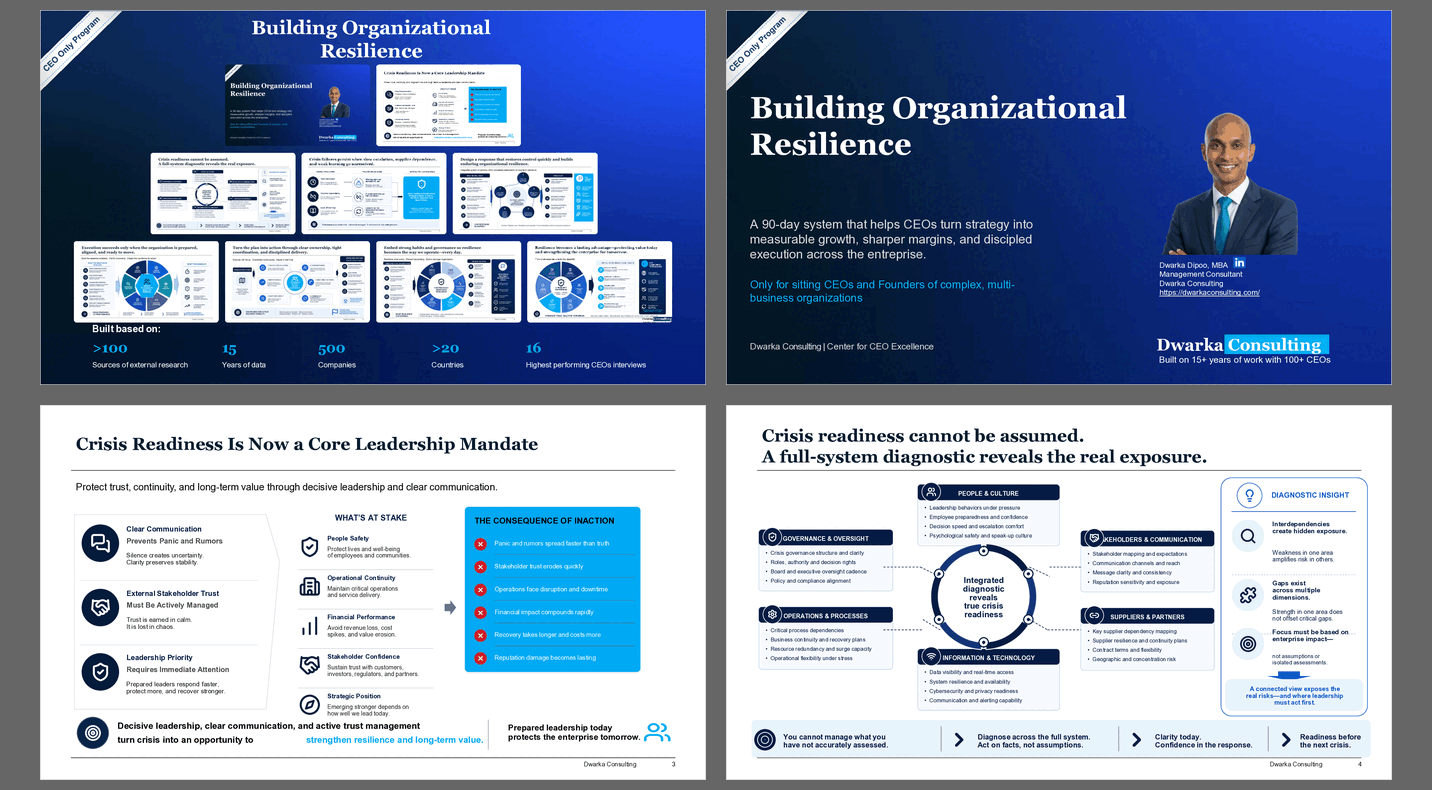
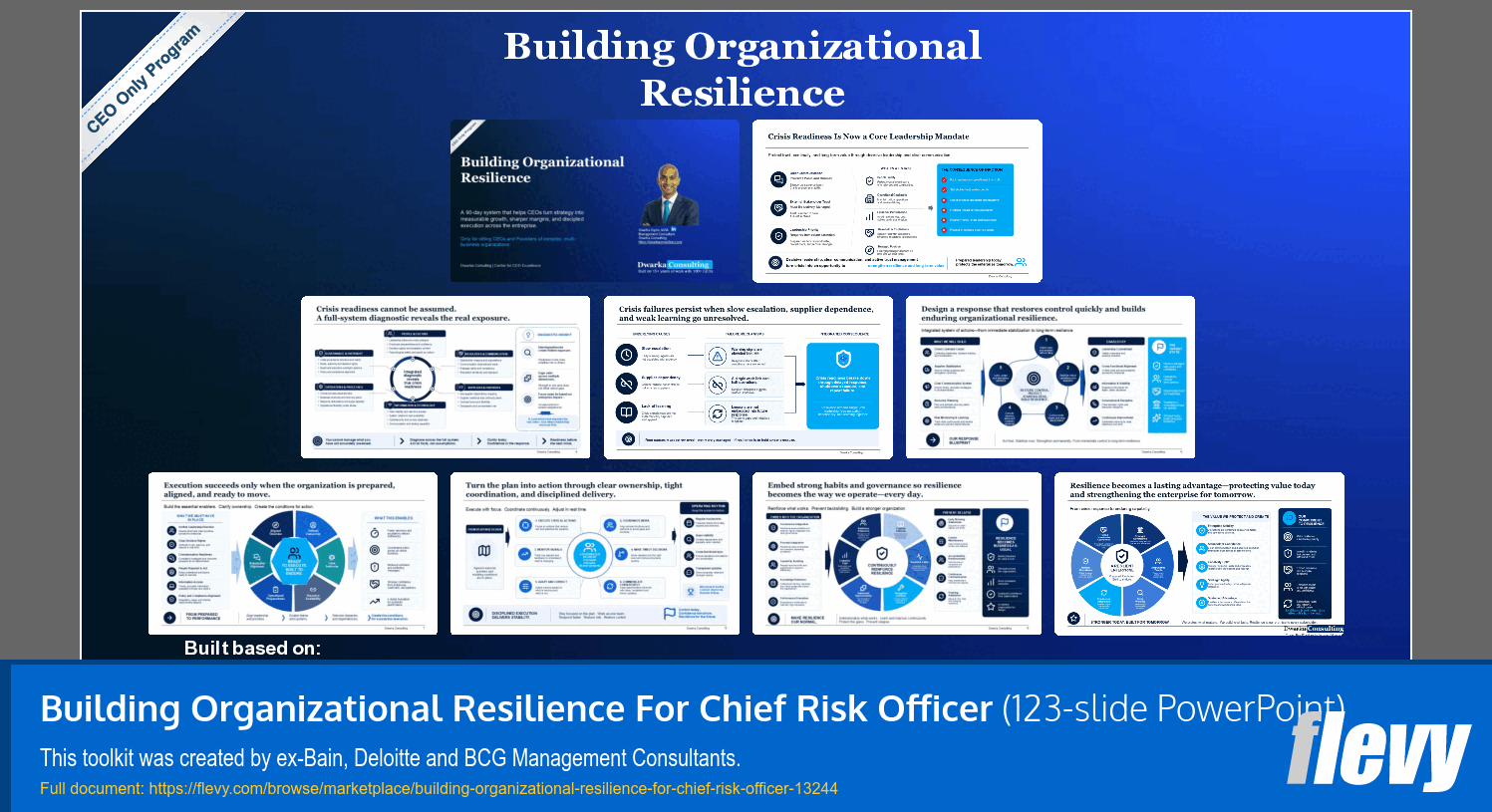
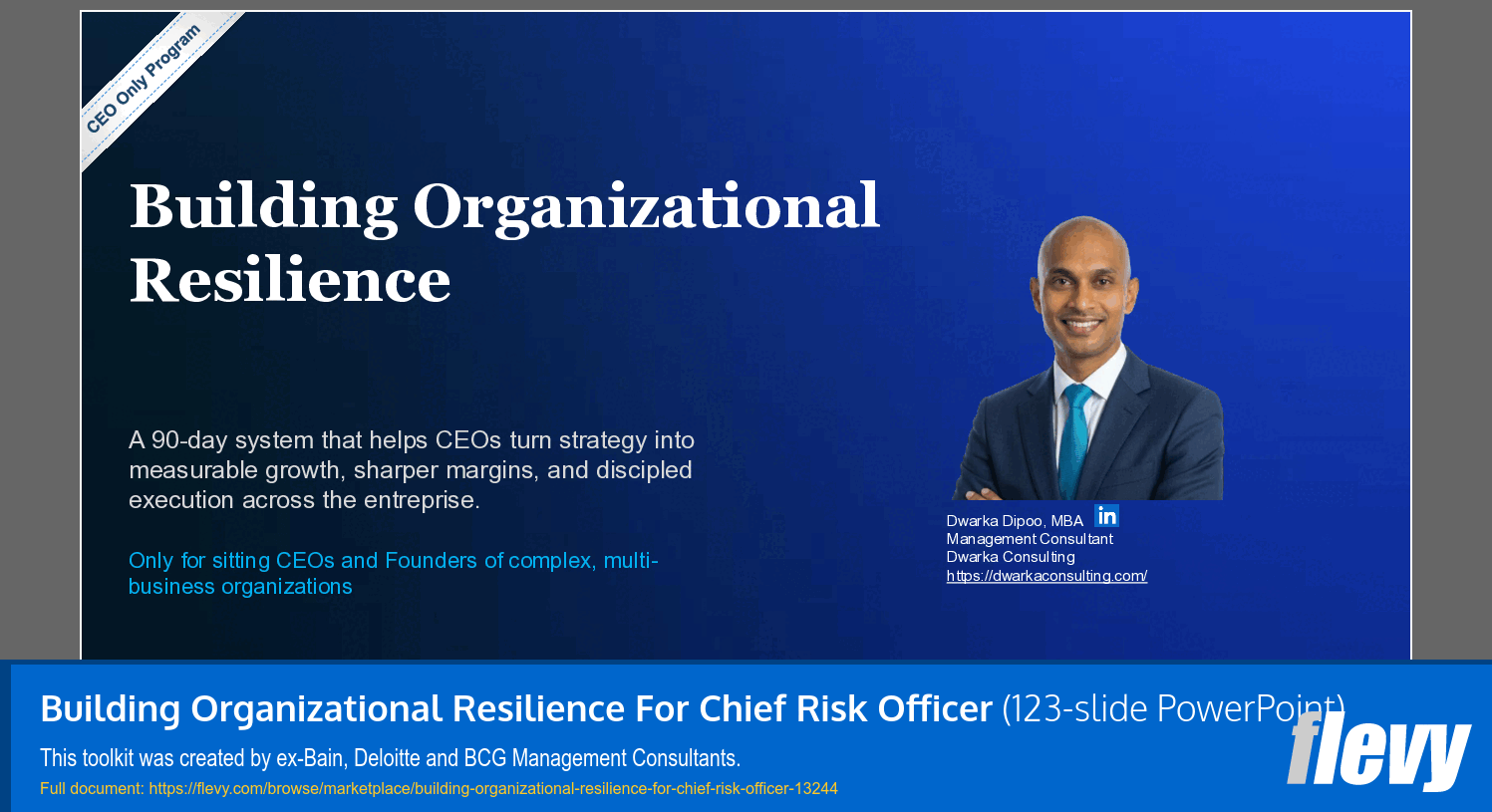
Build the leadership, governance, and operating systems needed to absorb disruption, recover faster, and strengthen the organization after a crisis.
Why This Matters
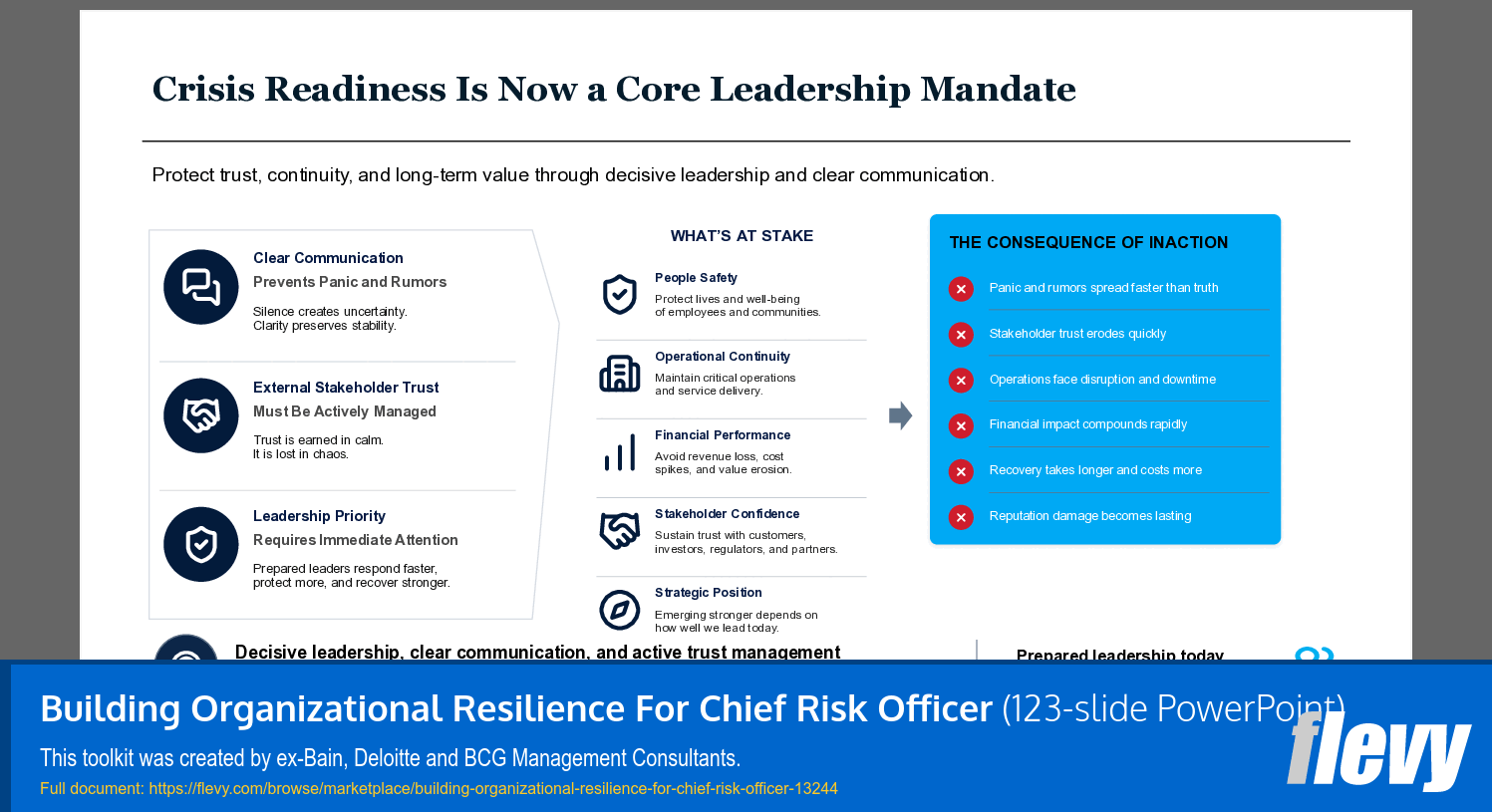
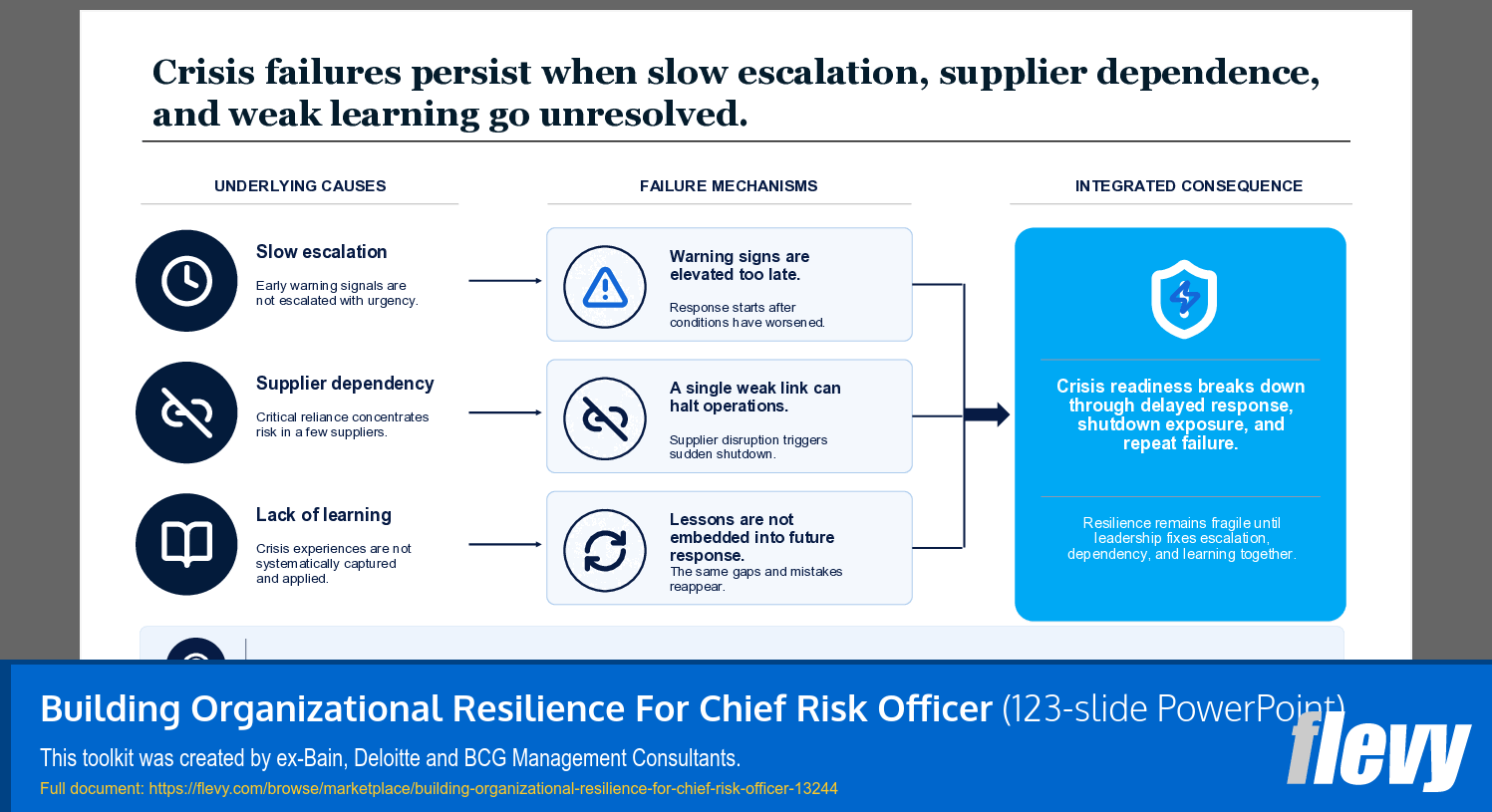
Crises expose weaknesses that normal operations can hide. Slow escalation, supplier dependency, weak communication, unclear ownership, and poor learning can turn disruption into prolonged performance loss. CEOs need a system that improves readiness, accelerates decisions, protects stakeholder trust, and converts crisis experience into stronger resilience.
What Leaders Will Learn to Do
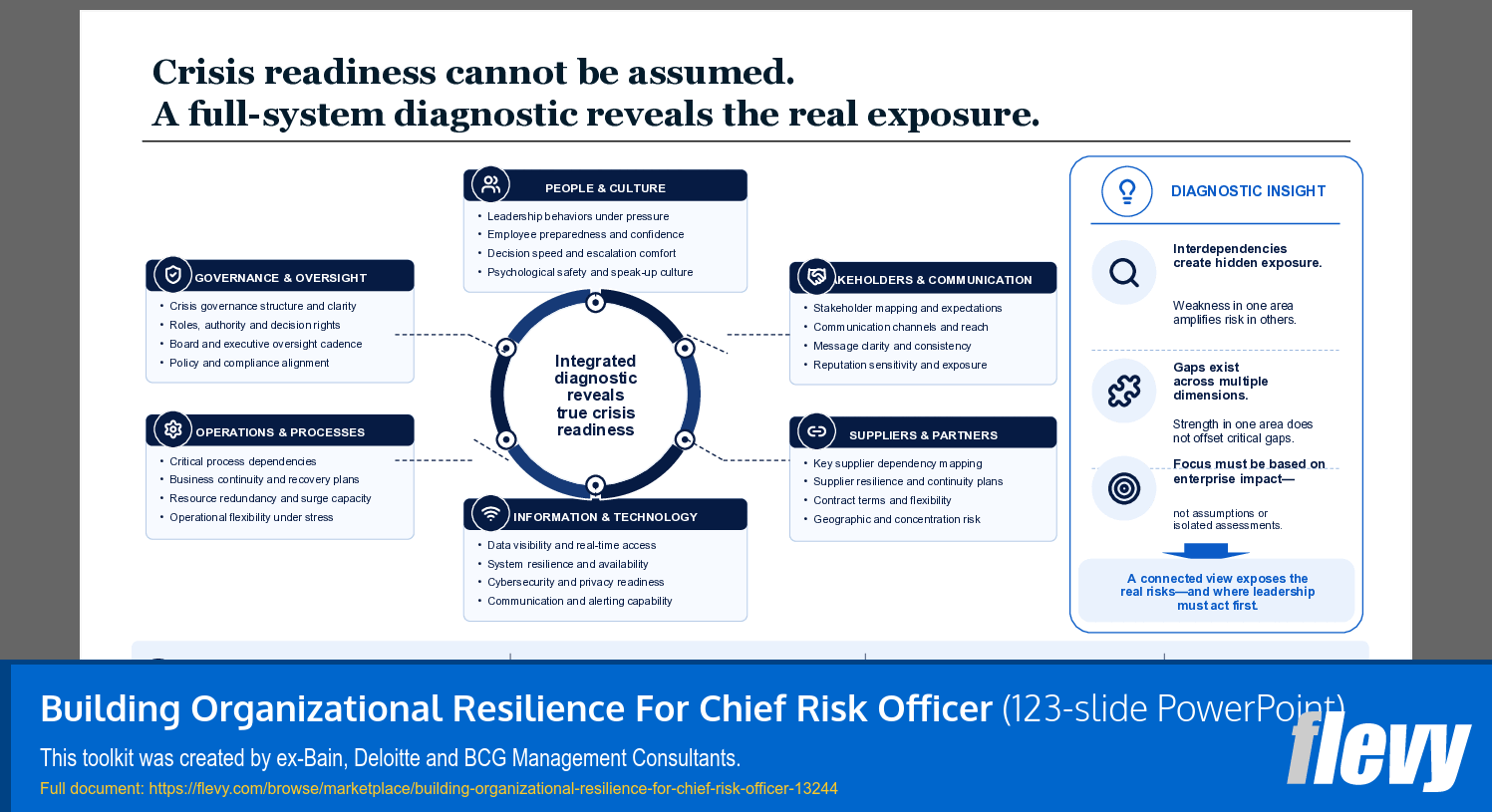
• Diagnose crisis readiness – Assess exposure across operations, suppliers, culture, governance, communications, and decision processes to reveal where resilience is weakest.
• Fix the causes of failure – Identify slow escalation, dependency risk, weak learning loops, and other structural gaps that make crises harder to contain and recover from.
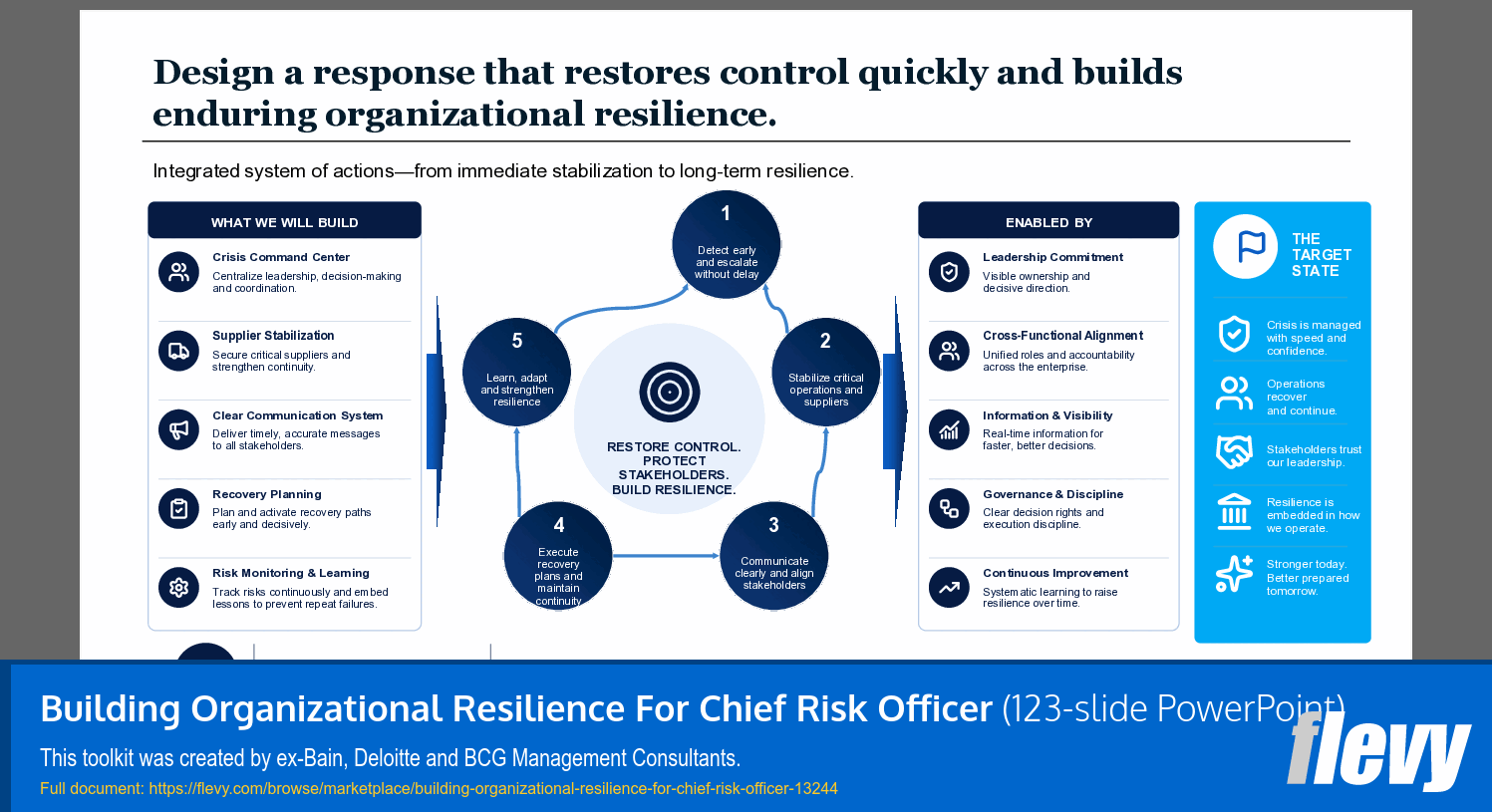
• Build the response system – Establish crisis command, decision tracking, supplier stabilization, communication routines, and recovery planning that restore control quickly.
• Institutionalize resilience – Strengthen risk governance, executive ownership, board oversight, impact tracking, and continuous improvement so readiness improves after every disruption.
Learn by Doing
• Video Case Studies – Practise judgment through real-company crisis decisions, escalation failures, supplier disruptions, stakeholder pressures, and recovery turning points.
• Models & Interactive Tools – Test crisis scenarios, assess dependencies, compare response options, evaluate risk exposure, and examine how different decisions affect recovery speed and business continuity.
• Executive Materials & Frameworks – Apply crisis diagnostics, command-center models, escalation frameworks, supplier stabilization tools, transition plans, and resilience scorecards with your leadership team.
Executive Outcome
Leaders leave better equipped to recognize threats earlier, make faster decisions under pressure, coordinate response across the enterprise, protect stakeholder confidence, and build a resilience system that reduces repeat failure and improves recovery over time.
Got a question about the product? Email us at support@flevy.com or ask the author directly by using the "Ask the Author a Question" form. If you cannot view the preview above this document description, go here to view the large preview instead.
Source: Best Practices in Risk Management, Business Resilience PowerPoint Slides: Building Organizational Resilience For Chief Risk Officer PowerPoint (PPTX) Presentation Slide Deck, Dwarka Consulting
ABOUT THE AUTHOR

Help your organization grow, work smarter, and become the expert everyone looks to.
Dwarka Consulting is a global management consulting firm dedicated to helping organizations achieve rapid and sustainable growth.
Founded by Dwarka Dipoo, MBA -- a respected consultant with over 15 years of experience spanning both the private and public sectors in the USA & Canada.
Our unique approach
... [read more]
Ask the Author a Question
You must be logged in to contact the author.