
 Click main image to view in full screen. Unlock all 17 preview images:
BSC Strategy Map Framework & Template – PowerPoint PPTX Template
PowerPoint (PPTX) 45 Slides


BENEFITS OF THIS DOWNLOADABLE POWERPOINT DOCUMENT
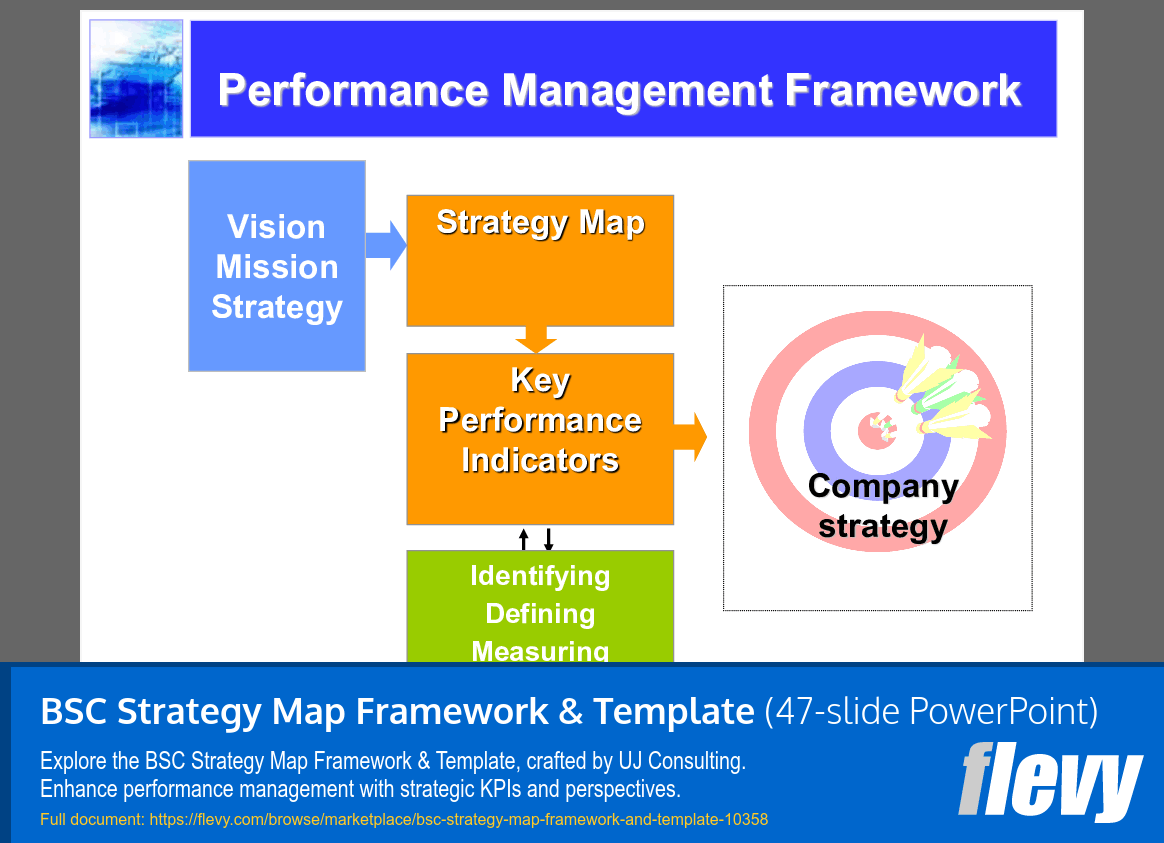
- Provide a Performance Management Framework & Templates
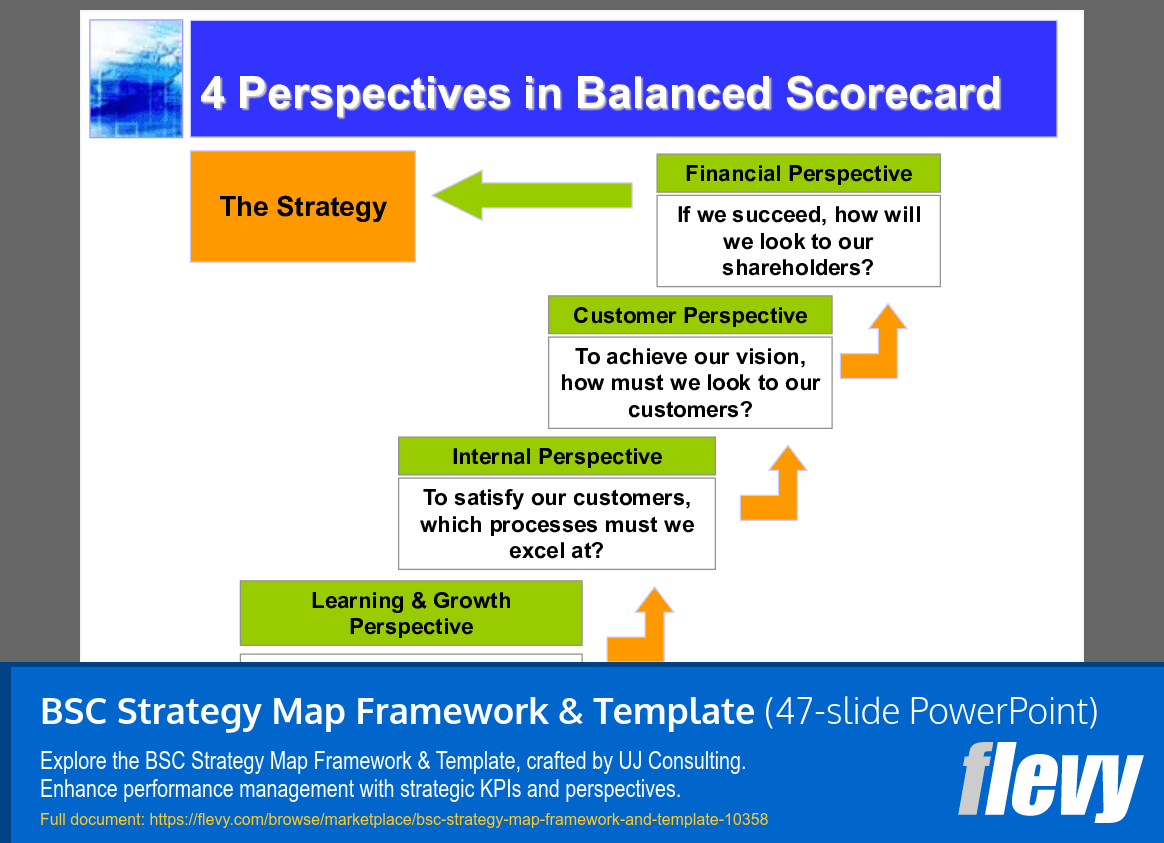
- Provide 4 Perspectives in Balanced Scorecard
- Provide KPI Guidelines (Family & Category Dimension)
BALANCED SCORECARD PPT TEMPLATE DESCRIPTION
BSC Strategy Map Framework & Template
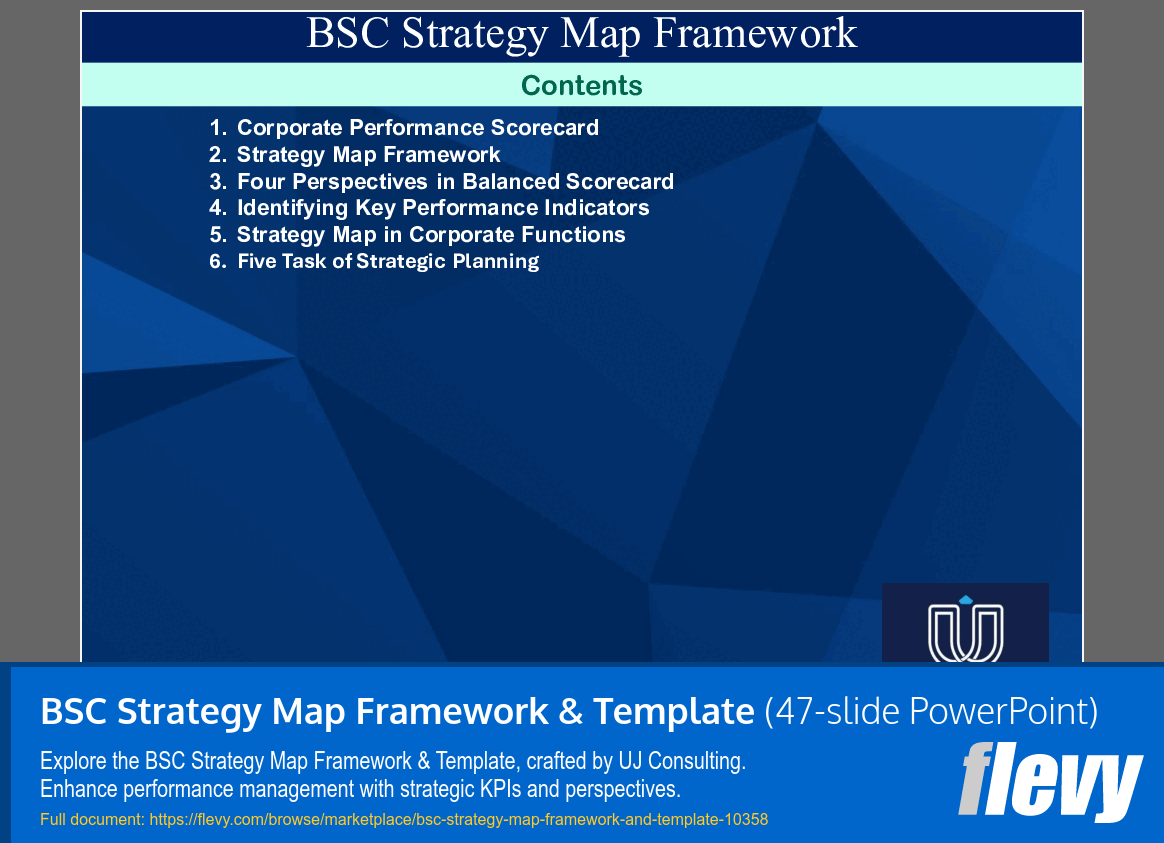
Contents
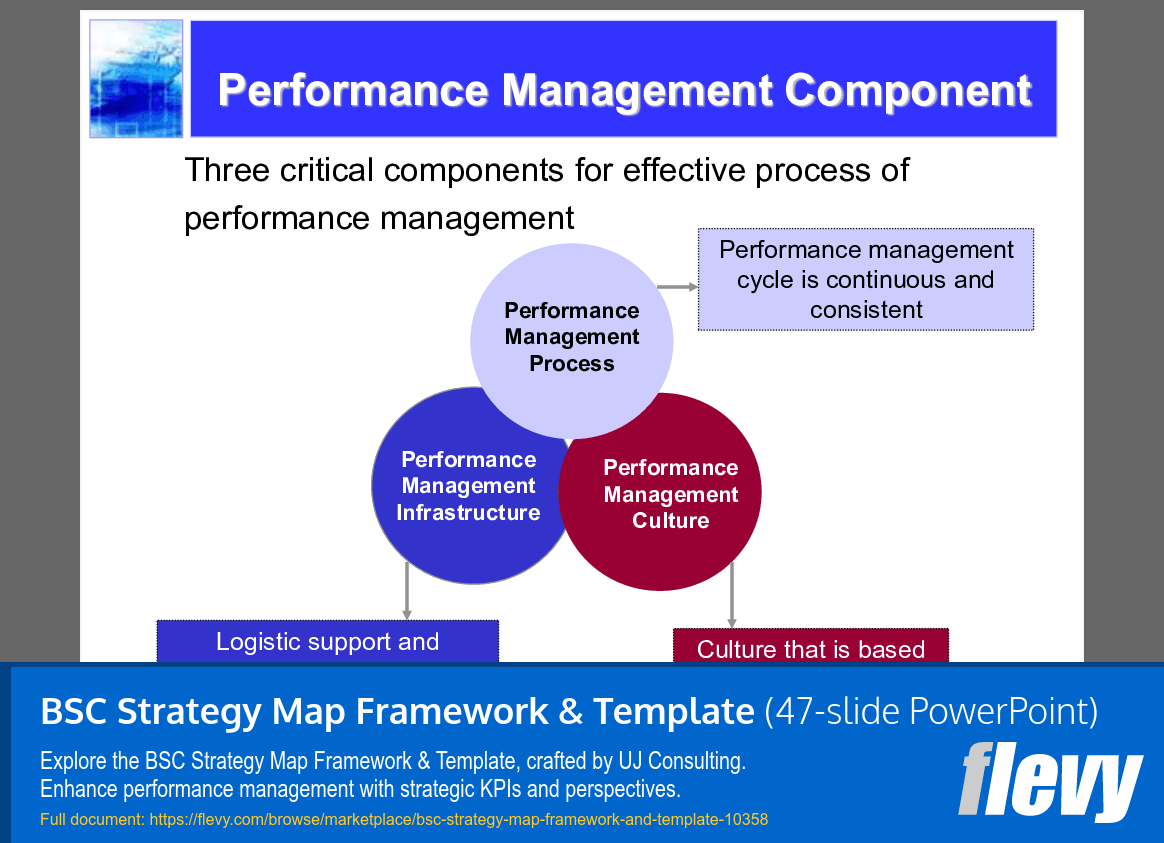
1. Performance Management Component
2. Performance Management Cycle
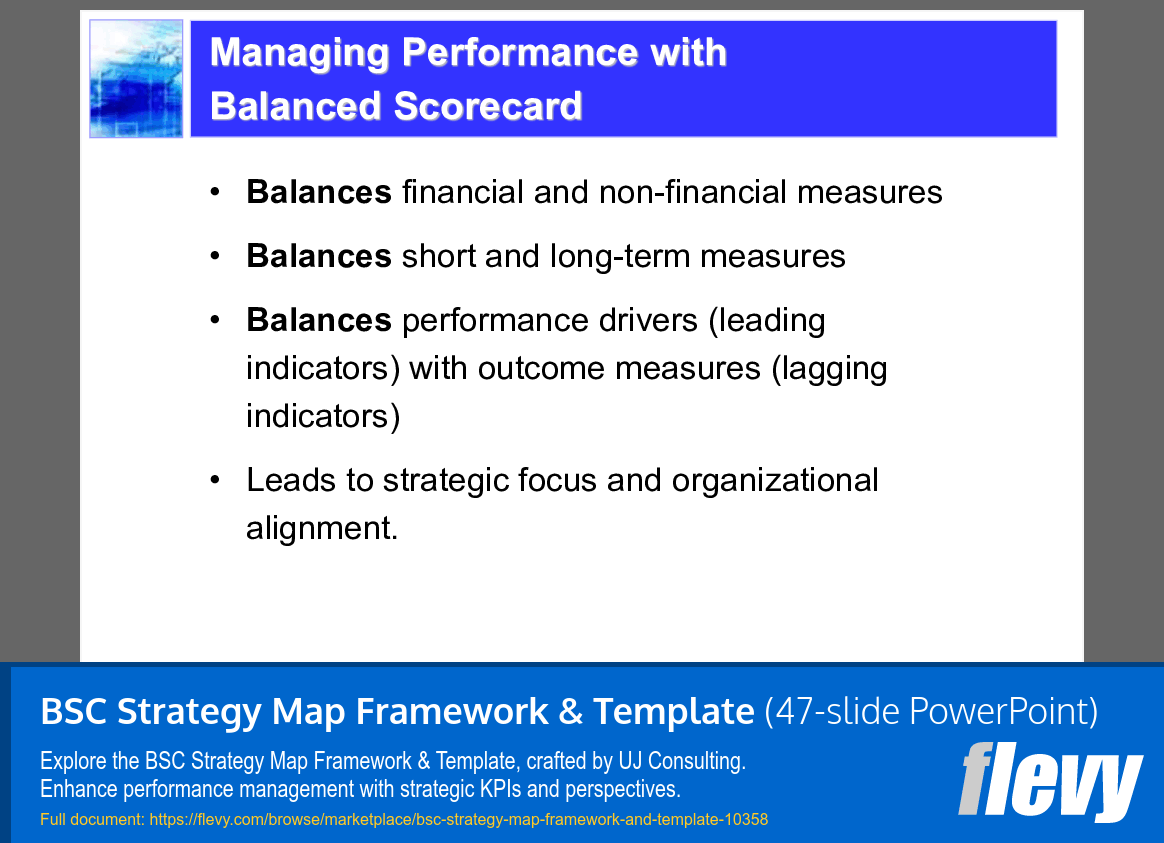
3. Managing Performance with Balanced Scorecard
4. Performance Management Framework
5. 4 Perspectives in Balanced Scorecard
6. Strategy and Balanced Scorecard
7. Financial Perspective
8. Strategic Objectives in Financial
9. Customer Perspective
10. Strategic Objectives in Customer
11. Internal Process Perspective
12. Strategic Objectives in Internal Process
13. Learning & Growth Perspective
14. Strategic Objectives in Learning & Growth
15. Corporate Performance Scorecard
16. Key Performance Indicators (KPI)
17. KPI Guidelines
18. KPI Family & Category Dimension
20. Division Strategy Map Template
21. Corporate and Division Scorecard
22. HR Strategy Map Template
23. Marketing Strategy Map Template
24. Finance Strategy Map Template
The balanced scorecard (BSC) is a strategic planning and management system used by organizations to:
1. Communicate what they are trying to accomplish
2. Align daily work with strategy
3. Prioritize projects, products, and services
4. Measure and monitor progress towards strategic targets
The term "balanced" refers to the inclusion of strategic measures in addition to traditional financial measures to get a more complete view of organizational performance.
Originally developed as a performance measurement tool, the BSC has evolved into a comprehensive framework for managing strategy. One of its key strengths is its ability to "connect the dots" across the organization—linking individual and team activities, performance metrics (KPIs), strategic objectives, and the organization's mission and vision in a clear, integrated way.
The Balanced Scorecard is widely used across businesses, government agencies, and nonprofit organizations around the world. More than half of major companies in the U.S., Europe, and Asia use the BSC, with adoption steadily increasing in the Middle East and Africa as well.
A global study by Bain & Company has consistently ranked the Balanced Scorecard as a widely used management tool worldwide. It has also been recognized by Harvard Business Review as one of the most influential business ideas of the past 75 years.
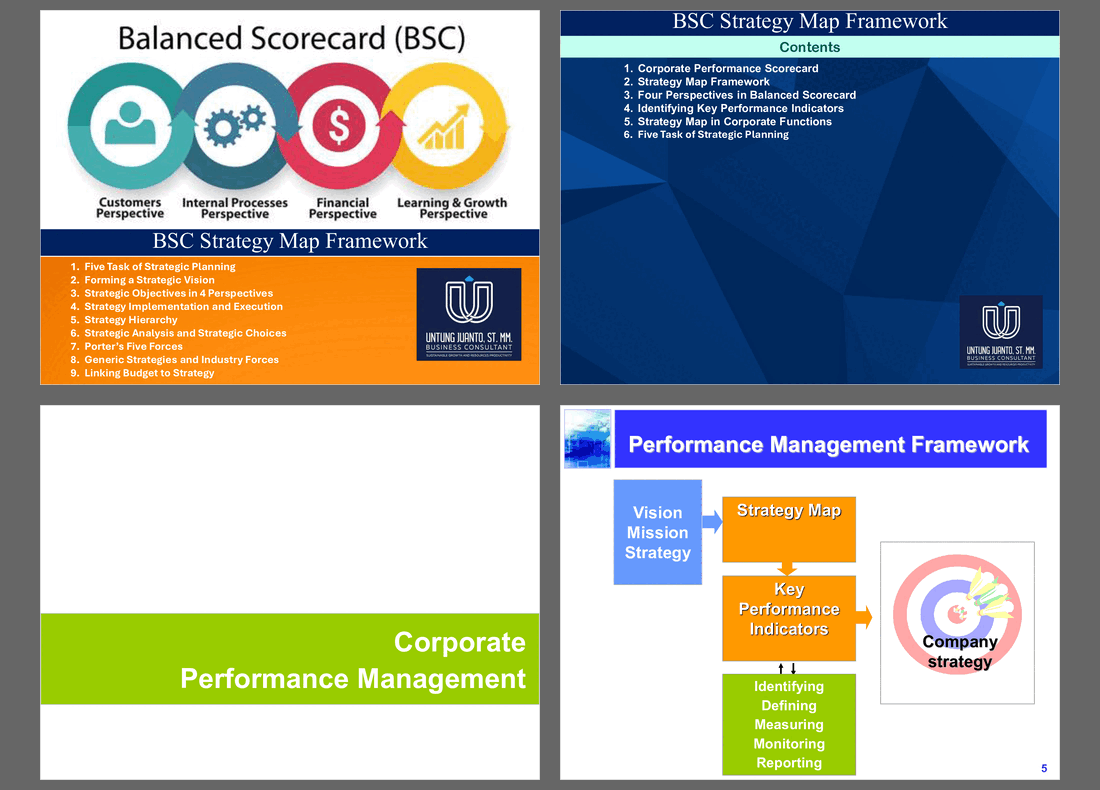
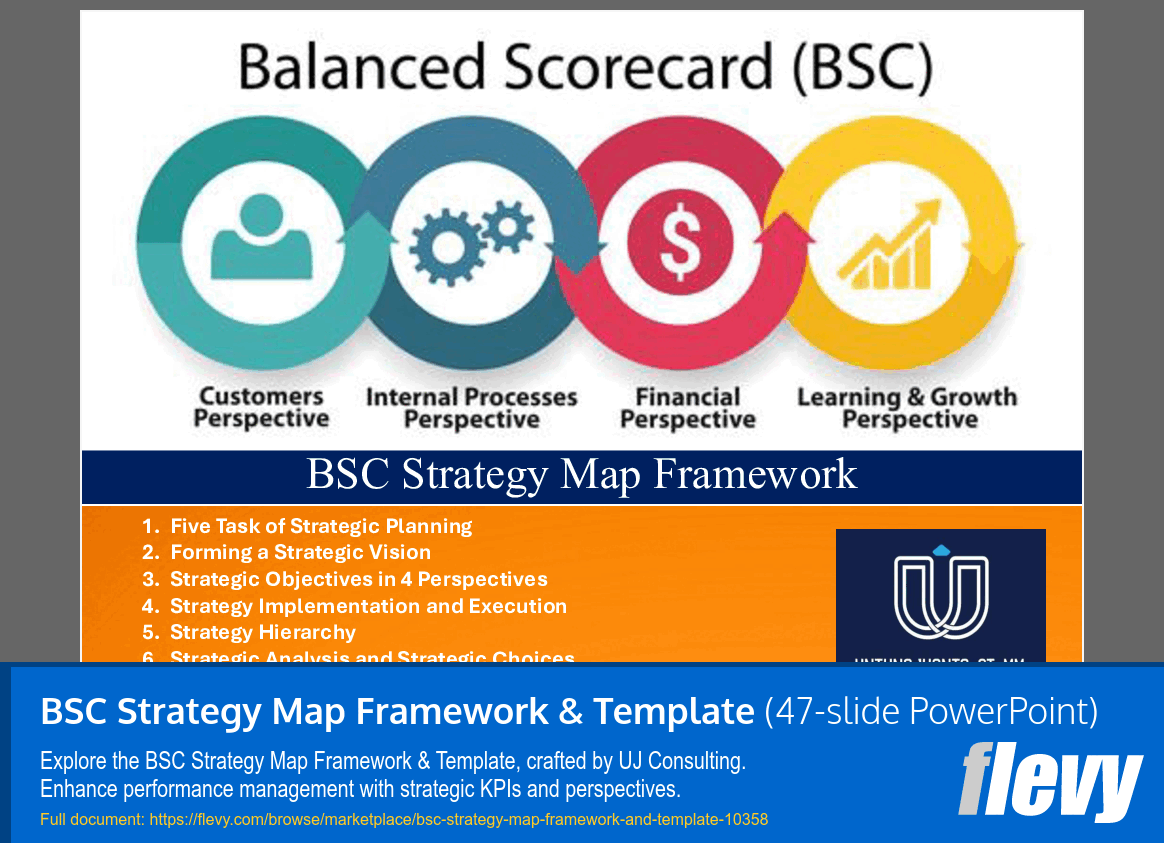
The Balanced Scorecard encourages organizations to view their performance from four key perspectives. These perspectives help guide the development of strategic objectives, key performance indicators (KPIs), targets, and initiatives:
1. Financial (or Stewardship): Assesses the organization's financial performance and how effectively it uses financial resources.
2. Customer/Stakeholder: Evaluates performance from the viewpoint of customers or key stakeholders the organization is intended to serve.
3. Internal Process: Focuses on the quality and efficiency of internal operations that produce products, deliver services, or drive other critical processes.
4. Organizational Capacity (or Learning & Growth): Examines the people, infrastructure, technology, culture, and other capabilities that enable long-term improvement and innovation.
Thank you
UJ Consulting
Got a question about the product? Email us at support@flevy.com or ask the author directly by using the "Ask the Author a Question" form. If you cannot view the preview above this document description, go here to view the large preview instead.
Source: Best Practices in Balanced Scorecard PowerPoint Slides: BSC Strategy Map Framework & Template PowerPoint (PPTX) Presentation Slide Deck, UJ Consulting _ Strategy-Insight-Impact
ABOUT THE AUTHOR

UJ Consulting | Strategy • Insight • Impact
UJ Consulting is an executive management consulting and business transformation practice founded by Untung Juanto, ST., MM., a senior executive, consultant, and transformation practitioner with more than 25 years of professional experience across local and multinational companies and diverse industries.
His career progressed from frontline
... [read more]
Ask the Author a Question
You must be logged in to contact the author.




























